
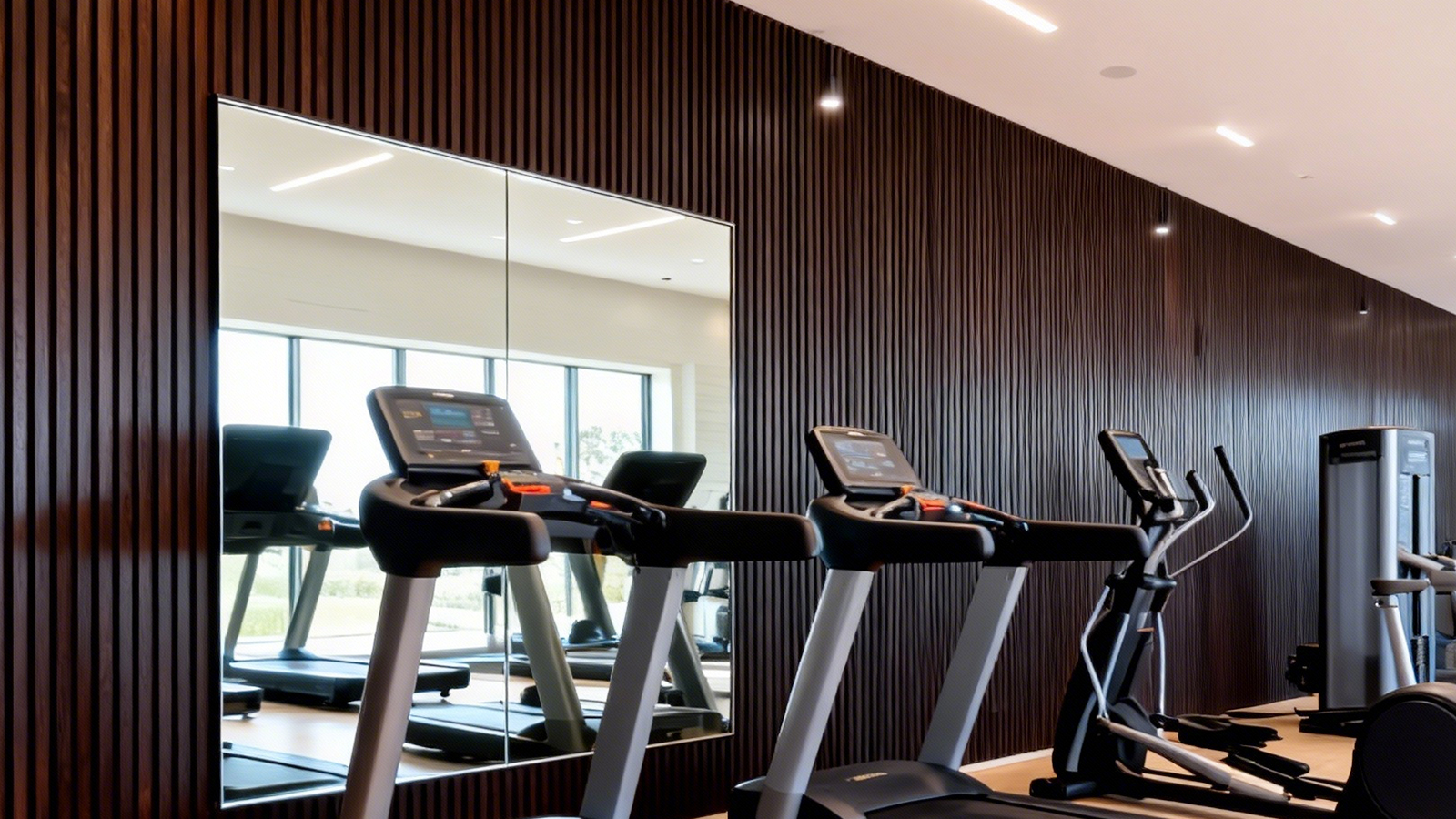
PU Stone: The Lightweight Stone Revolution for Modern Architecture
Table of Contents
- What Exactly Is PU Stone?
- Key Advantages That Make PU Stone a Game-Changer
- How to Install PU Stone: Practical Steps & Tips
- Where PU Stone Truly Shines: Applications & Use Cases
- Cost Comparison: PU Stone vs Natural Stone
- Points to Consider & Potential Trade-Offs
- Final Thoughts: Why PU Stone Is Redefining Stone Decor
In the world of architectural finishes, materials that evoke the timeless elegance of natural stone have always held a special place. Yet the practical challenges of weight, cost, transport, and installation often deter designers and builders alike. Enter PU stone — a faux stone material crafted from polyurethane that delivers highly realistic stone aesthetics, while sidestepping many drawbacks inherent to natural stone. Thanks to its lightweight properties, flexibility, and durability, PU stone is gaining popularity around the globe, particularly in regions where wood-frame construction is common.
What Exactly Is PU Stone?
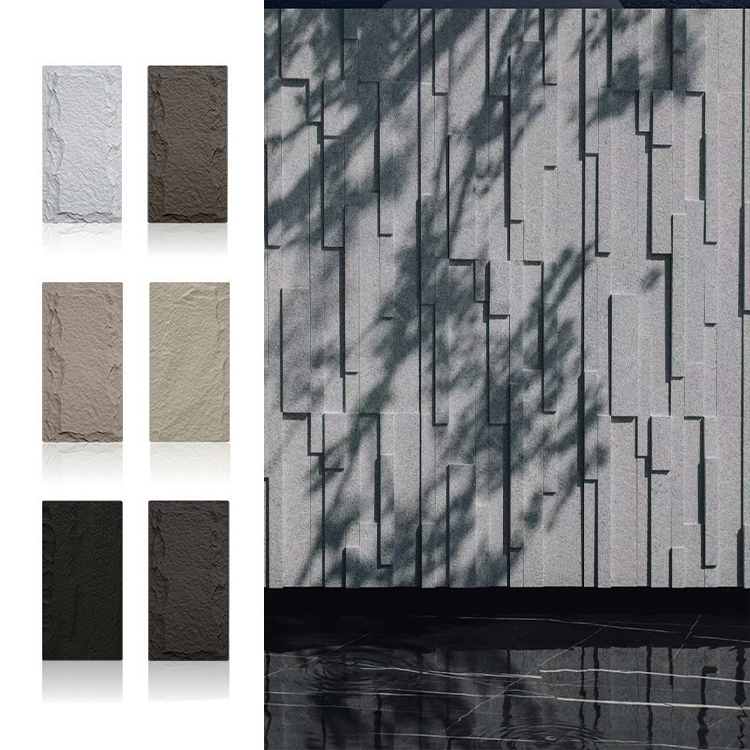
Polyurethane (PU) is a versatile polymer formed by the reaction of organic diisocyanates with polyols, producing a macromolecule capable of being rigid, flexible, or somewhere in between. PU stone (sometimes called “PU faux stone panels”) consists of a polymer foam core, molded to replicate real stone textures, then coated with a protective finish that simulates the look and feel of natural rock.
Thanks to modern molding methods, manufacturers can precisely capture geological features — the rough grains, fissures, and subtle color variations typical of natural stone.
Key Advantages That Make PU Stone a Game-Changer
- Ultra-Lightweight, Structural-Friendly
One of the most compelling benefits of PU stone is its weight. Unlike natural stone panels that can weigh dozens of pounds per square foot, many PU stone panels weigh as little as 2–8 lb/sq ft (or around 4–5 kg/m²). This dramatic reduction in mass eliminates the need for reinforced support structures, making PU stone ideal even for retrofit projects, ceilings, or wall systems with limited load capacity.
- Sophisticated Thermal and Acoustic Insulation
Thanks to its polymeric cellular structure, PU stone delivers excellent thermal insulation, helping maintain indoor comfort while lowering energy costs. It also exhibits sound-damping properties, creating quieter, more comfortable spaces — whether in homes, offices, or hospitality environments.
- Long-Lasting Aesthetics — No Fading
High-quality PU stone panels are often treated with UV-resistant coatings and colorfast pigments to maintain their appearance over time. According to some manufacturers, their PU stone products can retain their color for 15 or more years without noticeable fading.
- Fire Safety & Durability
Many PU stone panels are engineered to meet industry fire-safety standards — for example, some are rated Class B1 or B2 for flame resistance. Despite being lightweight, they also offer impact and compression resistance, resisting dents and deformations over time.
- Eco-Conscious Design
PU stone is often made without harmful substances like formaldehyde or CFCs. Many panels are produced using low-VOC formulations. Because of the lightweight nature and efficient production process, these panels can reduce reliance on quarried stone, making them an environmentally friendlier choice.
- Easy Installation & Customization
Installation with PU stone is relatively simple: panels can be cut with standard hand tools (even a common saw), adhered with structural adhesive, or mechanically fixed using screws. Manufactured panels often have interlocking or tongue-and-groove edges, which simplify alignment and reduce visible seams.
Beyond ease of install, PU stone offers design flexibility. Its formability allows it to be molded into a variety of shapes — whether it's stacked stone, slate, or completely custom profiles — and coloration can be tailored to suit a wide range of architectural styles.
- Weather-Resistant Performance
Modern PU stone panels are engineered to resist UV damage, water absorption, mildew, and aging. Many are rated to withstand temperature extremes (e.g., from –20 °C to +120 °C) without degradation. This makes them viable for both interior and exterior applications.
How to Install PU Stone: Practical Steps & Tips
- Substrate Preparation
Begin by ensuring the mounting surface is dry, clean, and reasonably flat. For exteriors, this might involve cement or fiber cement board, while interior installs might be placed over plywood or drywall.
- Layout & Planning
Map out the wall or area to avoid awkward cuts, especially around corners, windows, or doors. Determine where full panels will go and where they need trimming.
- Adhesive Application
Apply high-strength structural adhesive to the back of the panel. A recommended adhesive layer is usually around 4–8 mm.
- Fixing & Aligning
Press the panel onto the wall, align tongue-and-groove joins, and fasten with screws if needed (especially for exterior or high-stress areas).
- Joint Sealing
Once all panels are up, finish by caulking or grouting joints if required by design. Use a pointing technique to make the seam lines consistent and neat.
- Cleanup
After the adhesive cures, wipe the surface with a dry cloth, followed by a damp clean. Any residual dust or marks can be rinsed off.
Where PU Stone Truly Shines: Applications & Use Cases
Thanks to its versatility, durability, and beauty, PU stone is suited for a wide variety of settings:
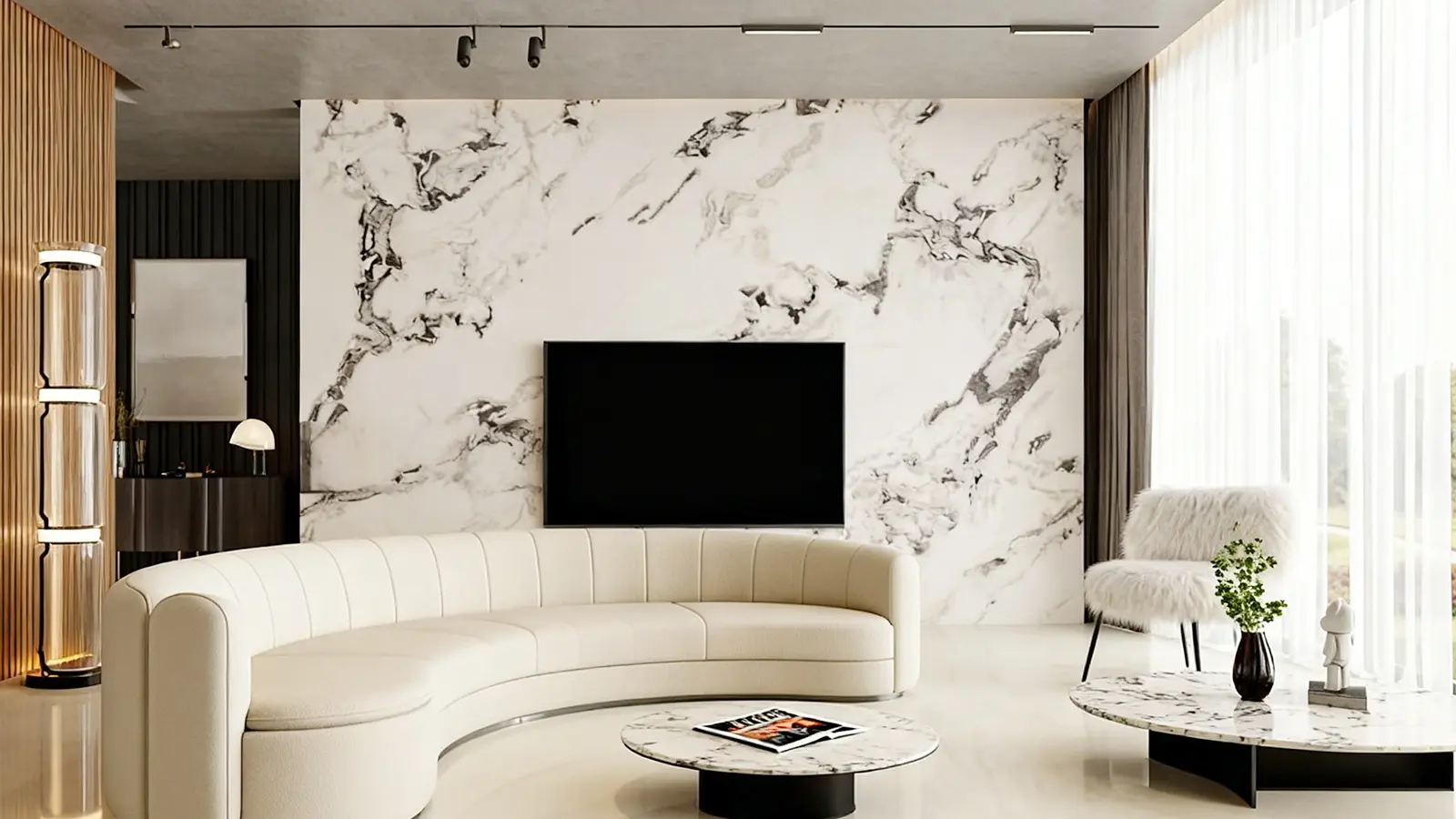
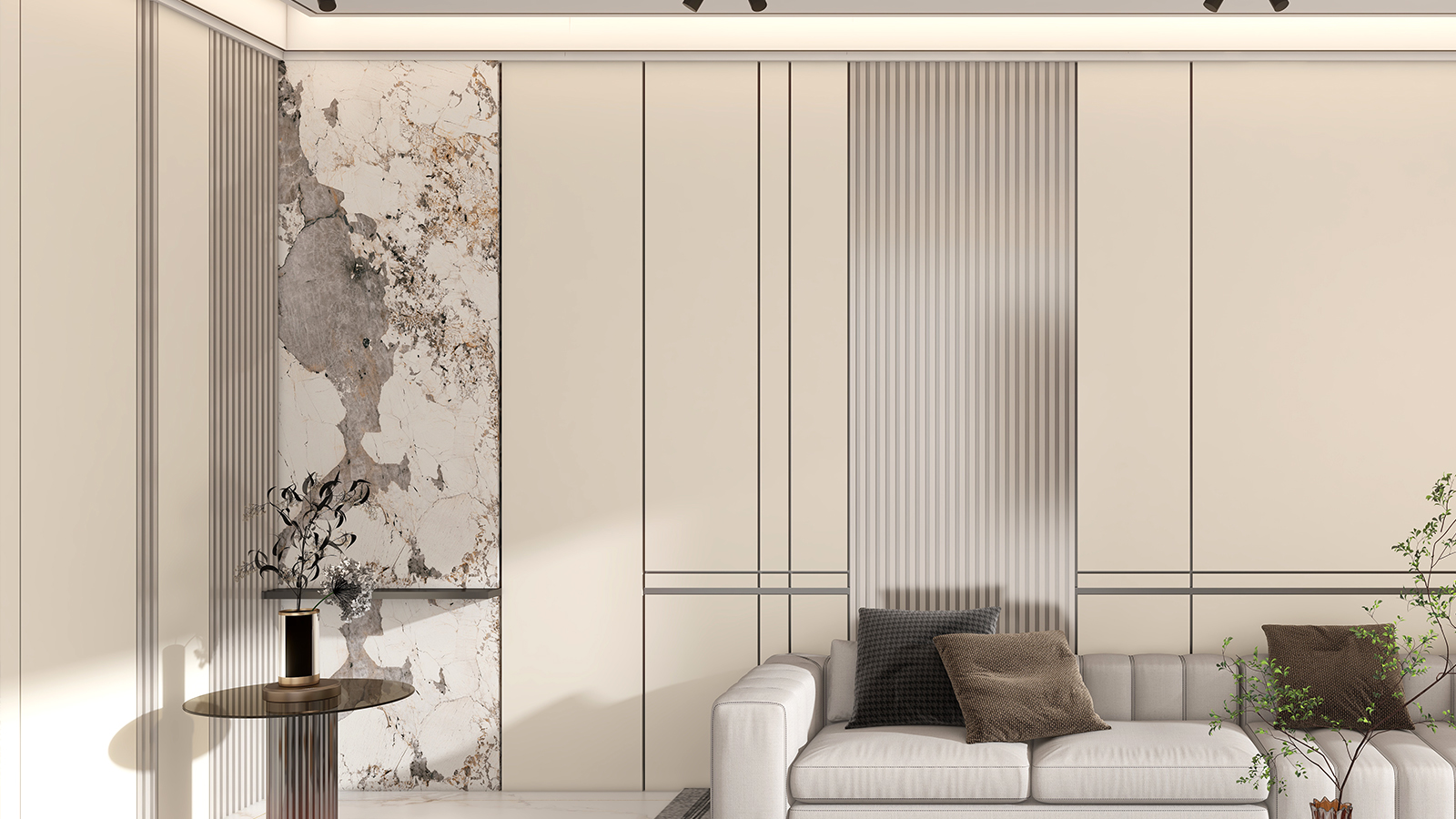
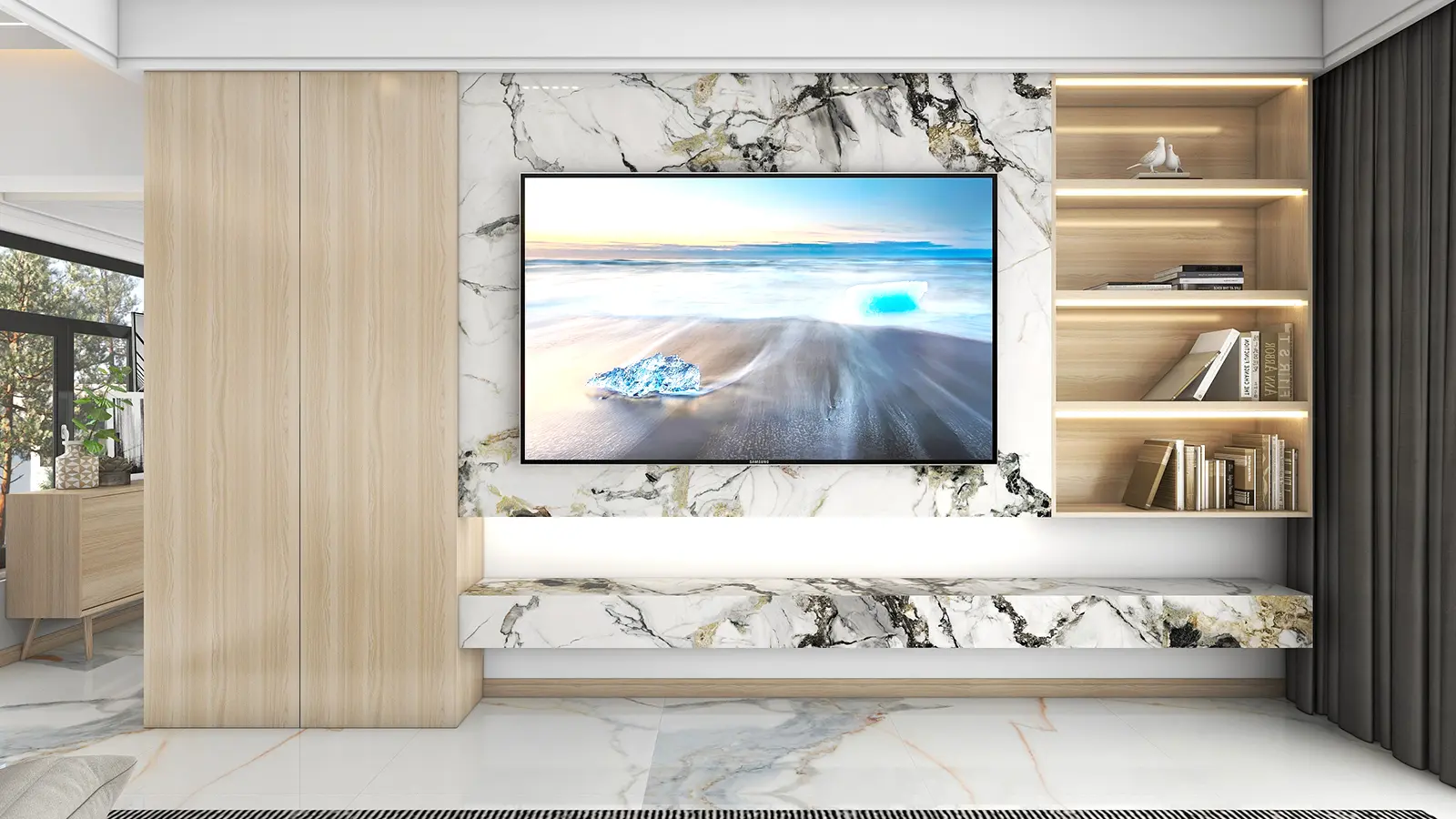
- Residential Interiors: Accent walls in living rooms, textured backdrops for TV units, or elegant feature walls in bedrooms.
- Bathrooms & Kitchens: Because of its waterproof and mildew-resistant properties, it's a stylish alternative to traditional wall finishes.
- Commercial Spaces: Retail storefronts, boutique stores, and restaurant interiors benefit from its premium stone look without heavy structural demands.
- Exterior Cladding: For wood-framed houses, PU stone panels offer a lightweight, durable façade that resists weather and UV degradation.
- Hospitality & Public Projects: Hotels, lobbies, and public spaces looking for stone aesthetics without prolonged downtime or heavy labor costs can greatly benefit.
Cost Comparison: PU Stone vs Natural Stone
When comparing costs, PU stone offers significant advantages. According to one analysis, PU faux stone panels can cost around 5–10 per square foot, while natural stone can range from 15–30+ per square foot, depending on material and installation complexity.
Installation cost savings come from reduced labor, faster application time, and elimination of heavy equipment.
Over the long term, maintenance is simpler and more affordable: PU stone typically requires only occasional cleaning, while natural stone often needs sealing, repair, or treatments.
Points to Consider & Potential Trade-Offs
While PU stone is impressive, it's not without its trade-offs:
- Durability vs Natural Stone: Although PU stone is durable, it may be more prone to surface dents compared to ultra-hard natural stone.
- Fire Rating: Unless specifically formulated with fire-retardant additives, PU panels may not reach the highest fire safety classes.
- Lifespan: While many PU stone panels last a long time (10–20+ years), extreme environmental exposure might shorten their life compared to long-lasting quarried stone.
- Perception: For purists, synthetic stone might never fully replicate the tactile feel and weight of true natural rock.
Final Thoughts: Why PU Stone Is Redefining Stone Decor
In a world that seeks sustainable, cost-effective, and visually compelling design solutions, PU stone Wall Panels are emerging as a top choice. They combine the timeless elegance of stone with modern performance: lightweight for easy handling, strong enough for long-term use, and flexible enough for creative installations.
Whether you're a homeowner looking to upgrade your living space, a designer wanting to push creative boundaries, or a contractor aiming for efficient, high-impact renovations — PU stone brings a powerful, practical, and beautiful solution. Embrace the future of stone cladding without compromising on aesthetics or structure.
