


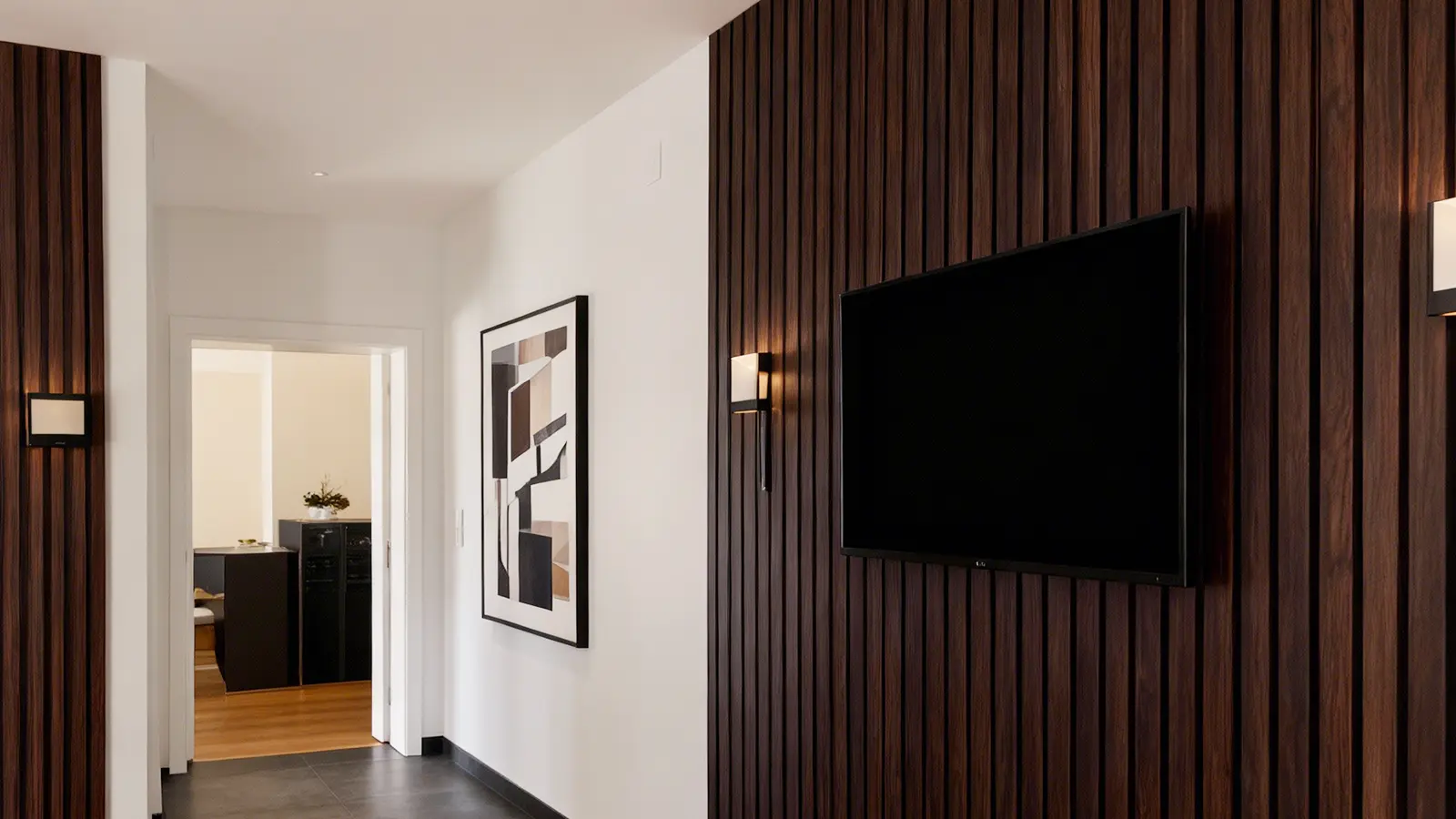


Maintenance guidelines for WPC wall panels
Maintenance guidelines for WPC wall panels
WPC Wall Panels perfectly combine the natural beauty of wood with the superior durability of plastic, making them a stylish and practical choice for modern homes. To maintain their aesthetic appeal and performance, homeowners need to follow detailed care guidelines.

- What are WPC Wall Panels?
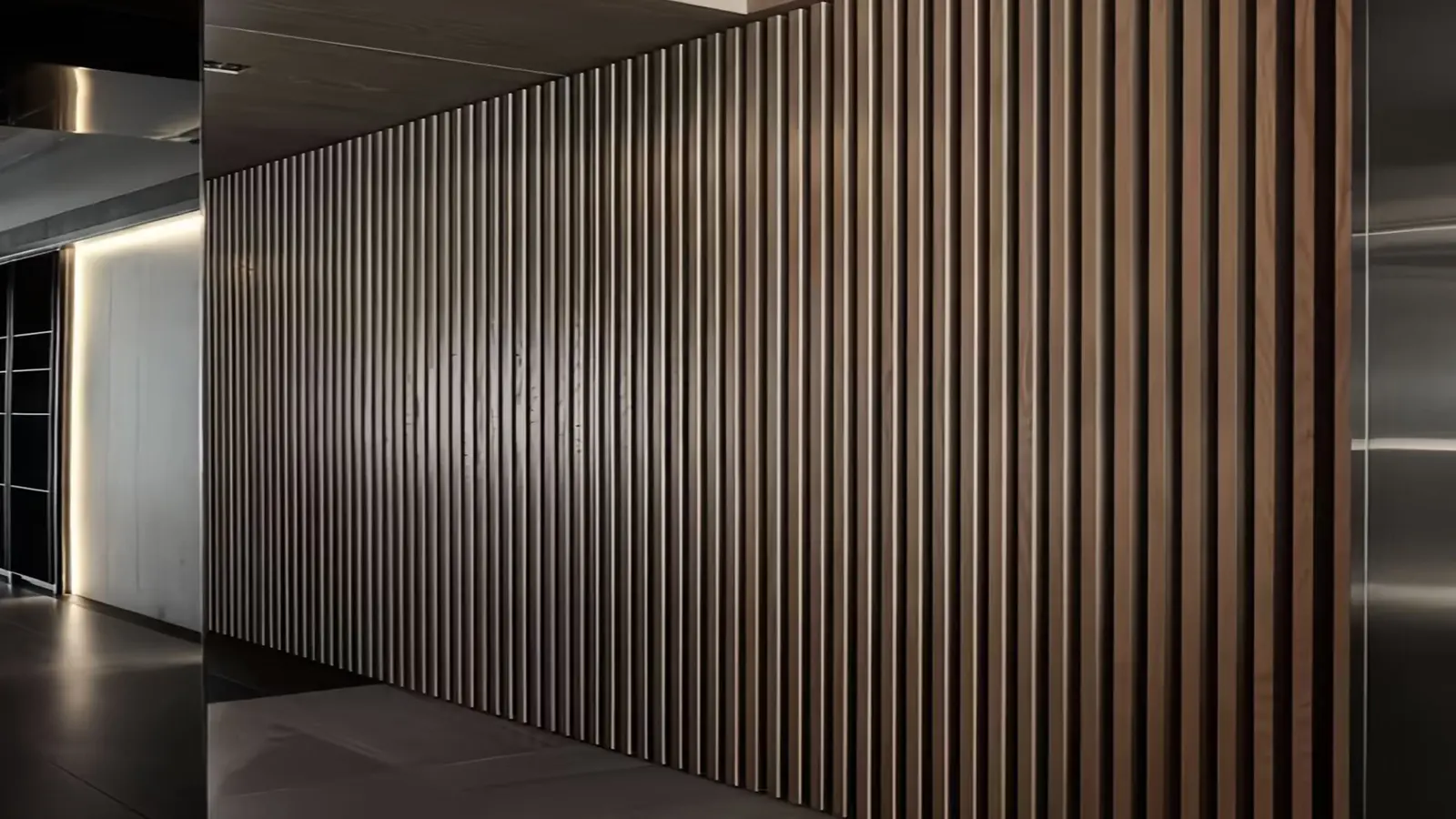
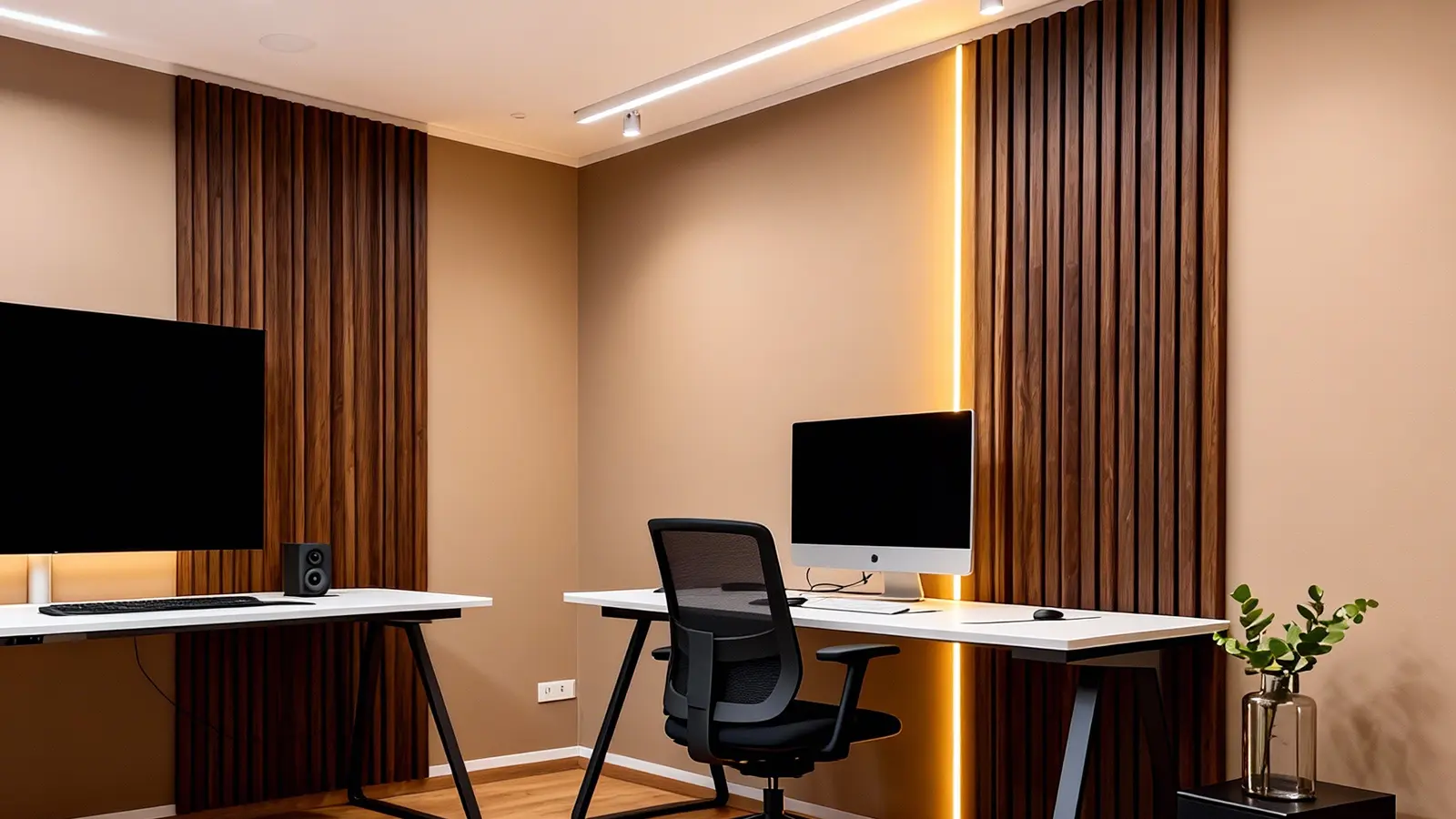
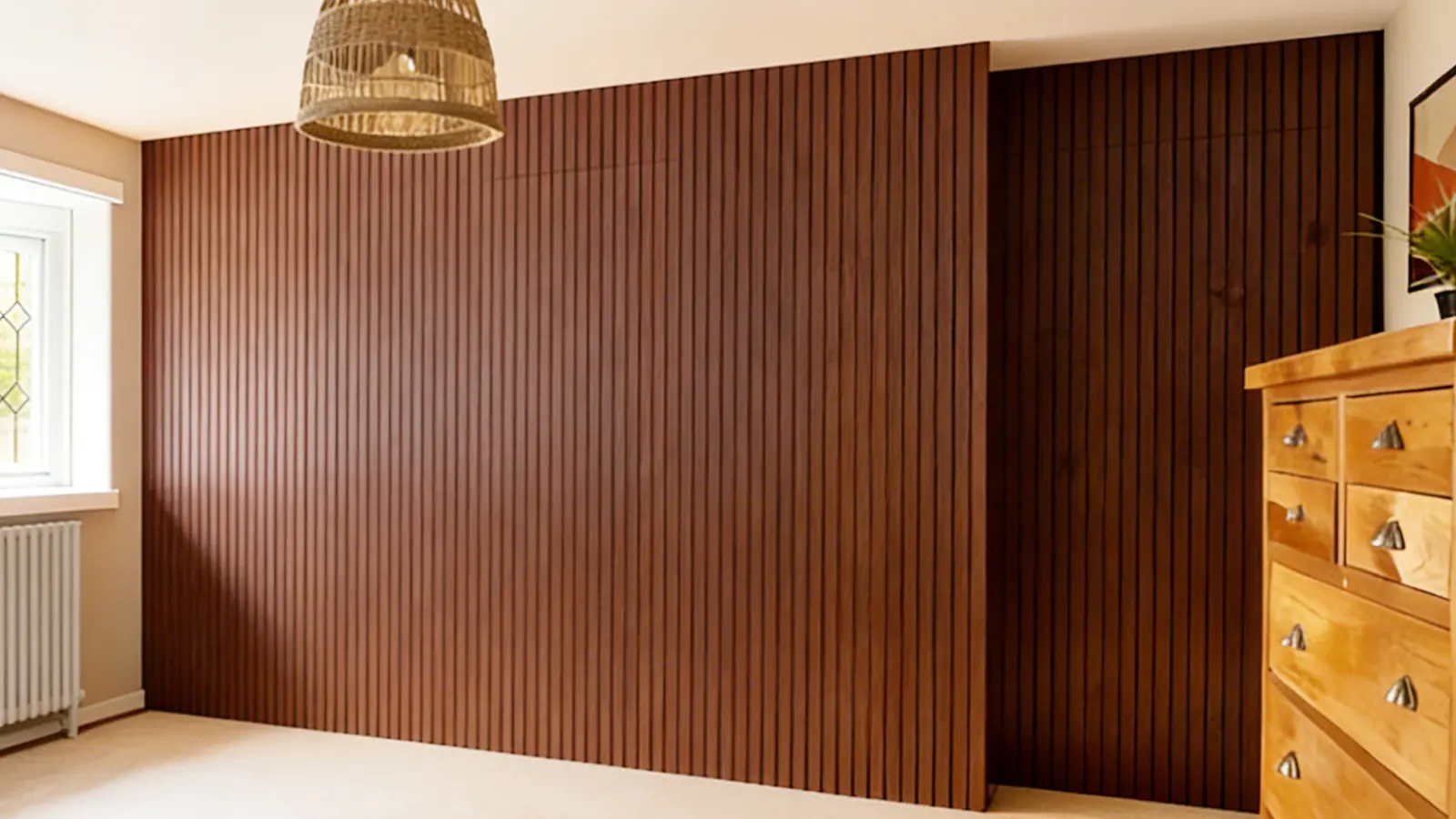
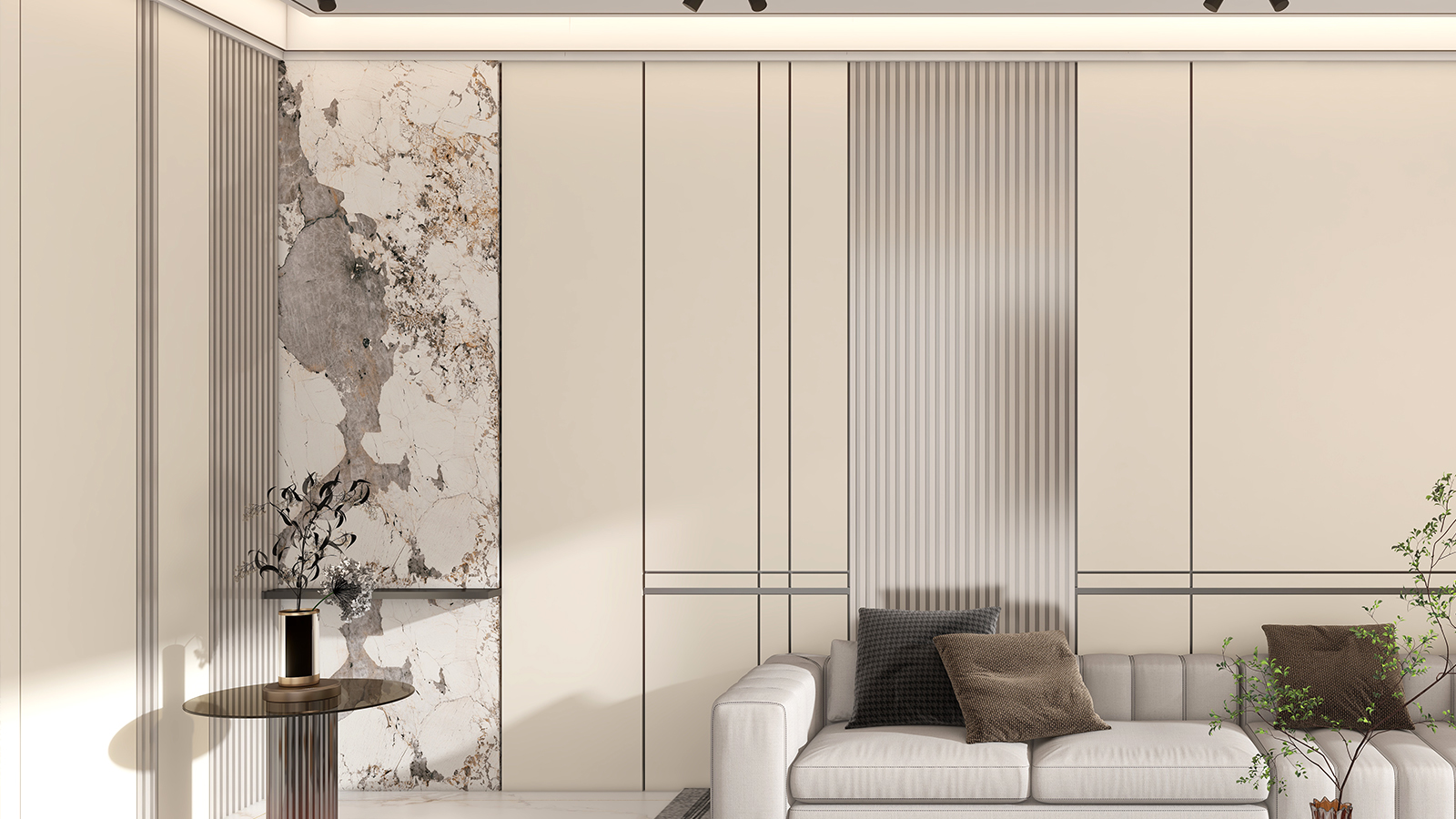
WPC wall panels are an innovative decorative material, typically made from a composite of wood fibers, plastic, and functional additives. This blend of materials provides excellent durability while seamlessly integrating with modern design styles. Often made with recycled wood and polymer resins, they effectively avoid common problems such as warping, cracking, and damage that plague ordinary Wood Panels.
WPC louver panels offer numerous advantages: they are suitable for humid environments like bathrooms and kitchens; they require no regular sealing or staining, making maintenance easy; and high-quality interior wall panels also offer insulation properties, contributing to energy efficiency.
- Essential Tools and Products for WPC Panel Maintenance
Maintaining the good condition of WPC wall panels requires using the right cleaning and care products.
- Recommended Cleaning Supplies
For daily maintenance, use a microfiber cloth, which effectively absorbs dust without damaging the surface. For textured panels or those with grooves or 3D patterns, use a soft brush for gentle cleaning.
Choose a pH-neutral, non-corrosive cleaner; a cleaner specifically for composite materials or mild soap is recommended.
- Long-Term Protection Products
A dedicated WPC sealant can extend the panel's lifespan by forming a protective layer against moisture, UV rays, and everyday wear. Avoid using ammonia-based cleaners and abrasive powders.
For long-term maintenance, consider a microfiber mop with a telescopic handle for safe and efficient cleaning of high-placed panels.
- Daily Cleaning of irregular fluted wall panels
Proper cleaning is key to maintaining the beauty and durability of the wall panels. Regular care not only enhances the visual appeal but also extends the lifespan.
- Daily and Weekly Maintenance
Dust the panels daily with a microfiber cloth or duster to prevent dust buildup and scratches. Wipe weekly with a slightly damp soft cloth to remove fingerprints and stains; avoid using excessive water.
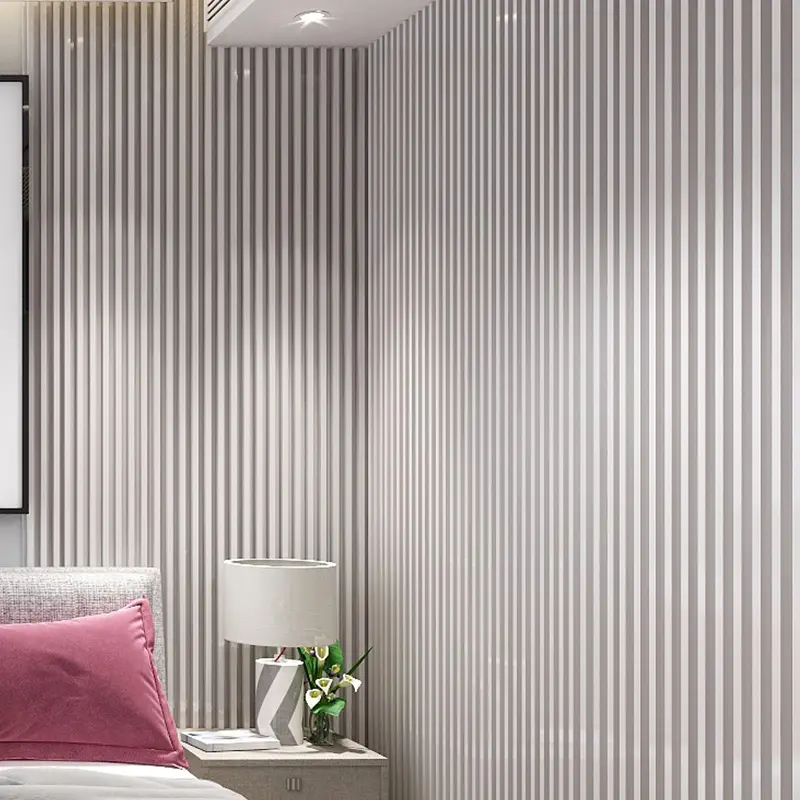
- Monthly Deep Cleaning Procedure
Perform a deep clean monthly: add a small amount of mild soap to warm water and gently wipe with a soft cloth in a circular motion. Never use harsh chemicals. After cleaning, immediately wipe thoroughly with a dry cloth to prevent water stains.
- How to handle stubborn stains
For stubborn stains, apply a specialized cleaning agent or diluted vinegar solution for a few minutes, then gently scrub with a soft brush and rinse thoroughly. Pay special attention to seams and edges where dust tends to accumulate during regular cleaning.
| Cleaning Frequency | Tools | Purpose |
| Daily | Microfiber cloth | Prevent dust buildup and scratches |
| Weekly | Slightly damp cloth | Remove fingerprints and surface dust |
| Monthly | Mild soap solution and soft cloth | Deep clean the surface and remove stubborn stains |
- Long-term maintenance of WPC wall panels
Maintaining the optimal condition of the wall panels requires regular inspection and timely maintenance. A comprehensive care plan is key to ensuring long-term use.
- Moisture protection:
In humid areas (such as bathrooms and kitchens), special attention should be paid to moisture control. Maintain good ventilation and promptly address any leaks or condensation to prevent damage to the panels.
- Scratch and surface repair:
Check for surface damage at least twice a year. Minor scratches can be repaired with fine sandpaper; deeper damage requires a professional WPC repair kit.
- UV protection:
To prevent fading in areas with strong sunlight, apply an anti-UV sealant or protective coating every 2-3 years to maintain a consistent color.
- Common problems with WPC panels and their solutions
Although WPC wall fluted panels are durable, they may still encounter some typical problems. Effective measures are needed to maintain their appearance and quality.

- Mold prevention:
Keep the panels dry and well-ventilated in humid environments. If mold appears, clean with a diluted bleach solution, scrub with a soft brush, rinse thoroughly, and dry completely.
- Repair of loosening and deformation:
Loosening panels often result from installation or structural issues; they need to be re-tightened or the underlying structure adjusted. Warping is usually caused by moisture or insufficient expansion gaps during installation; the root cause should be identified and corrected.
- Repair vs. replacement:
Evaluate the damage level to determine the appropriate solution: minor scratches can be repaired, while severe damage or water penetration may require replacement. Consider the cost and effectiveness of each option.
| Issue | Recommended Action | Preventive Tips |
| Mold and mildew | Clean with a water and bleach solution | Ensure a dry and well-ventilated environment |
| Loose panels | Secure with appropriate fasteners | Check for proper installation and material expansion |
| Warped panels | Remove and reinstall using proper techniques | Avoid excessive exposure to moisture |
- Conclusion
Decoration wall panels are known for easy maintenance, but combining regular cleaning, preventative protection, and timely repairs maximizes their lifespan. The maintenance principles are the same for standard and economical wall panels. Consistent care ensures that WPC wall panels remain an attractive and functional part of your interior space for years to come. To help keep your WPC wall panels looking their best, we offer high-quality products and free sample requests. Our professional team is always ready to answer your questions.
- FAQs
1.What is the best way to clean WPC wall panels?
Use a soft brush or microfiber cloth with mild soapy water; avoid strong chemical cleaners.
2.What is the recommended cleaning frequency?
Dust daily, wipe with a damp cloth weekly; increase frequency in high-traffic areas.
3.What should I do if I find mold spots?
Clean with a mild detergent and keep the area dry and well-ventilated; seek professional advice for severe cases.
4.How can I repair scratches?
Minor scratches can be repaired with a touch-up kit; for deep damage or large areas, panel replacement is recommended.

- Free Samples
As more and more people choose this product, import and export companies have also increased their promotion efforts. In order to let people who are cooperating for the first time and trying to sell this product for the first time feel its value, we launched a free sample activity. If you need it, please feel free to contact us, and we will have a professional service team to contact you.