
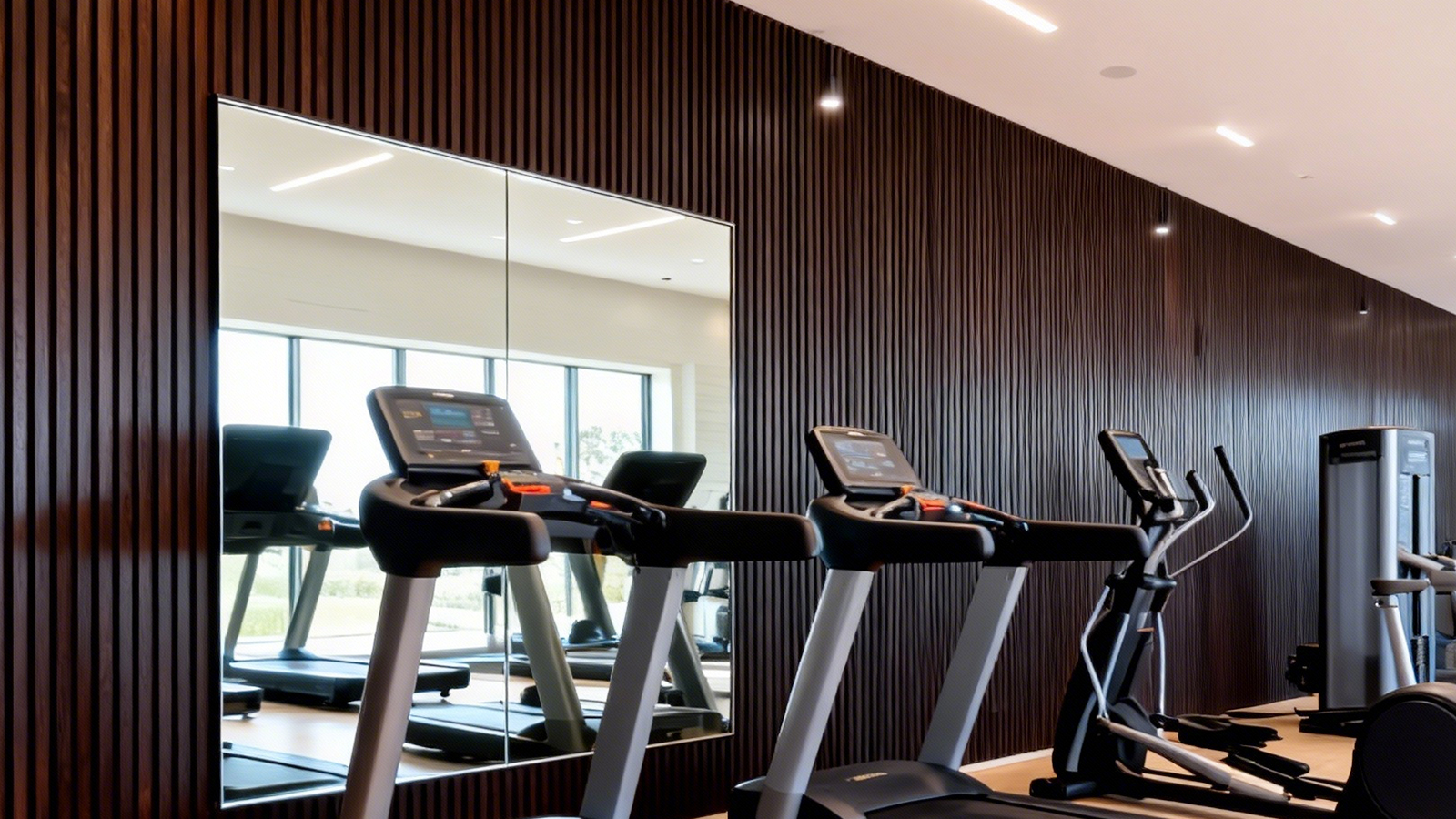
Is WPC Good for Walls? 8 Key Benefits of WPC for Wall Applications
Is WPC Good for Walls? 8 Key Benefits of WPC for Wall Applications
When it comes to choosing materials for Wall Cladding, interior paneling, or exterior facades, homeowners, architects, and contractors often seek a balance of durability, aesthetics, and practicality. Wood Plastic Composite (WPC) has emerged as a standout option in this space, revolutionizing how we design and build walls for residential, commercial, and industrial projects. But is WPC truly a good choice for walls? The short answer isyes—and its growing popularity stems from a unique blend of wood-like charm and plastic’s resilience. Below, we’ll dive deep into WPC’s composition, its unmatched benefits for wall use, real-world applications, and why it’s become a go-to material for modern design.
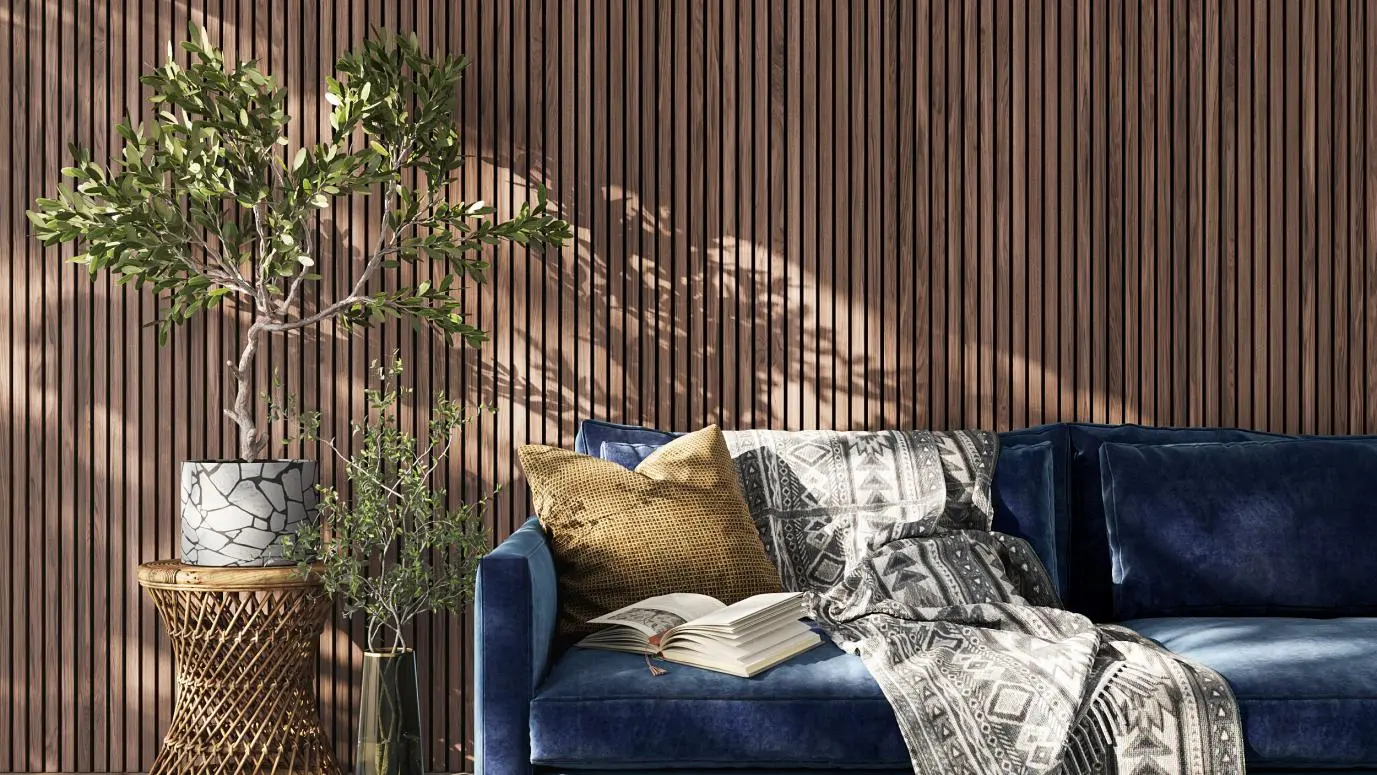
What Exactly Is WPC?
- UV stabilizers: These absorb or reflect ultraviolet radiation, preventing the material from fading, cracking, or turning brittle when exposed to sunlight over time.
- Colorants: Pigments or dyes that create a wide range of hues, from natural wood tones (oak, walnut, pine) to bold, modern shades (charcoal, sage, cream).
- Anti-microbial agents: Some formulations include these to inhibit mold and mildew growth, critical for high-humidity areas.
This hybrid composition is what sets WPC apart: it combines the warm, organic look of natural wood with the water resistance, durability, and low maintenance of plastic. Unlike solid wood, WPC doesn’t rely on natural resources exclusively, making it both versatile and sustainable. It’s processed into panels, planks, or sheets of varying thicknesses (usually 5mm to 25mm) and sizes, tailored for easy installation on walls.
8 Unbeatable Benefits of WPC for Walls
WPC’s rise in popularity isn’t accidental—it addresses nearly every pain point of traditional wall materials (like solid wood, drywall, or stone). Below are the eight most impactful benefits that make it ideal for walls.
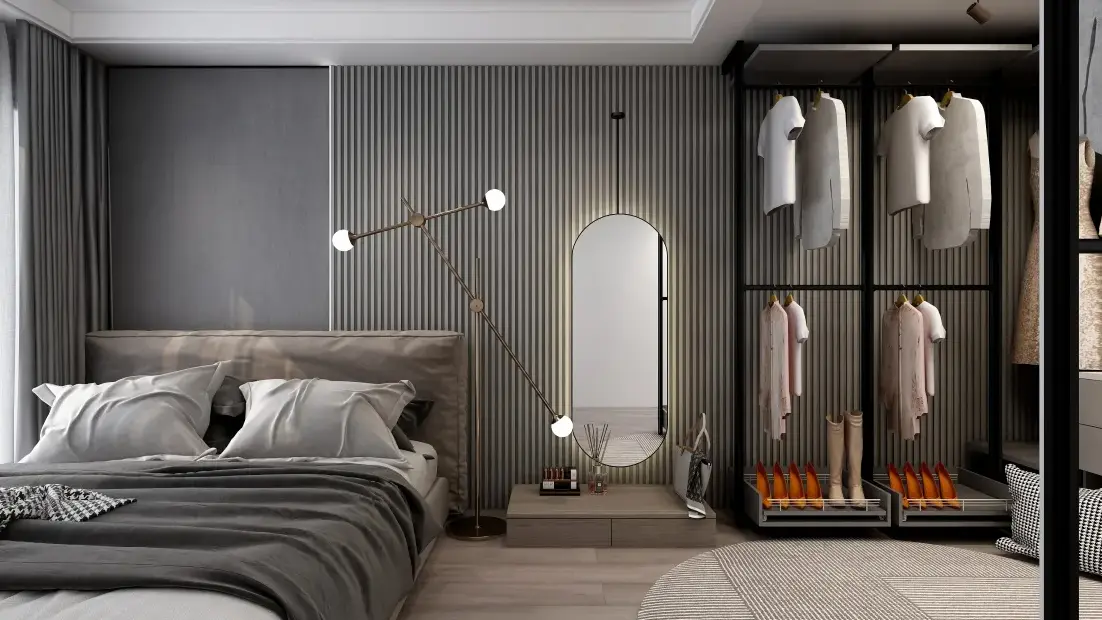
1. Exceptional Durability and Long Lifespan
Wpc Panels are built to last, with a typical lifespan of20–30 years—a stark contrast to traditional Wood Panels, which often require replacement or major maintenance every 3–5 years. This longevity stems from its resistance to the elements that break down other materials:
- Rot and decay: Unlike wood, WPC doesn’t absorb moisture, so it won’t rot, warp, or split—even in damp basements or rainy outdoor environments.
- Insect damage: Termites, carpenter ants, and other wood-boring pests have no interest in WPC, as it lacks the organic fibers they feed on.
2. Superior Moisture and Weather Resistance
One of WPC’s biggest advantages is its impermeability to moisture, thanks to its plastic component. This creates a natural barrier that prevents water from seeping into the material, eliminating common issues like:
- Mold and mildew: In bathrooms, kitchens, or laundry rooms—where humidity levels often exceed 70%—WPC panels stay mold-free. Traditional drywall in these areas often requires waterproofing membranes and regular cleaning to prevent mold growth.
3. Minimal Maintenance Requirements
If you hate spending weekends painting, staining, or sealing your walls, WPC is a game-changer. Unlike wood— which needs annual treatments to protect against the elements—WPC requires almost no upkeep:
- No refinishing: WPC never needs painting, staining, or sealing. Its color and texture are embedded in the material, so even if it gets scratched, the underlying color matches (unlike painted wood, where scratches reveal bare wood).
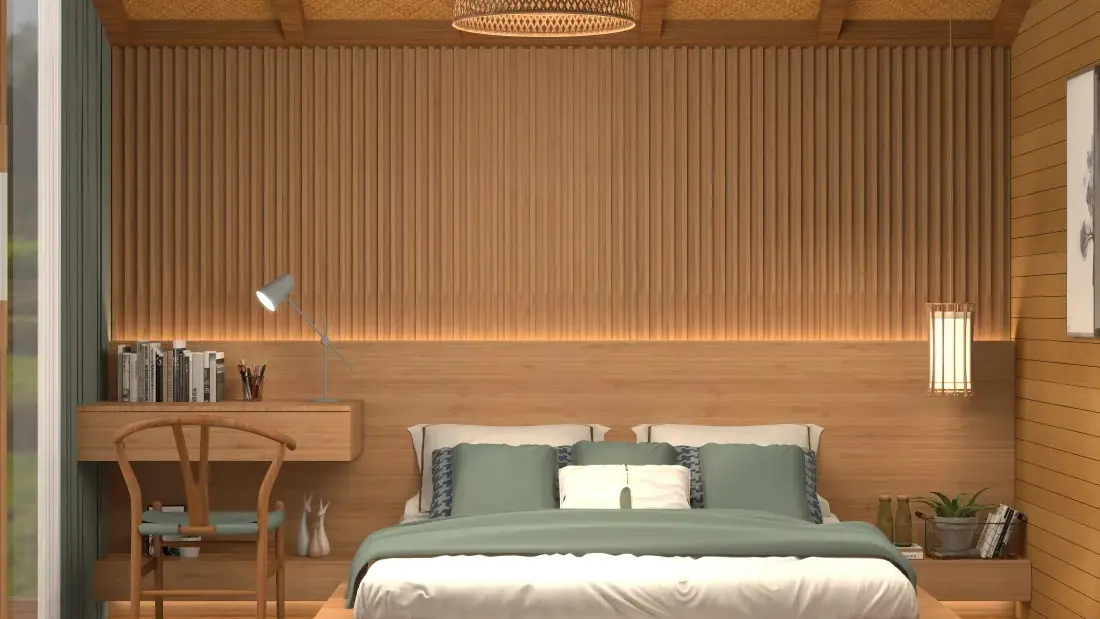
4. Aesthetic Versatility for Every Design Style
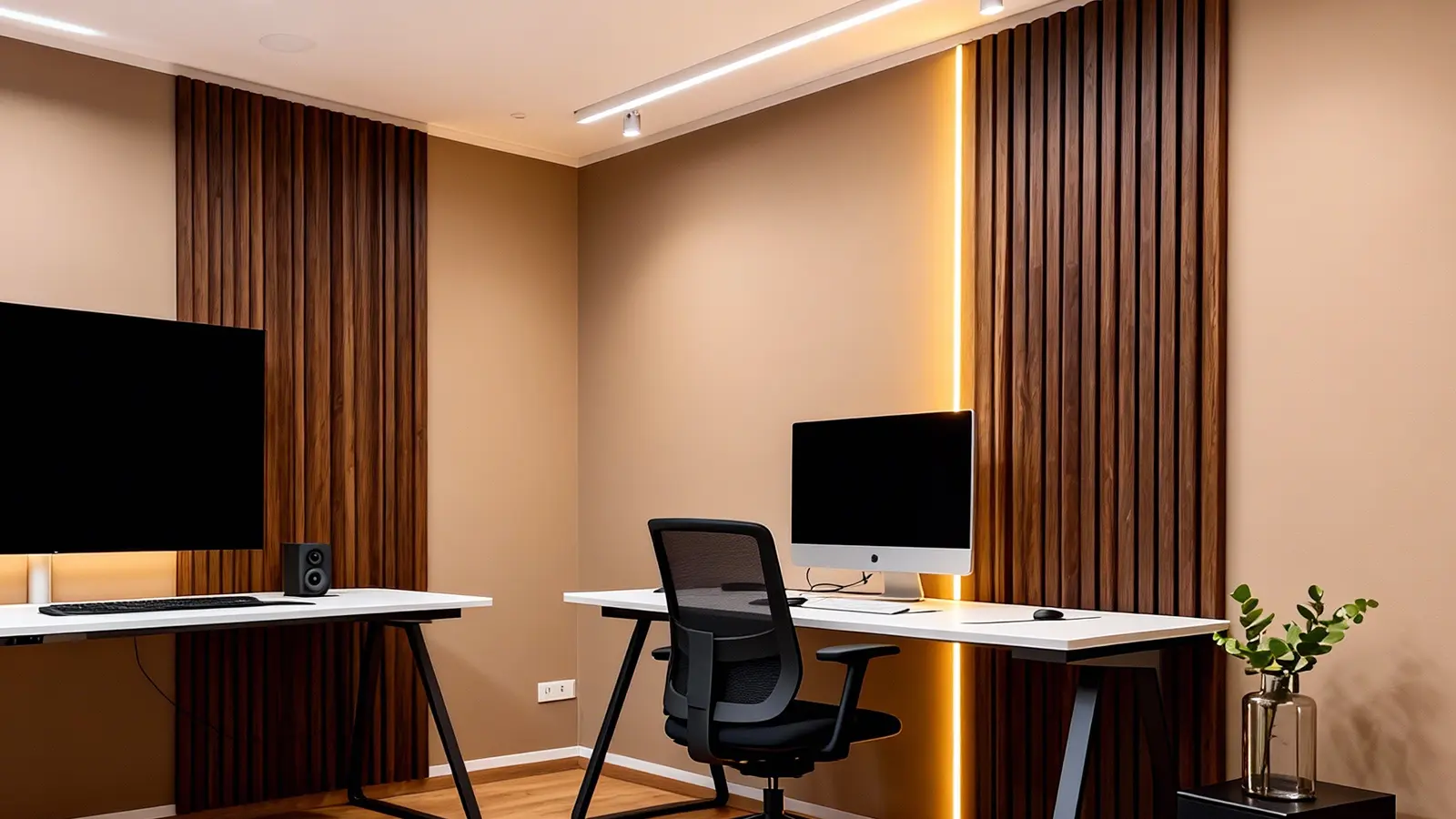
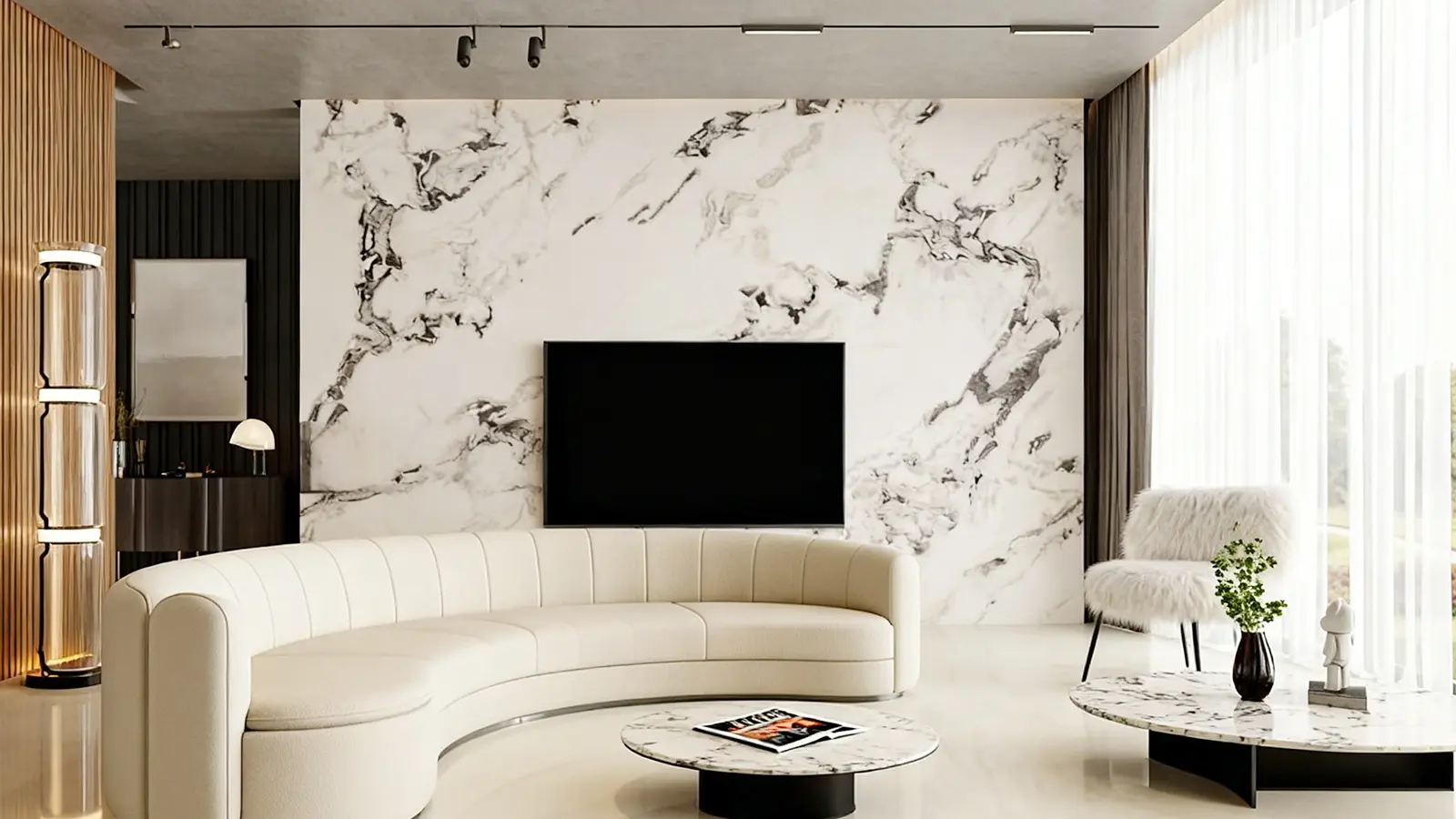
WPC panels offer endless design possibilities, making them suitable for everything from modern minimalist homes to rustic cabins or high-end hotels. Here’s how:
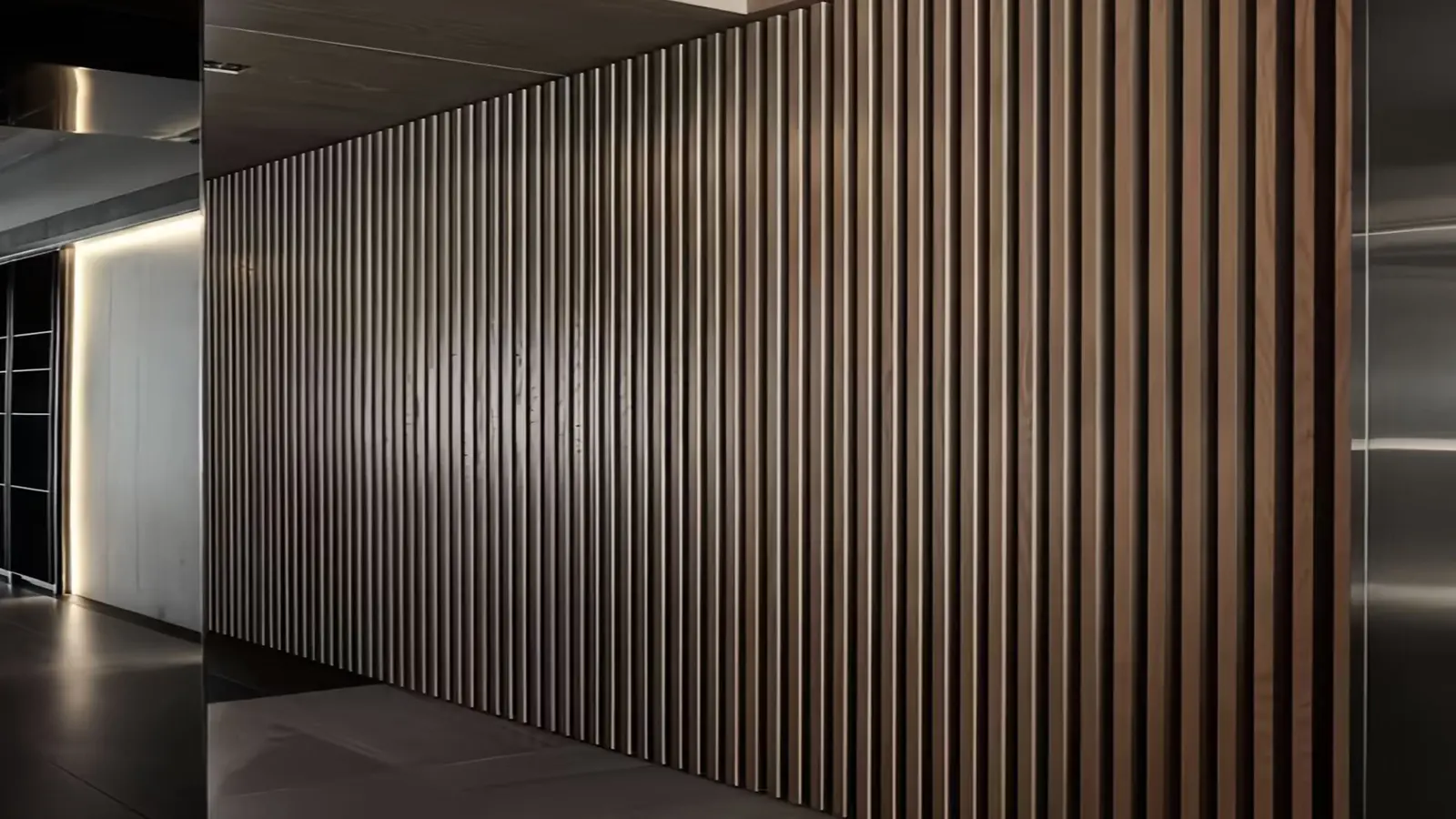
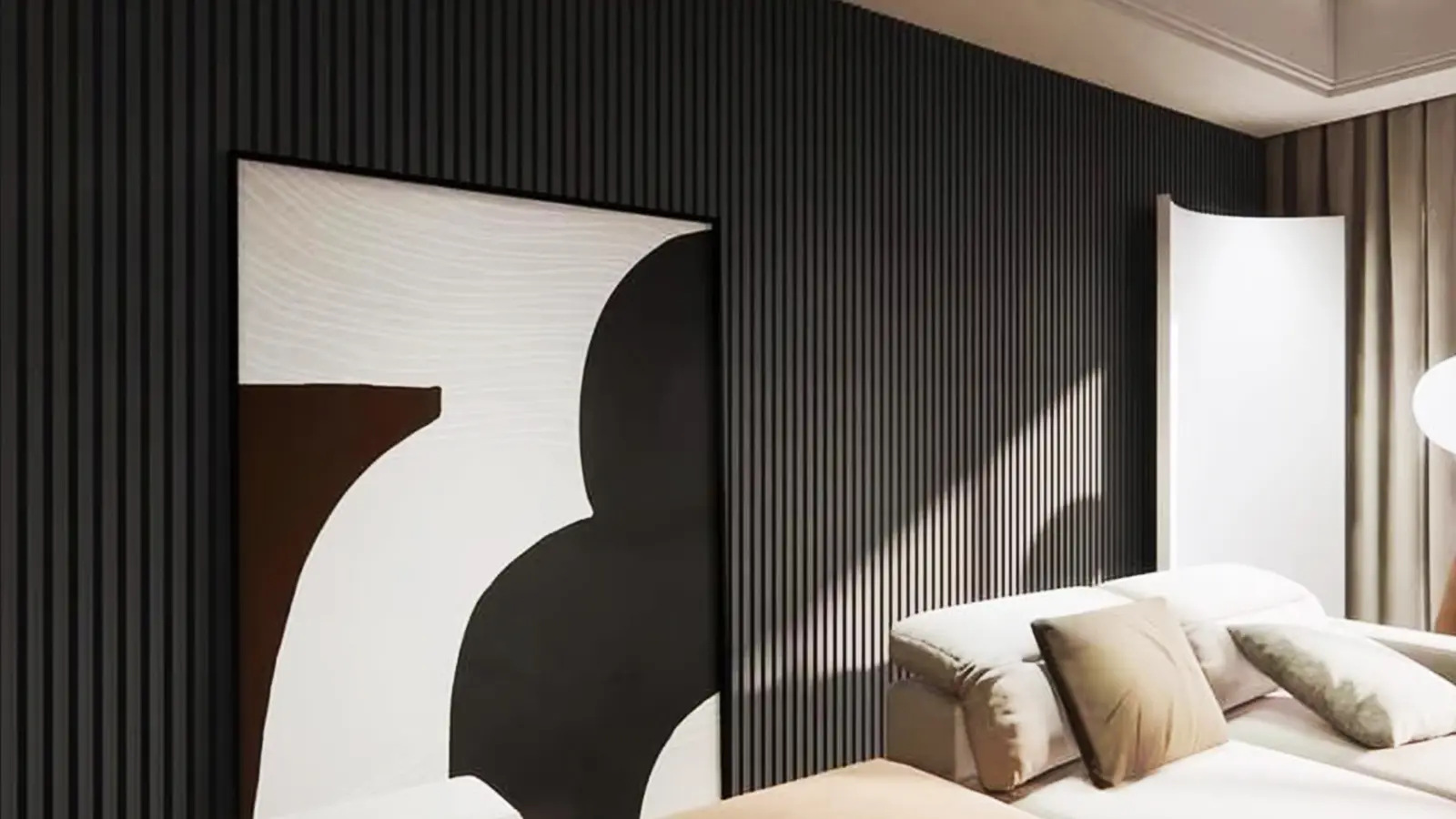
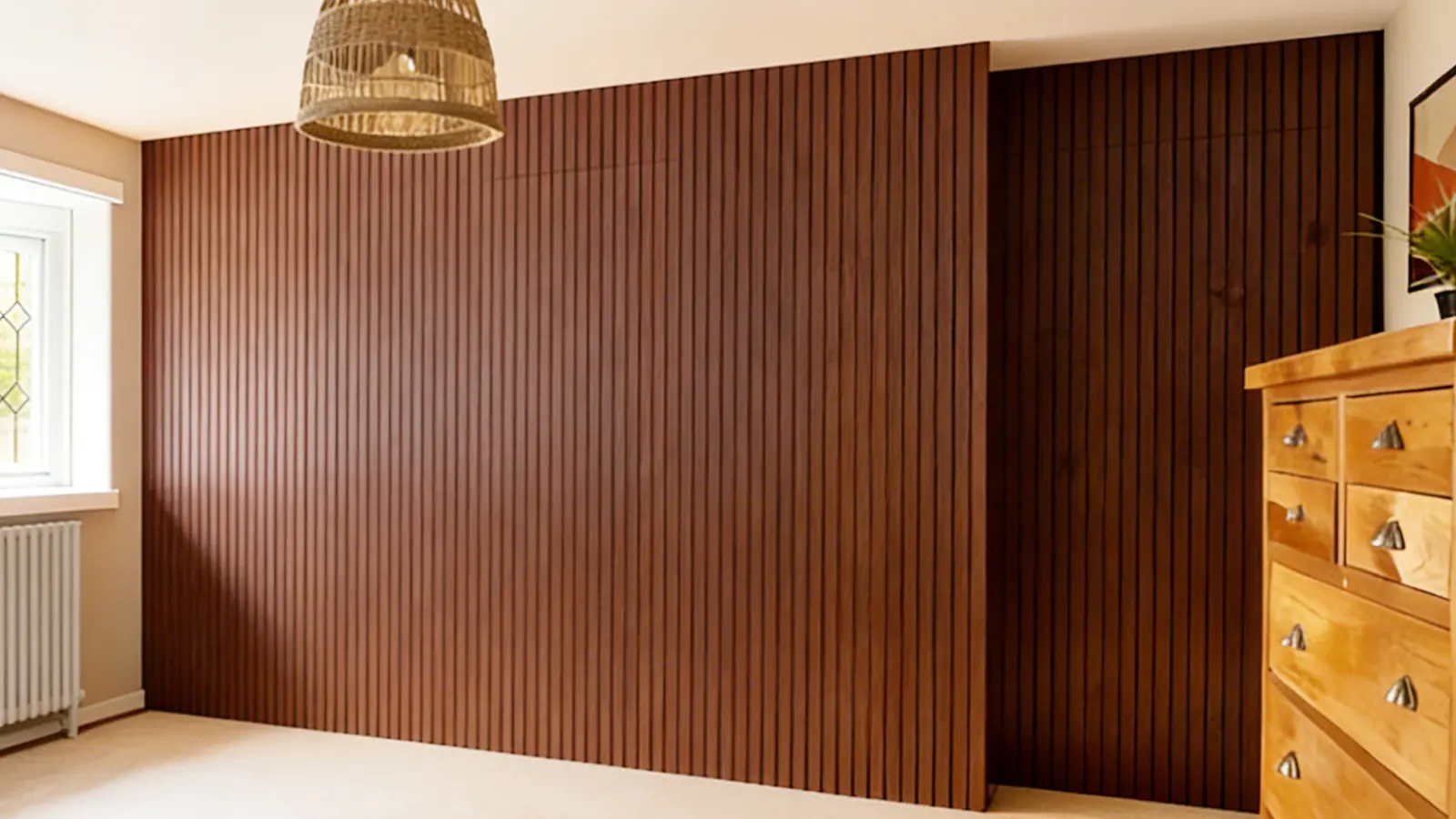
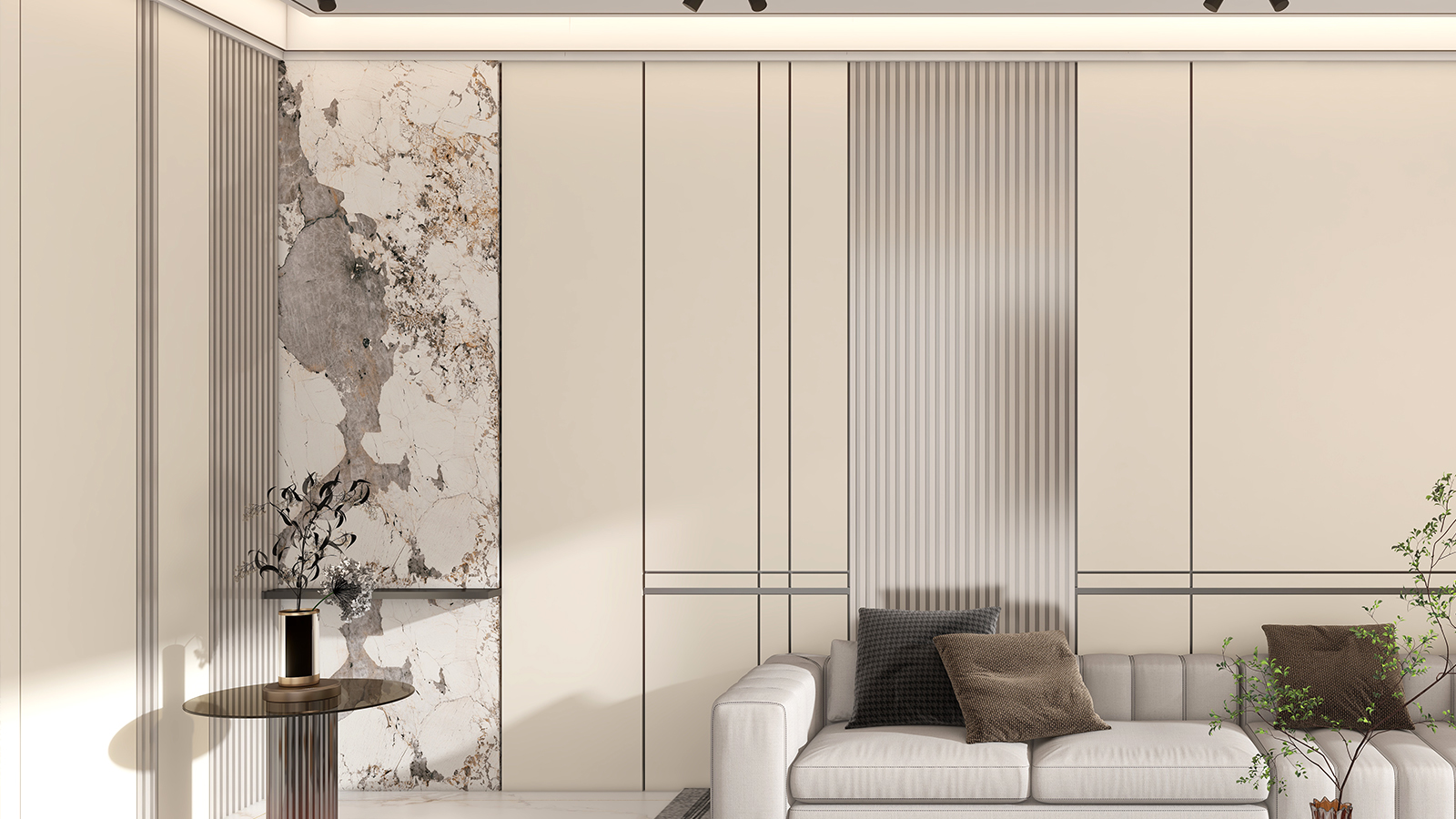
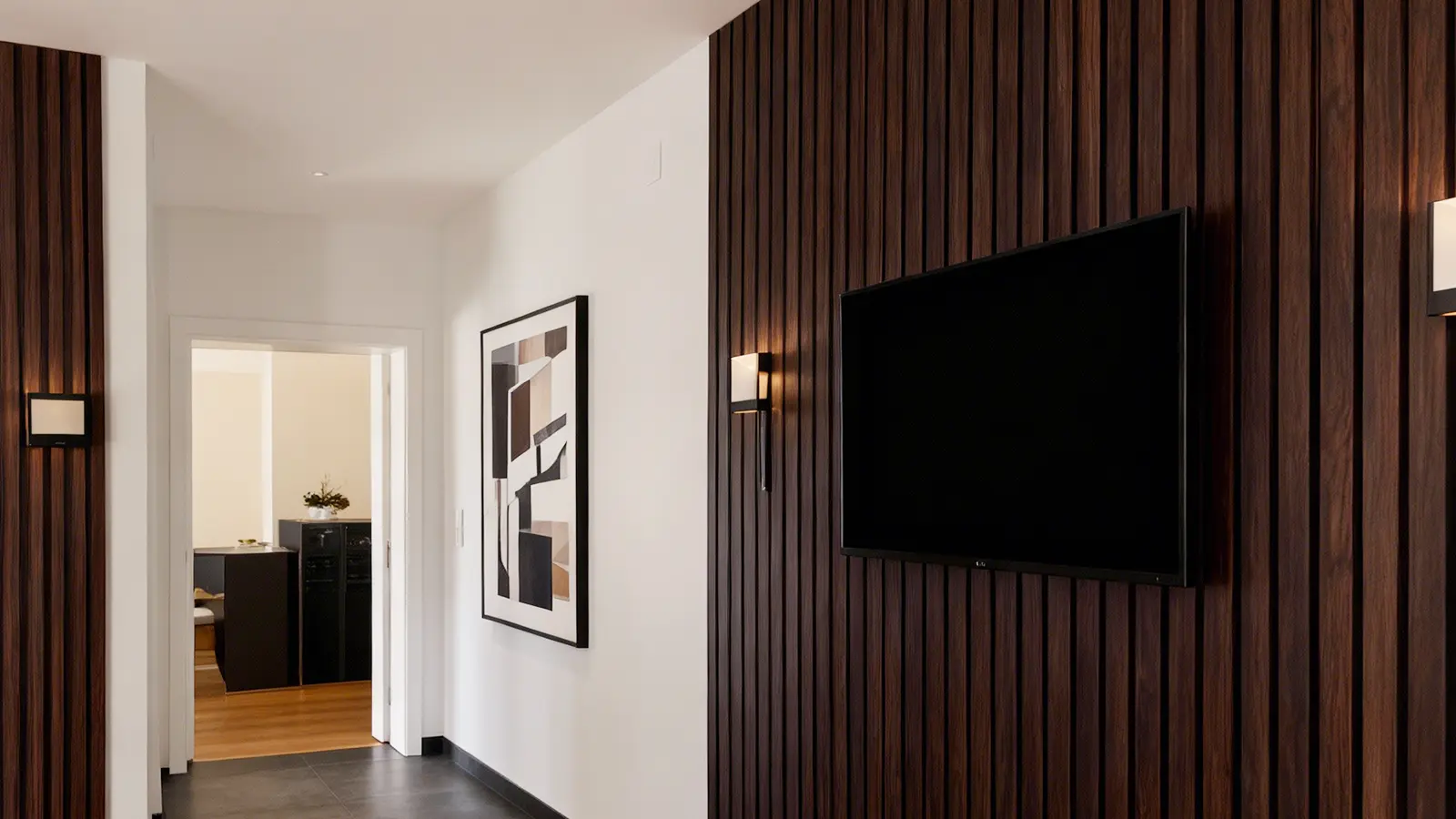
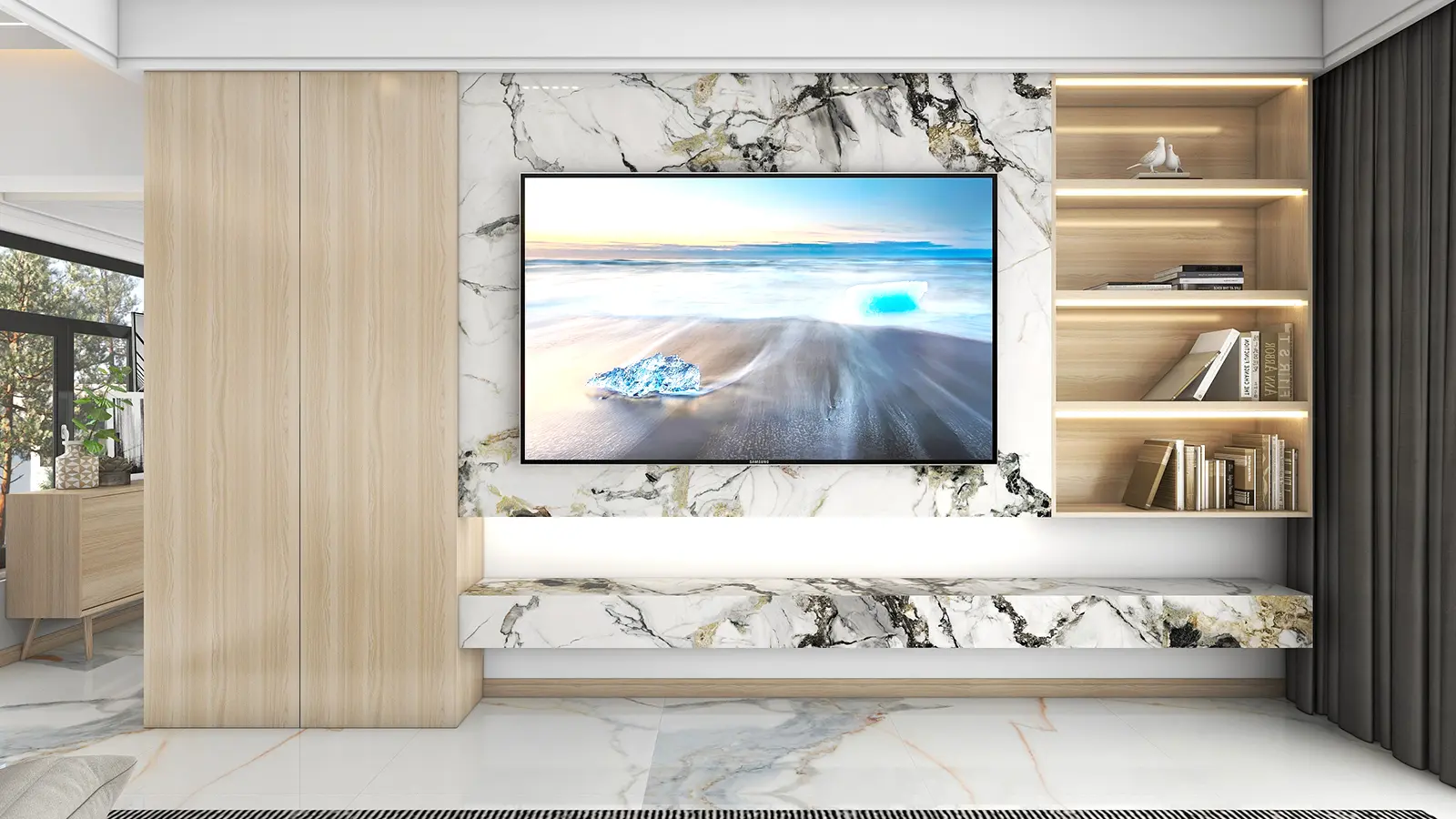
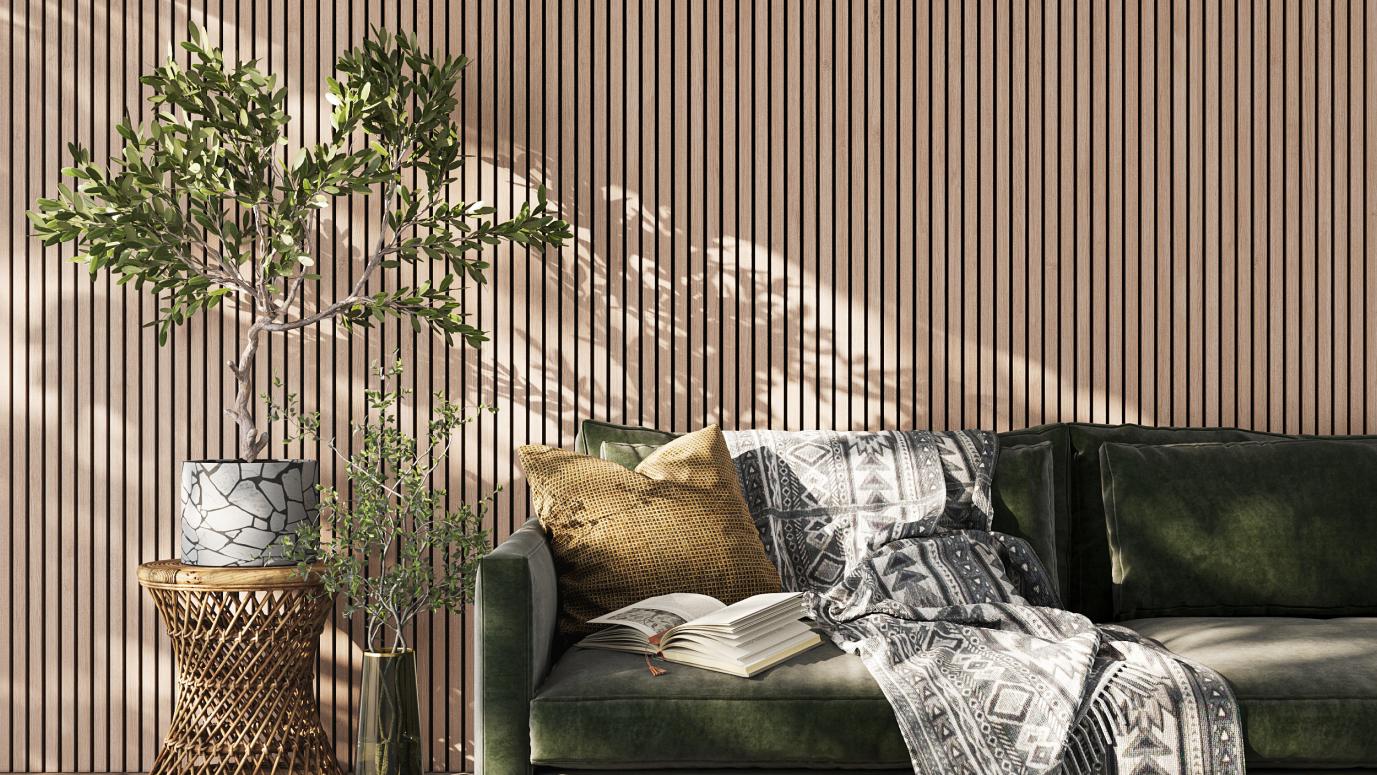
- Textures: Panels come in a range of textures, including realistic wood grain (mimicking oak, maple, or teak), smooth matte finishes, fluted (grooved) surfaces, and even stone-like textures. The wood grain texture is so realistic that it’s often hard to tell WPC apart from solid wood at a glance.
- Colors: From neutral tones (beige, gray, white) to bold accents (navy, forest green, terracotta), WPC colors are fade-resistant and consistent. Manufacturers also offer custom color matching, so you can perfectly coordinate with your existing decor.
- Customization: WPC panels can be cut into shapes (like hexagons, rectangles, or even custom patterns) for accent walls or decorative elements. For example, a living room might feature a WPC accent wall with a herringbone wood grain pattern, adding warmth without the cost of solid hardwood.
This versatility means WPC isn’t just functional—it’s a design tool that lets you bring your vision to life.
5. Eco-Friendliness and Sustainability
For eco-conscious builders and homeowners, WPC is a responsible choice. It reduces environmental impact in three key ways:
- Recycled materials: Most WPC is made from recycled wood fibers (from construction scraps or old furniture) and recycled plastics (like plastic bottles or packaging). This diverts waste from landfills—each ton of WPC saves approximately 1,000 plastic bottles and 500 pounds of wood scraps from being discarded.
6. Improved Thermal and Acoustic Insulation
WPC panels aren’t just for looks—they also enhance the comfort of your space by providing insulation:
- Thermal insulation: The composite structure of WPC traps air, creating a barrier that slows heat transfer. In winter, this keeps warm air inside; in summer, it keeps hot air out. For example, a home with WPC exterior cladding may see a 10–15% reduction in heating and cooling bills compared to a home with wood cladding.
7. Enhanced Fire Resistance
Safety is a top priority for walls, especially in commercial buildings or multi-family homes—and WPC delivers here too. Many WPC panels are engineered with fire-retardant additives that:
- Slow the spread of fire by limiting oxygen flow.
- Self-extinguish when the source of the fire is removed.
- Reduce smoke production, which is a major cause of injury in fires.
8. Easy Installation (DIY-Friendly or Professional)
WPC panels are designed for hassle-free installation, whether you’re a DIY enthusiast or hiring a contractor. Here’s why:
- Lightweight: Unlike stone or brick, WPC panels are lightweight (typically 2–3 pounds per square foot), making them easy to carry and handle. You won’t need heavy equipment or extra labor to install them.
- User-friendly systems: Most WPC panels use simple installation methods, such as:
- Tongue-and-groove: Panels interlock like puzzle pieces, creating a seamless fit without gaps.
- Adhesive-based: Panels can be glued directly to existing walls (like drywall or concrete) using a high-strength construction adhesive.
- Screw-on: Panels have pre-drilled holes for screws, making them easy to attach to studs.
- Easy to cut and shape: WPC can be cut with a standard circular saw, jigsaw, or even a handsaw. It also drills and screws like wood, so you don’t need specialized tools.
RUIDE – A Leading Chinese Manufacturer of WPC Composite Wall Panels
When it comes to sourcing high-quality WPC wall panels, RUIDE stands out as one of China’s most trusted manufacturers. With over a decade of experience in composite materials, RUIDE specializes in producing WPC panels that balance durability, aesthetics, and sustainability—catering to both residential and commercial clients worldwide.
What sets RUIDE apart?
- Premium materials: RUIDE uses high-grade recycled wood fibers and virgin thermoplastics (like HDPE) to ensure panel strength and longevity. All additives (UV stabilizers, fire retardants) meet international standards (e.g., CE, ISO 9001).
- Customization options: RUIDE offers a wide range of colors, textures, and sizes—and can create custom panels to match your project’s unique needs. Whether you need a specific wood grain pattern or a bold custom color, their team works with you to deliver the perfect product.
- Quality control: Every batch of RUIDE WPC panels undergoes rigorous testing, including moisture resistance, UV stability, and fire safety checks. This ensures consistent quality and reliability.
- Global reach: RUIDE exports its WPC panels to over 50 countries, including the United States, Europe, Australia, and Southeast Asia. They provide timely shipping, competitive pricing, and comprehensive after-sales support (including installation guides and technical assistance).
- Sustainability commitment: RUIDE prioritizes eco-friendly practices, using 100% recycled wood fibers and 80% recycled plastics in their panels. They also operate a zero-waste production facility, ensuring minimal environmental impact.
Whether you’re a homeowner tackling a DIY wall project, an architect designing a commercial building, or a contractor sourcing materials for a large-scale development, RUIDE’s WPC composite wall panels offer a reliable, stylish, and sustainable solution. To learn more about their products, request a sample, or get a custom quote, contact RUIDE’s sales team today.
Conclusion
WPC is more than just a trend—it’s a practical, durable, and sustainable solution for walls. Its unique blend of wood-like aesthetics and plastic’s resilience addresses the shortcomings of traditional materials, making it ideal for indoor and outdoor use. From its 20–30 year lifespan to its minimal maintenance requirements, WPC saves time, money, and resources while enhancing the beauty of any space.
