
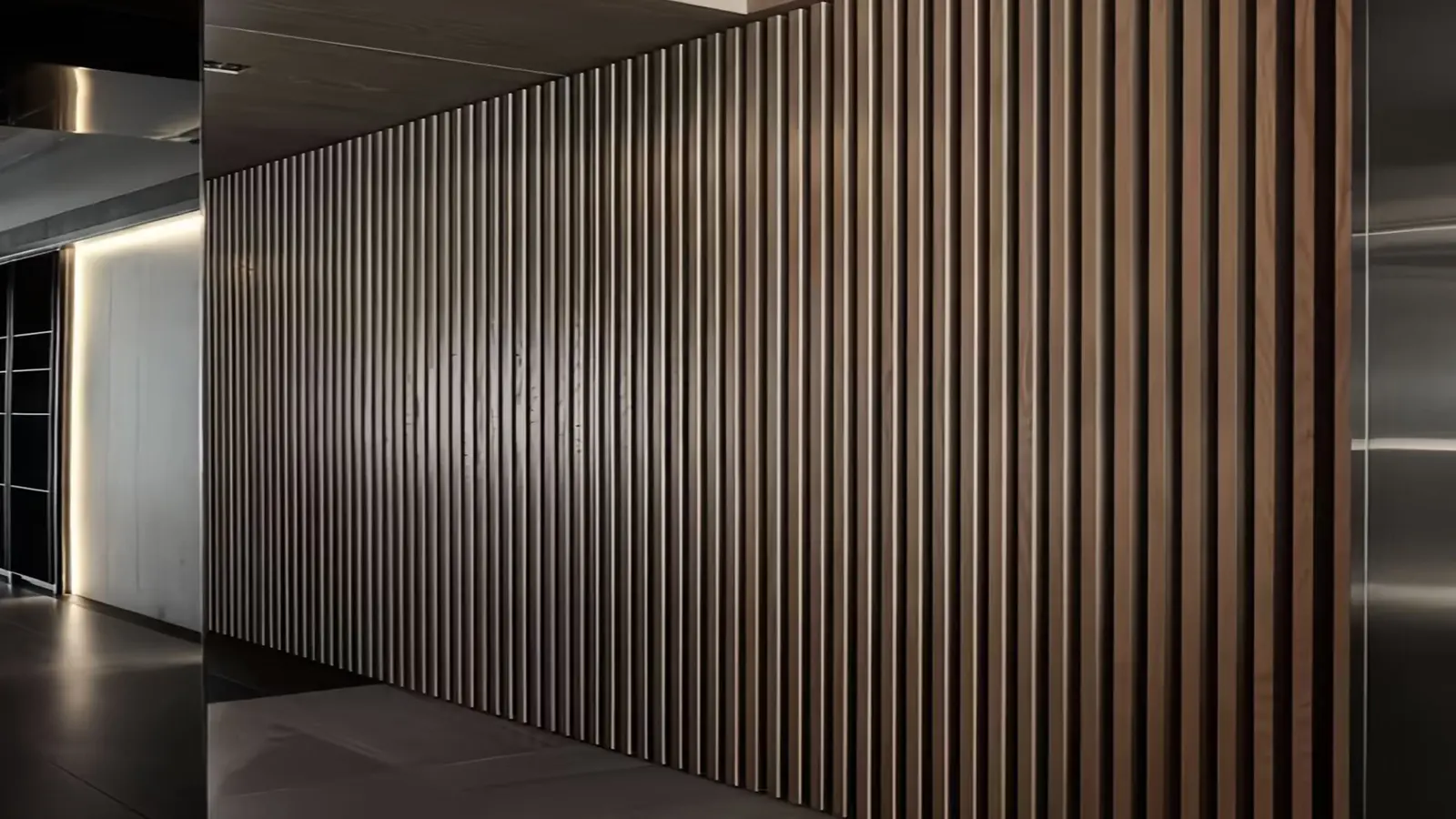
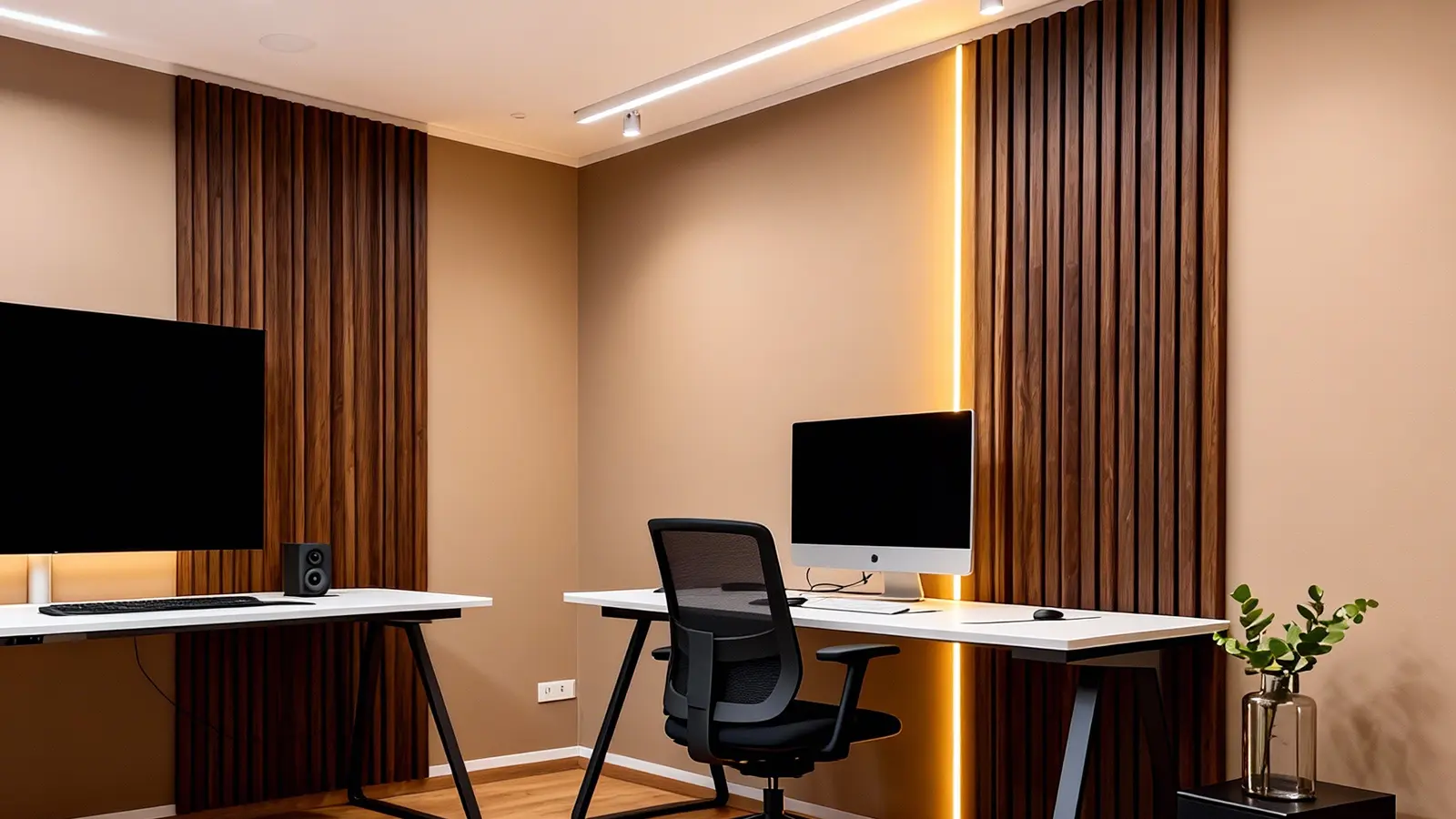
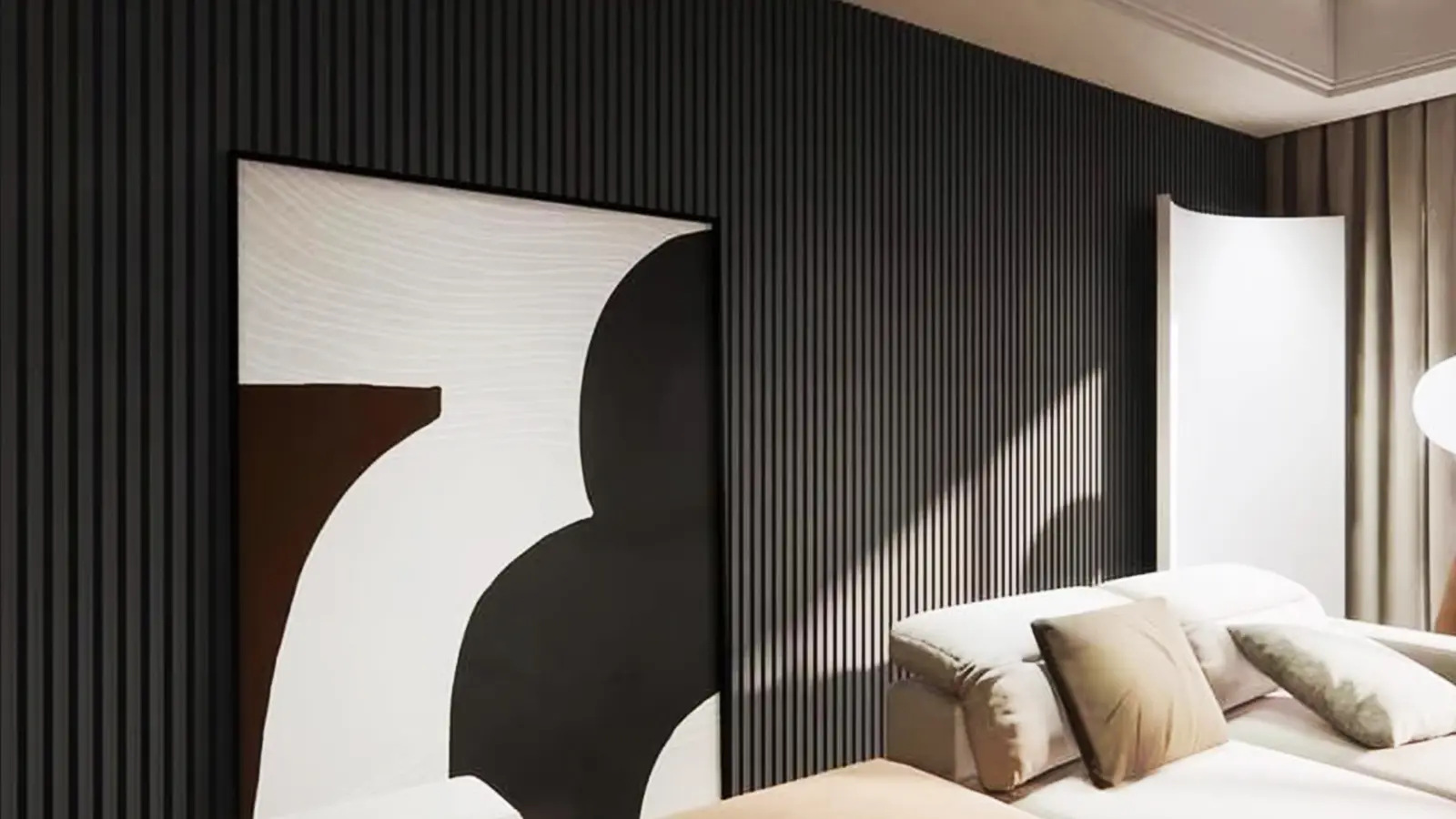
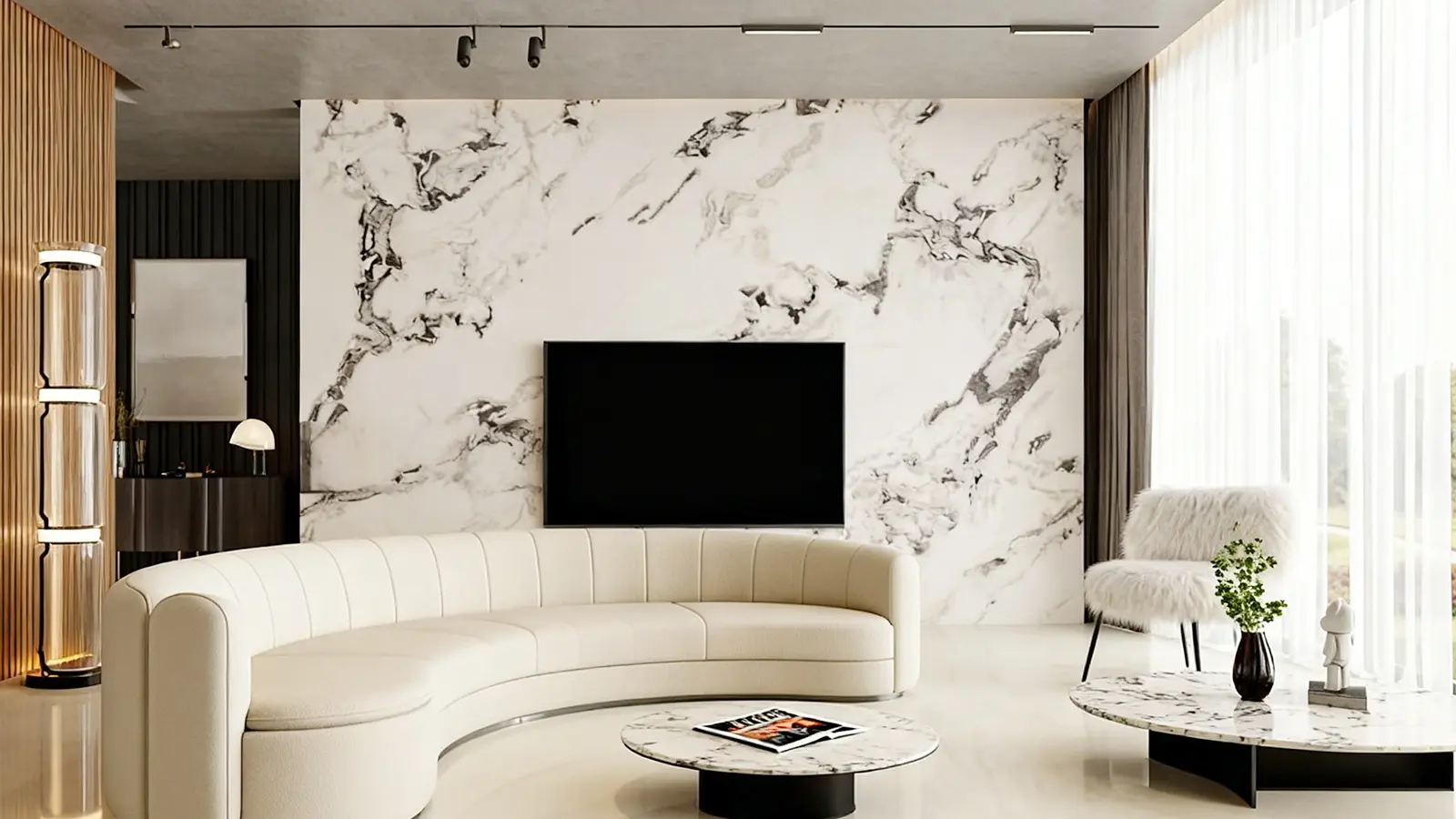
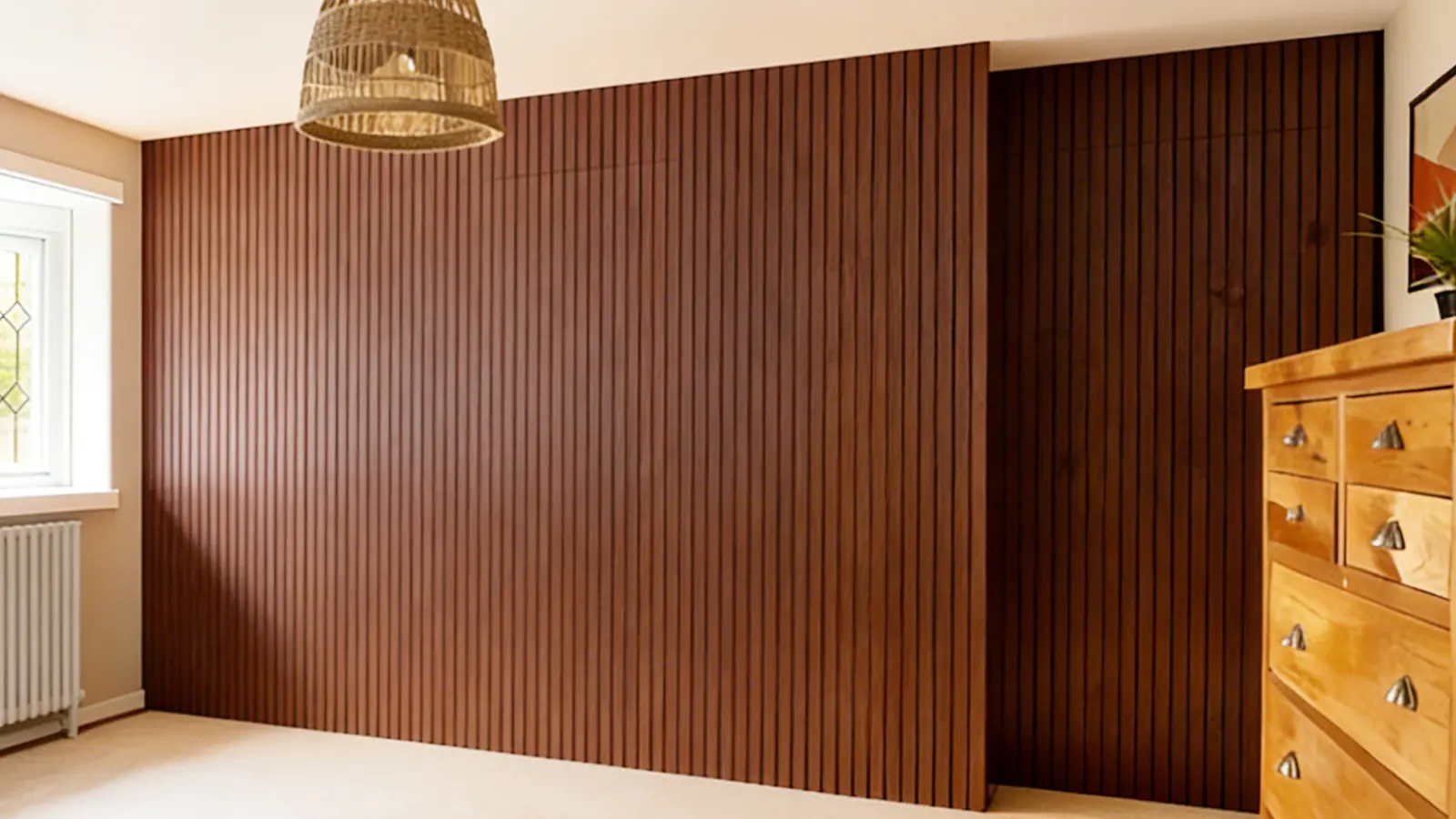
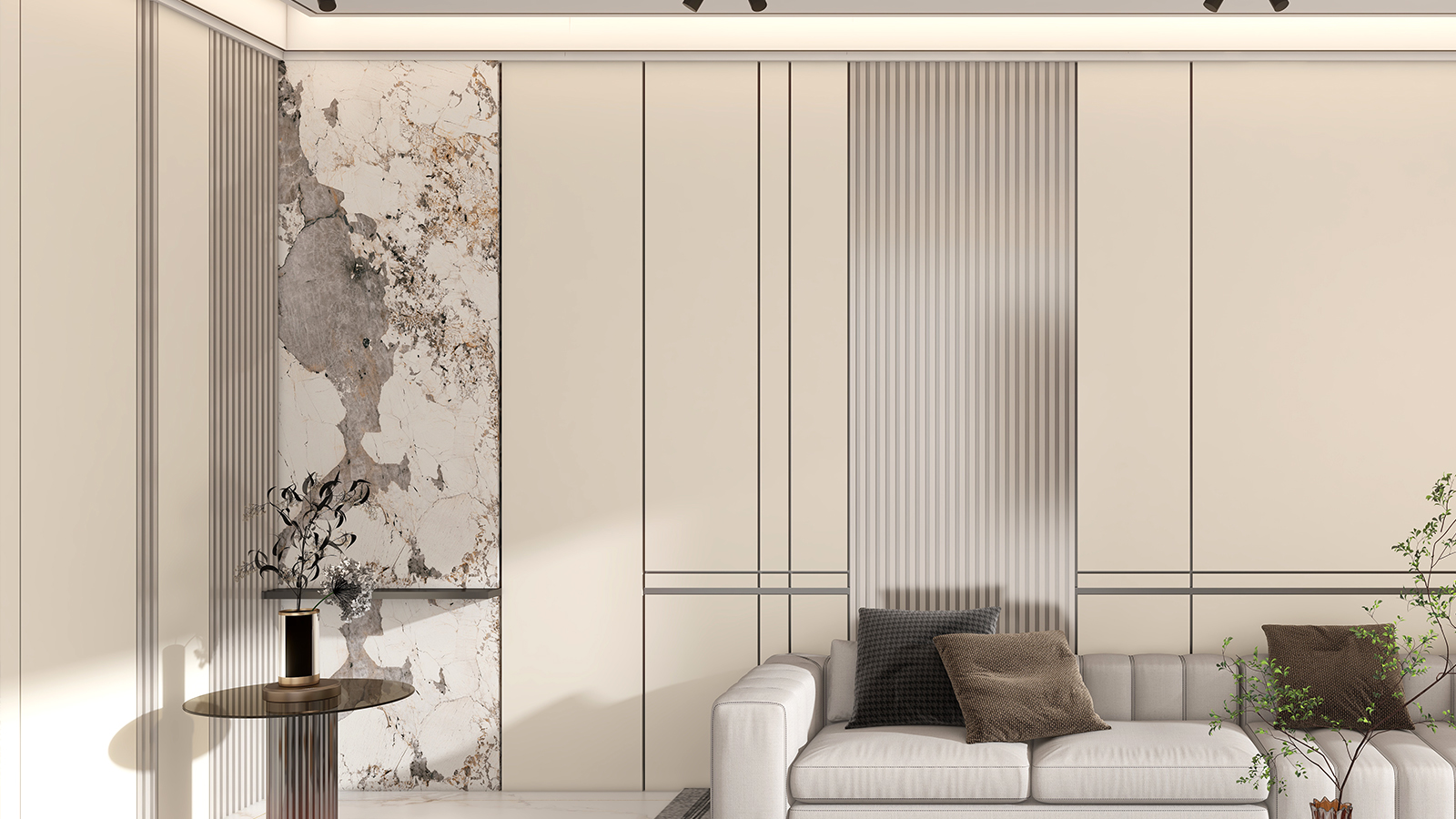
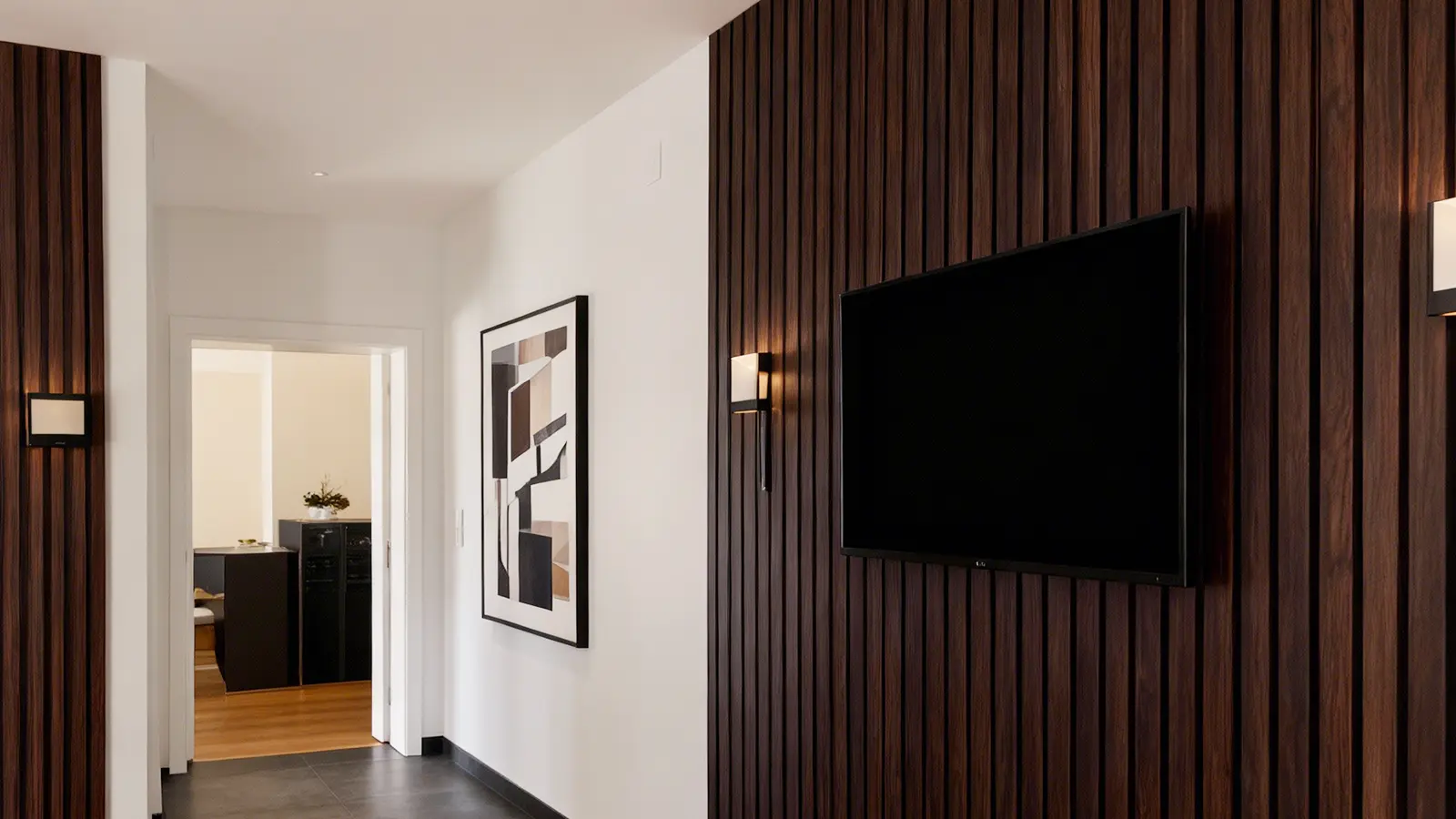
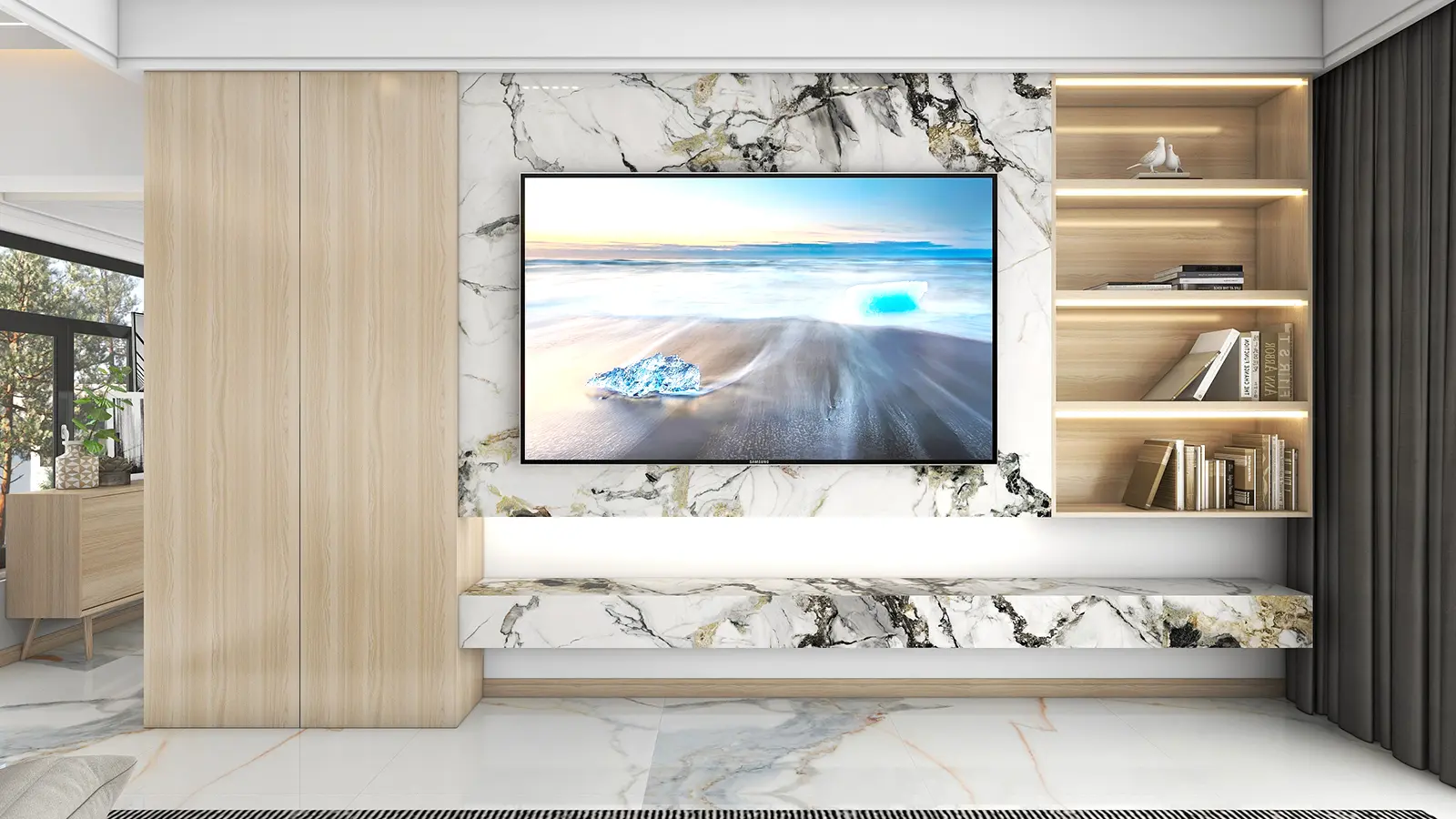
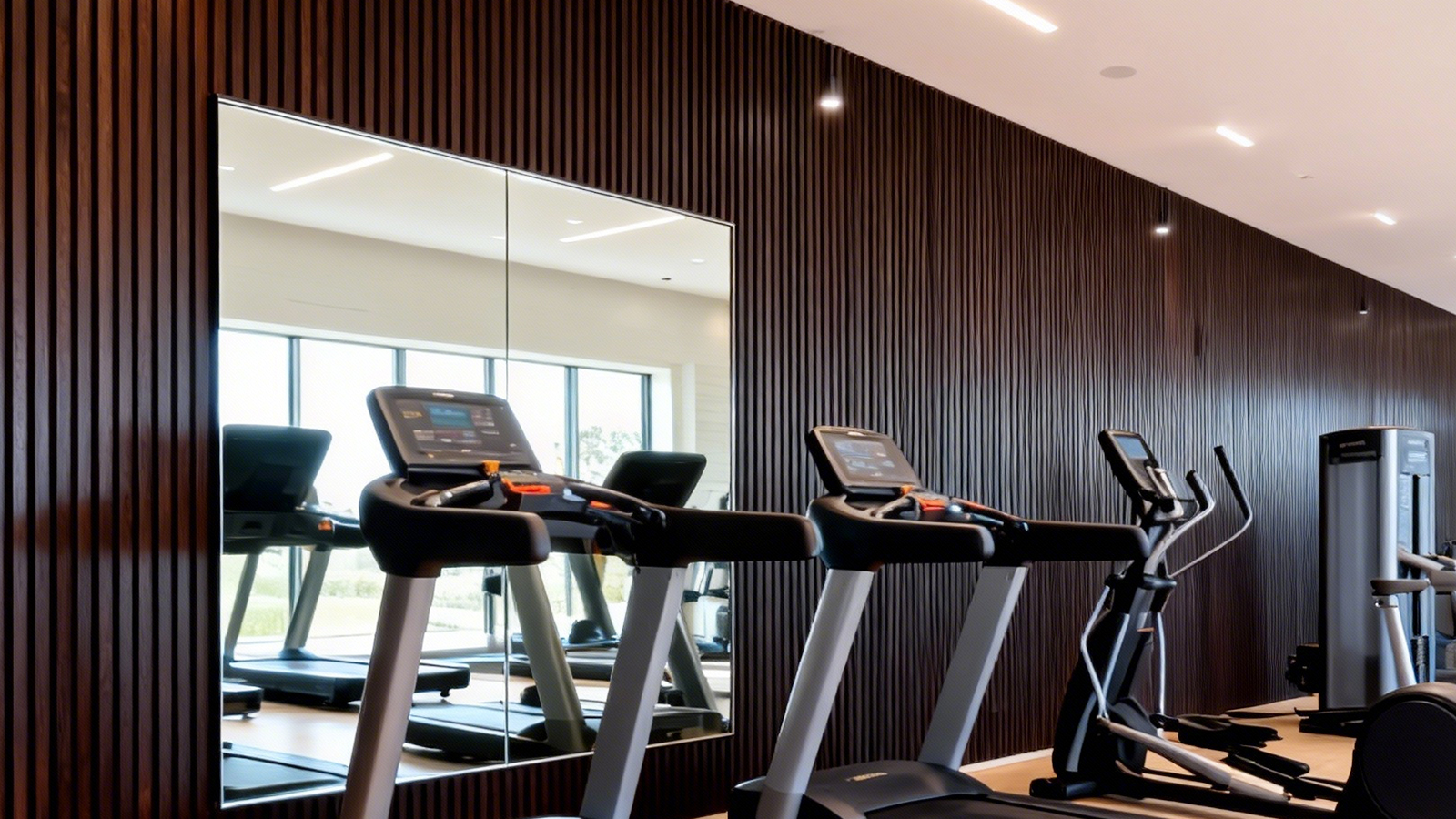
Indoor WPC Wall Panels: Smart Procurement, Easy Maintenance, and Long-Term Cost Benefits
Introduction
In today’s fast-evolving construction and interior design industry, homeowners and commercial developers are constantly searching for materials that combine aesthetic appeal, durability, and financial efficiency. Among the many options available, Indoor WPC (Wood Plastic Composite) Wall Panelshave proven to be a practical solution that delivers both immediate and long-term benefits. Beyond their modern appearance and eco-friendly composition, WPC Wall Panels stand out because they are cost-effective to purchase, simple to maintain, and highly economical over time.
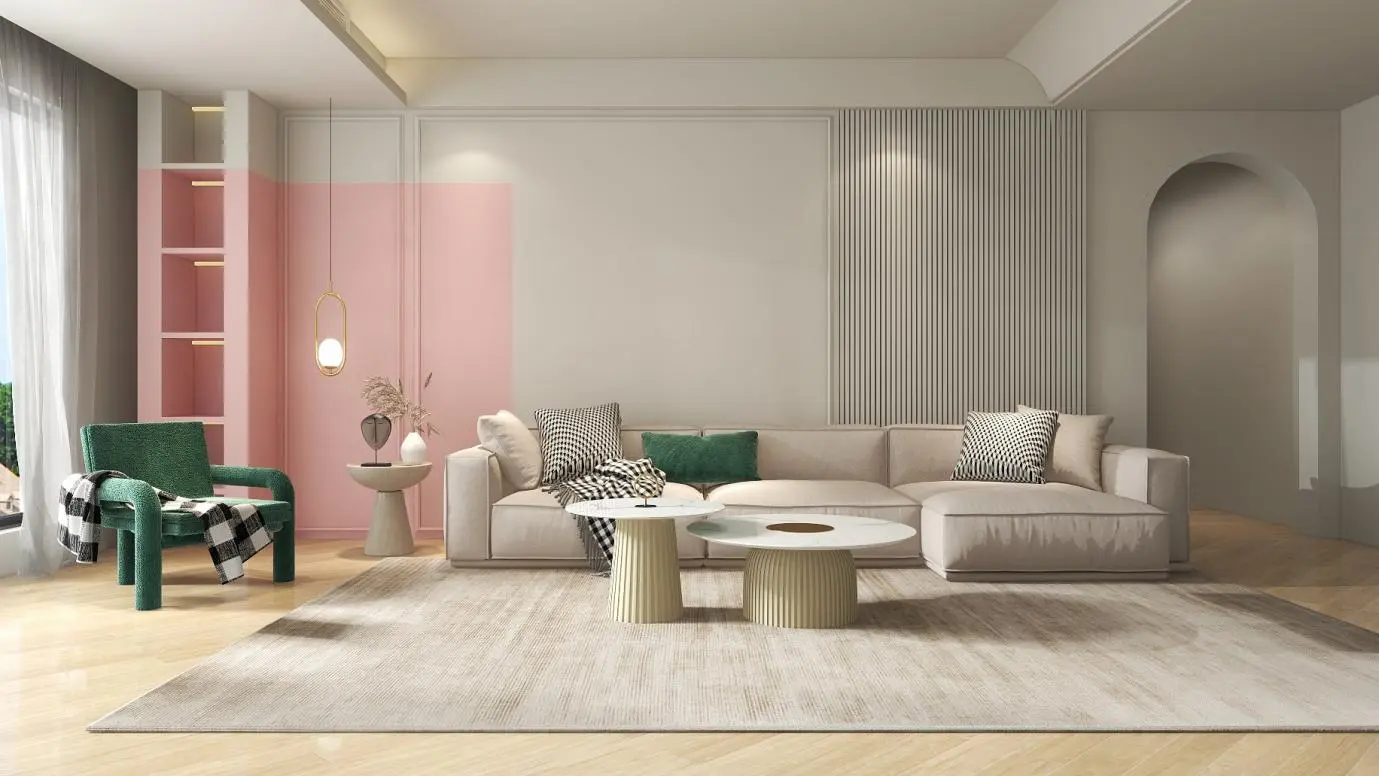
This article explores how businesses and homeowners can approach the procurement of WPC wall panels wisely, why their low-maintenance nature makes them a reliable choice, and how their long-term economic advantages set them apart from traditional wall finishes.
1. Procurement: Making the Right Choice for Your Space
1.1 Understanding Supplier Options
When purchasing Indoor WPC wall panels, the first step is evaluating the types of suppliers available in the market. Buyers generally have three main choices:
- Local retailers: Offer quick access and small-quantity purchases but often come with higher price tags.
- Distributors or wholesalers: Provide mid-range pricing, suitable for medium-scale projects.
- Direct-from-factory suppliers: Offer the most competitive rates and bulk options, ensuring better quality control and cost savings.
For large-scale projects such as hotels, offices, or residential developments, sourcing directly from manufacturers—particularly those with ISO certifications and global shipping capabilities—is the most reliable and economical approach.
1.2 Key Factors in Purchasing Decisions
When procuring WPC wall panels, decision-makers should prioritize:
- Thickness and density: These factors directly affect durability.
- Surface finish options: From wood grain to marble-like textures, finishes must match the design concept.
- Warranty and certifications: Reliable suppliers often provide warranties and sustainability certifications, ensuring peace of mind.
- Logistics and delivery: Efficient shipping and proper packaging prevent losses and delays, especially in international projects.
By paying attention to these factors, buyers can avoid hidden costs and ensure they are getting panels that meet both budget and design expectations.
2. Maintenance: Simplicity and Long-Term Reliability
2.1 Cleaning and Upkeep
Unlike natural wood, which requires frequent polishing or protective coatings, WPC wall panels are engineered for minimal maintenance. Simple cleaning routines—such as wiping with a damp cloth or mild soap solution—are enough to keep the panels looking brand-new.
They are resistant to stains, moisture, and termites, which means there’s no need for expensive treatments or replacements caused by mold or pest damage. This low-maintenance advantage is especially valuable in commercial spaces like offices or retail stores, where upkeep costs can quickly accumulate.
2.2 Durability Against Environmental Stress
Indoor environments are often subject to humidity fluctuations, accidental scratches, or temperature shifts. WPC wall panels excel in these conditions due to their stable composite structure, which prevents warping, cracking, or discoloration.
For homeowners, this means peace of mind and fewer repair expenses. For business owners, it translates into less downtime and fewer disruptions caused by renovation or repair work.
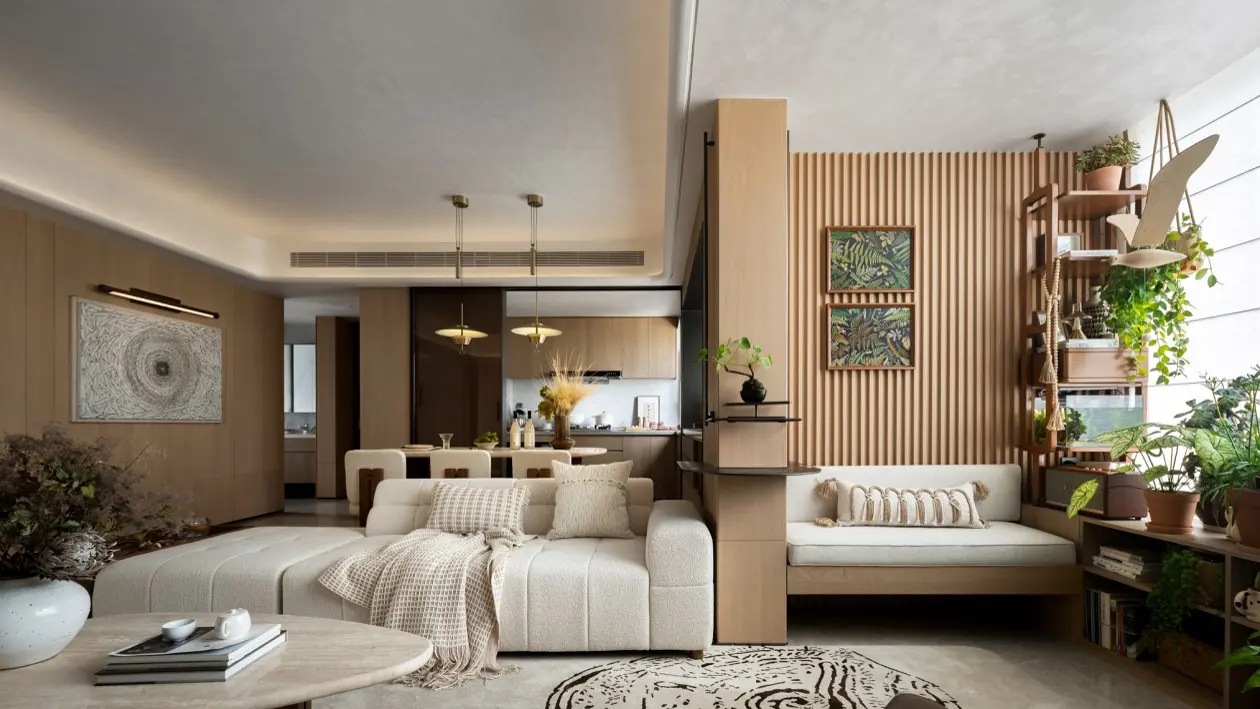
3. Economic Value: Calculating Long-Term Savings
3.1 Cost Comparison with Traditional Materials
When compared with traditional wall finishes like wood veneer, ceramic tiles, or gypsum boards, WPC wall panels may initially appear to be a mid-range investment. However, when analyzed over a 10–15 year period, they deliver significant savings due to reduced maintenance costs, fewer replacements, and lower installation time.
For instance:
- Wood veneer panels: Require polishing and termite treatment every few years.
- Ceramic tiles: Can crack under impact and involve costly replacements.
- Gypsum boards: Susceptible to moisture damage, leading to frequent repairs.
Wpc Panels, on the other hand, maintain their performance and aesthetic appeal with minimal recurring expenses.
3.2 Lifecycle Cost Efficiency
The true measure of material economy lies in lifecycle cost analysis. WPC panels offer:
- Low upfront costs when sourced directly from manufacturers.
- Minimal maintenance costs thanks to easy cleaning and durability.
- High resale or rental appeal, as modern tenants and buyers value sustainable, stylish interiors.
This makes them not only an attractive option for homeowners seeking budget-friendly upgrades but also a strategic investment for property developers aiming to maximize long-term returns.
4. Application Scenarios Where Economics Matter Most
- Hospitality industry: Hotels require materials that are both stylish and easy to maintain across hundreds of rooms. WPC panels reduce housekeeping workload and long-term renovation expenses.
- Commercial offices: Businesses benefit from the durability and clean look of WPC panels, avoiding frequent repair costs.
- Residential projects: Homeowners save money over time by avoiding costly maintenance associated with natural wood or stone.
- Retail spaces: Frequent customer traffic demands durable walls, and WPC’s resilience helps maintain an inviting atmosphere without costly refurbishments.
In all these contexts, WPC wall panels prove to be a financially wise choice.
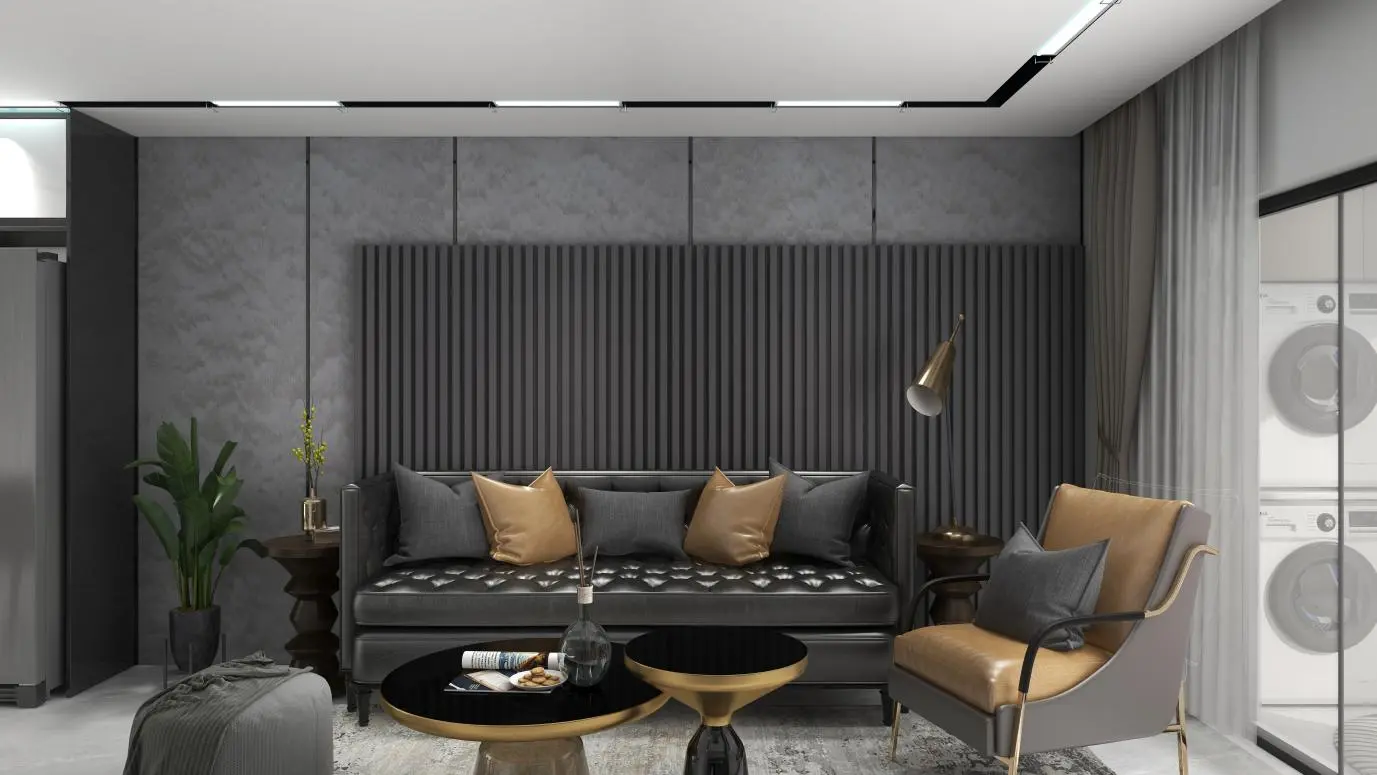
5. Sustainability as an Added Value
Beyond procurement and cost efficiency, WPC wall panels are also environmentally friendly. Made from a combination of recycled wood fibers and polymers, they reduce waste and minimize reliance on virgin resources. Many global clients now prefer eco-conscious materials, which adds value to properties during resale or rental negotiations.
Thus, WPC panels not only help save money but also support a positive brand image for businesses committed to sustainability.
Conclusion
The decision to adopt Indoor WPC wall panels is not simply about aesthetics or short-term savings—it’s about making a smart, long-term investment. From procurement to everyday maintenance, WPC wall panels stand out as a solution that balances beauty, resilience, and affordability.
For homeowners, they eliminate the hassle of ongoing upkeep. For developers and business owners, they lower operational costs while boosting property value. In every aspect, WPC wall panels deliver unmatched economic benefits, making them one of the most reliable interior wall solutions available today.
At RUIDE, we are committed to delivering WPC wall panels that not only meet global standards but also bring lasting beauty and value to every space. To let you experience the quality firsthand, we are now offering free samples. Simply request yours today and discover how RUIDE WPC panels can transform your home or commercial project with style and durability.
