
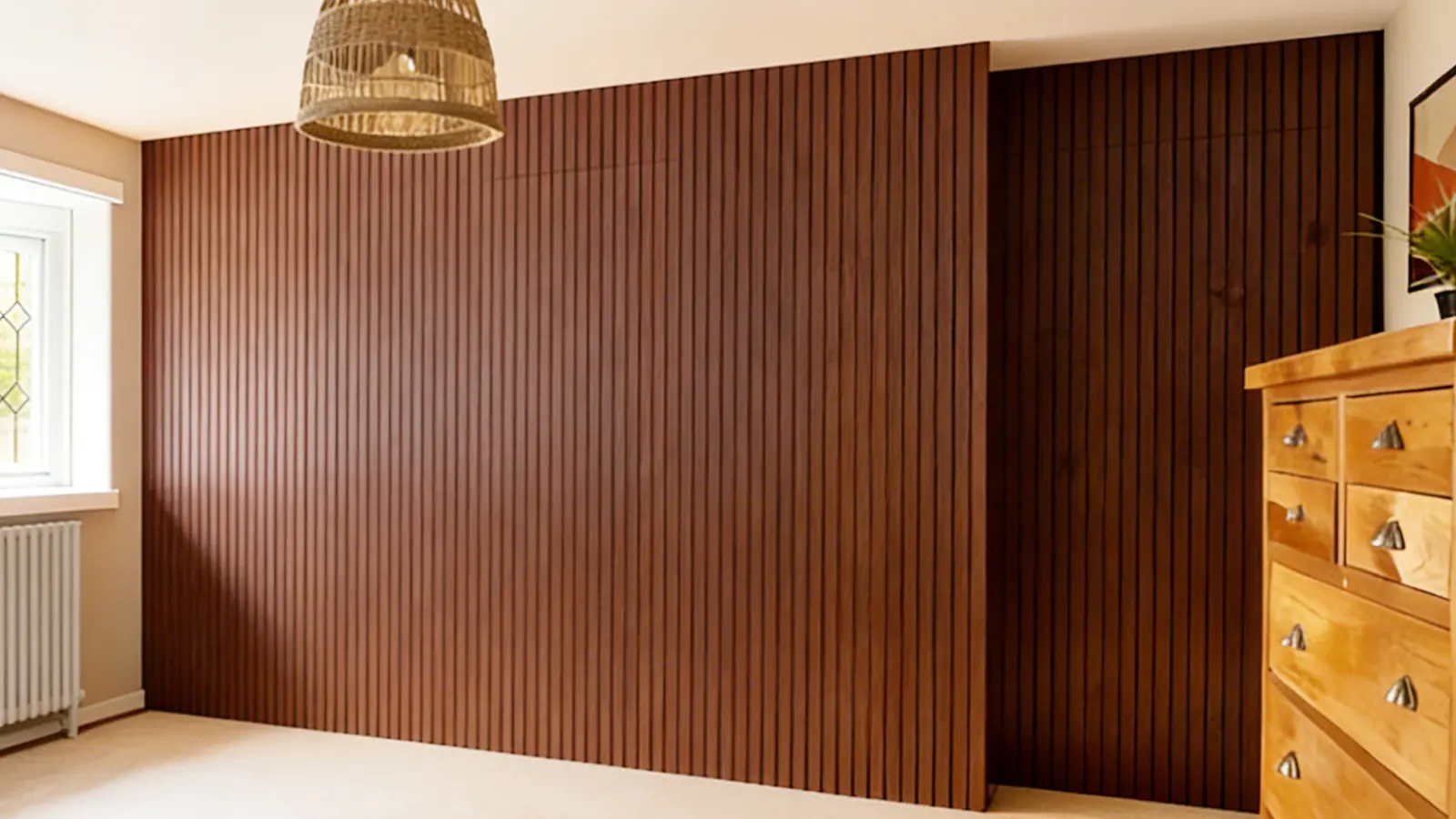
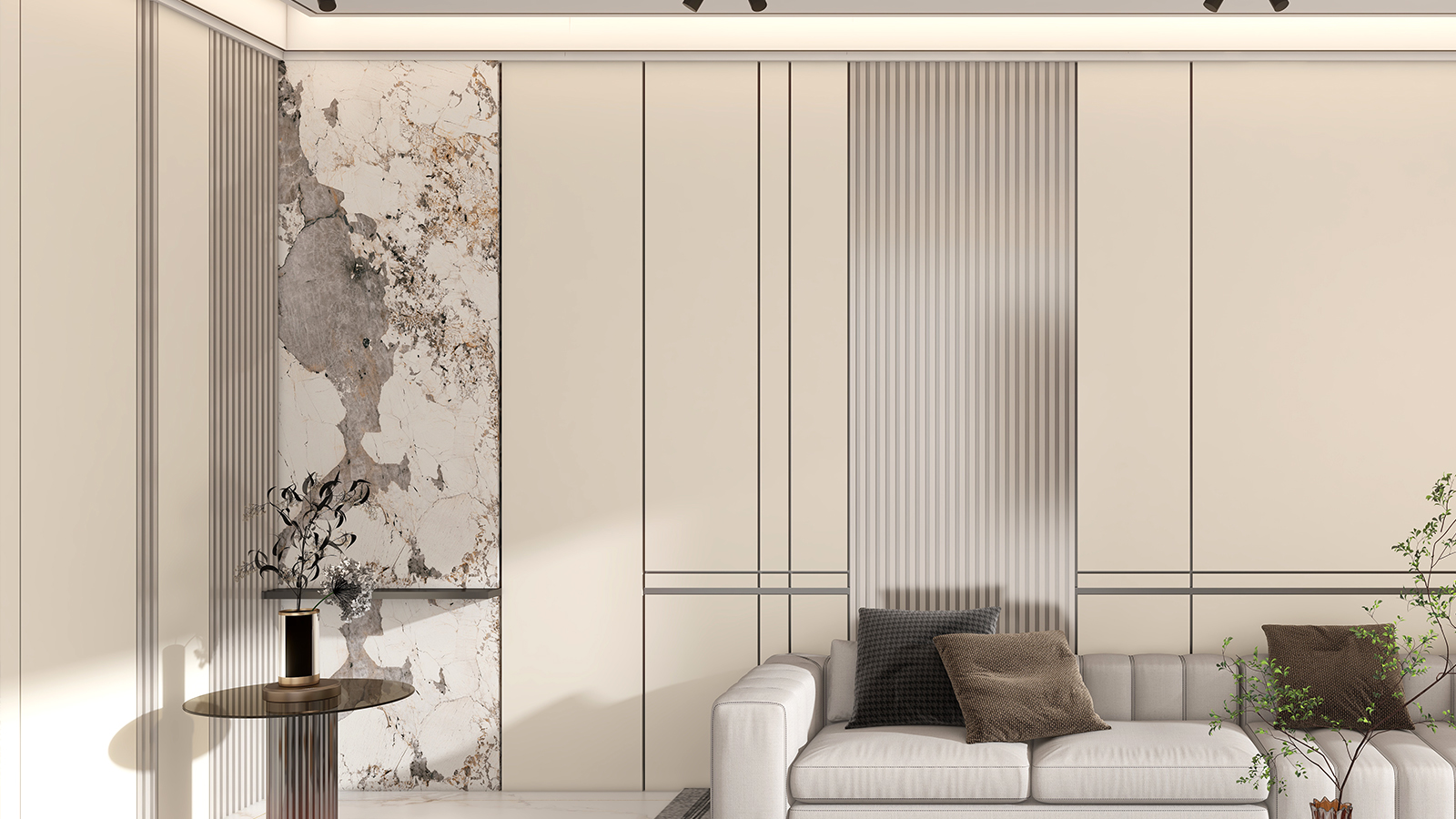
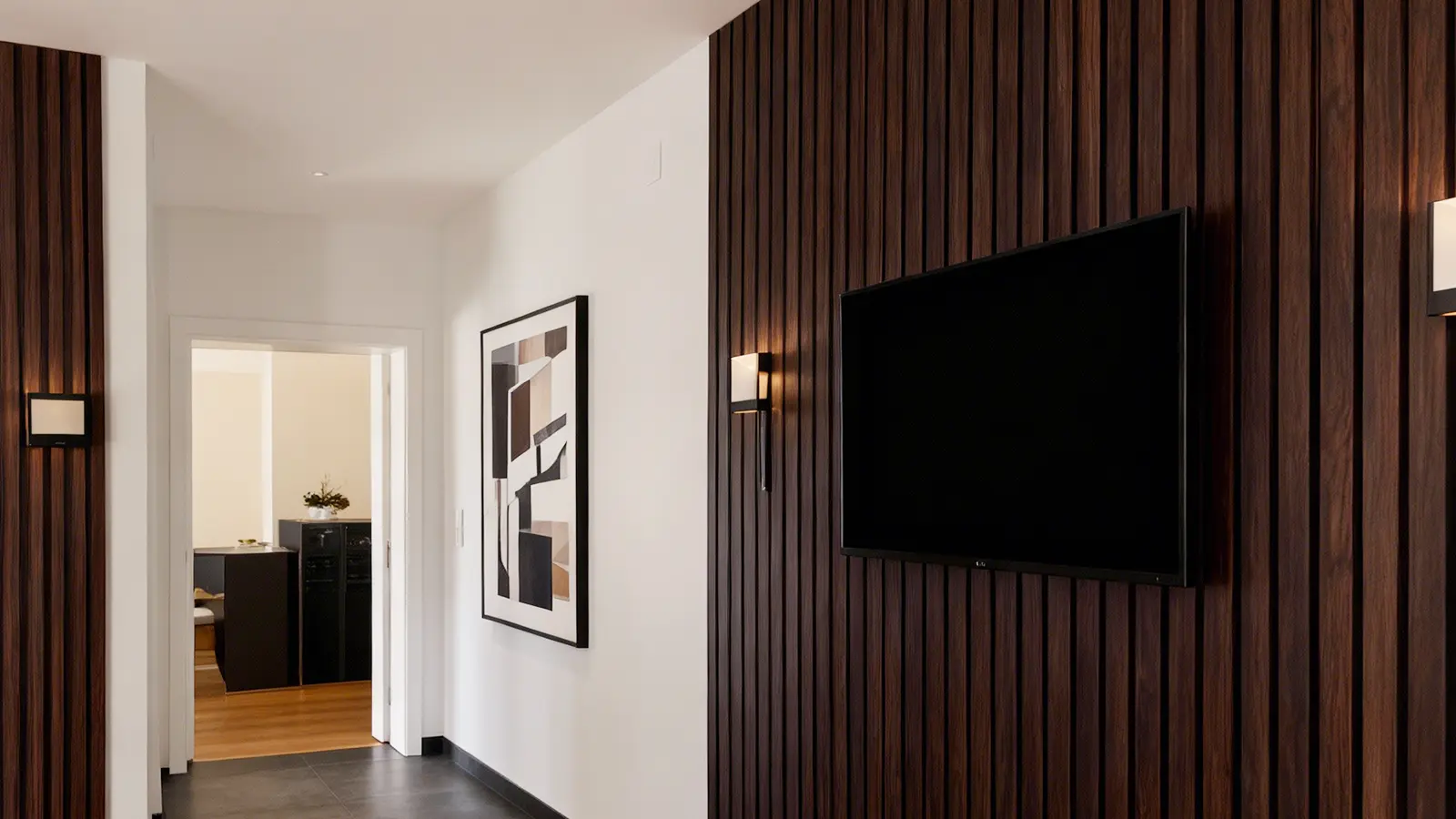
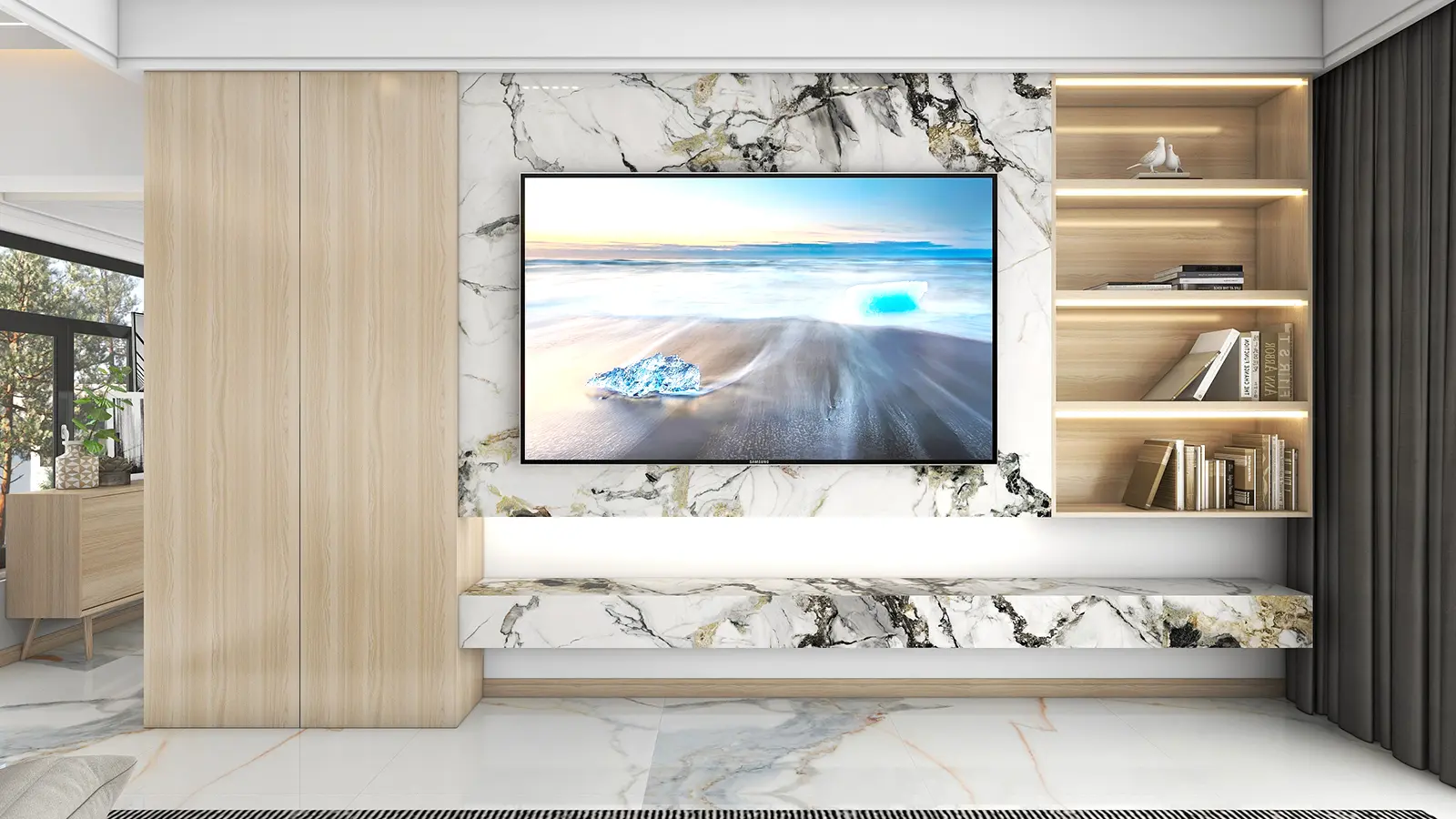
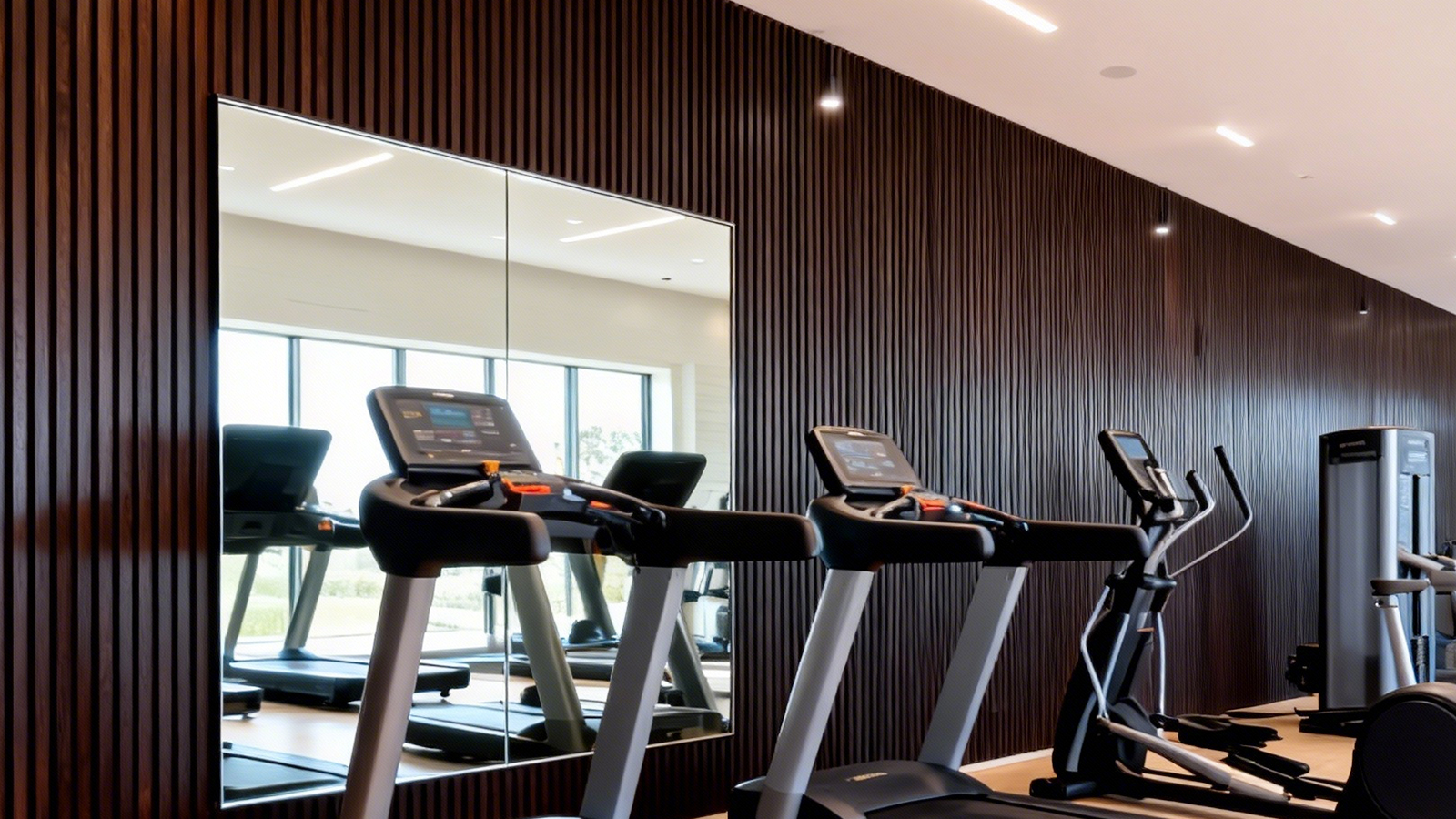
Indoor WPC Wall Panels: Material Science & Manufacturing That Makes Them Excel
In recent years, Indoor WPC (Wood-Plastic Composite) wall panelshave leapt into broader use in interior architecture, offering a combination of aesthetics, durability, and sustainability. But what really gives WPC Wall Panels their unique performance and appeal lies in the materials engineering and manufacturing processes behind them. In this article, we explore the anatomy of WPC panels: what they are made of, how they are manufactured, the quality criteria that distinguish high-end products, and why these differences matter in real-world indoor settings.
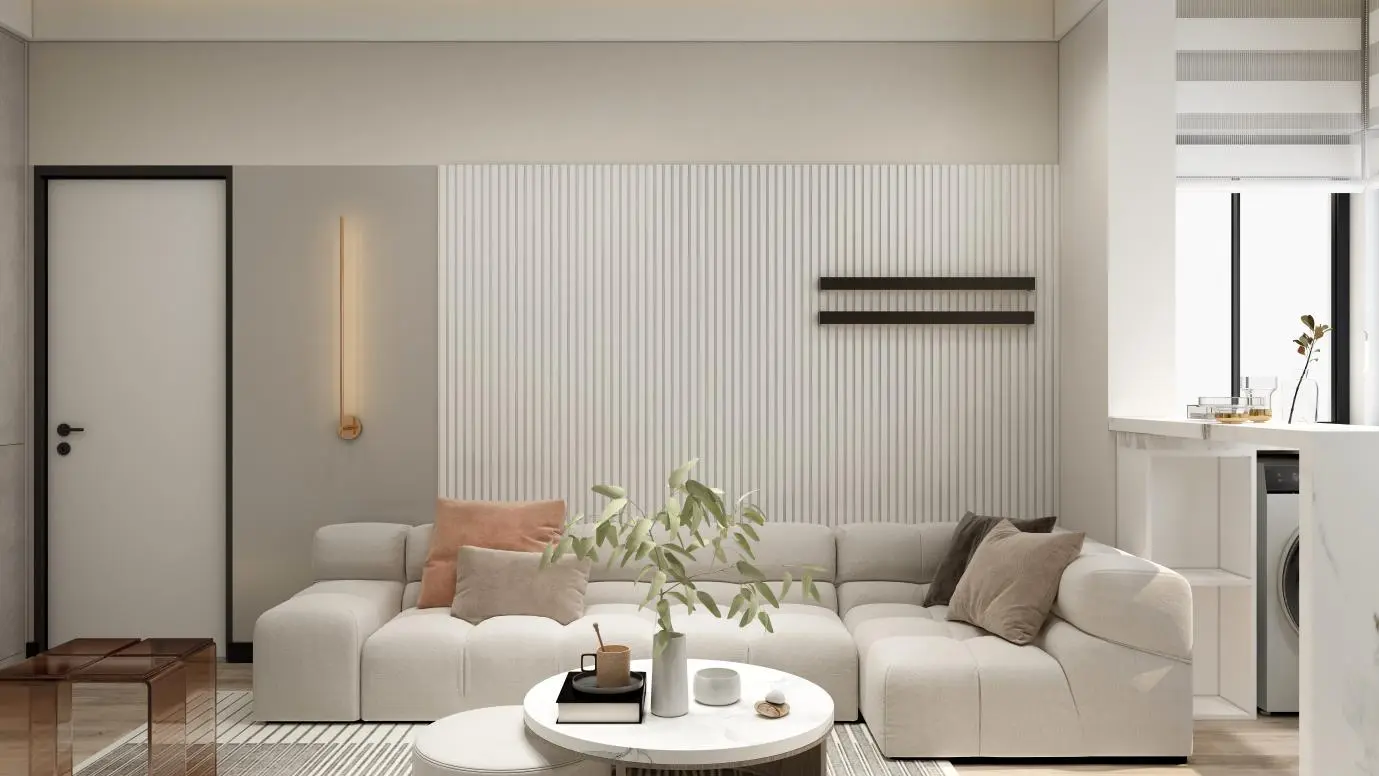
1. What Are WPC Wall Panels Made Of?
At their core, WPC wall panels are composite boards combining natural wood fibers or wood flour with thermoplastic polymers (such as high-density polyethylene HDPE, polypropylene PP, or PVC). Additives are then included to enhance various properties such as UV resistance, fire retardancy, color stability, and moisture resistance. The proportion of each component significantly affects the panel’s behavior:
- Wood Content: The amount and type of wood fibers (often recycled sawdust, wood powder, or wood flour) affect texture, rigidity, and natural appearance. Higher wood content enhances aesthetics but may reduce moisture resistance unless adequately treated.
- Plastic Matrix: The thermoplastic part (HDPE, PP, or similar) binds the fibers, provides flexibility, resistance to moisture, and structural support. The type and quality of plastic used influences weight, thermal expansion, and durability.
- Additives & Stabilizers: To guard against UV fading, warping, mold, or fire damage, manufacturers include UV stabilizers, anti-fungal agents, flame retardants, coupling agents for better adhesion between plastic and wood fibers, color pigments, etc.
- Material Sourcing: Proper sourcing of wood fibers and plastic materials is also critical—for example, using recycled wood or FSC-certified wood, food-grade or high-quality recycled plastic, and ensuring low levels of impurities or contaminants.
2. Manufacturing Processes: How Panels Are Made
Understanding how the raw materials become finished wall panels explains many differences in performance and price.
- Raw Material Preparation & Proportioning: The mixture of wood fibers, plastics, and additives is carefully proportioned. Accurate ratios matter — too much wood may lead to swelling or warping, too much plastic can reduce texture or natural look.
- Blending/Mixing: The components are mixed under controlled conditions (temperature, moisture, particle size) to ensure even distribution of fibers and plastic, avoiding weak spots or inconsistent texture.
- Extrusion or Compression Molding: Two common methods:
- Extrusion: The mixed compound is melted/softened and forced through a die to produce continuous boards or panels. Good for consistent thickness, uniform density, and sometimes for surface texture features.
- Compression / Hot Press Molding: Less common for standard panels, but used when higher pressures or special profiles/textures are required.
- Cooling / Setting: After shaping, panels must cool in a way that prevents warping or internal stresses. Some processes include controlled cooling, or using belts or rollers to flatten and stabilize.
- Surface Treatment: Surface finishing is crucial for appearance and performance. Options include embossing to mimic wood grain or stone textures; laminating or UV coating to protect colors and textures; printing decorative films; applying sealants that improve water, UV, scratch resistance.
- Cutting, Trimming & Edge Finishing: Panels are cut to size. Edges may be sealed or treated to prevent moisture ingress. Joinery and interlocking systems or tongue-and-groove features may be included.
- Quality Control & Testing: Good manufacturers test for:
- Moisture content and water absorption
- Flexural strength and impact resistance
- Dimensional stability under temperature/humidity changes
- Fire resistance (flammability rating, smoke emission)
- UV stability (color fade test)
- Formaldehyde/VOC emission (important for indoor use)
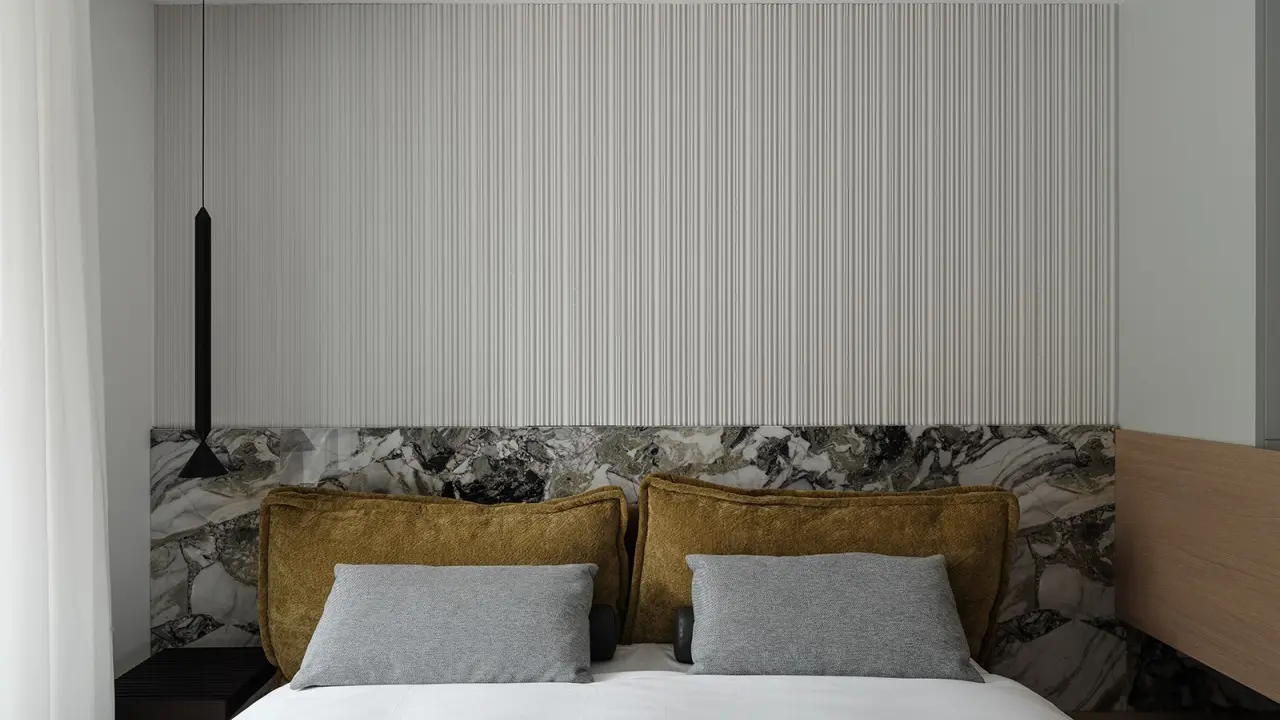
3. What Differentiates High-Quality vs Lower-Grade WPC Panels
Not all WPC wall panels are made equal. Differences in materials, processing, and finishing make big practical impacts.
| Feature | High-Quality Panels | Lower-Grade Panels |
| Wood content & fiber quality | Fine, well-processed wood fibers, often recycled but cleaned, dried; balanced wood-plastic ratio | Coarse fibers, higher filler content (e.g. calcium carbonate) reducing strength or texture |
| Plastic matrix quality | High-grade thermoplastic with good compatibility with wood fiber; UV stabilizers; flame retardants incorporated | Cheap plastic or less compatible plastics; minimal stabilizers, may yellow or degrade under UV or humidity |
| Surface finishing | Embossed textures; UV / film coating; consistent color; sharp detail | Flat or minimal texture; coatings weak or absent; color fading/discoloration over time |
| Dimensional stability / joint design | Panels are resistant to warping, swelling, have well-designed joints or interlock systems; edges sealed | Panels warp or swell, joints may be loose, edges absorb moisture |
| Certifications / Testing | Independent third-party certifications (e.g. ASTM, CE, SGS, fire class, formaldehyde/VOC standards) | Little or no certification; variable batch quality; possibly non-uniform production |
4. How These Material and Manufacturing Choices Impact Indoor Use
Why should someone care about the above differences? Because they translate into real differences when panels are installed in homes, offices, shops, etc.
- Moisture/Humidity Environments: Kitchens, bathrooms, laundry rooms, or basements: panels with inadequate plastic content or poor edge sealing will absorb moisture, swell, warp, or even foster mold. High-quality panels resist such problems.
- Lifespan & Maintenance: Higher-graded materials + good finishing = less frequent painting or replacement. Panels retain color, texture, and structural integrity over many years. Lower grade may degrade faster, needing more upkeep.
- Safety & Indoor Air Quality: Panels with formaldehyde or VOC emissions can affect indoor air quality. Proper materials + certification ensure safer air. Fire ratings matter in codes and insurance especially in commercial or public spaces.
- Visual & Design Consistency: For designers or homeowners, aesthetic fidelity matters: realistic wood grain, color matching, consistent texture—all depend on the material selection and finishing process.
- Cost vs Value: While high-end WPC panels cost more upfront, their longer lifespan, reduced maintenance, and fewer replacements often make them more economical over time.
5. What to Look for When Choosing WPC Wall Panels (Based on Material/Manufacturing)
Here are guidelines to help you select proper WPC panels that incorporate good material science and manufacturing:
- Ask about wood fiber proportion and type — is it recycled wood or virgin; how finely processed.
- Ask about the plastic type (HDPE, PP, etc.), presence of stabilizers (UV, heat, flame), additives for mold/anti-fungi.
- Check surface finishing: texture, coatings, films, UV blocking, embossing.
- Examine joint designs, edge treatments, panel thickness, weight, structural strength.
- Look for third-party certifications / test reports: formaldehyde/VOC, flame class, UV fade, moisture absorption, impact resistance.
- Review manufacturer reputation, warranties, sample panels to inspect feel, appearance, edge quality.
Conclusion
Indoor WPC wall panels represent a fascinating convergence of natural aesthetics with engineered performance. It’s not enough to simply buy into the “WPC” label—details matter: the quality of wood fibers and plastics, the blending proportions, the finishing, and how carefully a panel is made and tested all contribute to the final value. When these aspects are done right, WPC panels can deliver long life, beautiful visuals, and low maintenance, all while being more sustainable and safer for indoor spaces than many traditional materials. If you’re selecting wall panels for your project—home, office, or commercial—understanding these material science and manufacturing facets will help you get more value, performance, and satisfaction over the long term.
Upgrade your space with confidence! RUIDE WPC panels are trusted worldwide for their durability and style. For a limited time, we’re giving away free samples so you can experience the quality yourself—request yours today and start transforming your walls with RUIDE.