
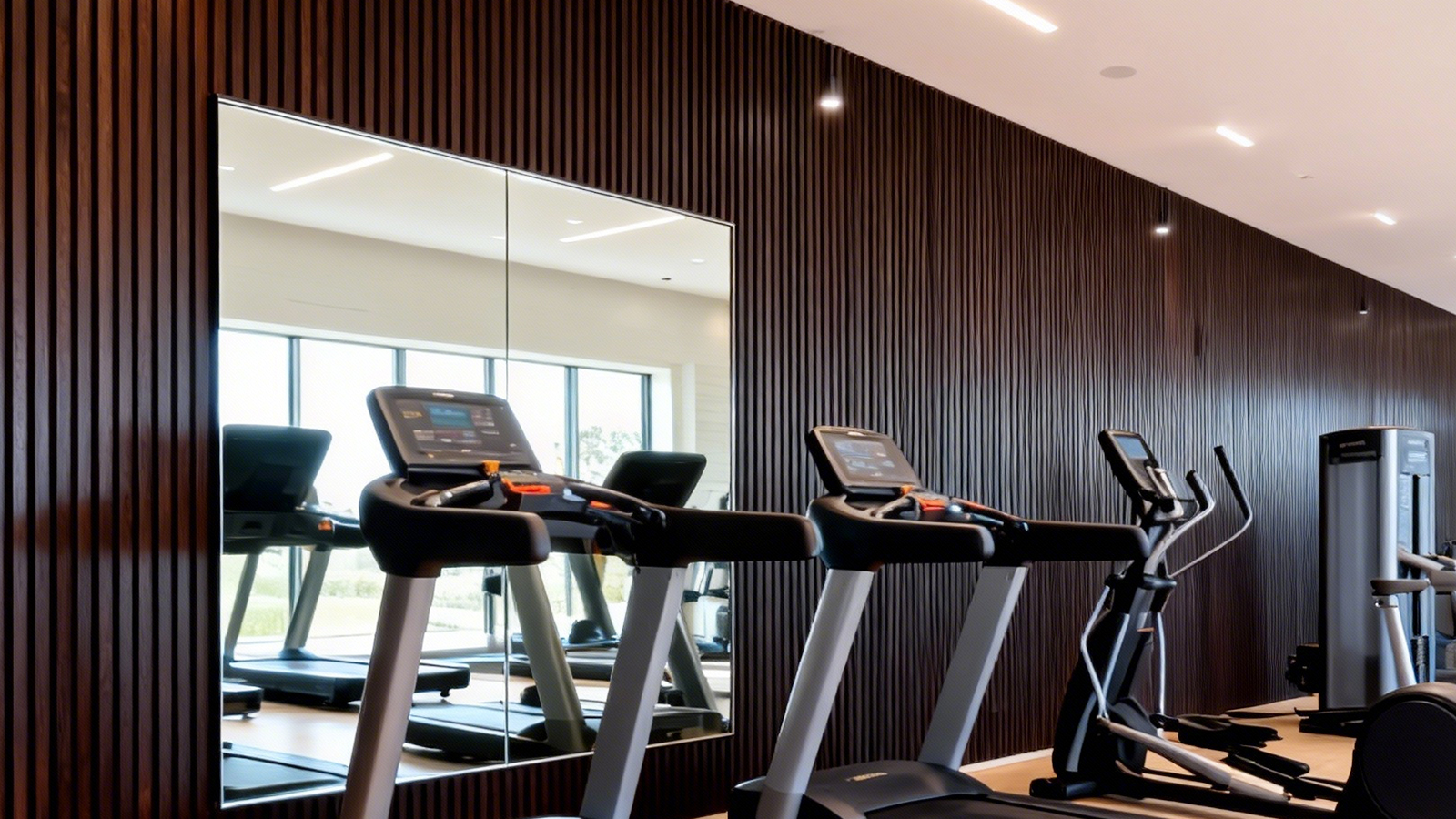
How WPC Wall Panels Are Redefining High-End Hotel Interiors Through Comprehensive Design & Sustainability
Table of Contents
- Introduction
- The Material That Blends Nature and Engineering
- Applications: How WPC Elevates Hotel Environments
- Advantages Beyond Aesthetics
- Customization and Factory Capabilities
- Case Inspirations
- Future Trends
- Conclusion
1. Introduction
The definition of luxury in the hospitality world has evolved far beyond ornate chandeliers and plush bedding. Modern high-end hotels are now designed as immersive environments—spaces where every texture, tone, and surface contributes to a unique brand story. In this context, Wood-Plastic Composite (WPC) wall panels have emerged as one of the most transformative innovations in architectural materials.
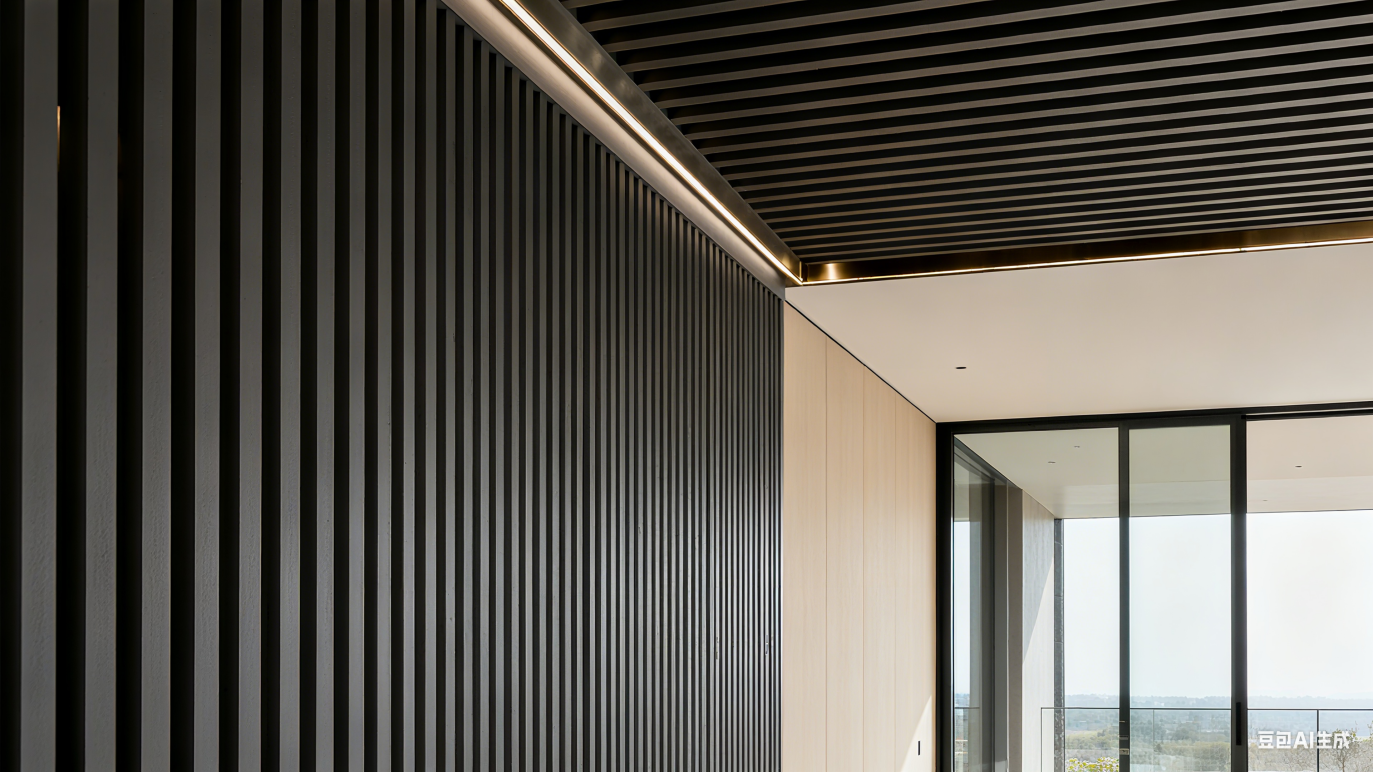
By combining the tactile warmth of natural wood with the superior resilience of engineered polymers, Wpc Panels offer hoteliers and designers an opportunity to achieve aesthetic distinction and technical performance within a single product. They provide design freedom, environmental responsibility, and operational efficiency—qualities that have made them a go-to material for full-house customization in luxury hotels around the world.
2. The Material That Blends Nature and Engineering
WPC panels are manufactured from a mix of wood or bamboo fiber and plastic resins such as PVC, PE, or PP. Additives like UV stabilizers, colorants, and fire-retardant agents are introduced to enhance long-term performance. This combination creates a composite that resembles wood’s natural appearance but outperforms it in stability and endurance.
Unlike natural timber, WPC does not warp, crack, or absorb moisture. Its dense structure prevents termites and mold, making it ideal for regions with fluctuating humidity or coastal climates. Available in solid and hollow profiles, panels can be used on walls, ceilings, and even furniture facades. Because the surface is pre-finished, there’s no need for painting or polishing—reducing both material waste and installation time.
The color palette is nearly limitless, ranging from classic oak and walnut grains to modern concrete or metallic effects. Some suppliers even offer digital printing and 3D embossing technologies to create custom textures that precisely match an interior theme.
3. Applications: How WPC Elevates Hotel Environments
3.1 Lobbies and Reception Zones
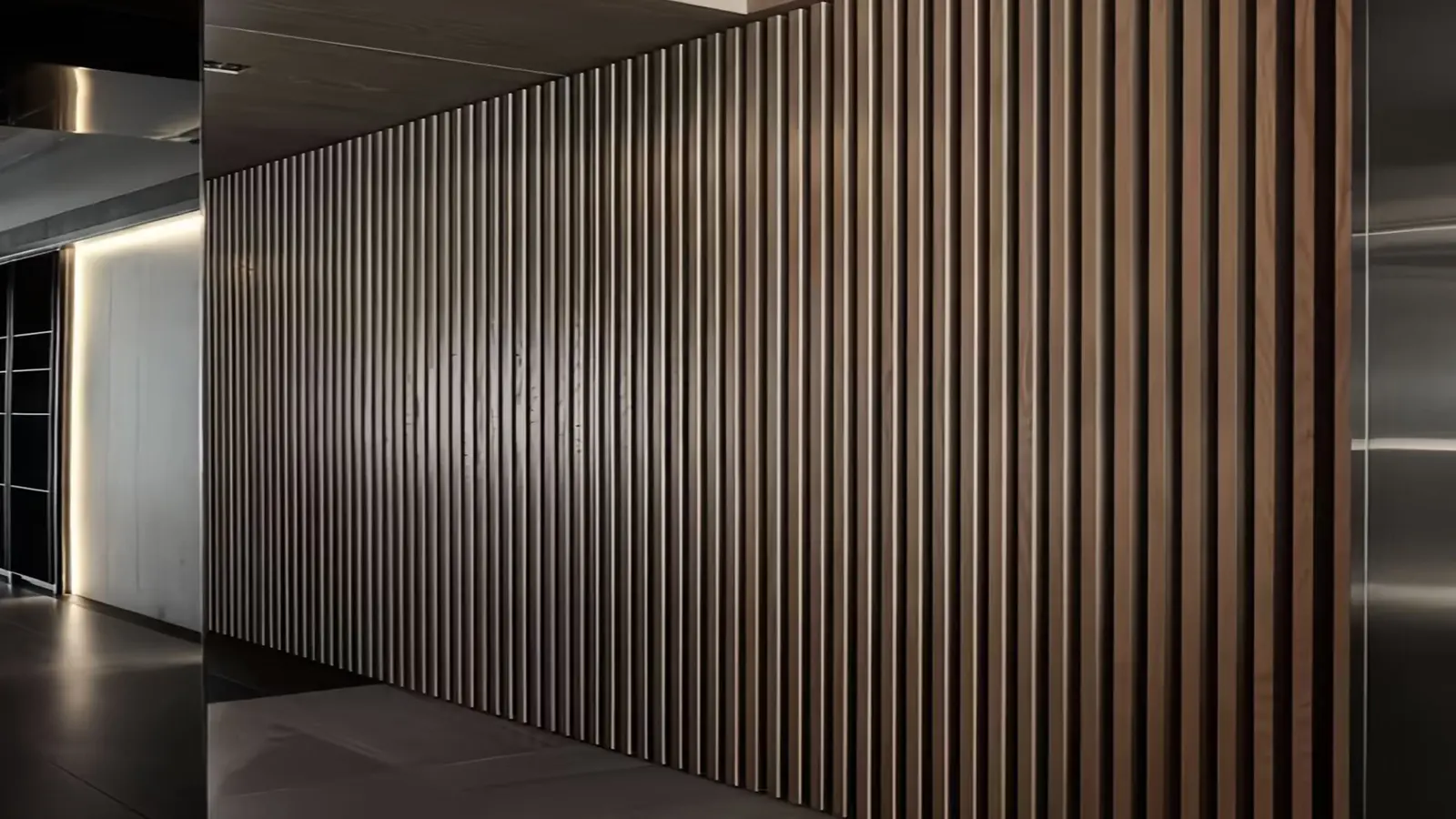
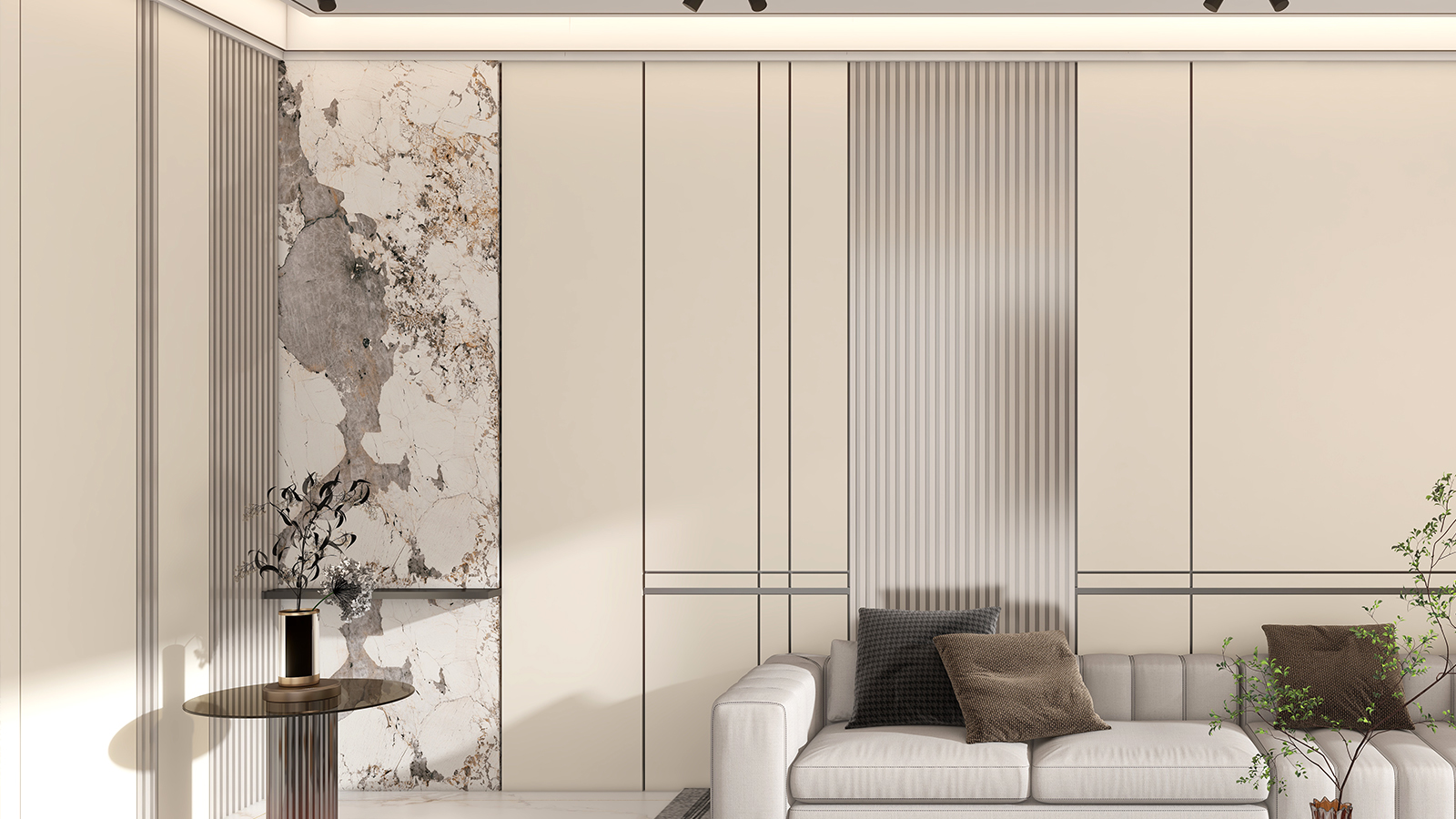
The lobby is the stage where a hotel’s personality first reveals itself. Designers increasingly choose WPC wall panels for statement walls behind reception desks or as sculptural surfaces on columns and ceilings. The combination of 3D texture and concealed lighting produces a dramatic yet welcoming atmosphere. Unlike natural stone, which can be heavy and porous, WPC panels are lightweight, low-maintenance, and easy to clean, ensuring the lobby remains flawless even after years of use.
3.2 Guest Rooms and Suites
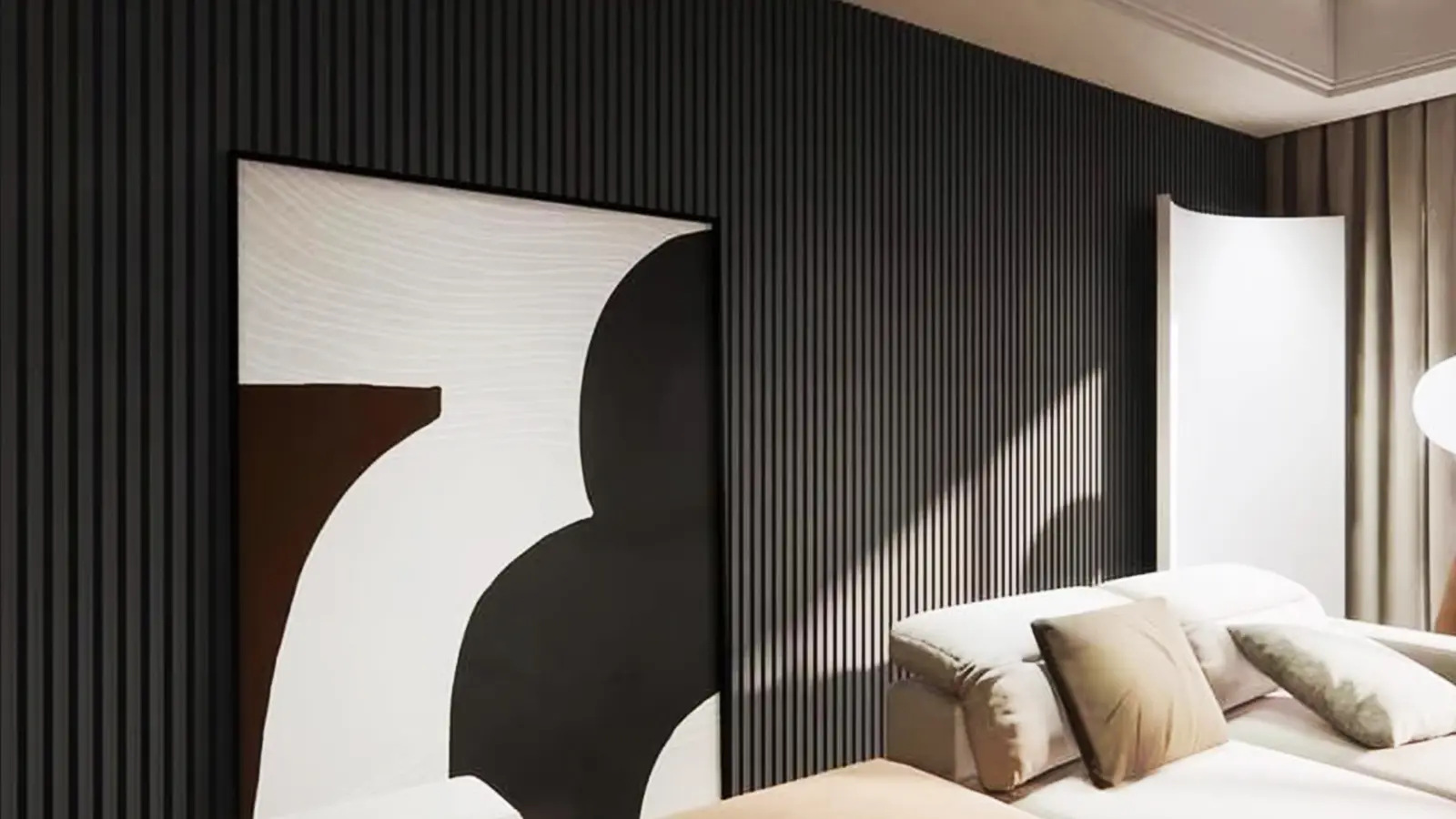
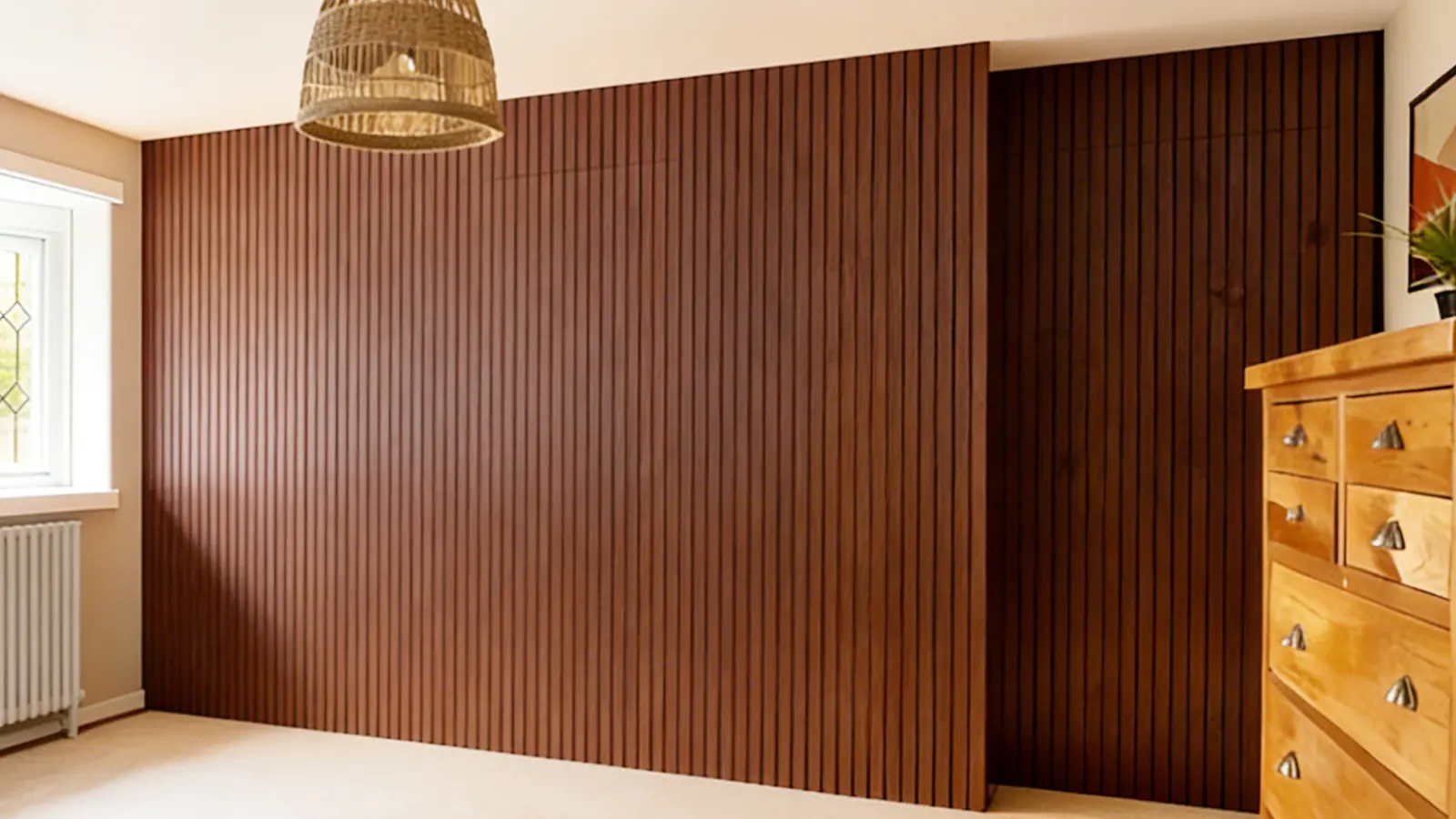
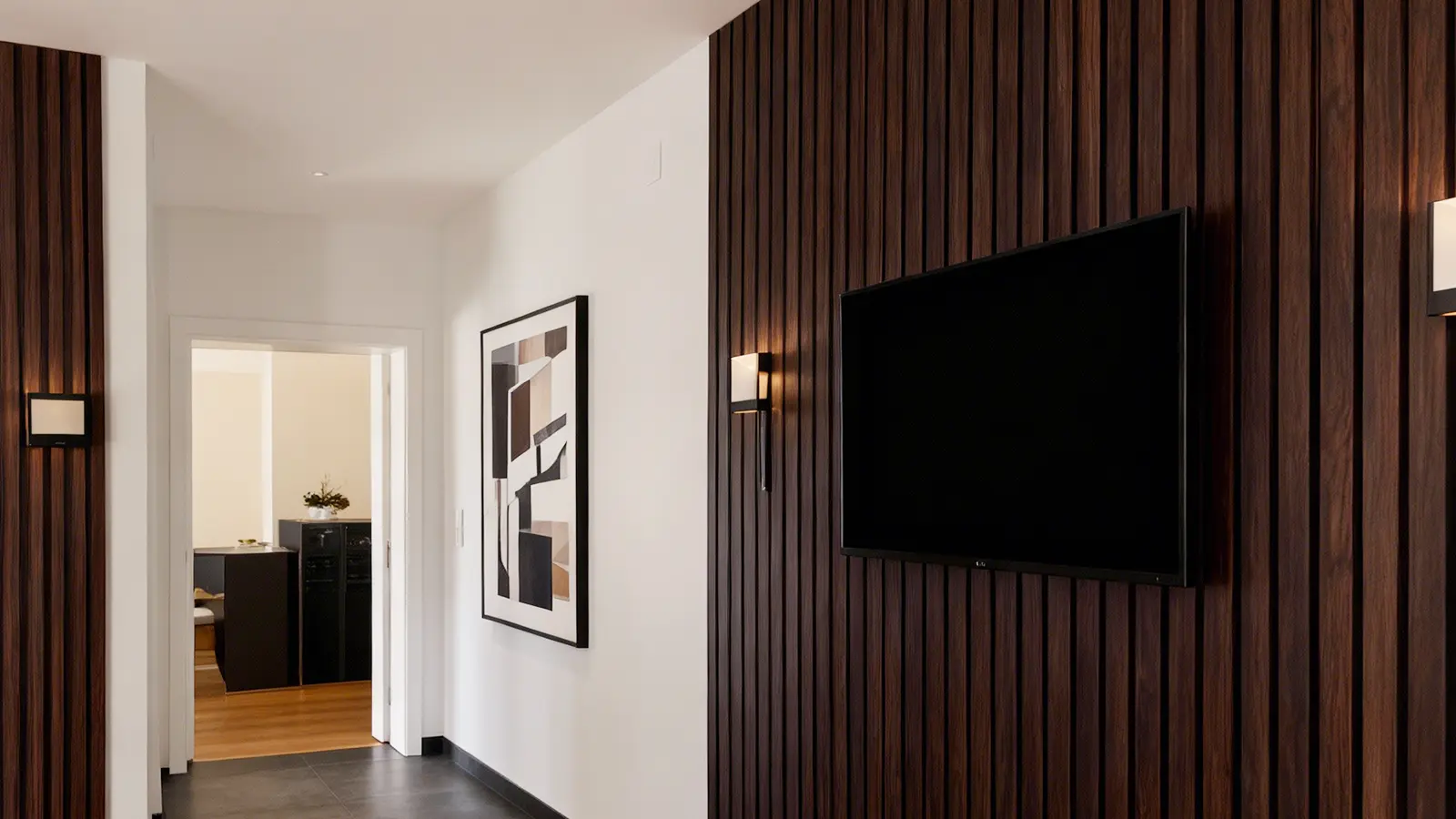
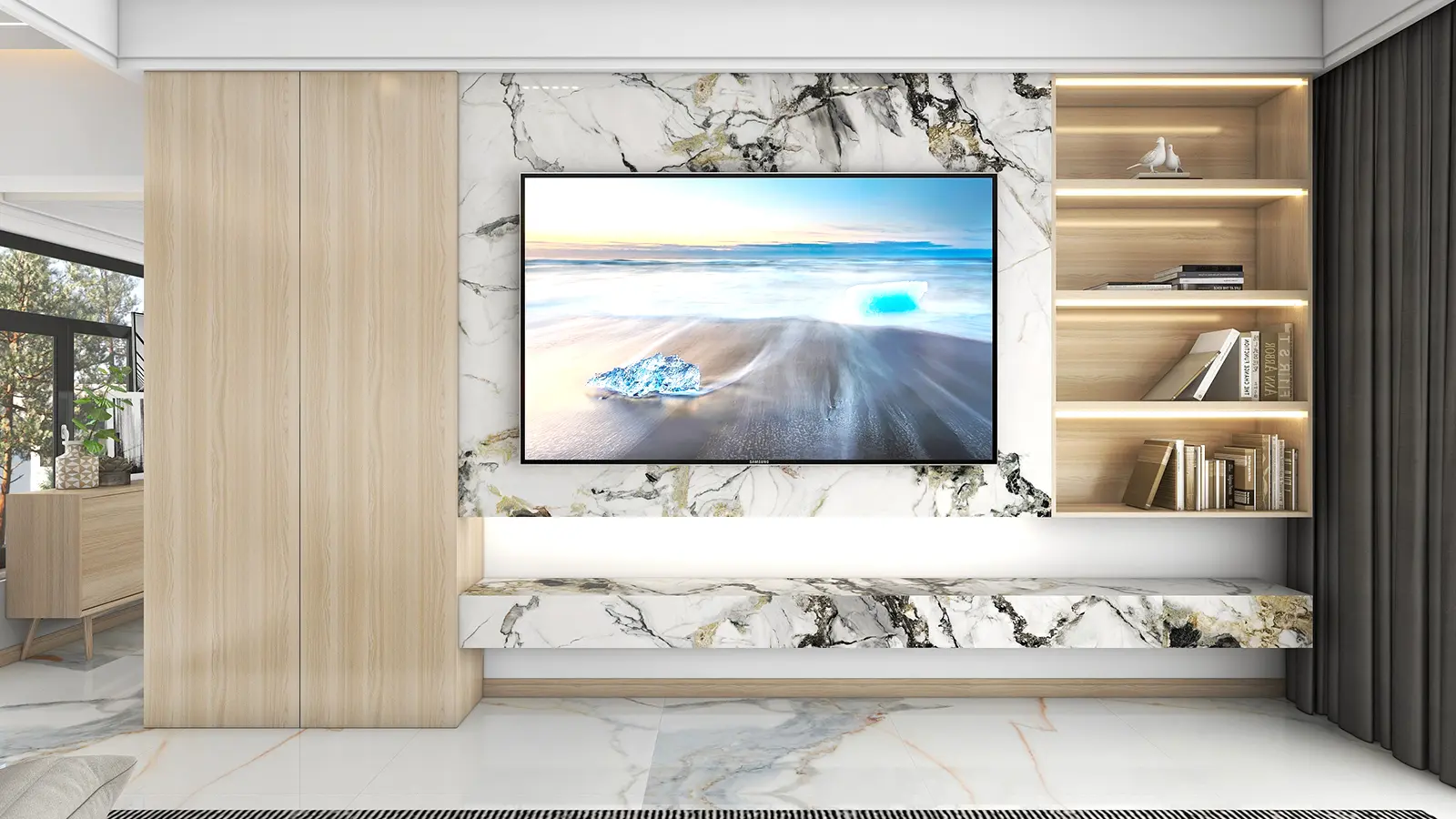
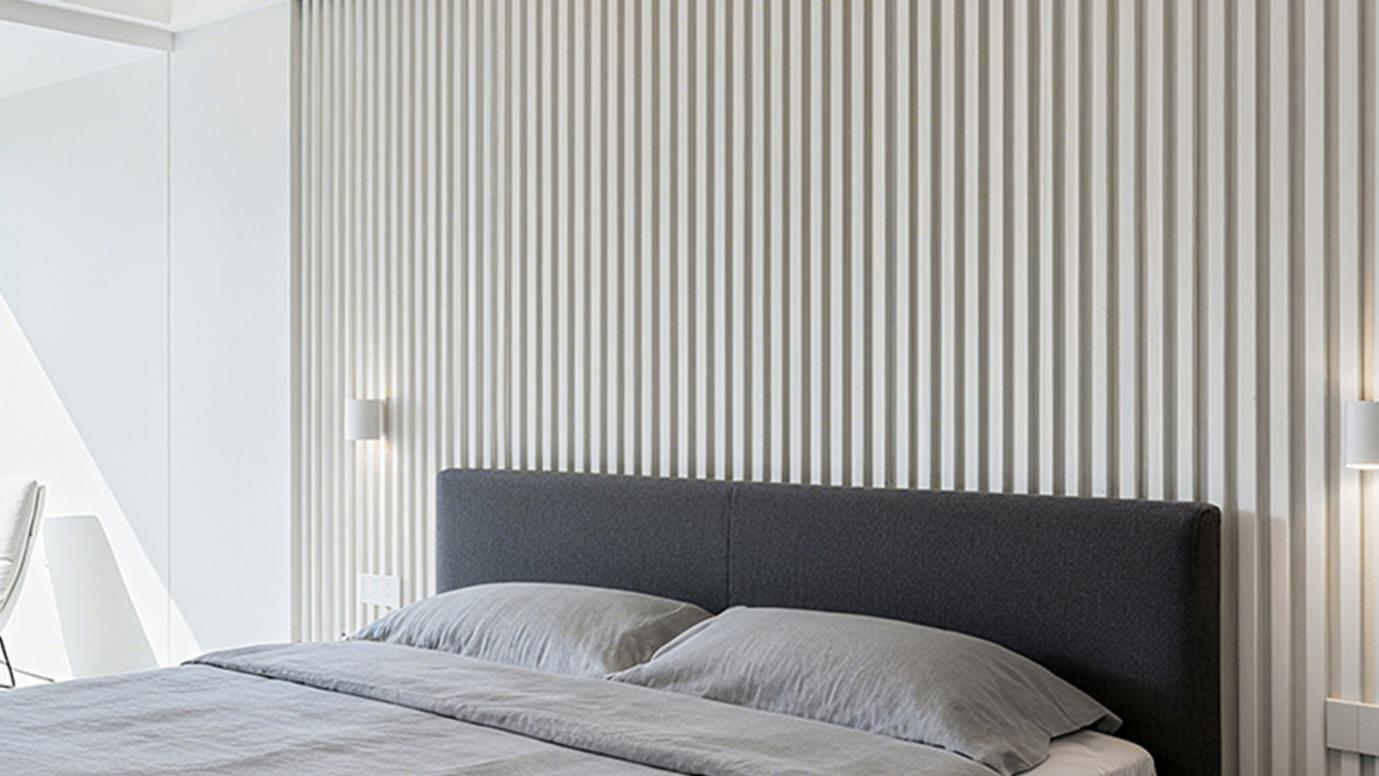
Within guest rooms, WPC fluted wall panels deliver a sense of tranquility and sophistication. They are often used for headboard backdrops, television wall features, or bathroom partitions. Their waterproof properties enable a seamless design flow between dry and wet areas, while the texture adds depth and warmth to the space. A well-chosen wood grain pattern can make compact rooms feel cozy and inviting, enhancing the overall guest experience.
3.3 Restaurants, Lounges, and Bars
Dining areas require materials that can withstand stains, temperature variations, and moisture. WPC panels meet these demands with ease. Their smooth, non-porous surface allows for quick cleaning, making them hygienic and durable choices for food-service zones. Designers can play with grooved or ribbed patterns to enhance acoustics and to break visual monotony. In upscale bars, dark matte finishes can be paired with brass details to exude timeless elegance.

3.4 Corridors and High-Traffic Zones
Hotel corridors experience constant movement—suitcases brushing walls, cleaning equipment passing through. WPC’s impact resistance protects surfaces from scratches and dents. The modular interlocking system allows for quick replacement of single panels if needed, reducing downtime during renovations. Additionally, vertical or horizontal slatted panels can visually elongate narrow corridors and contribute to acoustic comfort.
3.5 Meeting Rooms and Business Centers
Modern business travelers expect quiet, distraction-free meeting environments. Acoustic WPC panels with slotted surfaces absorb echo and enhance speech clarity. These panels, available in corporate color palettes or wood tones, merge professionalism with refined aesthetics.
4. Advantages Beyond Aesthetics
4.1 Eco-Friendly and Sustainable
Sustainability has become a defining factor in hotel development. WPC panels use recycled wood and plastic materials, helping reduce deforestation and landfill waste. Most reputable manufacturers adhere to international environmental standards such as ISO, CE, SGS, and FSC certifications. For hotel brands pursuing LEED or BREEAM credits, using WPC materials can contribute toward those green building targets.
4.2 Moisture-Proof, Fire-Retardant, and UV-Resistant
Whether a resort sits along a tropical beach or in an alpine climate, WPC wall panels are engineered to perform consistently. Their surface is 100% waterproof, making them immune to warping or swelling. Fire-retardant formulations meet B1 or B2 safety classifications, essential for hospitality interiors. Outdoor or semi-exposed applications benefit from UV-resistant coatings that maintain color stability for years.
4.3 Low Maintenance, Long Lifespan
Hotel operators value materials that minimize operational disruption. Unlike painted walls that require periodic touch-ups, WPC panels retain their finish with only routine cleaning. A damp cloth is enough to maintain luster, saving on labor and chemical costs. Their average lifespan ranges from 15 to 25 years, offering a superior return on investment compared to wallpaper or veneer finishes.
4.4 Design Versatility
WPC’s adaptability is another major draw. Panels can emulate nearly any natural or artificial material. Combining light and dark tones, mixing matte and glossy finishes, or aligning patterns across surfaces allows designers to produce truly bespoke interiors that match a hotel’s brand DNA.
5. Customization and Factory Capabilities
For large hospitality projects, reliable manufacturing partners are critical. Leading factories now provide turn-key solutions, including design consultation, texture customization, size optimization, packaging, and global shipping.
OEM/ODM services allow for bespoke dimensions, special embossing, and integrated functions like acoustic absorption or waterproof cores. Strict quality control covers every stage—from raw material inspection to UV coating durability tests. With advanced extrusion technology and automated surface finishing, manufacturers can guarantee color consistency across thousands of panels.
6. Case Inspirations
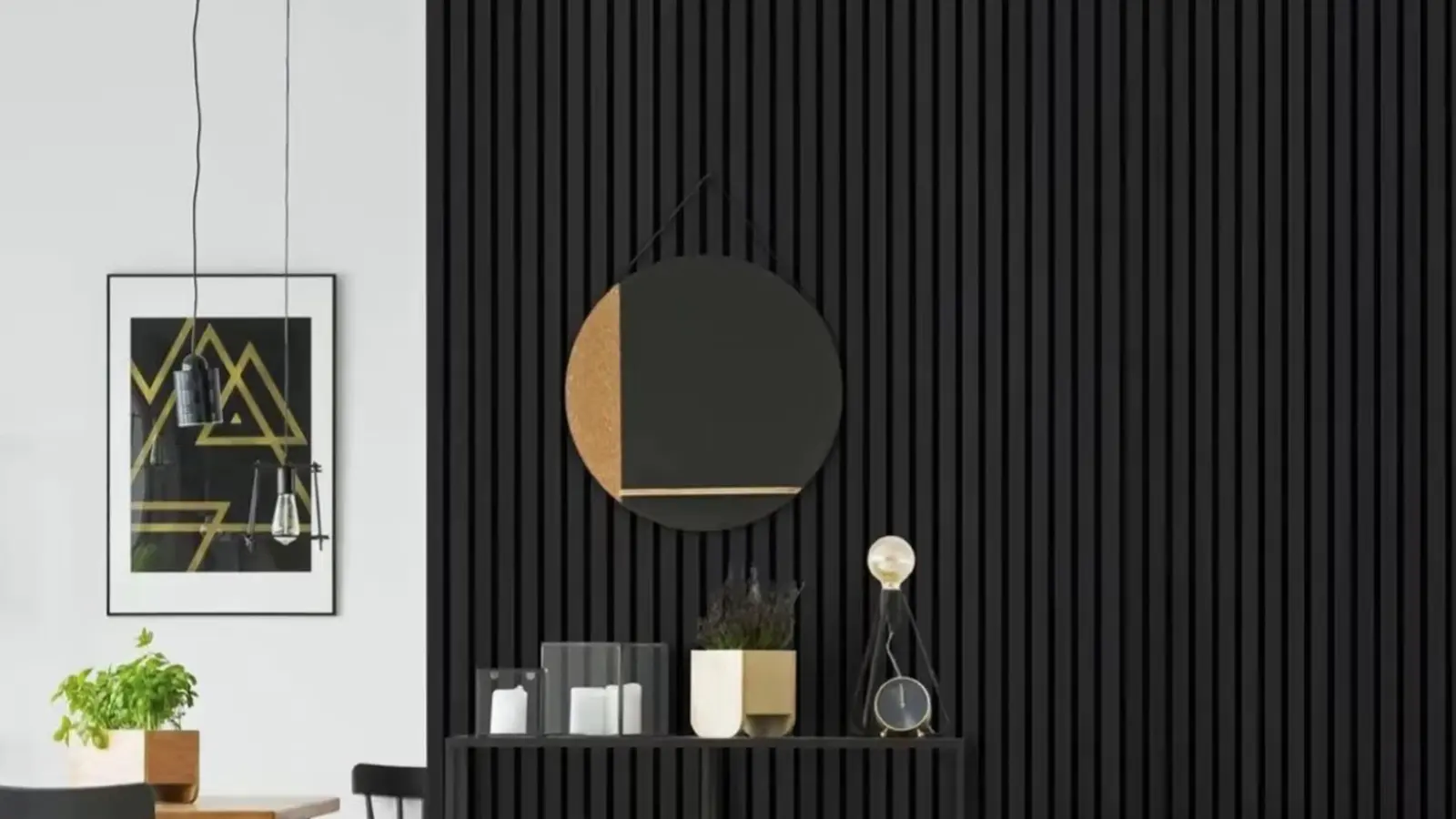
- Coastal Resort in Dubai: Designers opted for light oak WPC wall panels throughout the resort, from lobby walls to spa ceilings. The result: a cohesive, serene aesthetic that withstands sea air and high humidity.
- Urban Boutique Hotel in Singapore: Dark walnut slatted WPC panels were used in conference halls and executive suites, achieving excellent sound insulation and a high-end visual identity while keeping maintenance low.
7. Future Trends
The future of hotel interiors lies in smart, sustainable materials. Next-generation WPC products may feature:
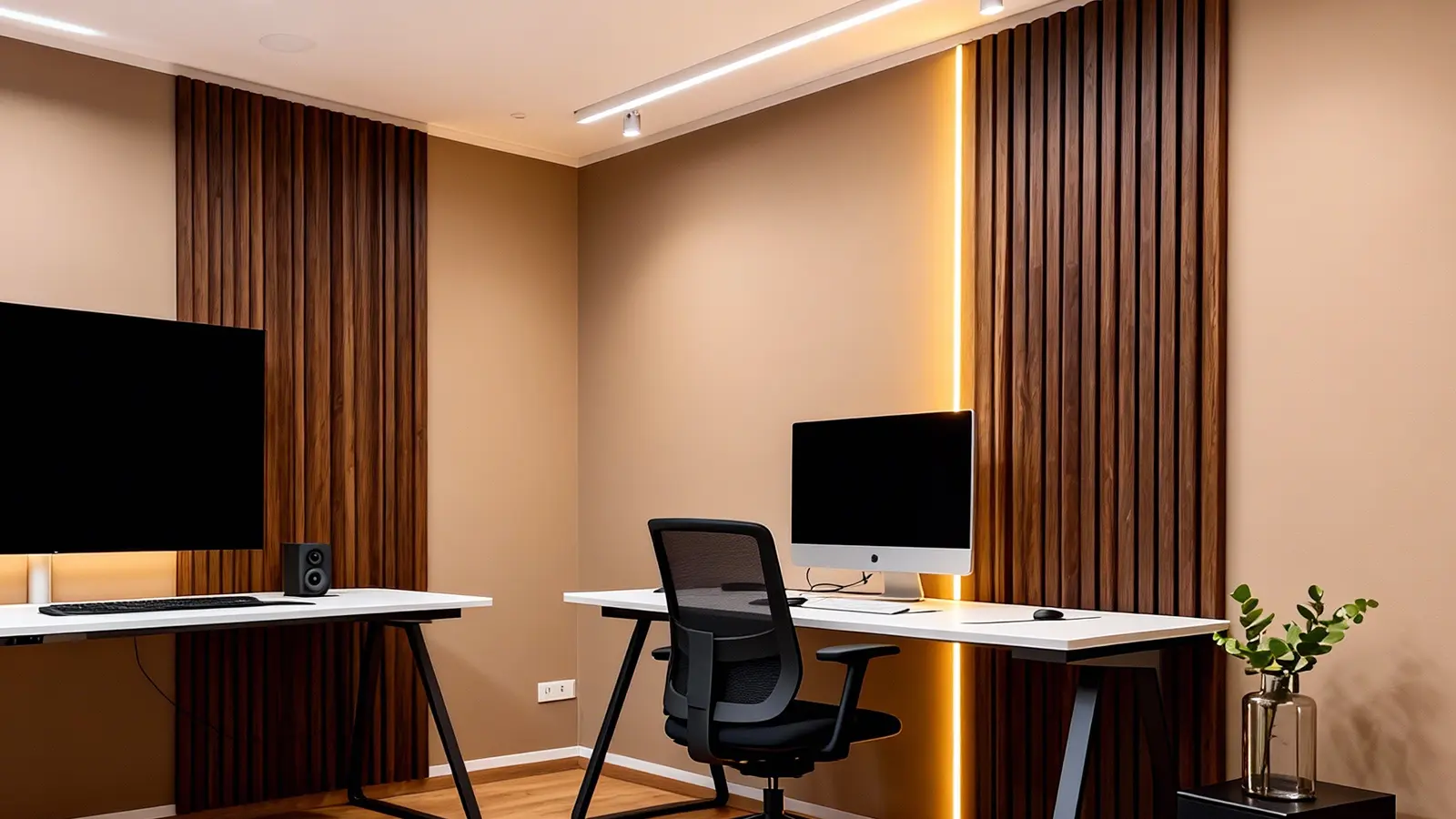
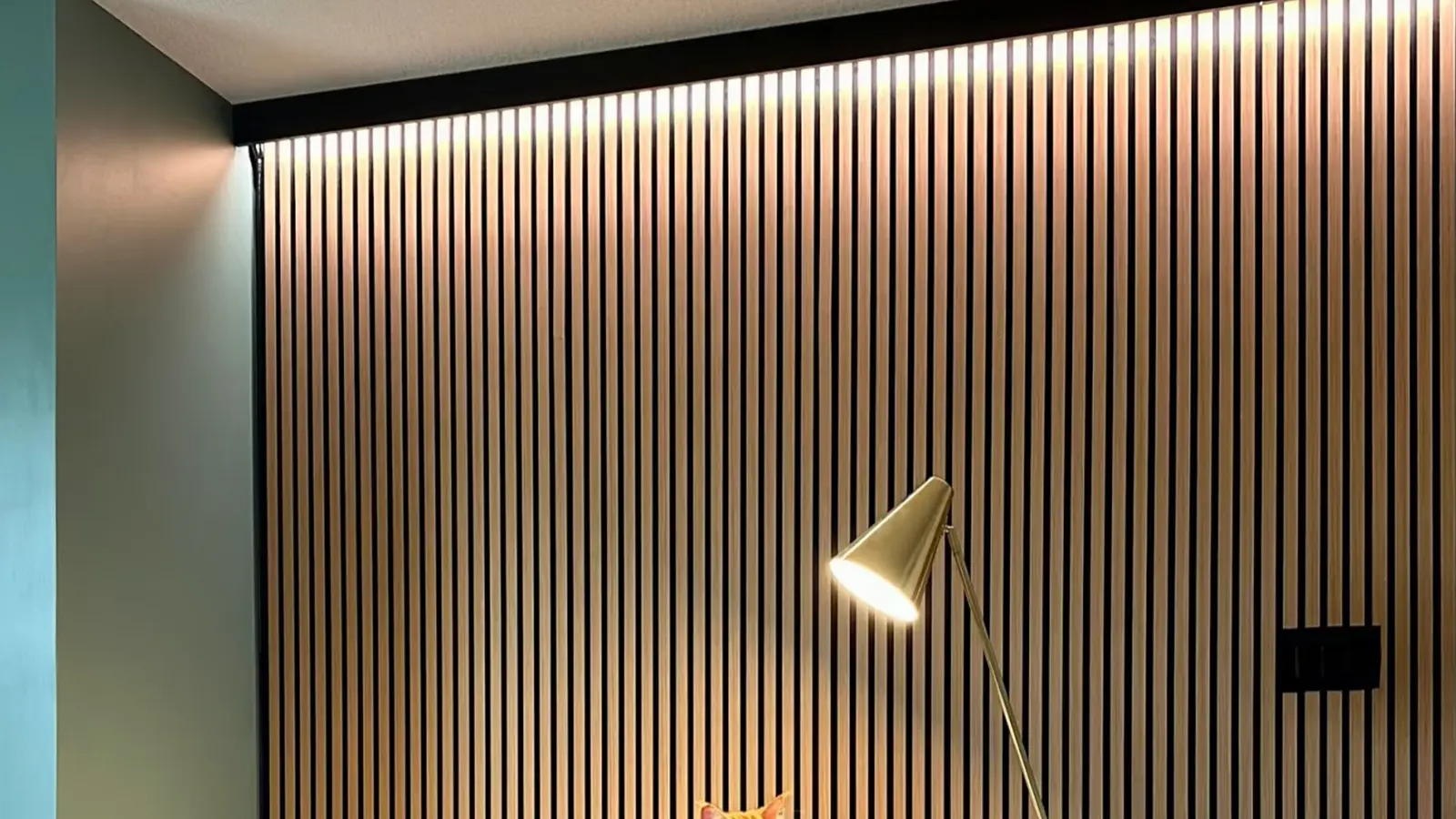
- Integrated LED lighting for ambient illumination.
- Advanced nano-coatings that resist fingerprints, scratches, and UV exposure.
- Modular 3D patterns that allow designers to reconfigure spaces without major renovation.
- Hybrid WPC materials that combine metal or glass inlays for futuristic aesthetics.
As the global hospitality sector embraces ESG principles and circular design, WPC wall panels are poised to become a foundational element in modern architecture.
8. Conclusion
In the age of experiential travel, hotels are expected to embody their brand ethos through every design detail. WPC wall panels enable that vision by merging artistry with engineering precision. They are durable, eco-friendly, customizable, and visually timeless—making them an indispensable solution for full-house hotel customization.
For developers, designers, and procurement teams seeking a material that balances beauty, performance, and sustainability, WPC panels offer a clear path forward toward the future of luxury hospitality.
