
How to Pick the Perfect WPC Wall Panel Designs for Your Project
How to Pick the Perfect WPC Wall Panel Designs for Your Project
Table of Contents
- Introduction
- What Are WPC Wall Panels?
- Why the Design Choice Matters
- Popular Types of WPC Wall Panel Designs
- Key Factors to Evaluate Before Deciding
- Current Trends & What’s Hot in WPC Panel Designs (2025-2026)
- Applications and Where Designs Fit Best
- A Step-by-Step Approach to Choosing the Right Design
- Tips for Importers, Overseas Buyers & B2B Clients
- Conclusion
Introduction
In today’s evolving construction and interior design world, Wood-Plastic Composite (WPC) wall panelsare rapidly gaining ground. They combine durability, eco-consciousness, and versatile design in ways that make them ideal for a broad spectrum of projects—homes, offices, hotels, shops, and outdoor facades. But with so many design options, surface finishes, and supplier differences, selecting the right Wpc Panel style can be daunting.
What Are WPC Wall Panels?
WPC Wall Panels are composite materials made by blending wood fibers (sometimes sawdust or wood flour) with plastic polymers (such as HDPE, LDPE, PVC, or other thermoplastics). Often additives (stabilizers, UV inhibitors, fire-retardants) are included. The goal is to mimic natural wood or stone appearance, while avoiding many of wood’s disadvantages.
Key Advantages
- Moisture resistance: They do not swell, rot, or degrade as quickly in humid or wet environments.
- Pest tolerance: Protection against termites and fungal decay.
- Eco-credentials: Many panels use recycled plastics and wood waste, reducing pressure on virgin timber.
- Low upkeep: Minimal maintenance compared to real wood or stone; cleaning is simpler, no need for frequent refinishings.
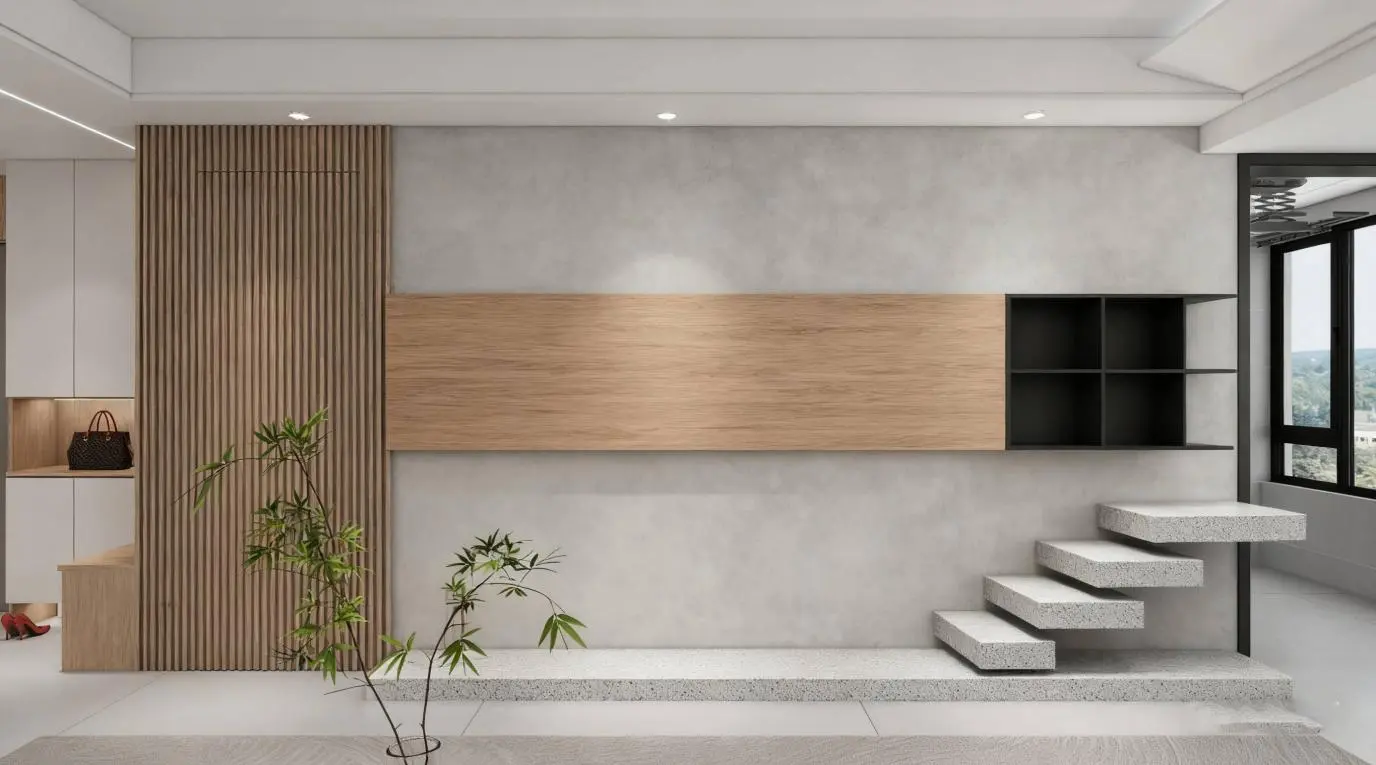
- Design flexibility: You can find panels with a wide variety of finishes—wood grain, stone or marble imitation, textured, 3D patterns, slat/fluted designs, etc.
Why the Design Choice Matters
Choosing the proper design for WPC wall panels does more than determine how a wall looks. It affects:
- Durability & maintenance over time: The wrong texture or finish can trap dirt or degrade faster.
- Suitability to environment: Moisture, UV exposure, temperature changes, or acoustics may demand specific properties.
- Atmosphere & branding: In commercial settings, the panel design helps reinforce brand image and user experience.
- Cost-effectiveness & investment: More refined finishes and treatments cost more but may deliver better lifespan, lower repair costs, or higher appeal (resale, customer impressions, etc.).
Popular Types of WPC Wall Panel Designs
Here are several common design categories, with details on their advantages and best use cases:
| Design Type | Description & Advantages | Best Use-Cases |
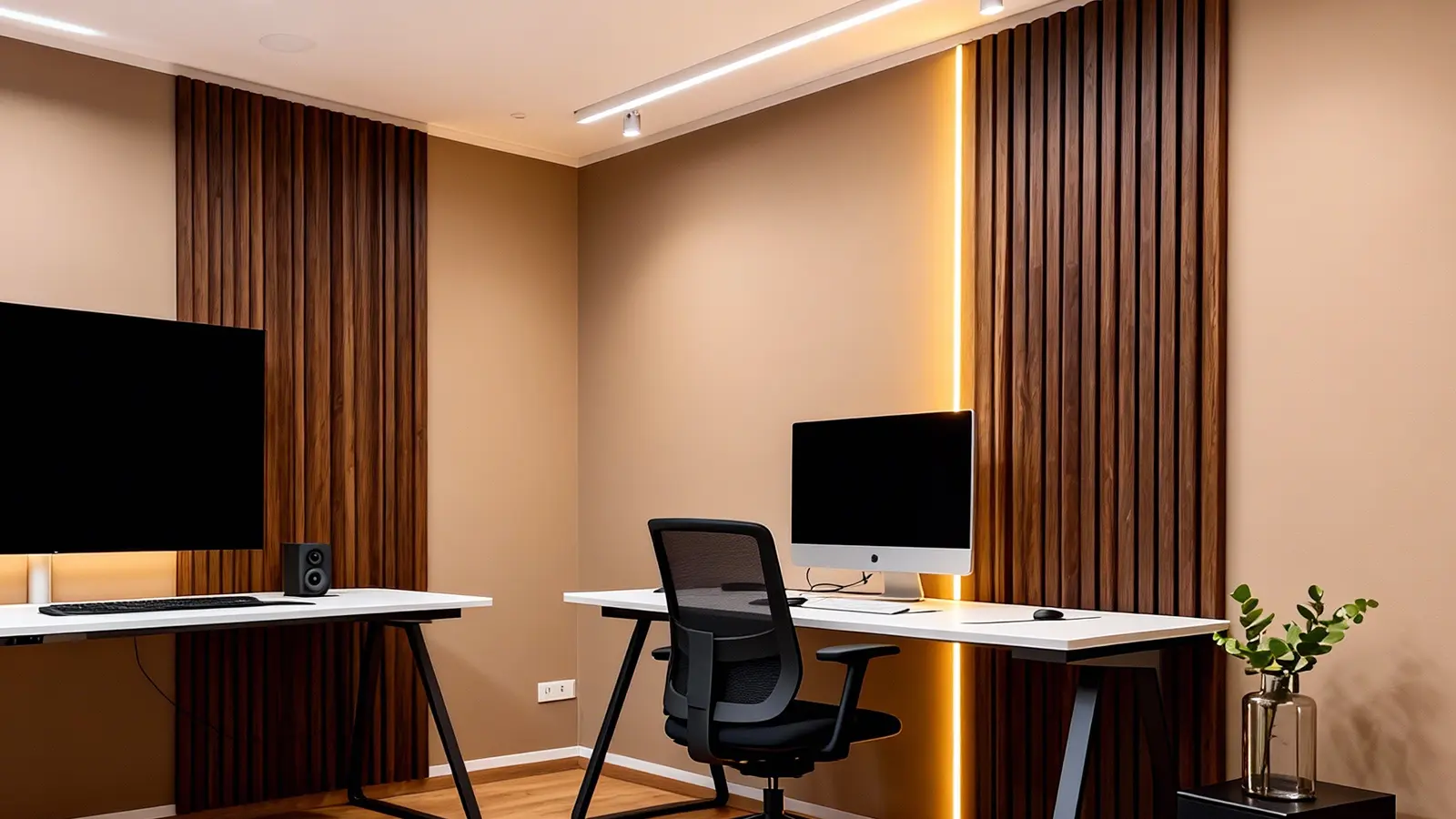
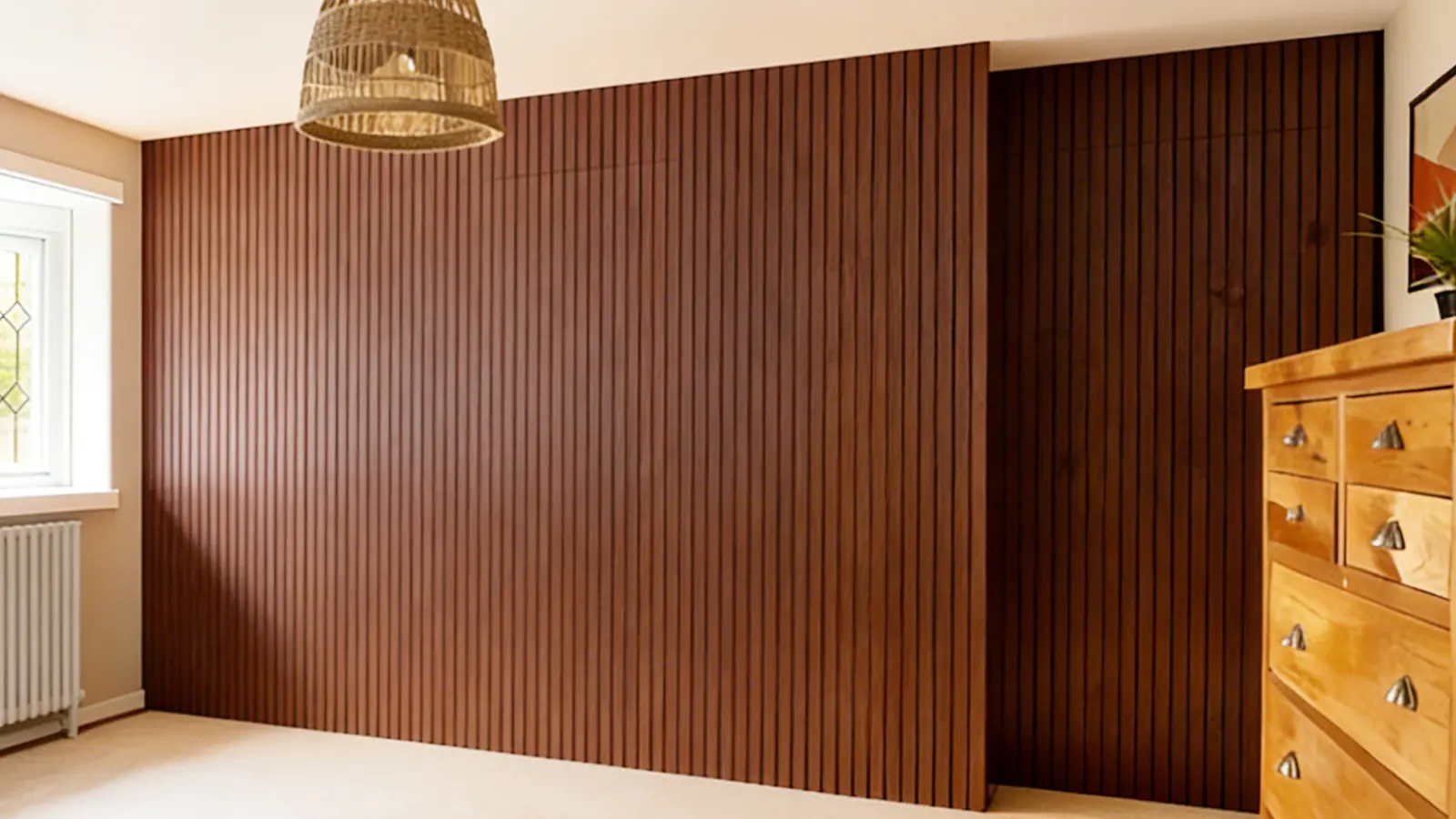
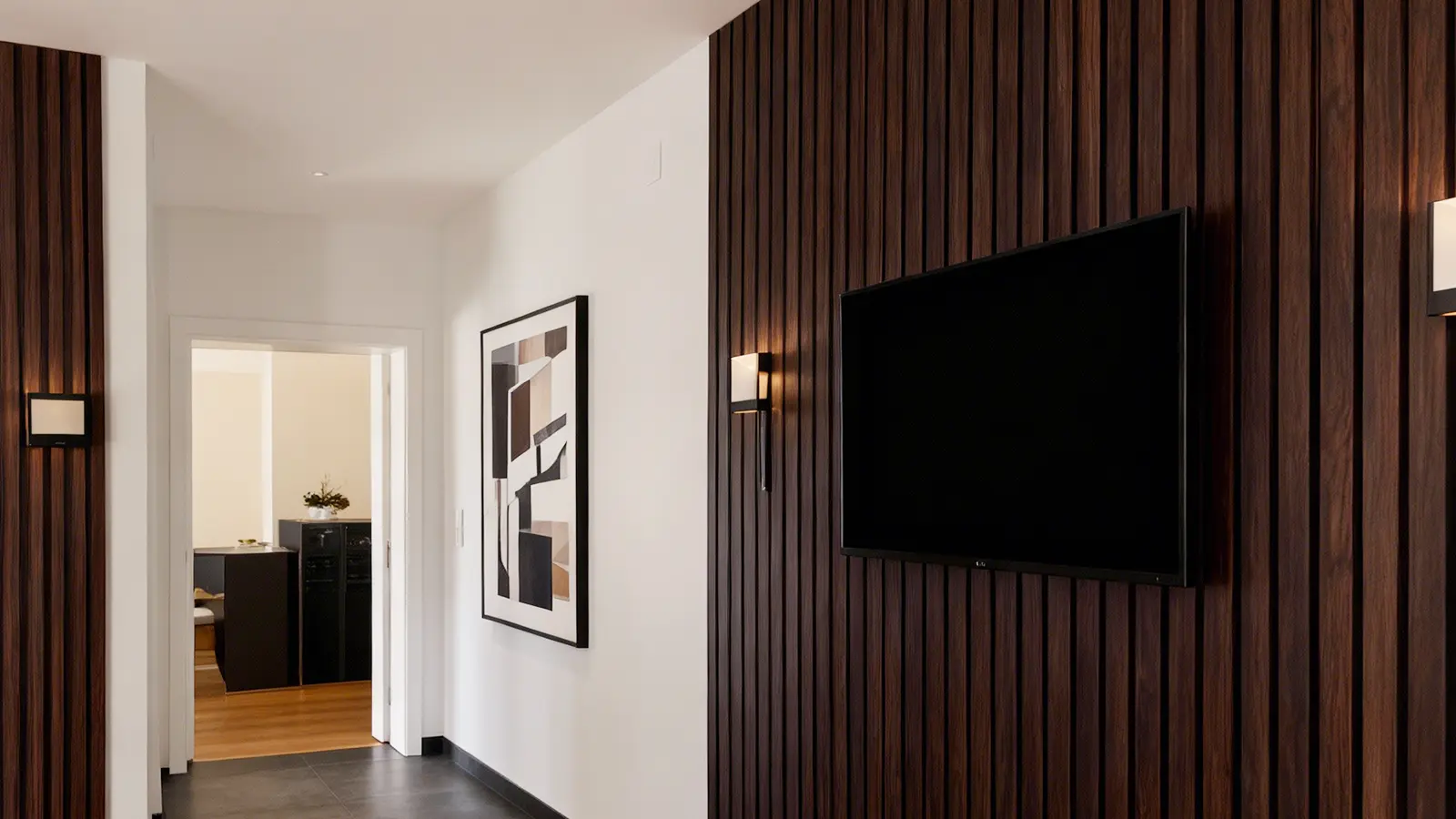
| Wood-grain finishes | Embossed or printed grain textures (oak, walnut, teak, cedar etc.), matte or semi-gloss finishes. Warm, natural, classic style. | Living rooms, bedrooms, lounges, hotels, restaurants where ambiance and warmth are important. |
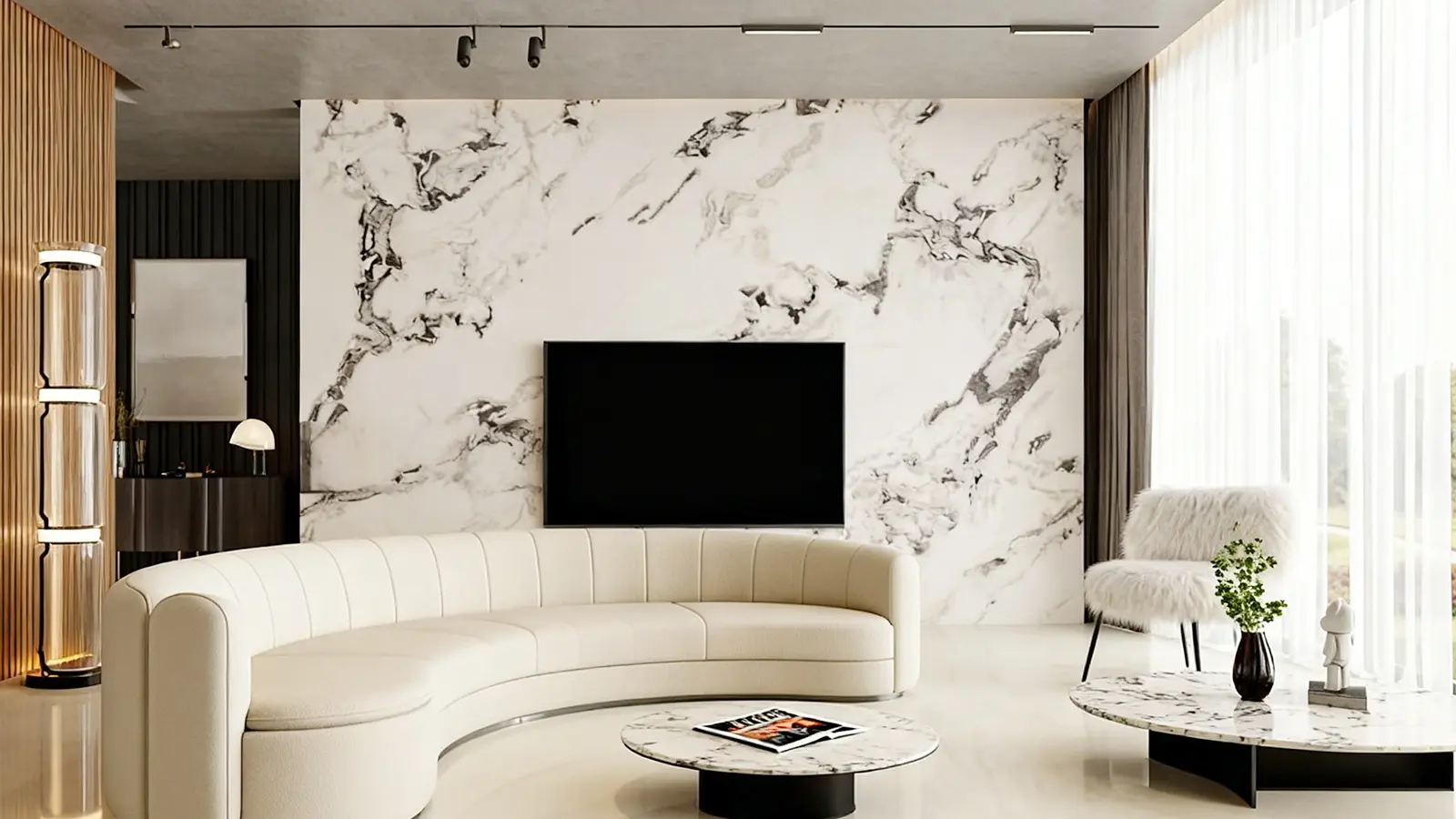
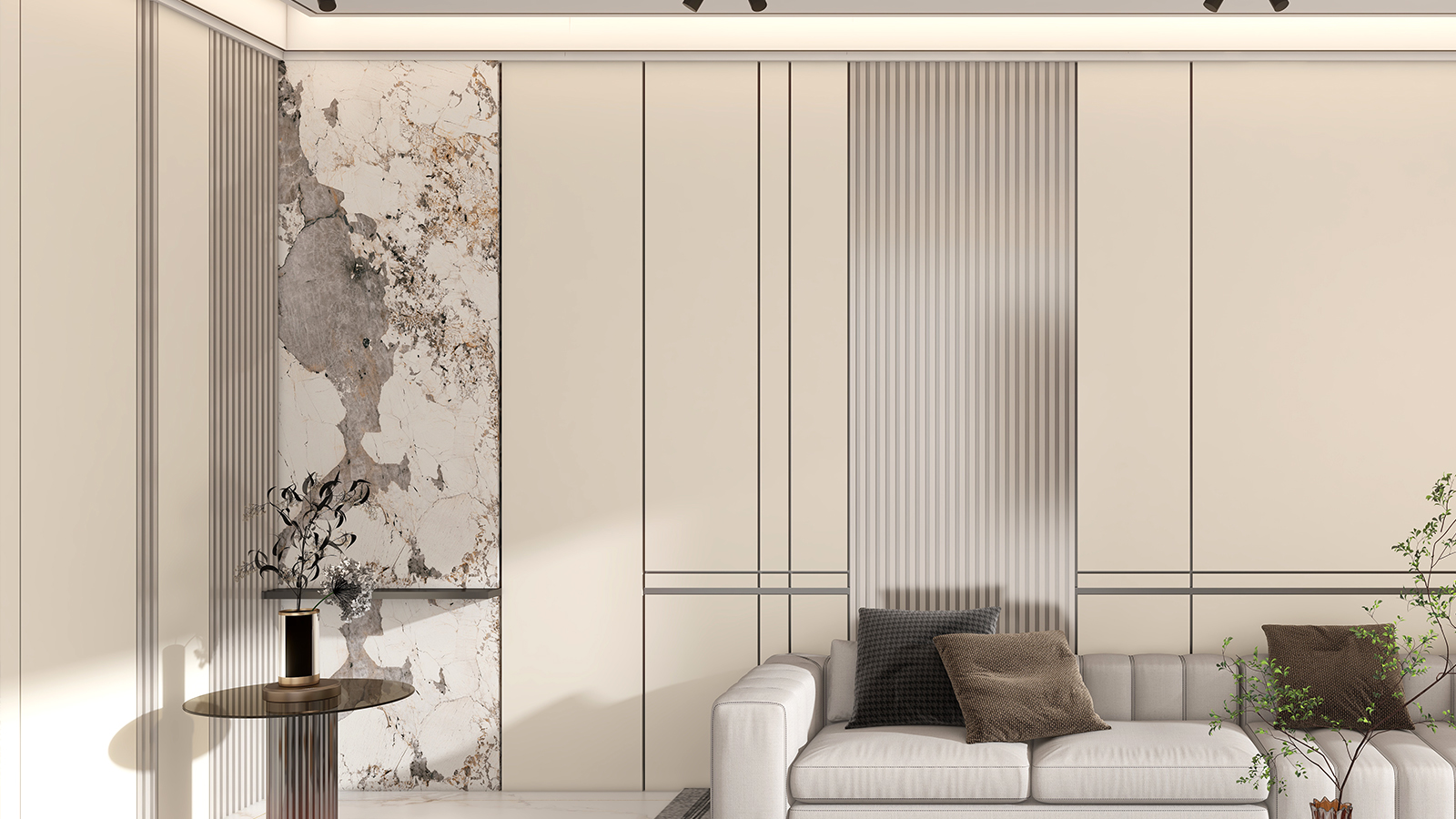
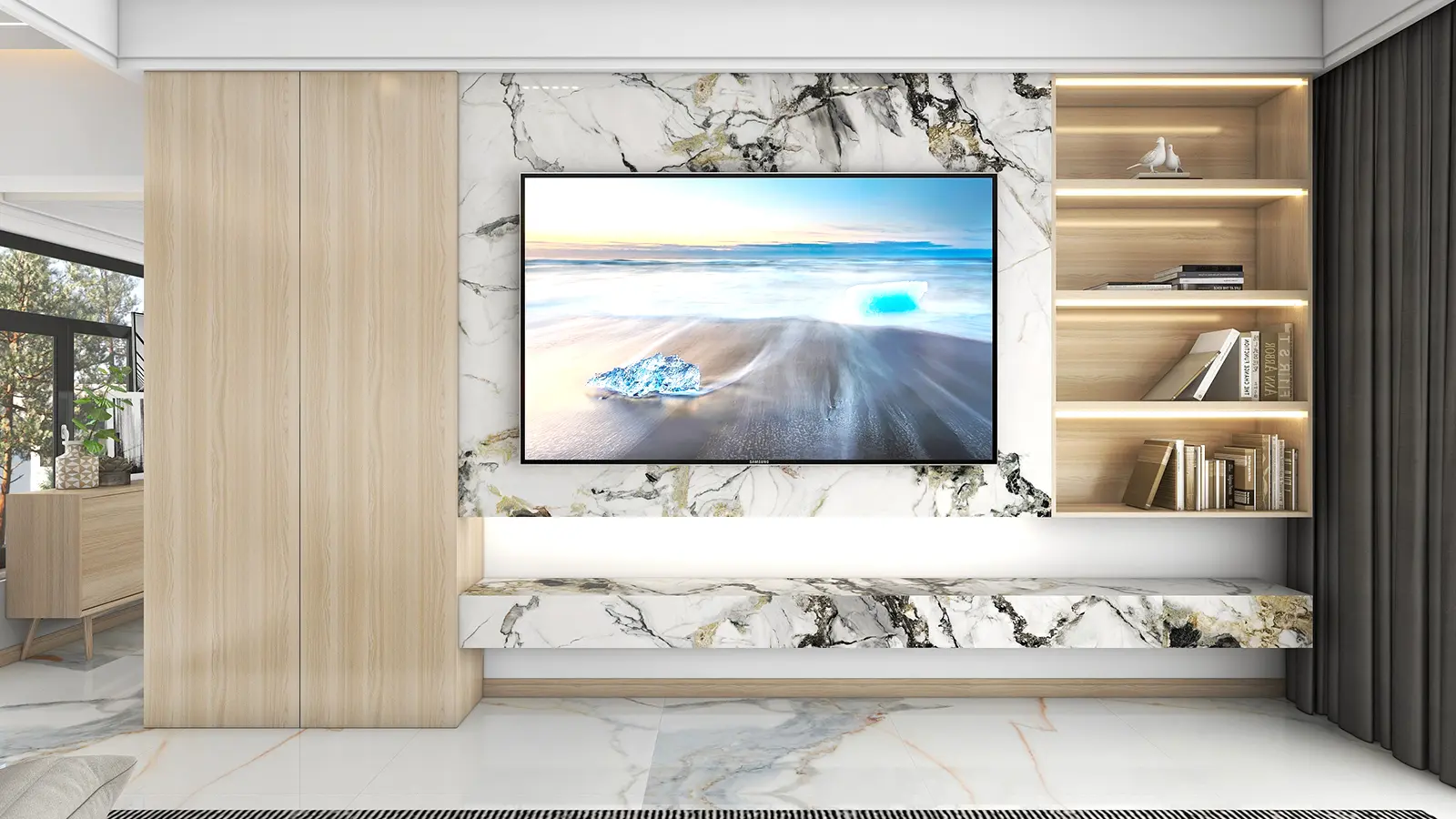
| Stone / Marble look-alike | Panels that simulate marble veins, slate, granite, or other stone textures. High-end look without the weight or cost of real stone. | Lobby walls, retail fronts, upscale bathrooms, luxury villas. |
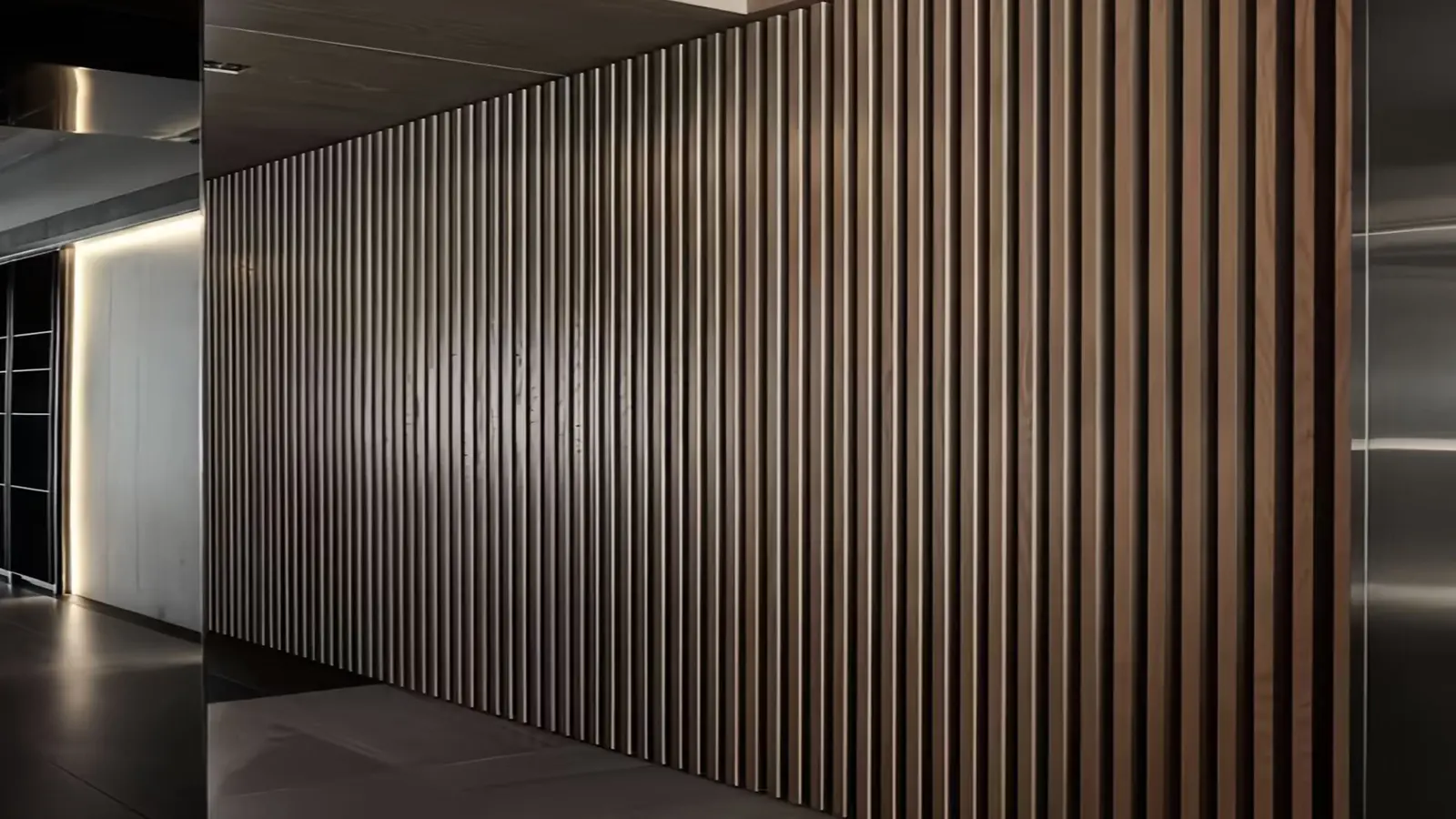
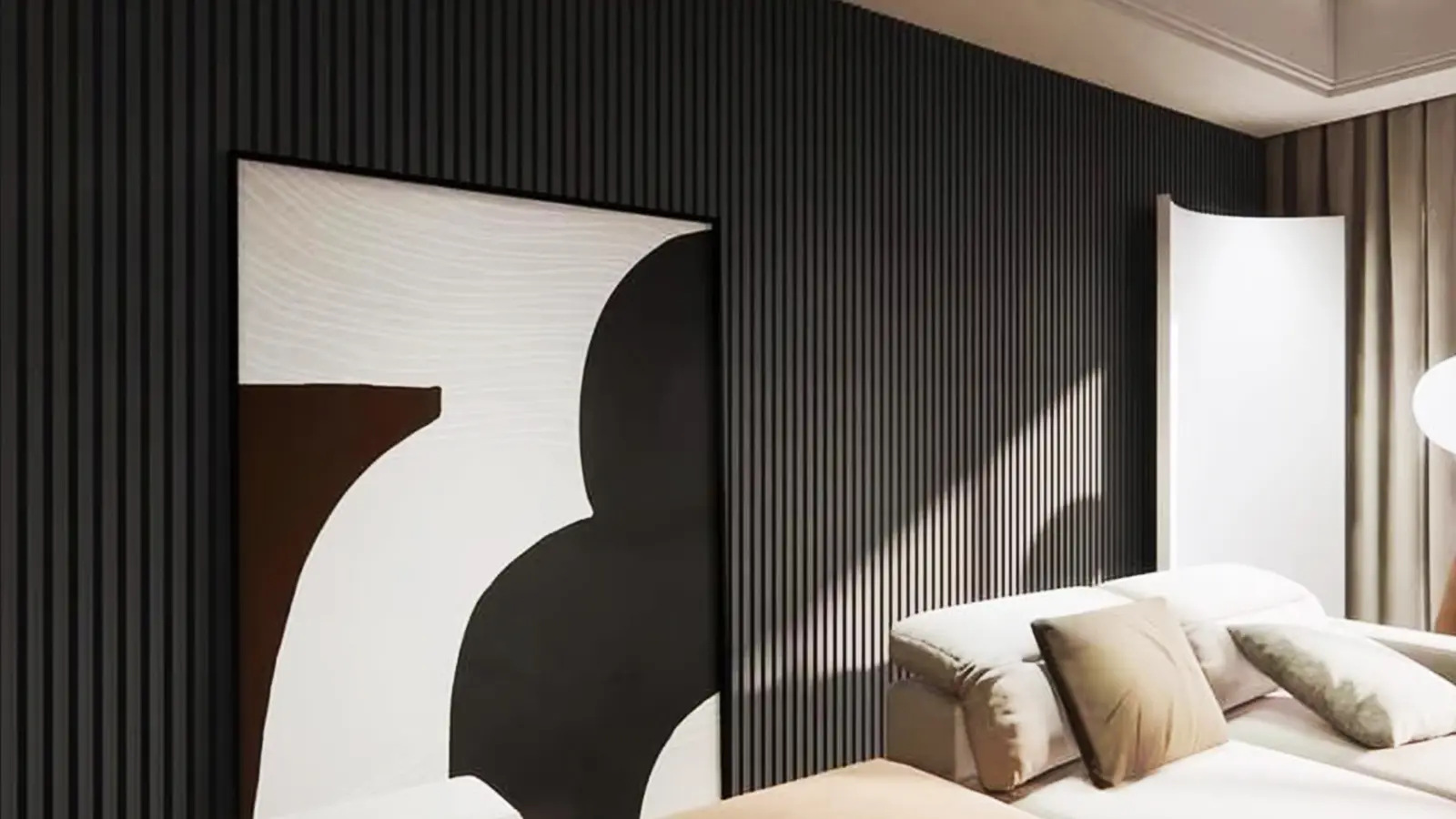
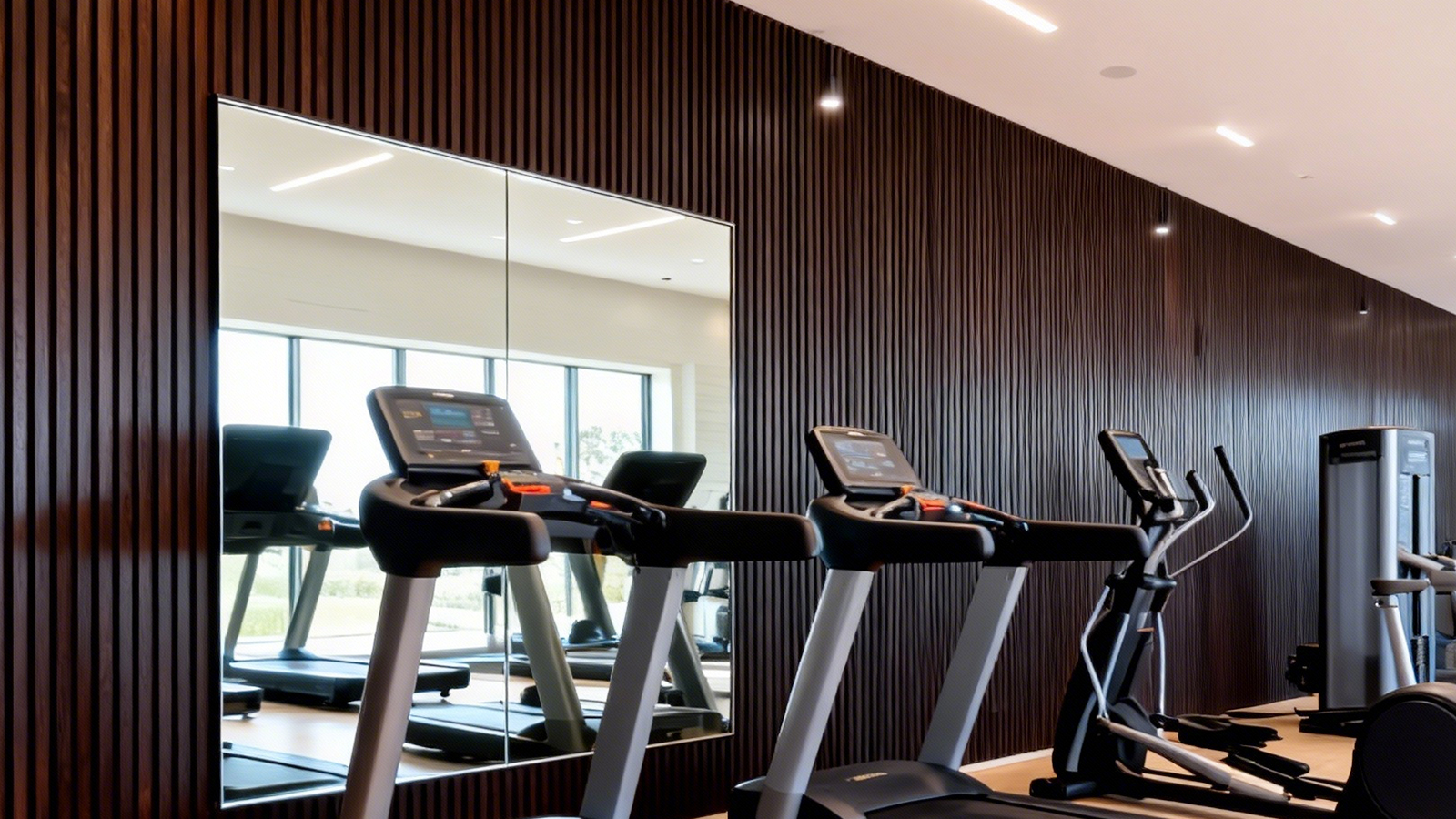
| Slat or Fluted / Ribbed Panels | Linear grooves / slats arranged vertically or horizontally, sometimes with acoustic backing. Adds rhythm, depth, and function. | Home theaters, offices, conference rooms, dining areas, accent walls. |
| 3D or Sculpted Panels | Raised, carved or embossed 3D patterns—geometric, organic, angular or curving forms. Very dramatic and decorative. | Feature walls, showrooms, creative spaces, luxury applications. |
Key Factors to Evaluate Before Deciding
To ensure you pick a design that works long term, assess these dimensions carefully:
1. Indoor vs Outdoor Use
- Outdoors: Prioritize UV stability, water/moisture resistance, and freeze-thaw resistance (for cold climates).
- Indoors: Less severe exposure, but still account for moisture (e.g., bathrooms), cleanability, and sunlight fading.
2. Texture, Finish & Visual Style
- Smooth surfaces show smudges more; rougher textures hide imperfections.
- Finish options: Matte, semi-gloss, gloss, embossed, printed.
- Orientation: Vertical slats make ceilings look higher; horizontal slats broaden a space.
3. Color and Tone Trends / Compatibility
- Natural wood tones (light oak, maple, walnut) remain popular.
- Neutral grey, charcoal, earthy tones (taupe, beige) offer modern, flexible backdrops.
- Accent colors and deeper shades (blues, greens, bold terracotta) work for statement walls.
- Prioritize color consistency and fastness—low-quality panels may fade or discolor.
4. Functional Requirements
- Moisture & Water Resistance: For bathrooms, kitchens, or outdoor walls; check water absorption rate specs.
- Fire Safety / Fire Resistance: Critical for commercial, hospitality, or public buildings (must meet local/regional codes).
- Acoustic Performance: Slatted or ribbed panels help diffuse/absorb sound (ideal for noisy rooms).
- Durability / Impact Resistance: Thicker panels or solid cores are better for high-traffic areas or spaces at risk of damage.
5. Budget vs ROI
- Simpler designs (flat or lightly textured wood grain) are generally less expensive.
- Premium finishes (3D carving, stone imitation, custom colors) cost more but may boost lifespan or appeal.
- Don’t forget extra costs: Cutting, trimming, specialized installation, shipping (for heavy/large panels), maintenance, and replacement of damaged panels.
6. Quality Control & Supplier Reliability
- Check material composition: Percentage of recycled wood/plastic, density, core type.
- Inspect surface quality: Uniform finish, no bubbles, distortions, or inconsistencies.
- Verify certifications: Environmental (e.g., low VOC, FSC for wood fibers), fire rating, UV-fastness.
- Test samples: Get physical samples before ordering large quantities.
- Evaluate supplier experience: Ability to customize, handle defects, and manage packaging/logistics.
Current Trends & What’s Hot in WPC Panel Designs (2025-2026)
Drawing from recent industry sources, these designs are particularly popular:
- Deep wood grain embossing and fluted/slatted panels: Add texture and visual depth.
- Earthy, organic color palettes: Beiges, taupes, medium woods, white-washed woods, natural greys, warm neutrals.
- Bold accent colors for statement walls: Deep green, navy blue, rust—paired with neutral surrounds.
- Mixed materials & contrast: Combining WPC with stone, metal, glass, or concrete textures for layered interest.
- Modular & interchangeable panels: Allow replacement or reconfiguration (great for seasonal updates or commercial branding) (HOSUNG WPC Composite)
- Eco-minimalism: Simpler forms, flat matte finishes, fewer flashy effects—focus on sustainability.
Applications and Where Designs Fit Best
Here’s how to match designs to specific project types:
| Project Type | Good Design Choices | What to Prioritize |
| Residential Homes | Warm wood textures, mixed styles, fluted/slats (accent walls), 3D panels (feature spaces). | Comfort, cleanability, color compatibility, low maintenance. |
| Hotels & Hospitality | Marble/stone look (lobbies), bold 3D features, durable exterior cladding. | First impressions, durability under wear, consistent finish, fire safety. |
| Retail / Showrooms | Statement panels, mixed materials, modular designs (for seasonal changes). | Branding, color impact, ease of replacement/update, visual appeal. |
| Offices / Educational Spaces | Slatted acoustic panels, neutral tones, minimalist styles. | Acoustics, daylight integration, durability, professional aesthetic. |
A Step-by-Step Approach to Choosing the Right Design
Follow this process to make a confident decision:
- Clarify the project context
- Where will the panels be used? (Interior / exterior / semi-outdoor)
- What environmental exposures will they face? (Moisture, sunlight, temperature swings, wear)
- What look or brand identity do you want to achieve?
- Set a realistic budget
- Include material costs + shipping, installation, finishes, and sample testing.
- Decide on expected lifespan (5, 10, 20 years) vs. frequency of updates.
- Choose style & texture direction
- Select a base style: Wood-look, stone/marble imitation, slatted, 3D, or minimalist.
- Determine color tone: Warm vs. cool, light vs. dark, neutral vs. accent.
- Pick orientation/layout: Horizontal, vertical, or mixed.
- Specify performance needs
- Confirm required fire rating (to meet local codes).
- Define moisture resistance/waterproofing requirements.
- Note acoustic needs (if applicable).
- Check compatibility with lighting (textures may cast shadows).
- Get samples & test
- Review physical samples under your project’s actual lighting.
- Test for color consistency, surface finish, feel, and durability.
- Conduct water exposure tests (if using outdoors or in wet areas); check joints and installation details.
- Choose supplier & negotiate
- Verify export capabilities, certifications, and track record.
- Ask for customization: Color matching, pattern design, sample approval.
- Confirm packaging/shipping protection and clear terms (warranty, defect handling).
- Plan installation
- Finalize orientation, trim details, and joint type (hidden or visible).
- Decide how panels will be fixed: Tongue-and-groove, clip systems, adhesives, or screws.
- Create a maintenance plan: Cleaning protocols, wear expectations, and repair procedures.
Tips for Importers, Overseas Buyers & B2B Clients
If sourcing from distant factories or overseas suppliers, keep these in mind:
- Demand detailed product sheets: Include material composition, core density, moisture absorption rates, UV/fade testing, and fire rating.
- Request physical sample panels (not just photos) before placing large orders.
- Clarify minimum order quantities (MOQ), lead times, and customization options (color, pattern, thickness).
- Inspect packaging/shipping methods to avoid transit damage.
Conclusion
Selecting the ideal WPC wall panel design is a balance of aesthetics, function, durability, cost, and supplier reliability. There’s no one-size-fits-all solution—warm wood-grain works for cozy interiors, dramatic stone/3D finishes shine in commercial spaces, and weatherproof cladding is essential for exteriors.
At RUIDE, our WPC wall panels are designed to combine international standards with modern aesthetics. To help you evaluate the material with confidence, we are pleased to provide free samples. Request yours today and see how RUIDE panels can elevate your next project.