
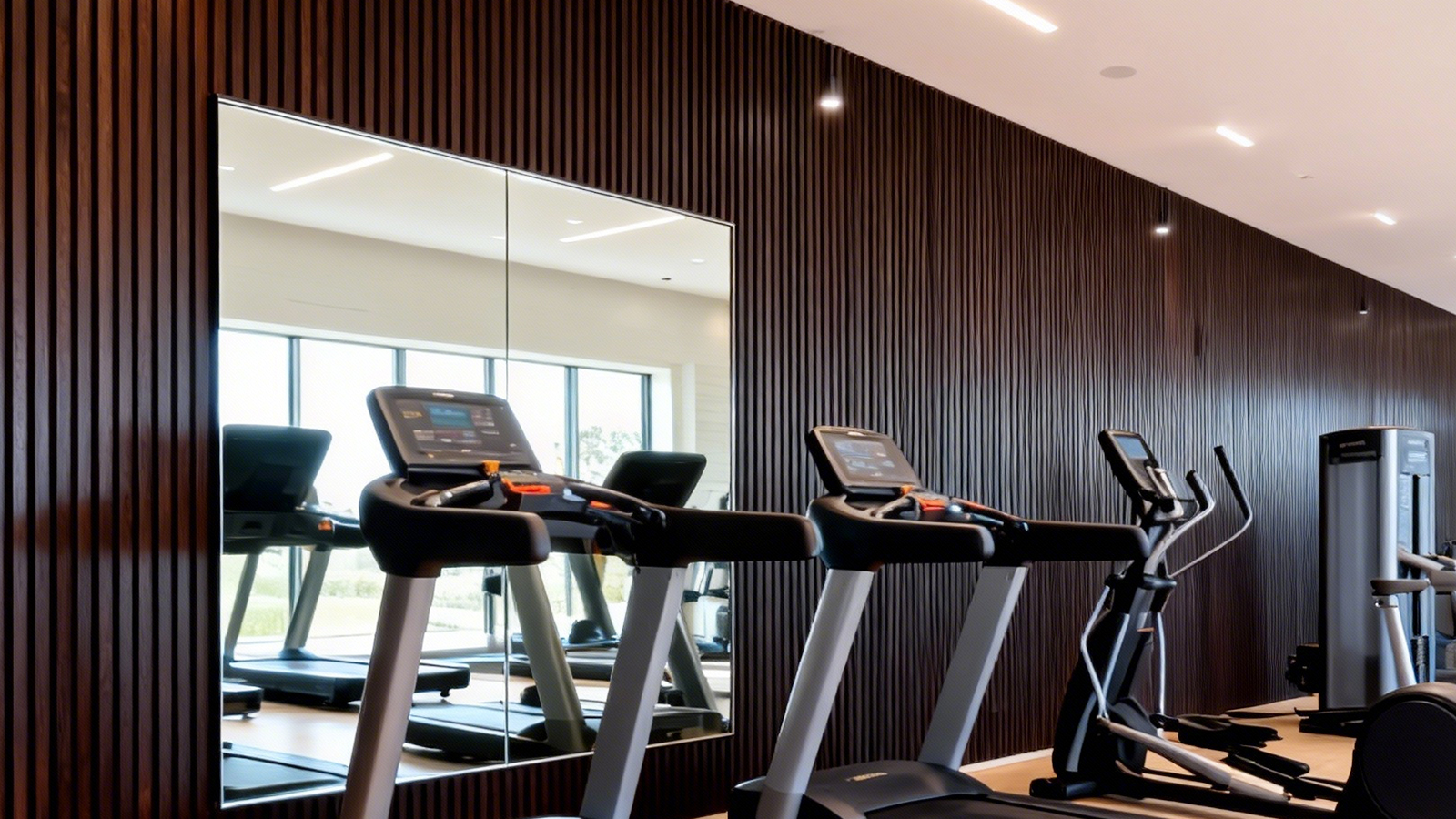
How to Effectively Solve Office Noise Problems: Unlock the Secrets of Office Soundproofing for a Quieter Workday

Have you ever been distracted by the noise around you in the office? The click of keyboards and mice, the hum of printers, the sometimes loud phone conversations between colleagues, the occasional whispers, and the constant clatter of traffic outside your window...these sounds intertwine into a non-stop "noise party," making it difficult to concentrate and making deep work a luxury. This isn't an isolated case. A comprehensive workplace survey revealed that approximately 70% of office workers report experiencing office noise, with over 40% stating that noise significantly impacts their productivity and mood. This problem is particularly acute in open office environments, where research shows that constant noise disruption can even reduce productivity by 20-30%. Today, we'll delve into the critical topic of office soundproofing, systematically analyzing the root causes and providing comprehensive solutions, from individual to enterprise-level, to help you regain focus and improve performance.
- Office Noise: The Invisible Productivity Killer
Before delving into solutions, we first need to address the question: Is office soundproofing really that important? The answer is yes, and it's far more important than many managers imagine.
1. The Direct Impact of Noise on Work Productivity
The human brain has limited resources for processing information. Sudden noise (such as a ringing phone or loud conversation) can instantly interrupt our flow of thought, a process known as "task switching" that takes time. Studies show that after an interruption, it takes an average of 15-25 minutes to regain our previous state of deep focus. Even relatively low-decibel, but persistent background noise (such as the hum of an air conditioner or the sound of distant conversations) can continuously drain our cognitive resources, causing the brain to strain to filter out useless information, exacerbating mental fatigue and reducing the accuracy and speed of processing complex tasks.
2. The Long-Term Harm of Noise on Physical and Mental Health
Long-term exposure to undesirable noise levels not only impacts productivity but also the physical and mental health of employees. It can cause:
✅ Psychological stress: Continuous noise is a significant stressor, increasing cortisol (the stress hormone) levels and leading to irritability and anxiety.
✅ Auditory fatigue and damage: Although office noise levels typically don't reach levels that damage hearing, long-term exposure can still lead to auditory fatigue.
✅ Physical discomfort: It can cause physical symptoms such as headaches, muscle tension, and increased blood pressure.
✅ Decreased job satisfaction: A workplace that fails to provide a basic environment for focus can significantly reduce employee belonging and satisfaction, which in turn impacts team stability and organizational cohesion.
3. The "Double-Edged Sword" Effect of Open Offices
Open office designs are intended to promote communication, collaboration, and efficient space utilization. However, without sound-conscious acoustic design, their drawbacks become apparent. They amplify visual and auditory distractions. To facilitate conference calls or focus on work in noisy environments, employees often unconsciously raise their voices, creating a "noise spiral" that further worsens the acoustic environment. Therefore, incorporating effective sound insulation and absorption into open offices is not optional but essential. The conclusion is clear: We must take systematic measures to reduce office noise levels. This is not only an investment in employee well-being, but also a strategic safeguard for core corporate productivity.
- Systematic Solutions: From Space Design to Material Selection
Solving office noise issues requires a multi-layered, systematic approach encompassing space planning, sound barriers, sound-absorbing materials, and application techniques.
1. Optimizing Space Planning and Layout (Cure the Root)
This is the most fundamental and cost-effective approach and should be considered from the initial stages of office design.
✅ Functional Zoning: Clearly divide the office into areas with different acoustic requirements. For example, "focused work areas" (requires absolute silence), "collaborative discussion areas" (allows higher volume), "phone rooms" or "meeting rooms" (fully enclosed and soundproofed), and "breakout areas." Reduce interference between different activities through physical separation or distance.
✅ Circulation Design: Move high-traffic areas (such as printer areas, pantries, and main corridors) away from core work areas to prevent movement and conversation from disrupting focused work.
✅ Workstation arrangement: Employees who need to communicate frequently by phone or collaborate in teams should be arranged near the collaboration area, while employees who need to be highly focused should be arranged near the window or in a relatively quiet corner.
2.Scientific selection of sound insulation and sound absorption materials (core technology)
This is the key to achieving acoustic control. First, we need to understand two core concepts:
✅ Sound insulation: refers to the ability to block the transmission of sound from space A to space B, mainly for airborne sound (such as conversation sounds). The key lies in increasing mass and sealing gaps (such as using soundproof doors, soundproof windows, and soundproof walls).
✅ Sound absorption: refers to reducing the reflection and reverberation time of sound inside the space and reducing the ambient noise level, mainly for structure-borne sound and reflected sound. The key lies in using porous and loose materials to convert sound energy into heat energy.
The following are several efficient and beautiful acoustic materials:
(1)Selection and application of sound absorption materials.Sound absorption materials are the main force to reduce indoor reverberation and improve speech clarity.
✅ Acoustic panel ceiling: This is one of the most effective areas because the ceiling area is the largest. Choosing mineral wool, fiberglass, or wood Acoustic Panels with high NRC (Noise Reduction Coefficient) values can significantly absorb sound from all directions, improving the overall acoustic environment from above.
Sound-absorbing wall solutions:
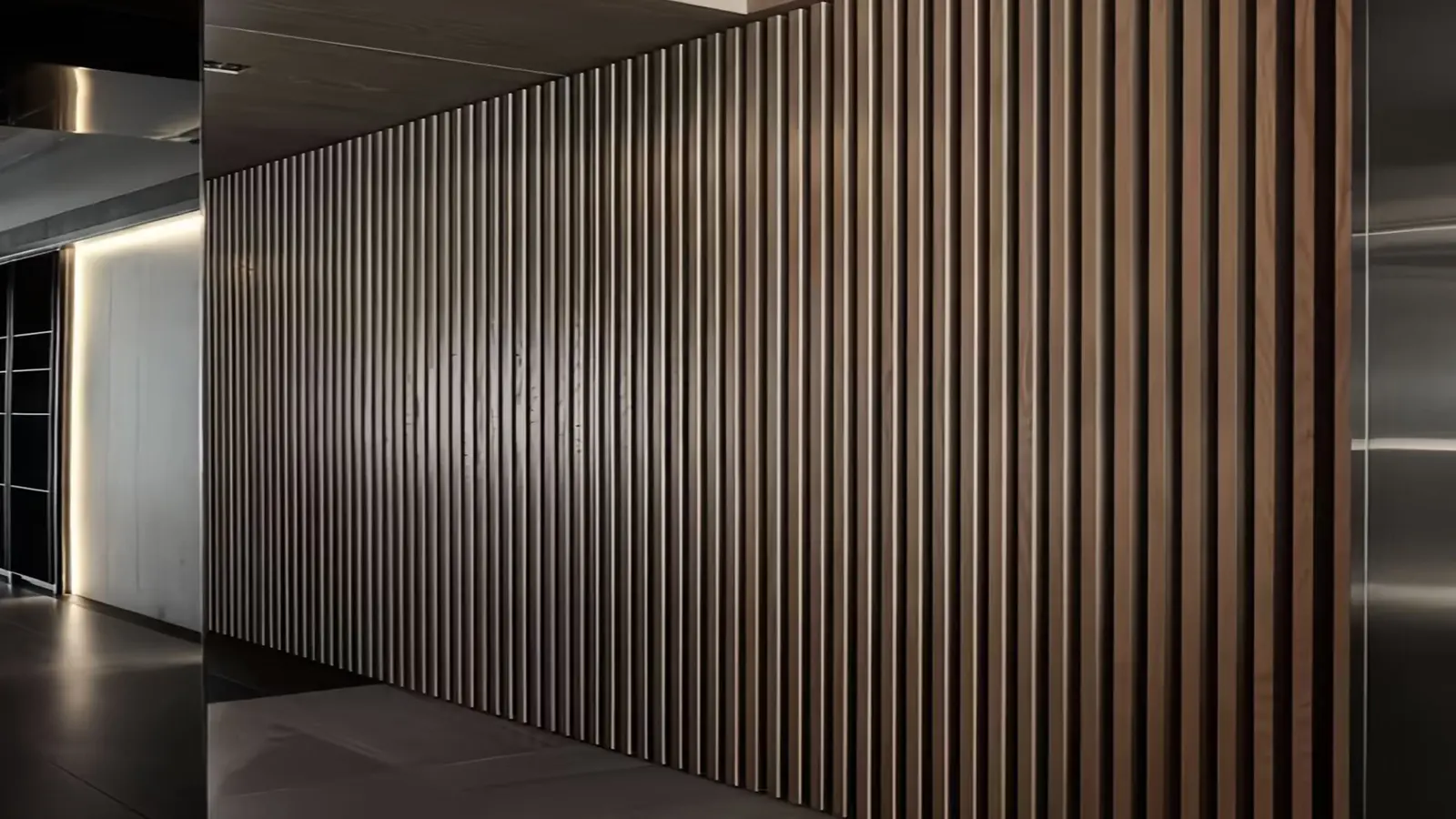
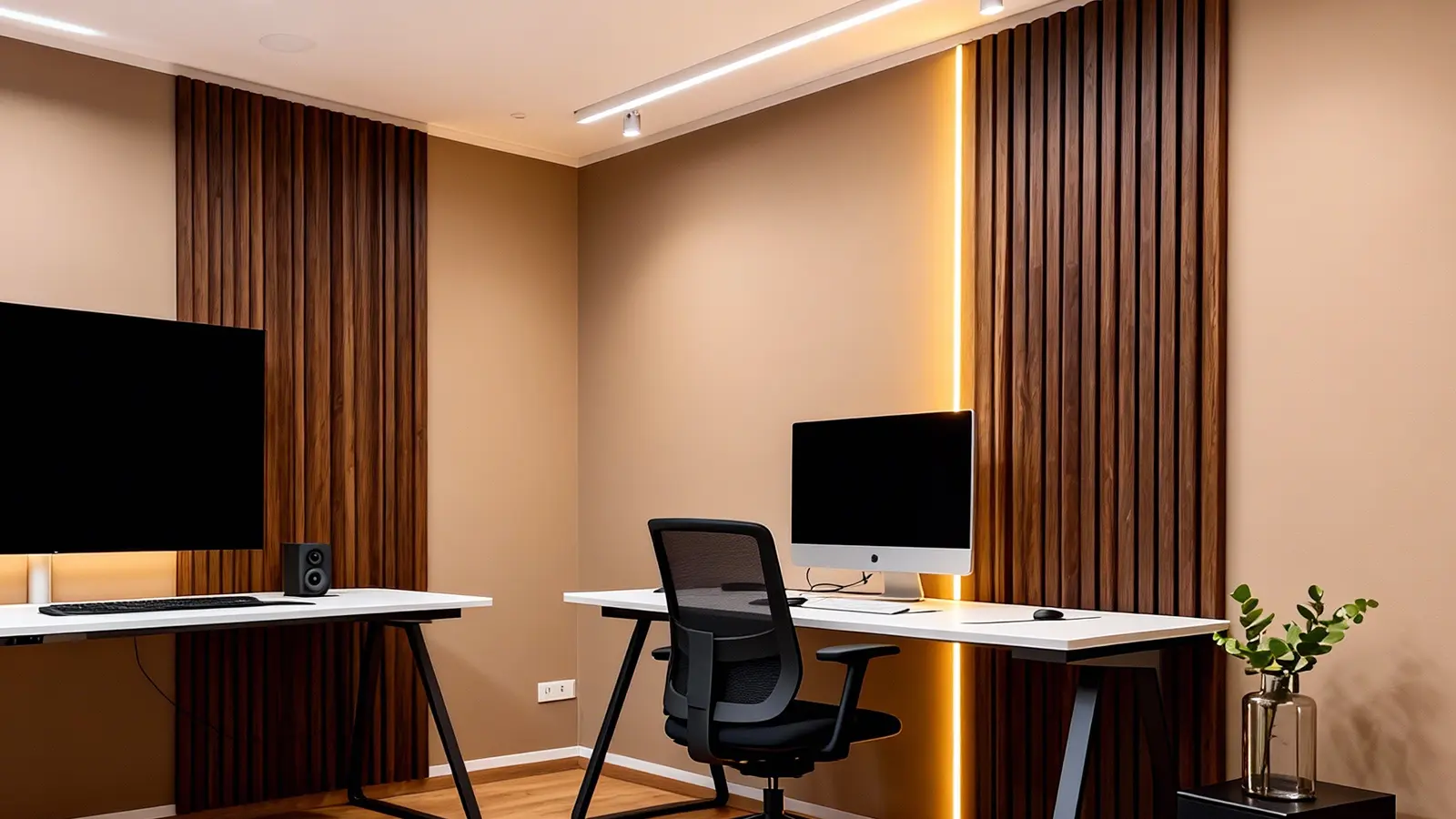
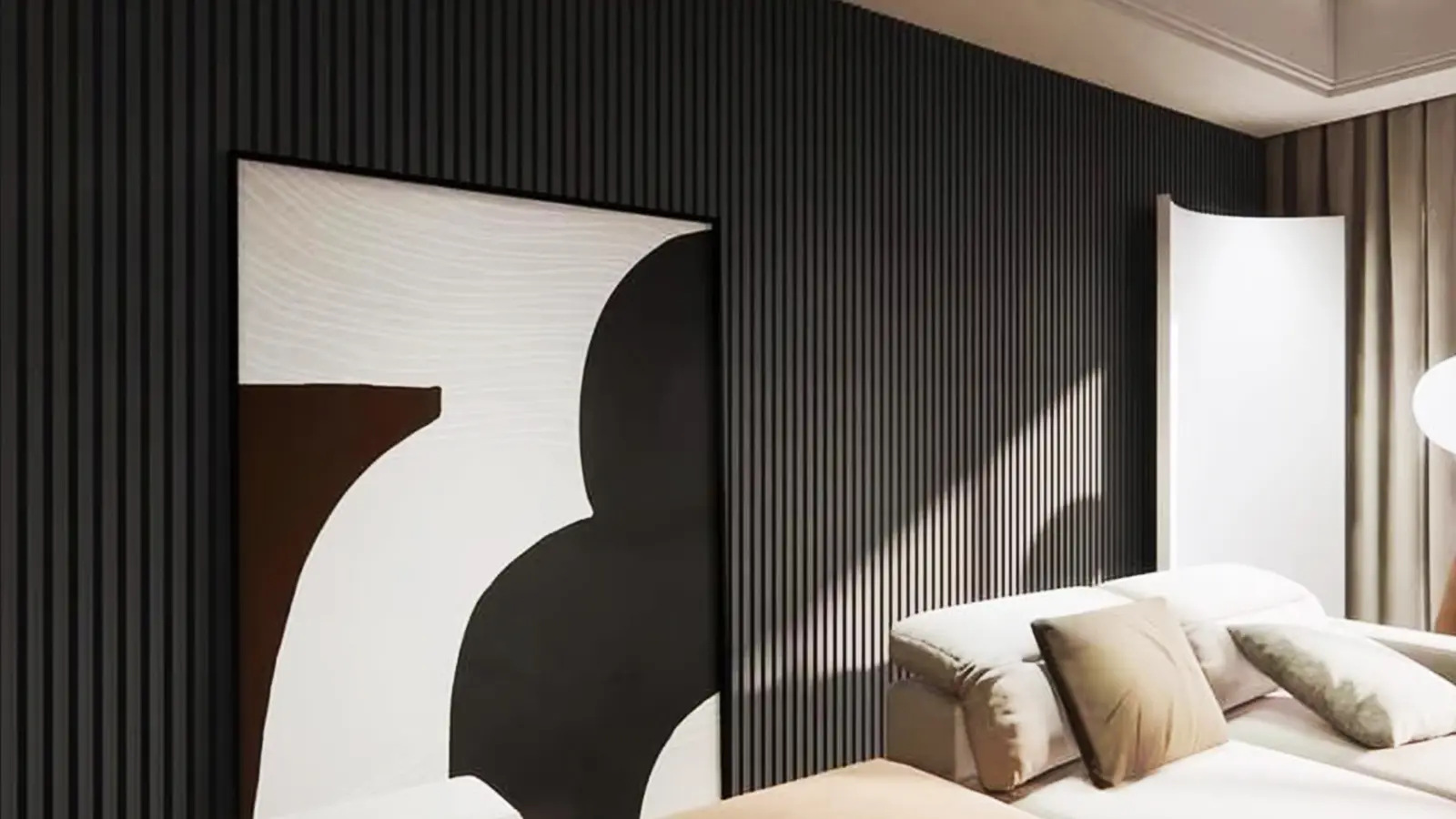
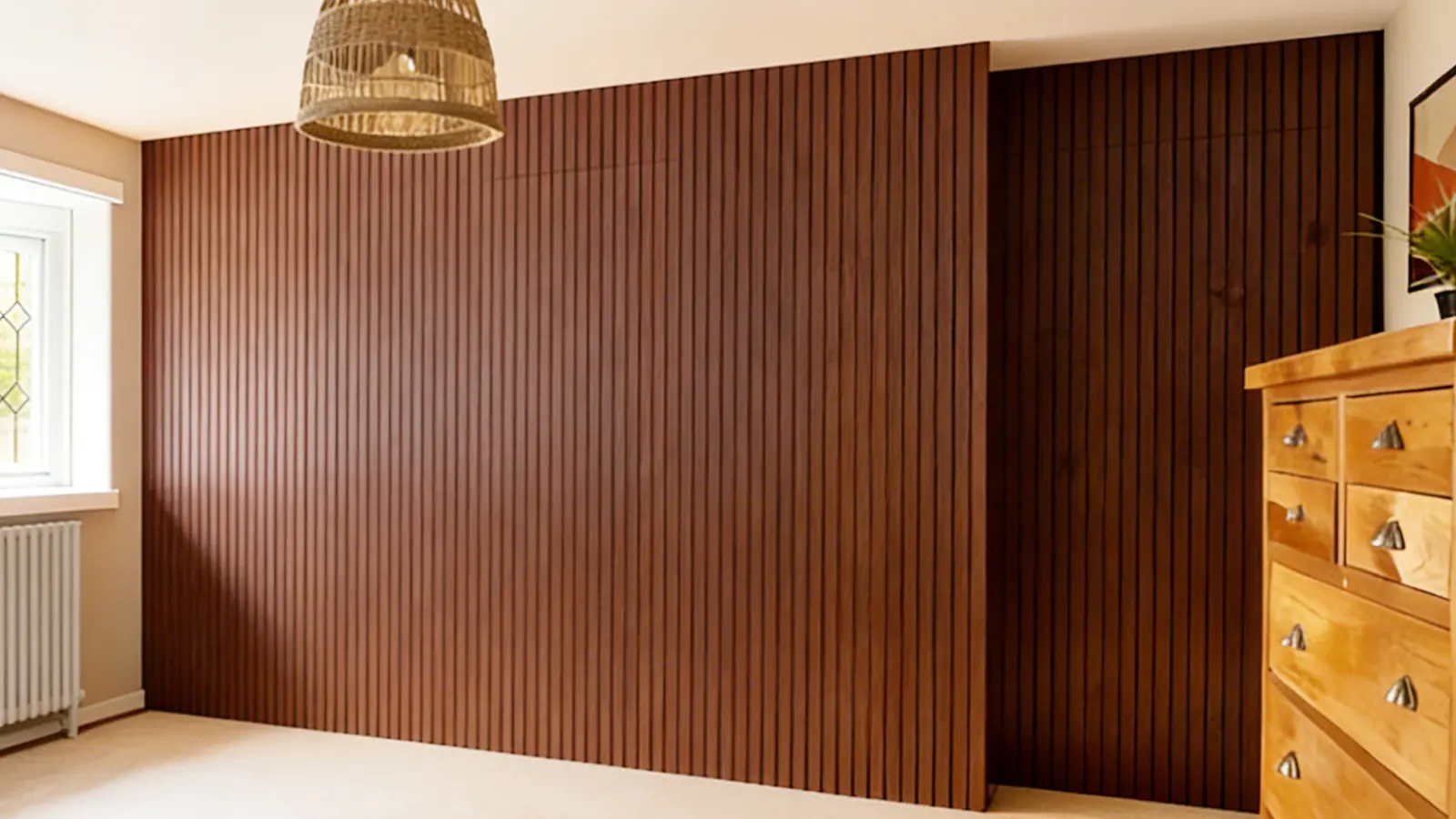
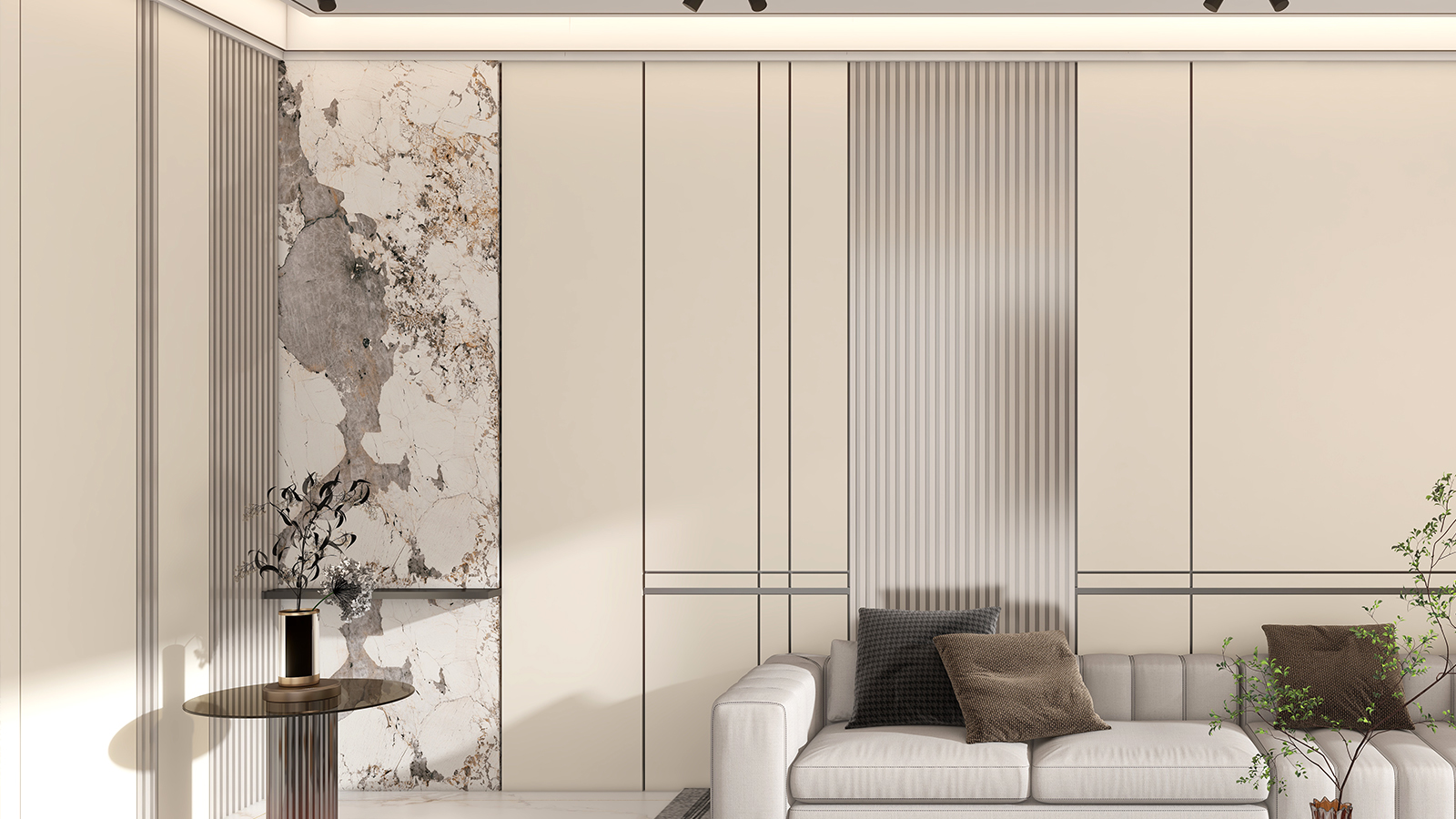
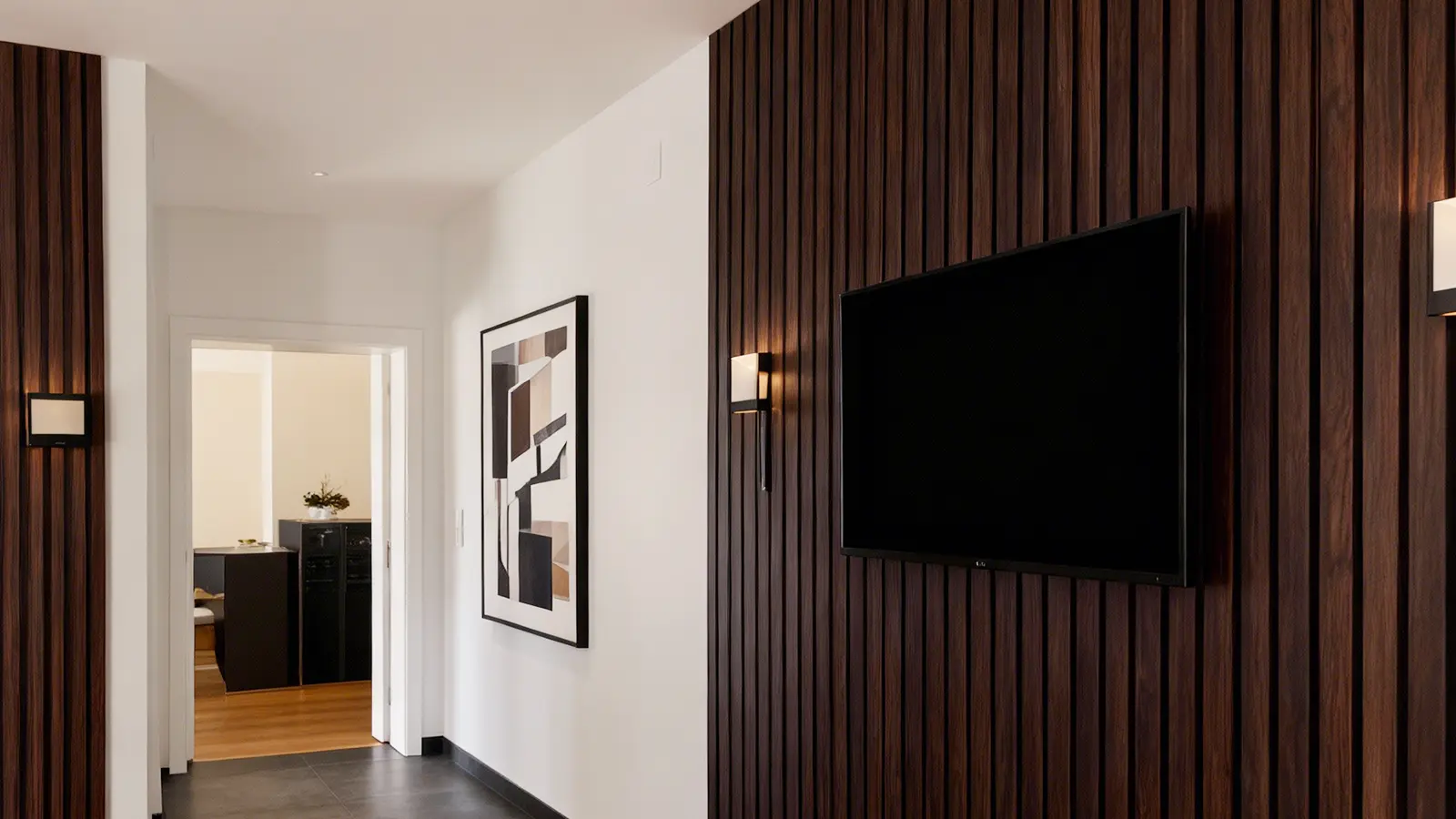
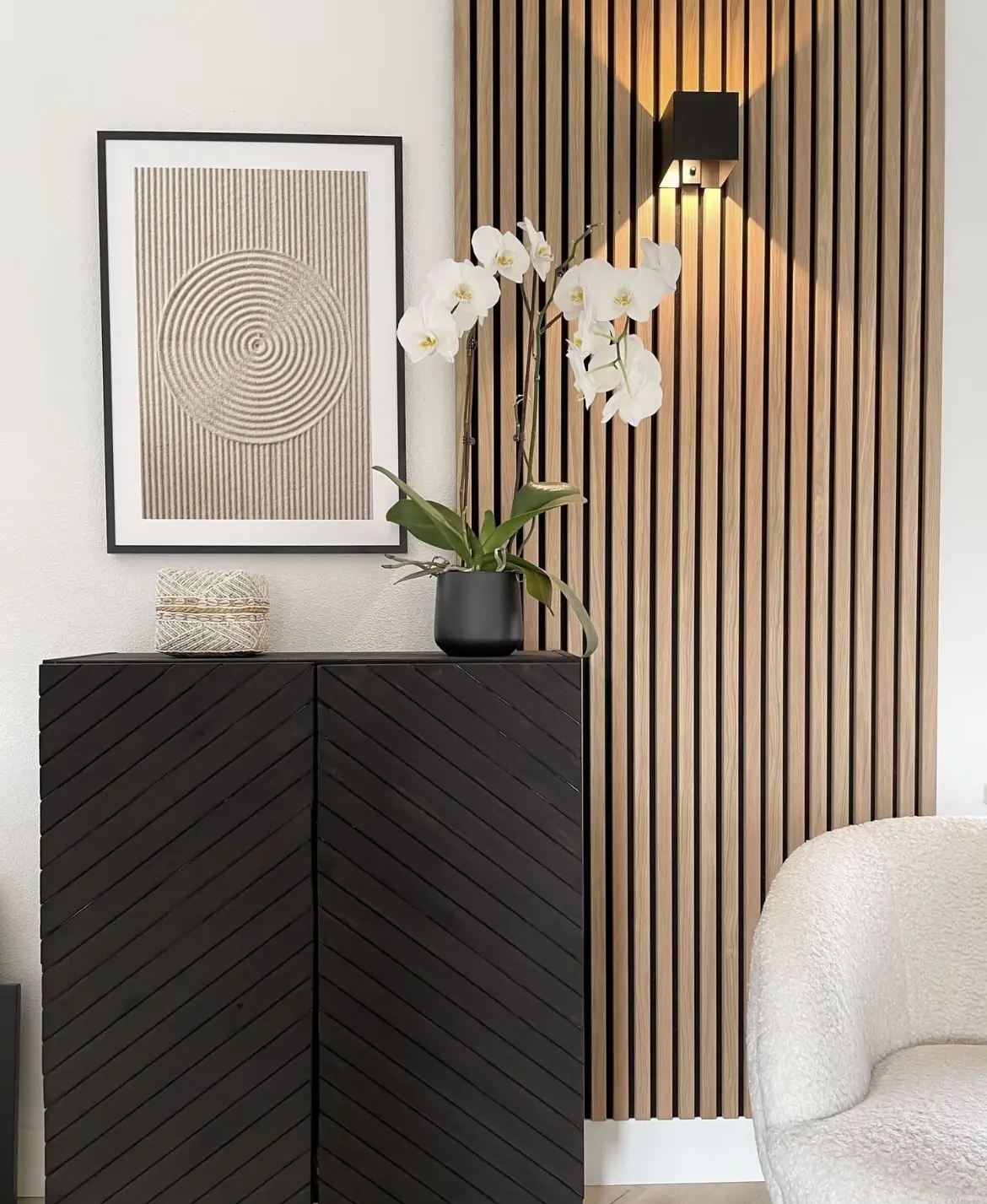
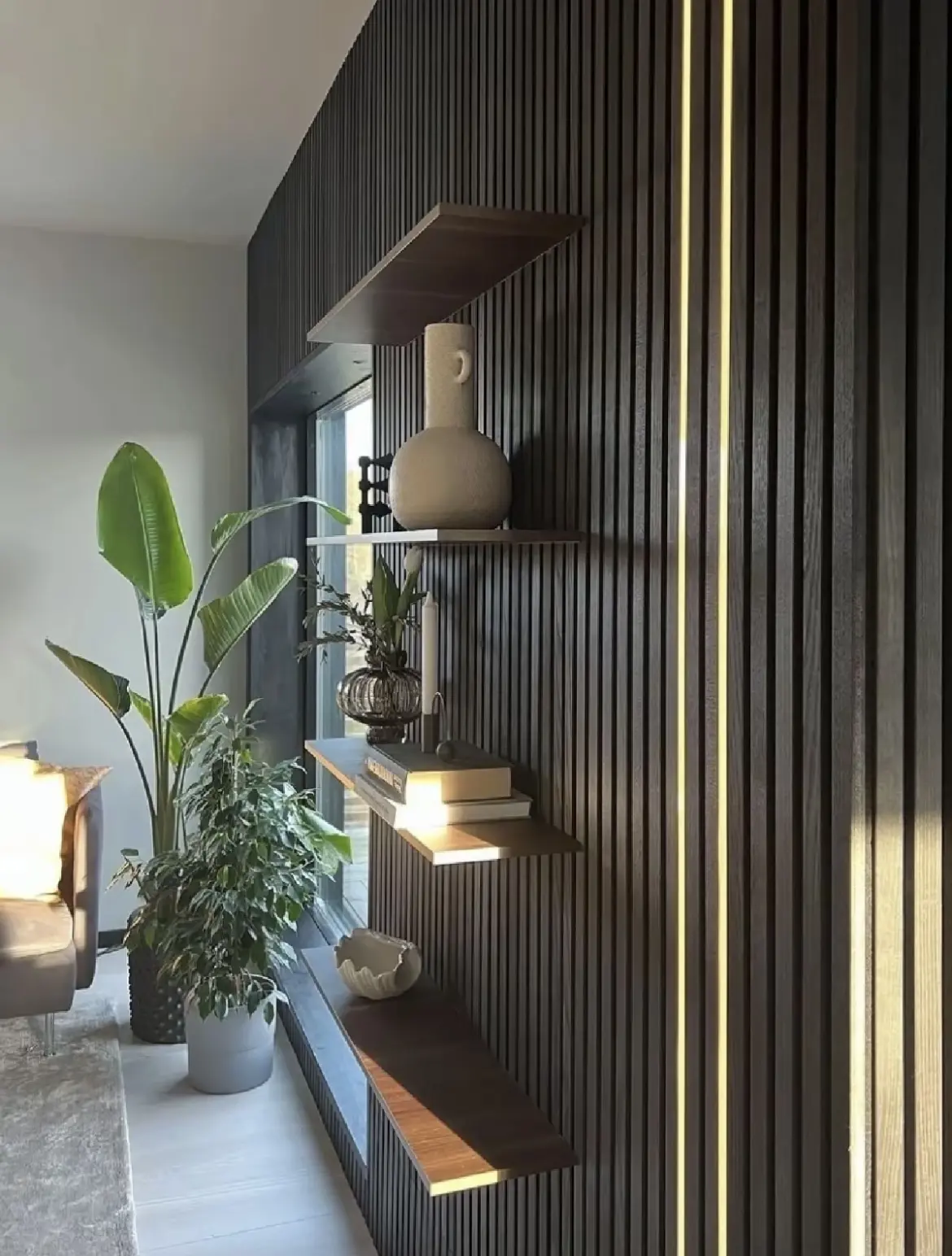
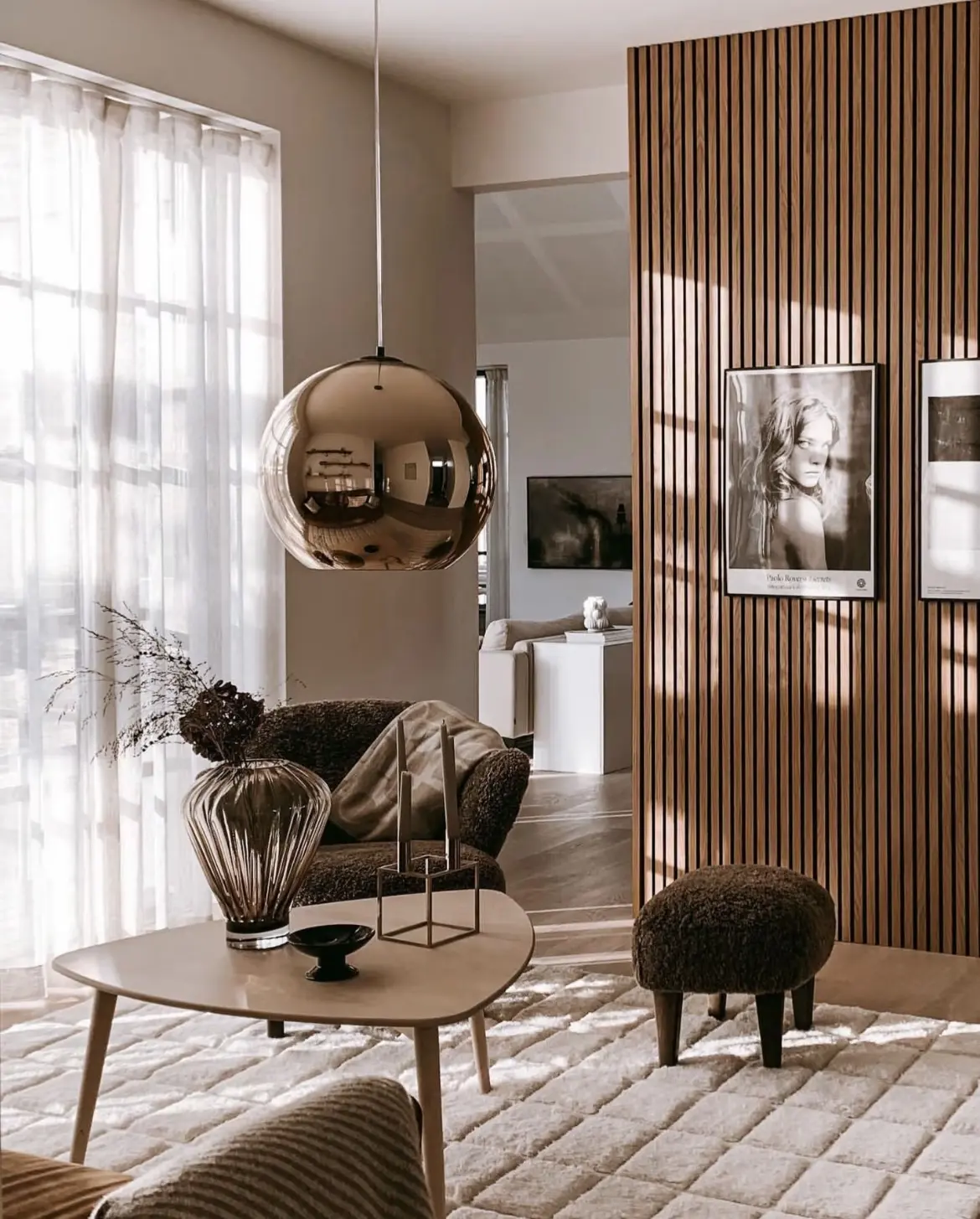
✅ Acoustic panels wood: Like the acoustic slat Wood Panels mentioned above, these panels not only possess the natural grain and warmth of wood, making them highly decorative, but also feature hollow spaces and the porous structure of the panels themselves, effectively absorbing mid- and high-frequency noise. They are ideal for office spaces where aesthetics are paramount, such as executive offices, conference rooms, and reception areas, and are also suitable for home decor, creating a minimalist yet sophisticated ambiance.
✅ Soft fabric upholstered/acoustic slat wood wall panels: Sound-absorbing cotton cores are encased in flame-retardant fabric and installed directly on the wall. With a wide selection of colors and fabrics, and the ability to customize with artistic patterns or brand logos, they combine functionality with decorative elements, making them ideal for creating a creative and artistic workspace. These interior acoustic Wall Panels perfectly meet the dual needs of sound insulation and aesthetics.
✅ Sound-absorbing hanging paintings/art acoustic sound panels: Combining sound-absorbing functions with artworks, they are both decorative and acoustic tools, adding a cultural atmosphere to the office.
✅ Carpets: Laying carpets is the most effective way to reduce footsteps, chair dragging and other impact sounds. Choose thick, high-density carpets and pair them with high-quality carpet padding for better results.
(2) Strengthening sound insulation measures.Sound insulation is crucial for spaces that require absolute silence or confidentiality.
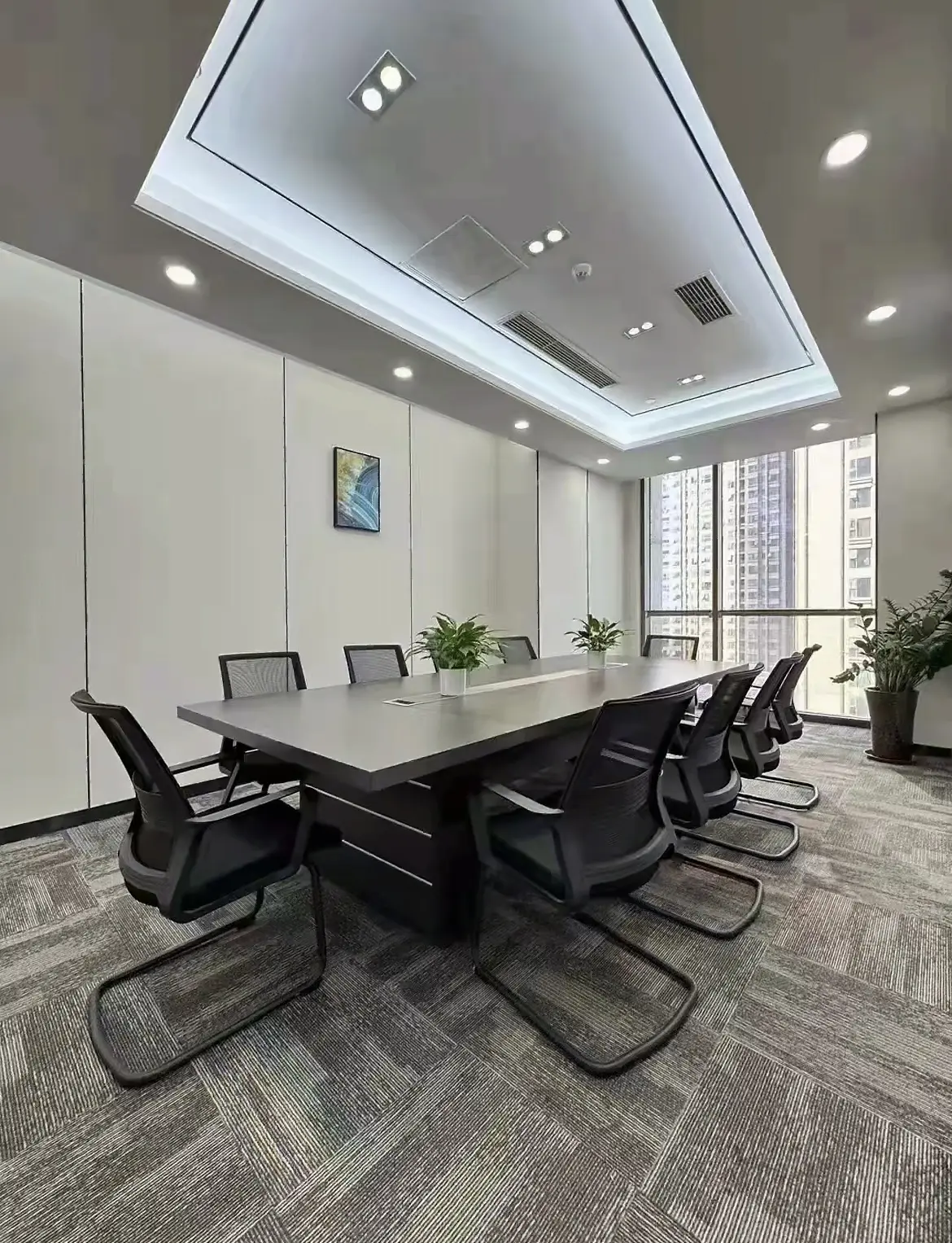
✅ Soundproof partitions: In open offices, partition screens that are higher than the desk can block direct sound to a certain extent. More effective is to use full-height soundproof partitions from ceiling to floor, filled with sound-absorbing cotton, which can truly create an independent quiet space.
✅ Soundproof telephone booths/focus cabins: This has been a very popular solution in recent years. These prefabricated small soundproof spaces provide employees with a "silent oasis" that is available at any time for private calls, focused work or small meetings. They are flexible and efficient.
✅ Door and window sound insulation: The doors of the meeting room should be made of well-sealed solid wood doors or soundproof doors, and the door frames should be equipped with sealing strips. For offices facing the street, upgrading to double- or triple-paned soundproof windows can significantly reduce external traffic noise.
3. Introducing a "white noise" system (acoustic masking technology)
This is a high-tech and highly effective psychoacoustic strategy. Speakers are evenly distributed throughout the office ceiling, playing a specially tuned "white noise" or "pink noise" that resembles the sound of gentle airflow. This uniform, non-informative background sound isn't intended to drown out all noise; rather, it raises the ambient sound level to "mask" more disruptive, fluctuating conversations and sudden noises. When the sound pressure level of interfering noise is lower than the background sound, the brain automatically filters it out, significantly reducing its intrusiveness and enhancing speech privacy.
- Practical Tips for Individuals: Creating a Personal "Quiet Zone"
Before or in addition to large-scale company-wide improvements, individual employees can take a number of immediate and effective measures.
Noise-canceling headphones: This is the most direct and effective personal device. Active noise-canceling headphones cancel out external noise by generating opposing sound waves, making them ideal for times of deep concentration. Ordinary headphones playing focused music (such as classical music, ambient sound, or white noise) can also create a personal acoustic barrier.
Use time and space wisely:
✅ "Golden Hour" work method: Take advantage of the quiet times in the office when arriving early or leaving late to tackle tasks that require the most focus.
✅ Flexible working: Talk with your manager about working from home or using a company phone booth or available conference room when you need to complete important projects.
✅ Establish a "Silence Convention": Proactively communicate with team members and establish simple rules, such as using instant messaging instead of verbal conversations in focused work areas, moving discussions to collaborative areas, and always keeping phones on silent or vibrate mode.
- Conclusion
Investing in quiet is investing in productivity and well-being.Office acoustics are not a detail that can be compromised or ignored. They are a core component of the modern workplace ecosystem and directly impact a company's core assets: employee focus, creativity, and well-being. By implementing effective acoustic planning, from macro-level spatial layout to micro-level material selection, supplemented by personalized management strategies and personal skills, we can transform our offices from noisy "noise parties" into "oases of tranquility" that foster efficiency and innovation.
In this fast-paced work world, creating a quiet office environment for ourselves and our teams not only improves the quality of our work but also fundamentally enhances our quality of life. Let's take action now and start paying attention to office soundproofing today, and together we will move towards a new era of quieter, more productive, and healthier work!