
How to Choose Bamboo Charcoal Wood Veneer: A Complete Buying & Use Guide
How to Choose Bamboo Charcoal Wood Veneer: A Complete Buying & Use Guide
Table of Contents
- What Is Bamboo Charcoal Wood Veneer?
- Key Advantages
- Potential Drawbacks (“Watch-Outs”)
- What to Consider When Choosing
- Sourcing & Authenticity
- Typical Use Cases & Matching Choices
- Maintenance & Longevity Tips
- Example Checklist
- Conclusion
- Try Before You Buy — Free Samples!
What Is Bamboo Charcoal Wood Veneer?
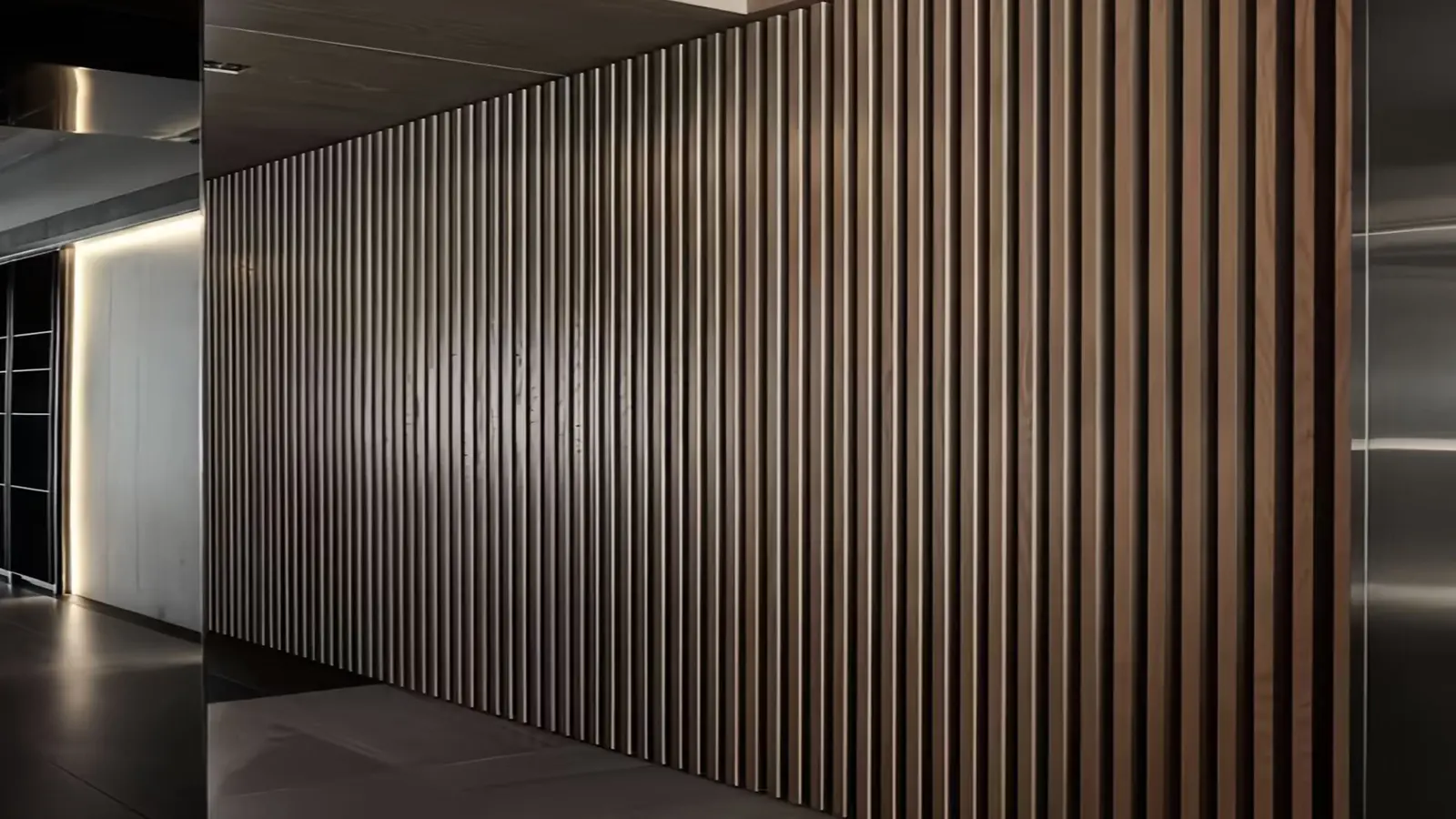
At its core, bamboo charcoal wood veneer is a composite product. It blends bamboo fibers with activated bamboo charcoal, sometimes combined with binders or plastic resins, and a surface finish (e.g. PVC film or resin coatings). The activated charcoal component introduces a micro-porous structure which helps with odor absorption, VOC reduction, moisture regulation, and sometimes antimicrobial effects. These boards are produced under heat and pressure to ensure stability and uniformity of thickness.
Key Advantages
When selecting what you need, it helps to know what strengths you can expect. Some of the main benefits:
- Sustainability & Renewable Resource: Bamboo grows much faster than hardwoods (often 3–5 years to maturity), with less pesticide, water, or fertilizer input. Many bamboo charcoal veneers are made with a high proportion of recycled bamboo stalks or fibers.
- Moisture and Warping Resistance: Compared to raw wood or untreated veneer, bamboo charcoal veneer is less likely to warp, swell, or degrade in humid conditions. This makes it suitable for bathrooms, external facades, and kitchens.
- Durability & Resistance: Many products are more scratch-resistant, better at handling impact or abrasion, and maintain their finish longer.
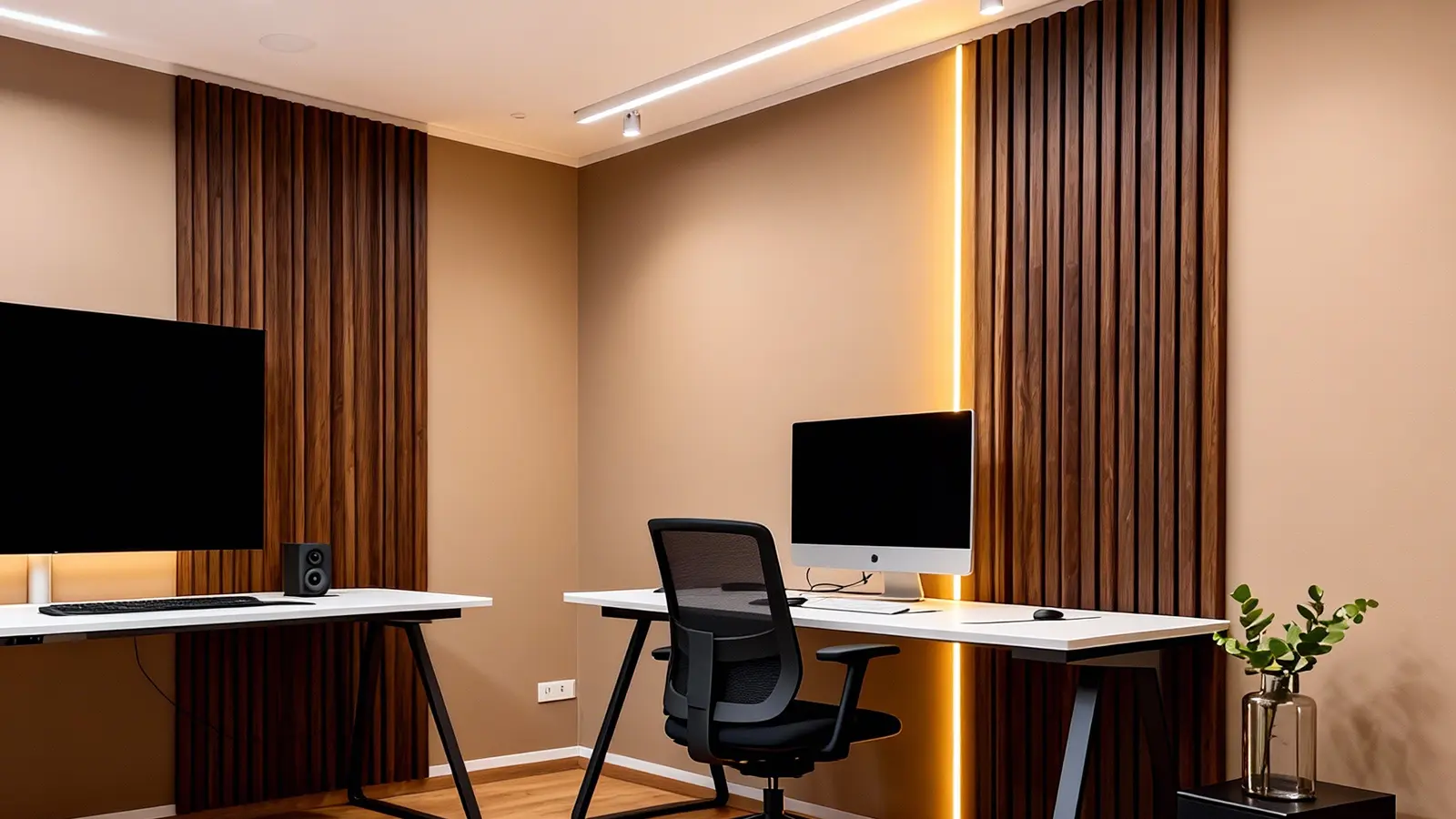
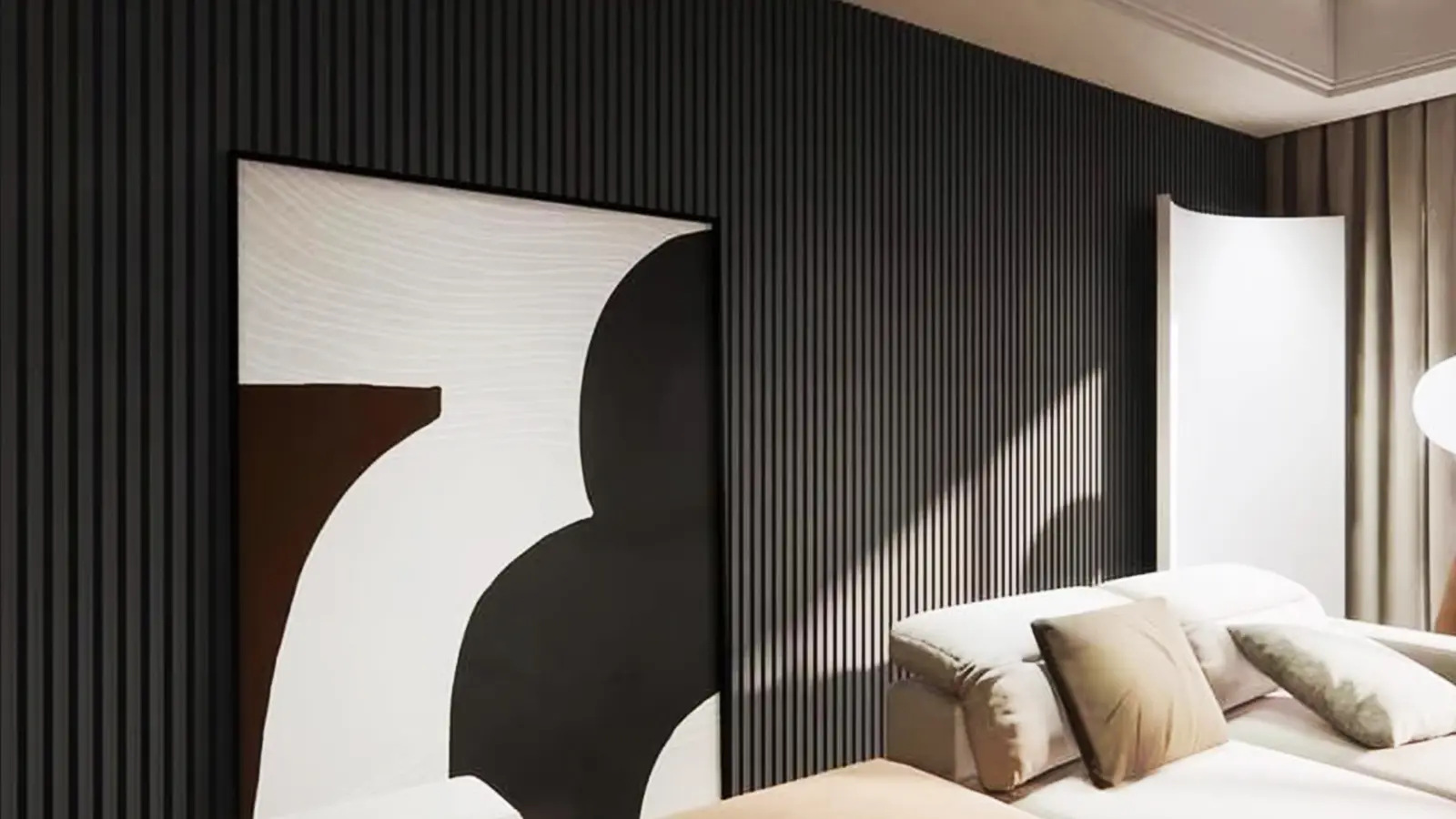
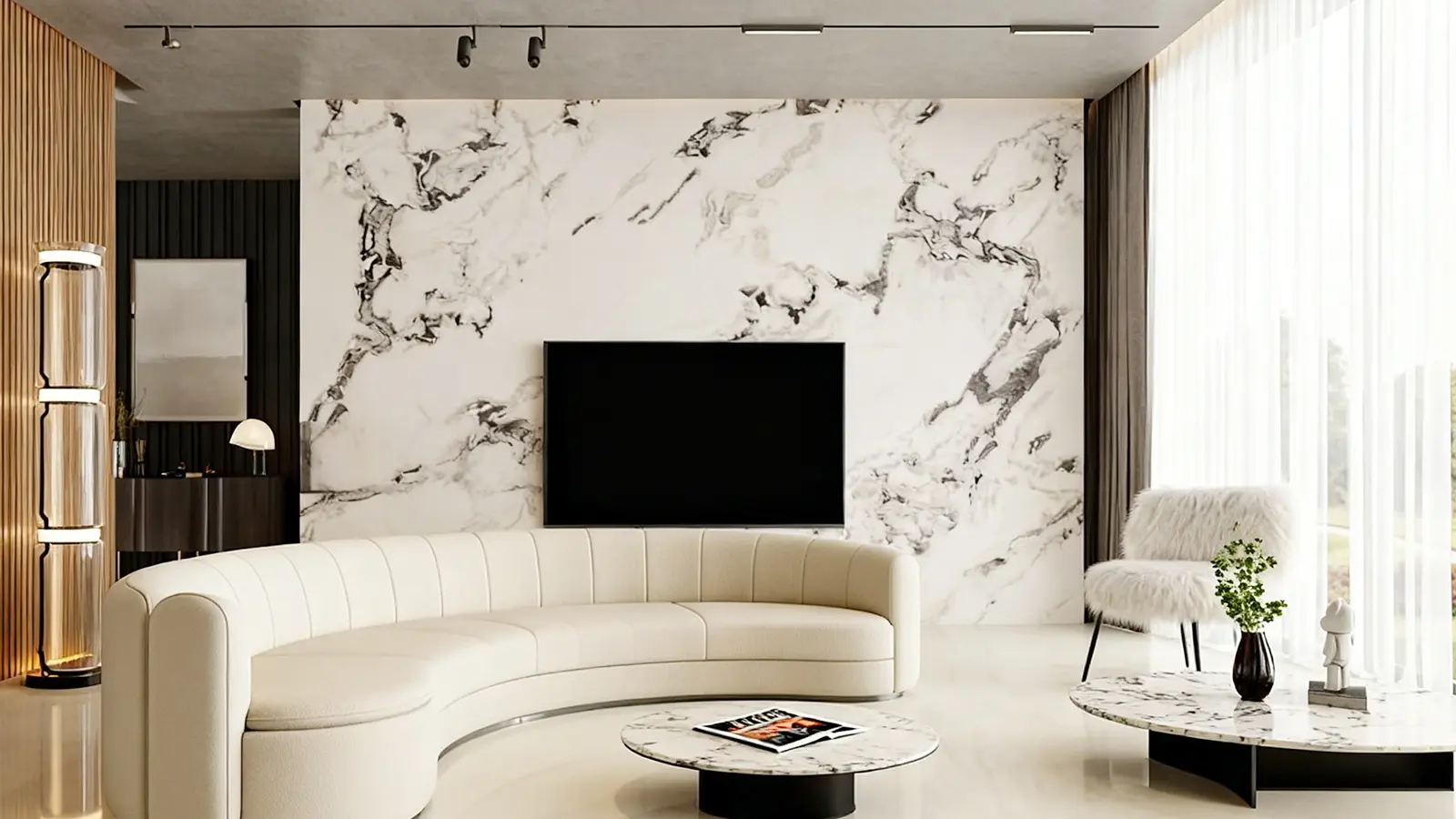
- Design Versatility: Available in many thicknesses, finishes (matte, gloss, textured), and surface patterns (wood grain, marble grain, etc.). Some boards can even have a high degree of customization in size or pattern.
- Health & Safety Properties: If correctly manufactured, these veneers may come with fire-retardancy, low chemical emissions (low VOCs), and antimicrobial or mildew-resistance properties.
Potential Drawbacks (“Watch-Outs”)
No material is perfect; knowing limitations helps avoid regrets or costly fixes:
- Higher Cost: Due to additional processing (charcoal activation, specialized coatings), bamboo charcoal veneer often costs more than basic wood veneer.
- Limited Lighter Tones: If your design requires very light wood tones, the natural coloration from charcoal may restrict options. Some veneers try to offset that with stains or laminates, but that may diminish some of the functional benefits.
- Special Handling & Installation Needs: The boards can be brittle or crack during cutting or manipulation; adhesives and finishes must be compatible. Installation sometimes needs more care or special adhesives.
- Availability & Lead Times: Depending on your location, sourcing high-quality bamboo charcoal veneer with the right certification or finish may take longer. Some specialized variants have fewer suppliers.
What to Consider When Choosing
To pick the right bamboo charcoal wood veneer, go through the following criteria one by one, matching your project’s demands.
| Criterion | Why It Matters | What to Look For |
| Application & Environment | Indoor, moisture, traffic, exposure to sunlight or heat all affect durability. | For wet or humid zones, choose moisture-proof veneer, high charcoal content, and strong coatings. For high traffic, get scratch/impact resistance. |
| Thickness & Density | Thicker and denser boards resist warping and damage better; thinner ones are lighter and easier to work with. | Thicknesses commonly run from ~5-8 mm depending on the application. Density influences strength; check manufacturer specs. |
| Surface Finish & Treatment | This affects look, ease of cleaning, glare, and durability. | Matte vs gloss vs textured; protective top coats; whether it is fire retardant; waterproof sealants. Also consider the kind of pattern or finish (wood grain, marble, metallic, etc.). |
| Color, Grain, and Aesthetic Fit | Your space’s lighting and style will affect how the veneer actually appears. | Request samples in lighting similar to your installation setting; consider how the grain or pattern aligns across boards; think about contrast with other finishes. |
| Ease of Fabrication & Installation | Complex shapes or joins may stress weaker boards, adhesives, or veneers. | Check how easy the veneer is to cut, bend, and join; whether special tools or adhesives are needed; whether the manufacturer offers edge treatments or detailed instructions. |
| Cost & Lifecycle Value | Upfront cost is just one factor—maintenance, repairs, and replacements also matter. | Balance between initial price and expected lifespan; factor in cleaning needs, replacement frequency, warranty, etc. |
Sourcing & Authenticity
To ensure you get a quality product that lives up to claims:
- Supplier Reputation – Choose manufacturers with established track records, good references, and ideally site photos or third-party reviews.
- Request Samples – Always get small panels to test appearance, color in your lighting, and material behavior (cutting, bending).
- Check Certifications – As mentioned above: environmental, safety, emissions, and fire-rating certifications. This is especially important for commercial or public buildings, or allergy-sensitive settings.
- Inspect Physical Properties – Look for uniform thickness, consistent color/grain, a solid core (no voids), and good edge quality.
- Confirm Warranty or After-Sales Support – Some products offer guarantees against warping, finish degradation, and color fade.
Typical Use Cases & Matching Choices
Here are common application scenarios and what kind of variant tends to work best in each.
| Application | Recommended Features |
| Bathrooms / Kitchens | High moisture resistance, strong sealing/top coat, waterproof glue; avoid untreated edges. |
| High-Traffic Areas (Retail, Hallways) | Scratch/impact resistance, durable finish, thick board, and possibly a reinforced core. |
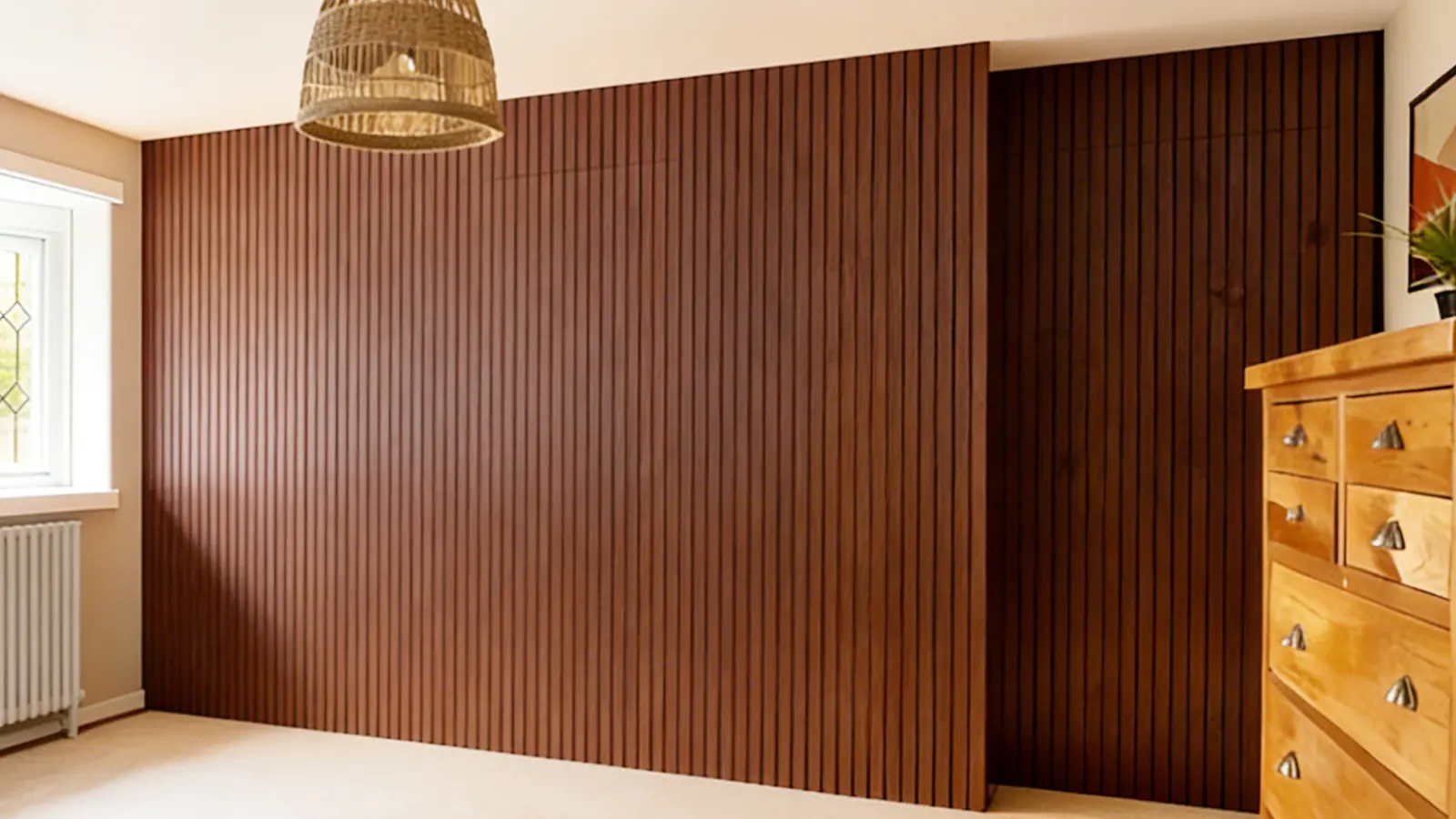
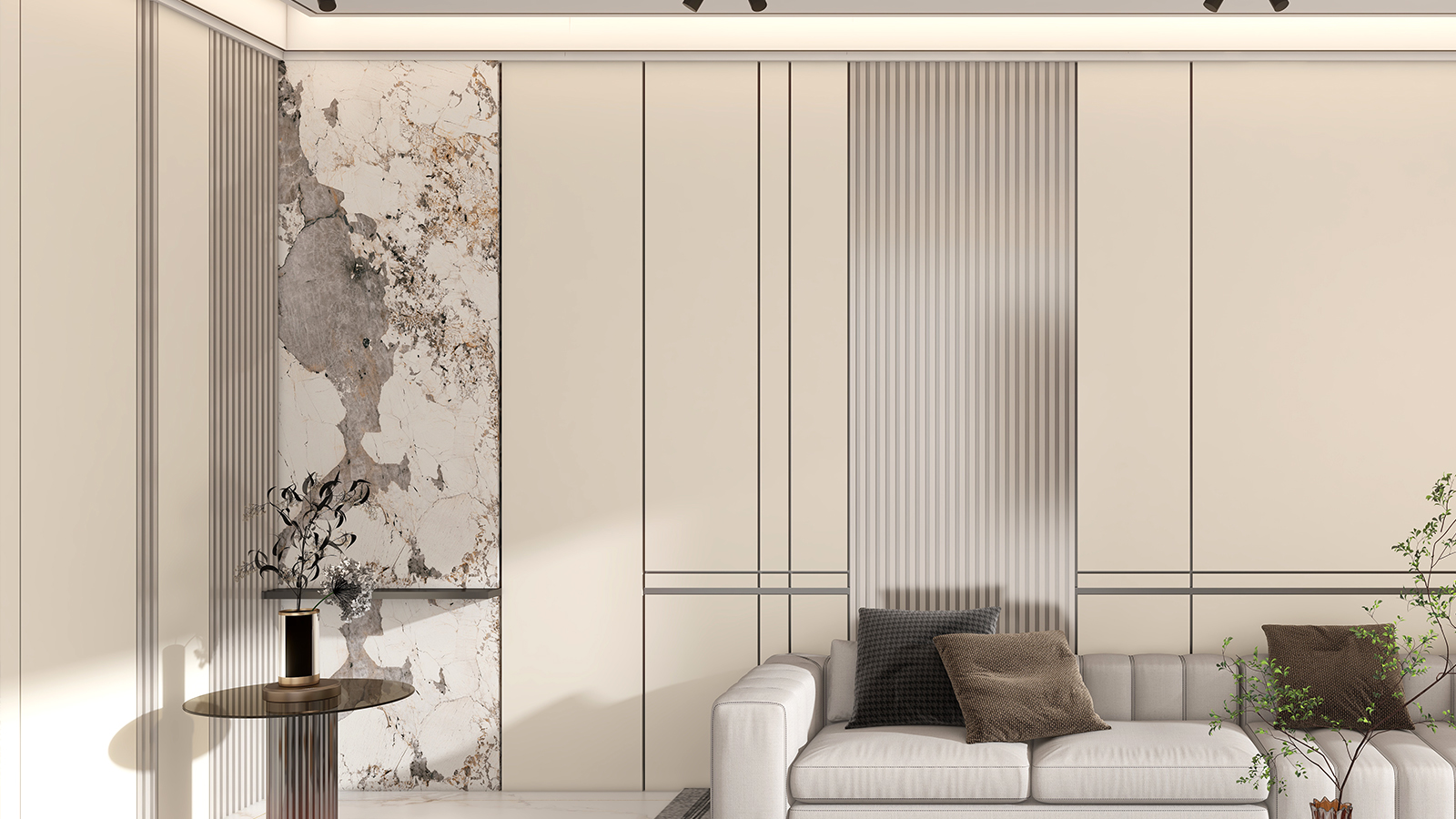
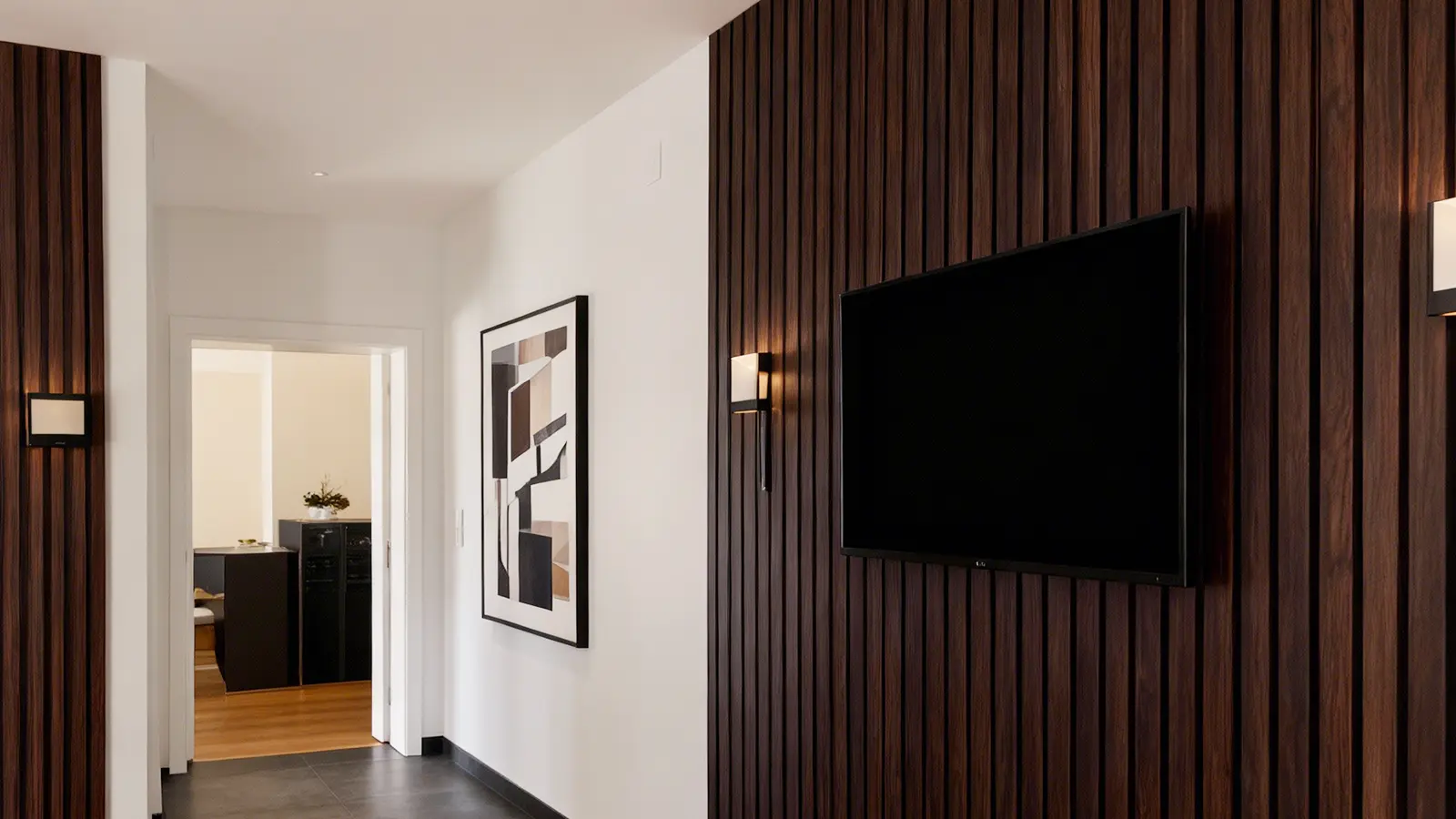
| Accent Walls / Feature Panels | Rich grain or pattern, possibly a custom veneer finish; lighter weight if mounted. |
| Health-Sensitive Spaces (Hospitals, Schools, Nurseries) | Low/VOC emission, antimicrobial/mold-resistant surfaces, and fire safety certification. |
Maintenance & Longevity Tips
Even the best veneer needs care to last well:
- Clean gently — use soft cloths and mild, non-abrasive cleaners. Avoid harsh chemicals that may degrade the charcoal layer or finish.
- Control moisture and humidity — ensure good ventilation in bathrooms or kitchens; avoid prolonged water exposure.
- Protect from direct heat or flame — keep a suitable distance from stoves, radiators, and fireplaces; high-temperature exposure may damage the composite or finish.
- Use UV protection (e.g. window films or shades) in rooms with intense sun exposure.
- Monitor and repair small chips or edge damage early—use compatible materials to avoid moisture or mechanical damage from propagating.
Example Checklist
Here’s a printable checklist you or your contractor could use when evaluating potential products:
- Suitable for indoor/outdoor environment?
- Specified thickness & density match load/exposure demands?
- Finish type (matte/gloss/textured) acceptable for intended design & ease of cleaning?
- Fire rating/VOC/safety certifications present?
- Sample looks good in your space’s lighting?
- Color/grain/pattern continuity acceptable across panels?
- Edges well-finished/sealed?
- Supplier offers warranty/support?
- Cost evaluated over the lifecycle (initial + maintenance + replacement)?
Conclusion
Choosing bamboo charcoal wood veneer isn’t just about what looks “nice” on the surface. The most satisfying selections balance aesthetic appeal, durability, environmental responsibility, and long-term value. Understanding the material’s properties—charcoal content, core structure, finish, certifications—and matching them to how and where you’ll use it are key to getting a result that performs well over time.
If you keep in mind the criteria above—application, finish, certifications, maintenance, etc.—you’ll be able to pick a bamboo charcoal veneer that not only elevates your space visually but also adds value in terms of sustainability and low maintenance.
Try Before You Buy — Free Samples!
Don’t just read about the benefits of Bamboo Charcoal Wood Veneer—experience them firsthand. Claim your free sample today and see how this eco-friendly, durable material can elevate your space. Limited offer, request yours now!