
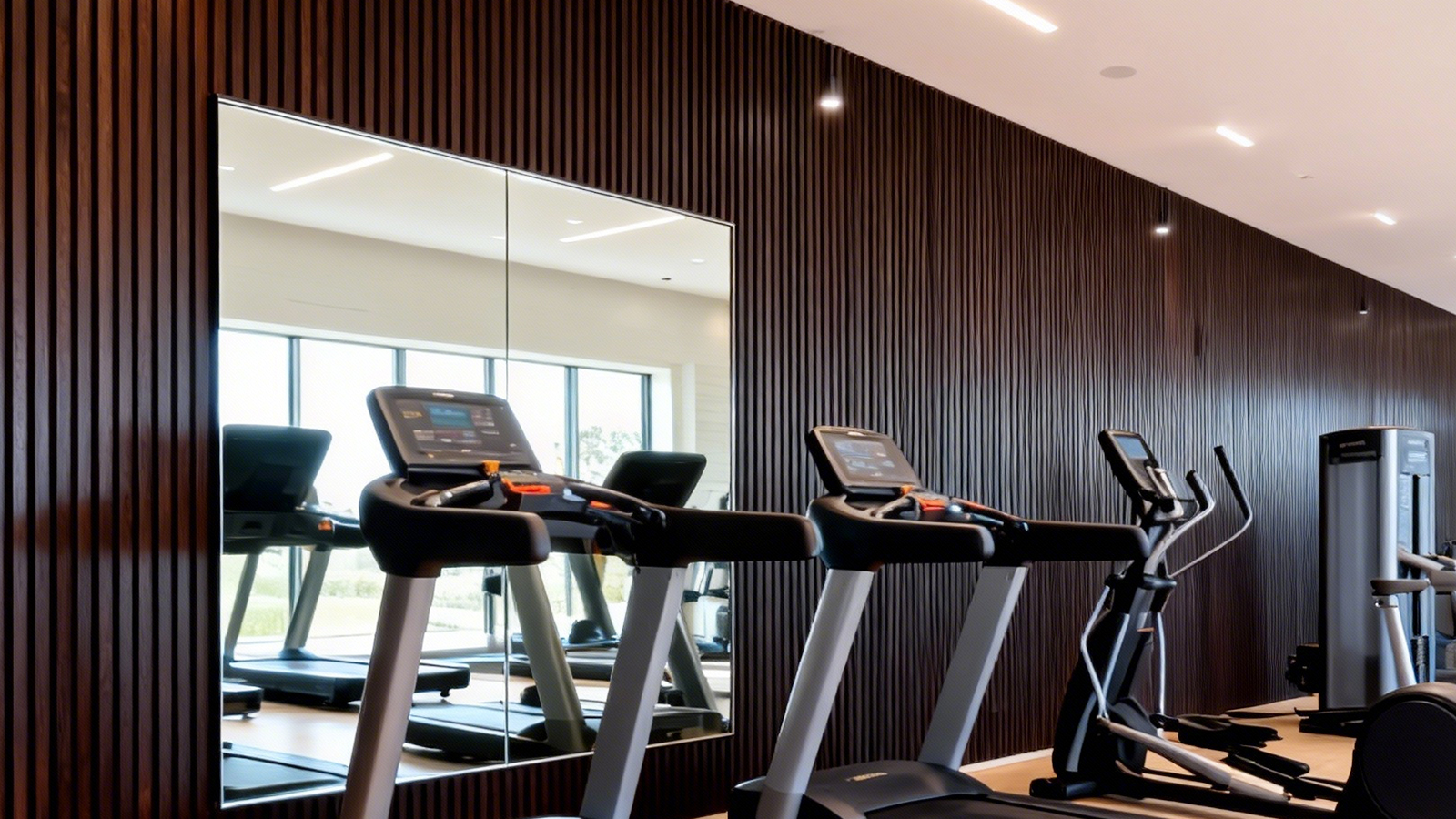
How Long Do WPC Wall Panels Last? A Complete Guide to Lifespan, Durability, and Value
Table of Contents
- Knowing the Material: What Are WPC Wall Panels?
- How Long Can You Expect WPC Wall Panels to Last?
- What Impacts the Lifespan of WPC Wall Panels?
- How WPC Wall Panels Resist Ageing and Wear
- Side-by-Side: WPC vs. Other Wall Materials
- Real-World Scenarios: Lifespan by Environment
- Extending the Lifespan: Practical Tips
- Economic & Environmental Advantages of a Long Service Life
- Lifespan Variations by Panel Type
- Why Choosing WPC Wall Panels is a Smart Long-Term Investment
- Conclusion: What Life Expectancy Can You Rely On?
1. Knowing the Material: What Are WPC Wall Panels?
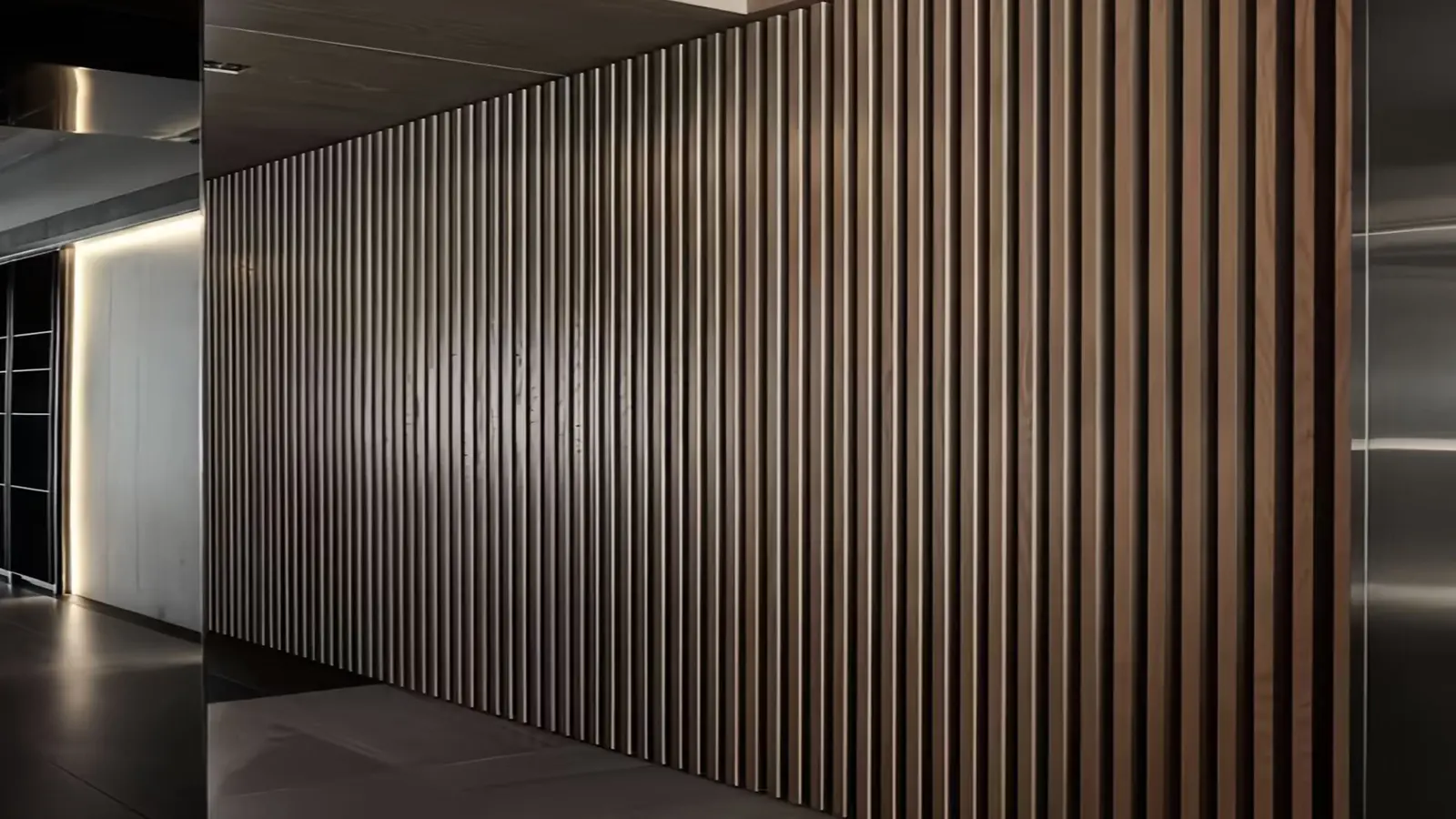
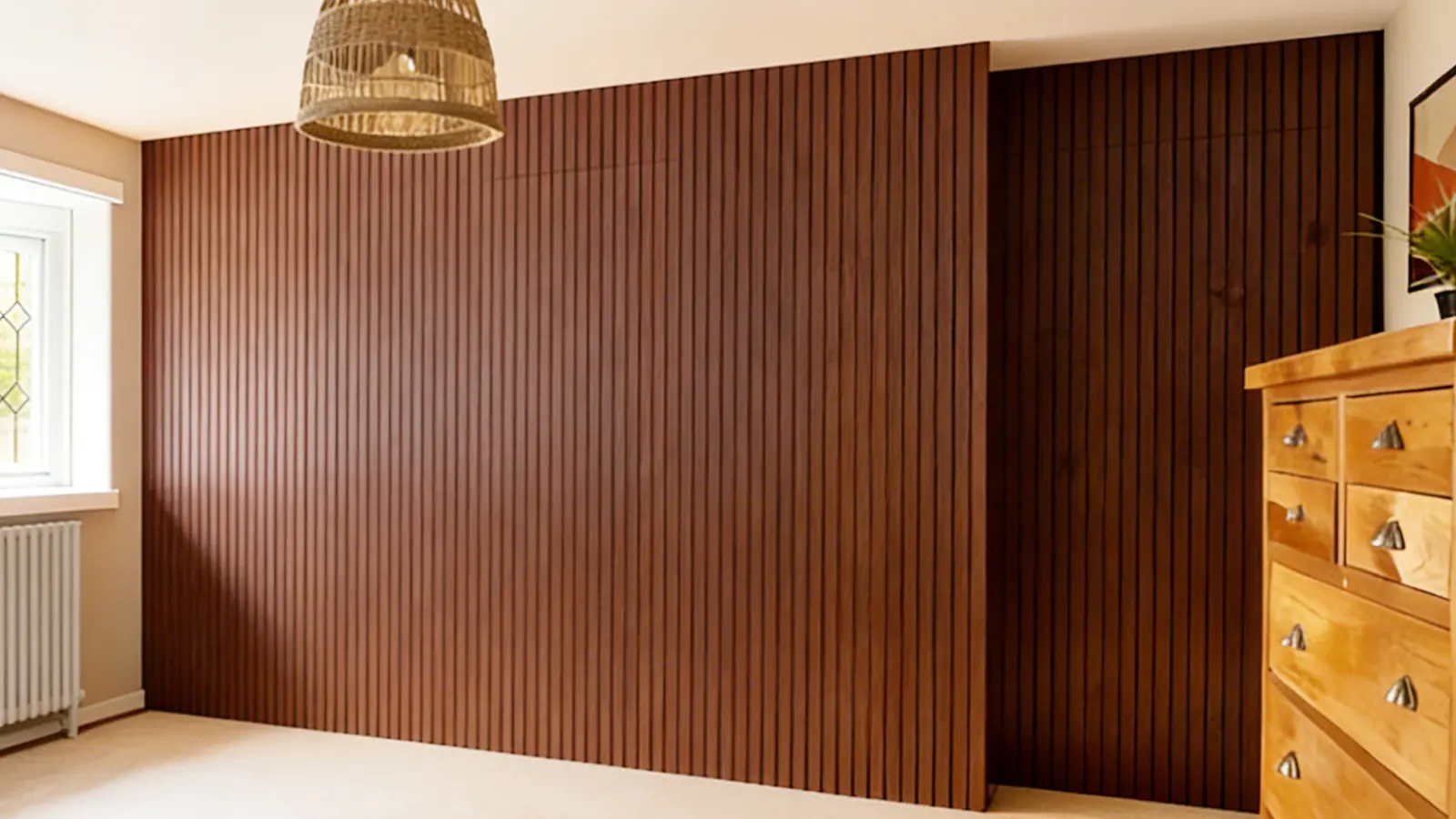
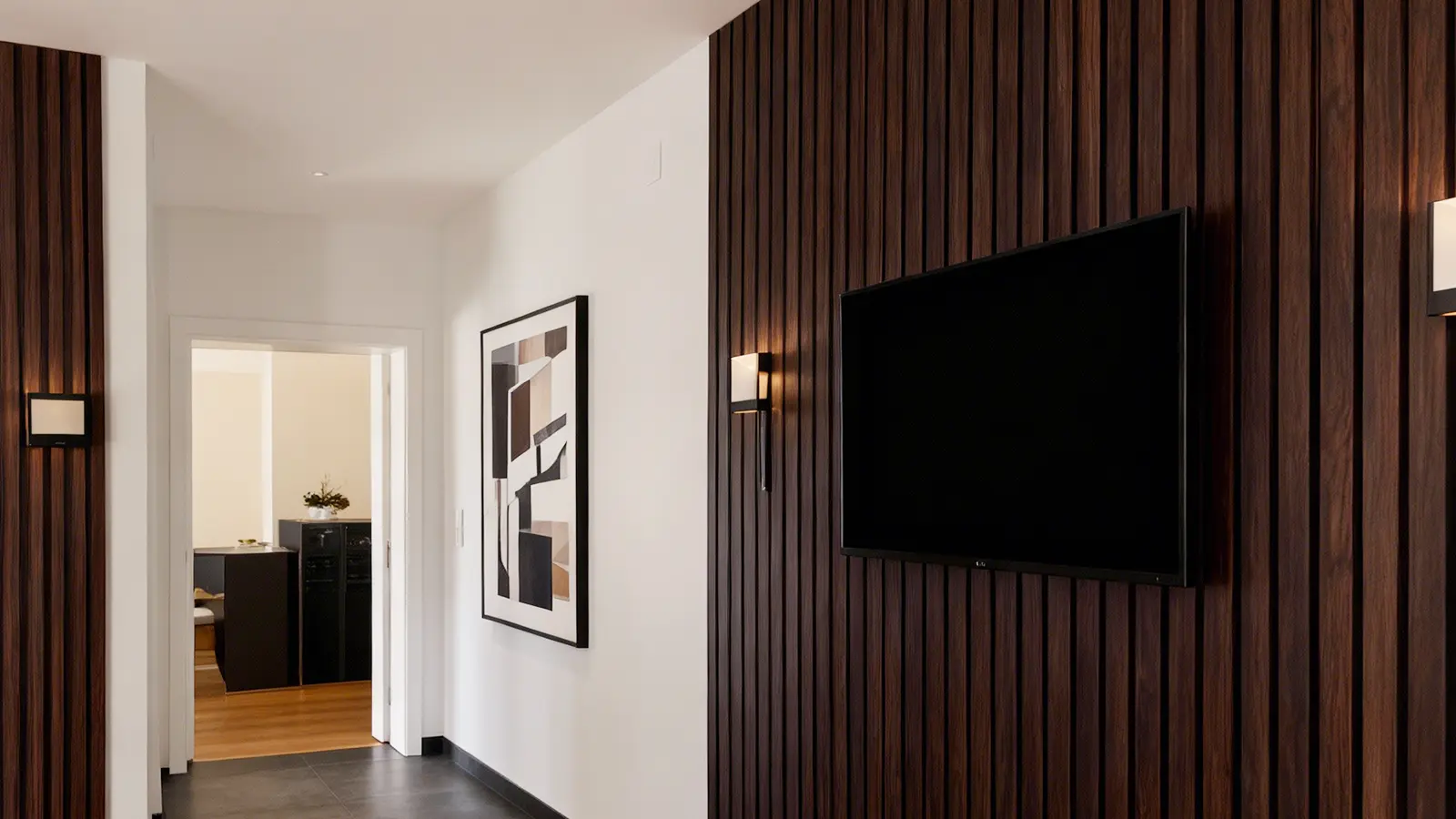
In modern construction and interior design, one material that’s rising rapidly in popularity is the wood-plastic composite (WPC) wall panel. These panels combine natural wood-fiber with thermoplastic resin (often PVC, PE or PP) together with additives that enhance performance (UV stabilizers, colorants, anti-fungal agents). The result: panels that capture the look and feel of wood, but with enhanced weather resistance and durability.
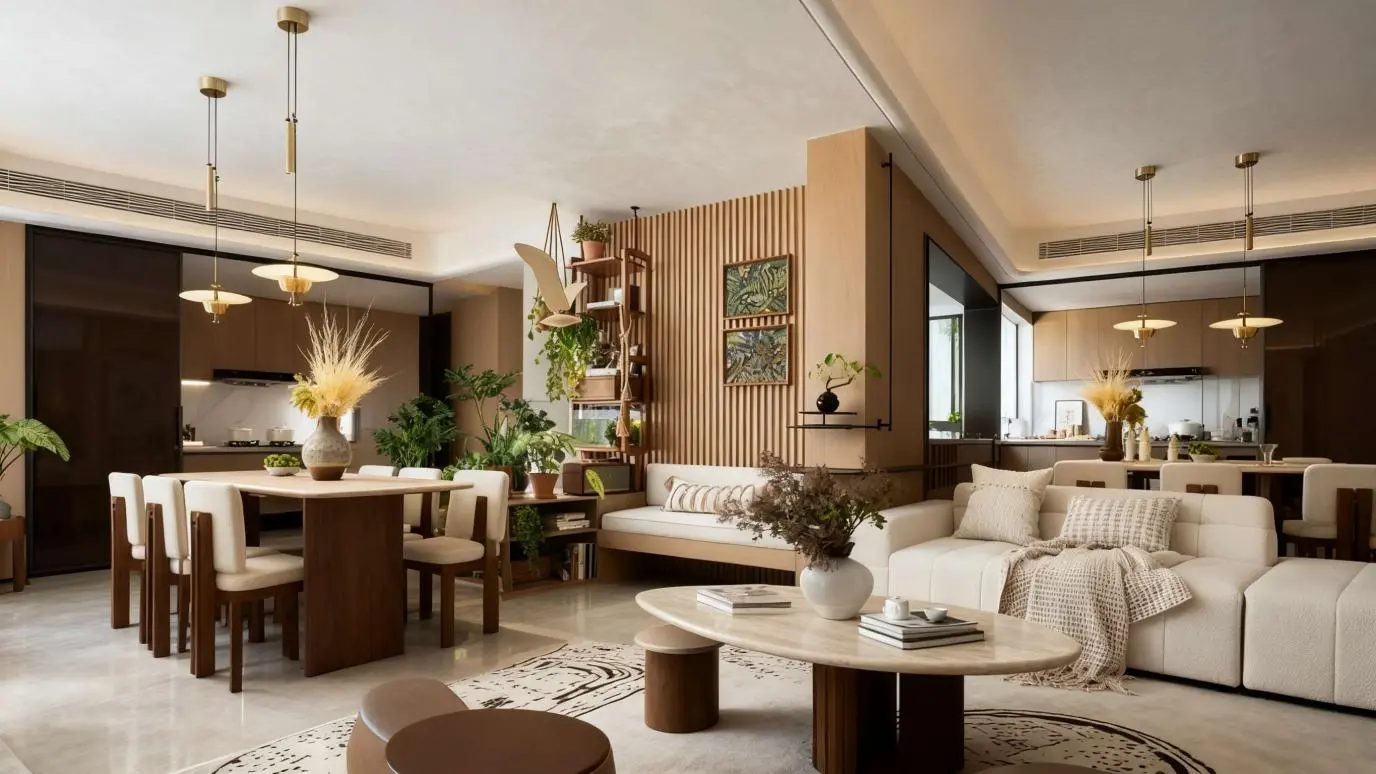
Typically, a Wpc Panel will include around 50-70% wood fibre (for texture and rigidity), 20-30% plastic resin (for waterproofing and stability) and 5-10% specialized additives. Because the wood-fiber and plastic are engineered to work together, you get the warm aesthetic of wood plus the robust traits of engineered material.
2. How Long Can You Expect WPC Wall Panels to Last?
While every installation is different, benchmark data and manufacturer claims suggest that high-quality WPC wall panels can deliver 20 to 30 years or more of viable service, when properly installed and maintained. For example:
- Indoor wall applications (living rooms, offices): 25-30 years is a reasonable expectation.
- Semi-outdoor or sheltered settings (balconies, corridors): 20-25 years.
- Exterior cladding/facades exposed to full weather: 15-25 years under normal conditions.
In some cases, especially when premium materials and protective coatings are used, the lifespan may exceed 30 years.
3. What Impacts the Lifespan of WPC Wall Panels?
Even though WPC is engineered for durability, several factors affect how long the panels will truly last. Here are the main influences:
- Material quality & formulation
High-grade wood fibres, virgin polymer resins, and substantial UV stabilizers or anti-fungal treatment all support longevity. Panels made with poor-quality filler materials or weaker additives will have their lifespan shortened.
- Manufacturing and structure
Advanced production techniques—such as twin-screw extrusion, co-extruded protective surface layers, or precision moulding—produce panels with more uniform density, fewer internal flaws, and better resistance to moisture or deformation.
- Installation practices
Correct installation is critical. For example: leaving ventilation/back-air gaps, sealing edges properly, providing expansion joins to accommodate thermal movement. Poor installation (moisture ingress, rigid mounting, incorrect fasteners) can compromise lifespan significantly.
- Environmental exposure
Panels inside a controlled climate will last much longer than panels on a sun-facing facade in a harsh, high-UV, coastal or humid climate. Exposure to salt air, wind abrasion, direct sun or heavy rain accelerates aging.
- Maintenance and usage
Although WPC panels are low-maintenance compared to traditional wood, continuing care still matters. Regular cleaning, inspection for damage, avoiding harsh chemicals and protecting from mechanical damage all help maximise lifespan.
4. How WPC Wall Panels Resist Ageing and Wear
Why are WPC panels able to last longer than many alternatives? It’s due to a combination of engineered features:
- Moisture resistance: Unlike solid wood, WPC typically resists water absorption, which minimises swelling, cracking, rot or mould growth.
- UV and weather durability: Panels can include UV-inhibitors and stabilisers so the surface retains colour and resists chalking or brittleness from sun exposure.
- Pest and fungal resistance: WPC does not provide the nutrients that wood offers to insects or fungi; thus termite or rot issues are greatly reduced.
- Dimensional stability: The composite structure handles temperature and humidity changes better than untreated wood; fewer warp or shrink issues.
5. Side-by-Side: WPC vs. Other Wall Materials
Comparing WPC wall panels with other common wall finishes helps highlight their value:
| Material Type | Typical Lifespan | Maintenance | Weaknesses |
| Solid Wood Panels | ~5-15 yrs outdoors | High (sealing, staining) | Rot, termites, warping |
| PVC Wall Panels | ~10-20 yrs | Low | Fading, less structural strength |
| WPC wall panels | ~15-30+ yrs | Low to moderate | Dependent on quality & environment |
Sources combining independent guidelines and manufacturer data put WPC at a strong advantage in terms of durability and lifecycle cost.
6. Real-World Scenarios: Lifespan by Environment
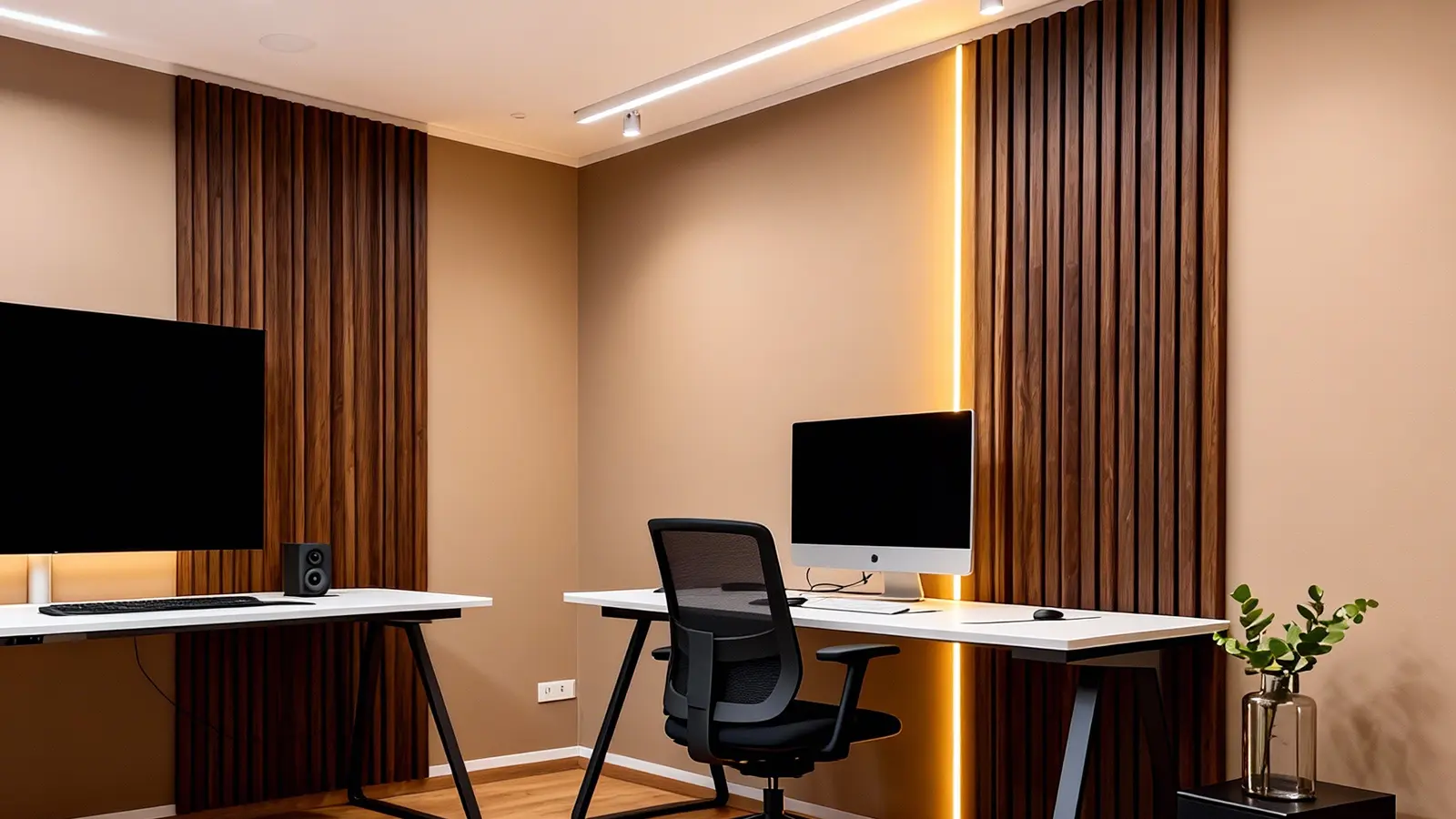
- Indoor setting (homes, offices, hotels): Controlled climate, minimal direct sun and weather exposure → WPC panels commonly exceed 25 years in service.
- Semi-outdoor / sheltered spaces: Balconies, covered walkways, internal facades see moderate exposure → perhaps 20-25 years under good conditions.
- Full outdoor facades or harsh climate zones: Sun-facing walls, coastal salt air, extreme humidity/UV → lifespan may drop to 15-20 years unless premium panels and high care are used.
7. Extending the Lifespan: Practical Tips
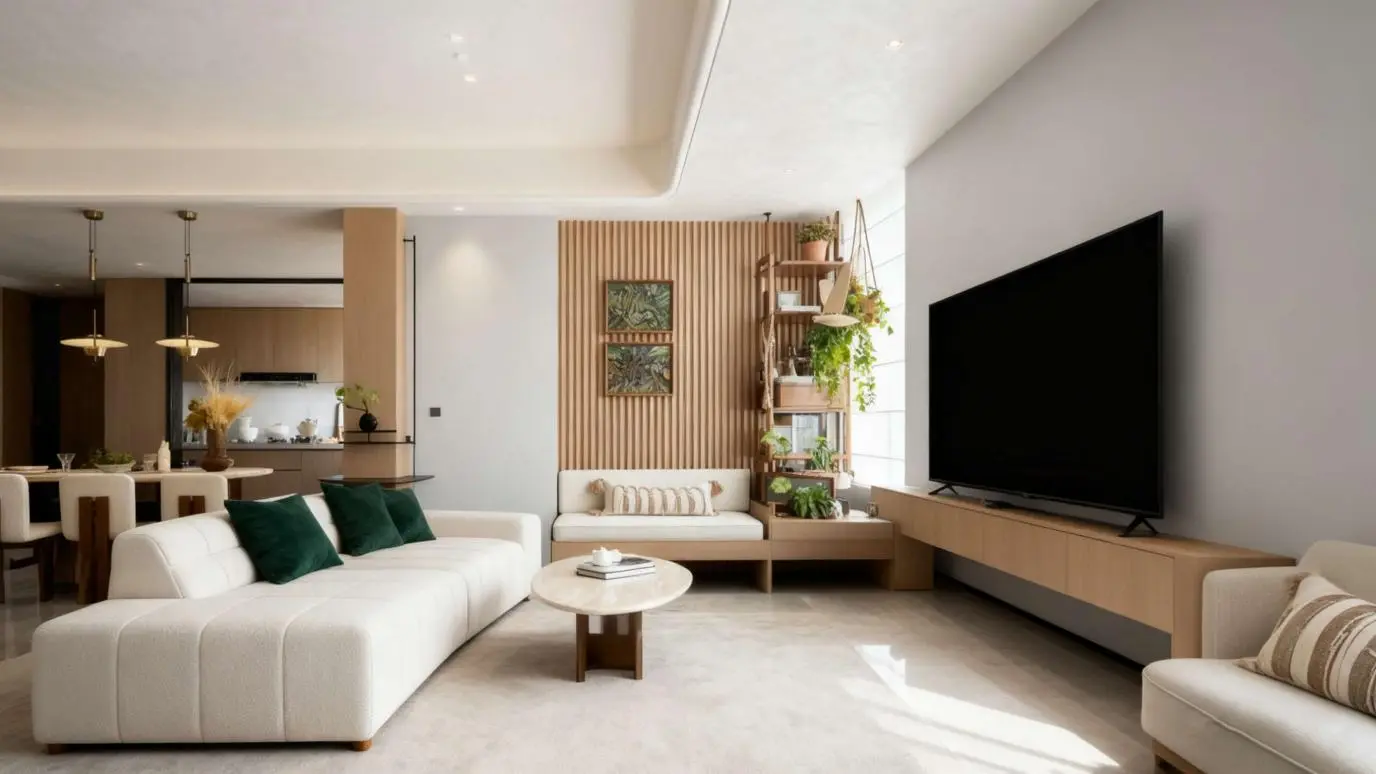
To make sure your WPC wall panels give their full lifetime, you can adopt the following practices:
- Use mild soap and water for routine cleaning; avoid abrasive cleaners or solvents.
- Avoid sharp or heavy impact damage (especially in commercial/high-traffic zones).
- Ensure professional installation: allow ventilation gap, use corrosion-resistant fasteners, seal edges and joints.
- Periodically inspect (annually) for cracks, fading, loosened panels or moisture ingress spots. Address issues early.
- For panels outdoors, select “outdoor-grade” variants with enhanced UV or salt-air resistance.
- If in a high UV/salt area, consider additional shading, overhangs or protective coatings to reduce direct exposure.
8. Economic & Environmental Advantages of a Long Service Life
Choosing a long-lasting material like WPC offers benefits beyond just durability:
- Lower lifecycle cost: Although initial cost may be higher than cheaper materials, fewer replacements, minimal maintenance, and longer service translate to lower cost over time.
- Reduced waste and better sustainability: WPC panels often incorporate recycled wood and plastic. Their extended lifespan means fewer panels need disposing of, and less frequent replacement work.
- Better project value: For developers, architects or building owners, specifying materials that maintain performance for decades reduces warranty risk, maintenance burden and enhances building value.
9. Lifespan Variations by Panel Type
WPC wall panels come in differing production types or surface treatments, and these can influence lifespan:
- Co-extruded WPC panels (outer protective cap layer) → higher end of lifespan range (25-30 yrs+) especially outdoors.
- Embossed or wood-grain WPC panels → typically 20-25 yrs when used indoors or semi-outdoor.
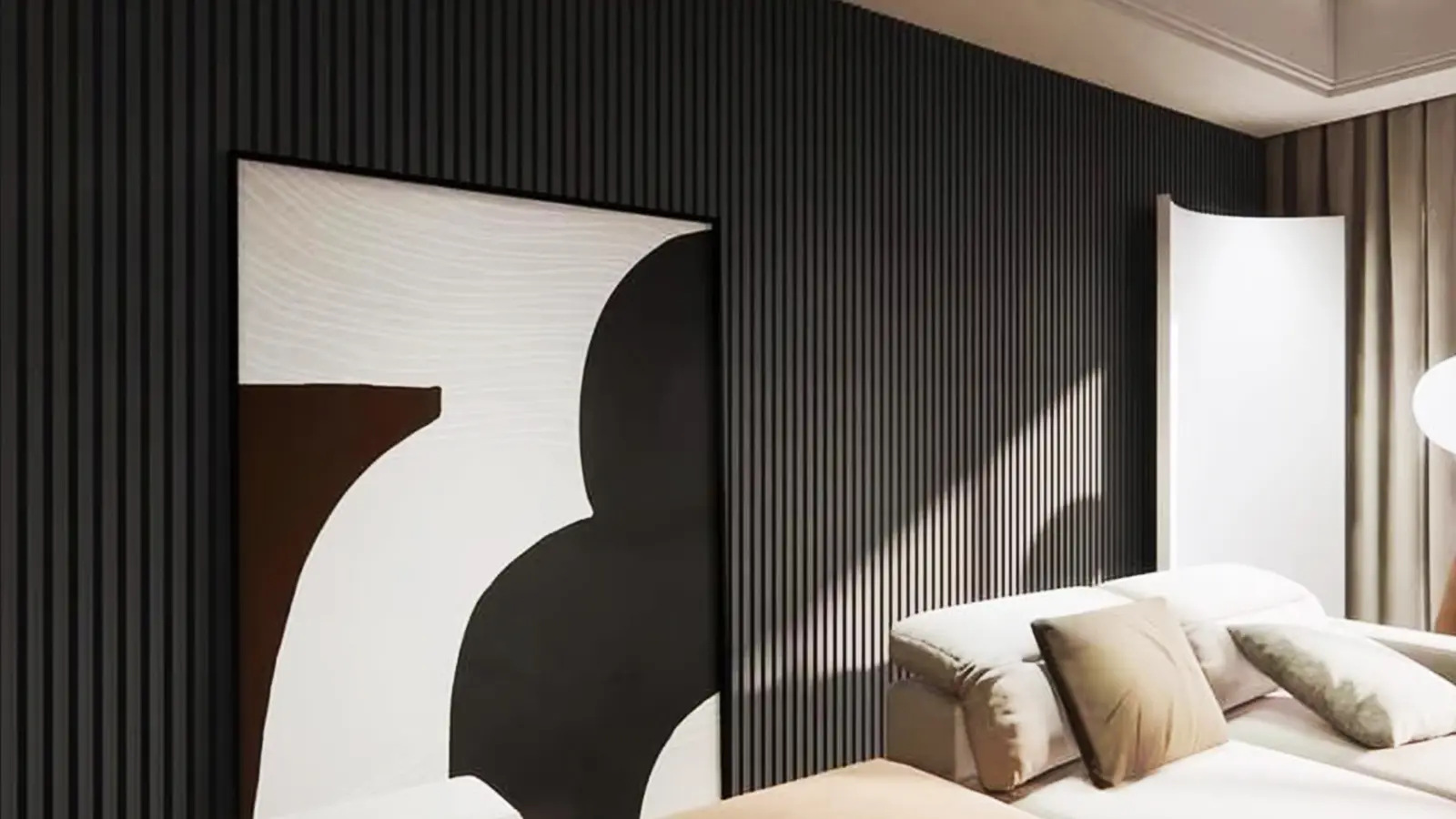
- 3D textured panels / decorative WPC panels (feature walls, indoor ceilings) → may carry a lifespan of 15-20 yrs due to decorative finish rather than heavy weather exposure.
10. Why Choosing WPC Wall Panels is a Smart Long-Term Investment
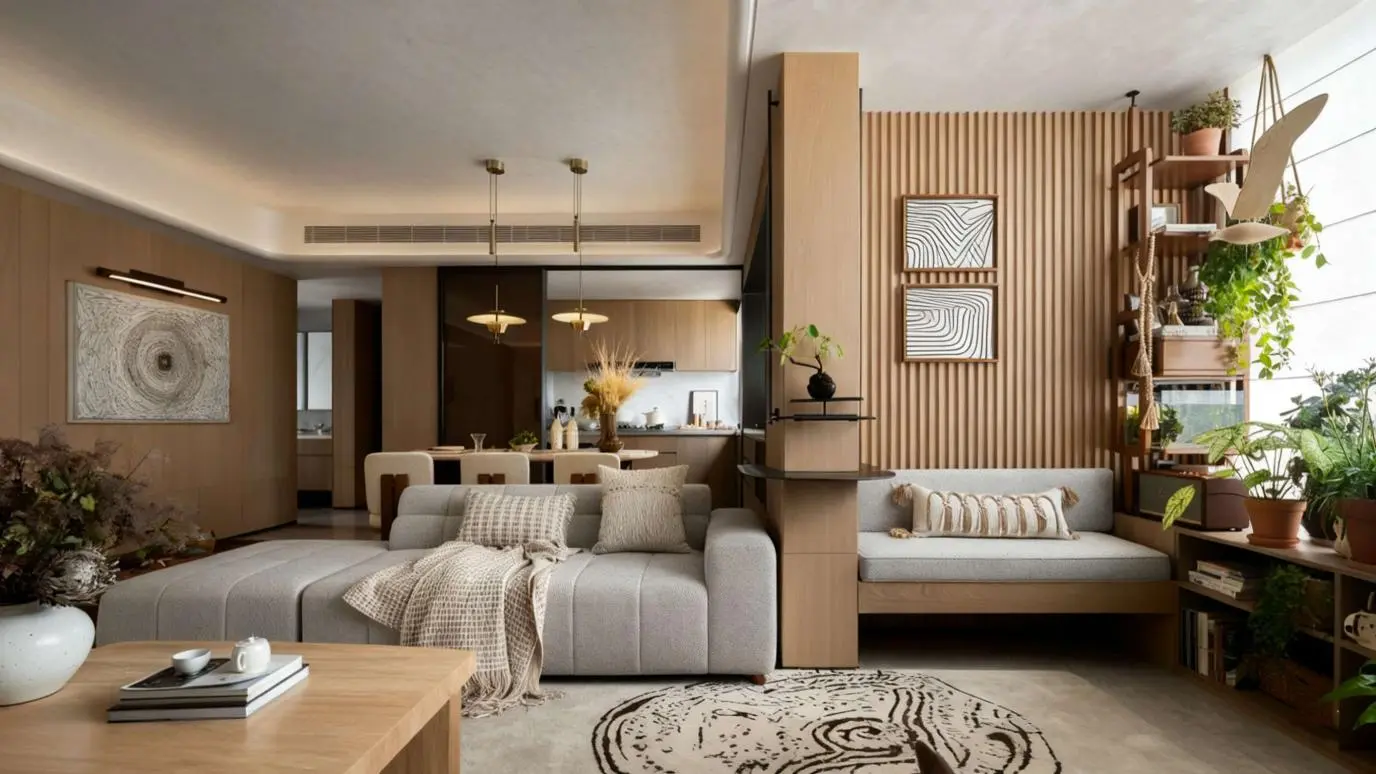
If you’re specifying materials for a building or renovation, WPC wall panels offer a compelling combination of benefits:
- They are built for durability in real-world conditions (moisture, UV, traffic).
- They complicate fewer maintenance cycles (paint, staining, termite treatment) than traditional wood.
- They offer aesthetic flexibility (wood-look, grain, mouldings, textures).
- Their long lifespan supports sustainability goals and reduces replacement frequency.
- Overall, they can improve lifecycle return on investment for both residential and commercial projects.
11. Conclusion: What Life Expectancy Can You Rely On?
In summary: with the right product quality, proper installation and reasonable care, WPC wall panels can be expected to serve reliably for 20 to 30 years or more in many applications. Interiors may push toward or beyond 30 years; exterior uses generally fall in the 15-25 year bracket unless premium grades are chosen.
For contractors, importers or project owners, the key takeaway is: choose a reputable manufacturer, verify material specs (wood/plastic ratio, UV/anti-fungal additives), ensure installation details are right and maintain the panels periodically. Doing so delivers the full life-cycle benefits of WPC wall panels and realises both performance and value.
