
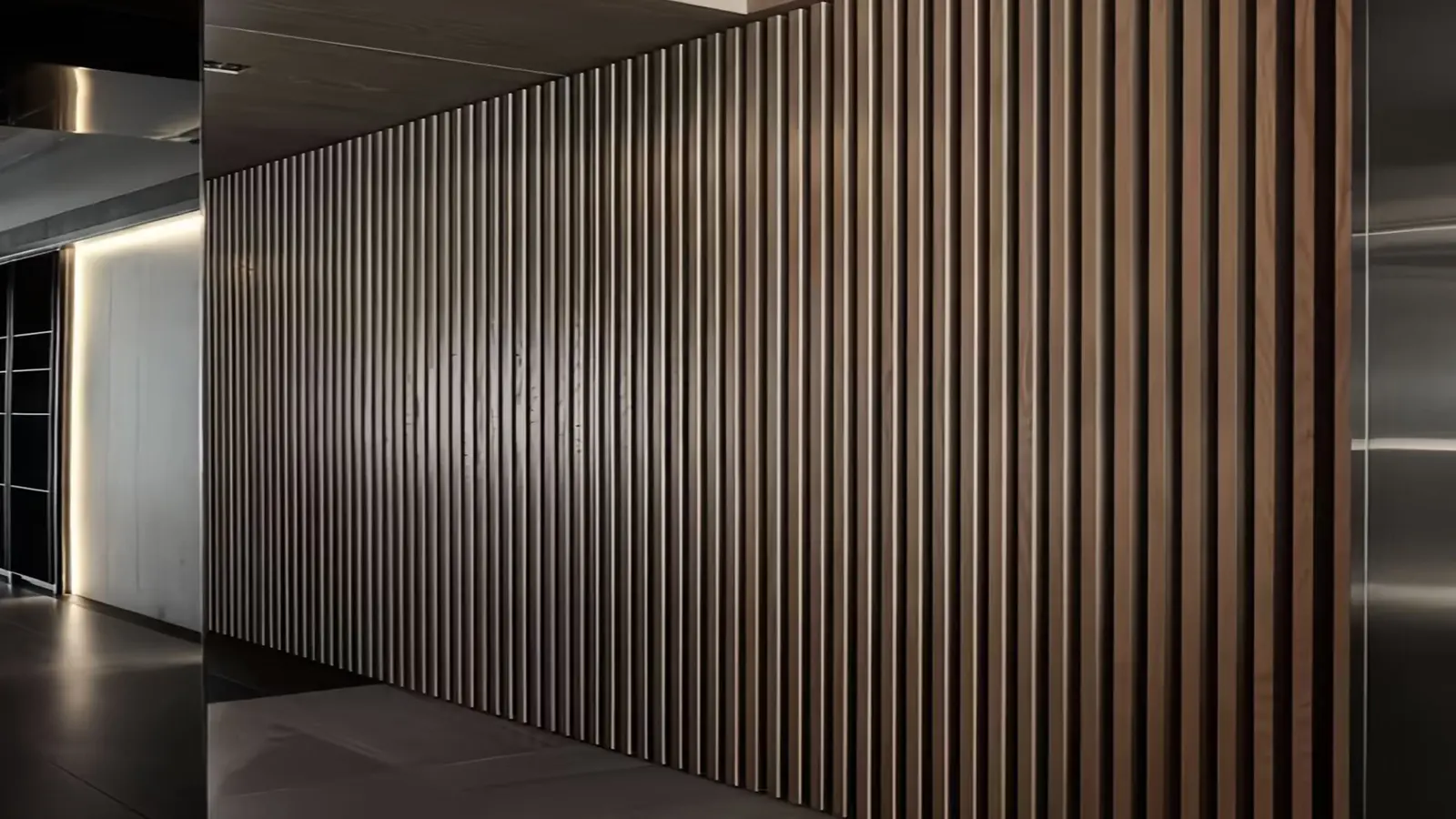
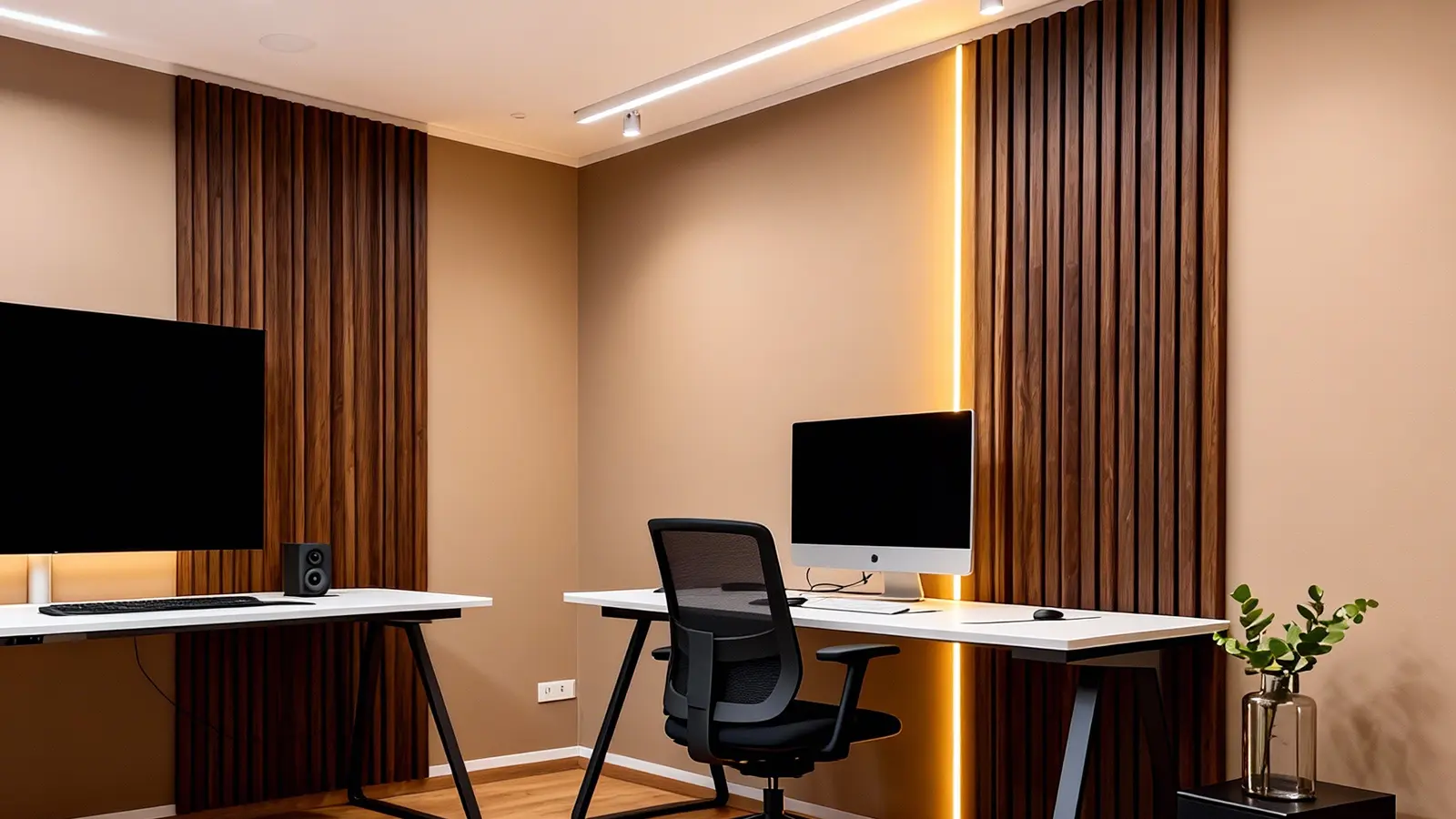
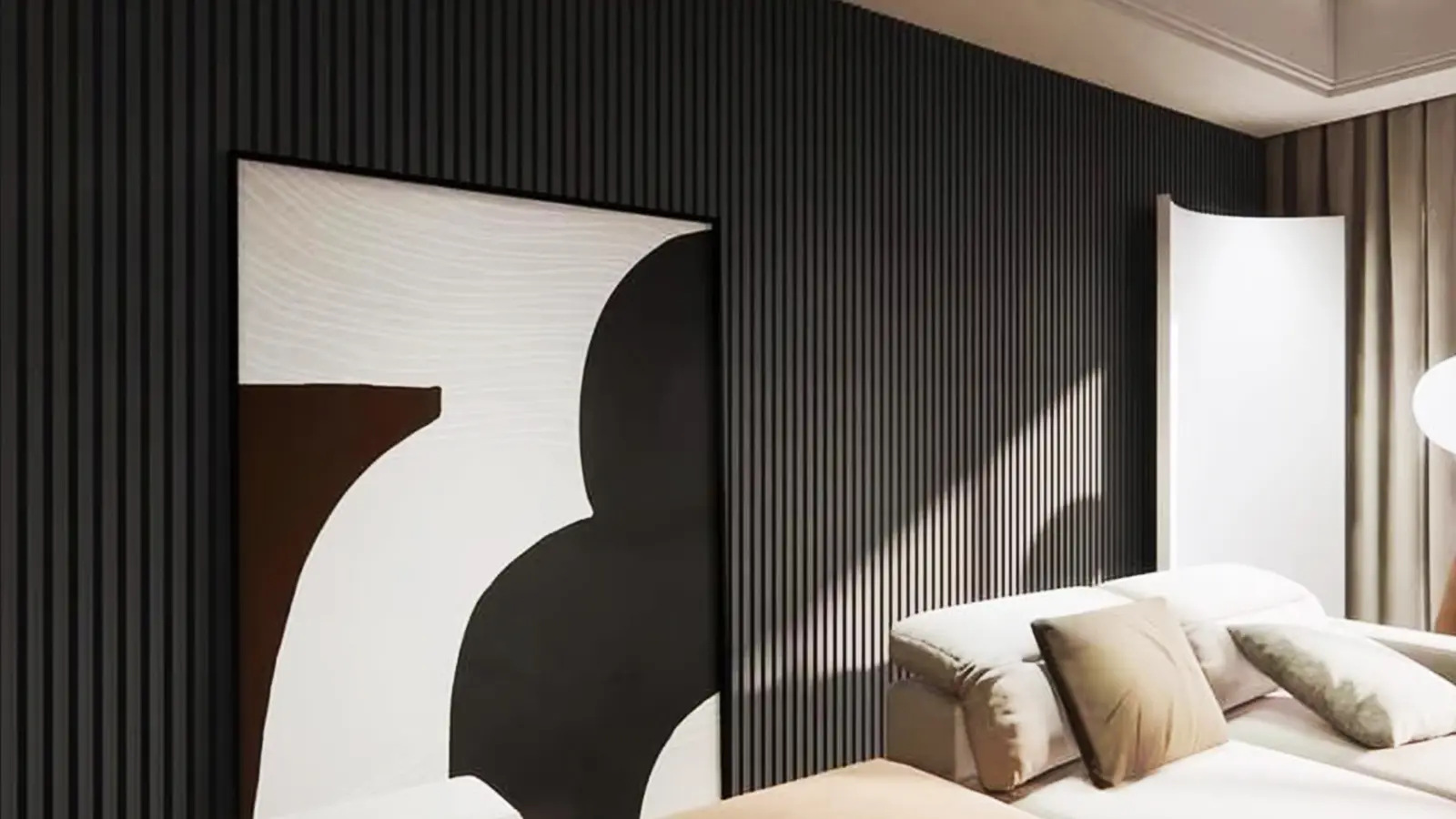
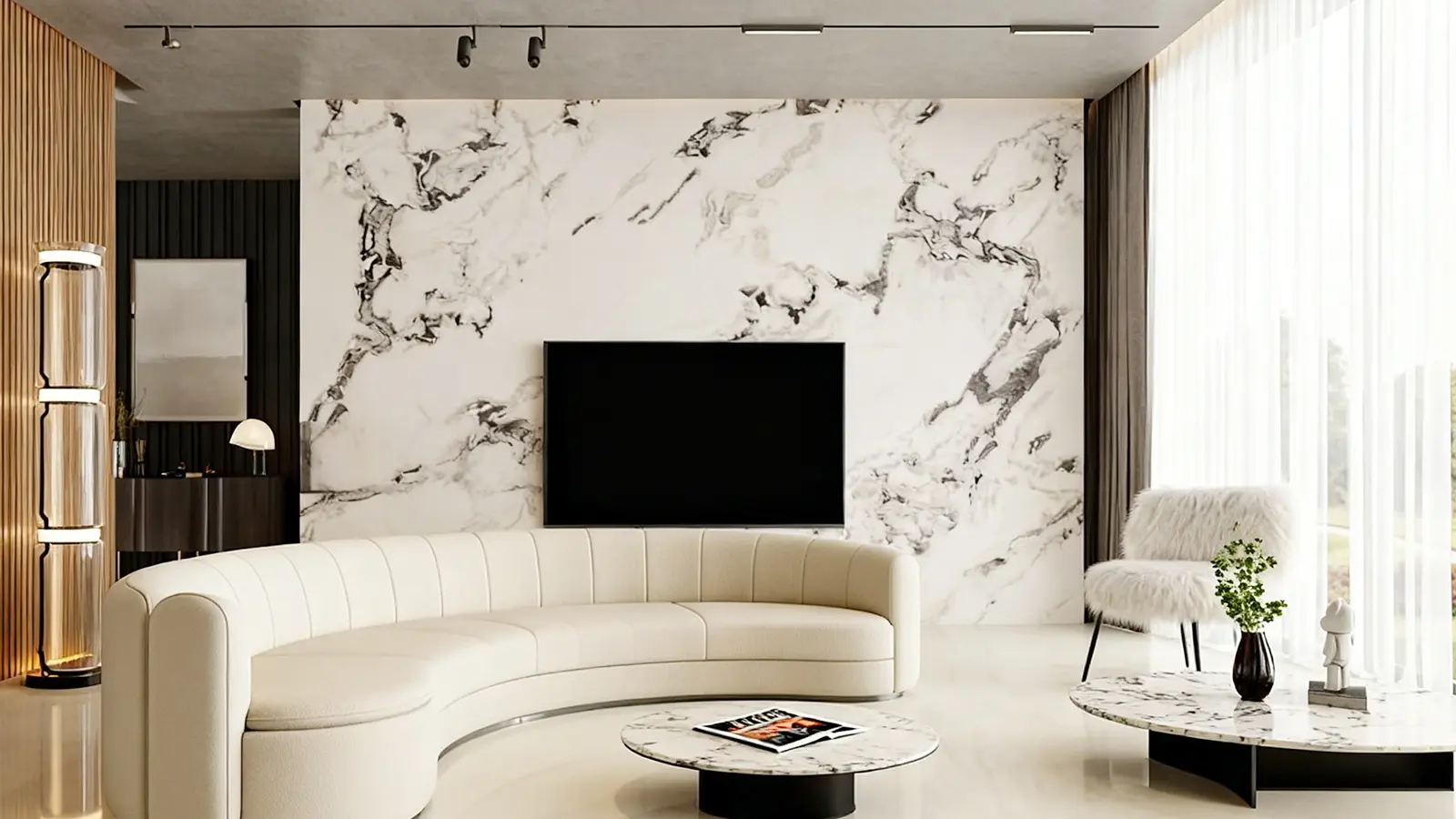
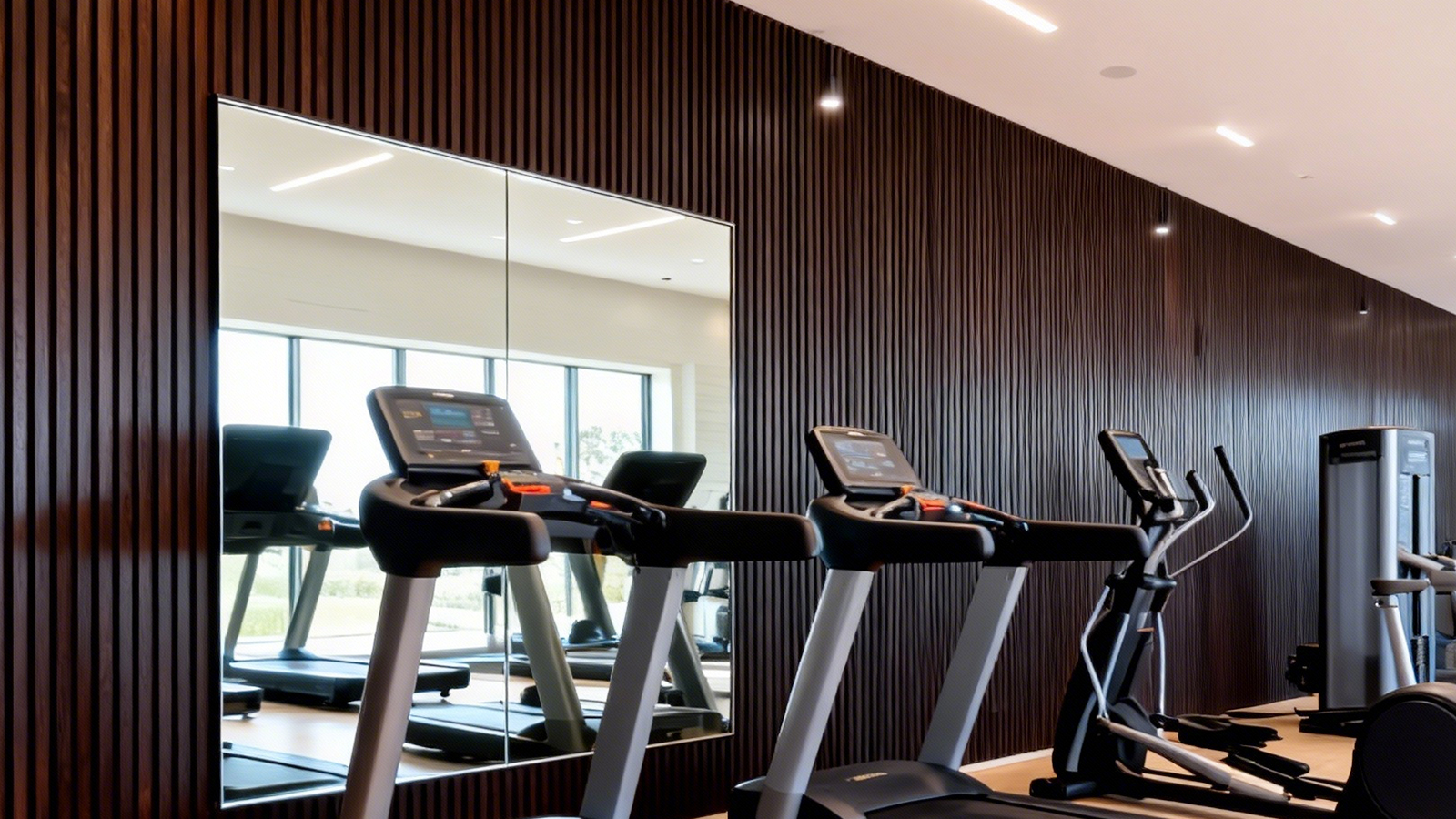
How Bamboo Charcoal Wood Veneer Enhances Contemporary Hotel Decoration
Table of Contents
- Introduction: Rethinking Hotel Interiors in the Age of Wellness and Sustainability
- Understanding Bamboo Charcoal Wood Veneer as a Decorative Material
- Core Advantages of Bamboo Charcoal Wood Veneer in Hotels
- Why Bamboo Charcoal Wood Veneer Is Replacing Conventional Hotel Finishes
- Practical Applications in Hotel Interior Spaces
- Design Styles That Complement Bamboo Charcoal Wood Veneer
- Installation and Project Planning Considerations
- Future Development Trends
- Why Bamboo Charcoal Wood Veneer Is Commonly Sourced from China
- Conclusion
1. Introduction: Rethinking Hotel Interiors in the Age of Wellness and Sustainability
The global hospitality industry is undergoing a quiet transformation. Beyond luxury finishes and iconic design, hotels are now judged by how comfortable, healthy, and environmentally responsible their interiors feel. Guests are spending more time indoors, making material selection a key factor in overall satisfaction.
Bamboo charcoal wood veneer has emerged as a practical and aesthetic solution that meets these evolving expectations. Its ability to combine natural texture, functional performance, and modern design flexibility has made it a preferred choice for hotel renovation and new construction projects worldwide.
This article examines how bamboo charcoal wood veneer is applied in hotel decoration, highlighting its technical advantages, design compatibility, and long-term value for commercial hospitality spaces.
2. Understanding Bamboo Charcoal Wood Veneer as a Decorative Material
Bamboo charcoal wood veneer is produced by carbonizing bamboo at high temperatures, creating a porous structure capable of absorbing moisture and odors. This charcoal layer is then integrated into composite panels and finished with decorative surfaces.
Unlike traditional veneers, the material is engineered for stability and commercial use, making it well-suited for large hotel projects that demand consistency and performance.
3. Core Advantages of Bamboo Charcoal Wood Veneer in Hotels
3.1 Comfort-Oriented Aesthetics
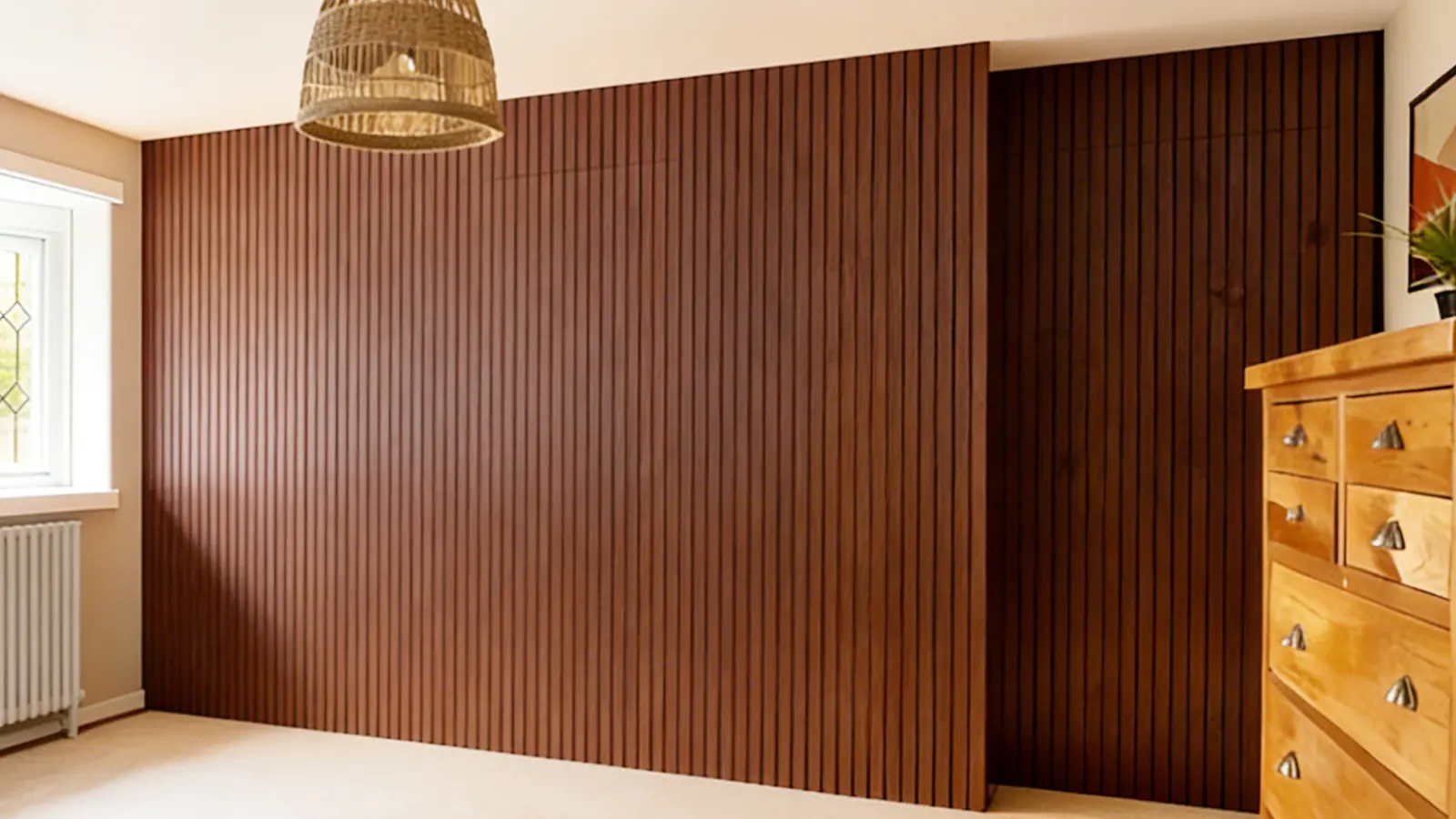
The surface appearance of bamboo charcoal wood veneer emphasizes warmth and subtlety. It avoids excessive gloss or heavy patterns, helping create interiors that feel calm and inviting rather than visually overwhelming.
3.2 Functional Environmental Benefits
Thanks to its charcoal content, the material contributes to better indoor conditions by:
- Reducing unpleasant odors
- Regulating humidity levels
- Supporting a fresher indoor atmosphere
These benefits are especially valuable in guest rooms and enclosed public areas.
3.3 Commercial Durability
Hotel interiors experience constant use. Bamboo charcoal wood veneer is designed to withstand:
- Frequent cleaning
- Daily wear and tear
- Long-term operational demands
Its surface remains stable and visually consistent over time.
4. Why Bamboo Charcoal Wood Veneer Is Replacing Conventional Hotel Finishes
Traditional materials often present trade-offs between appearance and performance. Bamboo charcoal wood veneer minimizes these compromises:
- Compared with wallpaper: longer lifespan and stronger texture
- Compared with paint: reduced maintenance and improved depth
- Compared with solid wood: better moisture stability and cost control
For hotel operators, this translates into lower lifecycle costs and fewer renovation cycles.
5. Practical Applications in Hotel Interior Spaces
5.1 Hotel Reception and Lobby Areas
In public zones, bamboo charcoal wood veneer is frequently used on:
- Reception backdrops
- Lobby feature walls
- Structural columns
Its natural finish enhances spatial warmth while maintaining a professional image.
5.2 Guest Room Design
Within guest rooms, the material supports a restful environment. Common uses include:
- Bedhead feature panels
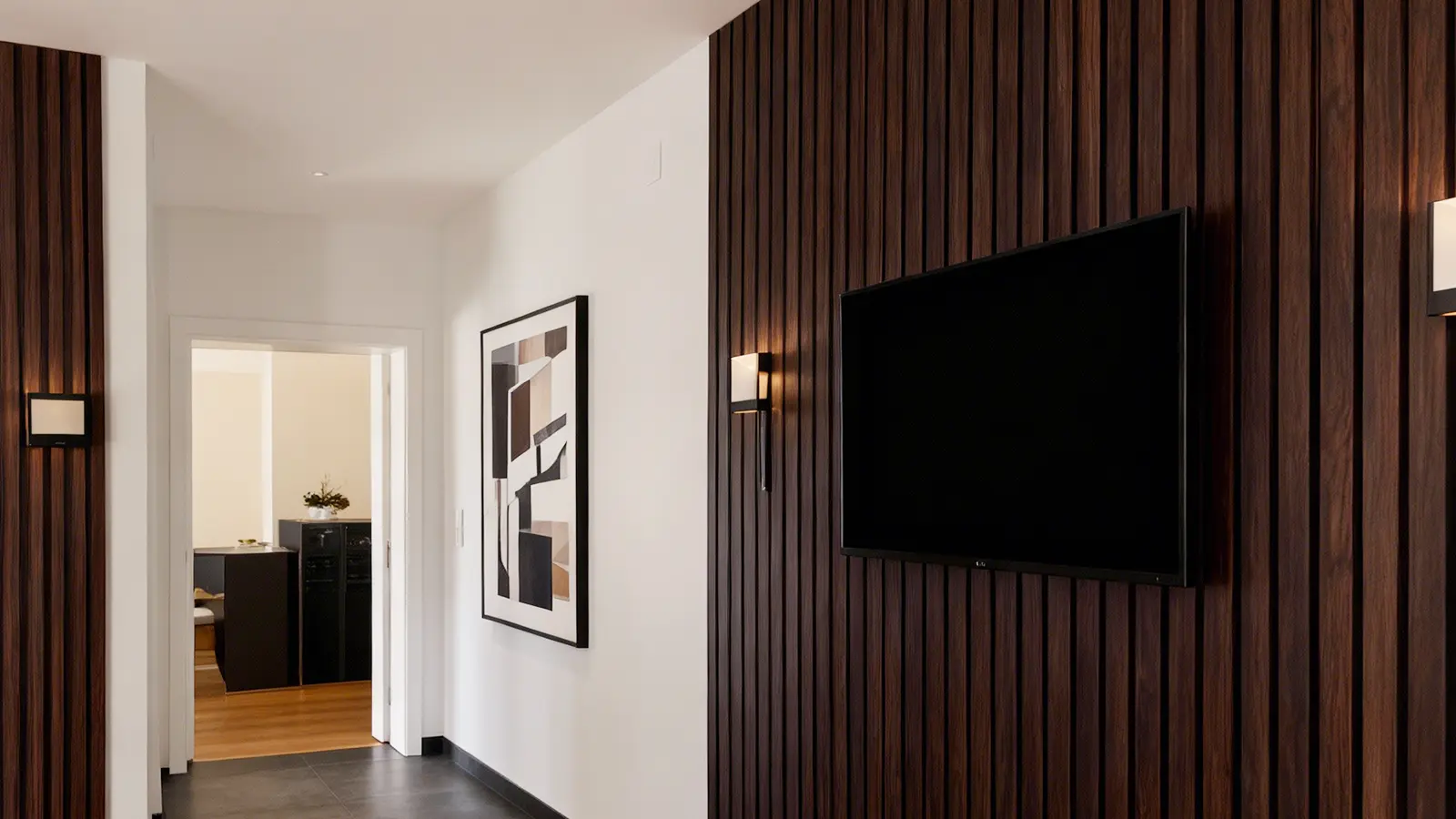
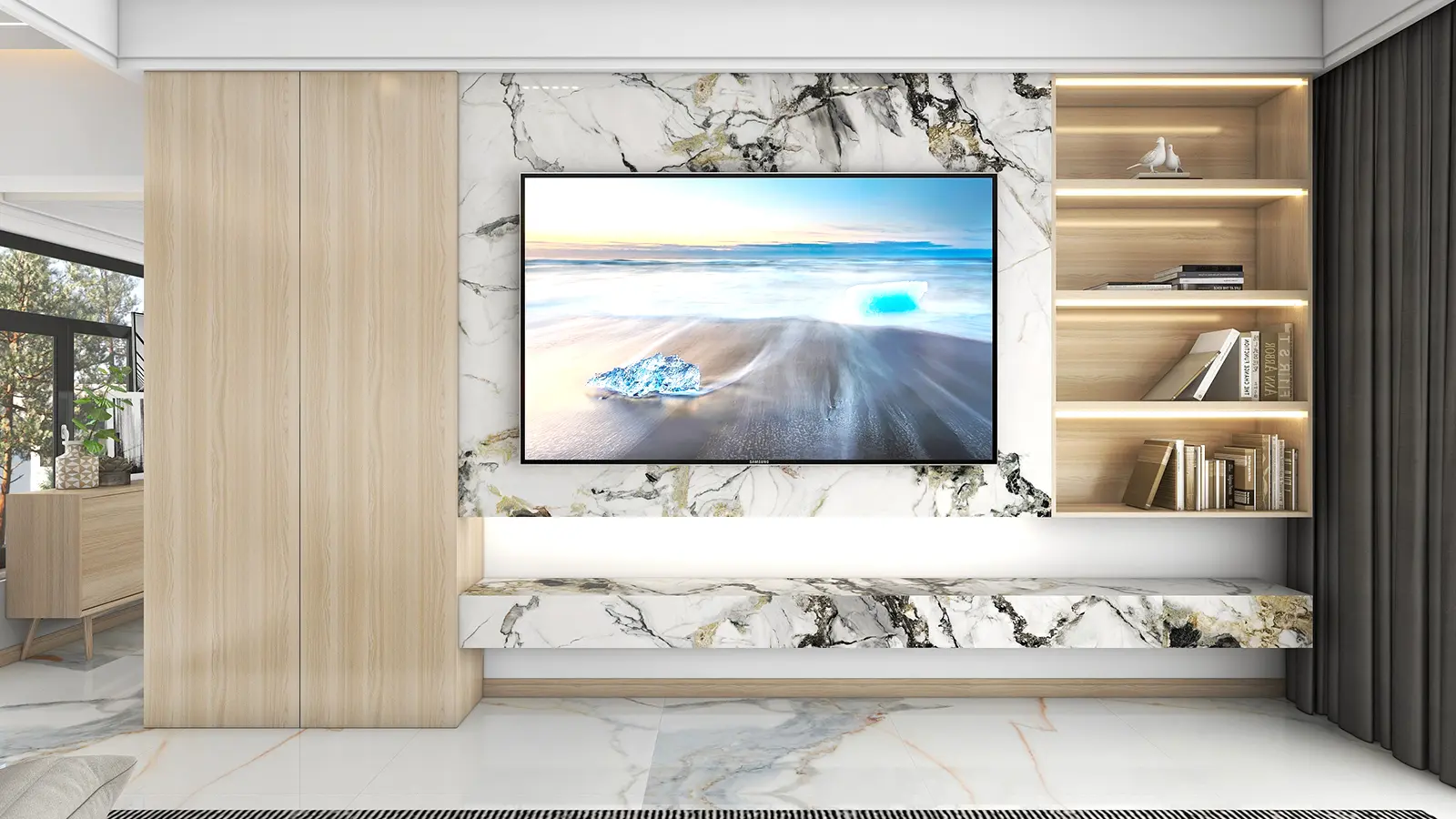
- TV and media walls
- Integrated furniture surfaces
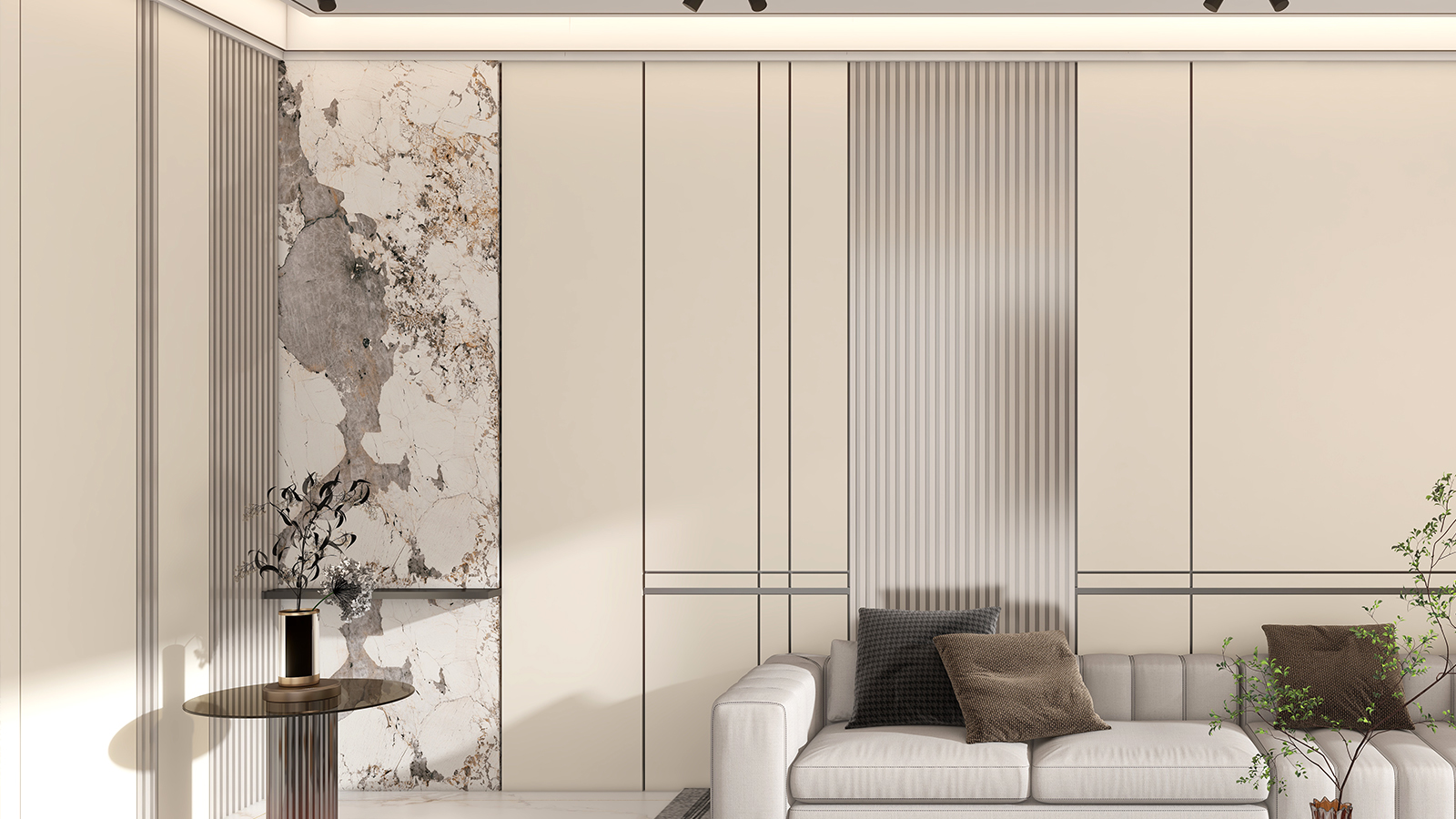
Its compatibility with soft lighting and neutral tones improves overall comfort.
5.3 Corridors and Transitional Spaces
Hotel corridors often lack natural light. Bamboo charcoal wood veneer helps soften these areas through:
- Partial Wall Cladding
- Decorative zoning
- Visual continuity between spaces
The result is a more pleasant guest journey.
5.4 Dining and Social Areas
Restaurants, lounges, and cafés benefit from materials that enhance ambiance without dominating it. Bamboo charcoal wood veneer is ideal for:
- Wall Panel systems
- Bar and seating backdrops
- Semi-open partitions
Its understated texture supports diverse dining concepts.
5.5 Meeting Rooms and Business Zones
In conference facilities, bamboo charcoal wood veneer contributes to a calm and focused atmosphere. It is often combined with acoustic materials to improve sound quality while maintaining a refined appearance.
6. Design Styles That Complement Bamboo Charcoal Wood Veneer
- Contemporary minimalist hotels
- Eco-friendly and wellness-focused resorts
- Urban business hotels
- Boutique and lifestyle hospitality brands
Its adaptability allows designers to customize finishes according to brand identity.
7. Installation and Project Planning Considerations
- Ensure proper wall flatness before installation
- Choose suitable fixing methods based on panel size
- Confirm compliance with fire safety and environmental standards
- Establish a regular but simple cleaning routine
- Increased use in wellness hotel concepts
- Integration with modular wall systems
- Customized surface textures and colors
- Combination with acoustic and smart interior solutions
9. Why Bamboo Charcoal Wood Veneer Is Commonly Sourced from China
China’s bamboo charcoal panel industry offers:
- Mature manufacturing processes
- Large-scale project support
- Competitive pricing
- Customization for international hotel standards
This makes Chinese suppliers a reliable choice for global hospitality developments.
Bamboo charcoal wood veneer represents a shift toward more thoughtful hotel interior design—where aesthetics, comfort, and sustainability coexist. Its versatility across different hotel spaces, combined with functional environmental benefits, positions it as a valuable material for modern hospitality projects.
As guest expectations continue to rise, bamboo charcoal wood veneer provides hotel developers and designers with a future-ready solution that enhances both design quality and operational efficiency.