
Fusion of Beauty & Function: Exploring Bamboo Charcoal Wood Veneer for Modern Interiors
Fusion of Beauty & Function: Exploring Bamboo Charcoal Wood Veneer for Modern Interiors
Table of Contents
Inside the Material: What Is Bamboo Charcoal Wood Veneer?
Environmental & Material Foundations
Health & Comfort: Built-In Benefits
Aesthetic & Design Flexibility
Installation & Maintenance Guidelines
Introduction
As the world pivots toward sustainable design, the pressure is on for materials that do more than look good — they must perform. Enter bamboo charcoal wood veneer, a hybrid surface solution that brings natural warmth, durability, and health-enhancing features to interior design. In this piece, we’ll journey through its composition, advantages, design uses, and things to watch out for.
Inside the Material: What Is Bamboo Charcoal Wood Veneer?
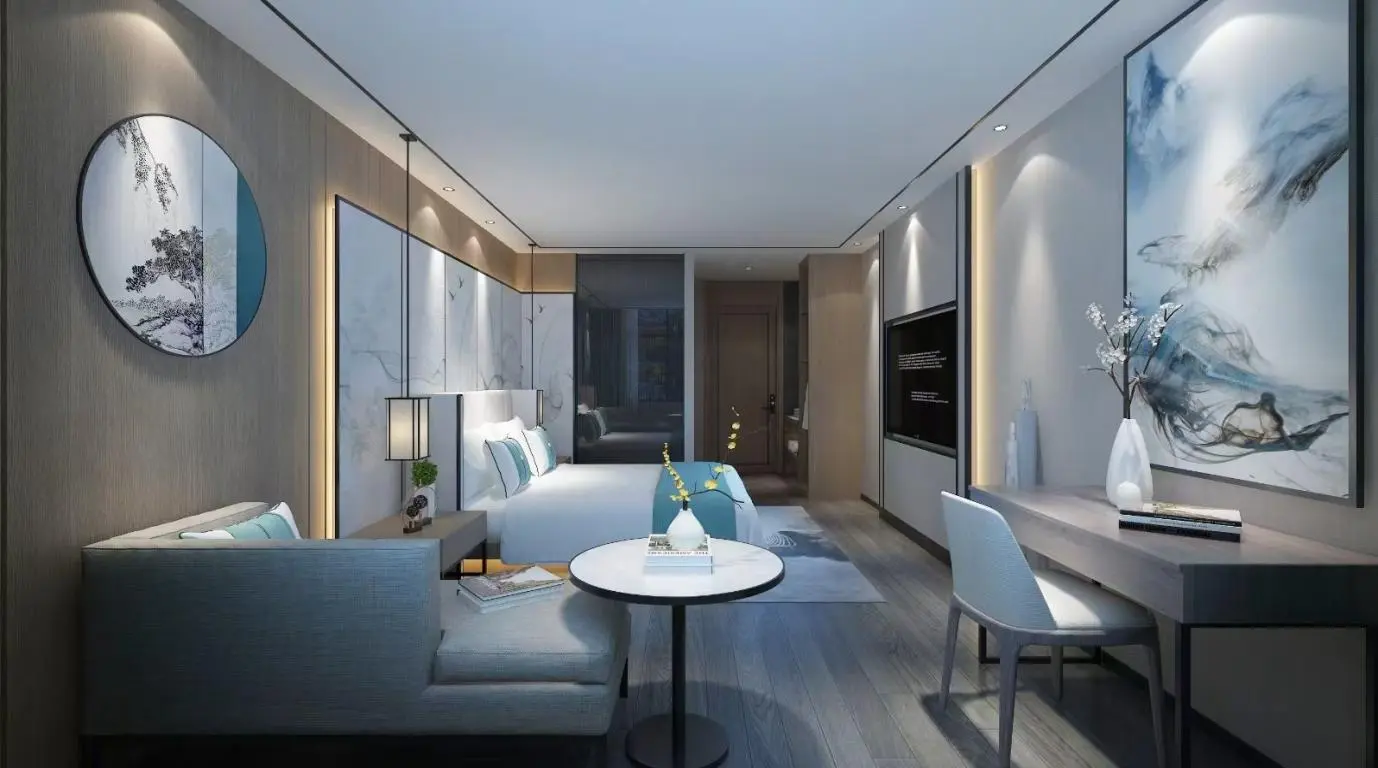
Bamboo charcoal wood veneer is engineered by carbonizing bamboo (creating charcoal) and combining it with wood fibers or panels. The visible face is often coated with decorative films or finishes that echo natural wood grain, stone, or patterns. Underneath, the charcoal layer provides porosity and functional benefits seldom found in typical veneer products.
Environmental & Material Foundations
- Fast Renewability: Bamboo’s short harvest cycle (3–5 years) makes it a renewable alternative to trees that take decades.
- Waste-to-Resource: The manufacturing process often uses residual bamboo parts and sawmill by-products, turning potential waste into value.
- Carbon Sequestration Benefits: Carbonization stores fixed carbon, and some studies show total carbon footprint reductions compared to conventional veneer products.
- Minimized Chemical Footprint: Many versions are manufactured with low-VOC adhesives and milder treatment processes relative to high-pressure laminates.
Performance Highlights
- Moisture & Warping Resistance: With integrated charcoal, the veneer demonstrates strong resistance to water intrusion and dimensional changes in humid conditions.
- Improved Surface Durability: Thanks to added hardness from charcoal, scratches and wear are less likely in daily use.
- Biological Resistance: The charcoal embedded core deters mold, mildew, and insect damage, reducing chemical interventions.
- Color & Thermal Stability: Treated boards tend to hold color well and withstand moderate temperature fluctuations over time.
Health & Comfort: Built-In Benefits
- Absorption of Indoor Pollutants: The microstructure captures harmful compounds, VOCs, odors, and formaldehyde from paints or adhesives.
- Humidity Modulation: Acting like a passive humidity buffer, it helps maintain more stable indoor moisture levels.
- Acoustic Enhancement: Porous materials are known to reduce echoes and noise — a useful trait in larger or open areas.
Aesthetic & Design Flexibility
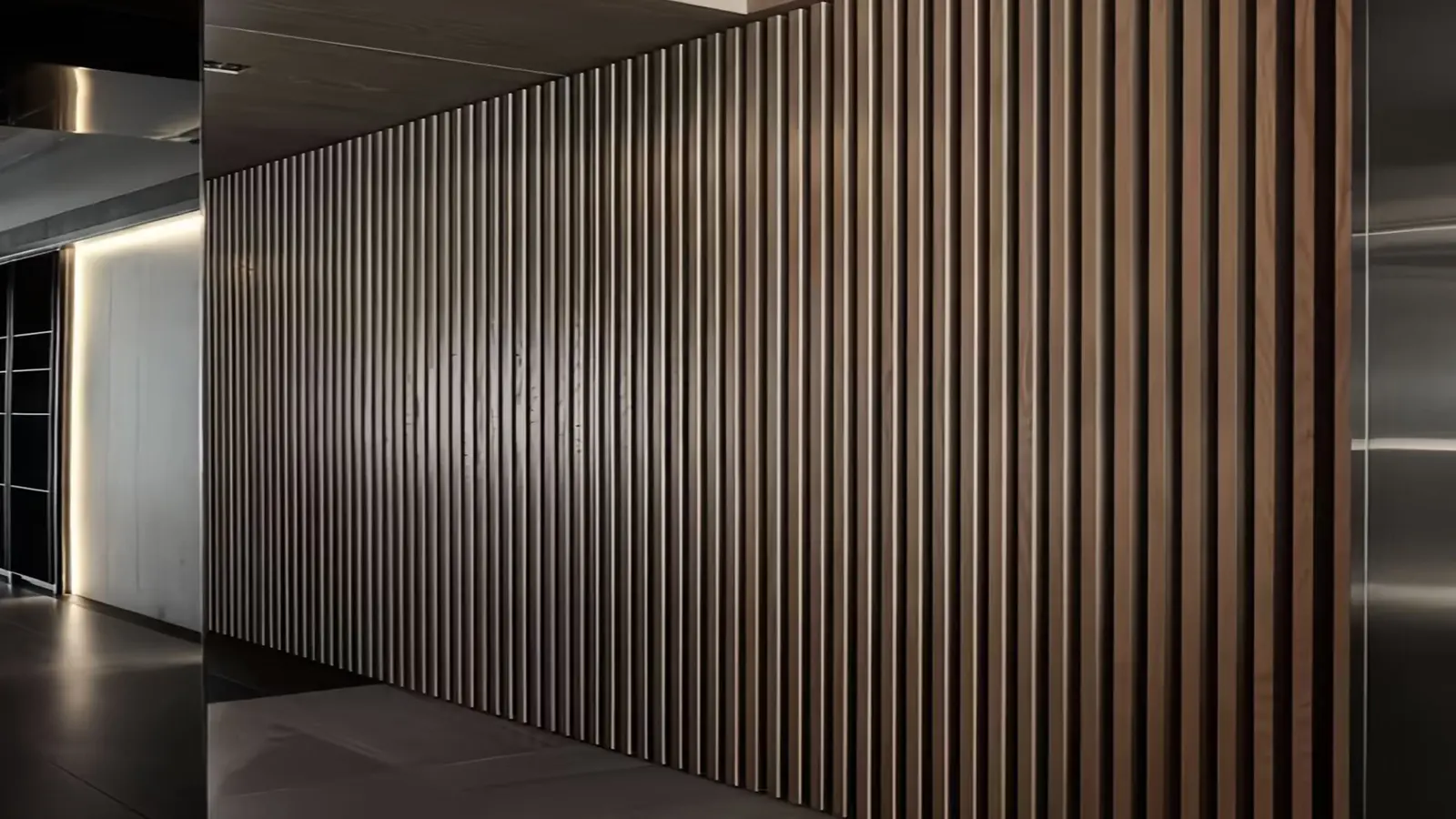
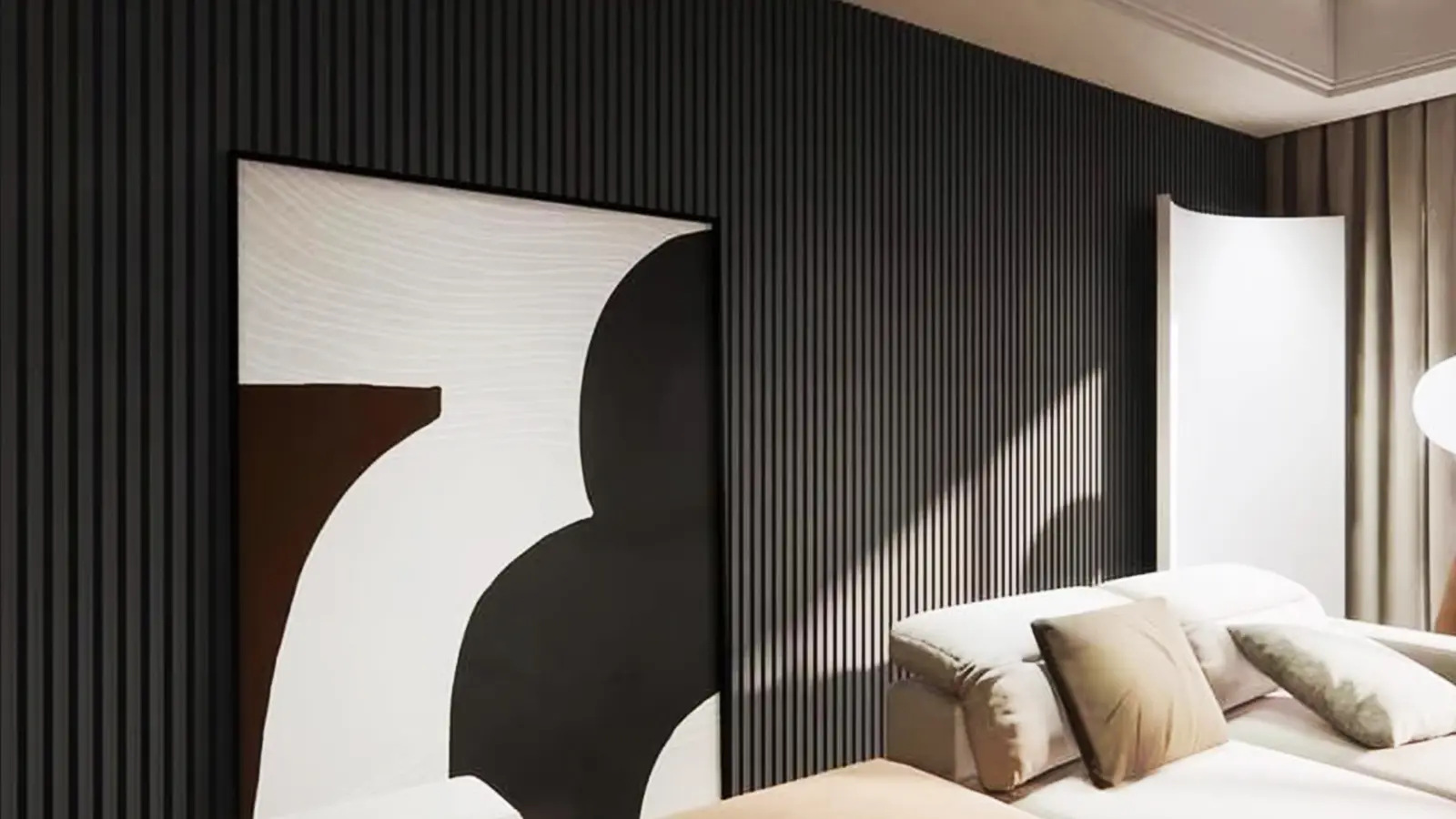
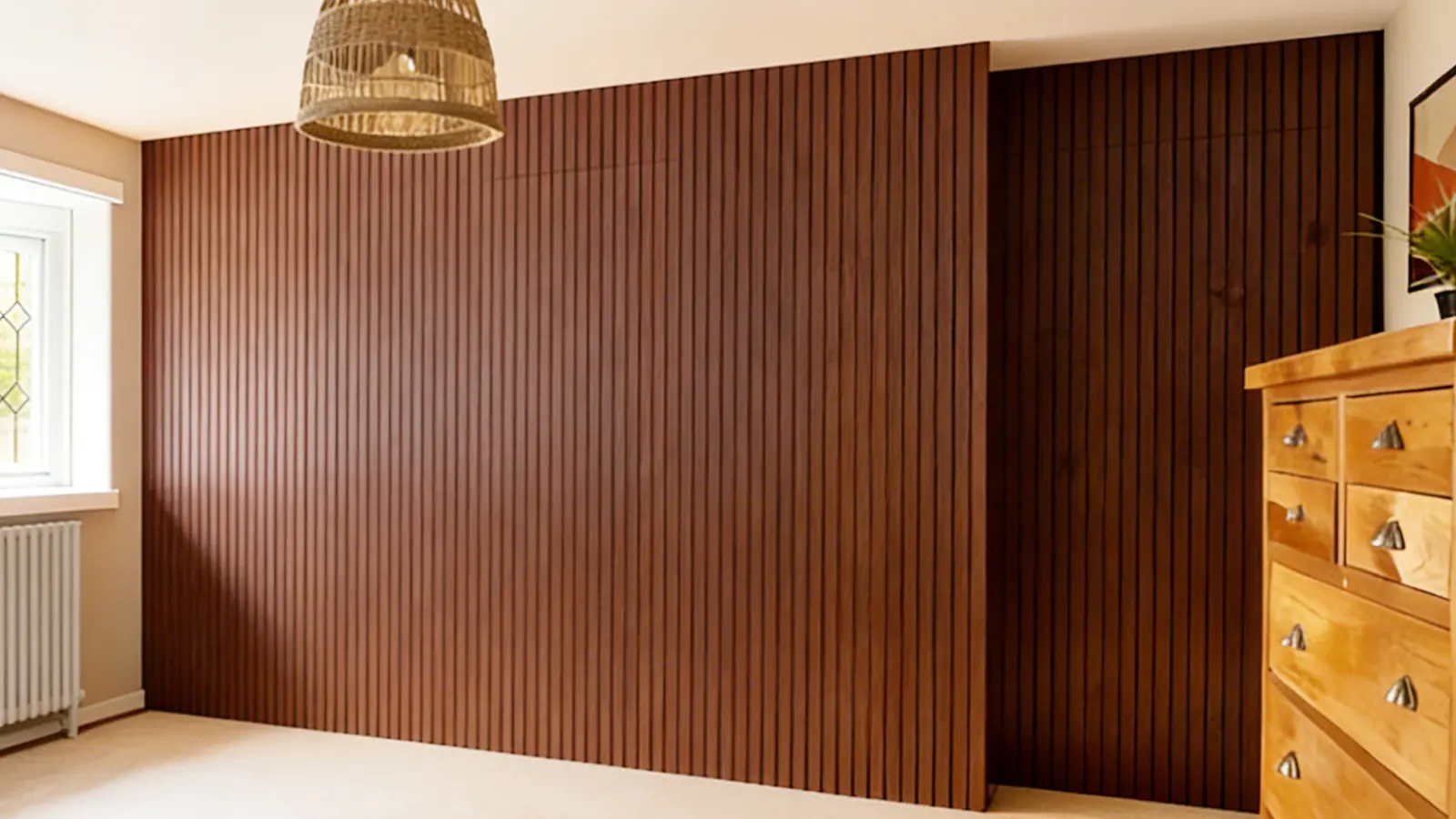
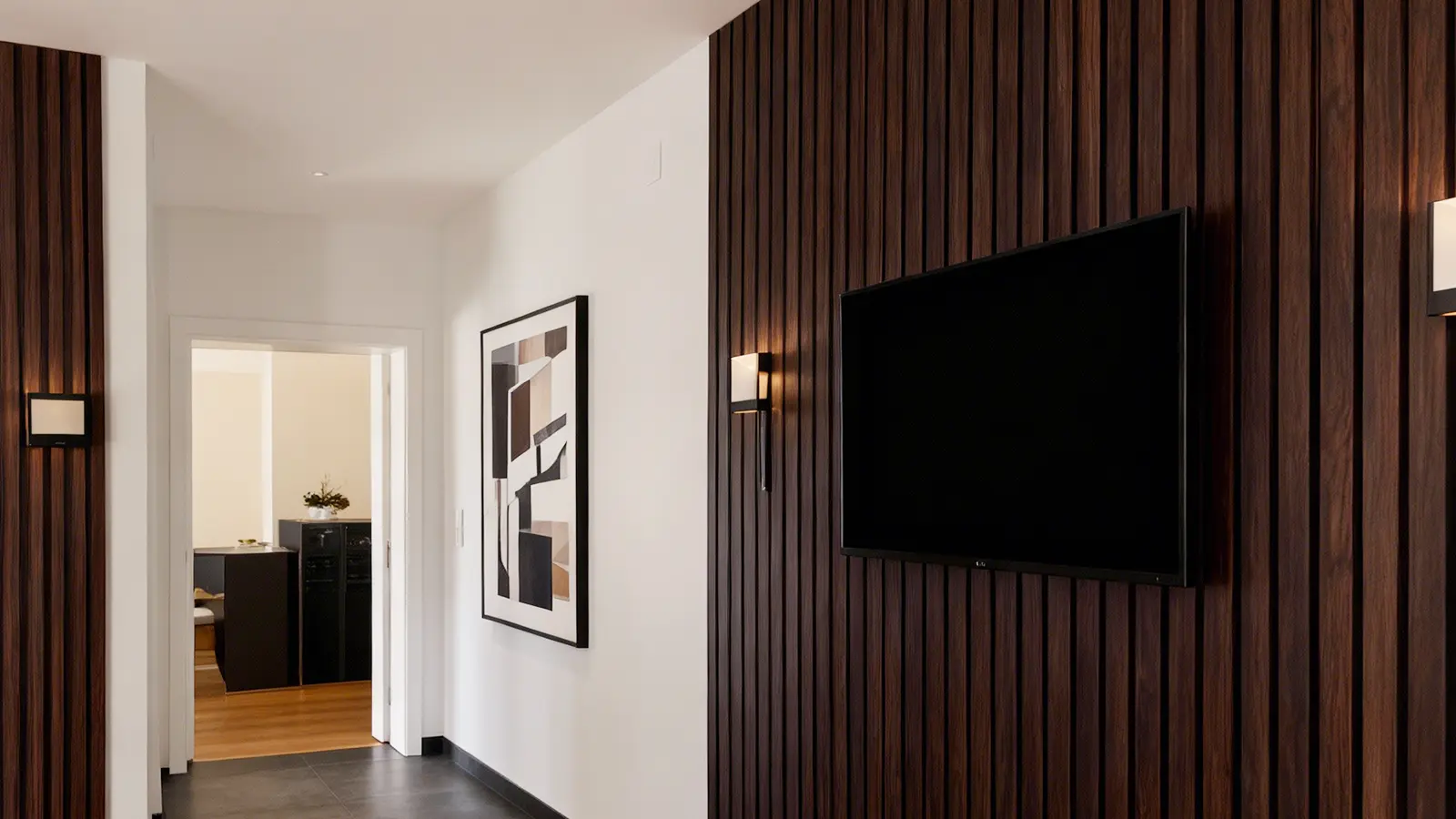
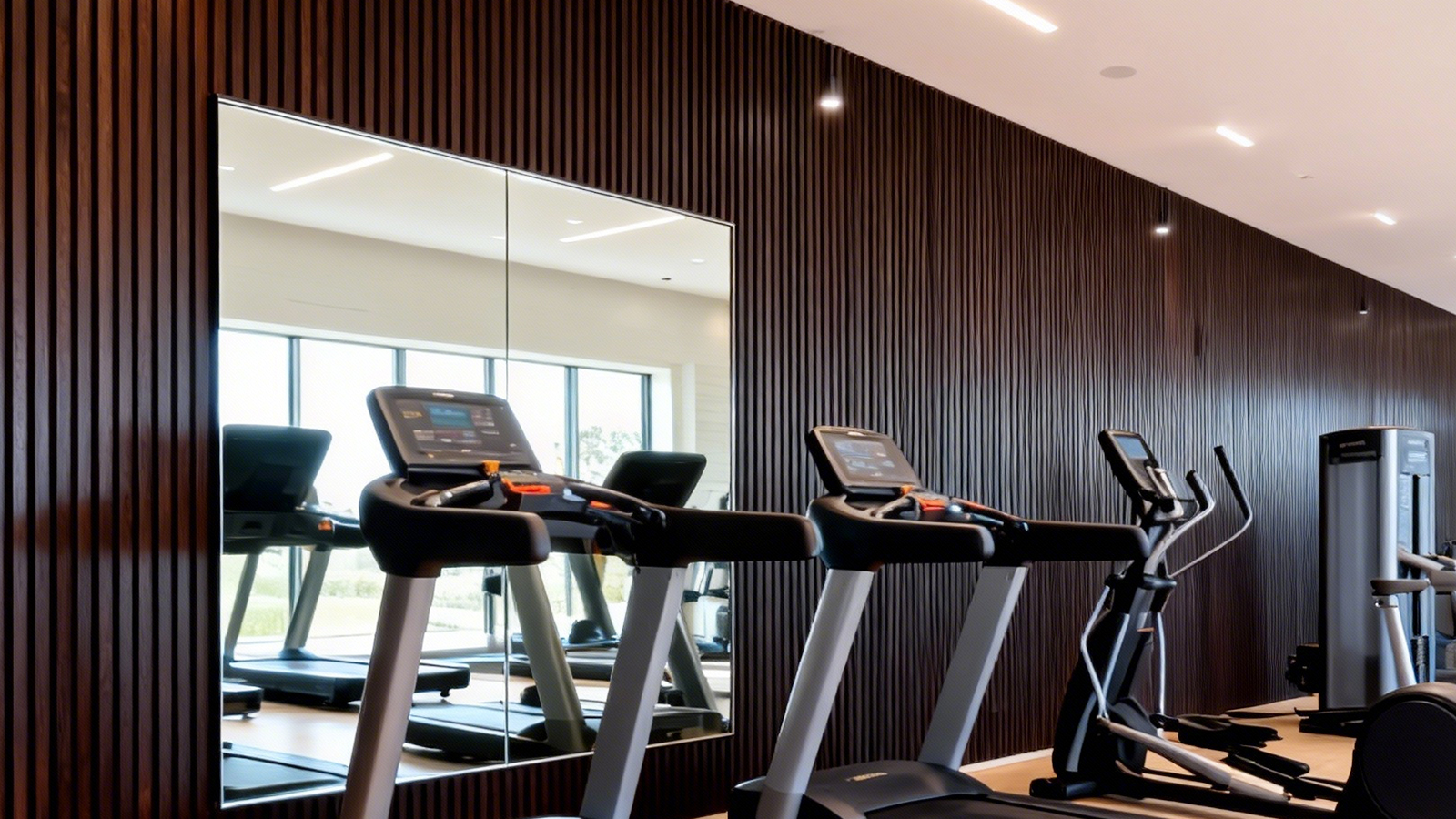
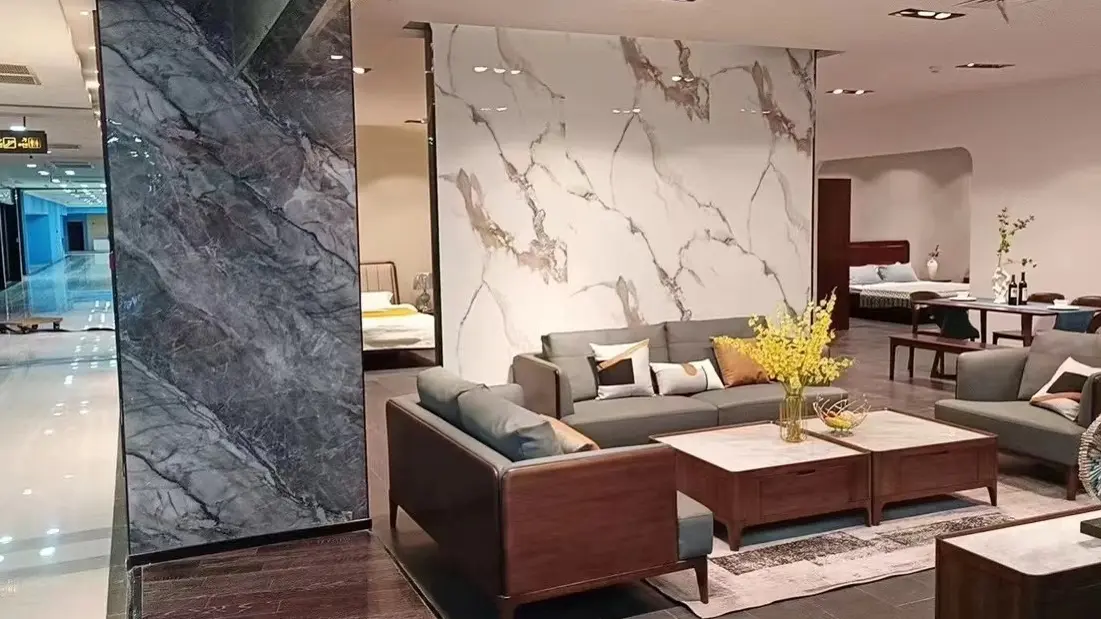
- Tonal Elegance: Shades ranging from charcoal gray to deep ebony, often overlaying visible wood grain — this dual-tone effect adds sophistication.
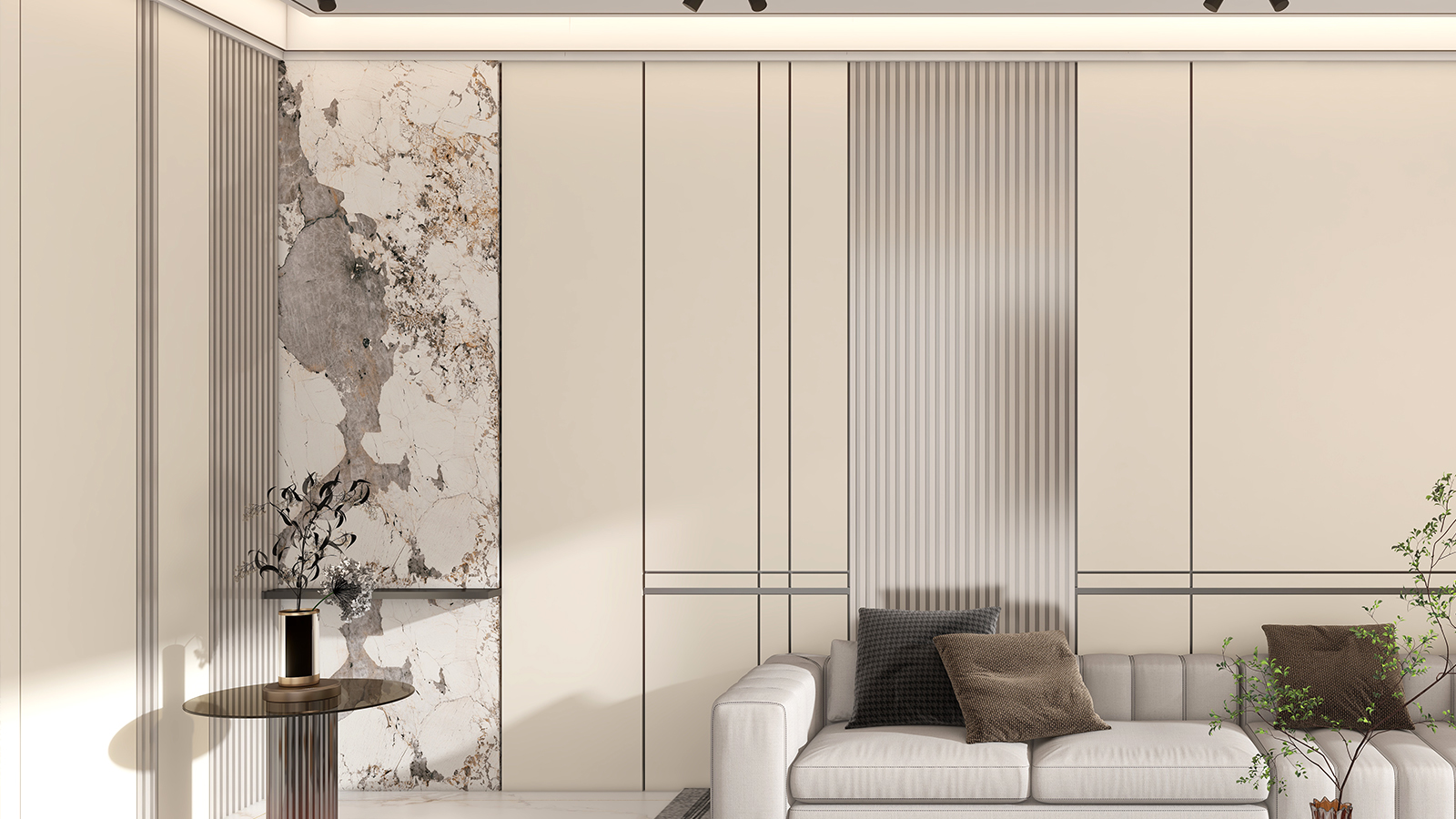
- Finish Options: Available in matte, textured, embossed, mirror-sheen, and customized patterns to suit diverse styles.
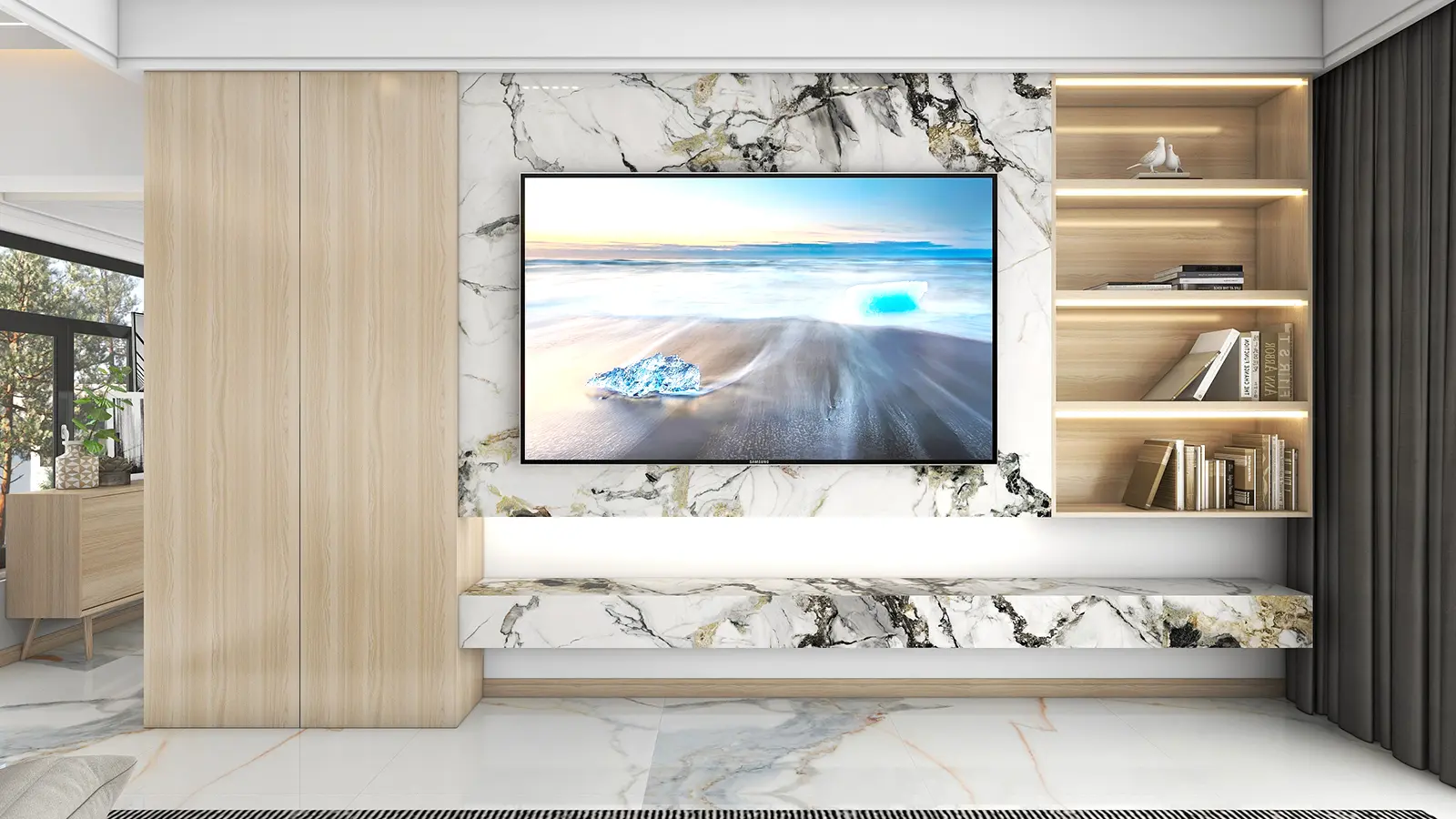
- Large Format Possibilities: Oversized panels minimize visible seams for a sleek, continuous appearance.
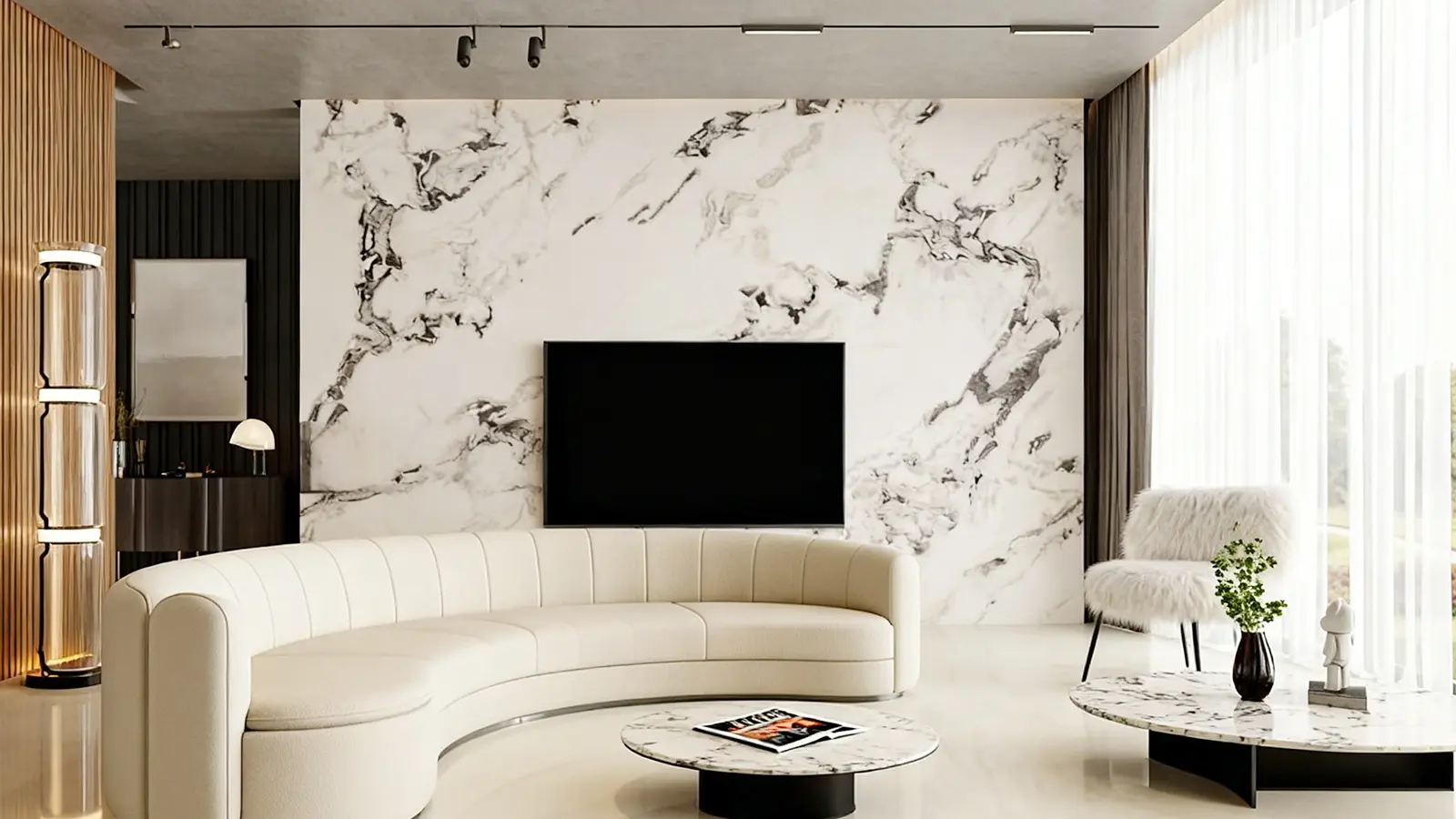
- Complementary to Many Styles: Whether layering against concrete, glass, metal, or soft fabrics, it fits contexts from minimalism to luxury.
Ideal Applications
- Cabinet & Millwork: In kitchens or bars, use it for cabinet doors, shelf cladding, or accent panels — its moisture resistance is a major plus.
- Bath & Spa Elements: As long as protective sealing is applied, it can be used in vanities, Wall Panels, and feature areas.
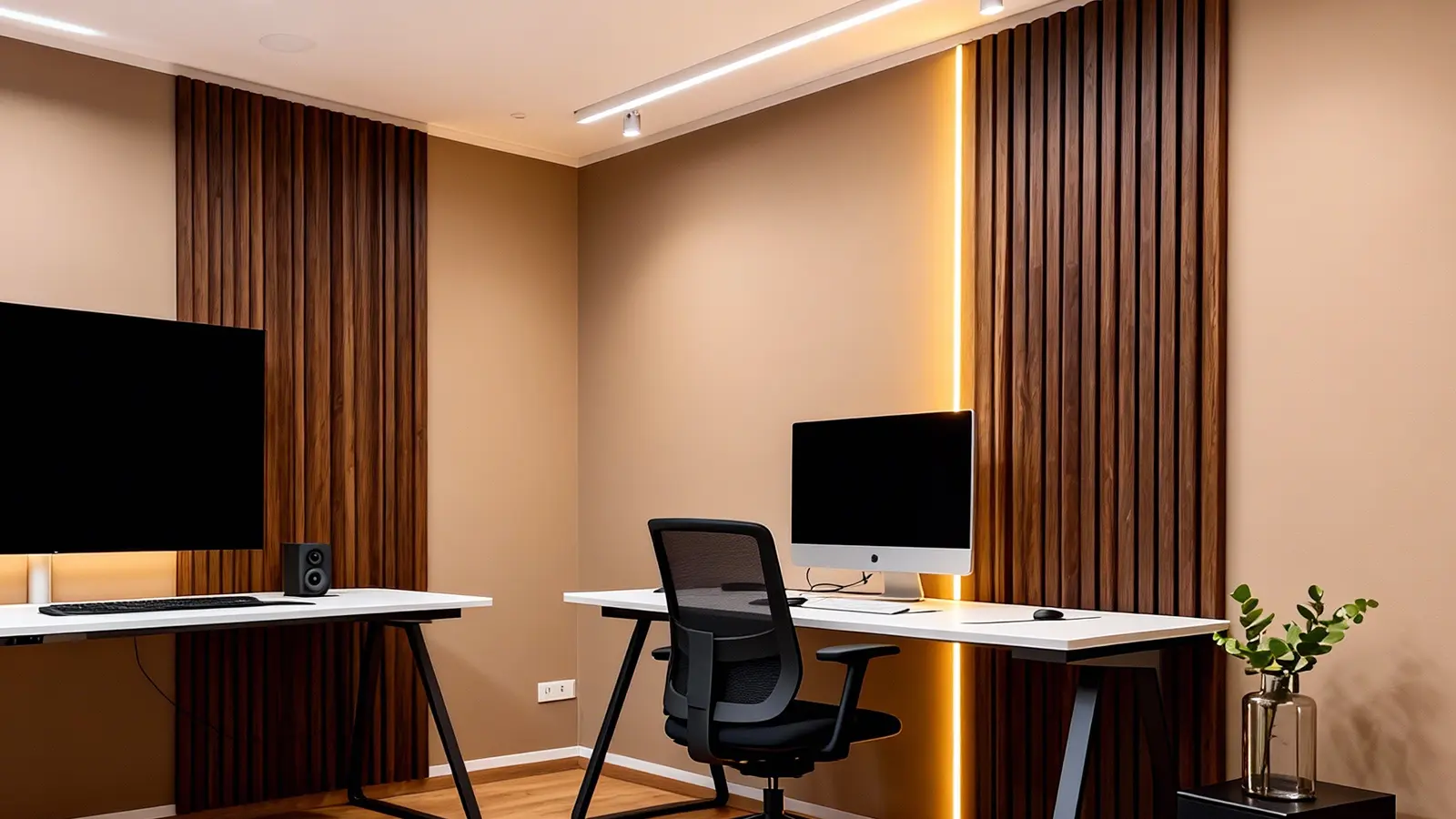
- Custom Furniture Surfaces: For tabletops, headboards, divider panels — wherever a durable, warm surface is desired.
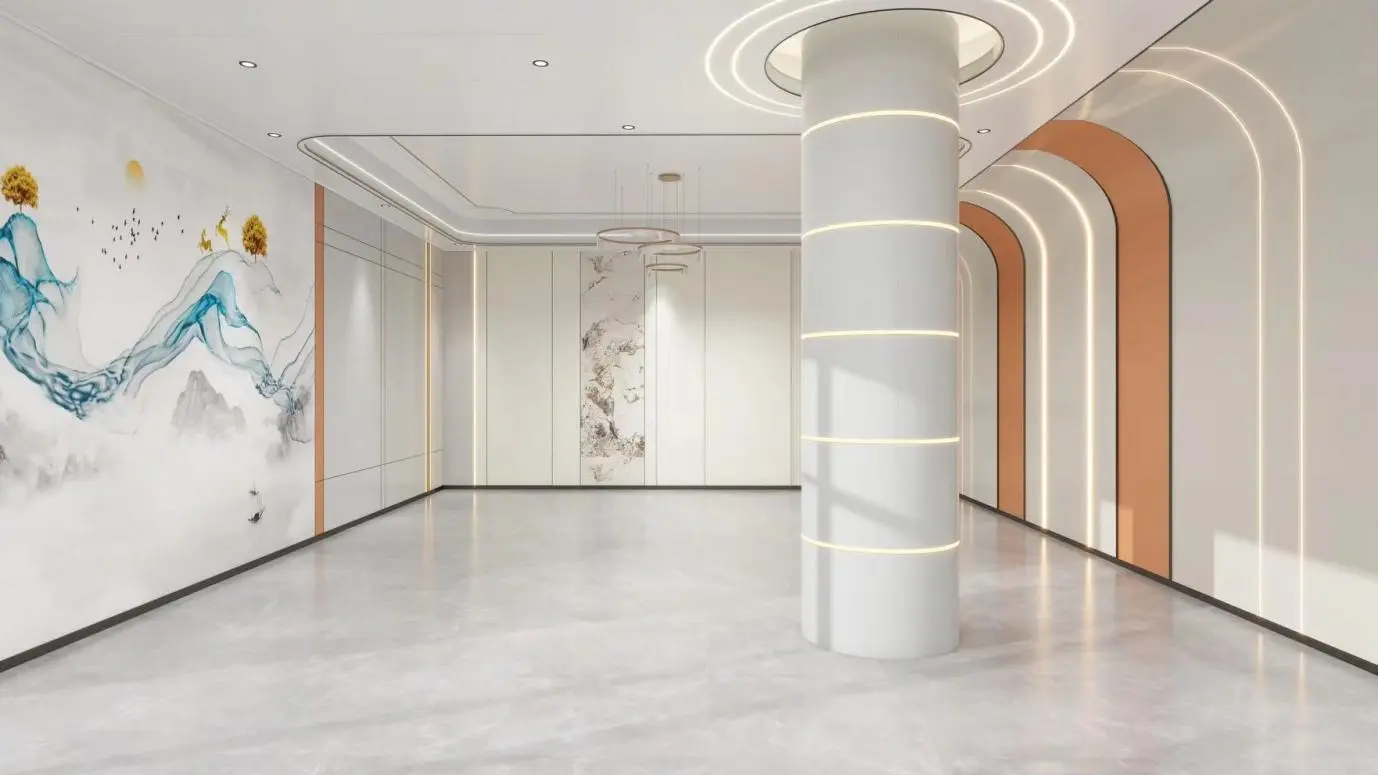
- Commercial Interiors: In hotels, showrooms, lounges, or boutique retail, it offers both aesthetic richness and functional toughness.
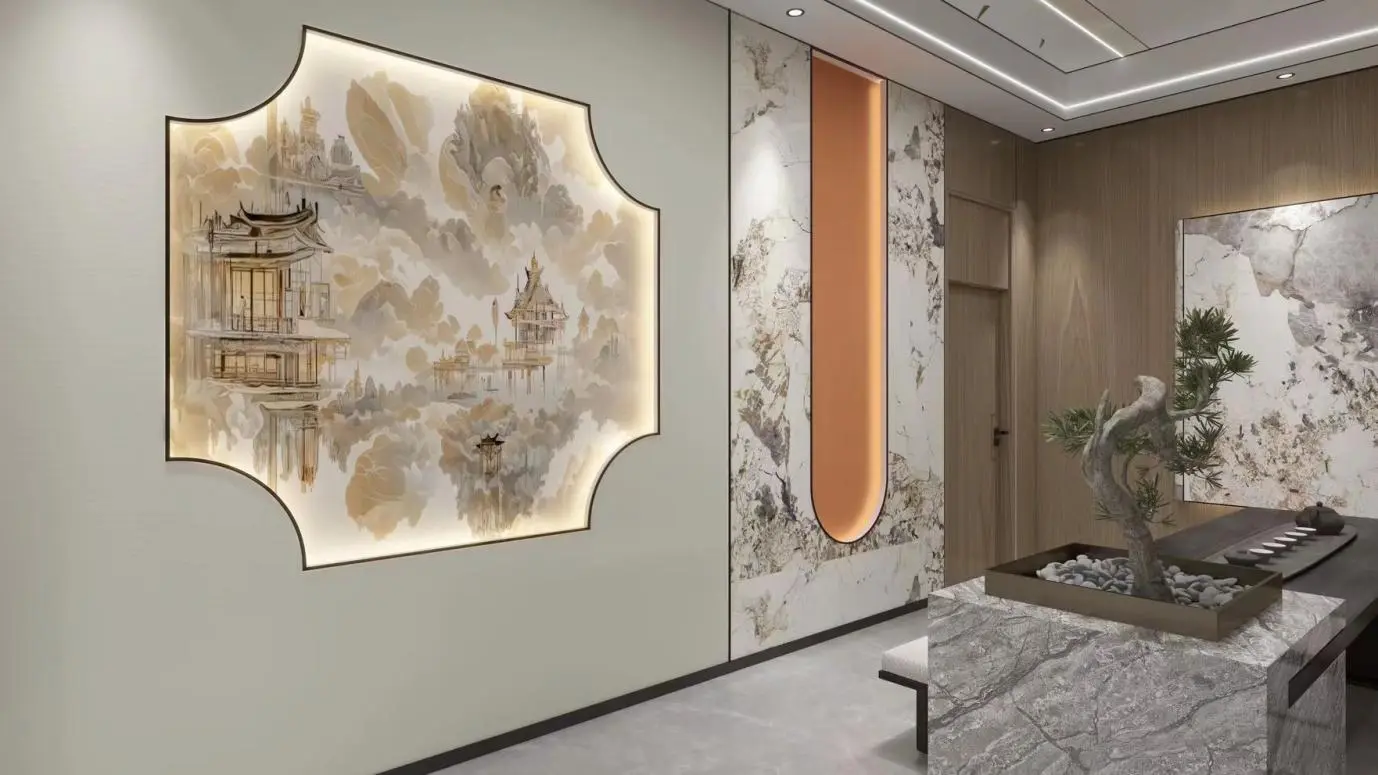
- Statement Walls & Accents: Use it on focal walls behind media units or in lobbies to introduce texture and depth.
Installation & Maintenance Guidelines
Pro Tips for Installation
- Ensure the substrate is clean, level, and dry.
- Use precise, smooth cutting tools to prevent chipping.
- Apply compatible adhesives evenly across surfaces.
- Treat edges and joints with finishing strips or profiles.
- Consider slight expansion gaps to accommodate dimensional shifts.
Caring for the Surface
- Clean with soft cloths and gentle solutions.
- Avoid harsh abrasives or solvents that can damage charcoal layers.
- Occasionally air-dry or expose in mild sunlight to revive adsorption.
- Repair scratches by light sanding + recoating as necessary.
- Use UV filters or coatings to mitigate sun-induced changes.
Watch-Outs & Smart Strategies
- Upfront Investment: Though costlier initially, your lifecycle return (durability, health, aesthetics) often justifies it.
- Shade Variance: Slight differences between production batches can occur — order slightly extra to cover the full project.
- Handling Sensitivity: Be cautious in bending or trimming — extreme bending may cause microcracks.
- Sun Exposure Effects: Without shielded placement or treatment, dark veneers may lighten with prolonged sun exposure.
- Sourcing & Lead Times: In some regions, availability may be limited — plan orders ahead of schedule.
In Summary
Bamboo charcoal wood veneer epitomizes a material that isn’t just about looks — it’s about wellness, performance, and future-forward thinking. For designers, developers, and homeowners striving to deliver elegant interiors with substance, this veneer offers a powerful tool.
If you'd like help selecting color swatches, matching panels, or integrating into your upcoming project, I'm here to support you.
