
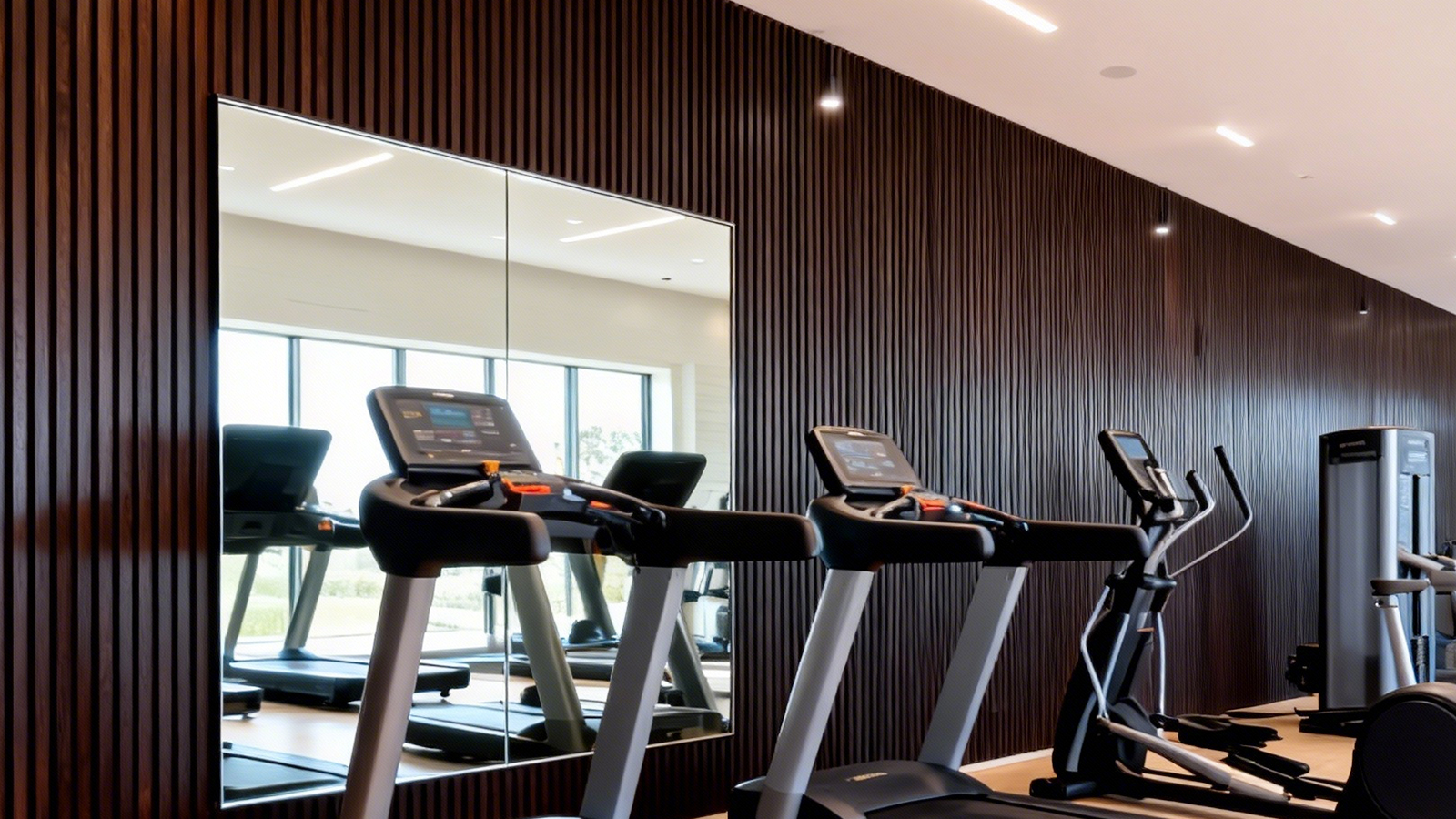
Enhancing Sound & Style: The Most Impactful Uses of Acoustic Slat Wall Panels in Homes & Businesses
Table of Contents
- Introduction
- What Are Acoustic Slat Wall Panels?
- Key Benefits
- Applications in Residential Spaces
- Applications in Commercial Environments
- Design Flexibility & Creative Options
- Installation & Practical Considerations
- Current Market Trends & Demand
- Why Choose a Specialist Supplier
- Conclusion
Introduction
As modern spaces continue to blur the lines between form and function, the demand for interiors that look great and feel comfortable has never been higher. One area seeing particularly strong growth is acoustic design. Among the innovations, acoustic slat wall panels are proving to be a favorite: they dress up walls with a refined finish and help control noise, echoes, and sound leakage. Whether you're building a boutique café, outfitting a home media room, or designing a soothing spa, the right acoustic slat panel solution can transform an environment.
What Are Acoustic Slat Wall Panels?
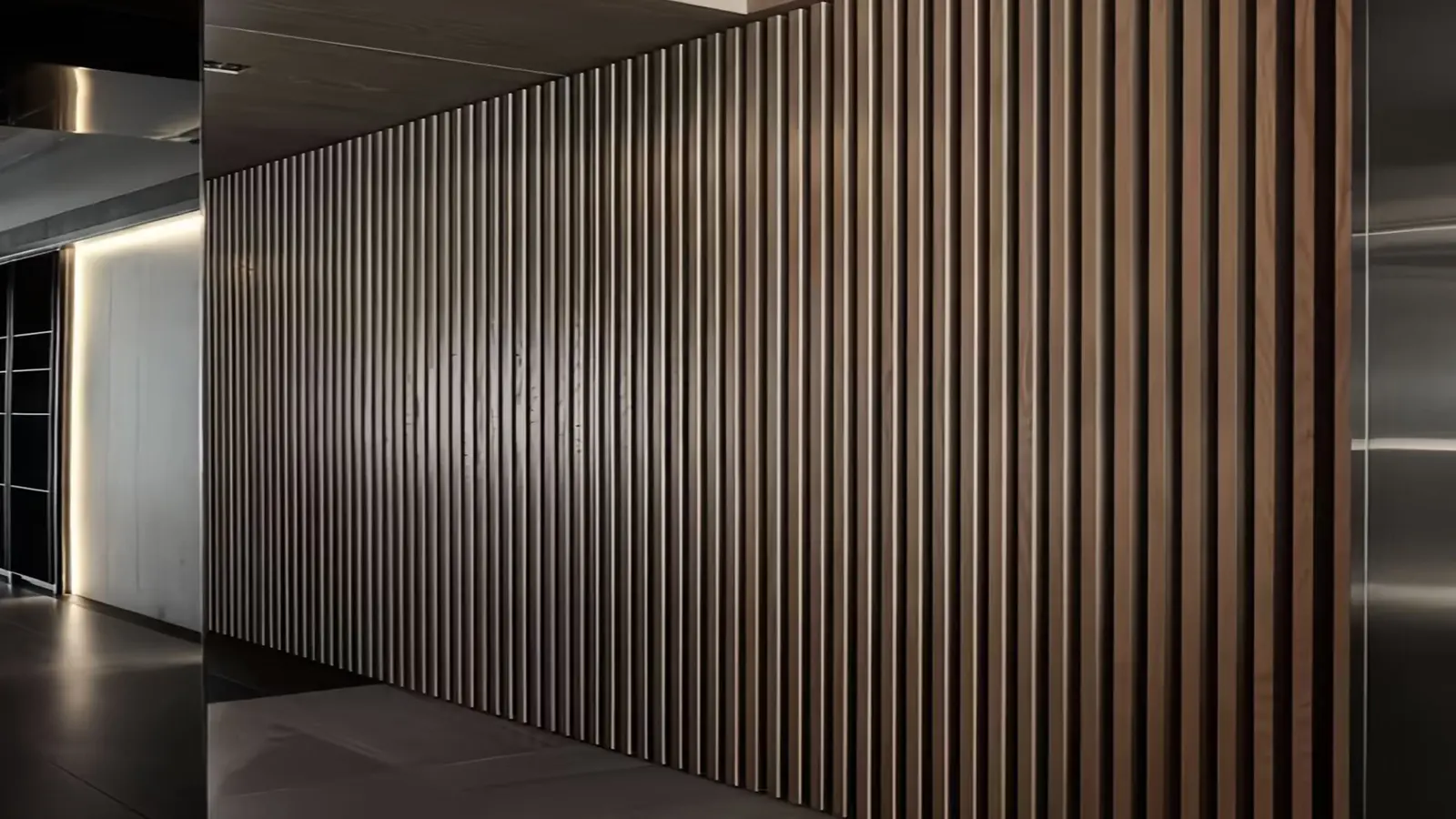
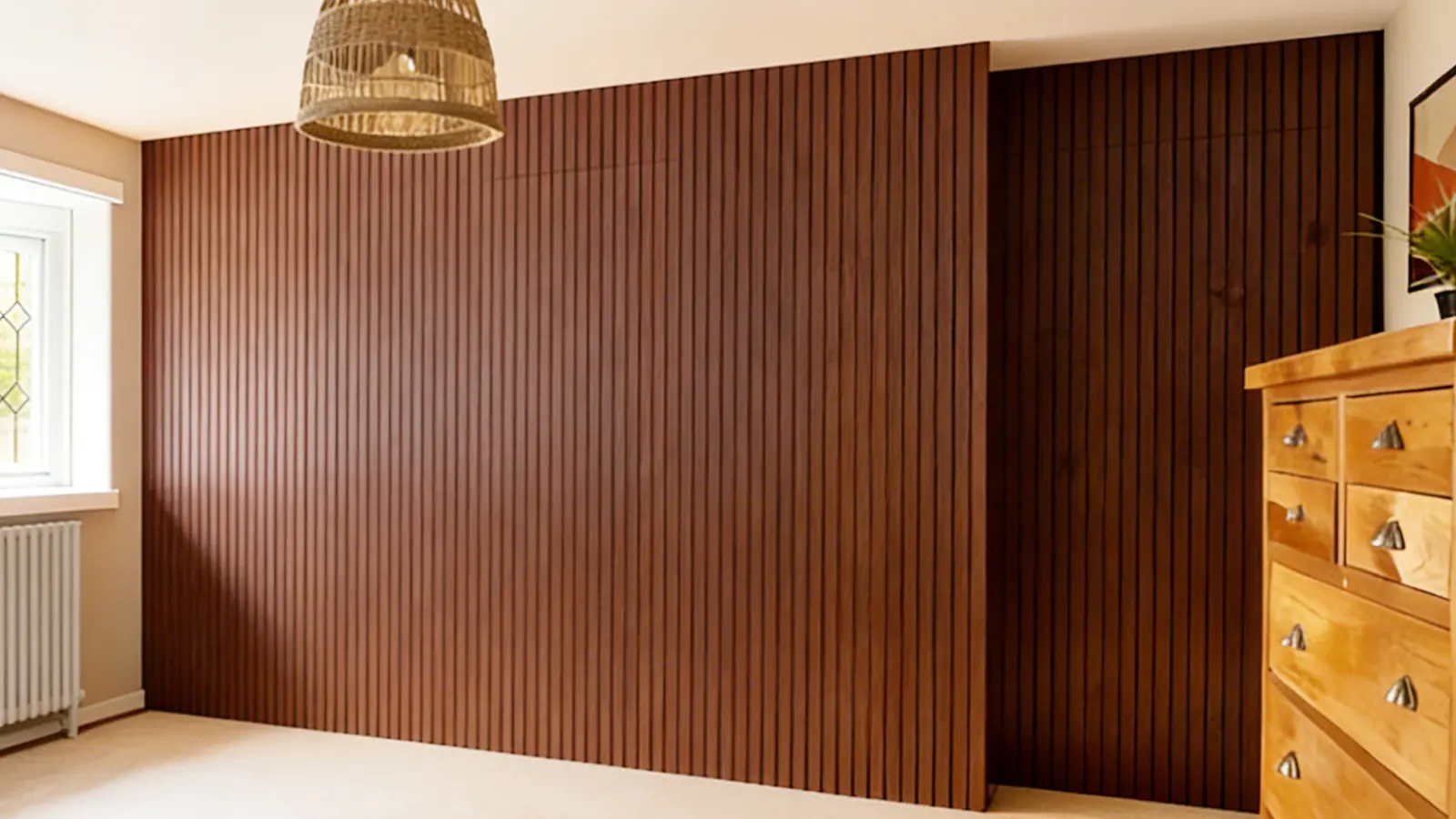
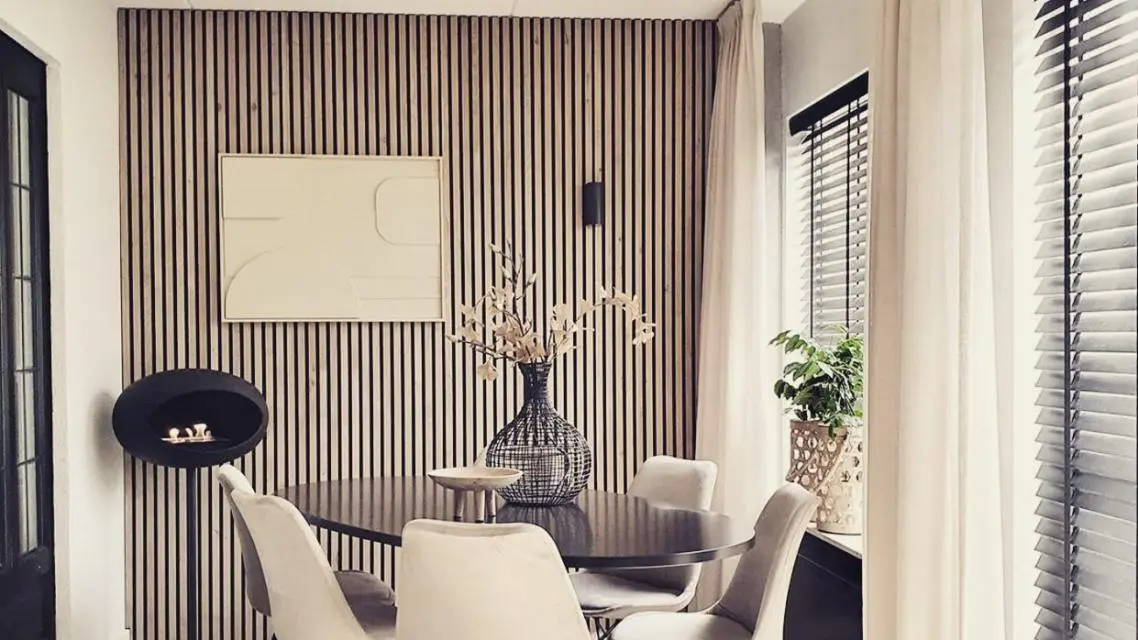
Acoustic slat panels are wall or ceiling coverings composed of narrow strips or "slats" (often wood, veneer, or composite), paired with a sound-absorbing substrate (such as felt, recycled polyester, or mineral wool). The slats afford decorative texture and directionality, while the backing captures sound to reduce echo and reverberation. Proper installation also accounts for fire safety, moisture resistance, and durability in high‐use settings.
Key Benefits
- Noise & Reverberation Control: These panels help reduce mid- to high-frequency reflections, making voices clearer and ambient noise more pleasant.
- Visual Texture & Warmth: Slatted patterns add depth, rhythm, and a refined natural material feel. They pair well with minimalist, Scandinavian, mid-century, or modern industrial styles.
- Sustainability Options: Many newer panels use recycled PET, FSC-certified wood, low VOC adhesives, or natural fibers.
- Adaptable & Customizable: From the spacing between slats to the finish (natural wood, painted, veneer, stained), the design possibilities are extensive.
- Health & Comfort: Better acoustics helps reduce stress, improves speech intelligibility (important in offices, classrooms), and enhances rest (in homes, hotels).

Applications in Residential Spaces
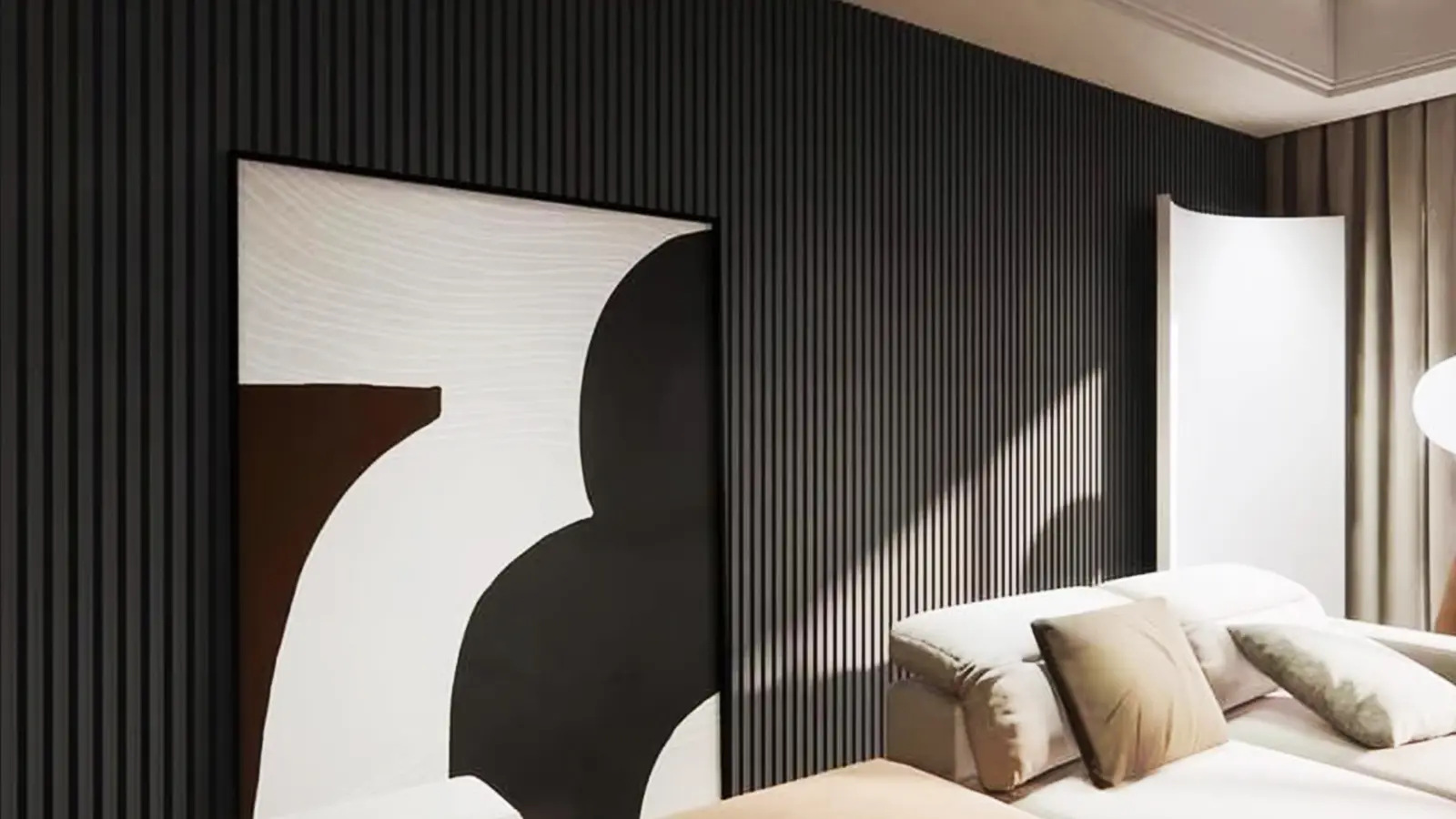
- Home Theaters & Listening Rooms
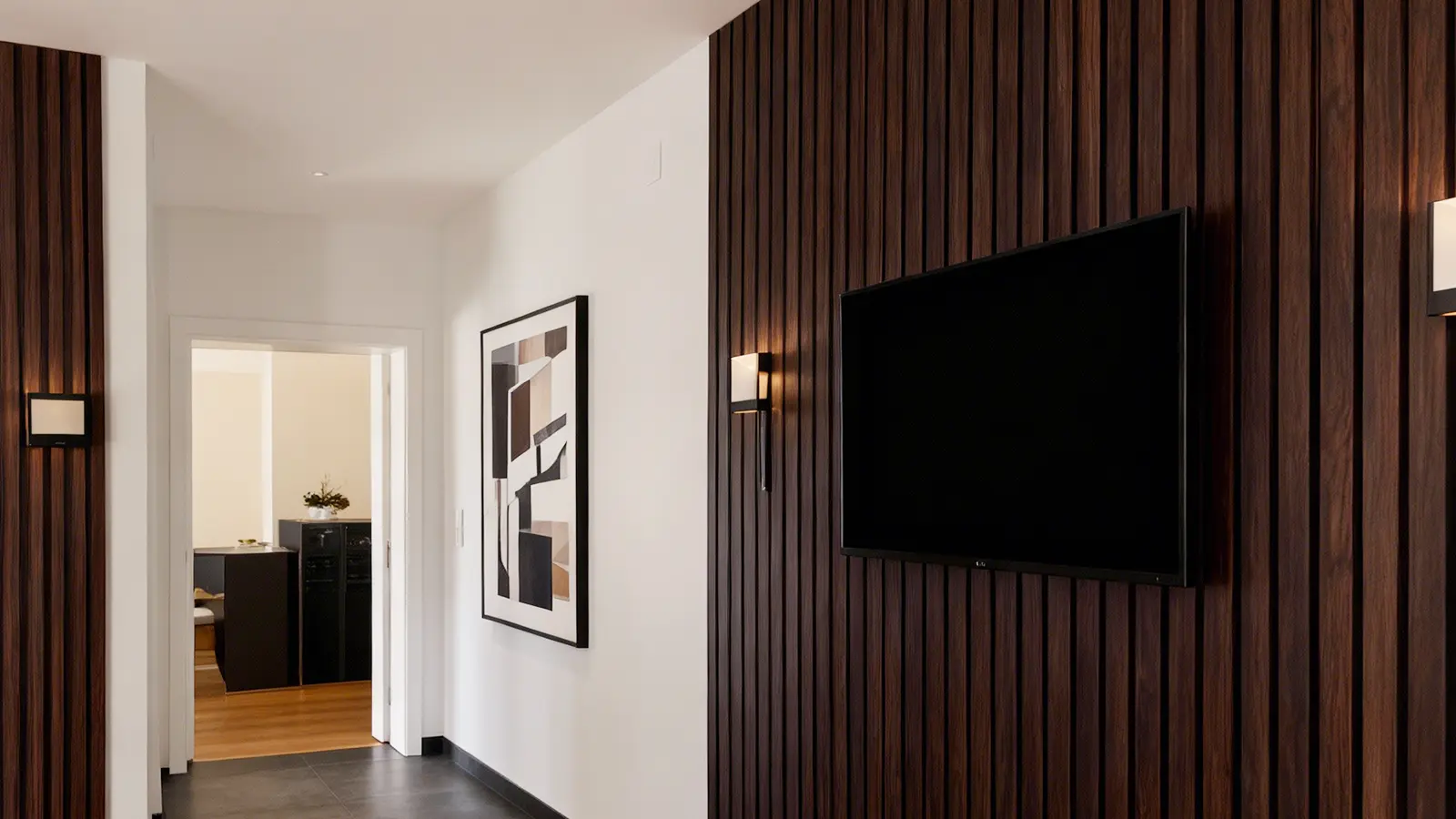
To enjoy movies, music, or gaming with clarity, controlling sound reflections is crucial. Slat Wall Panels behind speakers or around side walls help prevent flutter echoes and improve immersion.
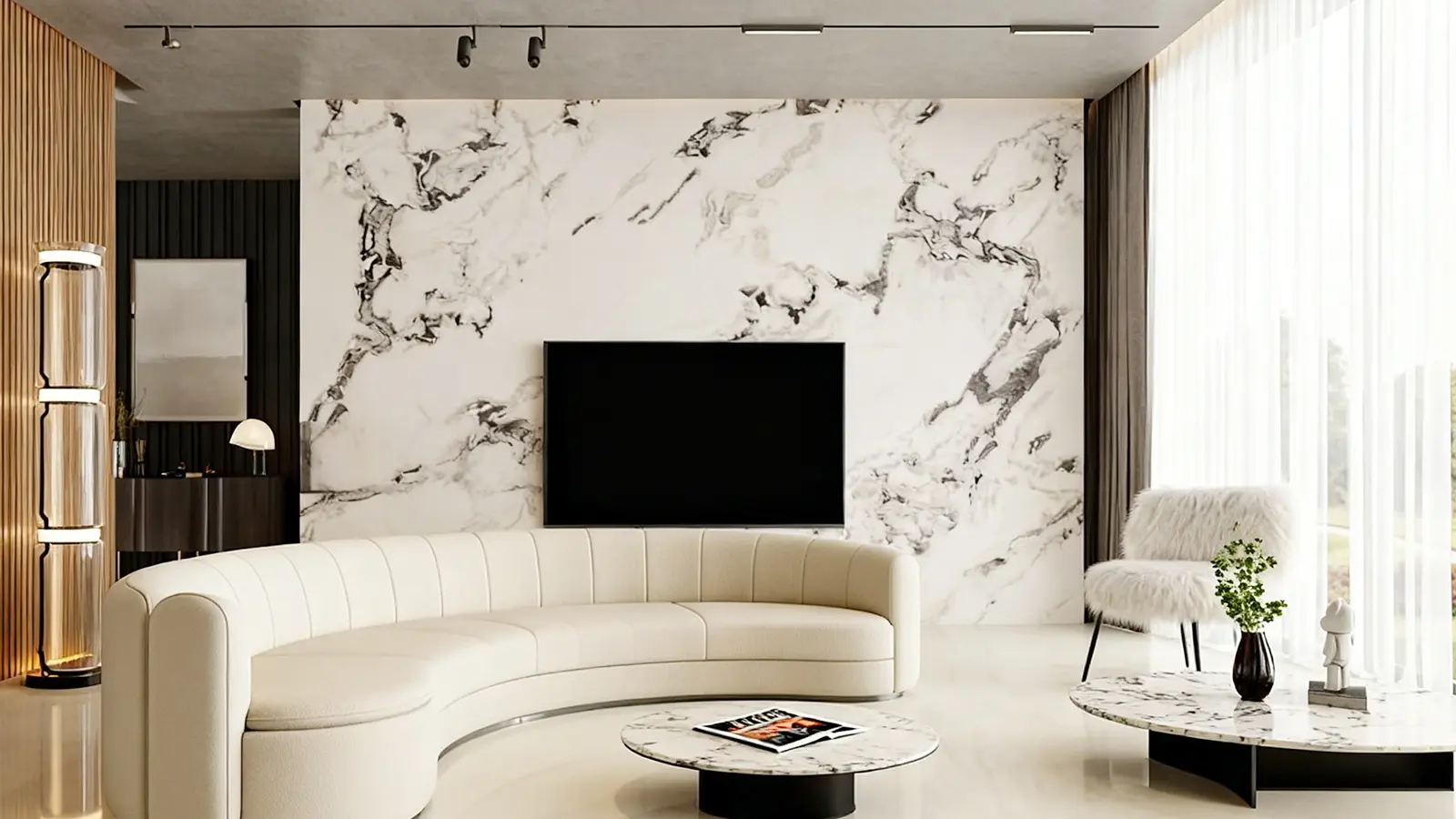
- Open Living & Dining Areas
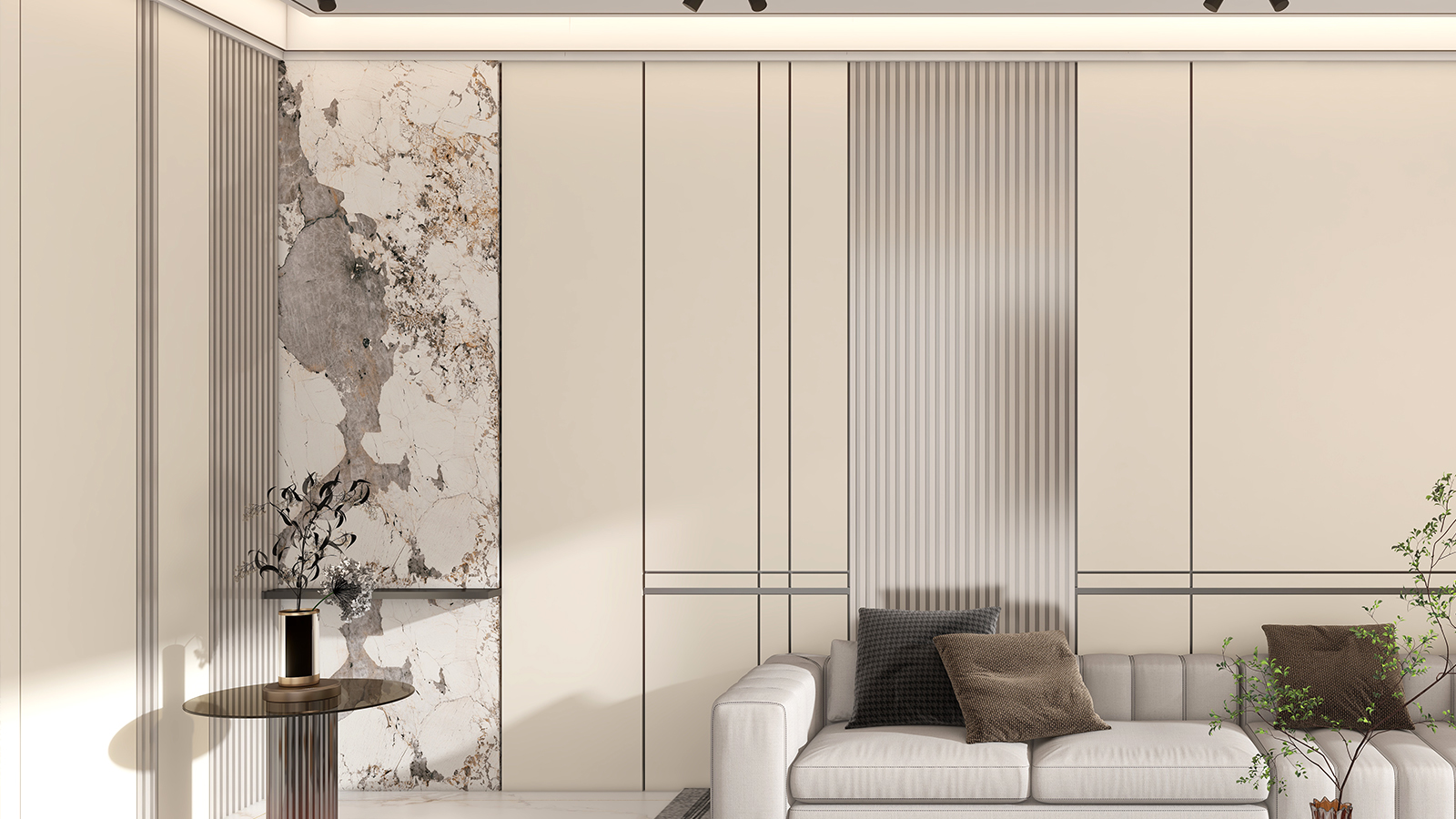
When ceilings are high, surfaces are hard (stone, tile, glass), sound tends to bounce. Slatted panels on accent walls or partially on ceilings break up those reflections and make conversations easier.
- Bedrooms & Master Suites
Bedrooms are often the places where people most acutely feel noise—traffic, neighbors, HVAC. Adding acoustic paneling near windows or headboards can help reduce unwanted external sound and improve rest.
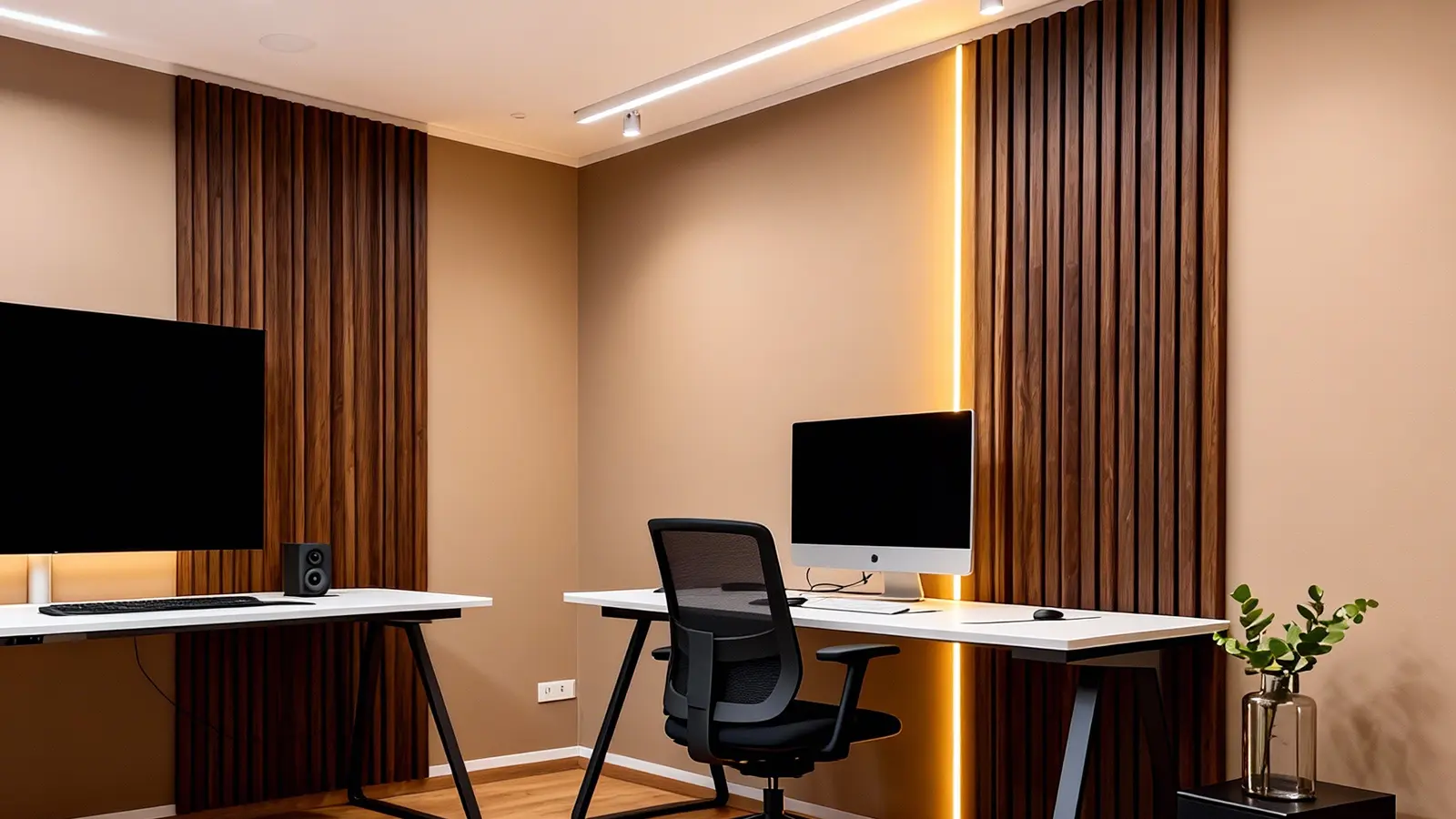
- Home Offices & Zoom Rooms
With more people working from home, background noise and echo are frequent complaints. Slat panels behind or around your work area, or as part of built-ins can support speech clarity and a calmer environment.
- Kitchens & Breakfast Nooks
Kitchens tend to have noisy surfaces (cabinets, tile, metal appliances) and hard finishes. Acoustic Panels—perhaps as part of a backsplash, on a ceiling soffit, or walls adjacent to dining spaces—can soften the room acoustically without sacrificing style.
Applications in Commercial Environments
- Corporate & Shared Workspaces
In open offices or conference rooms, excessive background sound can lead to fatigue and reduce productivity. Panels help define zones, reduce echo, and can be integrated into partitions or ceilings.
- Hospitality: Hotels, Lobbies & Bars
Guests expect quiet where appropriate—restrooms, guest rooms, hallways—but also appreciate energy and ambience in public areas. Slat panels can help moderate noise in lobbies and dining areas, while adding the warmth and visual identity hotels often want.
- Restaurants & Cafés
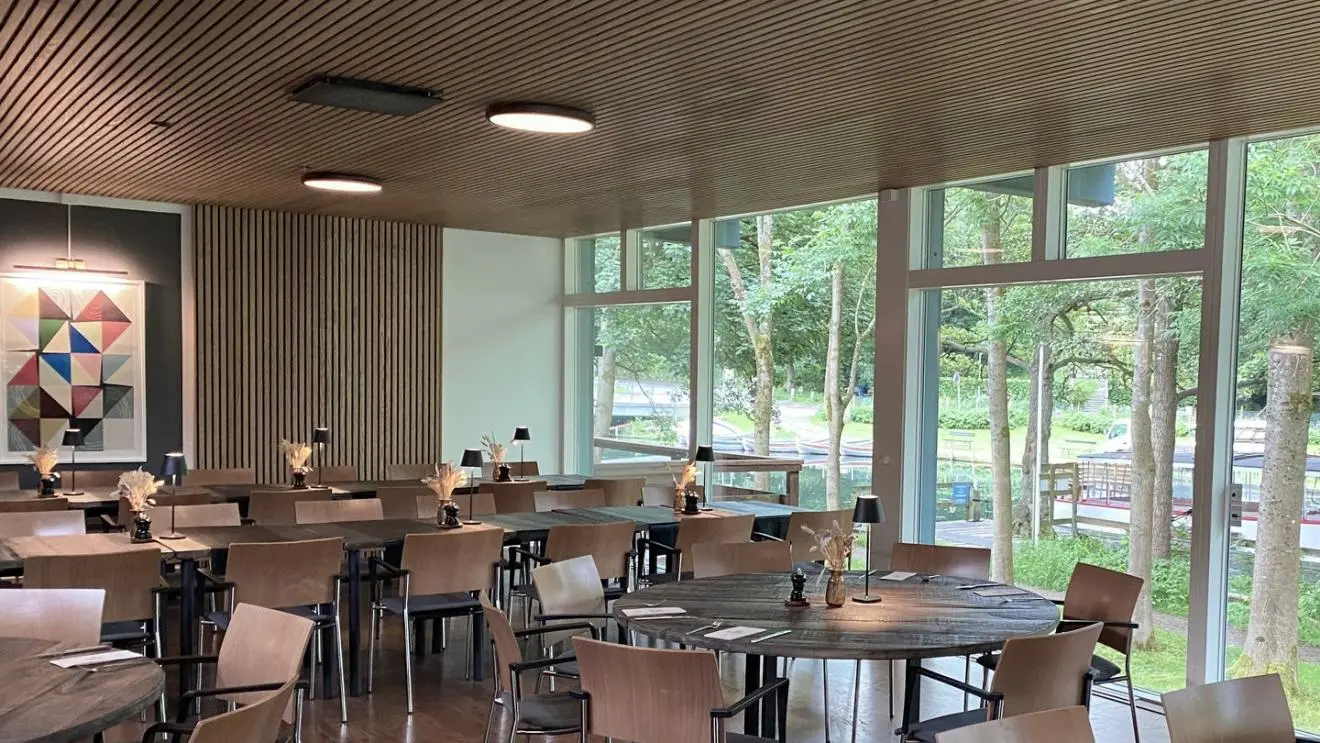
The clatter of dishes, conversation, and kitchen noise all contribute to sound buildup. Cladding walls or ceilings with acoustic slat panels helps reduce loudness without deadening atmosphere, so customers can enjoy meals in more comfort.
- Educational Spaces & Lecture Halls
Students learn better when hearing clearly. Acoustic treatments improve speech intelligibility (so teachers don’t have to strain) and reduce distractions. Slat panels can be used on rear walls, ceilings, or between windows to help diffuse sound.
- Healthcare & Wellness Centers
In waiting rooms, corridors, treatment spaces—quiet matters. Calm soundscapes reduce stress for patients and staff. Materials should also be easy to clean, antimicrobial, and compliant with safety codes.
- Retail & Showrooms
Noise can affect dwell time and perceptions of quality. Acoustic panels help manage background noise (music, foot traffic) while giving walls texture that complements displays, branding, or lighting installations.
- Entertainment & Performance Venues
Auditoriums, small music venues, gallery spaces, event halls—they all benefit from controlling reflections and echoes. Slat walls help direct sound, break up flat surfaces, and improve clarity and immersion.
Design Flexibility & Creative Options
- Finishes & Materials: Natural woods (oak, ash, walnut), stained veneers, painted surfaces (including bold accent colors), or mixed media (wood-with-metal or wood-with-felt inserts).
- Patterns & Spacing: Slat width and spacing affect how much sound is absorbed vs reflected; denser spacing for more absorption, spaced slats for a more textured look.
- Color & Branding: Slats can be back-lit, combined with brand logos, or painted to match company identity or décor theme.
- Combination with Other Acoustic Elements: Ceiling baffles, diffusers, acoustic carpets/rugs, soft furnishings. Slat walls are more visible and decorative, but combine best with complimentary treatments.
Installation & Practical Considerations
- Mounting systems: Direct fastening (screws), adhesive for lighter panels, track or rail systems for modular/slidable sections.
- Fire Safety & Codes: Especially in commercial or multi-family settings, panels must comply with fire ratings (e.g. ASTM, EN). Using fire‐retardant finishes, backing, or core materials is essential.
- Moisture & Maintenance: In humid or wet areas (bathrooms, kitchens), materials that resist swelling, mold, or warped wood are needed. Finishes that can be wiped clean help.
- Air Gaps & Insulation: Leaving a gap behind panels, or layering absorptive material, improves performance, especially at lower frequencies.
Current Market Trends & Demand
- Sustainability Is a Key Driver: The use of recycled polyester (PET), natural fibers, FSC or PEFC certified woods, low VOC adhesives, and environmentally friendly manufacturing processes is increasing strongly.
- Customization & Decorative Acoustics: Not just function, but aesthetic customization. This includes printed designs, tailored shapes, integrated lighting, and decorative textures.
- Health, Comfort & Indoor Environmental Quality (IEQ): As more attention is paid to occupant wellness, acoustics is recognized alongside air quality, lighting, and temperature. Noise reduction is no longer optional in many design standards and certifications.

- Modular Systems & Flexible Designs: Buildings and spaces are increasingly intended to serve multiple uses. Modular acoustic panel systems that can adapt to layout changes (partitions, removable panels) are rising in demand.
- Smart & Multi-Functional Panels: Panels integrating additional features (lighting, acoustic sensors, ventilation channels), or panels that are optimized for broader frequency ranges (including low frequencies) are becoming more common.
Why Choose a Specialist Supplier
- Material Quality & Certifications: Suppliers should offer well-tested options (fire ratings, moisture resistance, formaldehyde content, etc.).
- Custom Design & Support: A partner who helps with layout, acoustic modeling, sample provision, finish matching will reduce risk.
- Domestic vs Overseas Sourcing: Overseas manufacturers often offer lower cost, but lead times, shipping costs, customs, and quality control must be managed carefully.
- After-Install Support: Proper installation ensures performance; warranty, correction of defects, and maintenance guidance matter.
Conclusion
Acoustic slat wall panels are much more than a decorative accent. They represent a convergence of performance, wellbeing, and style. As people demand better quality in how spaces sound—whether at work, home, or leisure—these panels offer noise control without sacrificing aesthetics. If you care about reducing echo, enhancing speech clarity, calming environments, or simply giving walls more character, acoustic slat walls are a compelling solution.
If you’re planning a project—residential or commercial—and want both elegance and acoustic comfort, we offer tailored acoustic wall panel systems, custom finishes, and full support from design through installation. Let’s work together to make your space both beautiful and serene.
