
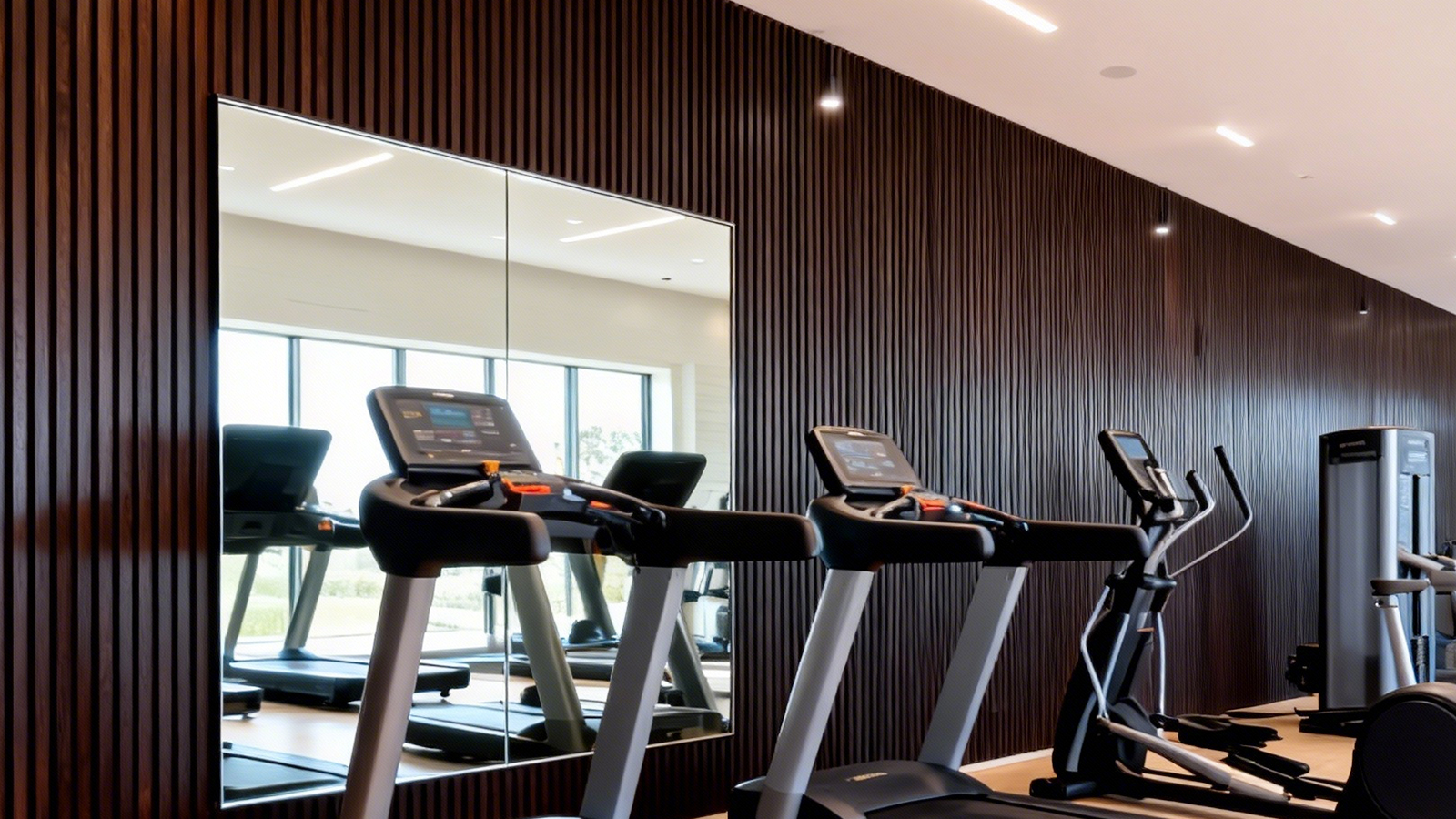
Elevating Hotel Branding & Guest Comfort: The Role of WPC Wall Panels in Full-Scale Interiors
Table of Contents
- Introduction
- What Makes WPC Unique
- WPC in Luxury Hospitality Design
- Key Advantages for Hotel Owners and Designers
- Full-House Customization and Manufacturing Support
- Design Inspiration and Case Highlights
- Emerging Innovations in WPC Technology
- Why WPC Represents the Future of Luxury Hospitality
- Conclusion
1. Introduction
Every luxury hotel tells a story—through its architecture, materials, and atmosphere. The walls, often overlooked, play an essential role in that narrative. They define spatial flow, set the tone for lighting, and influence how guests perceive comfort. In recent years, Wood-Plastic Composite (WPC) wall panels have revolutionized how designers build and brand hotel interiors.
Fusing natural appeal with advanced performance, Wpc Panels enable hotels to balance elegance, durability, and eco-consciousness. They are reshaping how full-scale hotel customization is conceived and executed.
2. What Makes WPC Unique
At a technical level, WPC is a hybrid composite made of wood fibers blended with plastic resins (PVC, PE, or PP). The fusion process creates a material that retains the organic beauty of wood but is immune to its weaknesses—rot, swelling, termites, or moisture absorption. Manufacturers now offer an expanding range of textures: smooth matte, deep grain, metallic, or marble-like finishes.
Compared to traditional timber or veneer, WPC wall panels maintain consistent dimensions, resist UV discoloration, and require minimal upkeep. Installation is simple, using interlocking systems or concealed clips. The result is a seamless finish that elevates interior design while reducing long-term costs.
3. WPC in Luxury Hospitality Design
Lobby and Entrance Experiences
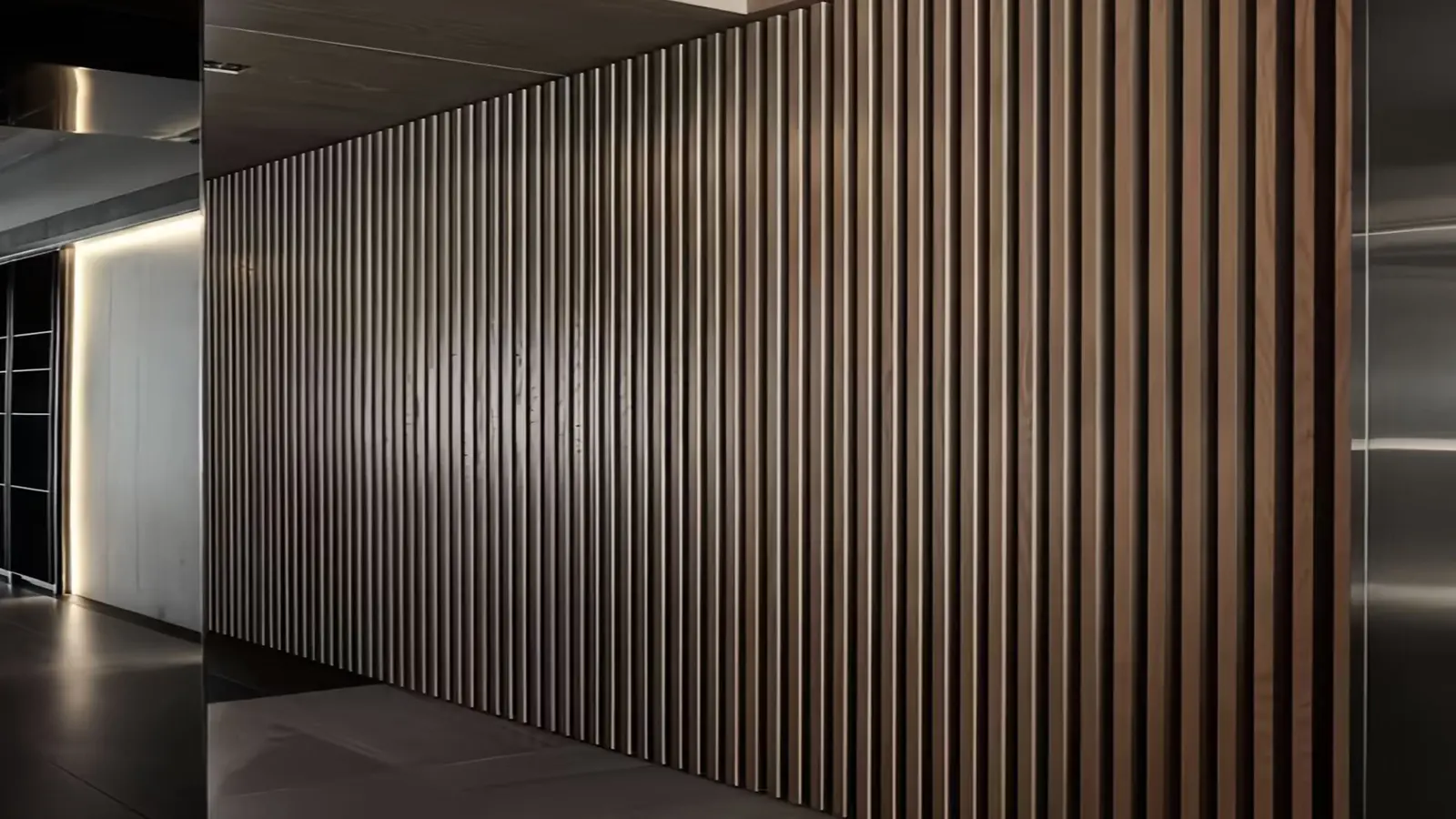
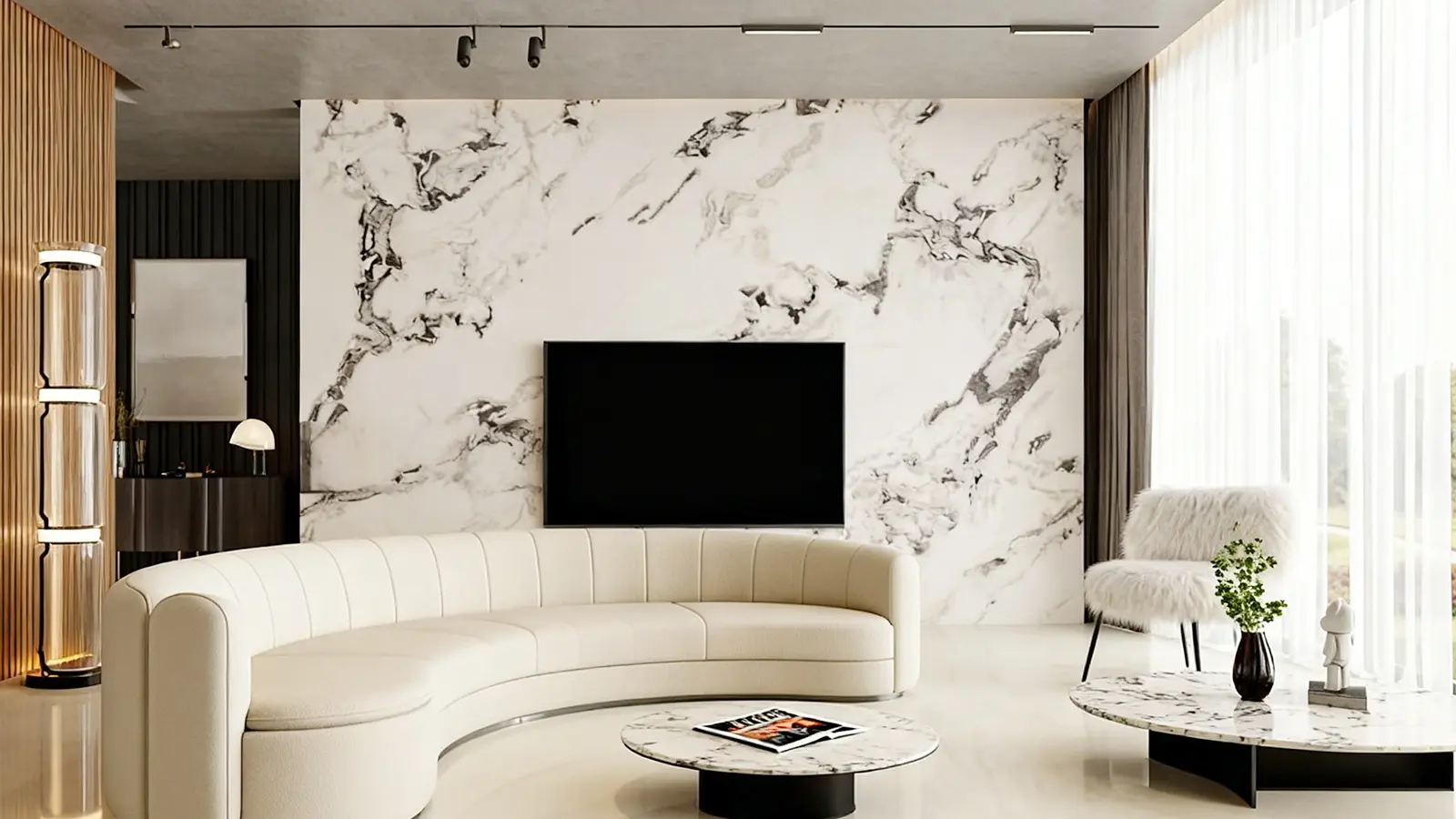
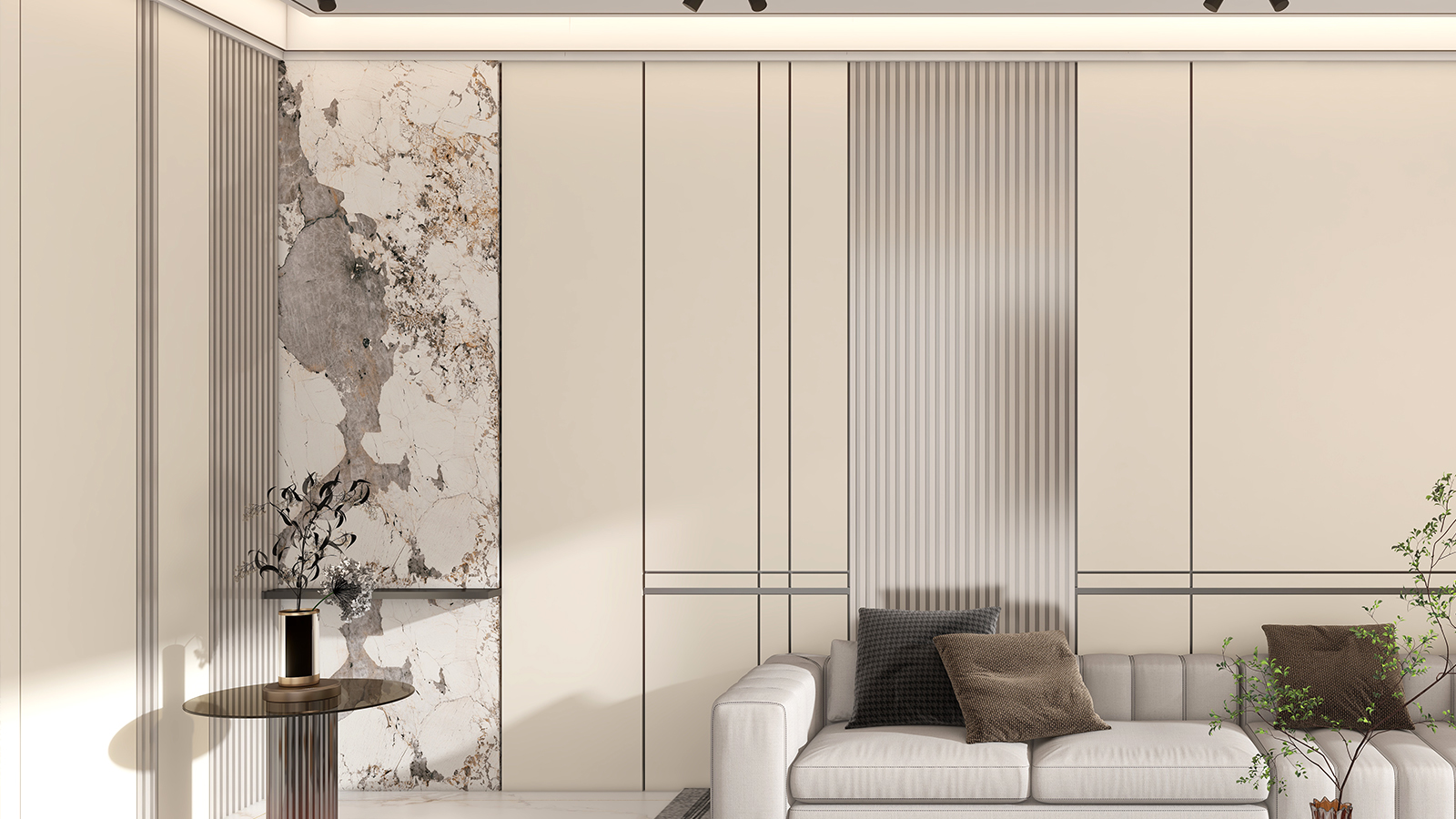
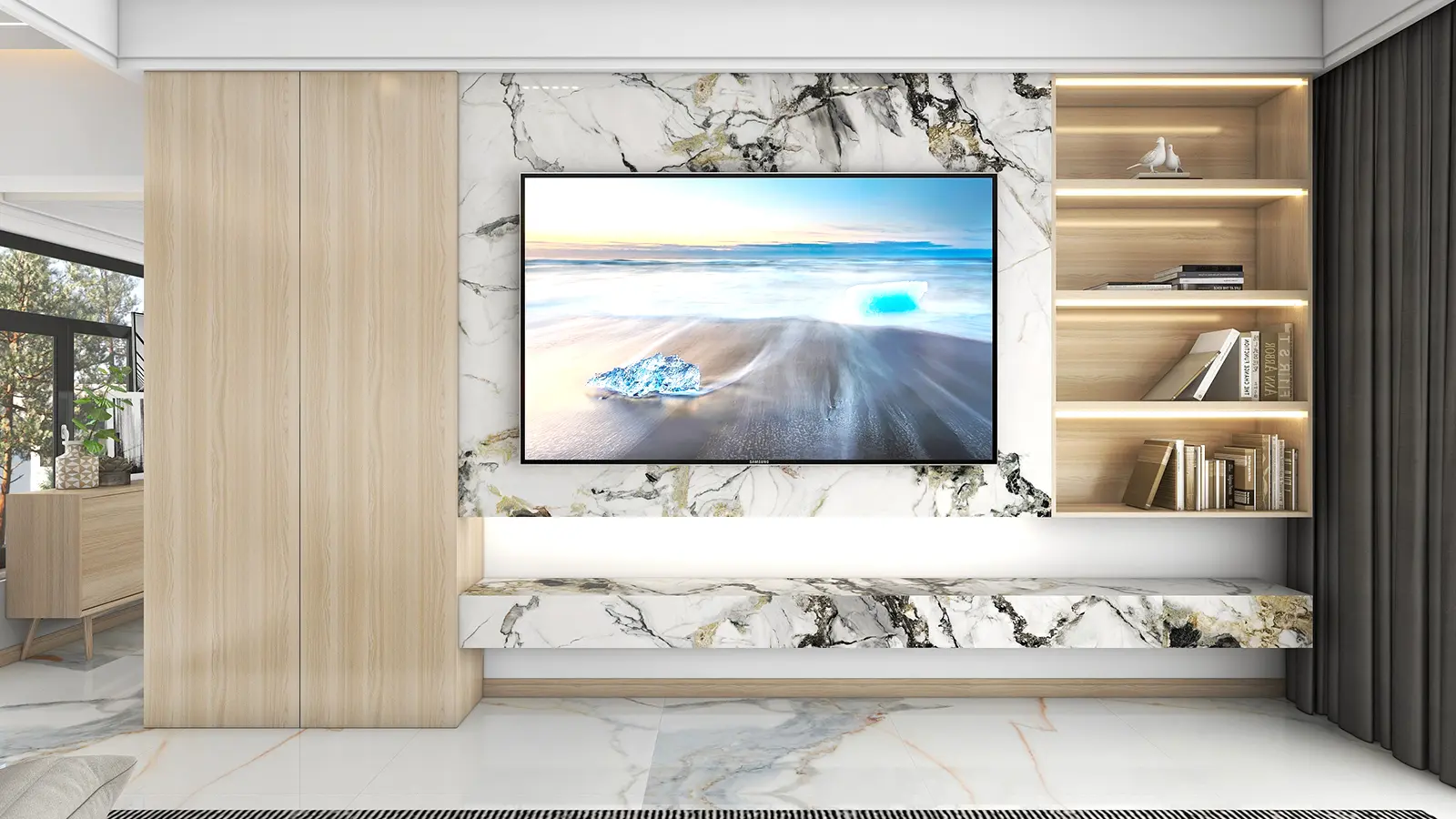
The lobby sets the emotional tone for every guest. WPC panels can transform blank walls into architectural statements. With digital printing and grooved textures, designers can mimic marble or stone without the weight or fragility. Paired with warm lighting, these panels project sophistication while maintaining functionality.
Guest Rooms and Suites
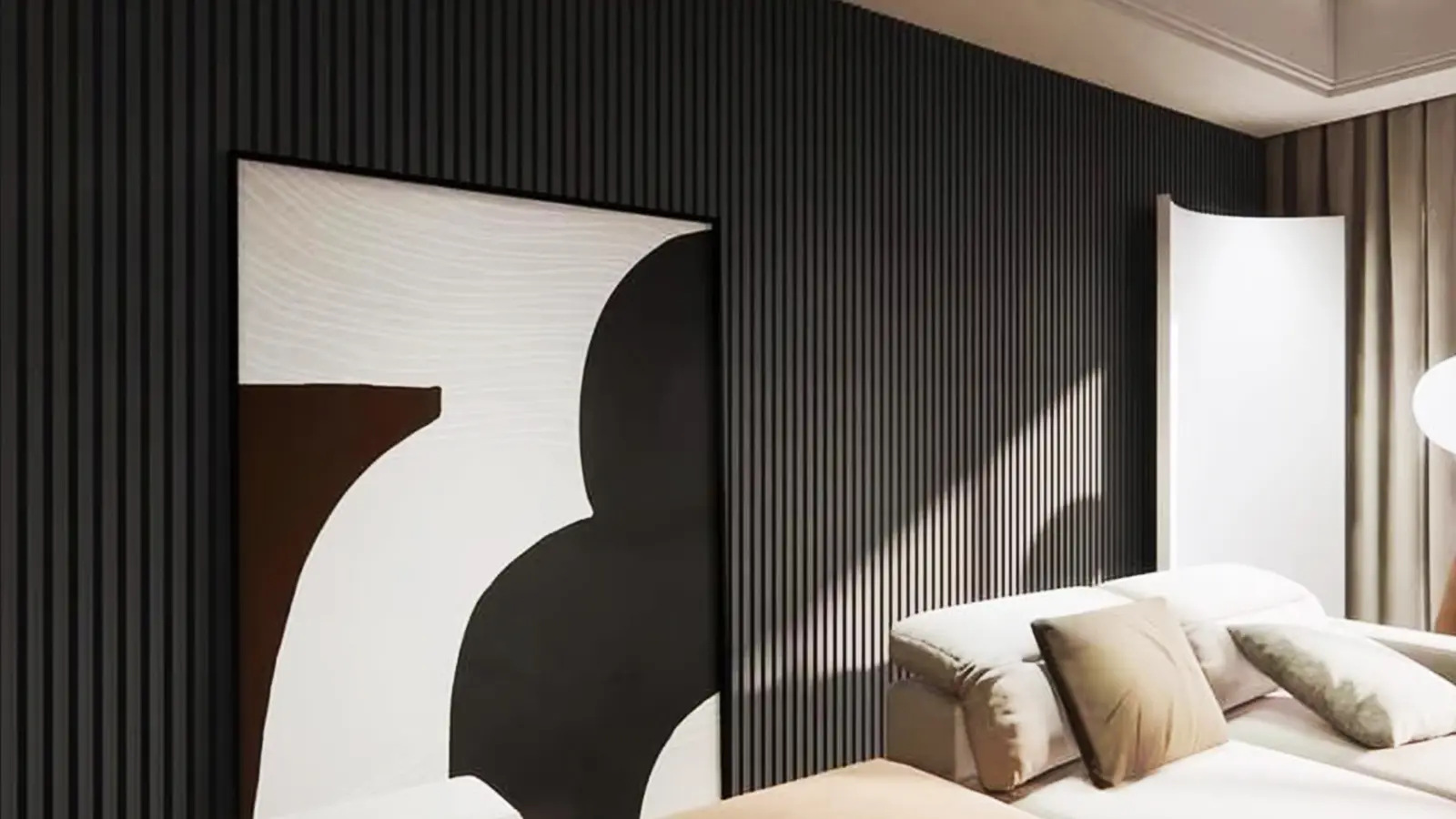
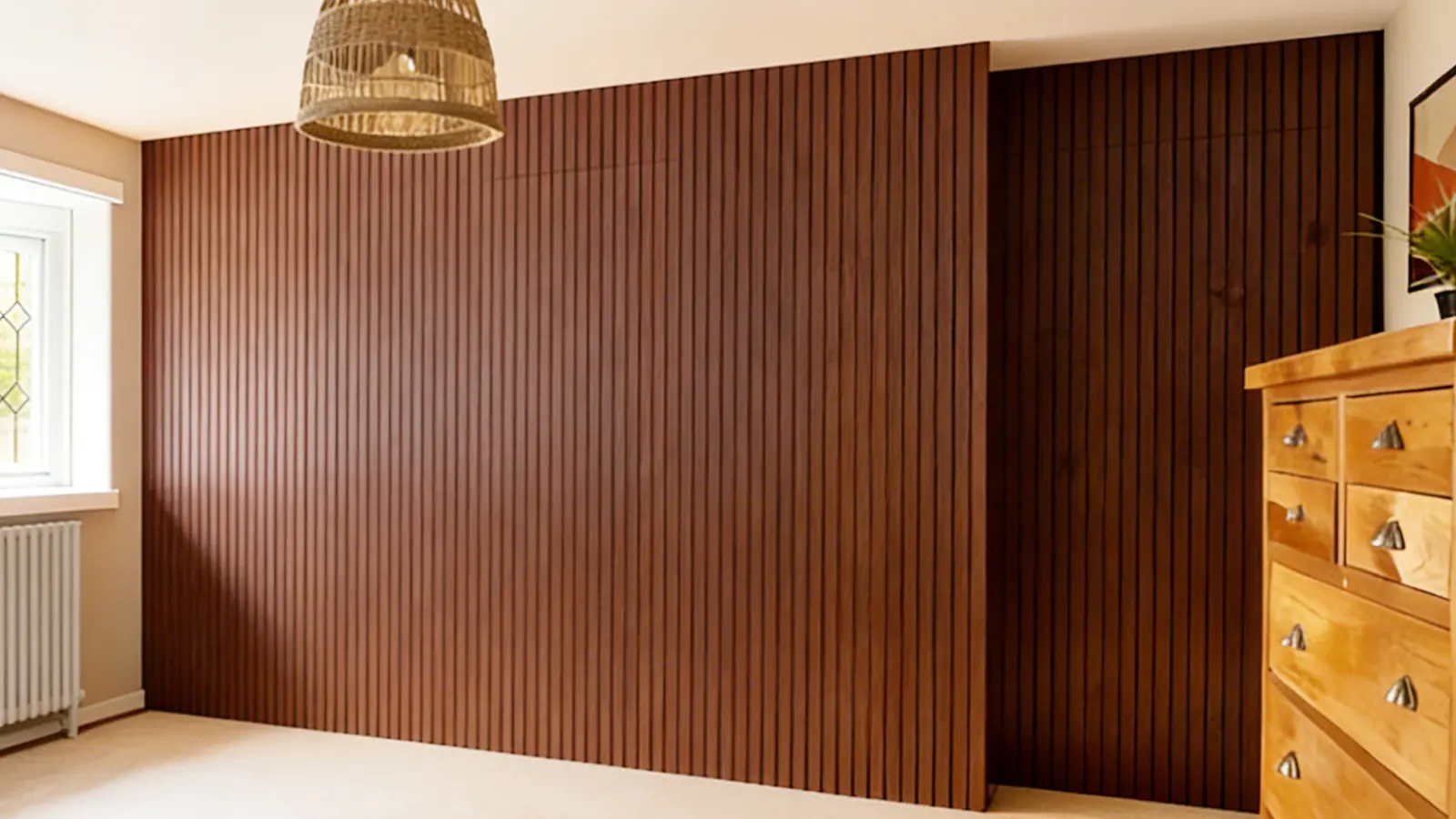
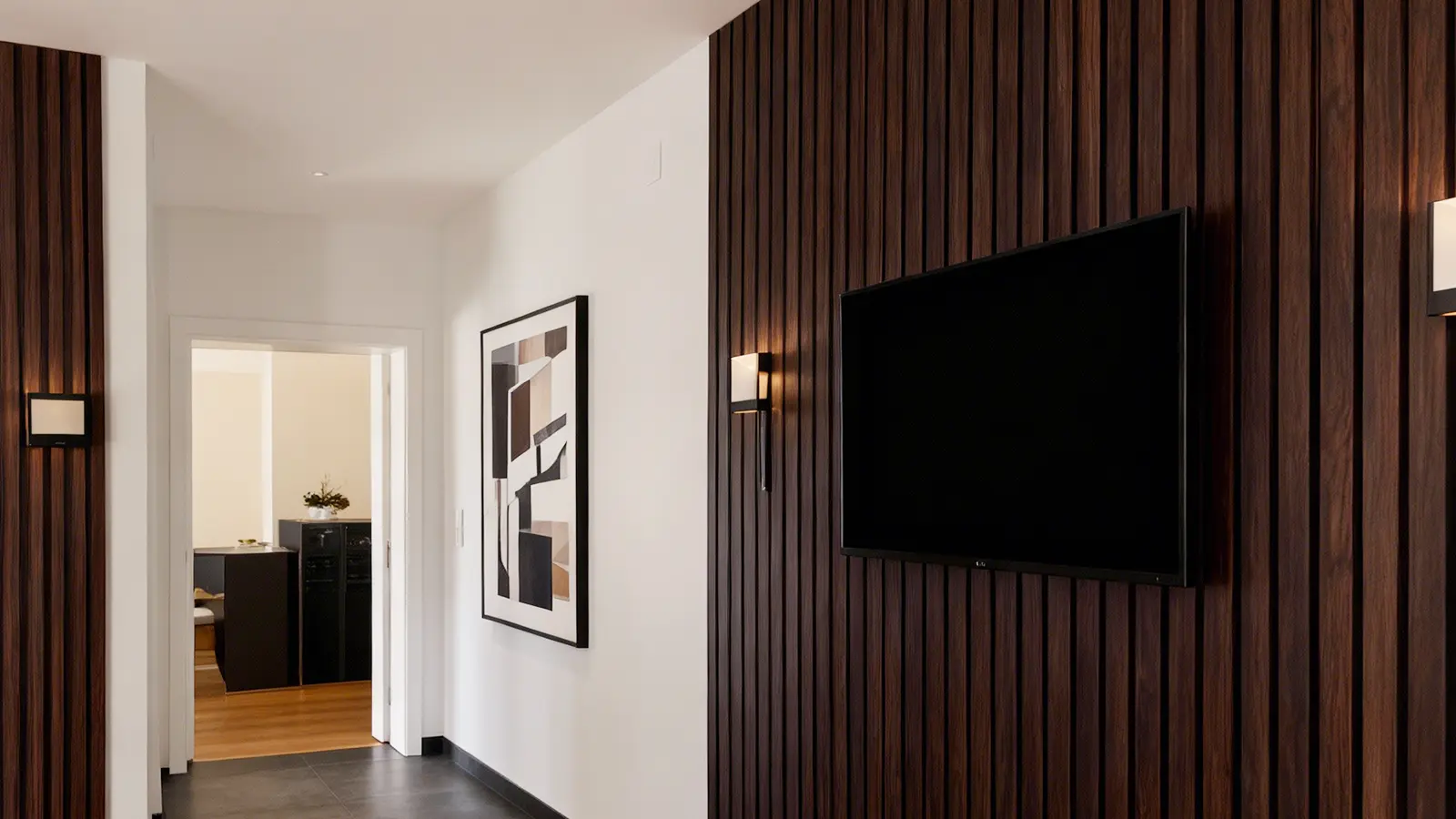
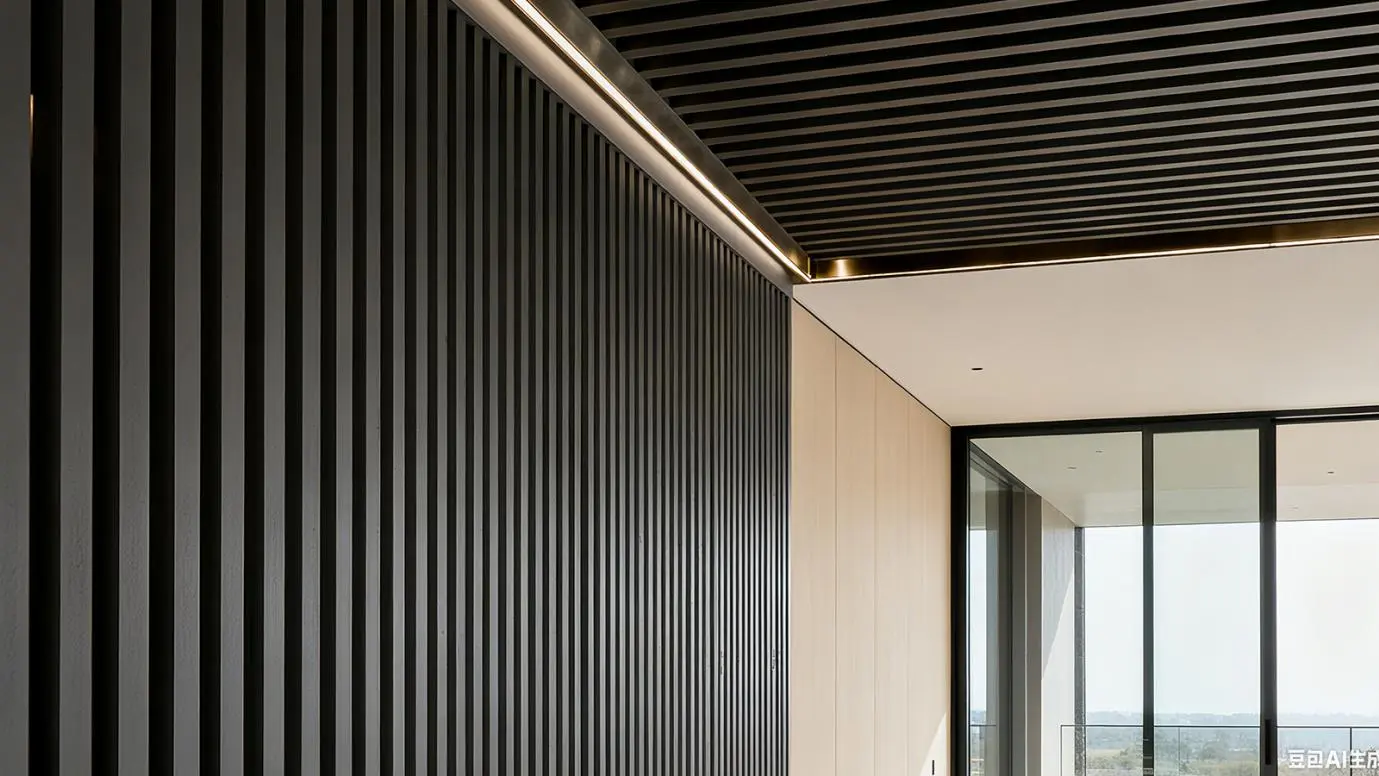
Inside rooms, WPC wall panels often appear behind beds, around televisions, or even on ceilings. Their natural textures enhance coziness, while moisture resistance ensures suitability for bathrooms and spa-inspired suites. Hotels aiming for biophilic or minimalist aesthetics can choose subtle oak or ash tones that convey calmness and cleanliness.
Restaurants, Bars, and Spas
In F&B and wellness zones, WPC’s hygienic, waterproof surface is a clear advantage. Unlike painted walls, which can chip or absorb stains, WPC panels retain color and smoothness even after repeated cleaning. Acoustic variations, including slatted or perforated forms, improve comfort by reducing echo—essential in fine dining and relaxation spaces.
Corridors and Conference Areas
Hallways and meeting rooms require durability and design continuity. Slatted WPC panels along corridors not only resist impact but also conceal service lines or lighting systems. In conference halls, acoustic versions minimize reverberation, creating professional, sound-controlled environments.
Across all zones, WPC ensures visual consistency—a signature of luxury hotel branding.
4. Key Advantages for Hotel Owners and Designers
- Longevity and Cost Savings
Although the purchase price of WPC can exceed wallpaper or MDF, its life cycle cost is dramatically lower. Panels last up to two decades with minimal maintenance. They don’t need repainting, varnishing, or chemical treatment, saving labor and reducing downtime during refurbishments.
- Sustainable Manufacturing
Most WPC panels use recycled wood fibers and plastic waste, reducing deforestation and landfill usage. Many products are formaldehyde-free and meet low-VOC emission standards, aligning with global green building regulations. Hotels pursuing sustainable branding find WPC panels a tangible way to communicate environmental responsibility.
- Safety and Fire Compliance
Hospitality interiors must meet strict fire codes. Fire-retardant WPC wall panels comply with B1/B2 classifications, providing additional safety assurance. They’re also resistant to moisture and UV radiation, making them suitable for tropical climates and high-humidity spaces.
- Aesthetic Consistency and Branding
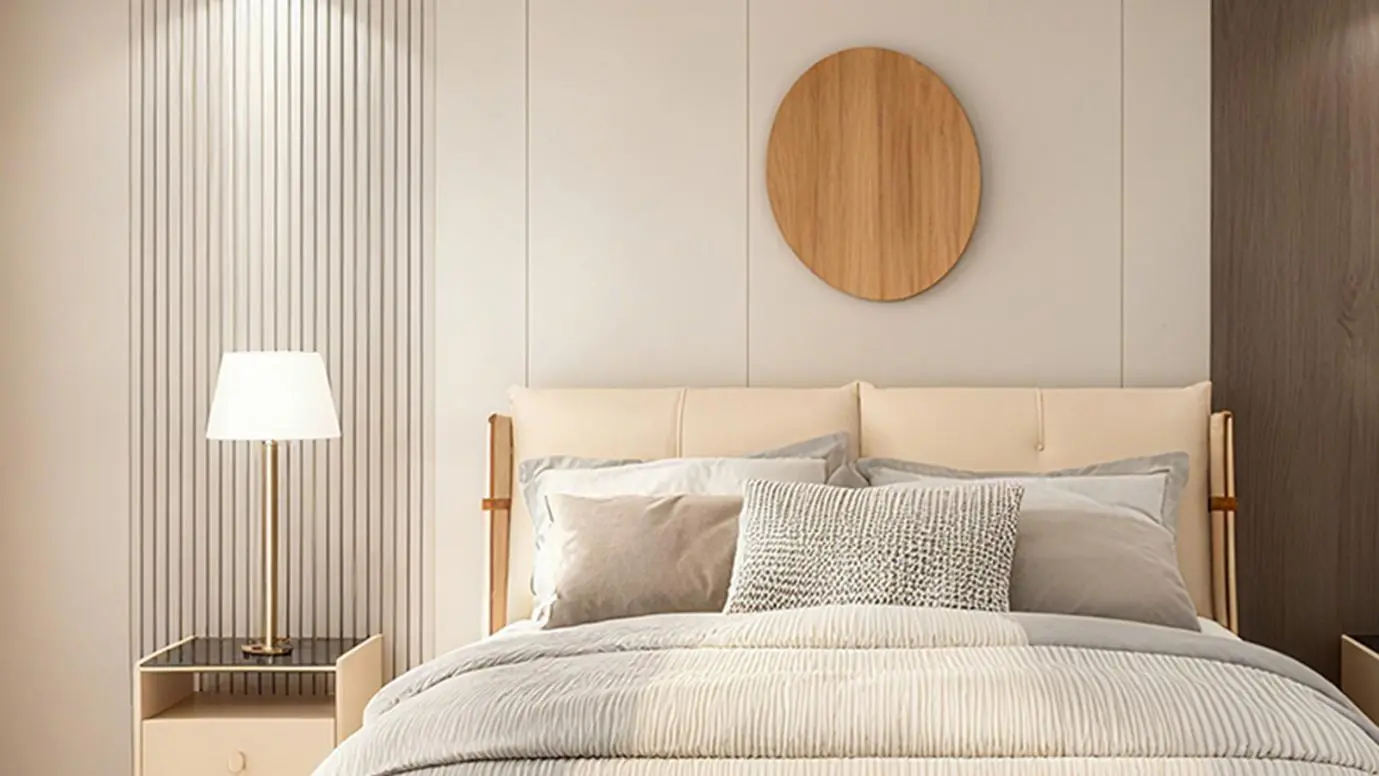
From a design standpoint, WPC provides unmatched flexibility. Hotels can coordinate wall, ceiling, and furniture finishes using the same base color or pattern, reinforcing brand identity. Whether the design language is urban-modern, nature-inspired, or art-deco revival, WPC panels can be tailored to fit.
5. Full-House Customization and Manufacturing Support
Modern WPC manufacturers—particularly those in China—now offer comprehensive turn-key services for international hotel projects. These include:
- Design consultation and 3D visualization
- Custom color and texture development
- Precision cutting and pre-assembly
- Packaging and logistics management
OEM/ODM capabilities make it possible to tailor every detail—dimensions, surface embossing, core density, or integrated soundproofing. Rigorous quality control ensures each panel matches the project’s specifications, while certifications like ISO9001, CE, SGS, and FSC ensure compliance with global safety and environmental standards.
6. Design Inspiration and Case Highlights
- Seaside Wellness Retreat in Thailand: Architects used white-washed WPC panels to achieve a calming, coastal aesthetic. The panels’ moisture resistance allowed seamless application from spa interiors to poolside corridors.
- Corporate Hotel in London: Customized dark gray WPC panels with brushed texture created a sophisticated ambiance for business guests while providing excellent acoustic control in meeting rooms.
These projects demonstrate the material’s ability to balance creativity with performance—two hallmarks of successful hotel design.
7. Emerging Innovations in WPC Technology
The next generation of WPC wall panels is already pushing boundaries:
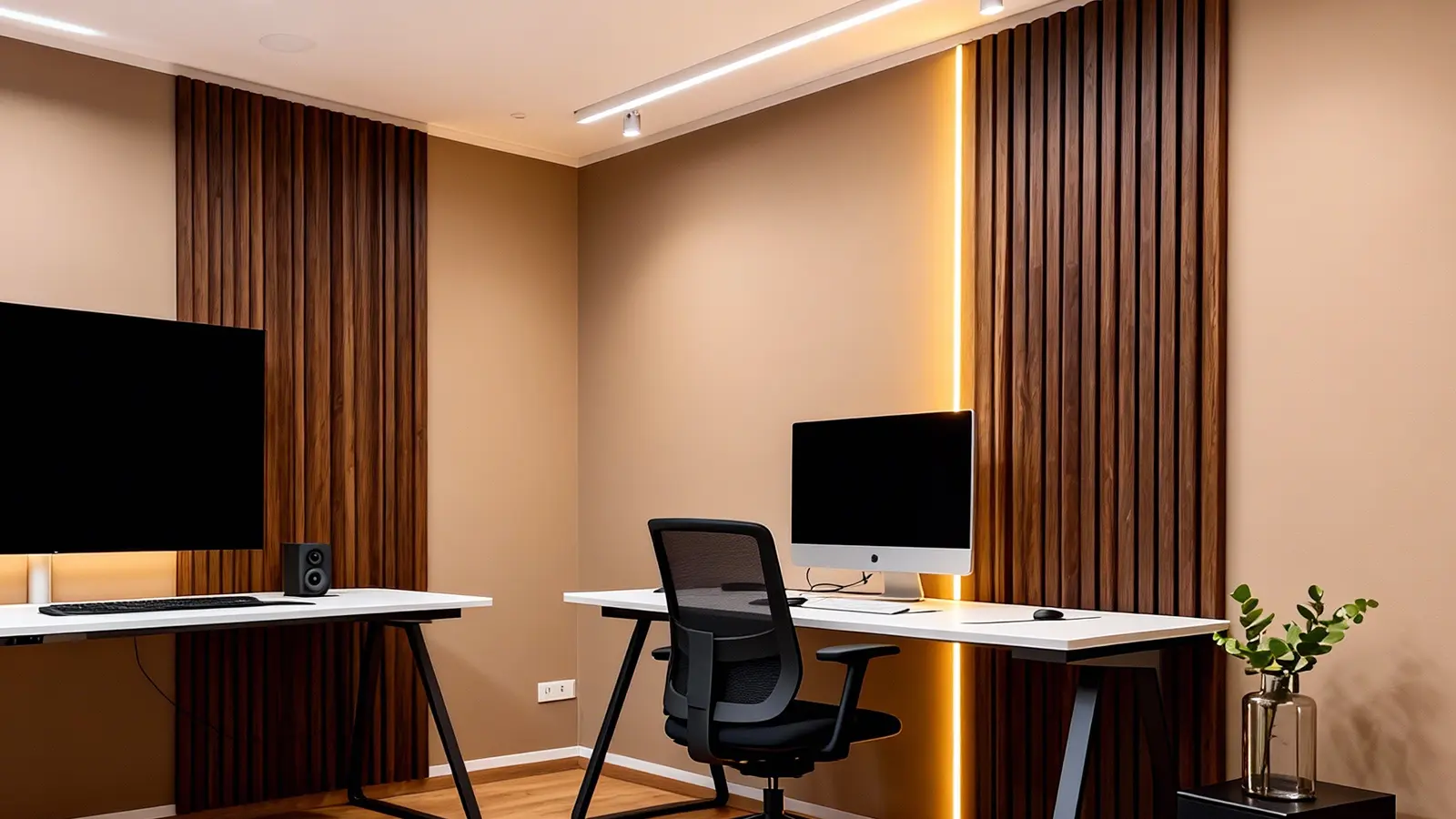
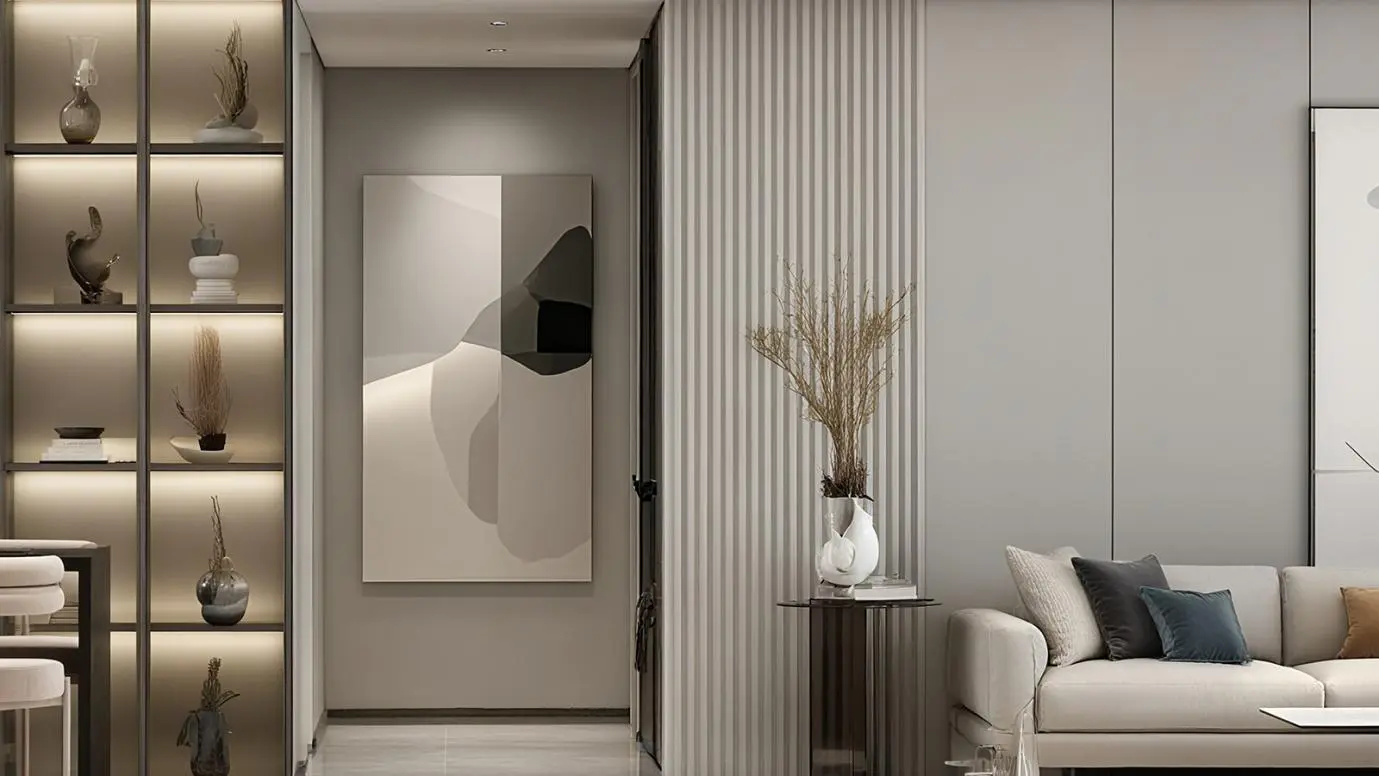
- Smart Integration: Panels that include LED lighting or hidden cable channels for easier maintenance.
- Advanced Coatings: Anti-scratch, self-healing, or fingerprint-resistant finishes suitable for high-contact areas.
- 3D Modular Systems: Lightweight modules that allow fast installation and future reconfiguration.
- Enhanced Acoustic Performance: Multi-layer structures combining fiberboard and foam backing for superior sound absorption.
- Circular Design Concepts: Panels that can be recycled or repurposed at end-of-life, reducing waste within the hotel renovation cycle.
As manufacturing precision improves, customization possibilities will expand—allowing hotels to turn functional walls into storytelling surfaces.
8. Why WPC Represents the Future of Luxury Hospitality
Luxury hotels compete not only through service but also through spatial experience. Guests increasingly value authenticity, sustainability, and sensory comfort. WPC wall panels answer these needs by offering:
- A natural aesthetic that feels warm and organic.
- A sustainable production process aligned with eco-friendly values.
- A long-lasting, low-maintenance solution that supports operational excellence.
For developers and designers, choosing WPC is not just a design decision but a strategic investment in brand longevity and guest satisfaction.
9. Conclusion
In a world where hospitality design is expected to merge beauty, sustainability, and performance, WPC Wall Panels stand out as a cornerstone material. They redefine what it means to customize a luxury hotel—from lobby to suite, from elegance to efficiency.
By partnering with a professional WPC wall panel manufacturer offering OEM and full-house customization, hotels can craft interiors that reflect their story, delight guests, and remain pristine for years to come. The result is not just luxury—it’s sustainable luxury, built to inspire and endure.
