
Elevate Interiors Naturally: Why Bamboo Charcoal Wood Veneer Is the 2025 Design Secret
Elevate Interiors Naturally: Why Bamboo Charcoal Wood Veneer Is the 2025 Design Secret
Table of Contents
What Exactly Is Bamboo Charcoal Wood Veneer?
The Green Foundation: Sustainability at Its Heart
Performance You Can Rely On: Strength + Stability
Wellness Bonus: Cleaner Air, Balanced Humidity
Where It Shines: Application Scenarios
Possible Challenges & Precautions
Final Thought: A Forward-Thinking Choice
Introduction
In a world beset by climate concerns and a shift toward renewable materials, designers and homeowners alike are seeking solutions that balance beauty, performance, and sustainability. Among emerging materials, bamboo charcoal wood veneer stands out as a compelling choice — combining the aesthetic warmth of wood with the functional strength and air-purifying qualities of bamboo charcoal. If you're planning a renovation or new build, here’s why this next-gen veneer material might just be your best decision in 2025.
What Exactly Is Bamboo Charcoal Wood Veneer?
At its core, bamboo charcoal wood veneer is a composite material. Bamboo is subjected to a carbonization process—heated in low-oxygen kilns to create charcoal—then mixed with wood fibers or panels. The surface is often finished with a decorative film or protective coat that can mimic natural wood grain, matte textures, or even customized patterns. Behind that veneer lies a porous charcoal core that can help purify air and regulate moisture.
The Green Foundation: Sustainability at Its Heart
- Rapid Regrowth: Unlike hardwoods that may require decades to mature, bamboo can reach harvesting size in just 3–5 years. Its fast regeneration makes it a renewable and responsible choice.
- Low Waste & Circular Use: Bamboo charcoal wood veneer often uses by-products and offcuts from bamboo processing, reducing waste. Every part of the plant finds purpose. Further, the carbonization process stores carbon, aiding in carbon sequestration.
- Reduced Chemical Processing: Compared to some engineered wood products, the production of bamboo charcoal veneers typically involves fewer harmful adhesives and solvents, contributing to a lower environmental burden.
Performance You Can Rely On: Strength + Stability
- Moisture & Water Resistance: One of the key advantages is its resilience to humidity. The charcoal-infused structure helps prevent warping, swelling, or delamination in damp environments. Some lab tests show water absorption rates well below those of traditional veneers.
- Enhanced Durability: The incorporation of bamboo charcoal boosts hardness and scratch resistance, giving the veneer better everyday wear performance. It also maintains structural integrity even under elevated temperatures and repeated use.
- Pest & Mold Resilience: Unlike many untreated woods, bamboo charcoal has a natural resistance to insects and mold, reducing the need for chemical treatments.
- Color Stability: With proper UV protective coatings, this veneer maintains its aesthetic over time, minimizing fading under indoor light conditions.
Wellness Bonus: Cleaner Air, Balanced Humidity
- Porous Adsorption Mechanism: The micro-porous structure of bamboo charcoal enables it to trap odors, formaldehyde, VOCs, and other airborne pollutants. Many accounts highlight its odor-absorbing capacity in kitchens, bathrooms, closets.
- Humidity Buffering: It “breathes” — absorbing moisture when humidity peaks, releasing it when the air dries — which helps prevent mold growth and stabilizes indoor humidity levels.
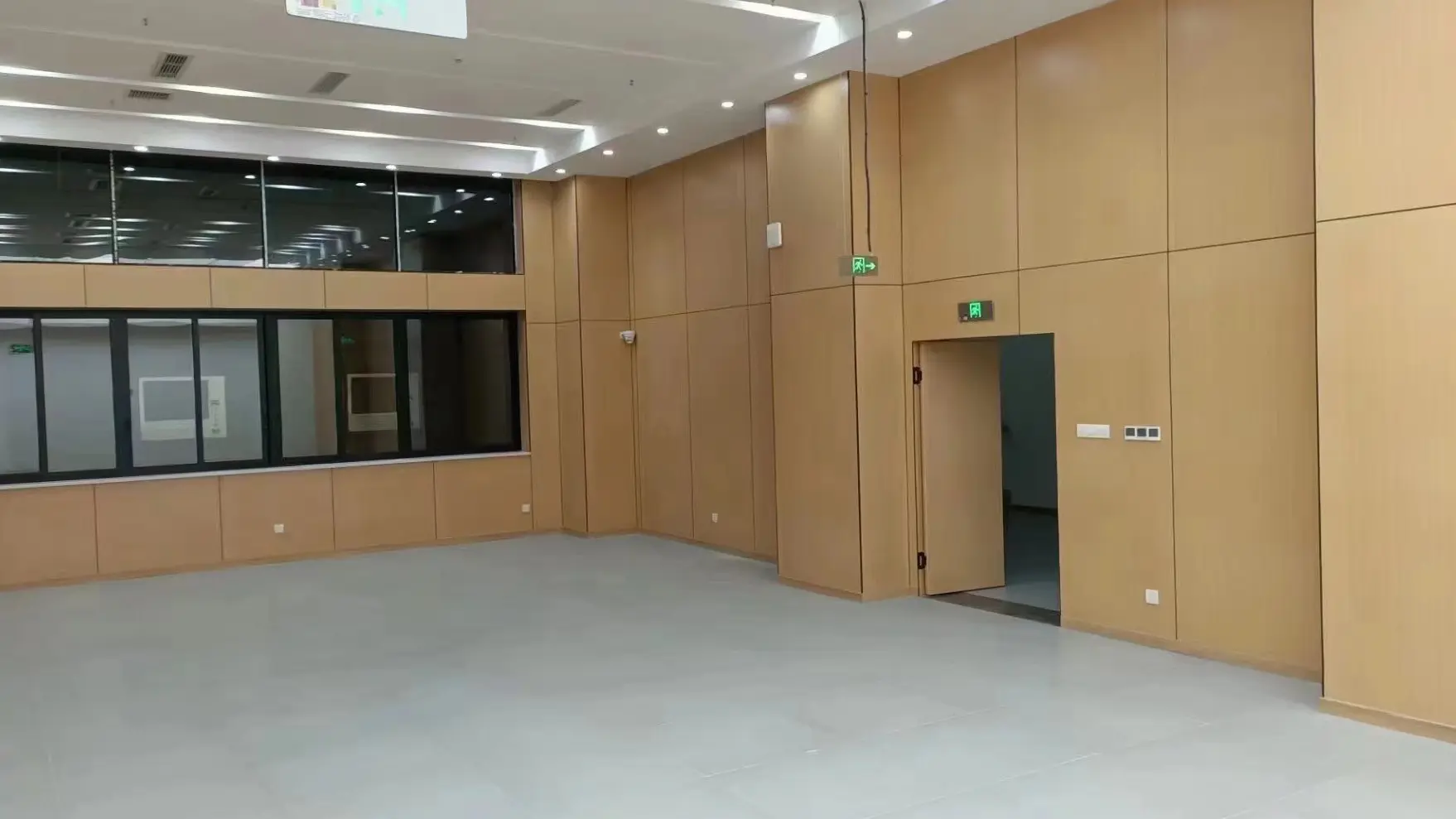
- Acoustic Benefits: The same porous network contributes to dampening sound reflections and echoes, a bonus in open or commercial spaces.
Design & Visual Appeal
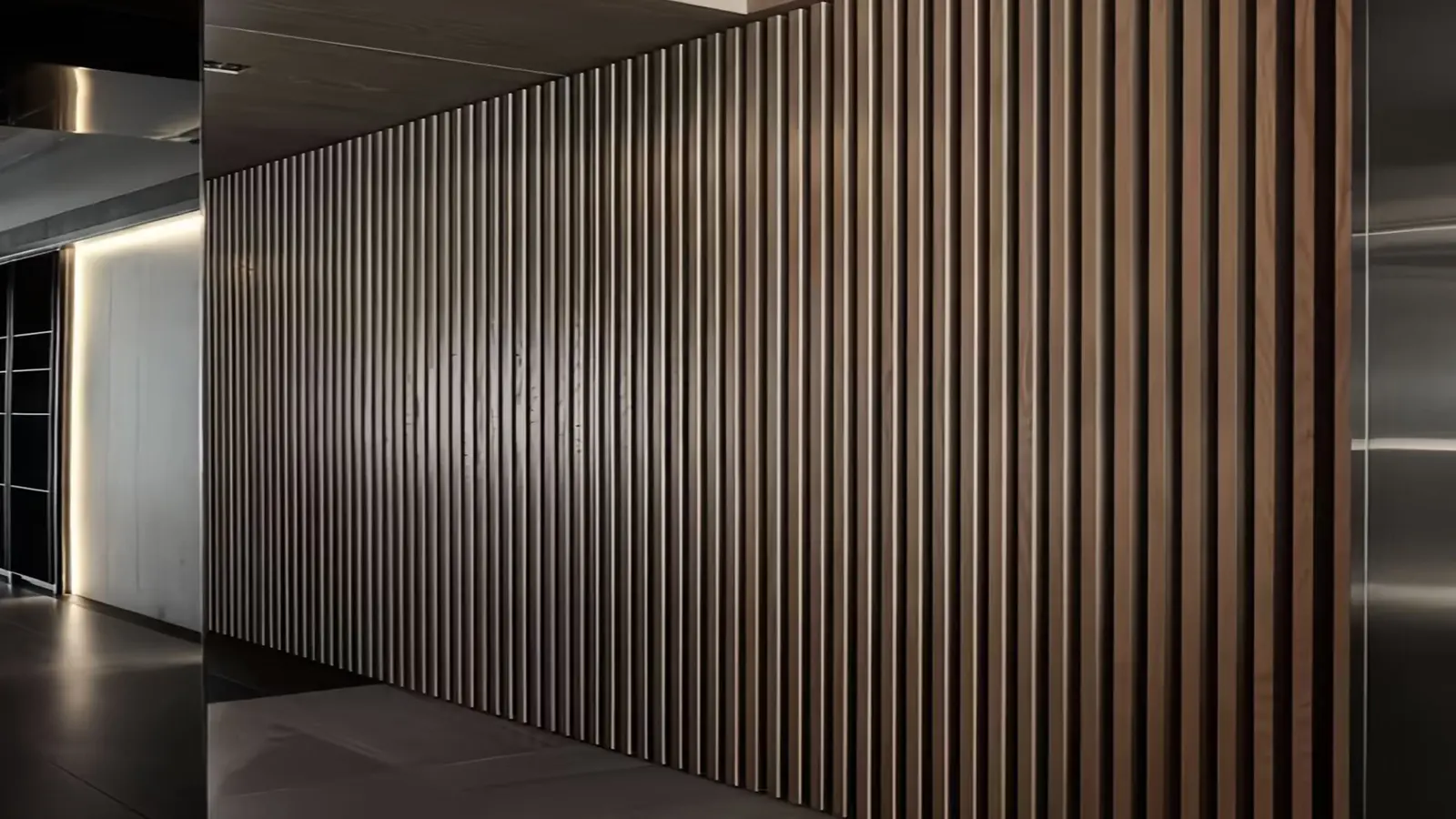
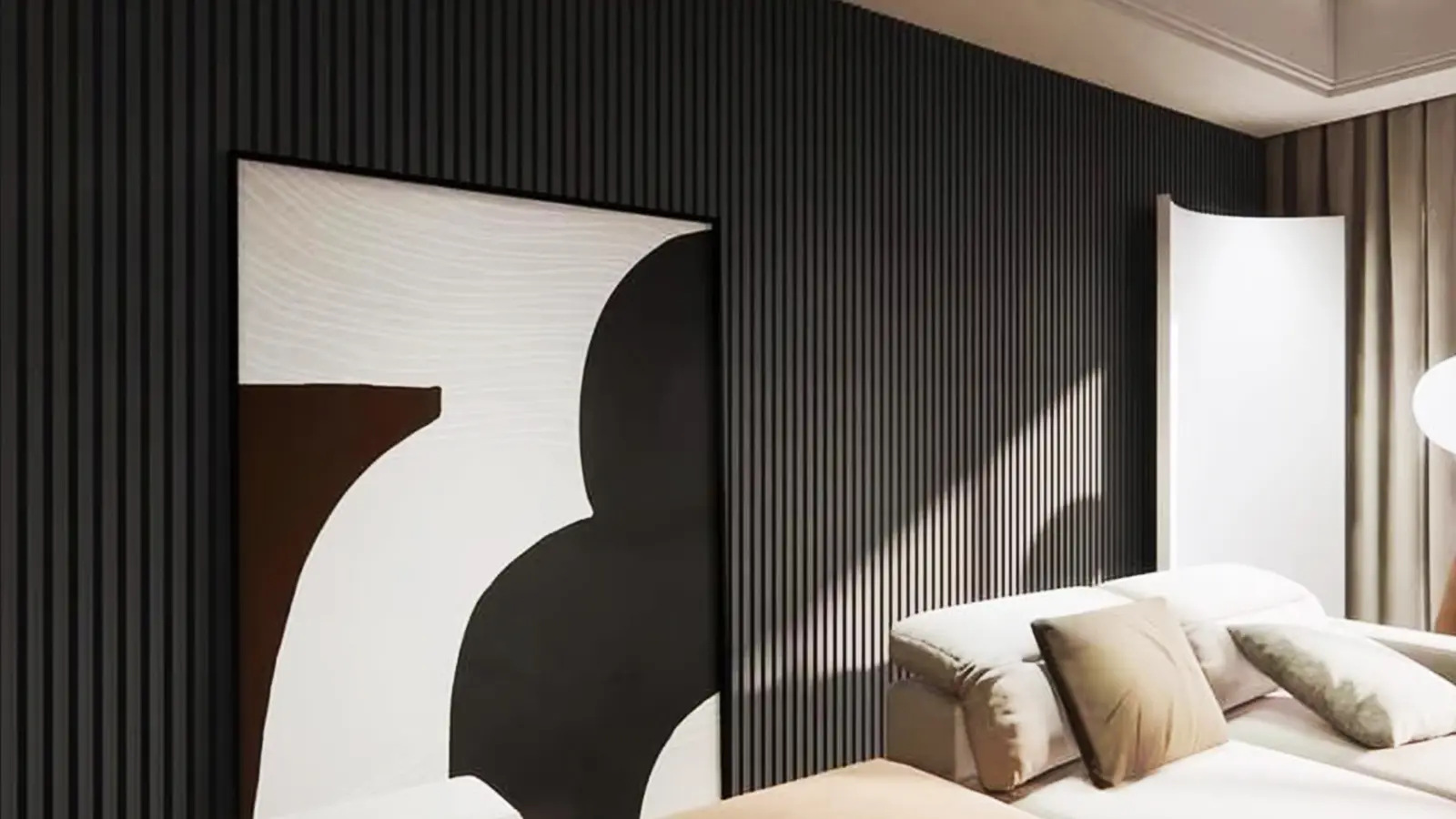
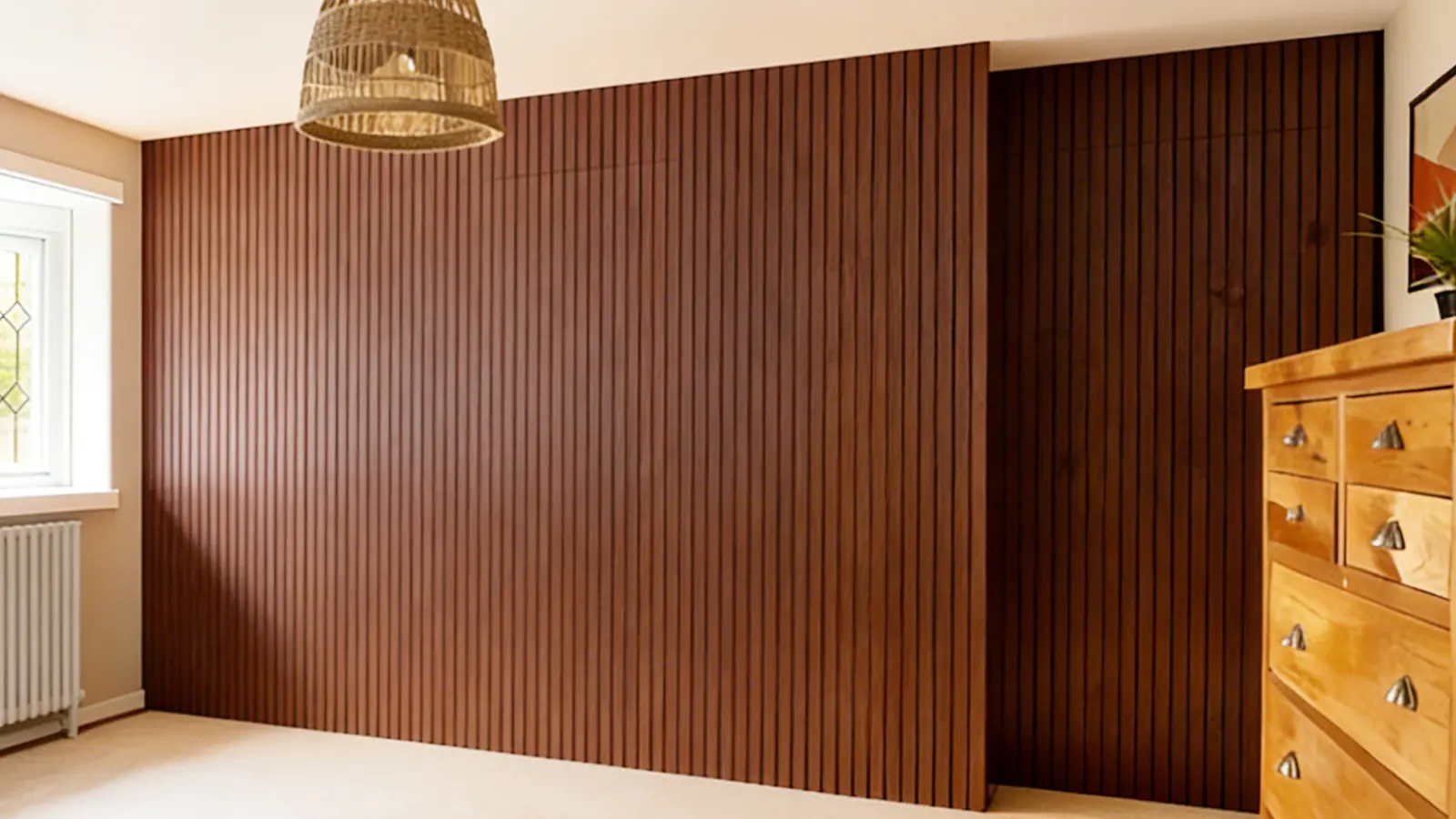
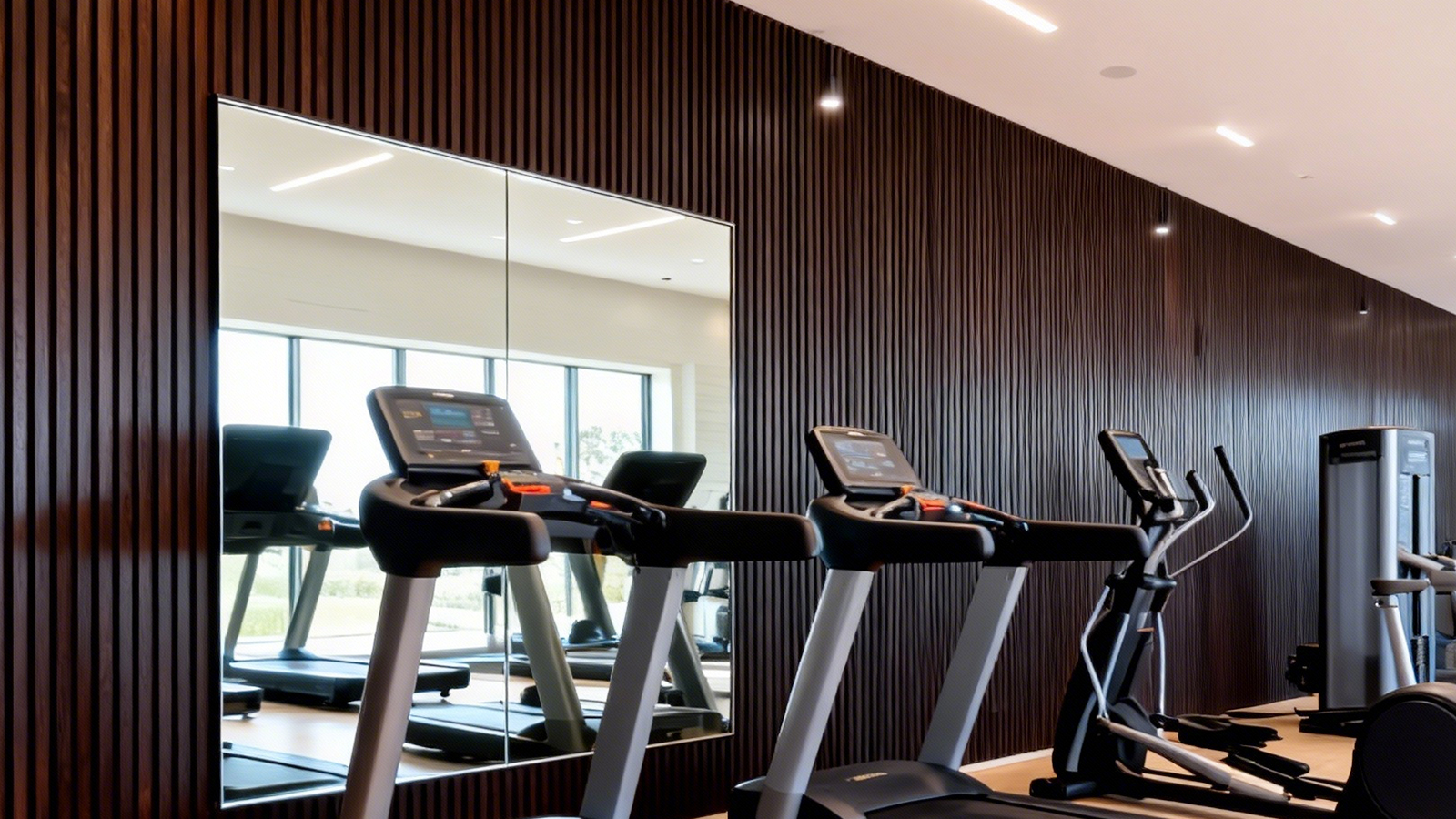
- Elegant Tones and Natural Texture: The fusion of bamboo charcoal and wood fiber yields nuanced gray-black, charcoal, or espresso tones overlaid with visible grain patterns — offering a modern, refined aesthetic.
- Customizable Finishes: You can get these veneers in matte, semi-gloss, embossed, mirror, or even custom geometric patterns.
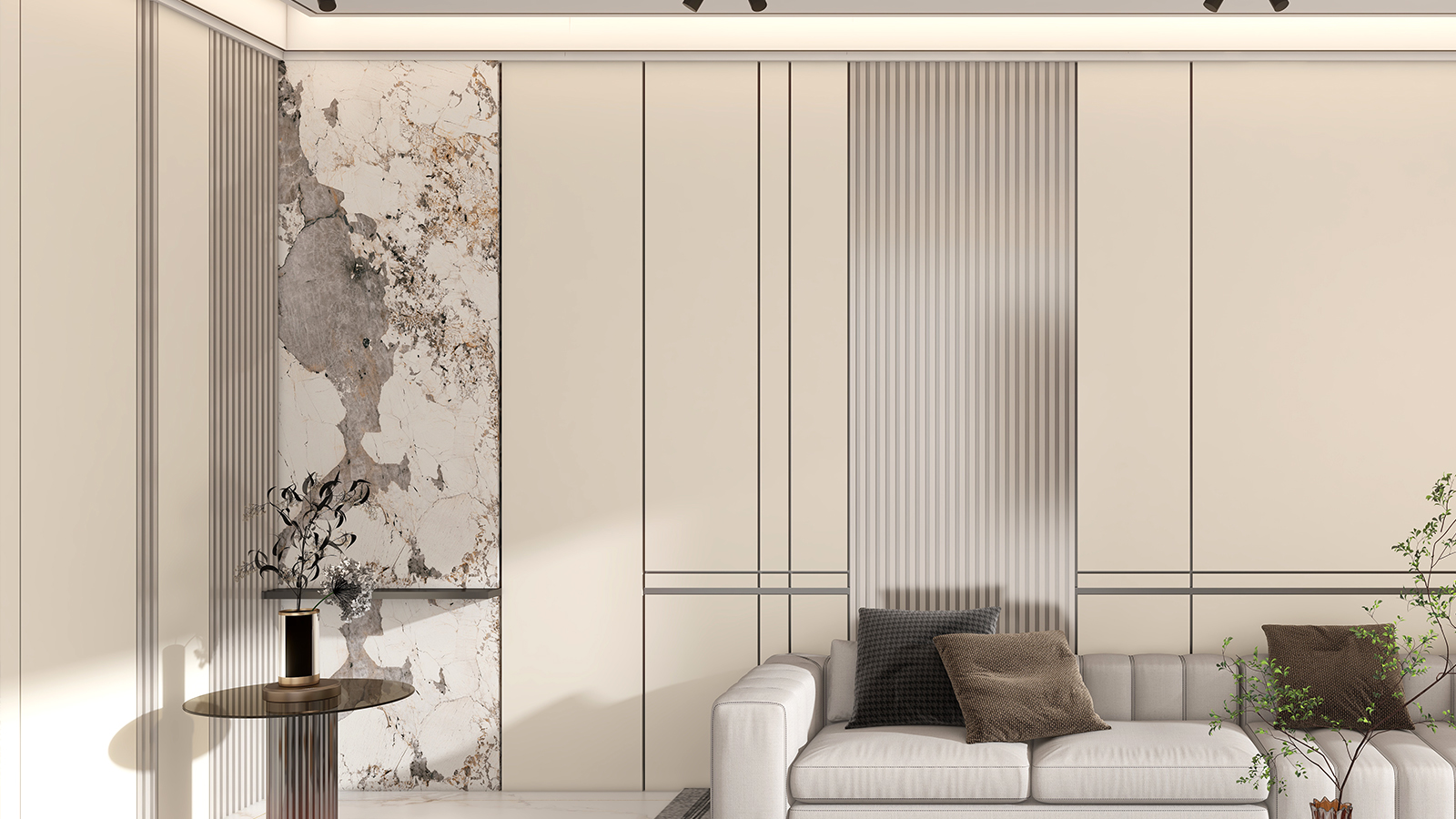
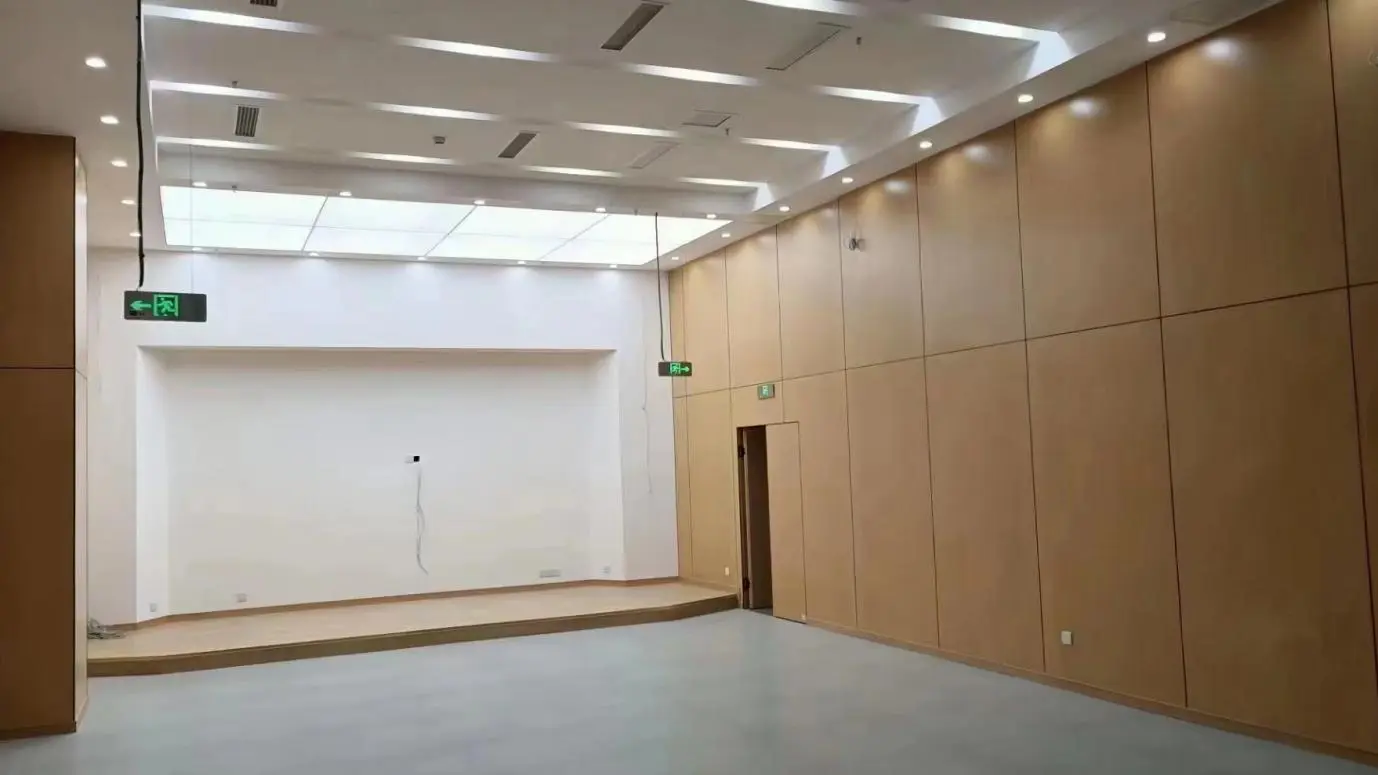
- Large Format / Seamless Appeal: Big panels reduce visual seams and help produce a seamless, high-end look in walls, ceilings, or furniture.
- Versatile Style Fit: Whether your interior leans minimalist, industrial, Scandinavian, or Asian-inspired, bamboo charcoal veneer can adapt and elevate.
Where It Shines: Application Scenarios
- Kitchen & Cabinetry: Given its moisture tolerance and stability, it works beautifully on cabinet doors, backsplashes, and countertops. Pair darker veneer with metallic hardware for a luxe look.
- Bathroom & Spa Areas: Use it on vanity units, shower walls (if sealed properly), and feature walls; its mold-resisting and odor-absorbing traits are especially helpful here.
- Furniture & Decorative Panels: Ideal for headboards, side tables, shelves, partitions — wherever you want texture, warmth, and durability.
- Commercial & High-Traffic Spaces: Hotels, restaurants, lounges, lobbies — the durability, air-regulating features, and visual appeal make it highly suitable.
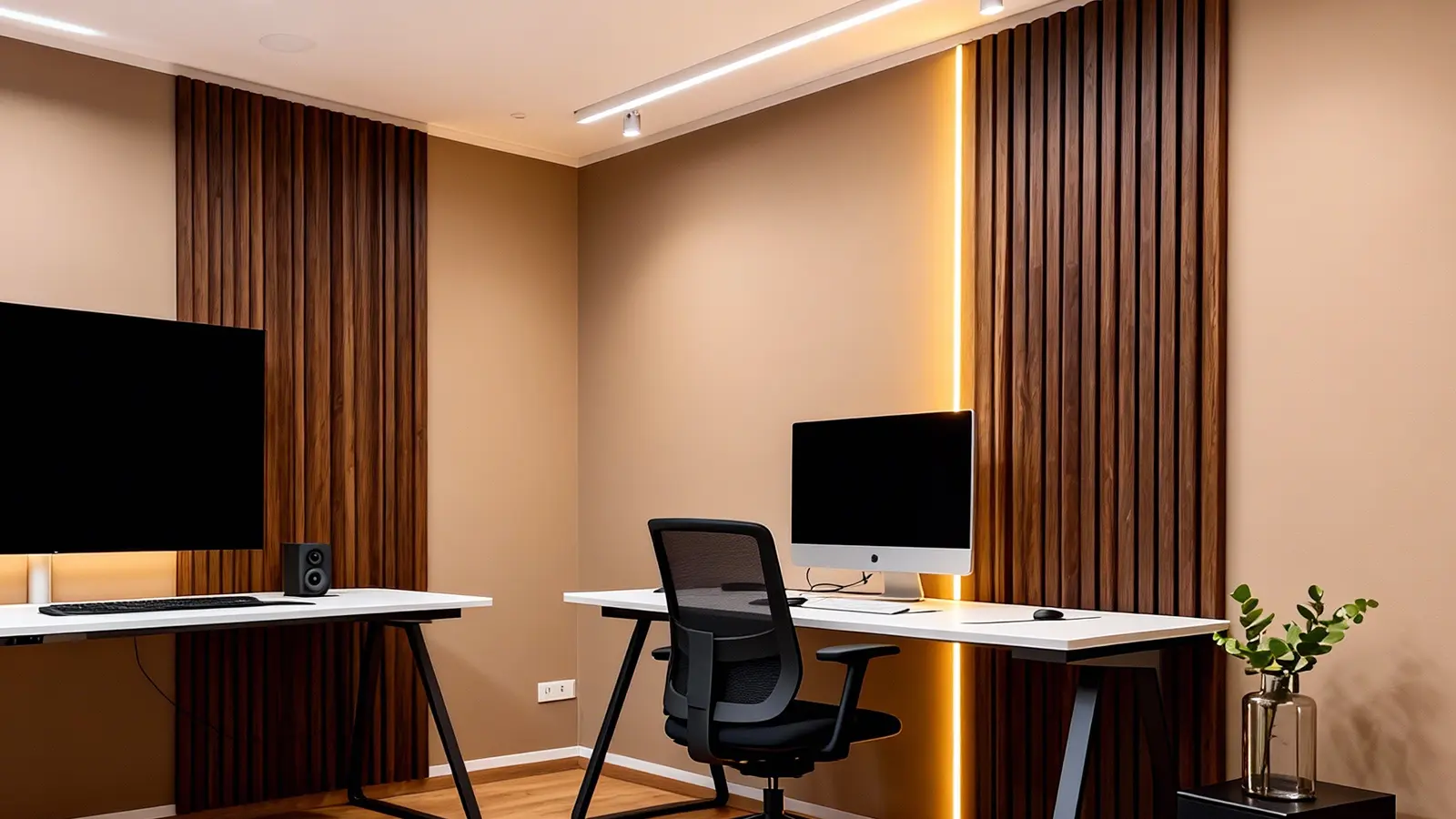
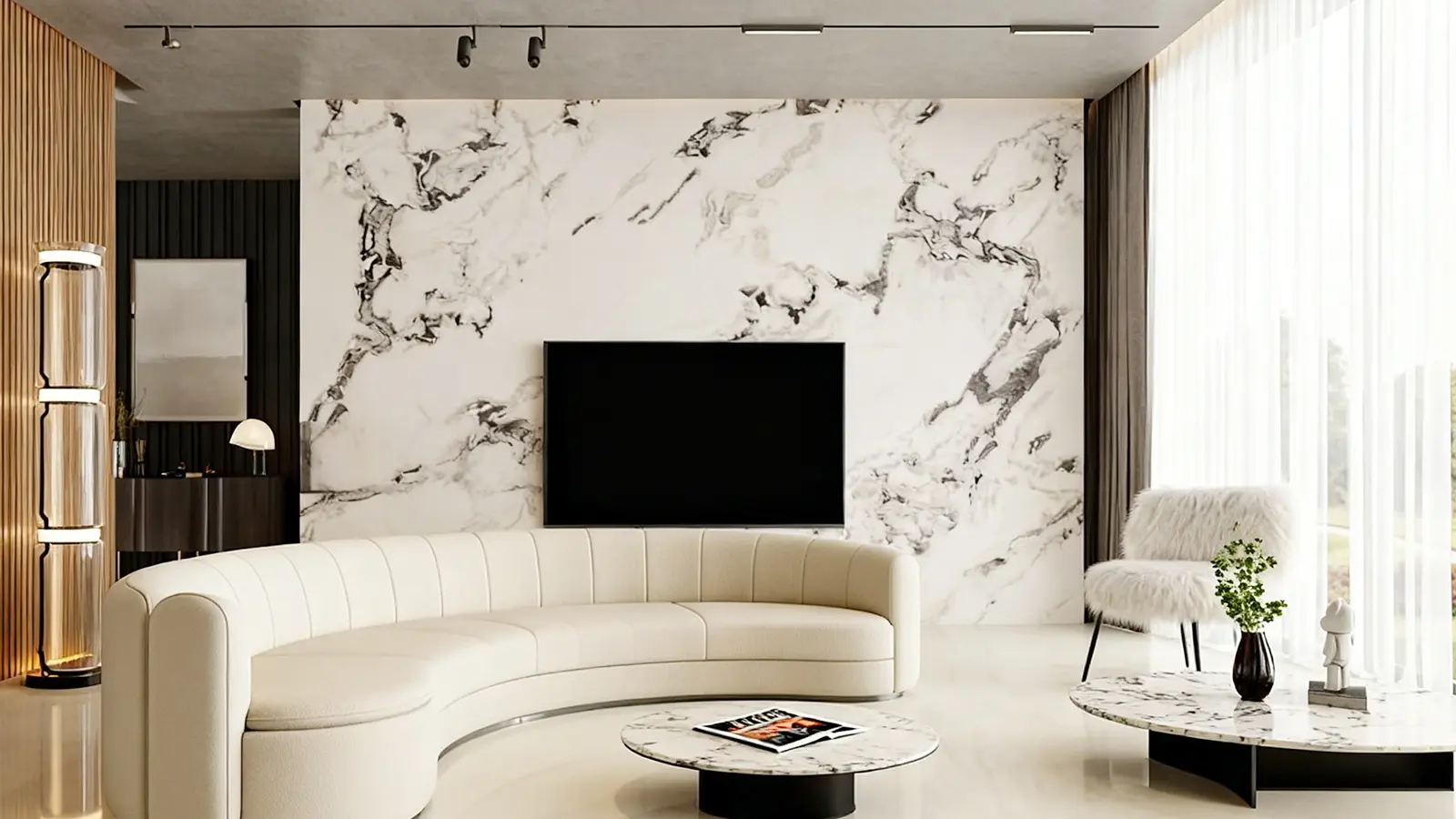
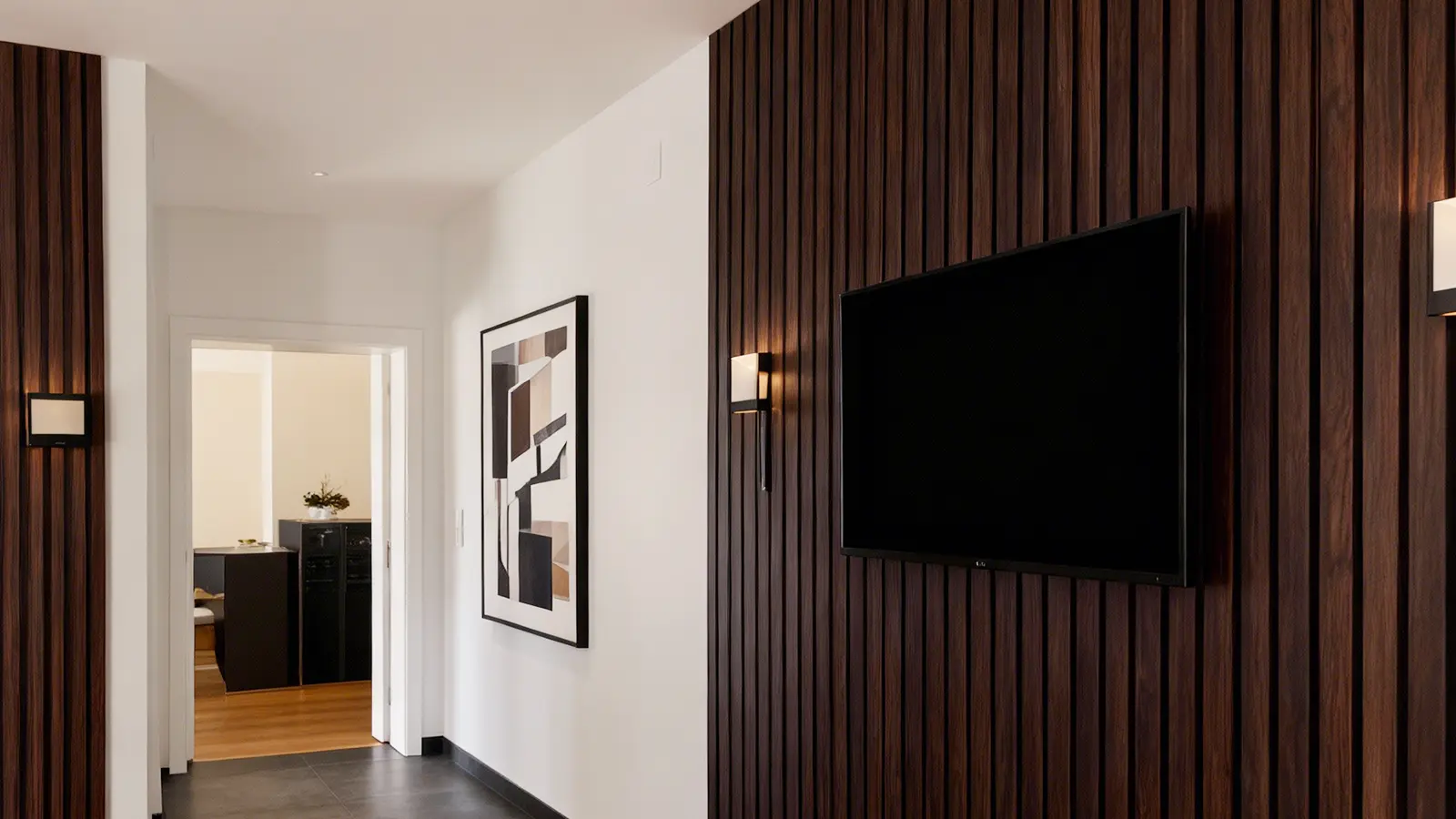
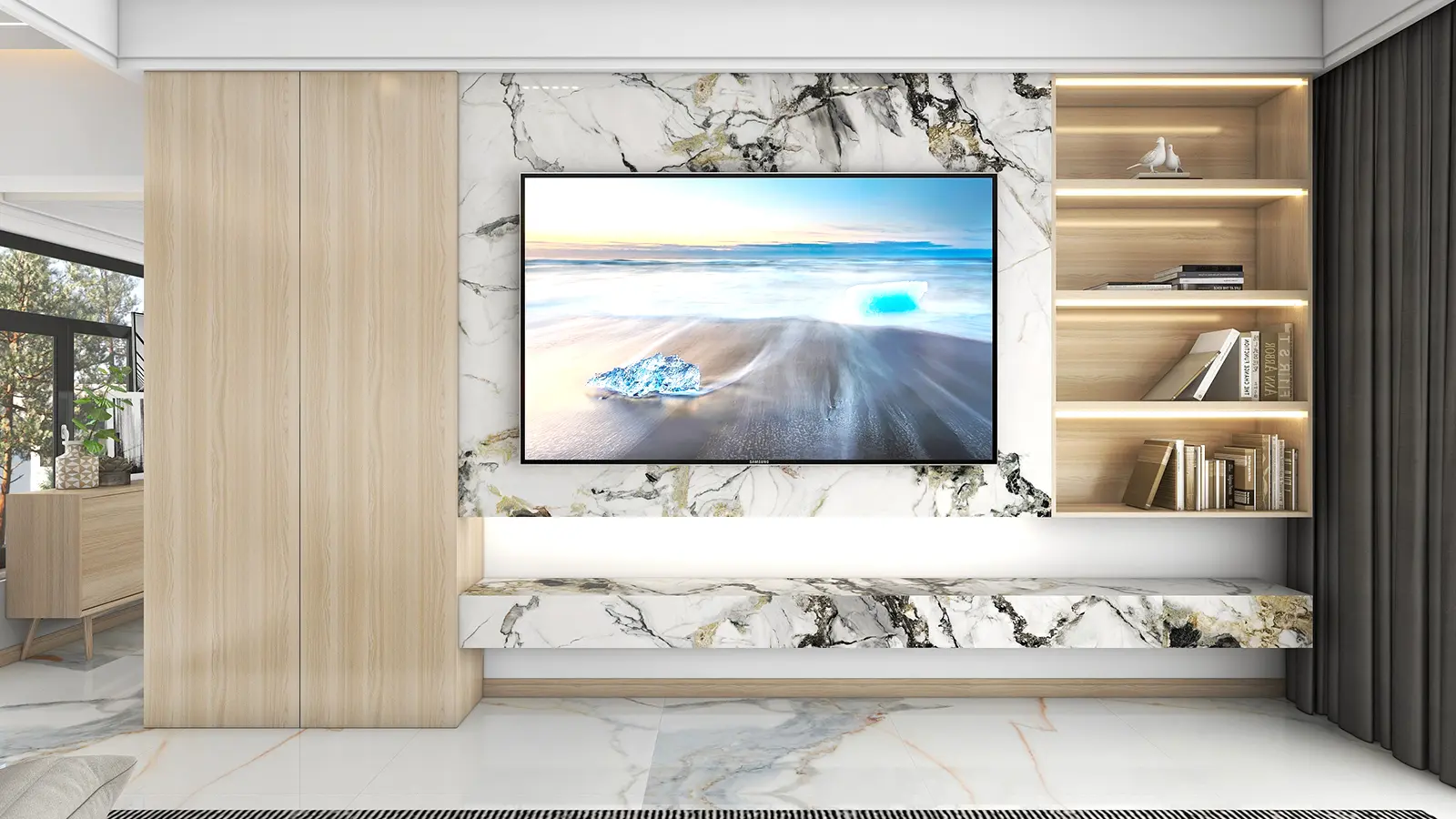
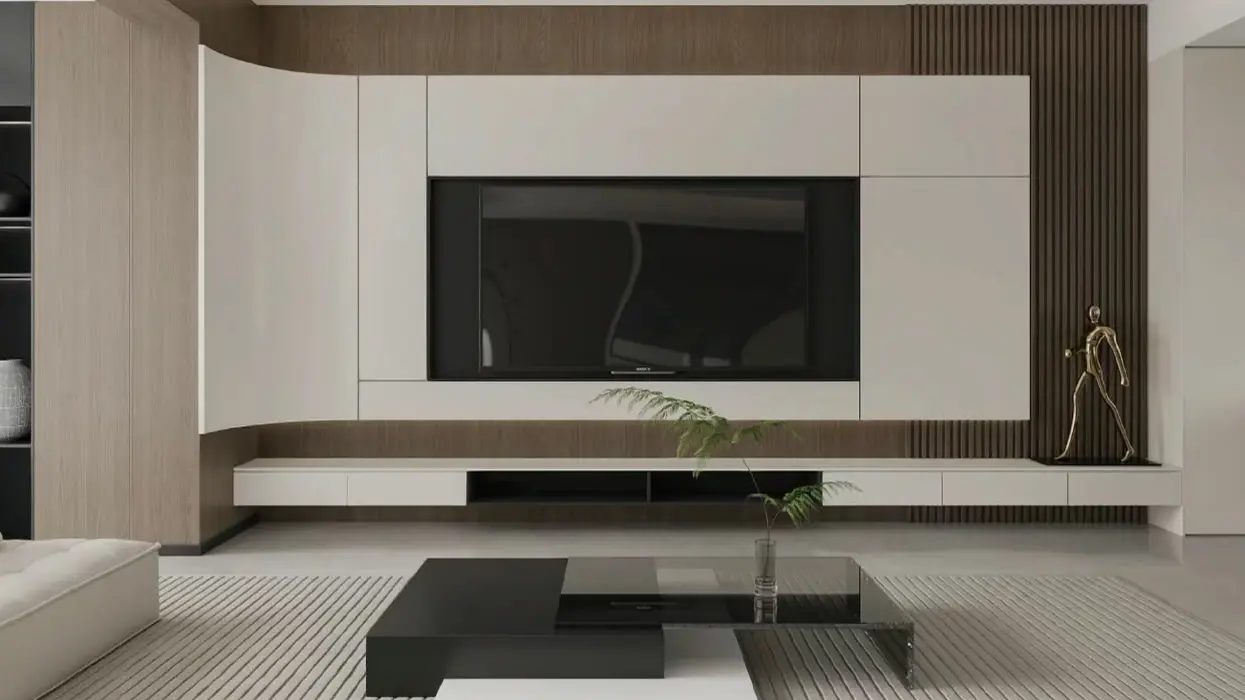
- Accent / Feature Walls: Use it as a backdrop behind media consoles or in meeting rooms to bring depth and visual interest.
Installation & Care Guide
Installation Tips
- Surface prep is critical — the substrate must be flat, clean, free of dust and moisture.
- Precision cutting — use fine-tooth blades; avoid chipping the veneer.
- Adhesive application — use environmentally friendly structural or contact adhesives evenly.
- Edge & seam treatment — finish edges with trims or routered profiles.
- Panel spacing — allow small expansion gaps where needed (check manufacturer guidelines).
Maintenance Tips
- Clean with soft damp cloth + mild neutral cleaner. Avoid harsh chemicals.
- Sun-dry the panels occasionally to “recharge” the adsorption effect.
- Repair light scratches by fine sanding + reseal.
- Limit continuous direct sunlight; use UV-protective coatings if needed.
Possible Challenges & Precautions
While bamboo charcoal wood veneer is promising, it’s not without constraints:
- Higher upfront cost: The processing is more complex, so material costs tend to be higher than ordinary veneers or laminates.
- Color variation & consistency: Natural batches might slightly differ in tone. Plan buffer material to cover full project needs.
- Brittleness risk during handling: Improper bending or cutting can lead to cracks — careful handling is required.
- Vulnerability to UV fading: Without protective coatings, extended sun exposure can cause slight discoloration.
- Supply chain constraints: Depending on region, delivery time and availability may be limited — plan ahead.
Final Thought: A Forward-Thinking Choice
Bamboo charcoal wood veneer fuses the soul of wood with the science of activated charcoal — a fusion of form + function. For owners, architects, and interior designers in 2025 seeking eco-credentials without sacrificing performance and style, this material is a compelling option. As awareness of indoor air quality and sustainable design rises, materials like this are not just trendy — they're timely.
If you'd like help customizing for your project, comparing options, or getting sample boards, just let me know — happy to assist.