
Do Acoustic Wall Panels Really Work? A Complete Guide to Quieter, More Comfortable Spaces
Table of Contents
- What are Acoustic Wall Panels?
- What Benefits Do They Offer?
- Types of Acoustic Wall Panels
- Typical Use Cases & Scenarios
- Things to Keep in Mind: Limitations & Myths
- Final Thoughts
In our ever-noisier world, sound is one of the less obvious stressors. Whether it’s chatter in open-plan offices, traffic rumble outside an apartment window, or the persistent echo in a home entertainment space, unwanted noise can hamper focus, creativity, sleep and general wellbeing. As a result, more people are turning to acoustic treatment solutions — and one of the most popular choices is the wall-mounted acoustic panel.
1. What are Acoustic Wall Panels?
Acoustic wall panels are specially designed surfaces that help tame indoor sound reflections (echoes, reverb) by absorbing sound energy instead of simply reflecting it back into the room. Typically they consist of a sound-absorbing core (such as foam, fibre, recycled PET) wrapped in a breathable fabric or finished with decorative surfaces. Their purpose is to transform a room’s acoustic behaviour, making it more comfortable and easier to listen / speak in.
Unlike hard, flat walls that bounce sound around, Acoustic Panels intercept and dampen those waves, reducing the “liveliness” of the room. According to acoustics experts, placing these panels on walls and ceilings helps cut down on unwanted reflections and improves speech intelligibility.
2. What Benefits Do They Offer?
Here are the main advantages of using acoustic wall panels:
- Reverberation / echo control
When sound radiates in a space, especially one with hard surfaces, it keeps reflecting and bouncing until it gradually decays. More reverberation makes speech less clear and background noise more intrusive. By absorbing those reflections, panels reduce the reverberation time (RT60) of the room - making conversations easier and more comfortable.
- Better noise environment
In offices, homes or commercial spaces, excessive ambient noise (from HVAC, neighbouring rooms, traffic) drains energy and reduces productivity. While panels won’t block all external noise, they help moderate the internal acoustic environment so it’s less fatiguing. Some sources state that a well-planned treatment can lower the perceived ambient noise by ~10-15 dB in certain spaces. (Though exact results depend on many factors.)
- Appealing aesthetics
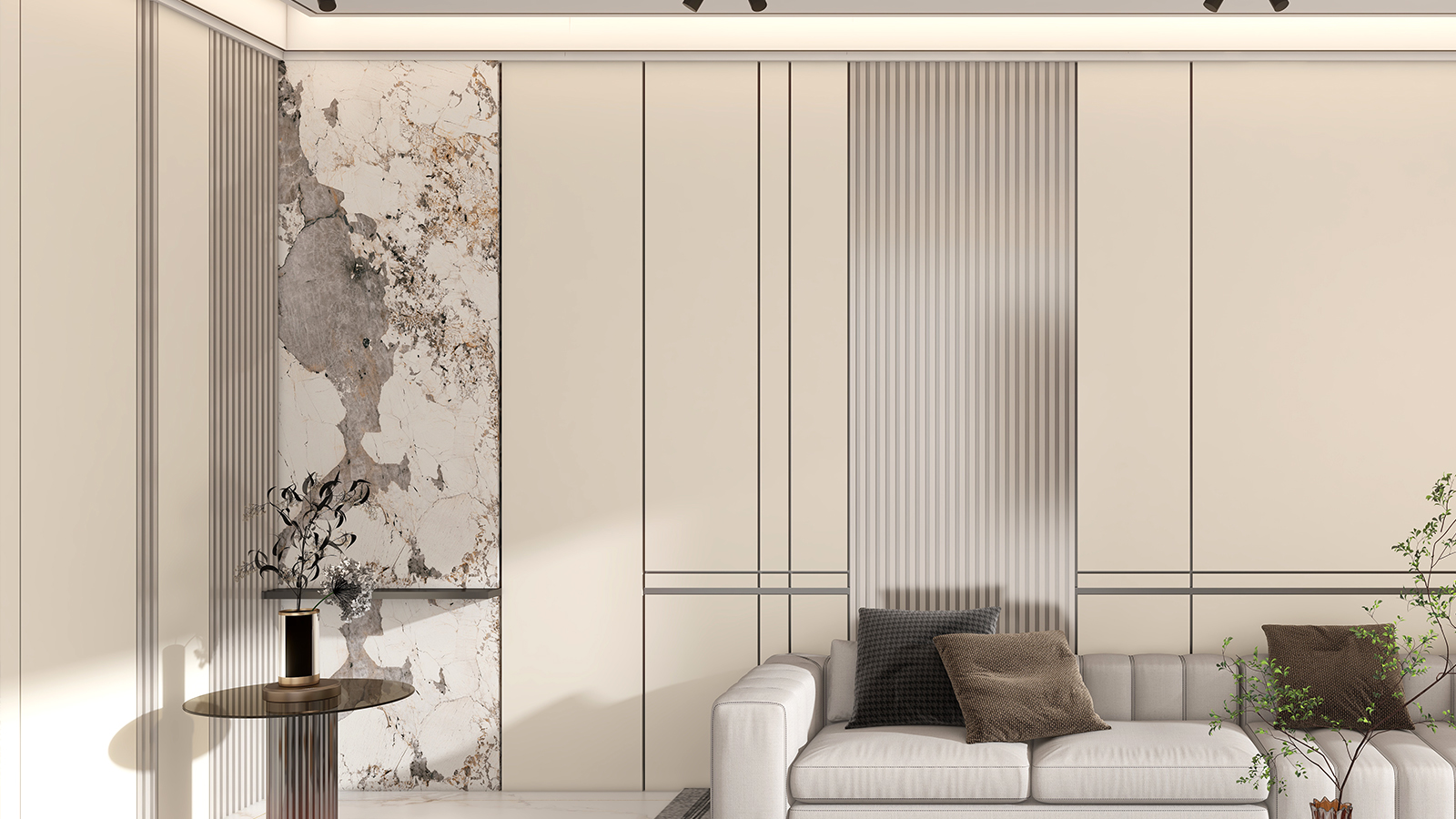
Many modern acoustic panels are designed not just for function but also for style. From wood slat finishes to fabric-wrapped colour blocks, you can integrate acoustic treatment into your décor rather than hide it. Designers often point out that acoustic panels can turn walls from mere coverings into purposeful acoustic art.
- Secondary insulation / comfort benefits
Some acoustic panels have the added benefit of modest thermal insulation (since they add material and depth to the wall). Also, in spaces with high ceilings or large glass surfaces, they can contribute to improving acoustic comfort in a way that improves the overall feel of the room.
3. Types of Acoustic Wall Panels
Let’s summarise common types and their pros/cons:
Polyester fibre panels
These are made from internally porous fibre (often recycled PET). They offer good absorption (often NRC ~0.70-0.80), are moisture-resistant, mildew-resistant and relatively lightweight. Good for general-purpose acoustic improvement.
Foam acoustic panels
Usually polyurethane or melamine foam panels, typically lower cost. They can reduce reflections especially mid/high frequencies, but lower performance for low frequencies and may be less durable or more difficult to clean.
Wood / slat acoustic panels
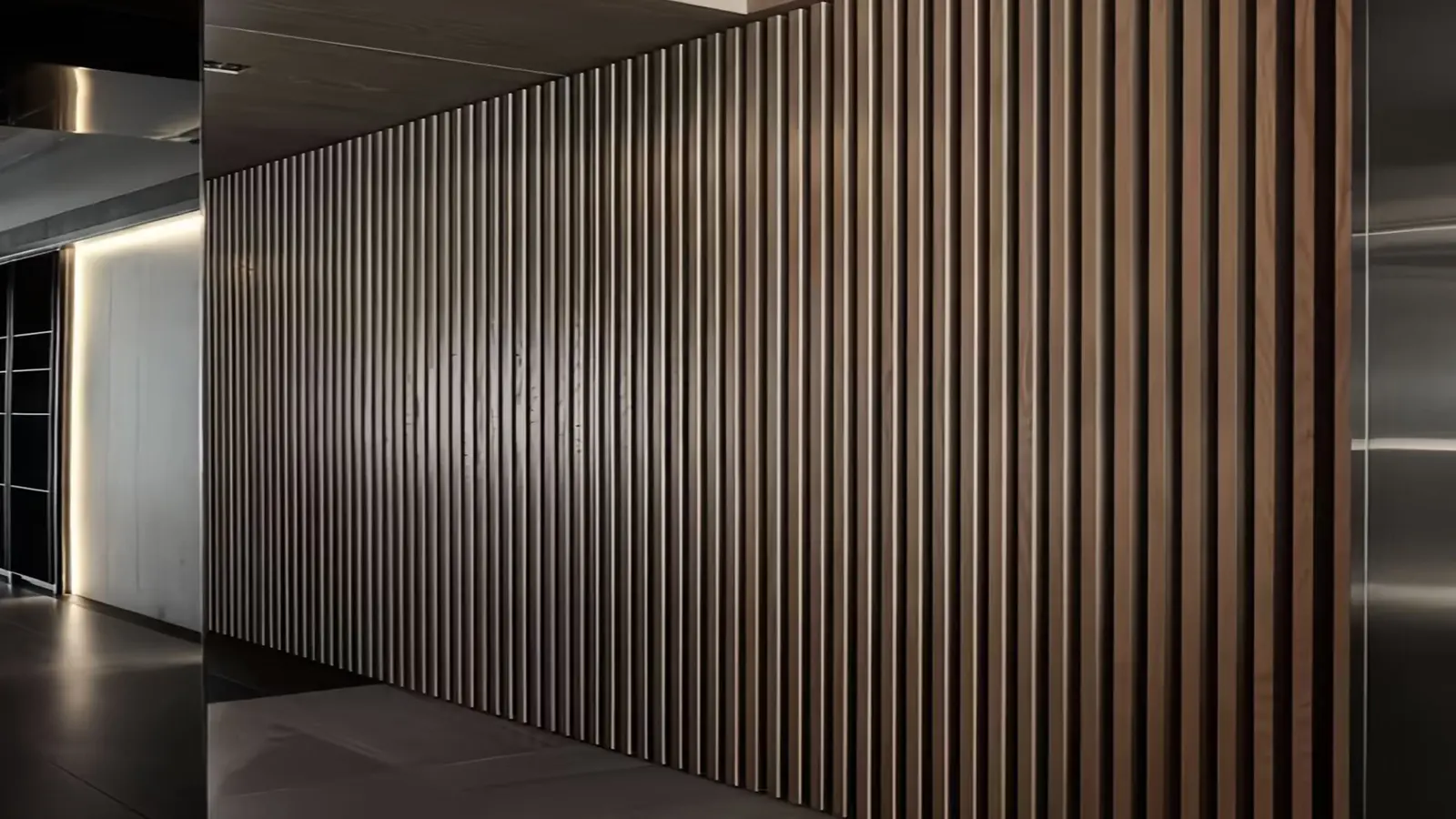
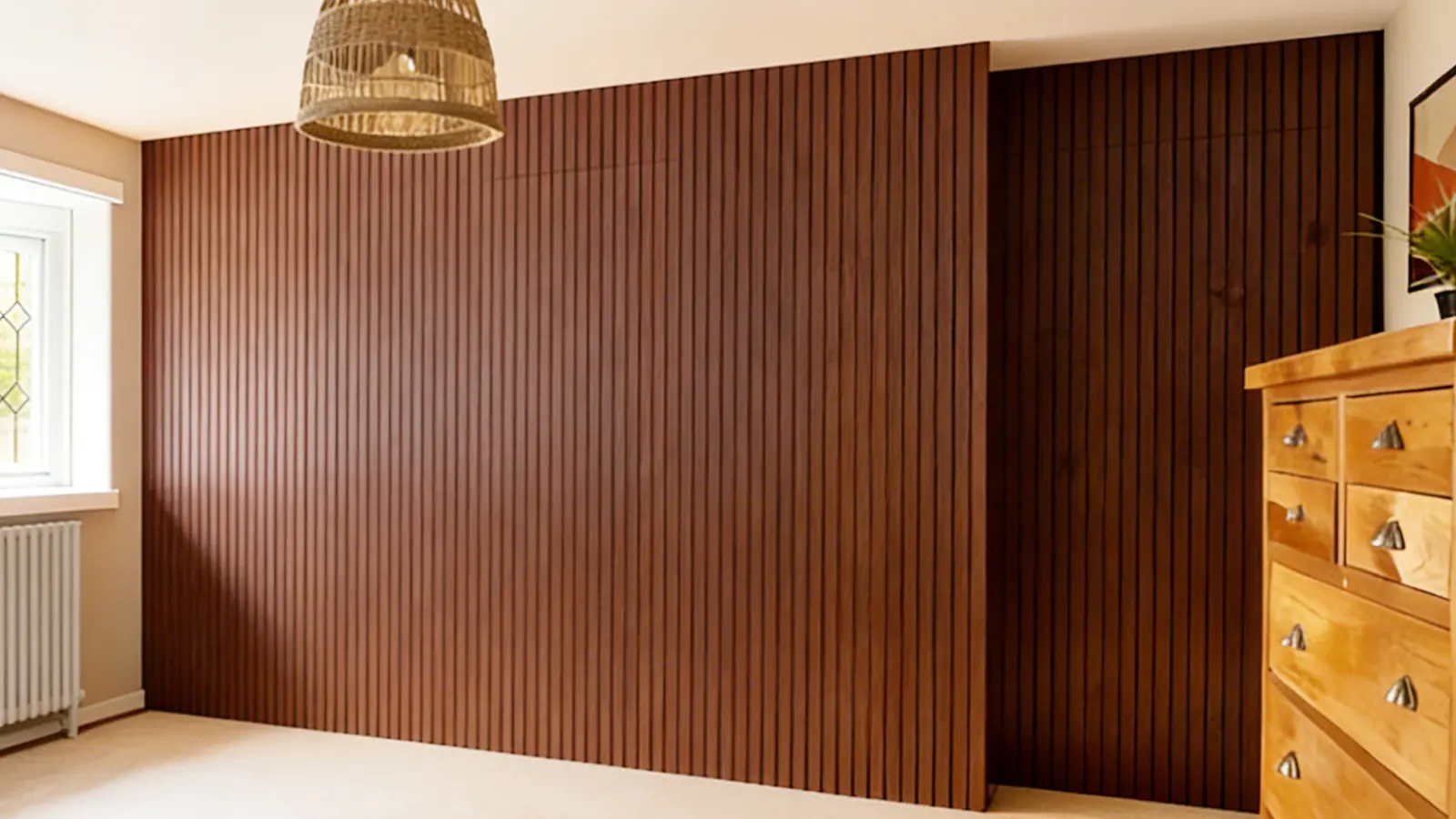
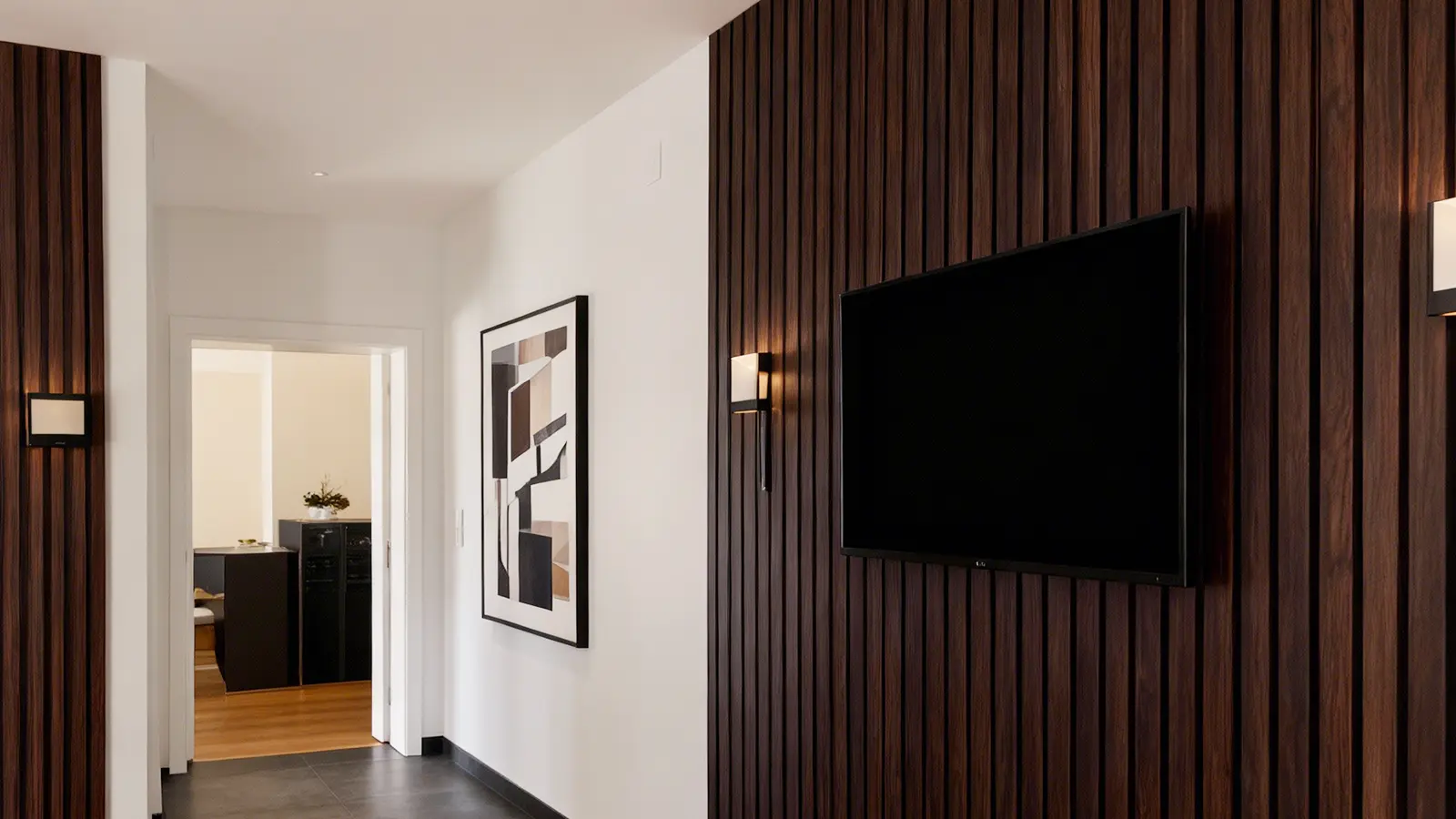
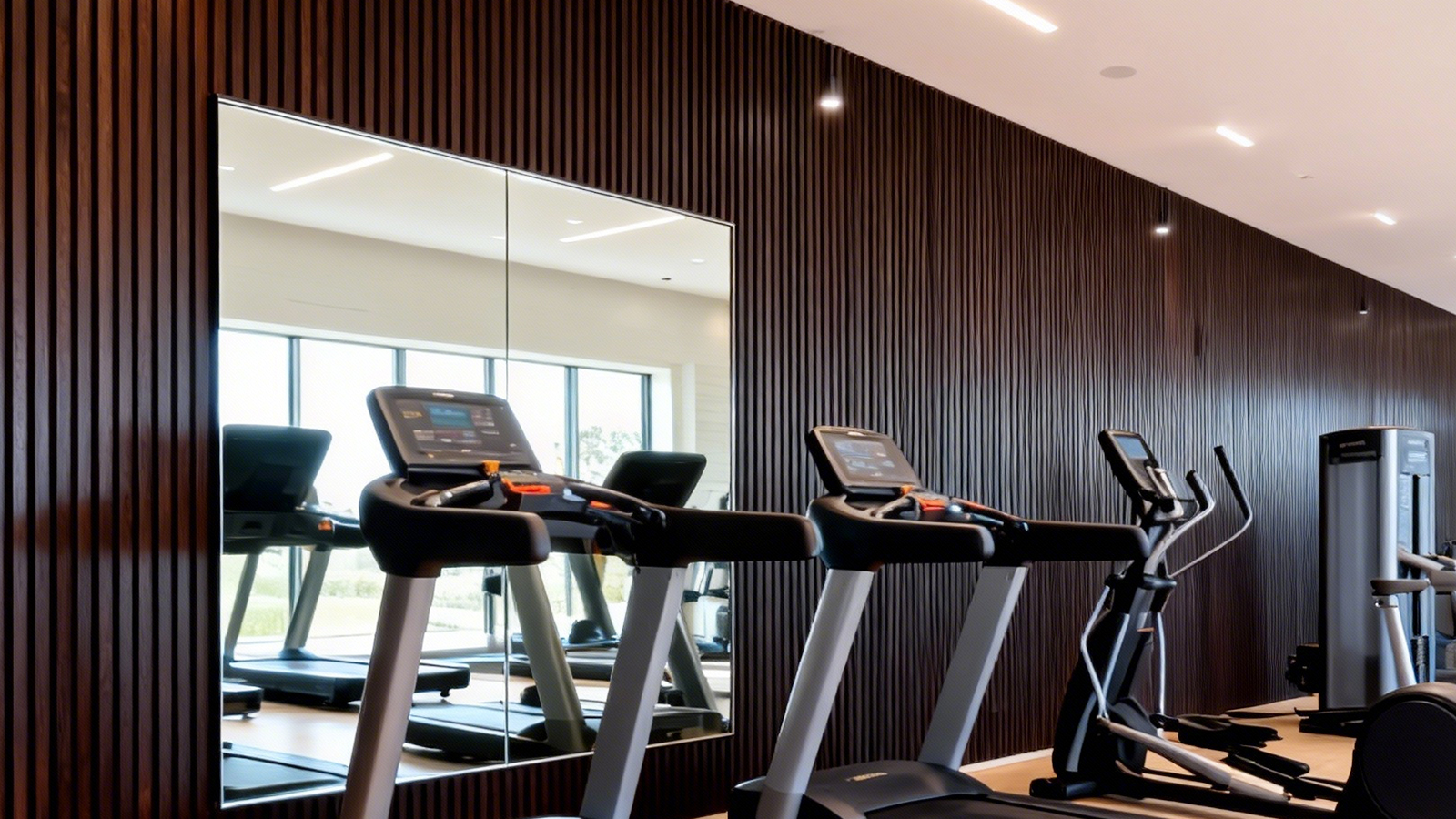
Often a veneered wood or MDF slatted surface over a sound-absorbing backing. They offer a higher-end look and can be used as design elements. They may need more precise mounting and care but integrate acoustic treatment with decorative appeal.
Hybrid / decorative art panels
These incorporate acoustic felt, 3D printed geometry, bespoke shapes and finishes so that the panel becomes a feature in the space (not just functional). Good for design-forward projects.
4. Typical Use Cases & Scenarios
Here are some spaces where acoustic wall panels make a marked difference:
Offices / open-plan workspaces
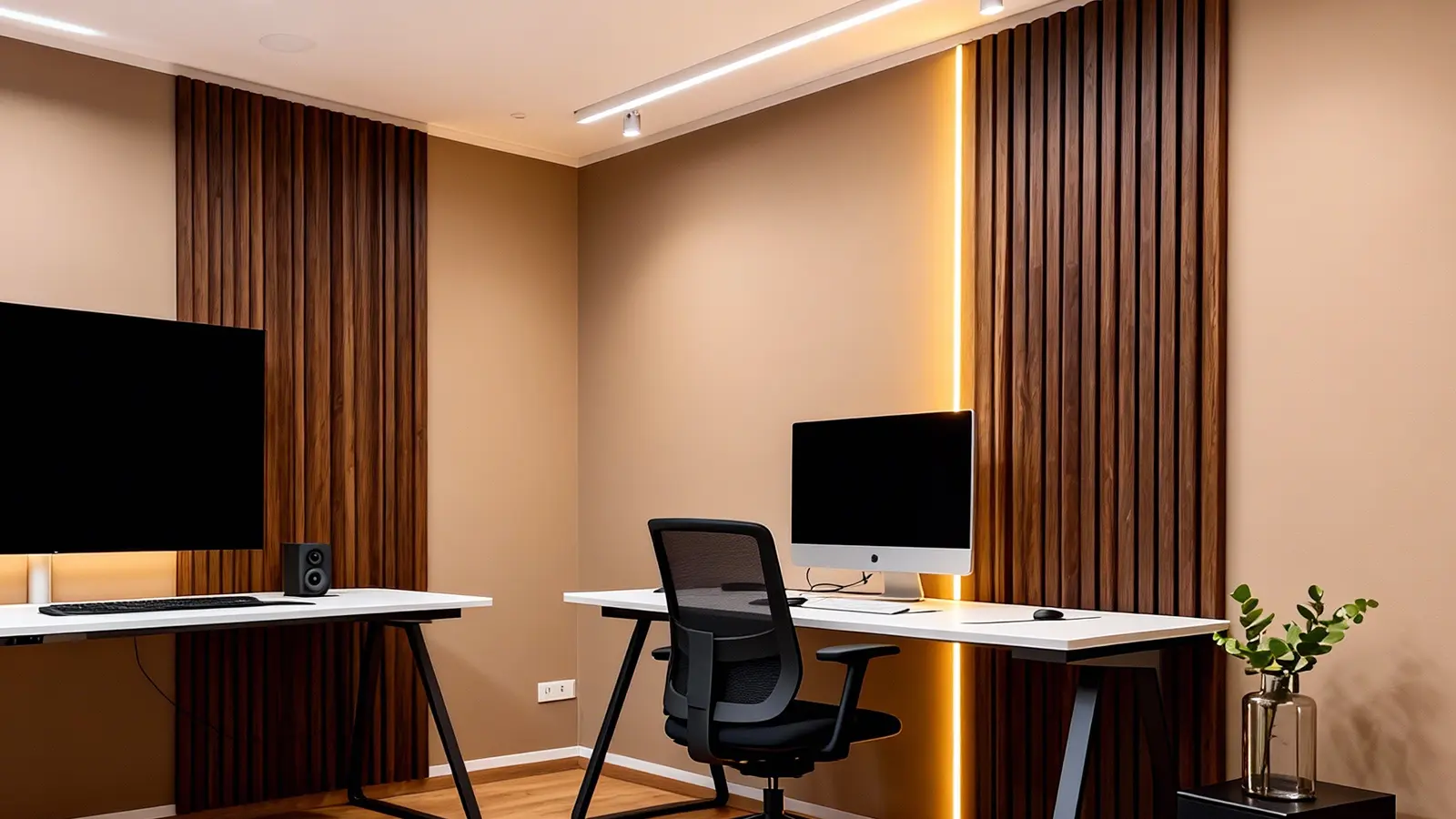
Rooms with many hard surfaces and little absorption tend to be noisy and fatiguing. Panels placed opposite noise sources, near walls adjacent to collaborative areas, or behind desks can help reduce reverberation and make speech easier to listen to.
Restaurants / hospitality spaces
High ceilings, hard flooring and large glass often make dining rooms echo-rich, increasing background noise and making conversation harder. Acoustic panels help lower ambient noise level and improve guest experience.
Home theatres, studios, living rooms
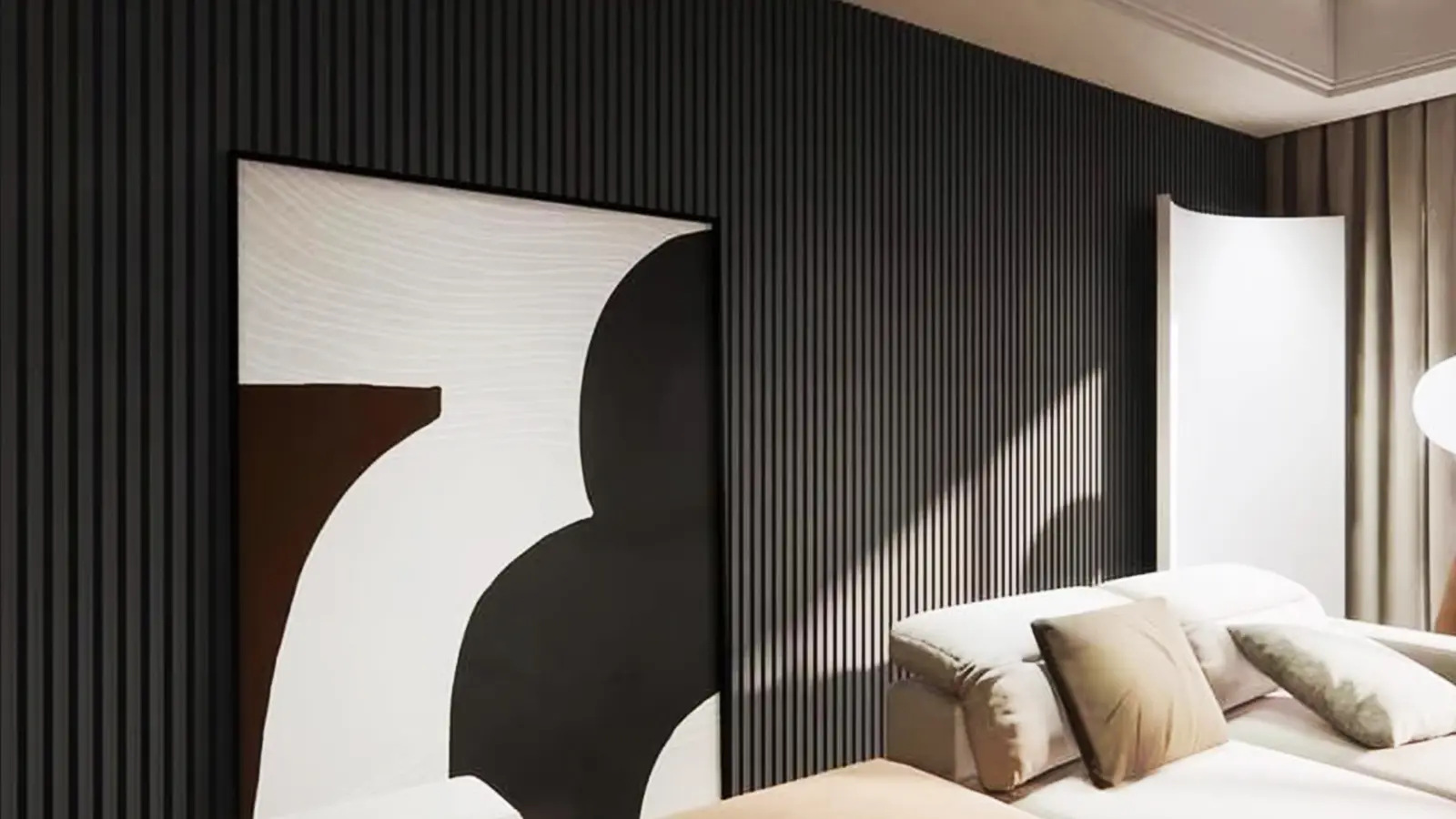
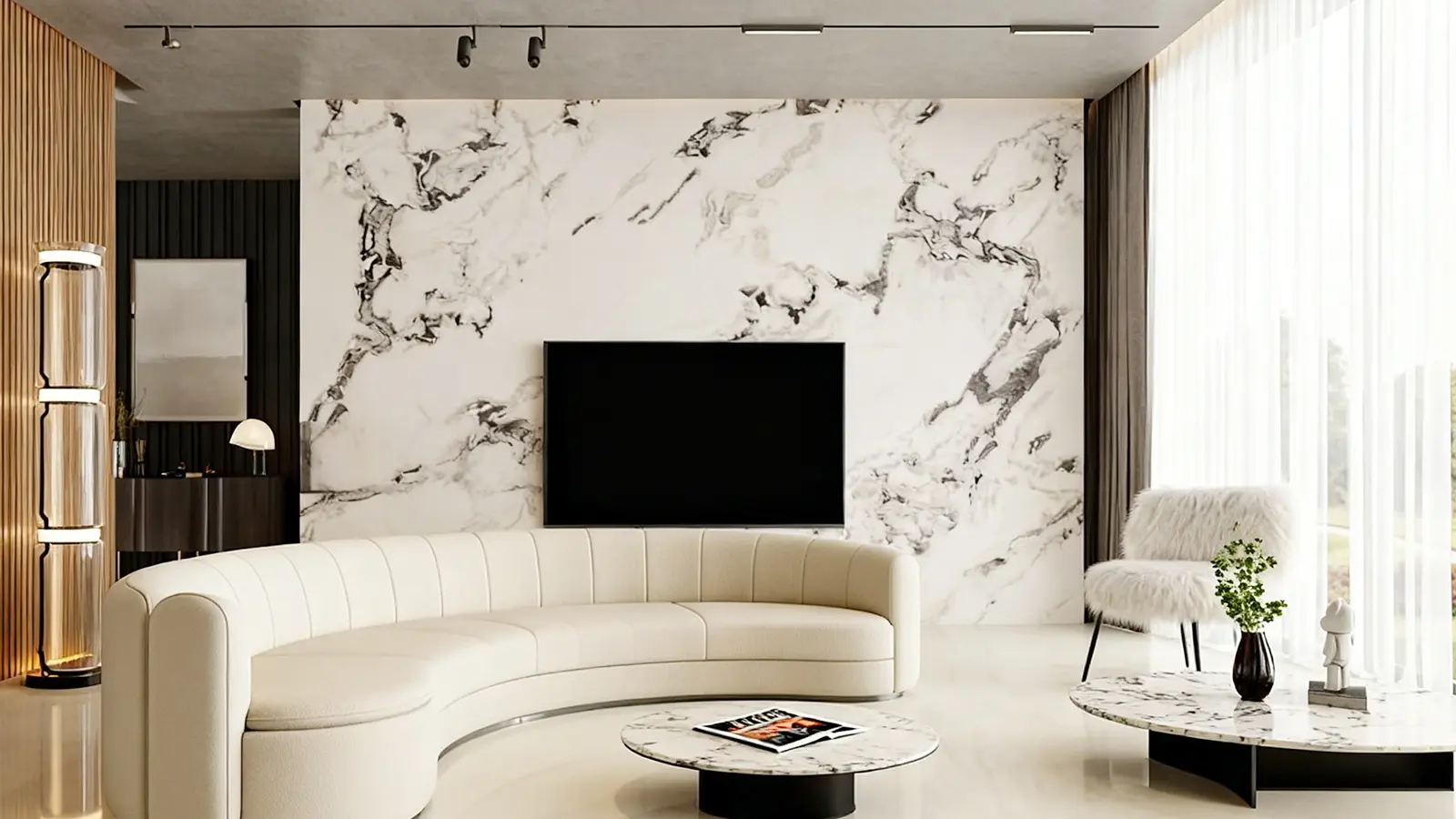
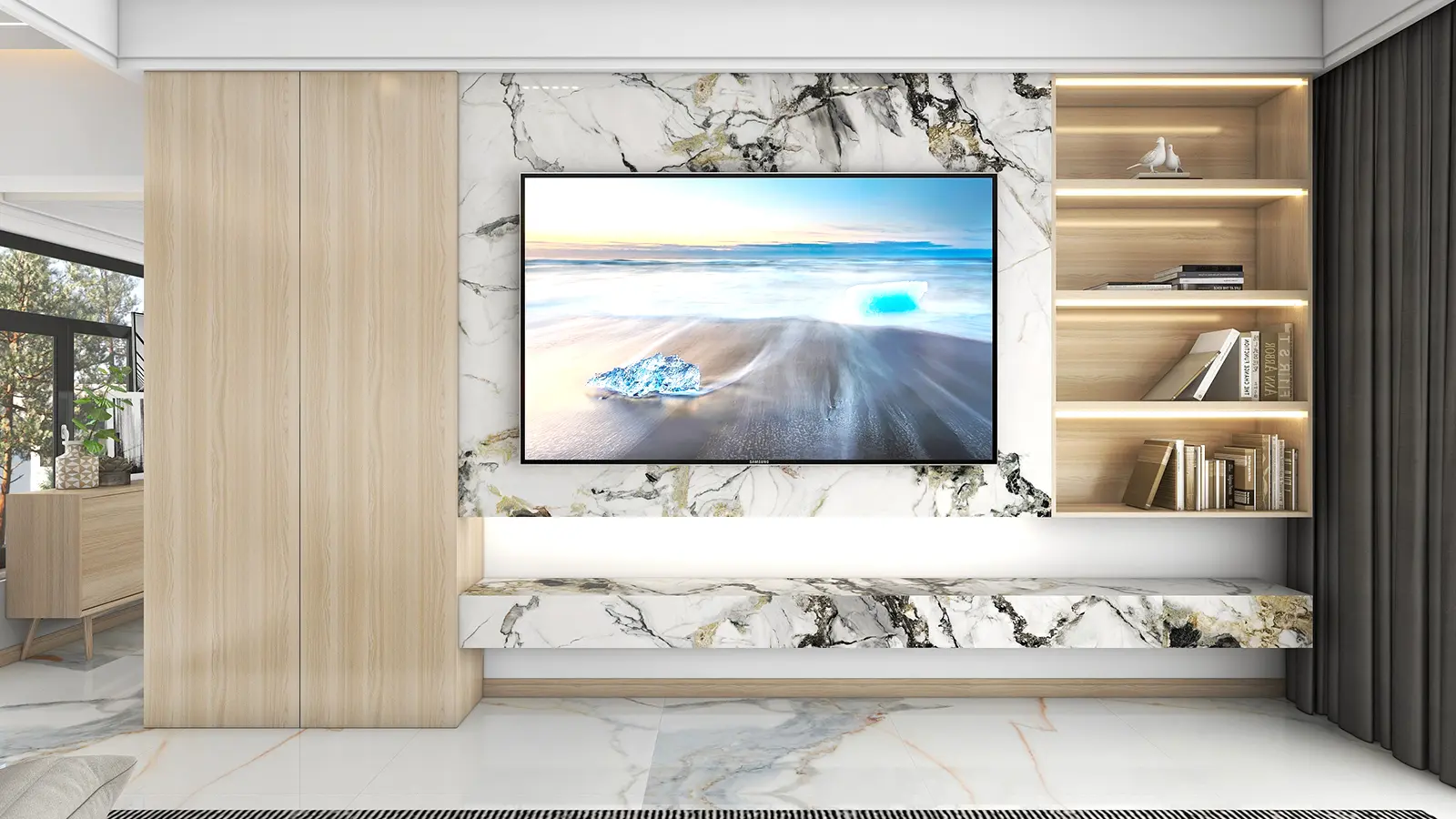
In home audio or video-watching spaces, managing reflections off walls improves clarity of dialogue and music. Panels behind the screen, on side walls, behind seating all play a role.
Conference rooms / classrooms
Clear speech is critical. Reducing echo helps with intelligibility, particularly in large or multi-purpose rooms.
Residential rooms near shared walls or noisy neighbours
While panels won’t fully sound-proof the wall, they can help moderate internal reflections so the space feels quieter and more comfortable, especially if combined with other treatments.
5. Things to Keep in Mind: Limitations & Myths
It’s worth noting some caveats:
- Acoustic Wall Panels help the sound inside a space, not necessarily the sound through a wall. That is, they absorb reflections rather than block external noise transmission.
- Thickness and material composition matter when it comes to low-frequency absorption – many panels perform well in mid/high frequencies but less so in bass without additional treatment.
- You may need a more comprehensive acoustic treatment (floors, ceiling, furniture) to achieve a truly quiet space; panels are one component of the solution.
- Coverage matters: too few panels won’t produce a noticeable effect; too many untreated reflective surfaces still undermine the result.
- Sound-proofing (mass, decoupling, insulation) is a different discipline to sound-absorption; choosing the wrong treatment (e.g., absorption when you need isolation) will give disappointing results.
6. Final Thoughts
Yes – acoustic wall panels do work — when selected and installed properly. They are an effective way to improve the internal acoustic character of a space, making it quieter, clearer, less fatiguing. But it’s important to align expectations: they are not a magic sound-proofing wall that blocks all external noise. They excel at absorbing reflections and improving how a room ‘feels’ acoustically.
If you are planning to upgrade your space’s acoustics — whether for work, learning, listening, or living – start with a basic assessment: what are the major sources of noise or echo, where are the hard reflecting surfaces, what is the goal (better speech clarity, reduced ambient noise, better music listening). Then select panels with the right performance (and aesthetics) and plan for good coverage and correct installation.