

Designing Quieter Hotels: The Strategic Role of Acoustic Panels in Hospitality Projects
Table of Contents
- Introduction: Why Silence Has Become a Luxury
- Noise Control Challenges in Hotel Design
- Improving Guest Room Comfort Through Acoustic Treatment
- Enhancing Public Spaces Without Losing Energy
- Meeting Rooms and Event Facilities
- Architectural and Aesthetic Integration
- Safety, Sustainability, and Compliance
- Installation Practicality and Durability
- Return on Investment and Operational Benefits
- Conclusion: Sound Control as a Core Hospitality Strategy
1. Introduction: Why Silence Has Become a Luxury
Modern travelers expect more from hotels than attractive interiors and attentive service. Increasingly, quietness is perceived as a luxury, particularly in city hotels and large resorts where noise is difficult to avoid.
Guest complaints related to sound disturbances continue to rank among the most common negative feedback categories. To address this issue efficiently, hotel developers are turning to Acoustic Panels as a core component of interior design and performance planning.
This article examines how acoustic panels contribute to hotel comfort, functionality, and commercial success across different hospitality environments.
2. Noise Control Challenges in Hotel Design
Hotel buildings combine multiple sound-sensitive spaces under one roof. Guest rooms, restaurants, gyms, and conference facilities all generate different types of noise.
Hard interior surfaces—while visually appealing—often worsen acoustic conditions by reflecting sound. Without adequate absorption, these reflections increase overall noise levels and reduce speech clarity.
Acoustic panels are engineered to counteract this effect by absorbing sound waves and reducing reverberation time within a space.
3. Improving Guest Room Comfort Through Acoustic Treatment
3.1 Creating a Calmer Interior Environment
In-room acoustic panels help soften sound reflections caused by furniture, flooring, and wall finishes. This results in a calmer atmosphere that feels more private and comfortable.
Guests often perceive rooms with good acoustic treatment as higher quality, even when room size and furnishings remain unchanged.
3.2 Supporting Diverse Guest Profiles
Business travelers, families, and long-stay guests all benefit from reduced interior noise. Acoustic panels help accommodate varying usage patterns without compromising comfort.
4. Enhancing Public Spaces Without Losing Energy
4.1 Reception and Waiting Areas
Reception zones require a balance between liveliness and order. Acoustic panels reduce excessive noise while maintaining an open and welcoming feel.
Improved sound control allows staff to communicate more effectively with guests, reducing misunderstandings and stress.
4.2 Restaurants and Entertainment Venues
In dining and leisure spaces, sound absorption improves comfort without dampening ambiance. Guests can enjoy conversations without raising their voices, contributing to a more relaxed experience.
5. Meeting Rooms and Event Facilities
Professional acoustic environments are essential for conferences, training sessions, and corporate events. Acoustic panels help control sound distribution, ensuring presentations remain clear and engaging.
Hotels with well-designed meeting spaces gain a competitive edge in the corporate and MICE (Meetings, Incentives, Conferences, Exhibitions) market.
6. Architectural and Aesthetic Integration
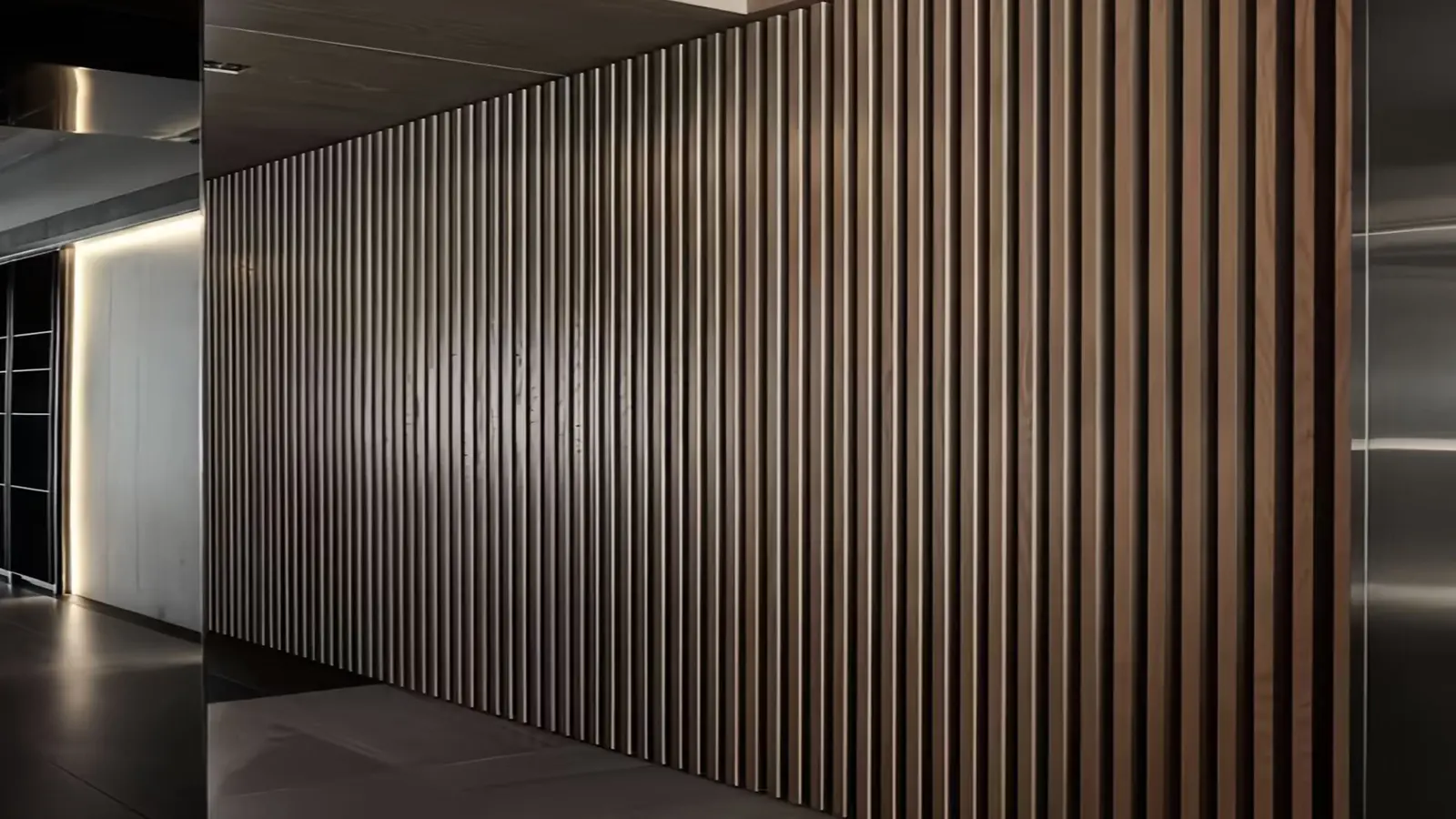
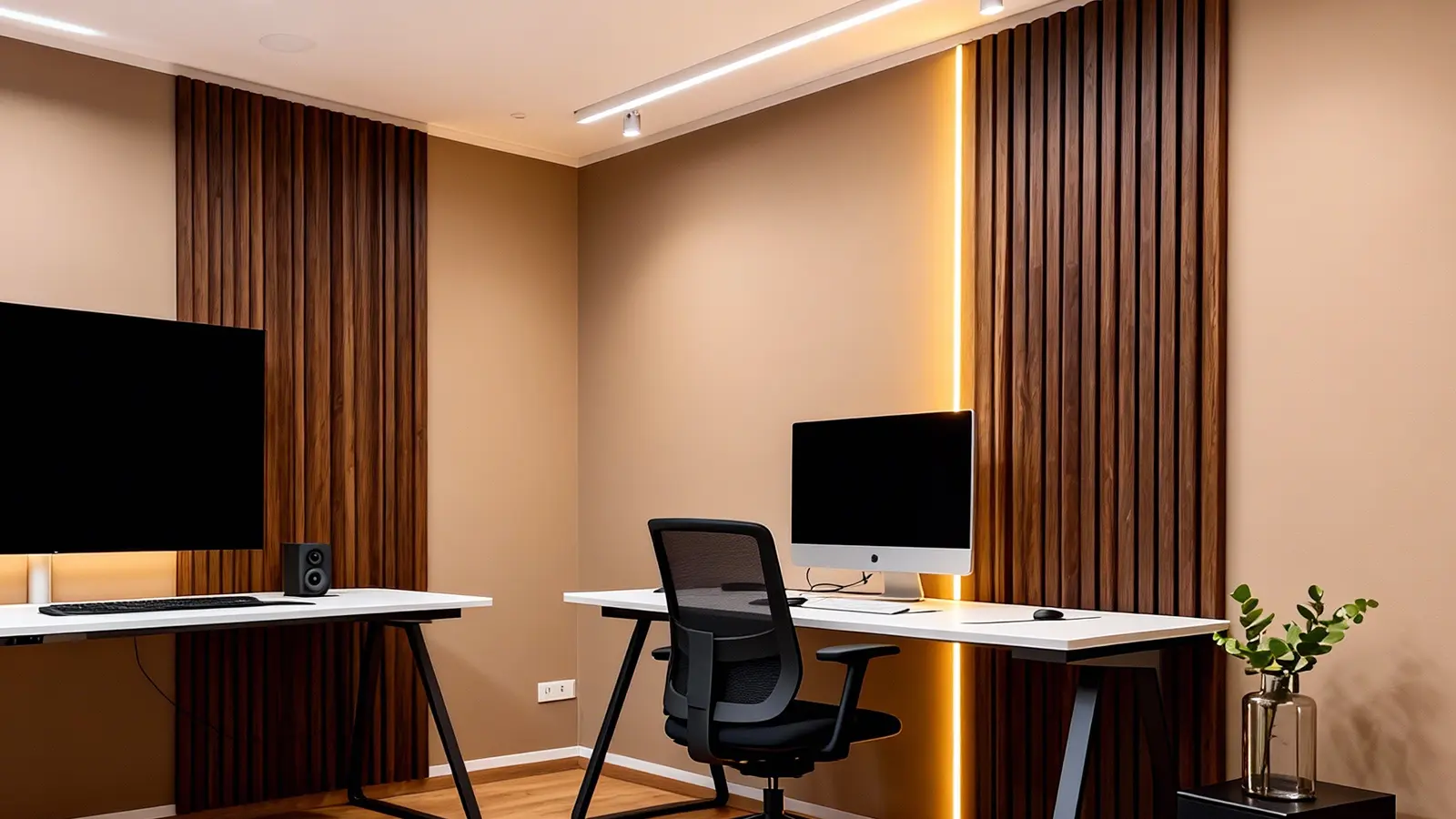
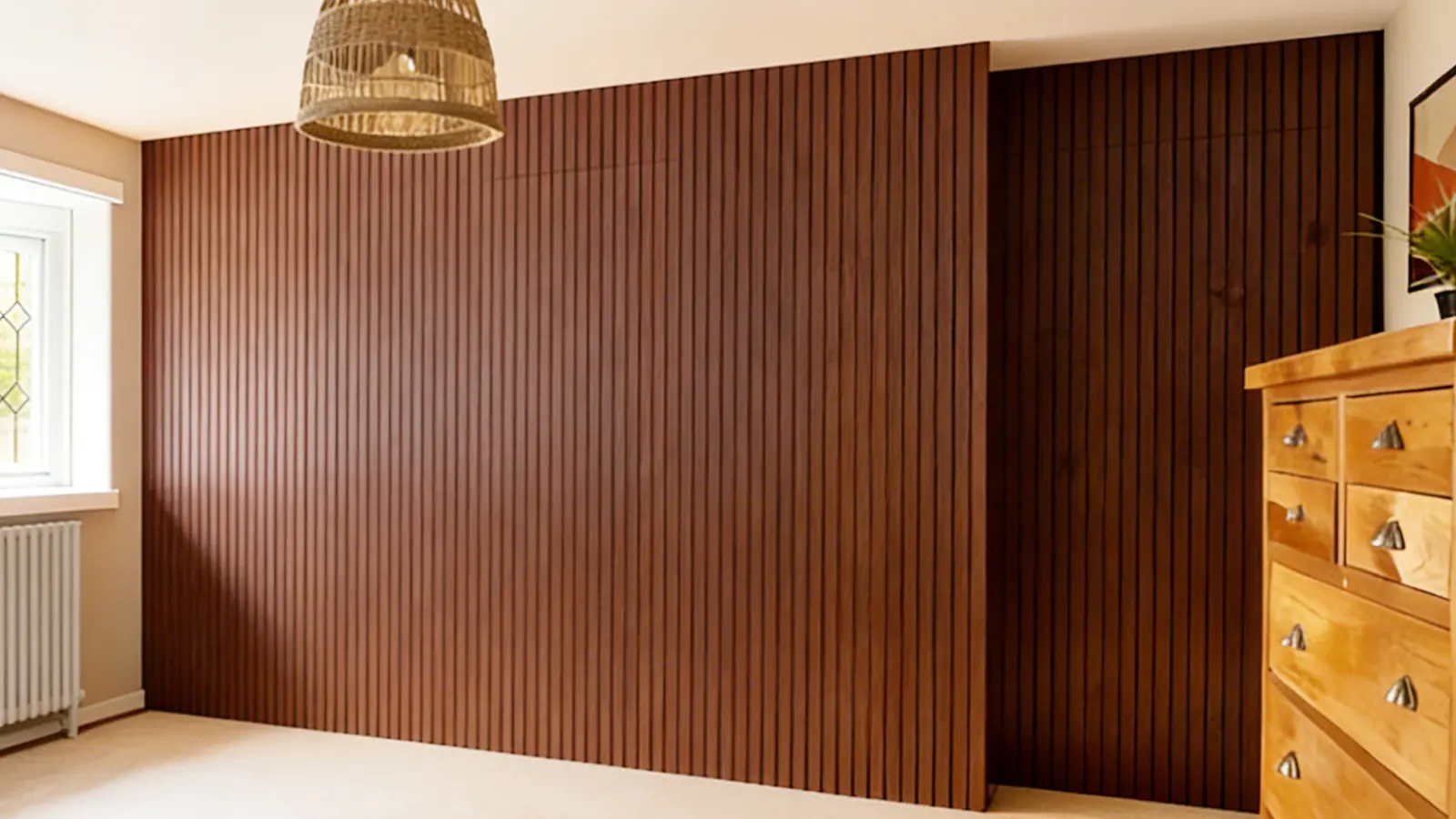
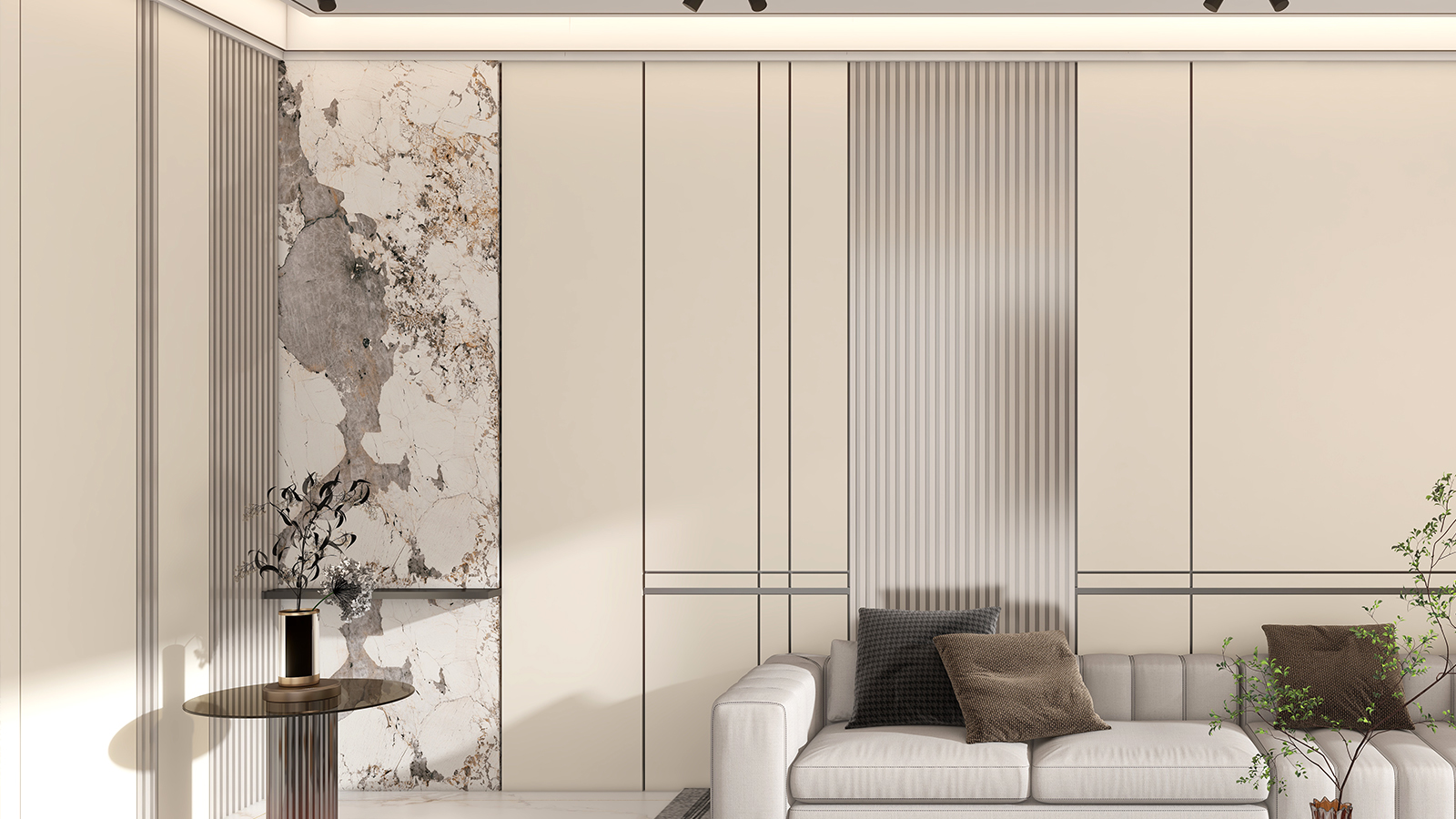
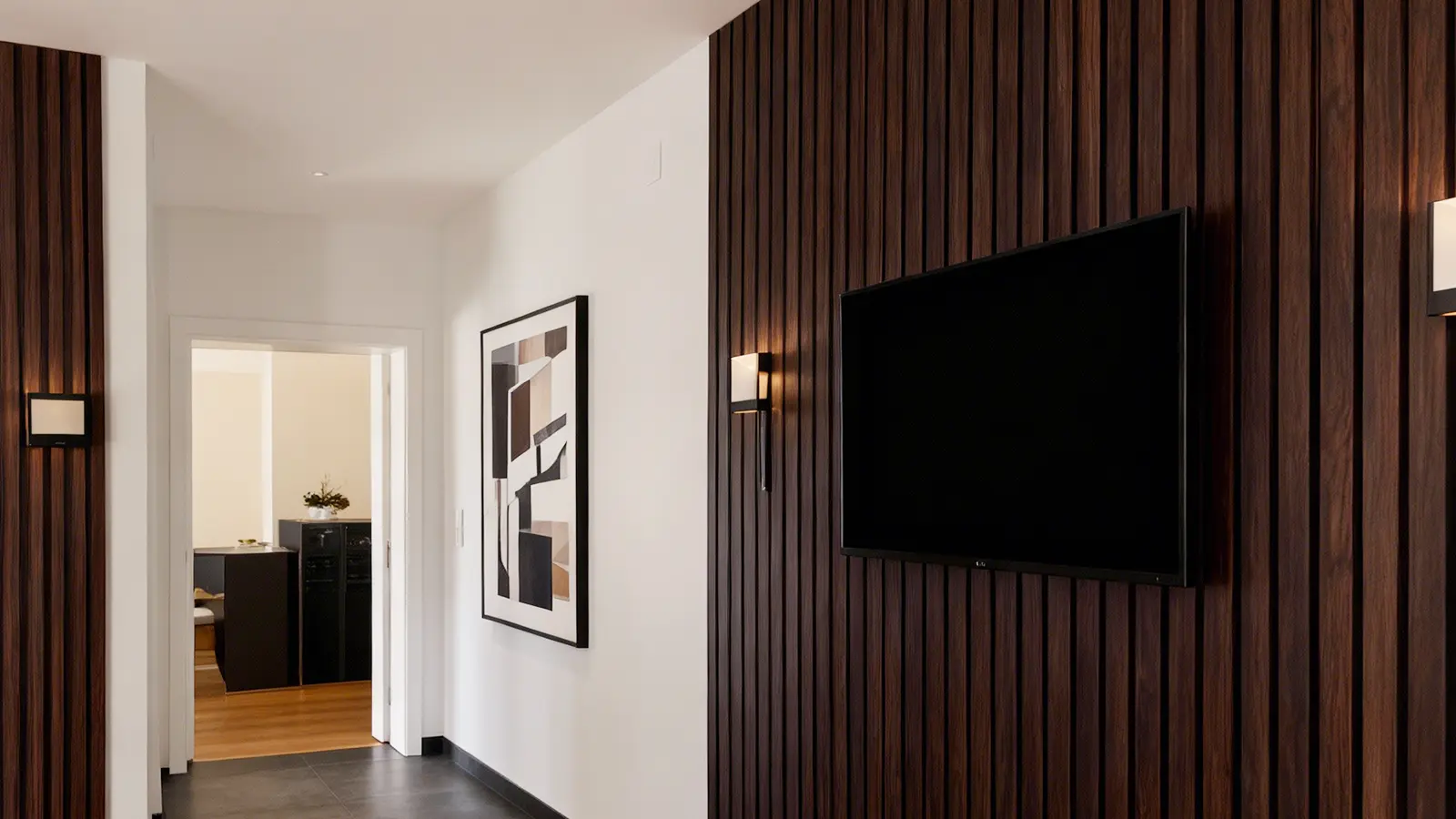
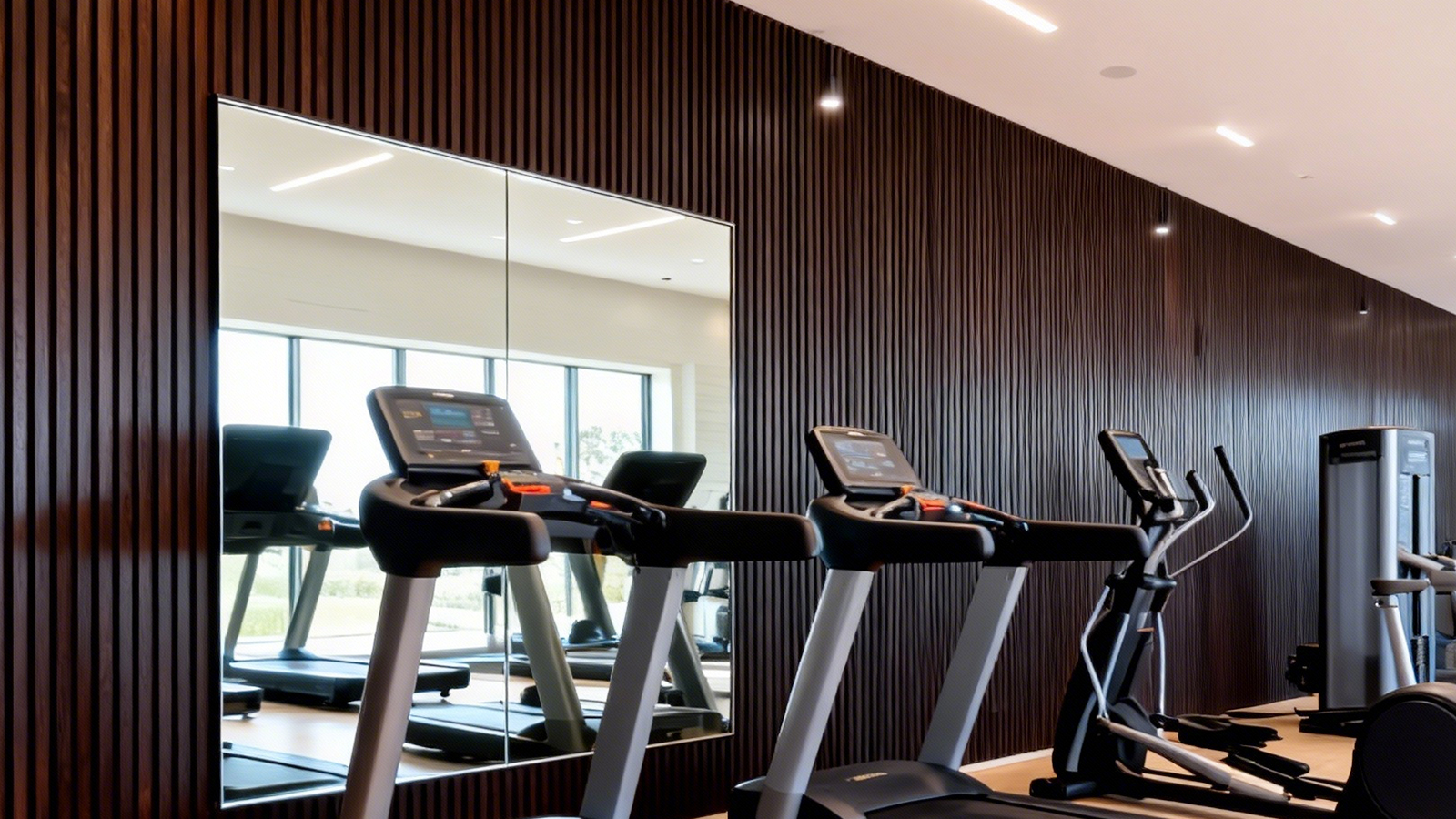
Acoustic panels are no longer hidden technical elements. Contemporary designs allow them to serve as visual highlights, offering textures, patterns, and finishes that complement hotel interiors.
Custom solutions enable designers to align acoustic treatments with brand identity, creating cohesive and memorable spaces.
7. Safety, Sustainability, and Compliance
Fire safety is non-negotiable in hospitality projects. Certified acoustic panels meet stringent fire resistance standards, supporting regulatory compliance across international markets.
Environmentally responsible manufacturing practices further enhance their appeal, helping hotels meet sustainability targets and corporate social responsibility goals.
8. Installation Practicality and Durability
One of the strongest advantages of acoustic panels is ease of installation. They can be mounted quickly with minimal disruption, making them ideal for phased renovations or operational hotels.
Durable materials ensure consistent performance over time, reducing replacement and maintenance costs.
9. Return on Investment and Operational Benefits
While acoustic panels represent an upfront investment, the financial benefits are long-term. Improved guest satisfaction leads to stronger brand perception, better online ratings, and increased occupancy.
Additionally, reduced reliance on sound masking systems and excessive background music contributes to operational efficiency.
10. Conclusion: Sound Control as a Core Hospitality Strategy
As competition intensifies and guest expectations evolve, acoustic comfort has become a defining feature of high-quality hotels. Acoustic panels offer a proven, adaptable solution that enhances guest experience while supporting architectural freedom and financial performance.
For hospitality professionals seeking to future-proof their properties, investing in acoustic solutions is not just about reducing noise—it is about delivering a consistently superior guest experience.