

Bring Sound & Style into Harmony with Flexible Wood Slat Acoustic Walls
Bring Sound & Style into Harmony with Flexible Wood Slat Acoustic Walls
Table of Contents
- Introduction: The New Standard in Modern Interiors
- The Beauty of Wood Meets Acoustic Science
- Acoustic Benefits: Beyond Quietness
- Flexible Design, Limitless Options
- Aesthetic Appeal: Natural Elegance and Warmth
- Durability That Lasts
- Ease of Installation: Designed for Contractors and DIY Enthusiasts
- Cost Considerations: Investment with Return
- Where They Work Best: Applications Across Sectors
- Sustainable and Eco-Friendly Choice
- Future of Acoustic Interiors
- Conclusion: Harmony Achieved
Introduction: The New Standard in Modern Interiors
Every interior designer knows the challenge: how do you make a space feel both visually inviting and acoustically comfortable? Too often, design leans heavily toward aesthetics—sleek glass, concrete, and open layouts—that unfortunately amplify noise. Traditional acoustic panels may solve the sound issue, but they usually sacrifice style. Flexible wood slat acoustic wall systems solve both problems at once. They bring the timeless warmth of natural wood while quietly managing sound in the background.
This article explores in depth how these panels improve acoustics, offer unlimited design freedom, and serve as durable, sustainable investments. By the end, you’ll see why they are reshaping the way homes, offices, restaurants, and public spaces are built.
1. The Beauty of Wood Meets Acoustic Science
Wood has been admired for centuries—not only for its durability but also for its emotional connection to nature. Adding wooden textures to a space naturally makes it feel more grounded and welcoming. But untreated wood reflects sound harshly, causing echoes.
The brilliance of flexible slat acoustic panels lies in how they merge beauty and function:
- The slatted design breaks up and scatters sound, preventing sharp echoes.
- Acoustic backing (such as felt, mineral wool, or recycled fiber) behind the slats absorbs excess sound energy.
- Flexible structure allows the panels to conform to various shapes while maintaining their performance.
The result is an interior that looks polished and feels calm—without the heavy “deadness” of over-absorbed rooms.
2. Acoustic Benefits: Beyond Quietness
Noise control is about more than eliminating sound. It’s about creating balance.
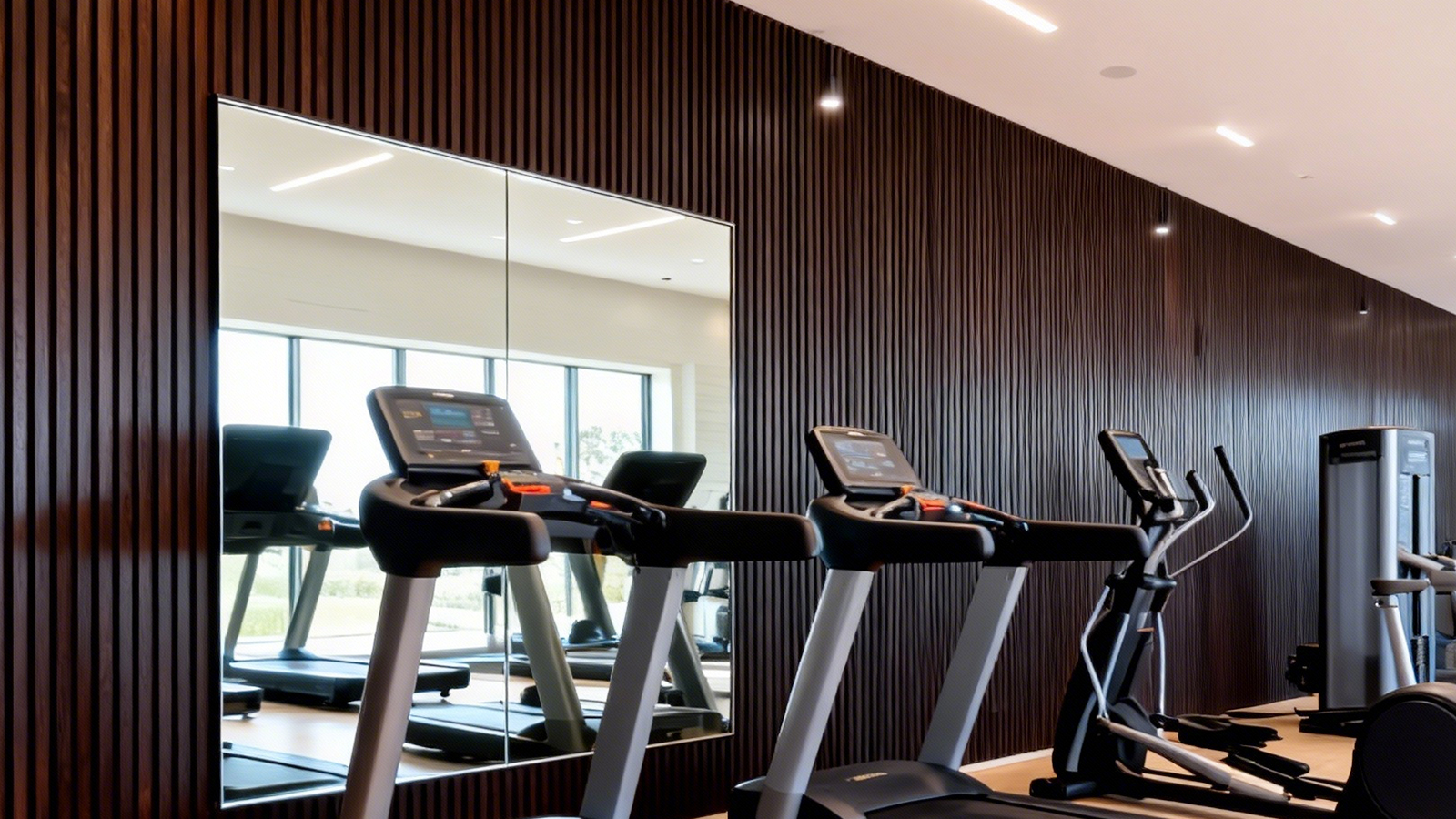
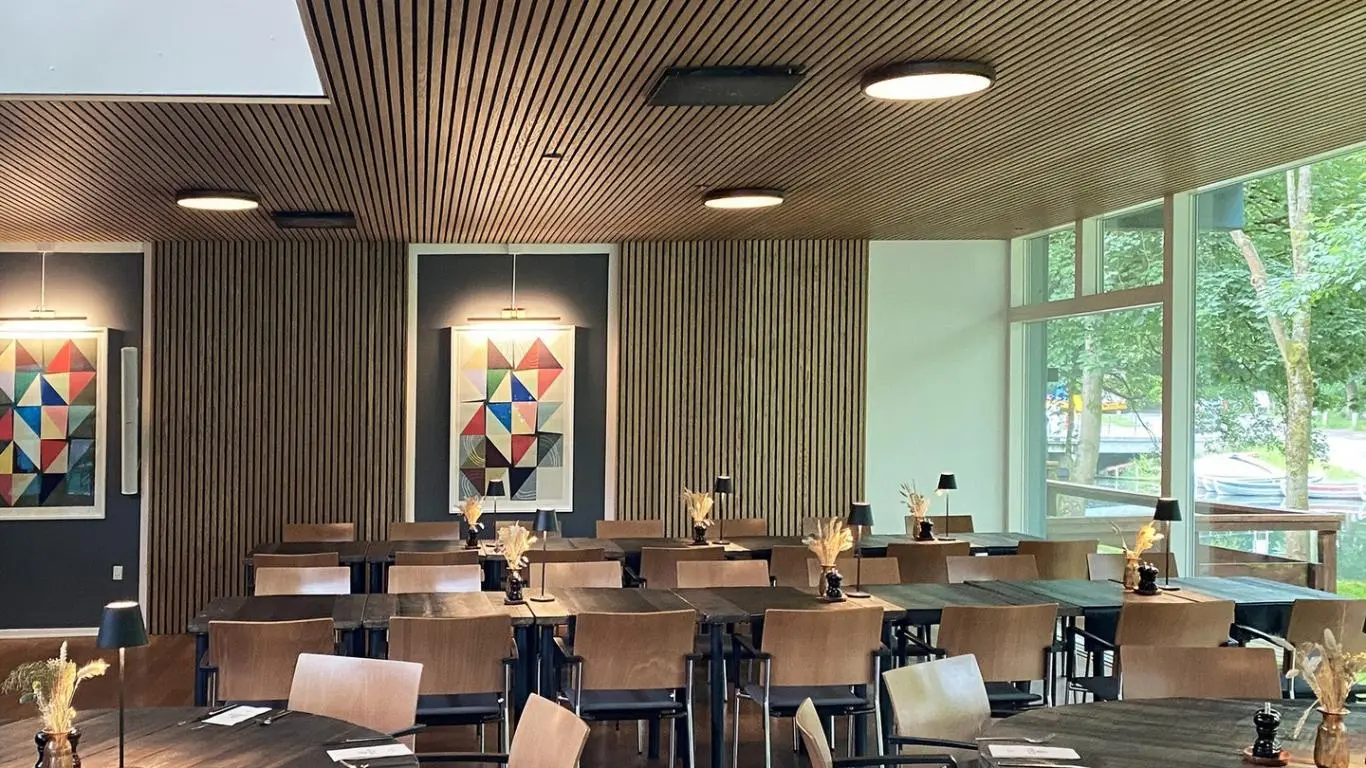
- Echo and Reverberation Control: In large or hard-surfaced spaces—like auditoriums, offices, or loft apartments—echoes can be distracting. Slat panels cut down reverberation time, making conversations more intelligible.
- Improved Communication: Whether in a conference room, a café, or a classroom, clearer speech means less strain and more productivity. People don’t have to shout or repeat themselves.
- Stress Reduction: Research shows that noisy environments raise stress levels. By reducing ambient noise, slat panels create spaces where people feel more relaxed.
- Targeted Acoustic Zoning: Not every wall needs treatment. Panels can be installed strategically where reflections are strongest, delivering efficient performance without covering entire rooms.
3. Flexible Design, Limitless Options
The word “flexible” is not just metaphorical. These panels can literally bend to wrap around curved walls or columns. This adaptability opens possibilities:
- Curved ceilings in hotel lobbies or theaters.
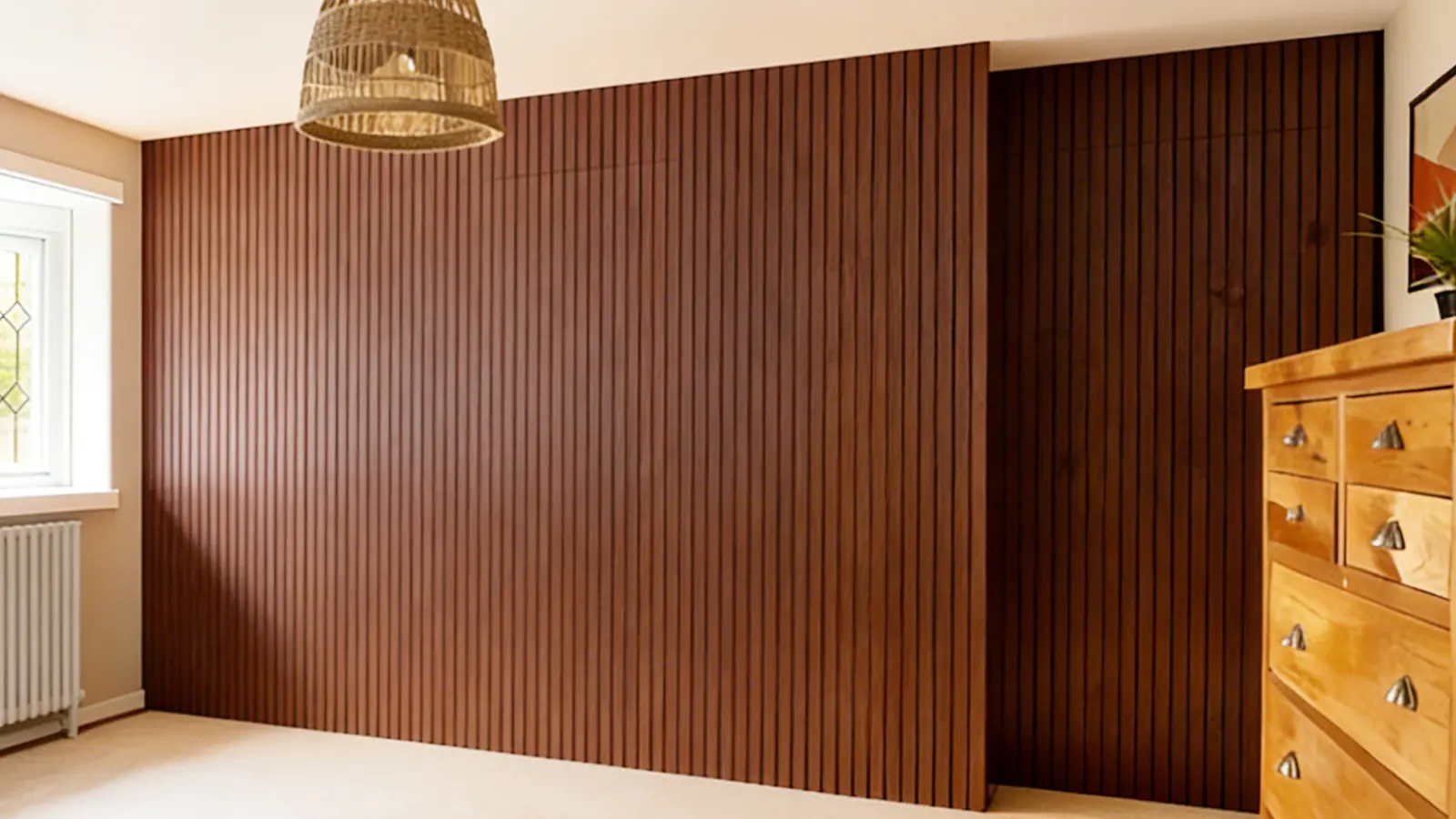
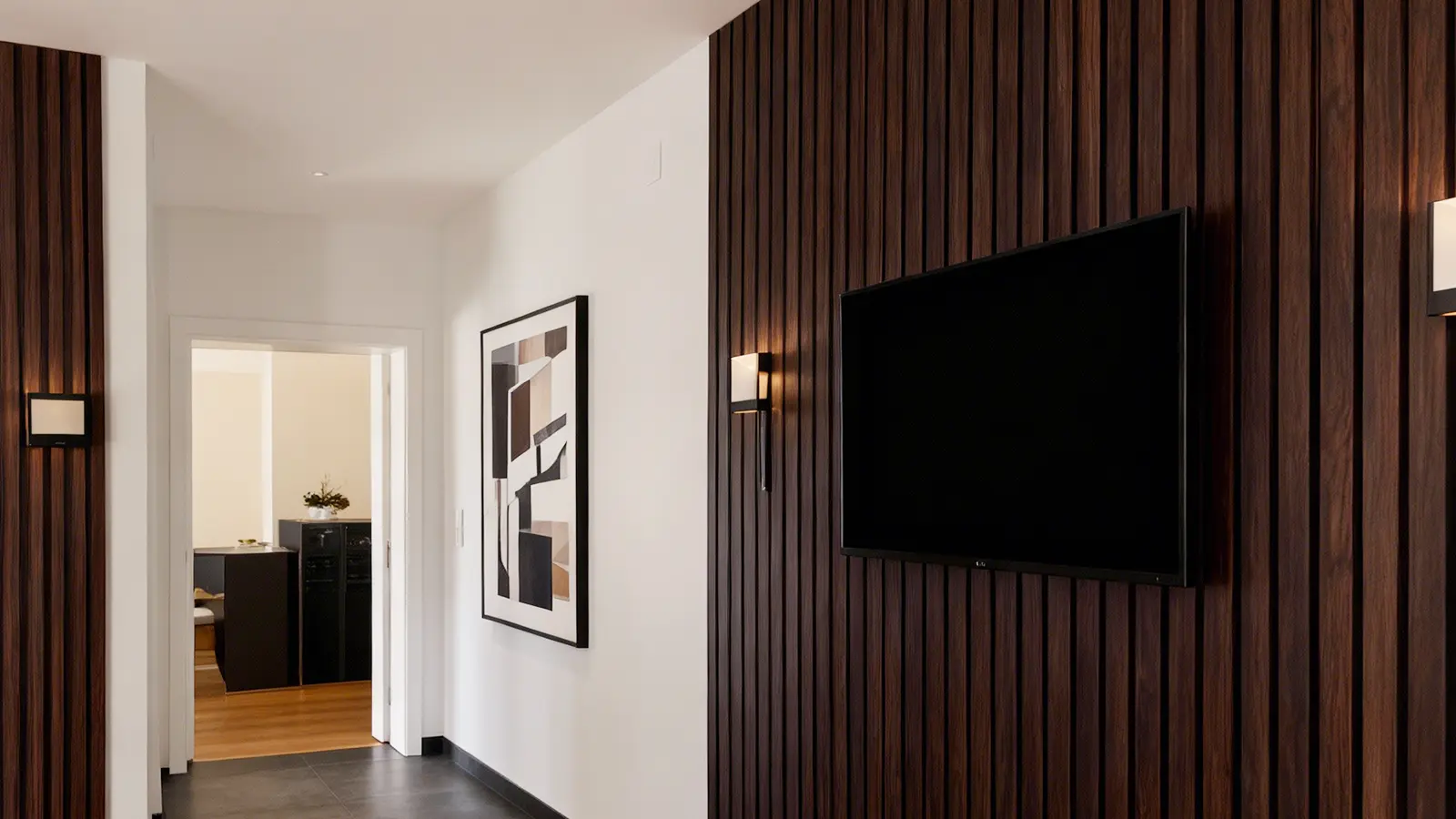
- Feature walls with rhythmic slats that double as art.
- Curved partitions in offices, creating semi-private acoustic zones.
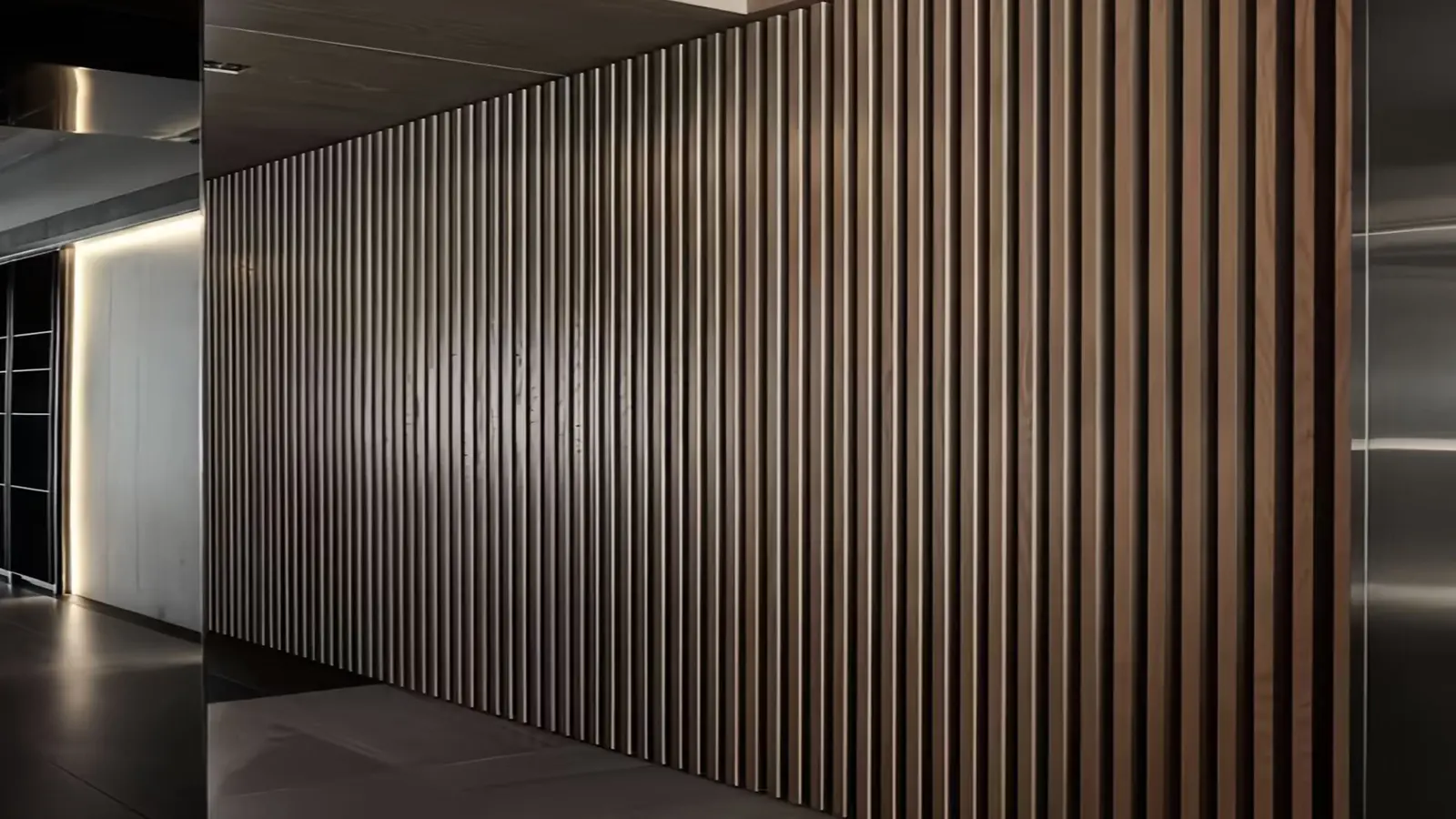
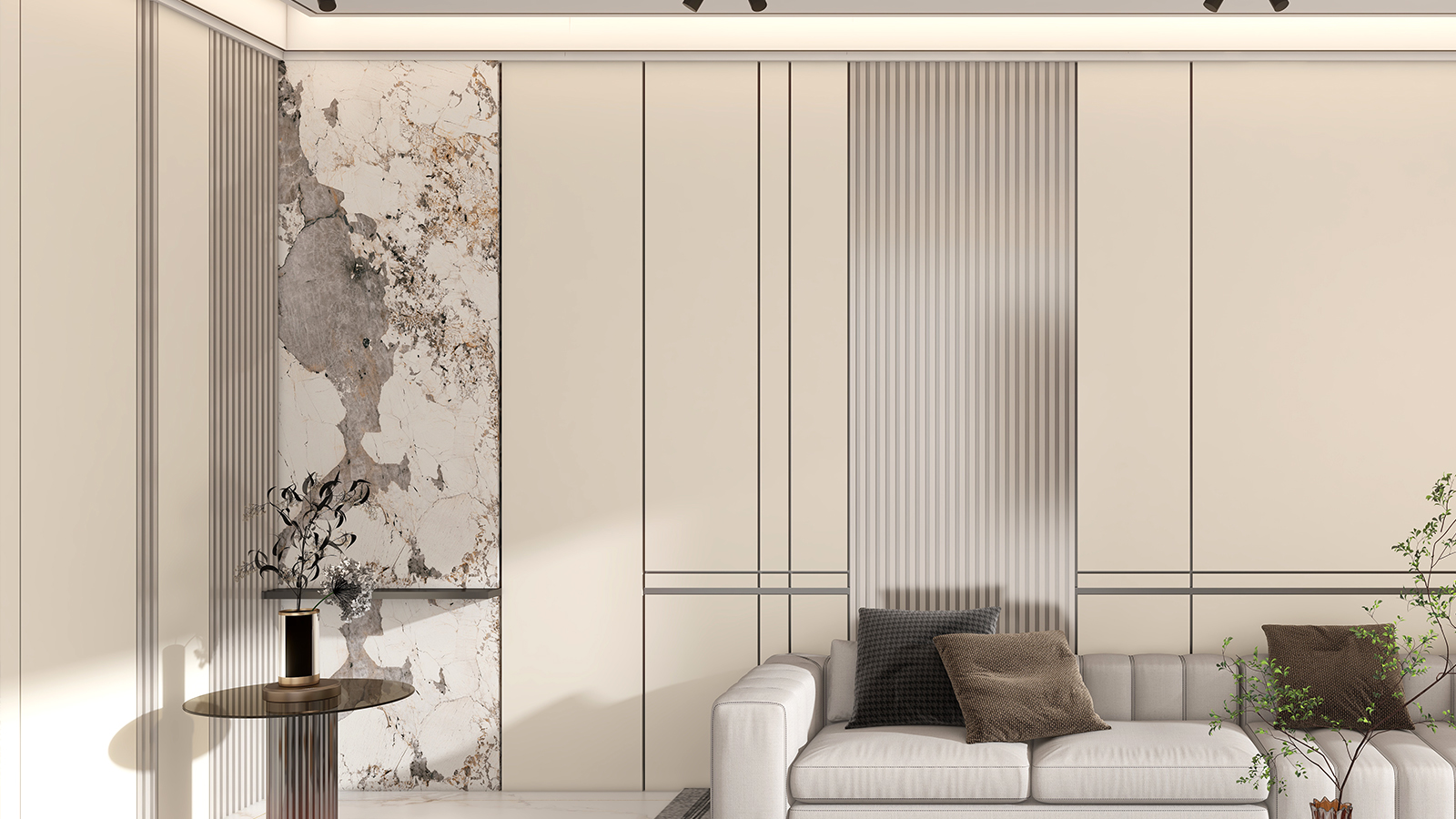
Customization is key: designers can select slat spacing, orientation (vertical, horizontal, diagonal), depth, and finish. From Scandinavian minimalism to bold contemporary patterns, wood slat walls adapt to every design story.
4. Aesthetic Appeal: Natural Elegance and Warmth
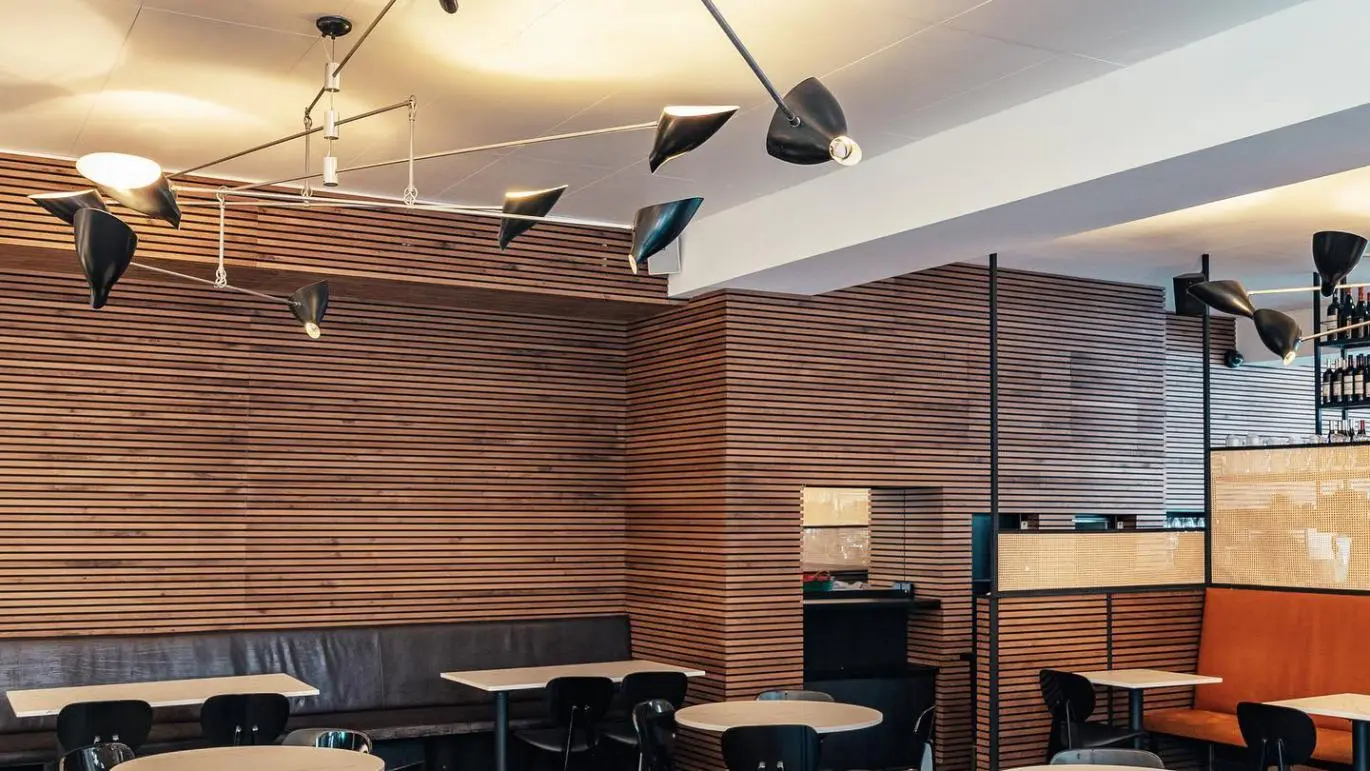
Acoustic solutions are often hidden. But wood slat panels are meant to be seen. Their textures become part of the architectural language:
- Natural finishes highlight grains, adding authenticity.
- Painted or stained options allow integration into modern palettes.
- Mixed materials (combining wood with glass, fabric, or metal) create layered surfaces with high visual interest.
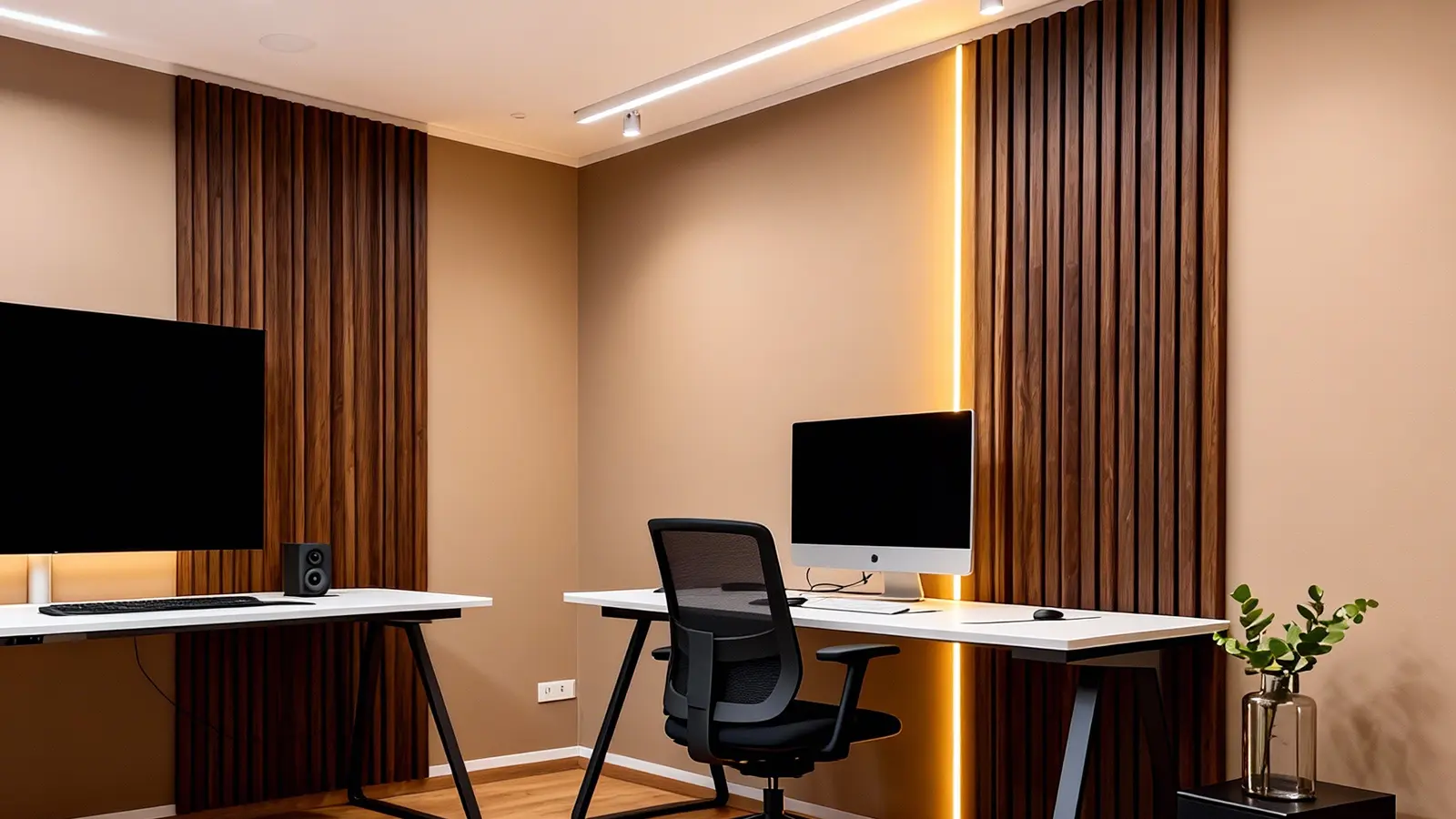
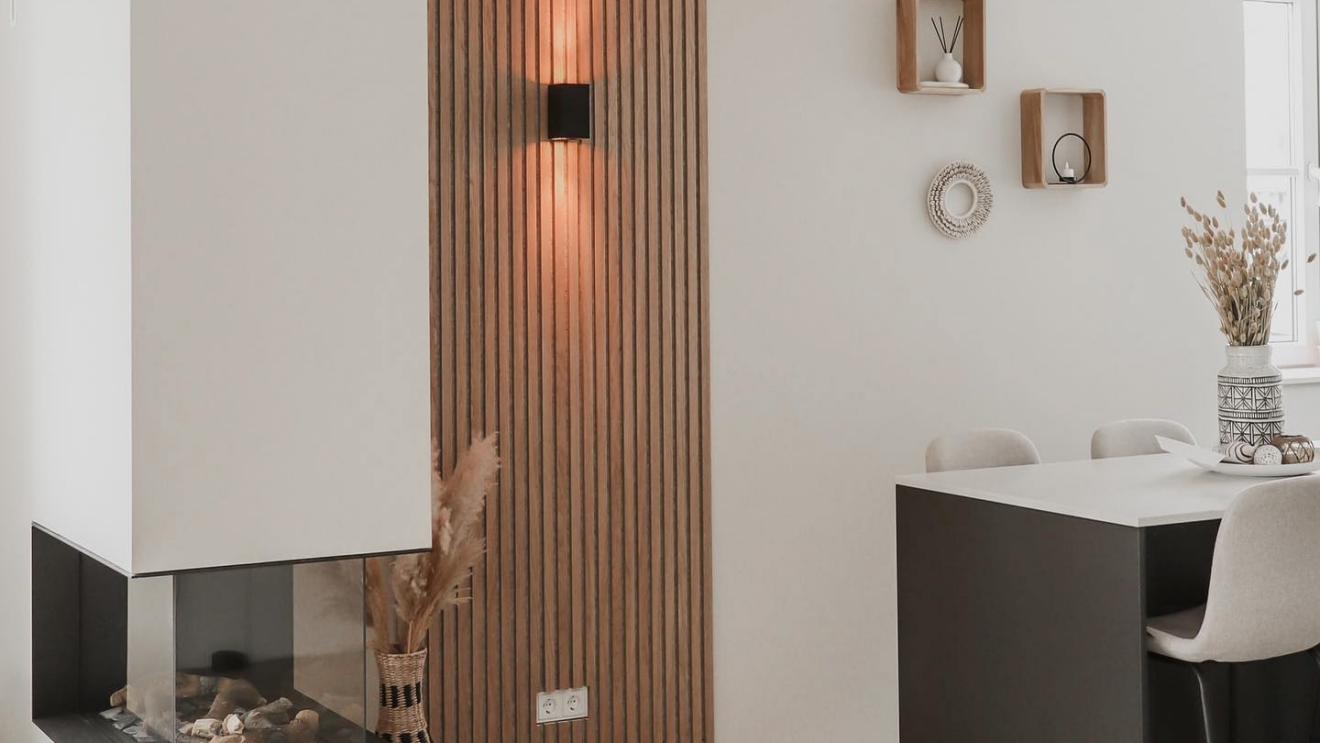
- Light integration: LED strips hidden between slats turn a wall into an ambient feature, merging light and sound control.
5. Durability That Lasts
Unlike fabric-covered foam panels that wear quickly, wood slat systems are built for longevity:
- Stability under climate shifts: Flexible backing prevents cracking or warping.
- Minimal upkeep: Dusting or wiping is usually enough.
- Resilience: Wood slats resist small impacts better than fragile plaster or fabric panels.
- Refinishing potential: If scratched, wood can often be sanded and refinished instead of replaced.
For commercial spaces with heavy foot traffic, this resilience means fewer replacements and lower long-term costs.

6. Ease of Installation: Designed for Contractors and DIY Enthusiasts
Installation is often a headache in acoustic design. But flexible slat systems simplify it:
- Lightweight and modular: Easy to transport and adjust onsite.
- Mounting options: Clips, rails, adhesives, or screws.
- Versatility: Works on walls, ceilings, or as partitions.
- Tolerance for uneven surfaces: Flexibility accommodates small imperfections, reducing prep work.
Even complex curves no longer require expensive custom carpentry—panels bend naturally to shape.
7. Cost Considerations: Investment with Return
While premium compared to basic foam tiles, wood slat acoustic systems prove economical long-term:
- Dual purpose: Decorative finish + sound control in one element.
- Durability: Extended lifespan reduces replacement costs.
- Energy efficiency: Wood adds slight insulation, helping regulate temperature.
- Added property value: Sleek interiors attract buyers, tenants, and clients.
Businesses especially find ROI compelling: quieter spaces improve productivity, customer satisfaction, and brand perception.
8. Where They Work Best: Applications Across Sectors
- Corporate Offices: Reduces chatter in open-plan layouts and enhances privacy in meeting rooms.
- Hospitality: Restaurants avoid noisy chaos; hotels offer calm guest experiences.
- Education: Lecture halls, classrooms, and libraries benefit from controlled sound.
- Healthcare: Acoustic comfort improves patient recovery and reduces stress.
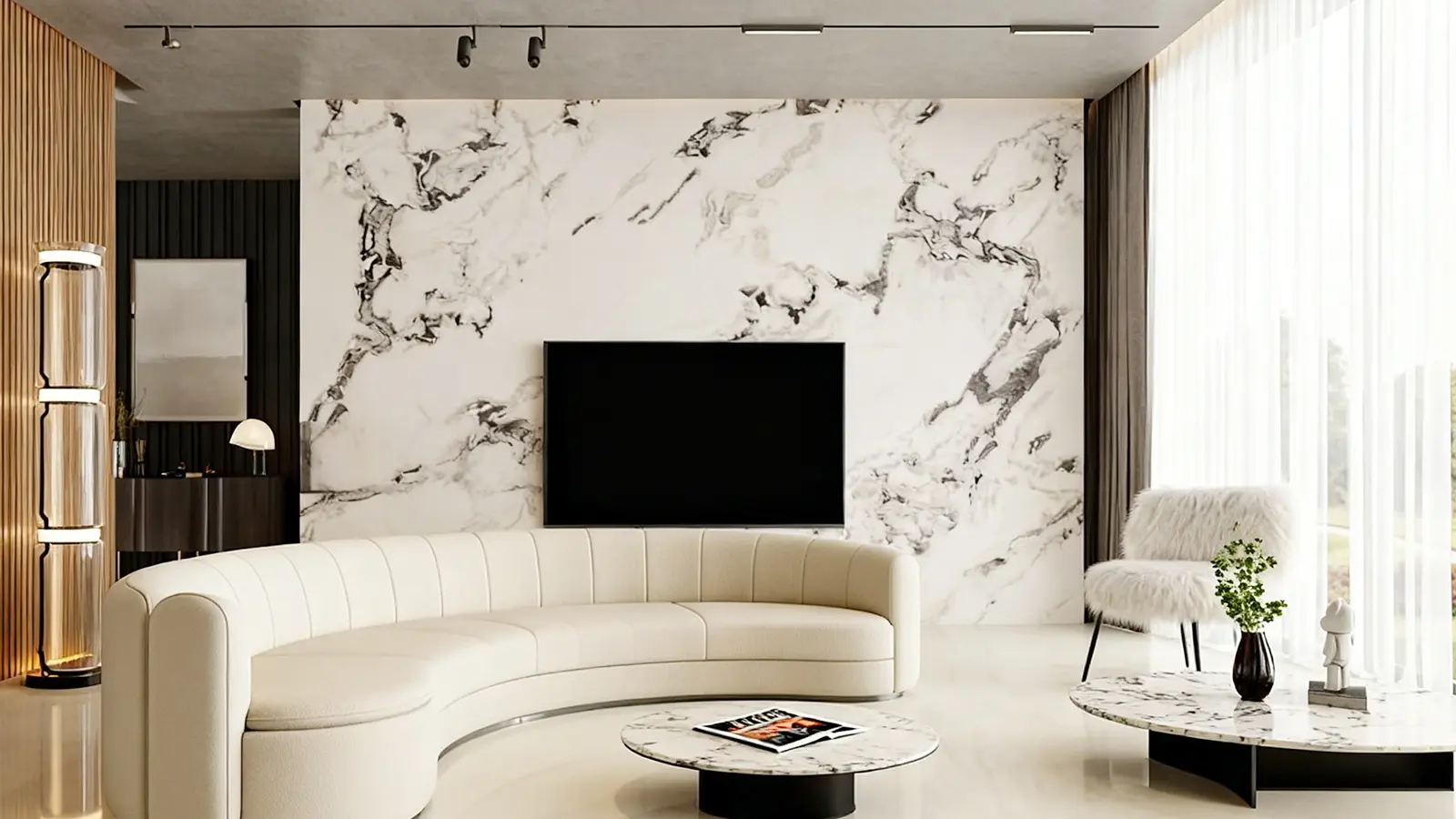
- Homes: Perfect for living rooms, home theaters, or bedrooms seeking a cozy feel.
- Retail and Galleries: Enhances customer focus and keeps attention on products or exhibits.
9. Sustainable and Eco-Friendly Choice
Sustainability is at the core of modern design:
- Responsibly sourced wood ensures minimal environmental footprint.
- Recyclable and biodegradable components reduce waste.
- Circular economy contribution: Panels can be disassembled and reused.
- Energy benefits: Insulating properties lower heating/cooling demand.
For green-certified projects (LEED, BREEAM), these panels can contribute valuable points.
10. Future of Acoustic Interiors
As buildings evolve toward open, multi-functional spaces, acoustic comfort becomes critical. With remote work and hybrid offices, people value spaces that foster focus yet remain visually inspiring. Flexible wood slat panels check both boxes. The trend is clear: these panels aren’t a passing style but a long-term solution redefining interior standards.
Conclusion: Harmony Achieved
Flexible wood slat acoustic walls are more than panels; they are tools for shaping experiences. They quieten noise, elevate style, support sustainability, and endure over time. For architects, designers, and homeowners seeking harmony between sound and style, these panels deliver the perfect balance.
Whether for a buzzing café, a minimalist home, or a grand corporate lobby, flexible slat panels elevate both acoustics and aesthetics—bringing lasting value that resonates in every sense of the word.
