
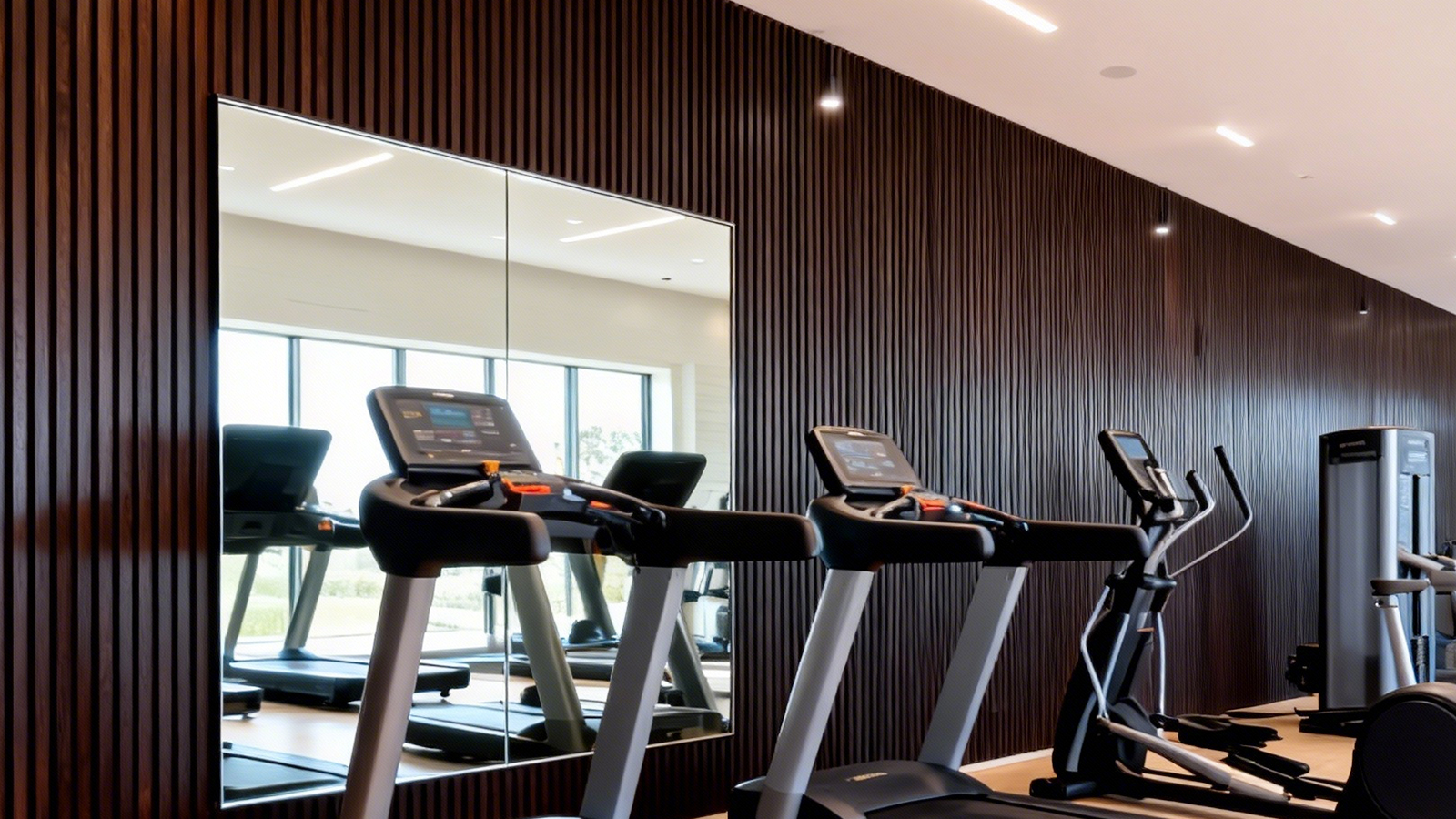
Bamboo Charcoal Wood Veneer—A perfect blend of natural aesthetics and modern craftsmanship
Bamboo Charcoal Wood Veneer—A perfect blend of natural aesthetics and modern craftsmanship
In modern architecture and interior design, material selection is not only about aesthetics but also about functionality, environmental friendliness, and sustainability. As a high-end decorative material, wood veneer, with its natural texture, warm feel, and wide range of applications, has become a popular choice among designers and homeowners. This article will delve into the production process, application scenarios, comparisons with traditional materials, and installation methods of wood veneer, providing a comprehensive understanding of this material's unique appeal.
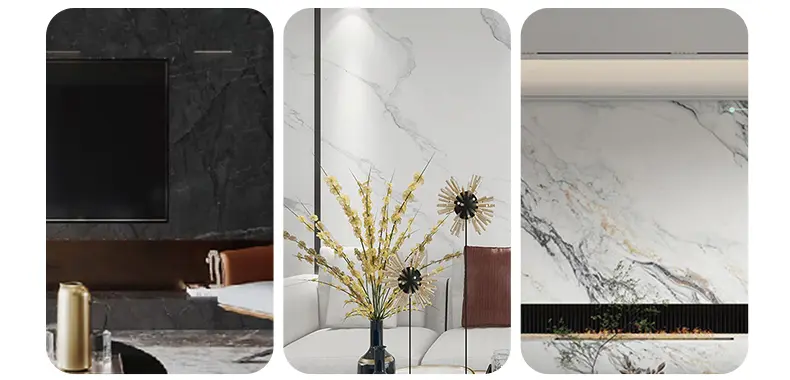
- What is Bamboo Charcoal Wood Veneer?
Wood veneers are typically stacked together to form a single board. Cross-laminated veneers are often used, meaning the grain direction of each layer varies. This design makes the veneer stronger and more stable.
Additionally, adhesives are required to bond the wood grain surfaces together. While different types of glue can be used, environmentally friendly, formaldehyde-free glues are often chosen to maintain the environmental friendliness of wood veneer.
Natural wood is renowned for its beautiful wood grain, lending a natural look to a home. While trees are a renewable resource, they have a long growth cycle. Therefore, wood veneer is a decorative material that preserves the wood's surface texture while conserving resources.
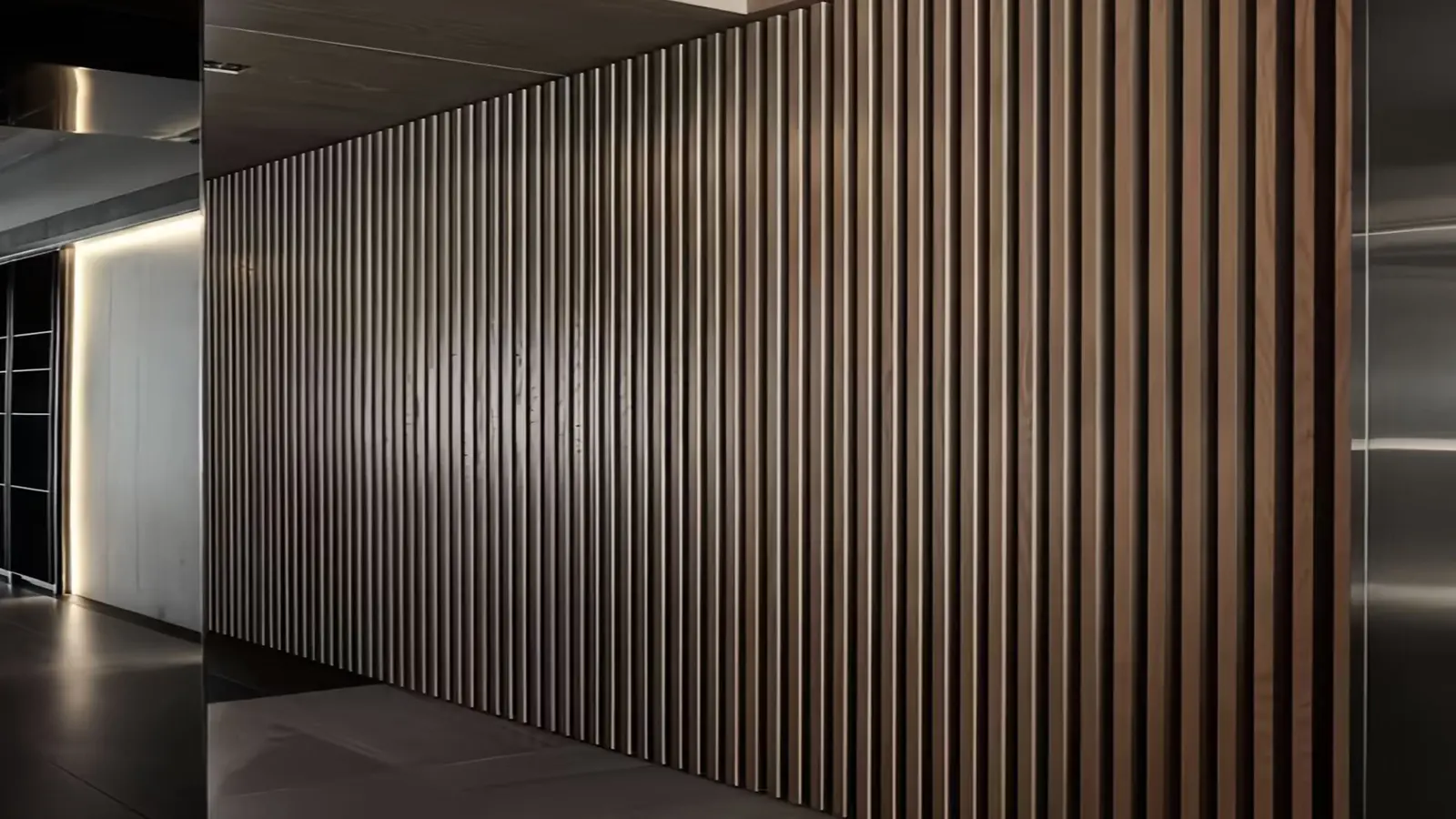
The unique grain of bamboo charcoal boardoften showcases the natural beauty of the wood. They can be treated with various coatings to create an aesthetically pleasing and safe surface. Besides being used as decorative Wall Panels, they can also be used in furniture, cabinets, interior design, and other woodworking projects.
- Application Scenarios: Diverse Design Options
Wood veneers have a wide range of applications, covering virtually all interior and exterior decoration areas:
- Interior Walls and Ceilings
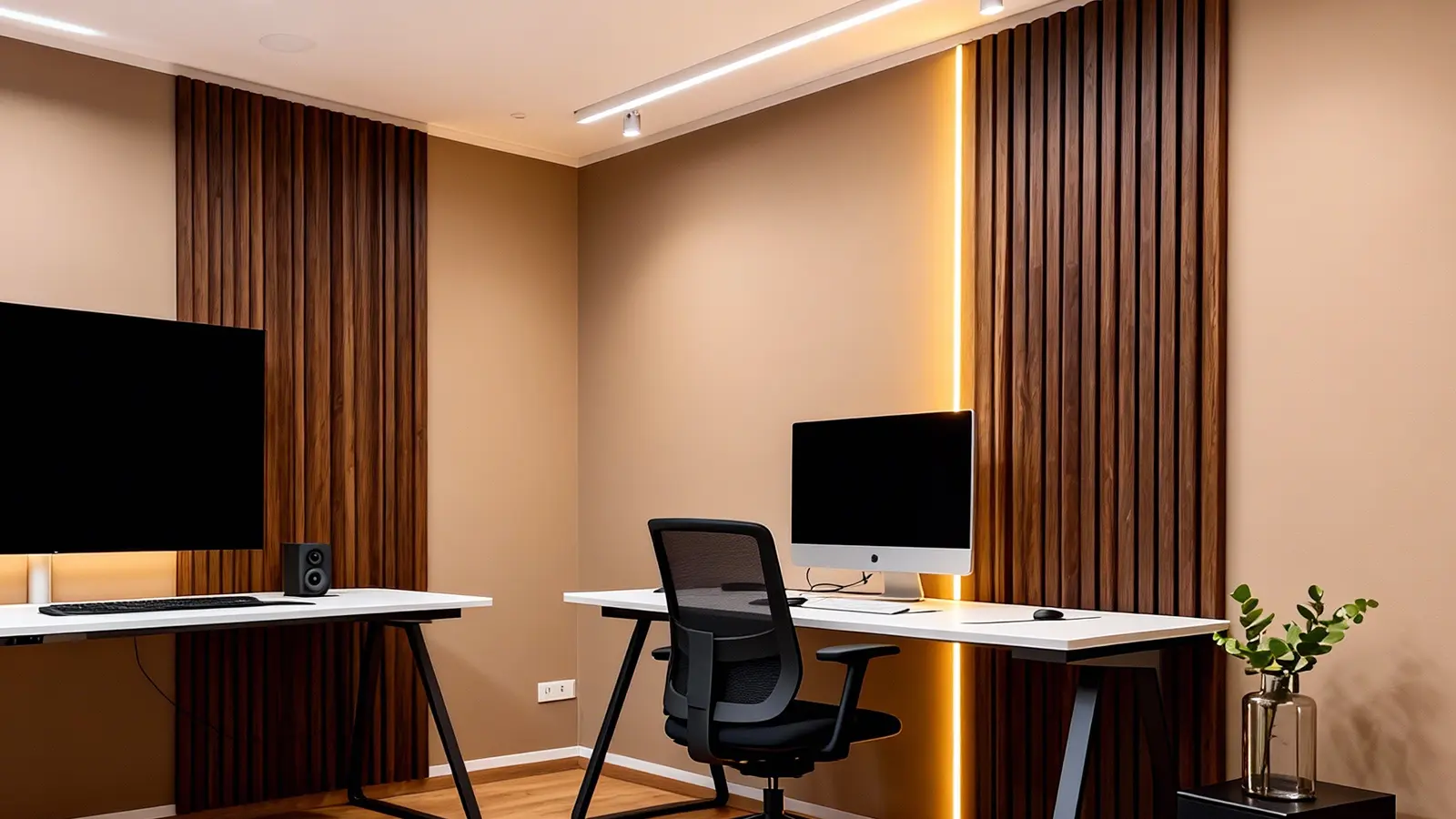
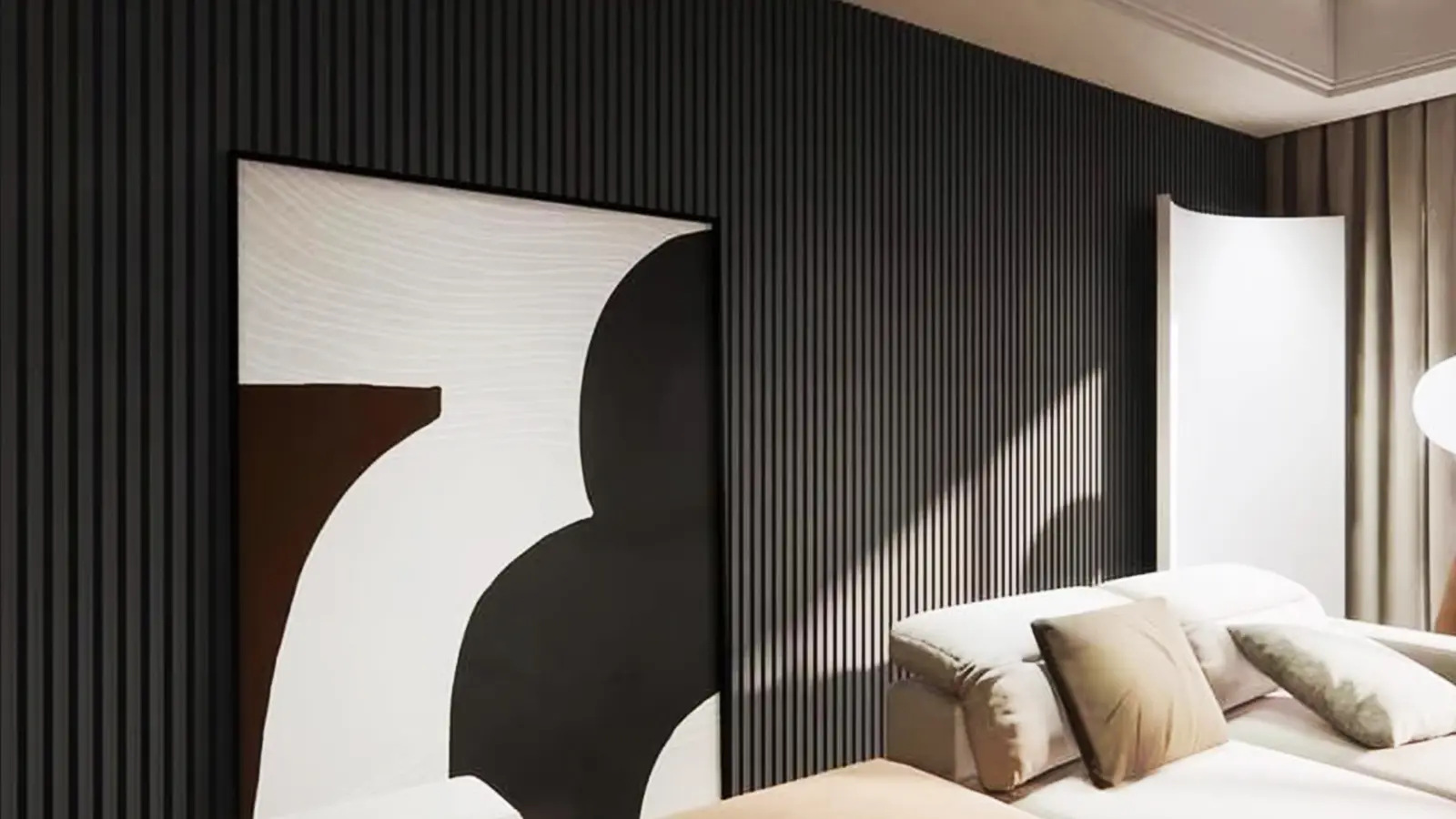
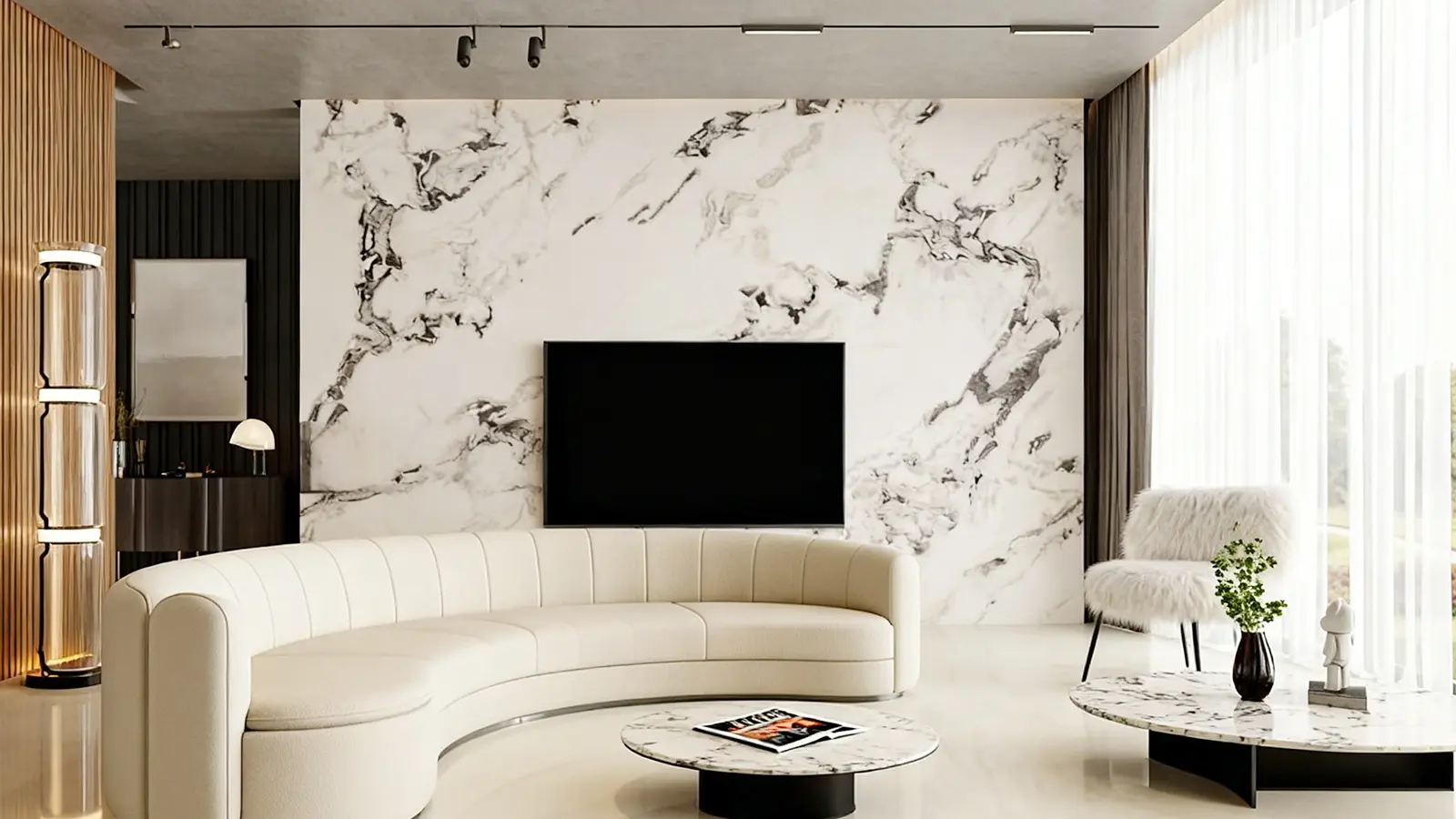
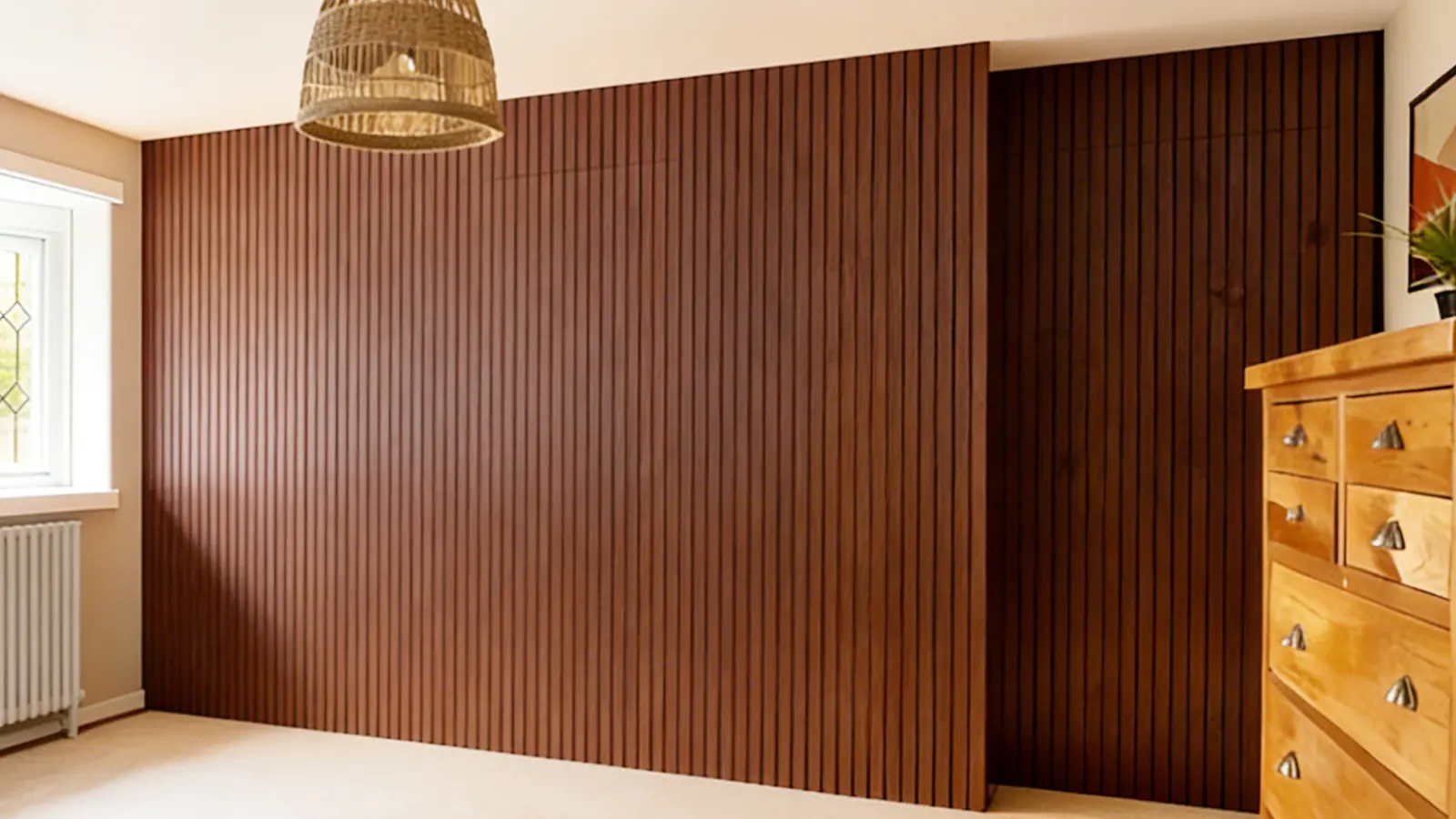
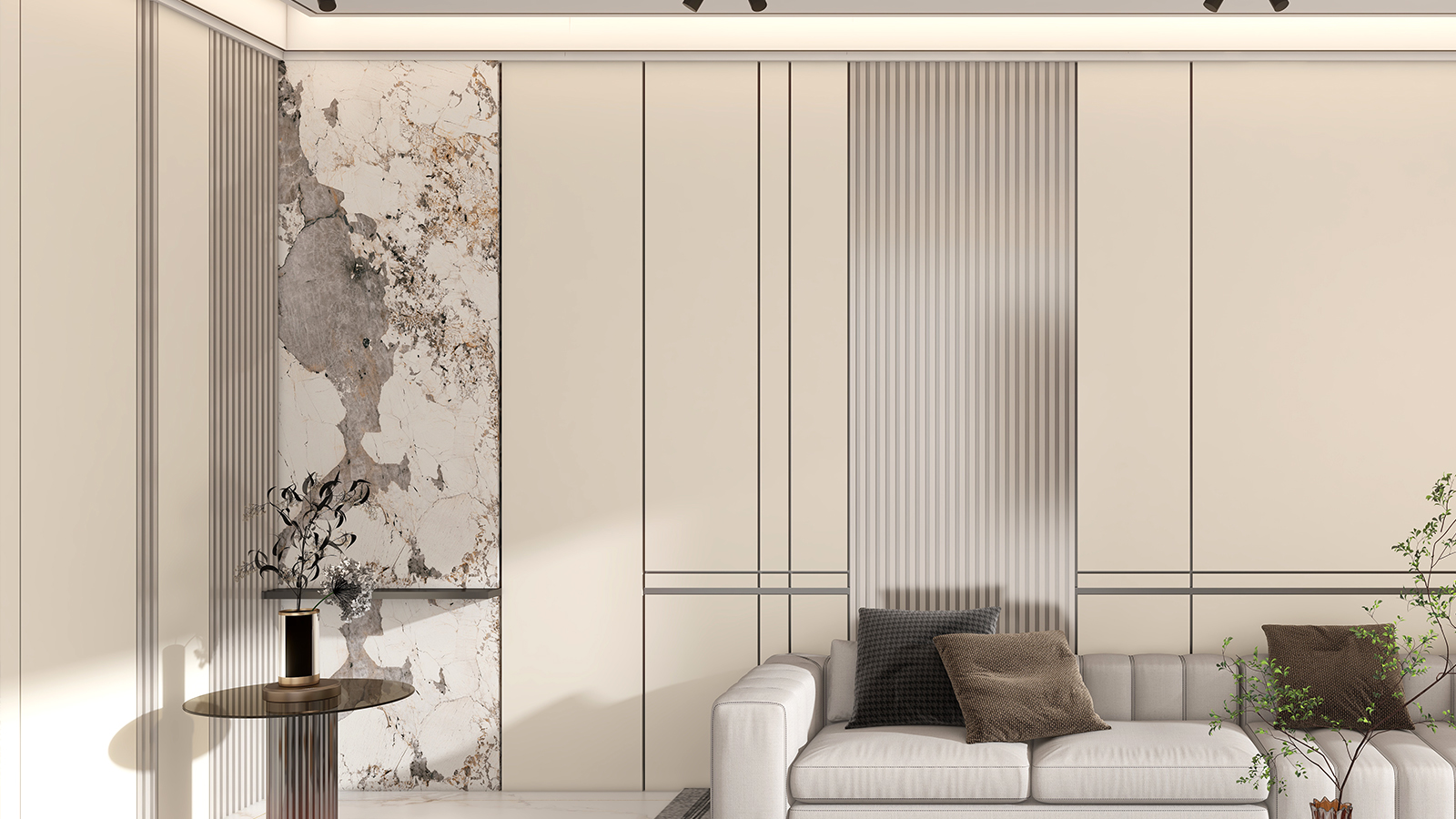
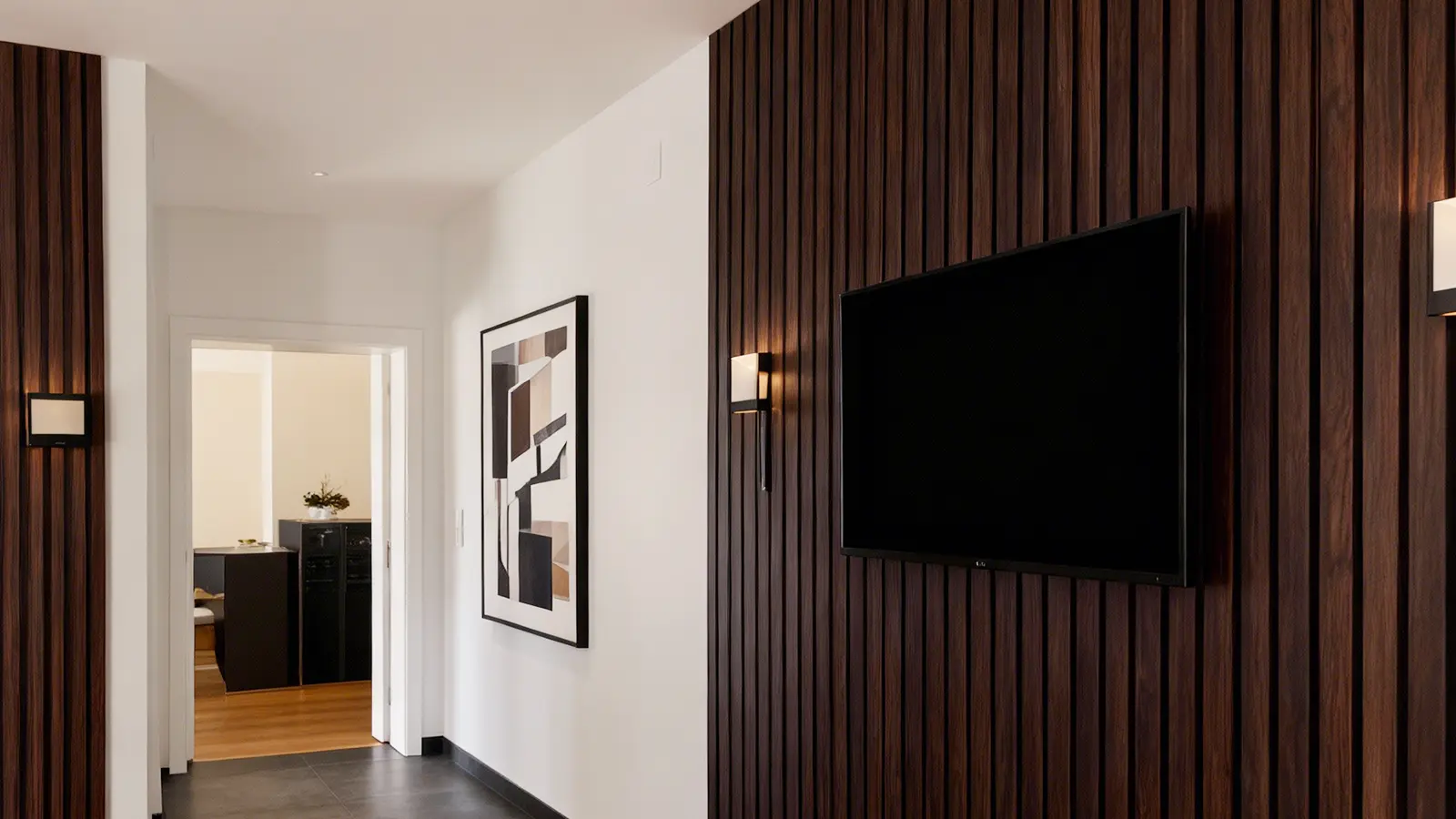
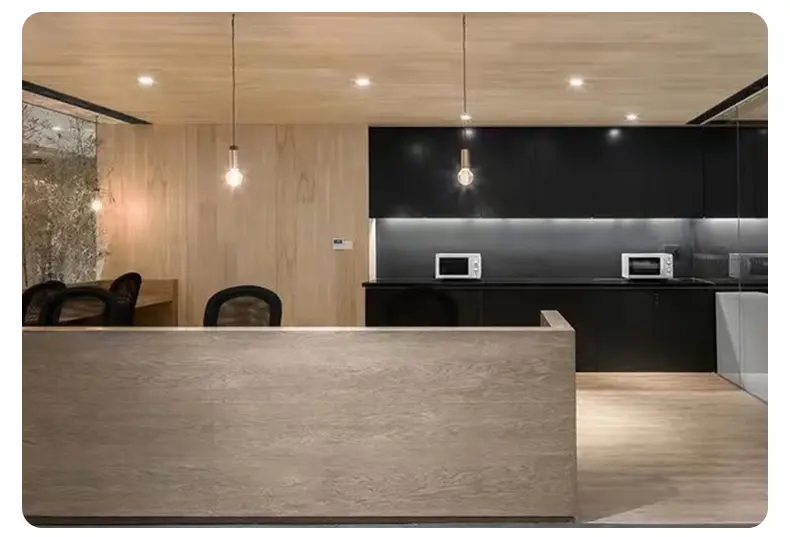
Wood veneers bring warmth and texture to interior spaces, making them suitable for wall and ceiling decoration in areas such as living rooms, bedrooms, and studies. Their natural texture and color create a warm and comfortable atmosphere.
- Furniture and Cabinets
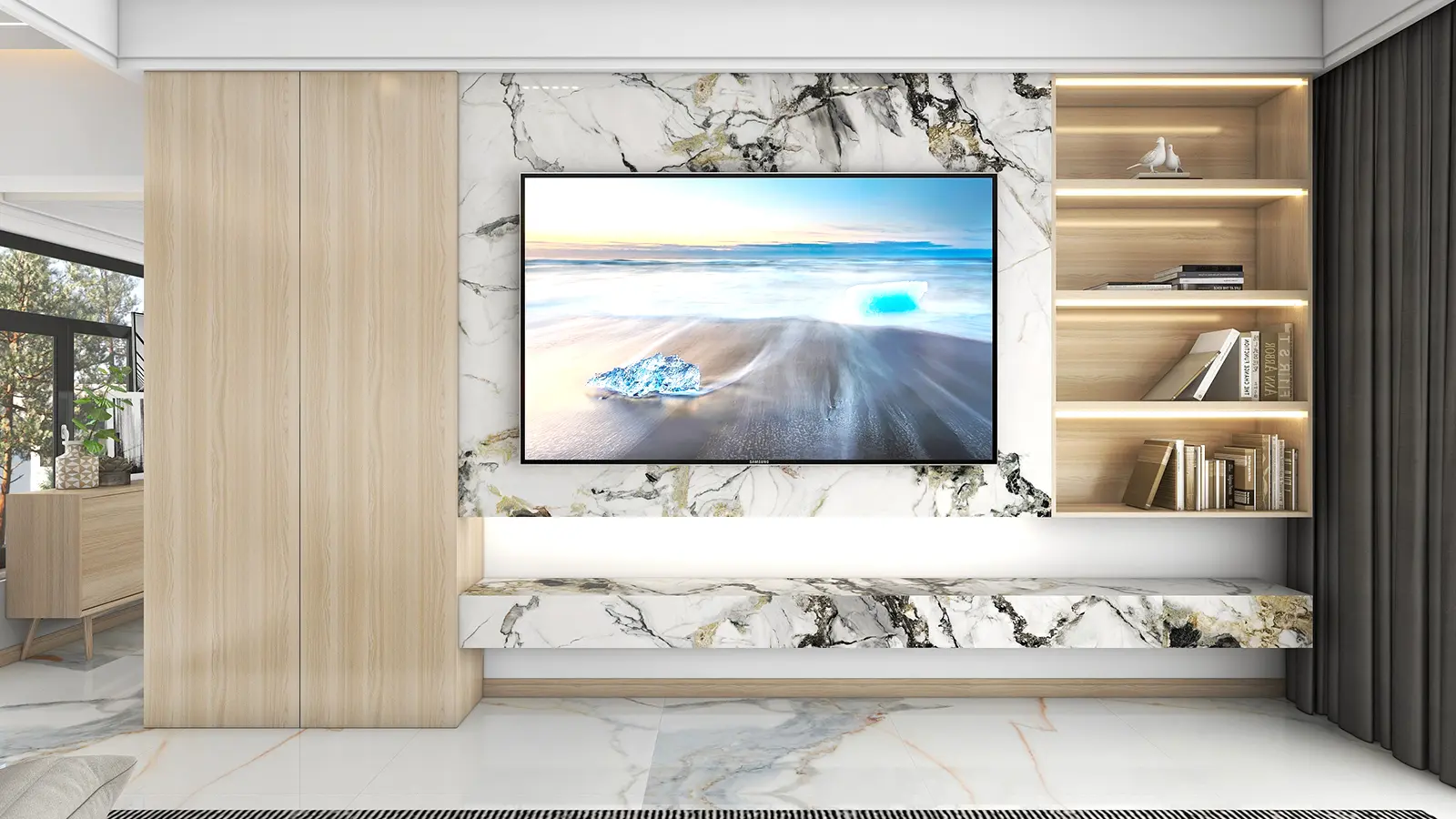
Wood veneers are commonly used to decorate furniture surfaces such as wardrobes, bookcases, and cabinets. They not only enhance the furniture's aesthetics but also enhance its durability through surface treatment.
- Commercial Spaces
In commercial spaces such as hotels, restaurants, and offices, wood veneers can enhance the space's class and style while also improving comfort through sound absorption and thermal insulation.
- Customization
Wood veneer wall panels can also be customized to meet design requirements, such as curved walls and custom-shaped furniture, providing designers with greater creative freedom.
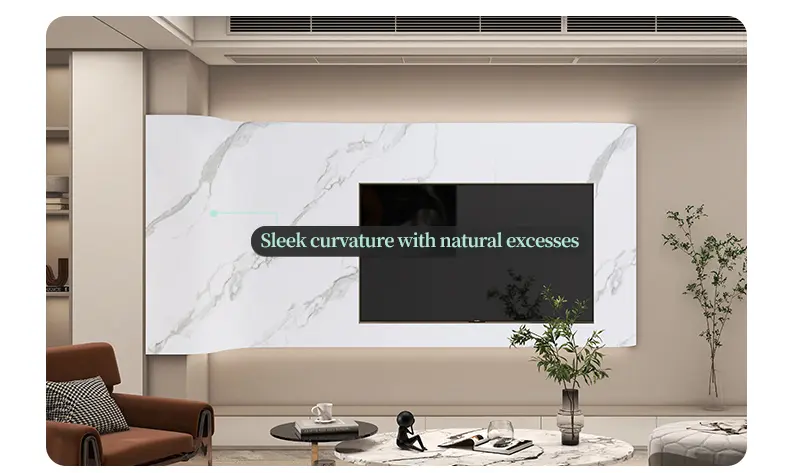
- Excellent properties of bamboo charcoal wood veneer
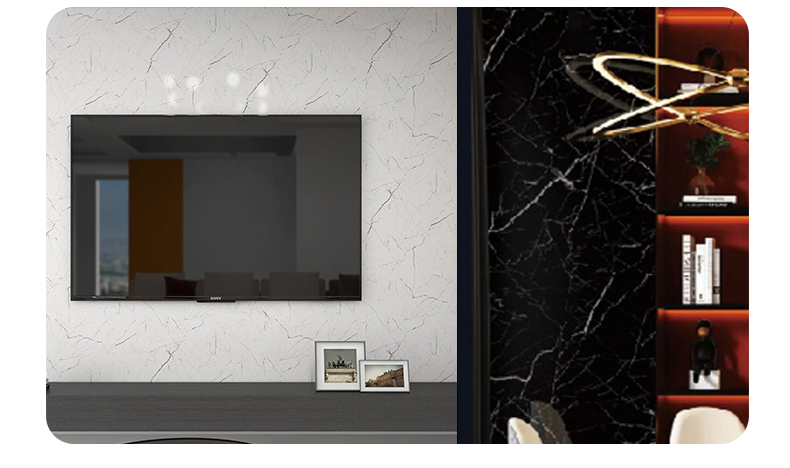
Rich colors:The film covering the surface of the bamboo charcoal board modern wall pvc has hundreds of colors to choose from, supports customization, has a good Wall Decoration effect, and has a natural beauty.
Environmentally friendly and healthy: The material is environmentally friendly, formaldehyde-free, odor-free, meets international environmental standards, is non-toxic and harmless, and is suitable for home use.
Lightweight and easy to install: Easy to install, greatly saving installation costs.
Strong durability: Nano-level thickened film paper is more durable, has been treated with moisture-proof, mildew-proof, and scratch-resistant, uses a high-density substrate, is resistant to pressure and deformation, has good fire resistance and reaches B1 level flame retardant, and has a service life of up to 15 years.
- Comparison with Traditional Materials: Significant Advantages
Compared to traditional decorative materials, wood veneer offers significant advantages in several areas:
- Environmental Benefits
Wood veneer is made from natural wood, and the production process generally meets environmental standards. Compared to traditional solid wood, board wood veneer wall panel reduces wood consumption and is more sustainable.
- Aesthetics and Versatility
Wood veneer retains the natural texture and color of wood, while allowing for a variety of design effects through dyeing, embossing, and other processes. Compared to traditional materials like tile and metal, wood veneer offers a warmer and more welcoming feel.
- Affordability and Practicality
Wood veneer is generally less expensive than solid wood, yet its performance is comparable. It is moisture-resistant, wear-resistant, and easy to clean, making it suitable for a variety of environments.
- Easy Installation
Compared to traditional solid wood, wood veneer is lighter and offers more flexible installation methods, significantly shortening the installation period.
- Installation Methods: Simple, Efficient, and Widely Applicable
Wood veneer can be installed in a variety of ways, and you can choose the method that best suits your specific needs:
- Gluing
This is the most common installation method and is suitable for flat walls or substrates. During installation, the eco friendly wood veneer is directly adhered to the substrate using a specialized, environmentally friendly adhesive. This method is quick and easy, but requires a high level of flatness from the substrate.
- Hanging Method
The hanging method secures the wood veneer to the wall or ceiling using a stud system. This method is suitable for applications requiring a cavity (such as for concealed plumbing) and provides improved ventilation and moisture resistance.
- Plug-in Method
Some wood veneers are designed for plug-in installation, quickly joining together using a mortise and tenon joint or snap-on system. This method is suitable for large-scale installations, offering high efficiency and eliminating the need for large amounts of adhesive.
- Custom Installation
For special shapes or designs, wood veneer can be custom-fabricated in advance and installed directly on-site. This method fully demonstrates the flexibility and adaptability of wood veneer.
- FAQs
1. What are some applications for wood veneer?
Interior walls: Living rooms, bedrooms, accent walls, etc.
Furniture surfaces: Cabinets, wardrobes, desks, etc.
Commercial spaces: Decoration for hotels, offices, and restaurants.
Special designs: Curved walls, ceilings, custom-made furniture, etc.
2. How do I maintain wood veneer?
Simply wipe with a soft cloth regularly; avoid using hard objects that could scratch the surface.
3. Can wood veneer be used in kitchens or bathrooms?
Yes, but choose a moisture-resistant substrate (such as waterproof MDF) and ensure proper sealing. Avoid prolonged exposure to water and ensure good ventilation during installation.
- Conclusion
Wood veneer, with its natural aesthetic, environmentally friendly properties, wide range of applications, and convenient installation, has become an indispensable material in modern decoration. Whether in a home or commercial project, wood veneer can bring a unique warmth and texture to any space. Choosing wood veneer is more than just choosing a material; it's choosing a lifestyle that's in harmony with nature.
If you're looking for a decorative material that combines beauty and functionality, wood veneer is undoubtedly the ideal choice. Contact us for more information and design inspiration about wood veneer products!
- Free Samples
As more and more people choose this product, import and export companies have also increased their promotion efforts. In order to let people who are cooperating for the first time and trying to sell this product for the first time feel its value, we launched a free sample activity. If you need it, please feel free to contact us, and we will have a professional service team to contact you.