
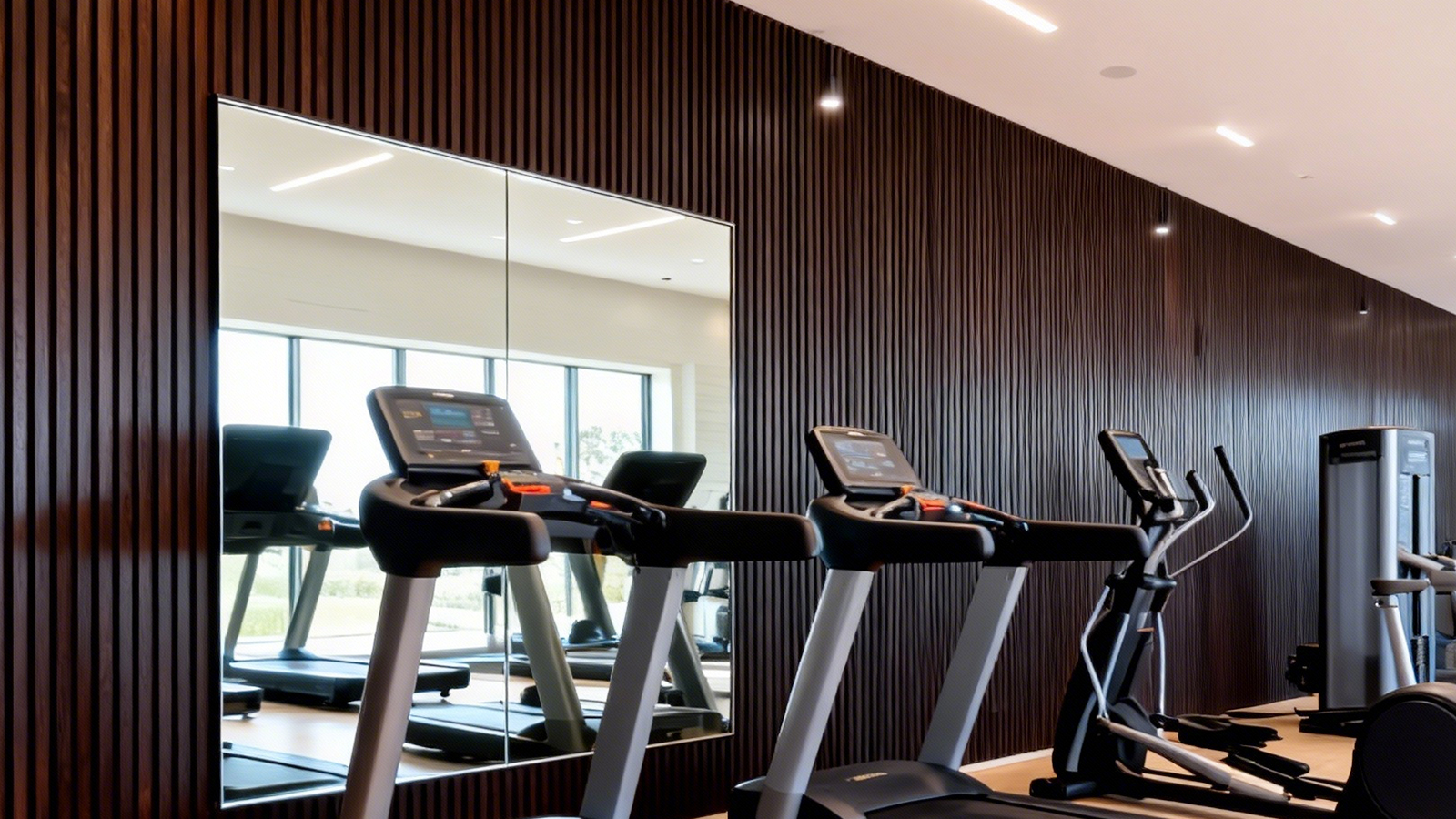
Application of Bamboo Charcoal Wood Veneer in Modern Hotel Interior Design
Table of Contents
- Introduction: The Growing Demand for Health-Oriented Hotel Materials
- What Is Bamboo Charcoal Wood Veneer?
- Key Characteristics of Bamboo Charcoal Wood Veneer for Hotels
- Why Hotels Are Replacing Traditional Finishes with Bamboo Charcoal Wood Veneer
- Application of Bamboo Charcoal Wood Veneer in Different Hotel Spaces
- Design Styles That Work Well with Bamboo Charcoal Wood Veneer
- Installation Considerations for Hotel Projects
- Future Trends of Bamboo Charcoal Wood Veneer in Hospitality Design
- Why Global Hotel Projects Source Bamboo Charcoal Wood Veneer from China
- Conclusion
1. Introduction: The Growing Demand for Health-Oriented Hotel Materials
In today’s hospitality industry, interior design is no longer defined solely by visual appeal. Hotel owners, developers, and designers are increasingly prioritizing materials that combine aesthetics, sustainability, and guest well-being. As travelers become more sensitive to indoor air quality, environmental responsibility, and long-term comfort, traditional decorative materials are gradually giving way to innovative surface solutions.
Among these emerging materials, bamboo charcoal wood veneer has gained strong momentum in global hotel projects. Known for its natural texture, environmental performance, and air-purifying properties, this material is now widely adopted in hotels ranging from luxury resorts to urban business hotels.
This article explores the practical application of bamboo charcoal wood veneer in hotel Interior Decoration, analyzing its material characteristics, advantages over conventional finishes, common usage scenarios, installation considerations, and future development trends. The content is tailored for architects, interior designers, contractors, and international project buyers seeking reliable decorative panel solutions for hospitality spaces.
2. What Is Bamboo Charcoal Wood Veneer?
Bamboo charcoal wood veneer is a decorative panel made by combining bamboo charcoal powder with eco-friendly resins and surface finishes. Through high-temperature carbonization, bamboo fibers are transformed into porous charcoal structures, which are then integrated into panel cores and laminated with wood-grain or textured surfaces.
Unlike traditional wood veneer, bamboo charcoal wood veneer offers both decorative and functional benefits, including moisture control, odor absorption, and enhanced environmental performance.
Common Product Structures Include:
- Bamboo charcoal core panels with decorative film
- Composite bamboo charcoal veneer with SPC or WPC substrates
- Fire-retardant bamboo charcoal Wall Panels for commercial interiors
These panels are specifically designed for large-scale interior projects such as hotels, apartments, and commercial buildings.
3. Key Characteristics of Bamboo Charcoal Wood Veneer for Hotels
3.1 Natural and Refined Visual Appeal
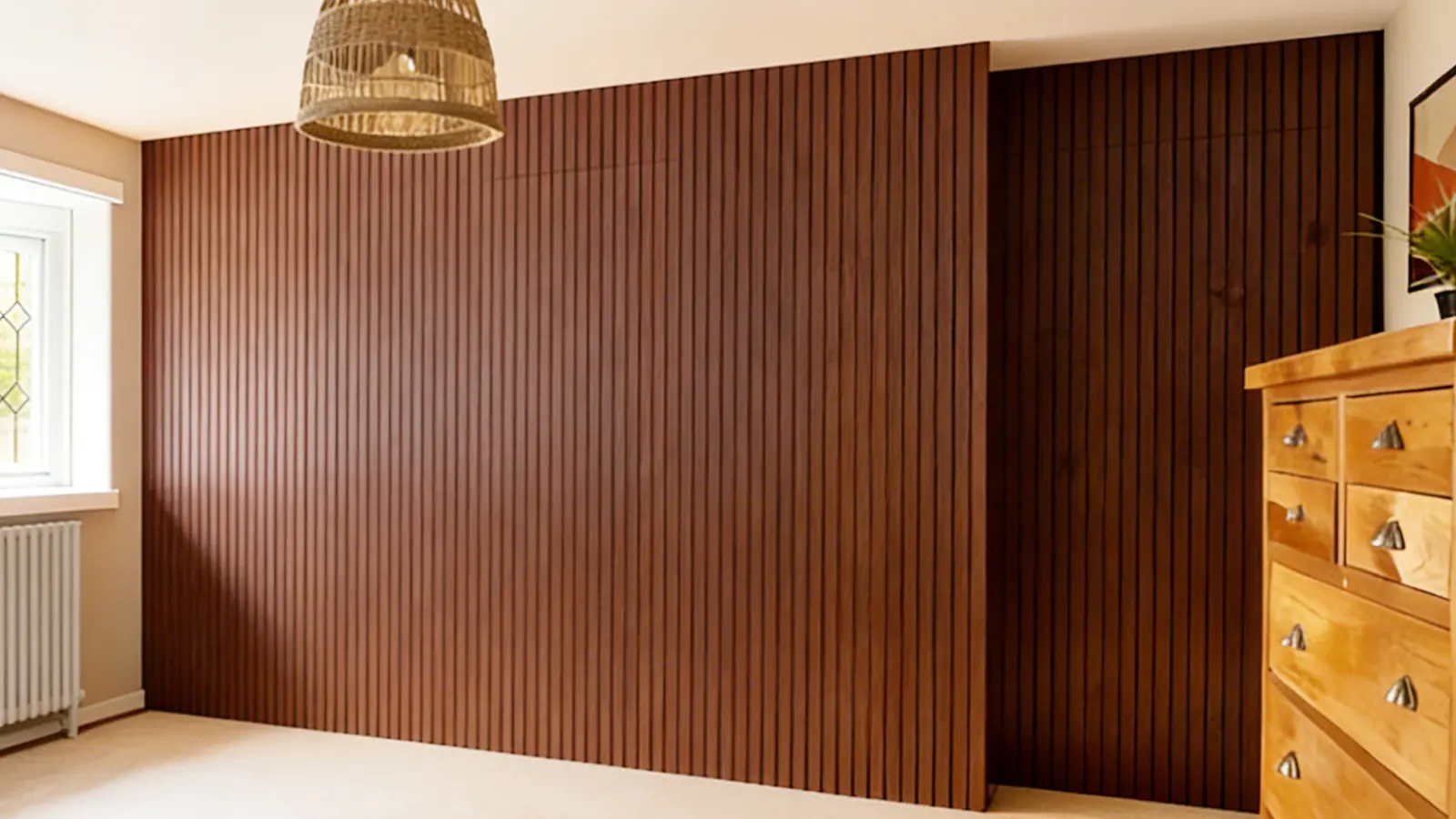
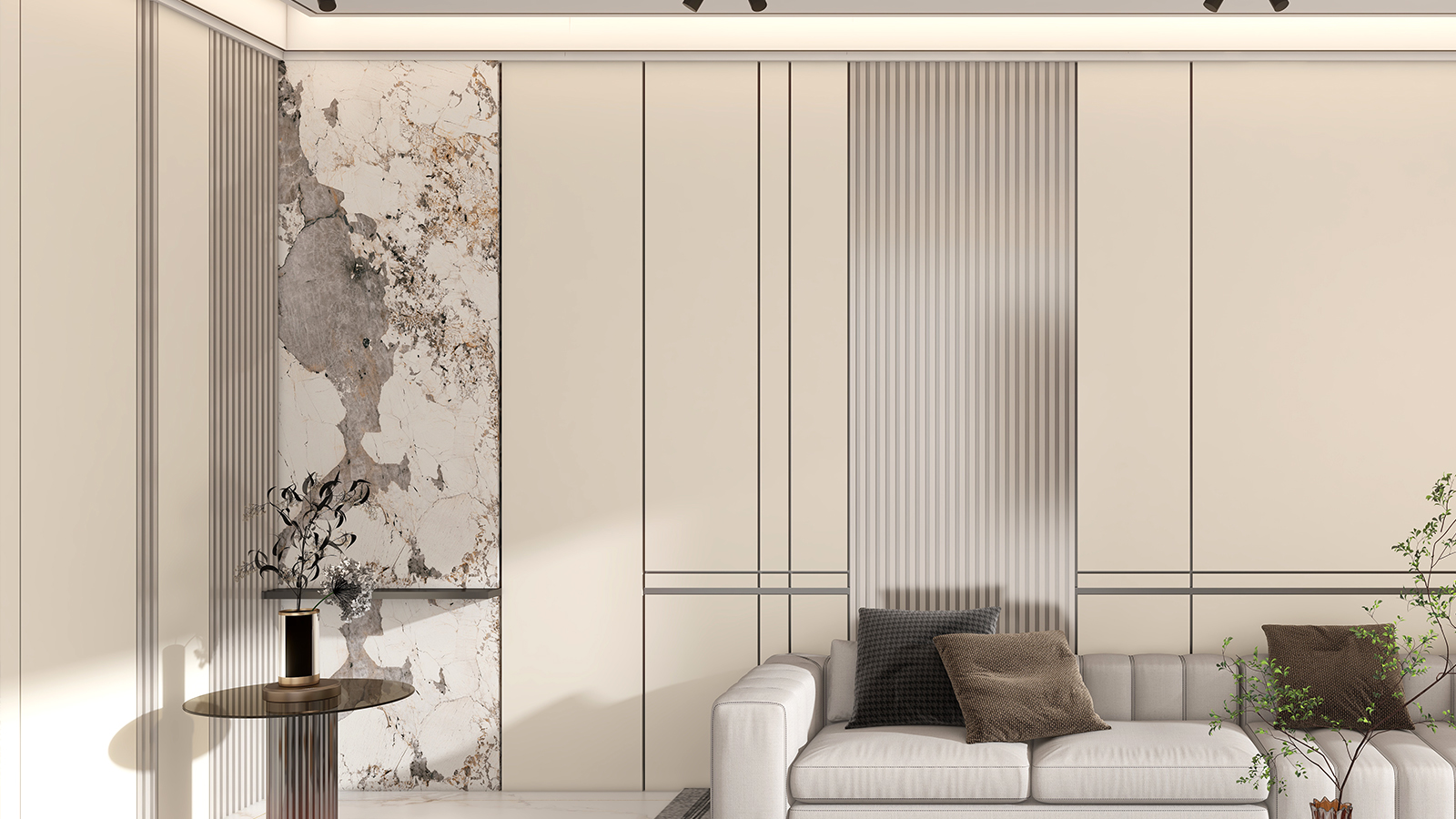
Bamboo charcoal wood veneer features subtle textures inspired by natural wood, fabric, stone, or minimalist patterns. The surface finish is calm and elegant rather than visually aggressive, making it ideal for hospitality environments that emphasize comfort and relaxation.
3.2 Improved Indoor Air Quality
One of the most significant advantages of bamboo charcoal materials is their microporous structure, which helps absorb odors and regulate humidity. In enclosed hotel spaces such as guest rooms and corridors, this contributes to a fresher and healthier indoor environment.
3.3 Eco-Friendly and Sustainable Image
Bamboo is a fast-growing renewable resource. When used in hotel interiors, bamboo charcoal wood veneer supports sustainability goals and aligns with green building standards increasingly adopted by international hotel brands.
3.4 Durability for High-Traffic Areas
Hotel interiors require materials that can withstand daily use, frequent cleaning, and long operational cycles. High-quality bamboo charcoal wood veneer panels offer:
- Scratch resistance
- Moisture resistance
- Stable color performance over time
This makes them suitable for both public and private hotel areas.
4. Why Hotels Are Replacing Traditional Finishes with Bamboo Charcoal Wood Veneer
Compared with Natural Wood Veneer
- More stable in humid environments
- Less prone to warping or cracking
- Easier maintenance and longer service life
Compared with Paint and Wallpaper
- Greater depth and texture
- Higher durability
- Reduced need for frequent renovation
Compared with Stone and Tile
- Lighter weight
- Faster installation
- Warmer visual and tactile experience
For hotel projects that demand efficiency, consistency, and long-term performance, bamboo charcoal wood veneer provides a balanced alternative.
5. Application of Bamboo Charcoal Wood Veneer in Different Hotel Spaces
5.1 Hotel Lobby and Public Areas
The lobby sets the emotional tone of a hotel. Bamboo charcoal wood veneer is commonly used on:
- Feature walls behind reception desks
- Lobby columns and partitions
- Background walls for branding elements
Its natural texture softens large spaces while reinforcing a high-quality and welcoming atmosphere.
5.2 Guest Rooms and Suites
In guest rooms, material selection directly impacts comfort and perceived quality. Typical applications include:
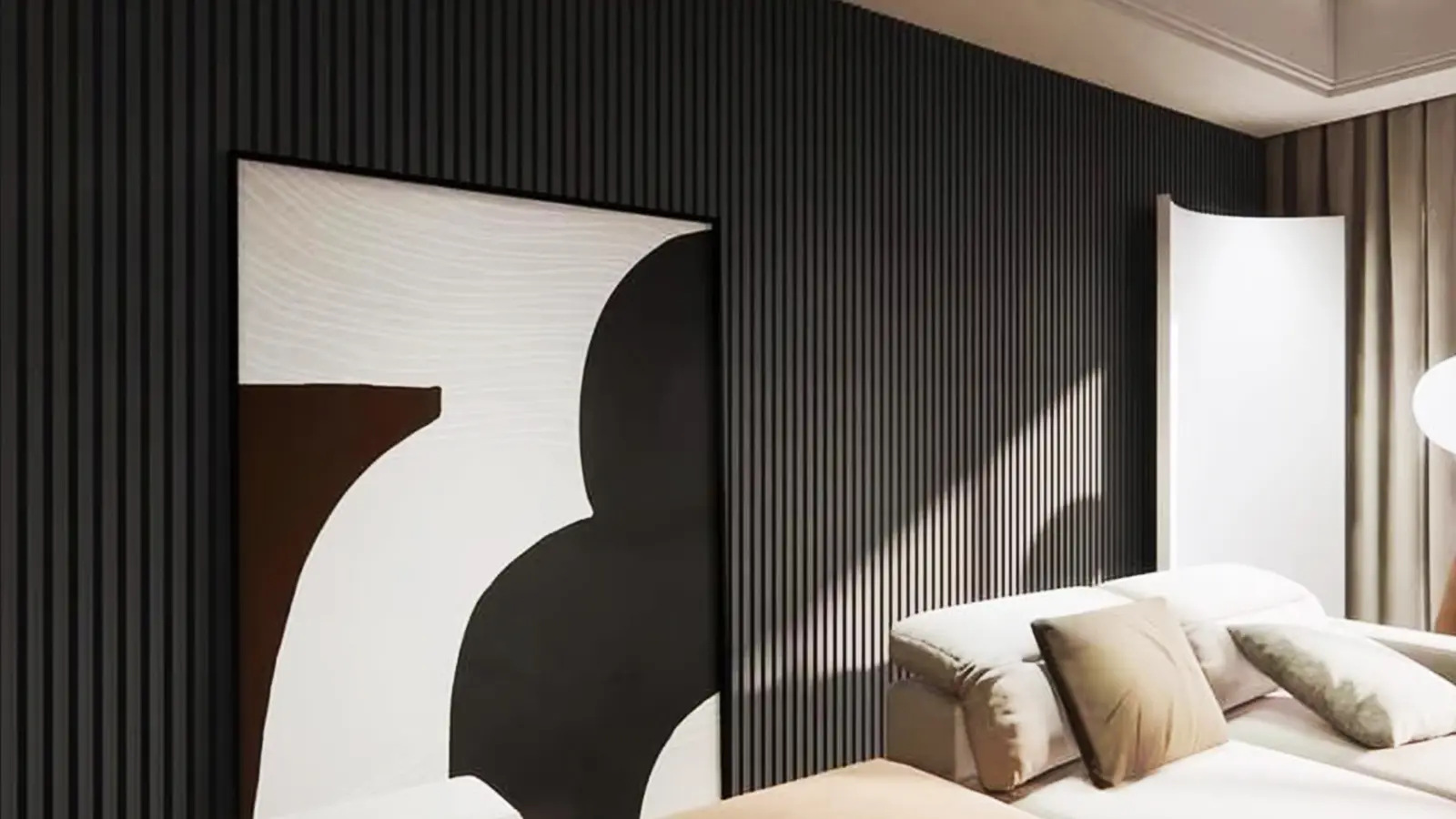
- Headboard background walls
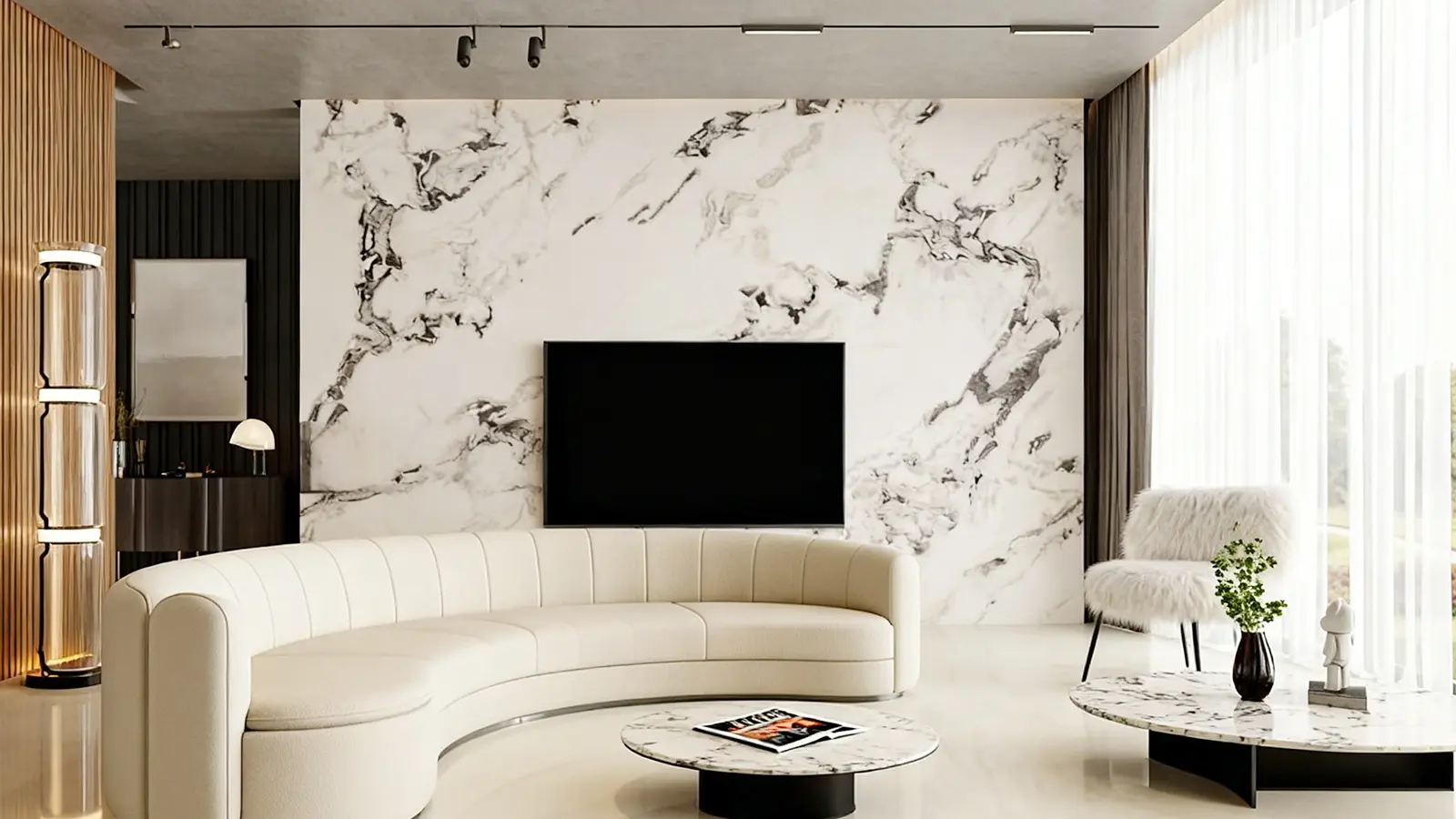
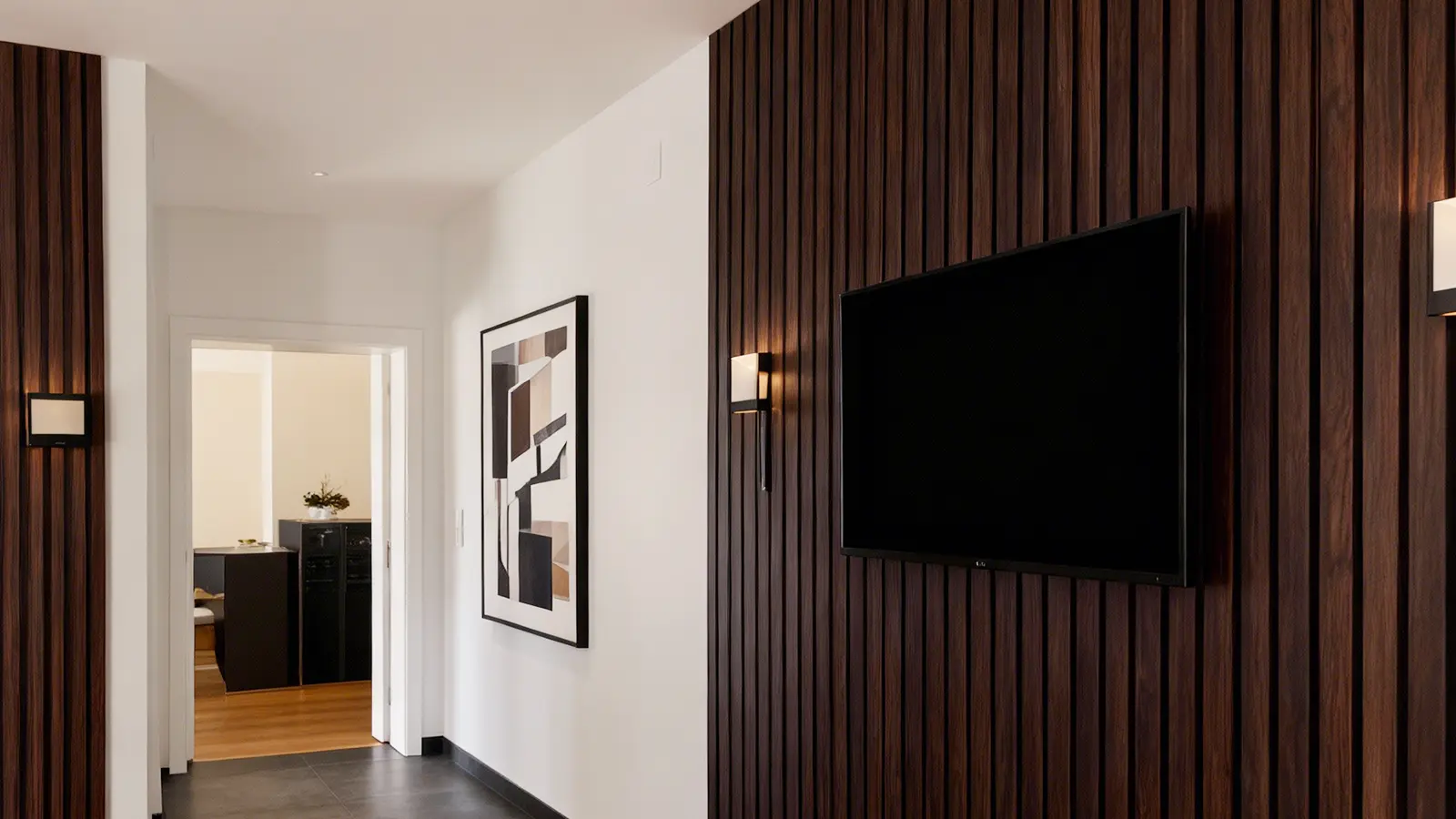
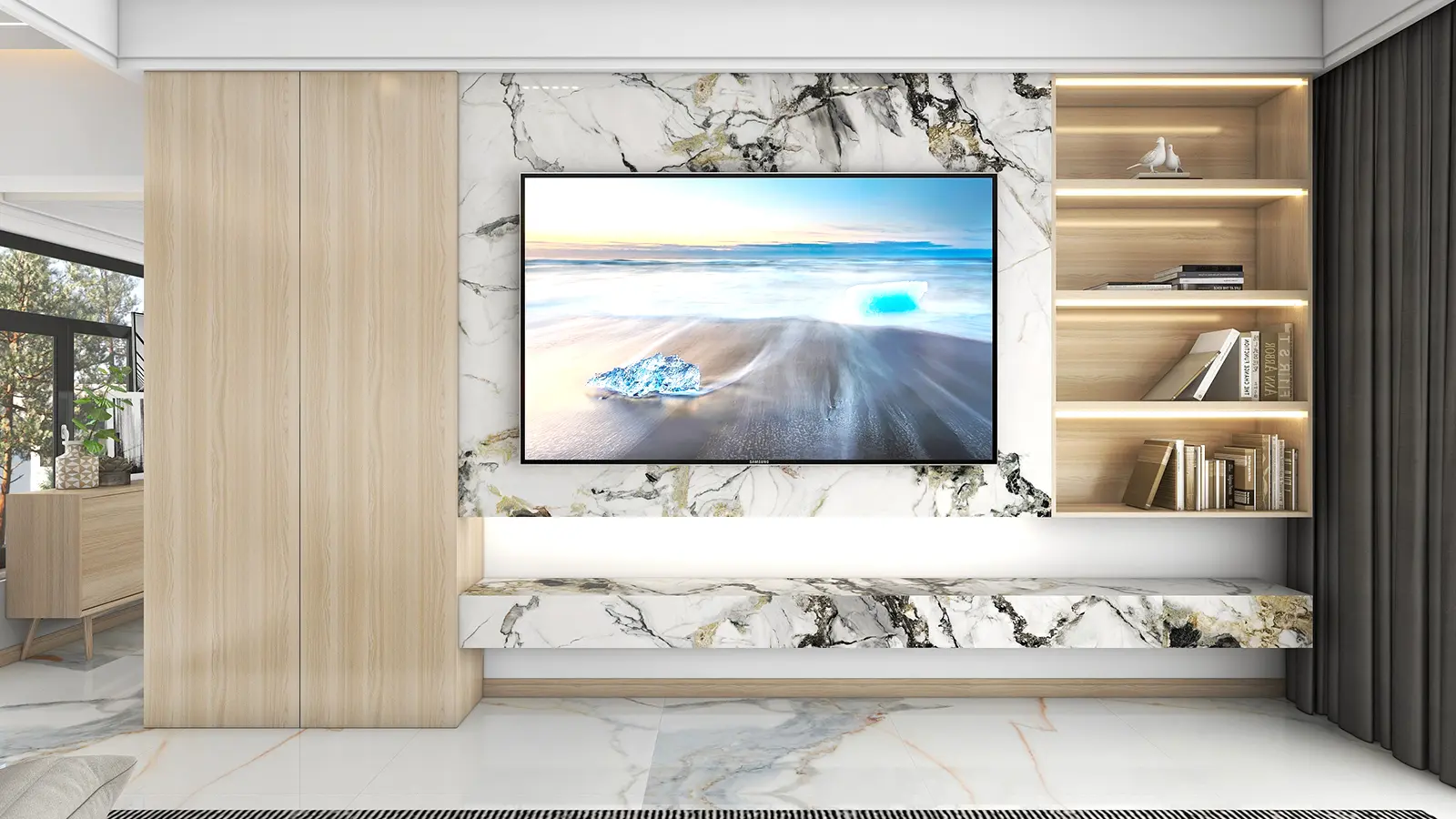
- TV feature walls
- Wardrobe and minibar surfaces
Bamboo charcoal wood veneer pairs well with fabric panels, soft lighting, and neutral color palettes, creating a calm and premium guest experience.
5.3 Hotel Corridors and Elevator Lobbies
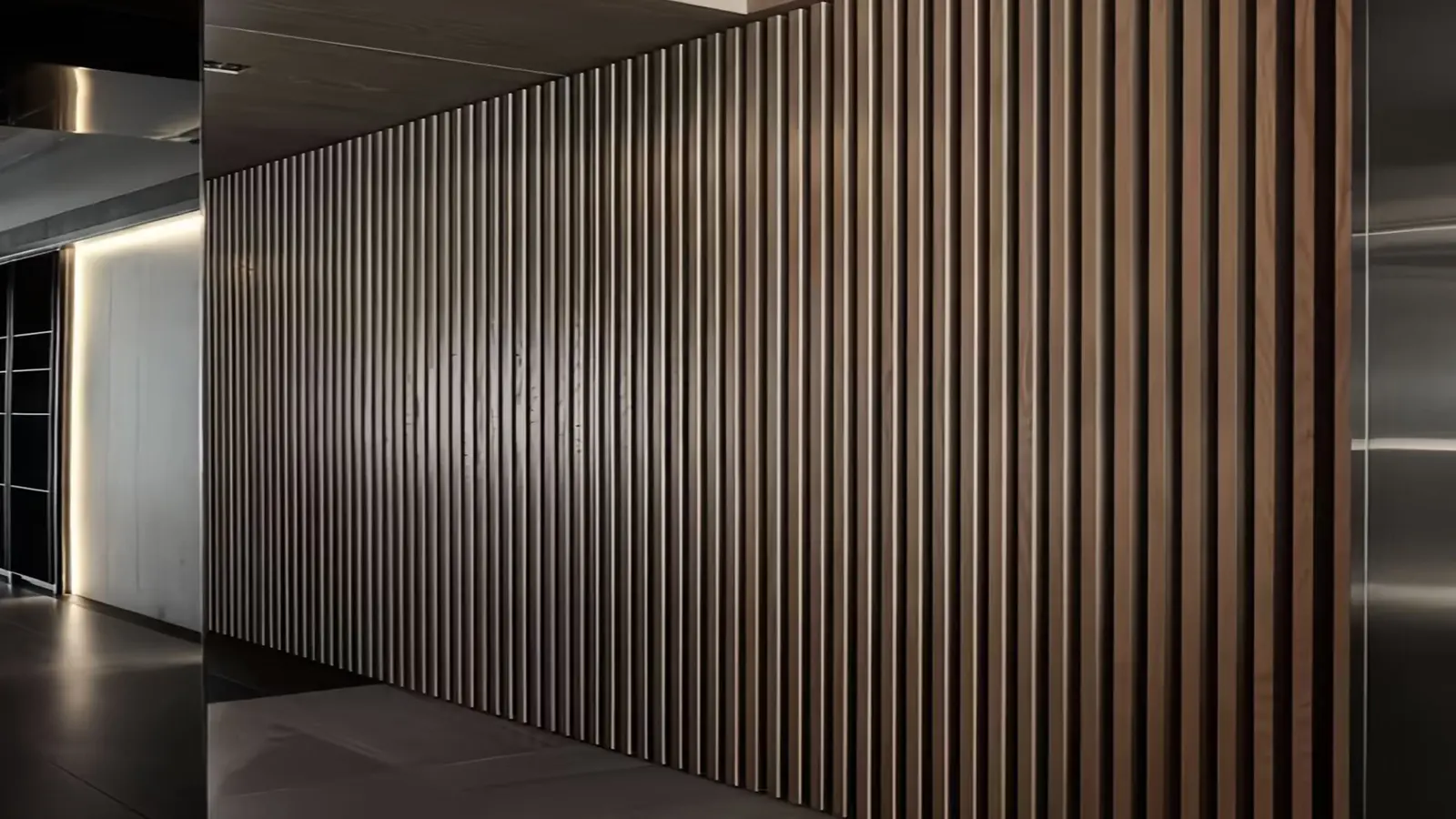
Long corridors often suffer from visual monotony. Bamboo charcoal wood veneer helps introduce rhythm and warmth through:
- Sectional wall cladding
- Door frame accents
- End-of-corridor focal walls
Its light-reflective yet non-glossy surface improves brightness without causing glare.
5.4 Restaurants, Cafés, and Lounges
Hospitality dining spaces benefit from materials that enhance atmosphere without overpowering it. Bamboo charcoal wood veneer is widely used in:
- Restaurant wall panels
- Bar counter backdrops
- Lounge decorative partitions
The material supports a relaxed, natural dining environment while maintaining a refined aesthetic.
5.5 Conference Rooms and Business Facilities
In business-oriented hotels, bamboo charcoal wood veneer contributes to a professional yet comfortable environment. Applications include:
- Conference room feature walls
- Entrance areas
- Acoustic wall panel systems
Its understated appearance helps maintain focus and clarity in meeting spaces.
6. Design Styles That Work Well with Bamboo Charcoal Wood Veneer
- Modern Minimalist Hotels – clean textures and neutral tones
- Eco-Resort and Wellness Hotels – natural and health-focused design
- Contemporary Asian-Inspired Hotels – harmony with natural materials
- Boutique Lifestyle Hotels – customizable textures and finishes
7. Installation Considerations for Hotel Projects
- Surface Preparation: Walls must be flat and dry
- Installation Methods: Adhesive fixing or mechanical systems depending on panel size
- Fire and Safety Compliance: Select panels meeting local fire-retardant standards
- Maintenance: Regular wiping with non-abrasive cleaners is sufficient
8. Future Trends of Bamboo Charcoal Wood Veneer in Hospitality Design
- Integration with acoustic and sound-absorbing systems
- Customized textures and digital printing finishes
- Combination with SPC, WPC, and metal decorative elements
- Increased use in wellness-oriented hotel concepts
9. Why Global Hotel Projects Source Bamboo Charcoal Wood Veneer from China
China remains a leading manufacturing hub for bamboo charcoal decorative panels due to:
- Advanced production technology
- Stable raw material supply
- Large-scale project capacity
- Flexible OEM and customization services
For international hotel developers, sourcing from experienced Chinese factories ensures consistent quality, cost efficiency, and timely delivery.
Bamboo charcoal wood veneer has evolved from a niche eco-material into a strategic choice for modern hotel interior design. Its combination of natural beauty, environmental performance, and durability makes it particularly suitable for hospitality projects that prioritize guest comfort and long-term value.
As hotels continue to compete through experience-driven design, bamboo charcoal wood veneer is expected to play an increasingly important role in shaping healthy, sustainable, and visually refined interior spaces.
