
Aesthetic Possibilities and Design Trends with Indoor WPC Wall Panels
Aesthetic Possibilities and Design Trends with Indoor WPC Wall Panels
Introduction
Interior design is more than just filling a room with furniture; it is about creating atmospheres that inspire comfort, elegance, and functionality. Wall finishes play a central role in shaping these environments, setting the tone for the entire interior. Traditional wall materials like paint, wallpaper, or wood veneer provide certain decorative effects, but they are often limited in durability or style flexibility. Indoor WPC (Wood-Plastic Composite) wall panelsare rapidly gaining popularity for their ability to combine durability with diverse aesthetic possibilities. This article explores how WPC panels contribute to interior design trends, their variety of styles and textures, and how they are influencing the future of Wall Decoration.
1. Why Aesthetics Matter in Modern Interiors
Walls cover the largest continuous surface inside any building. Their treatment determines how a room feels—whether cozy, modern, luxurious, or minimalist. Designers now expect wall materials to offer:
- Variety in textures and finishes to complement different interior themes.
- Color consistency that lasts without fading.
- Integration with lighting to create depth, shadows, or reflections.
- Flexibility in application across homes, offices, hospitality, or retail spaces.
WPC Wall Panels satisfy these needs by offering both functional durability and a wide aesthetic palette.
2. Range of Styles and Surface Options
WPC wall panels are available in a broad spectrum of designs, enabling homeowners and designers to achieve specific visual effects.
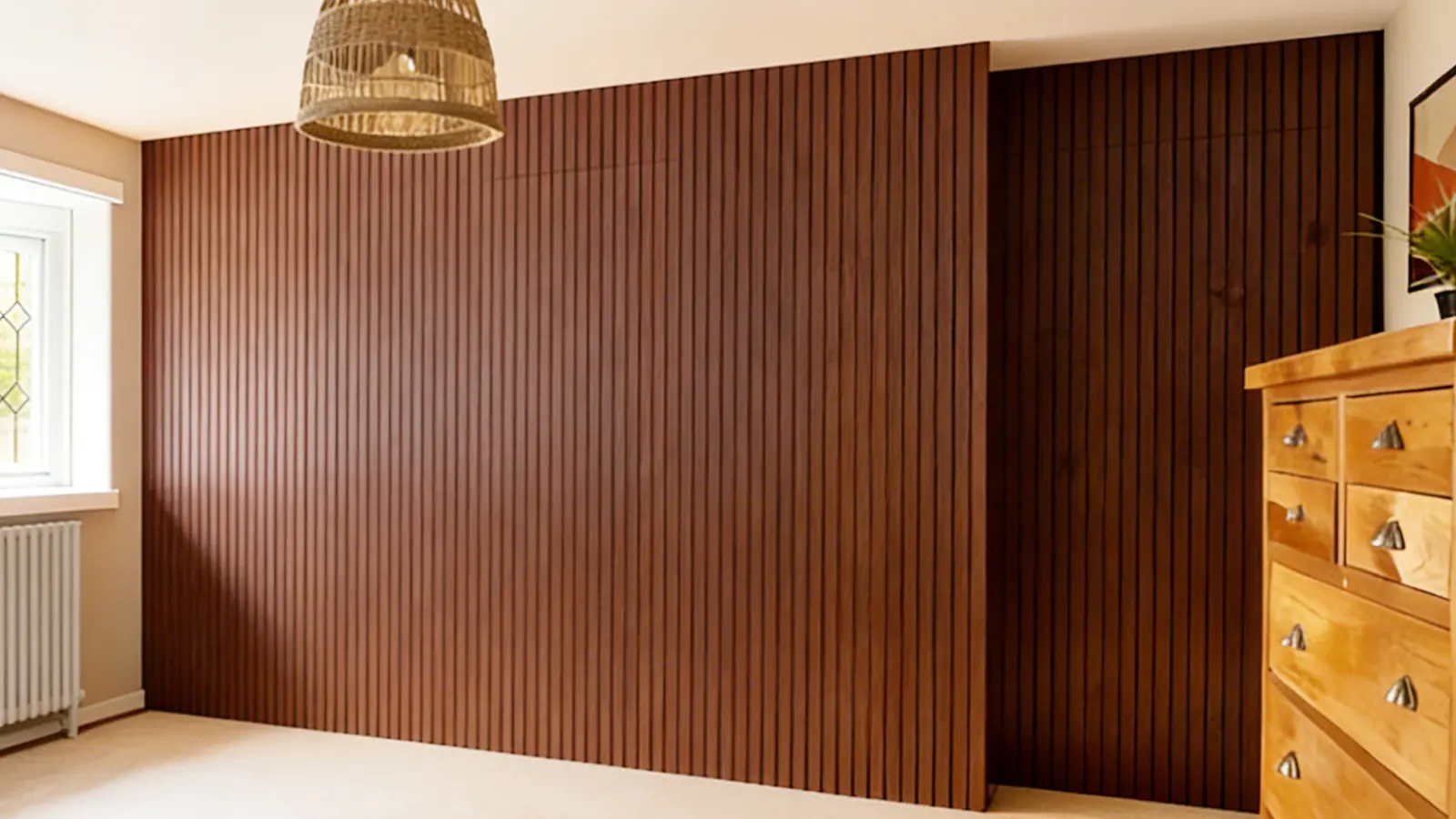
Wood Grain Imitations: Advanced embossing and printing technologies reproduce natural oak, walnut, teak, or pine textures with astonishing realism. These deliver the warmth of timber without the vulnerabilities of natural wood.
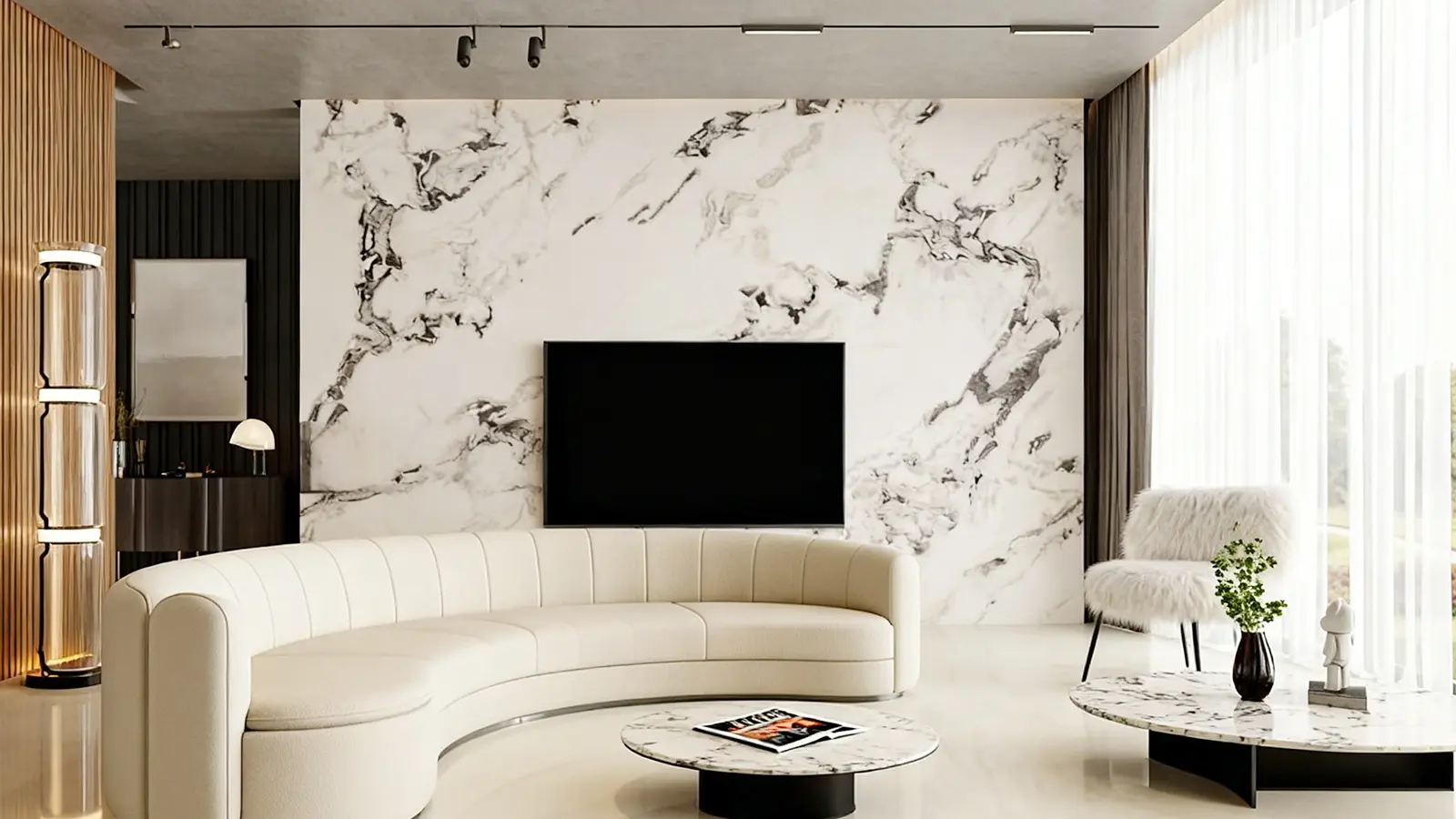
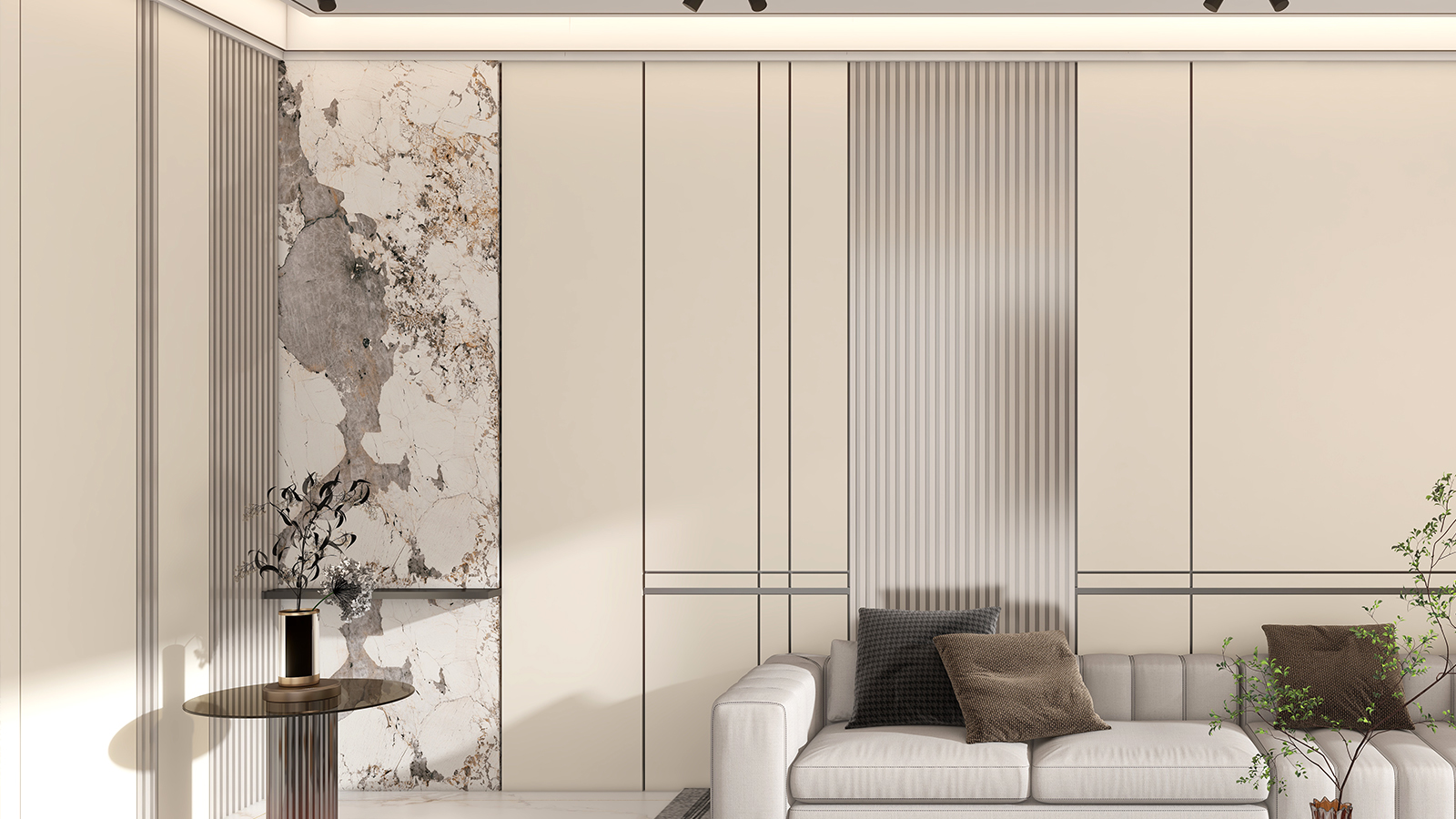
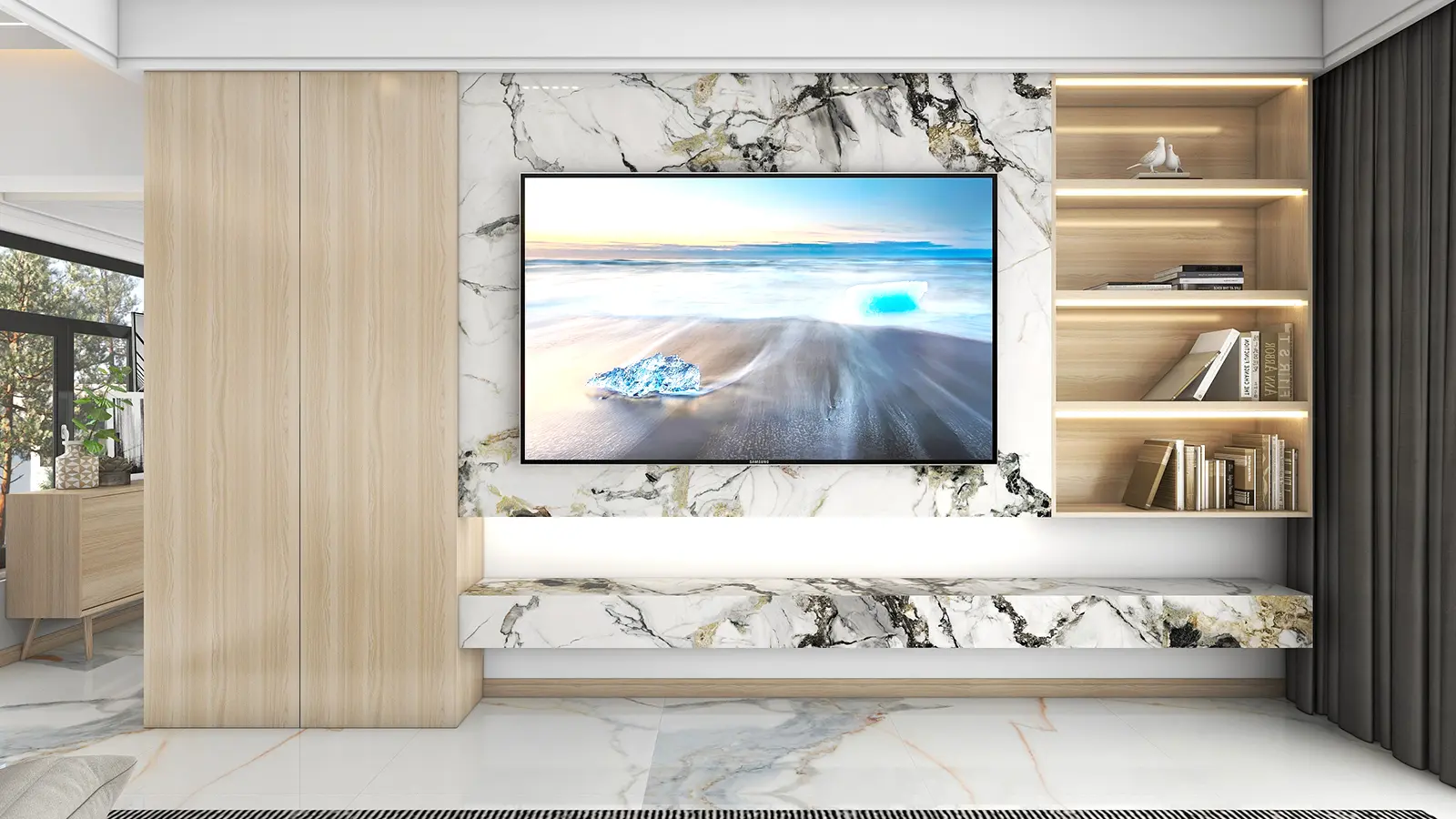
Marble & Stone Effects: High-gloss surfaces and UV-printed patterns mimic marble, granite, or concrete, adding luxury without the weight and maintenance of real stone.
Solid Colors & Minimalist Finishes: For modern or Scandinavian-style interiors, panels come in neutral palettes—white, gray, beige, or black—providing clean backdrops for furniture and décor.
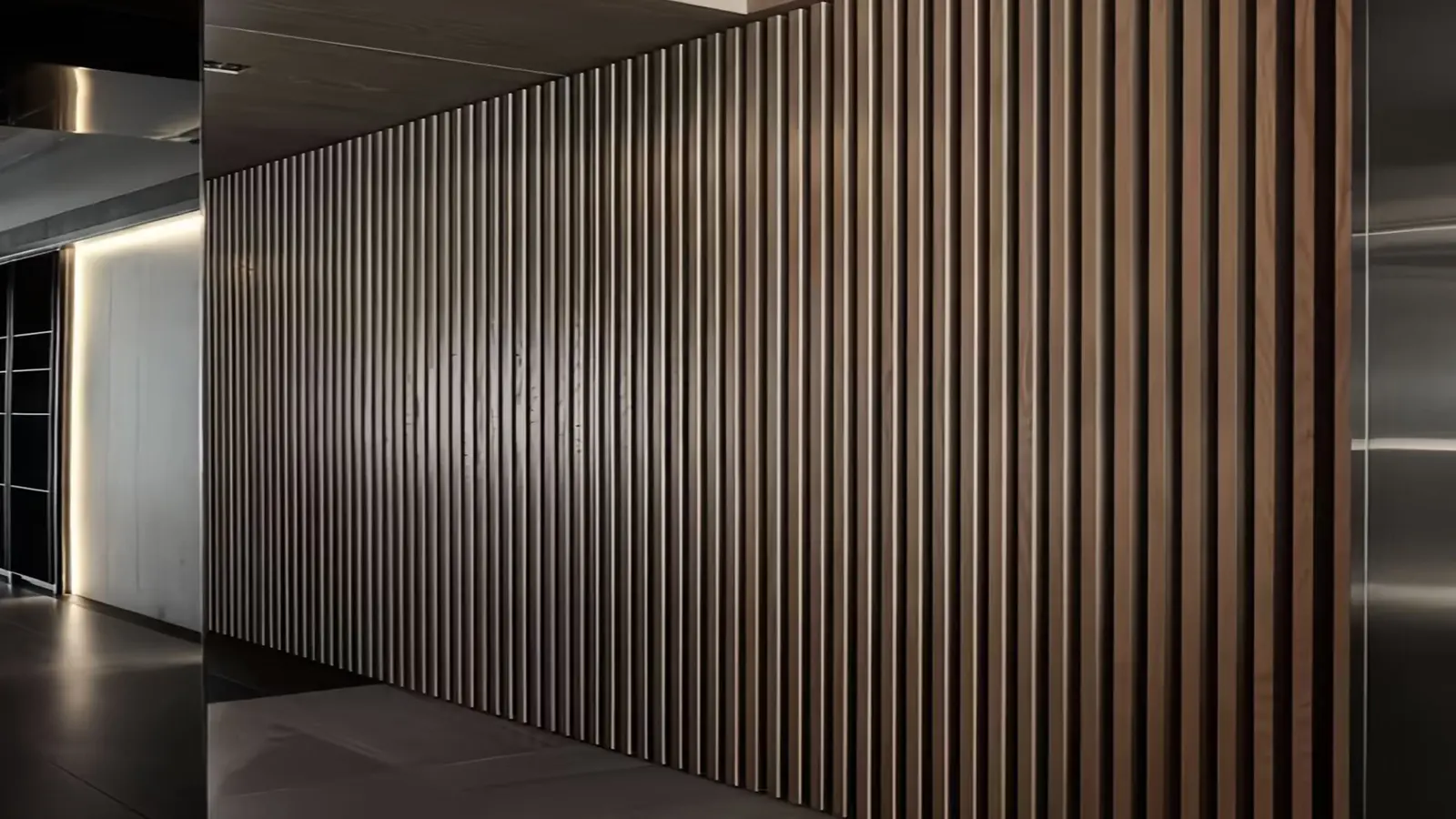
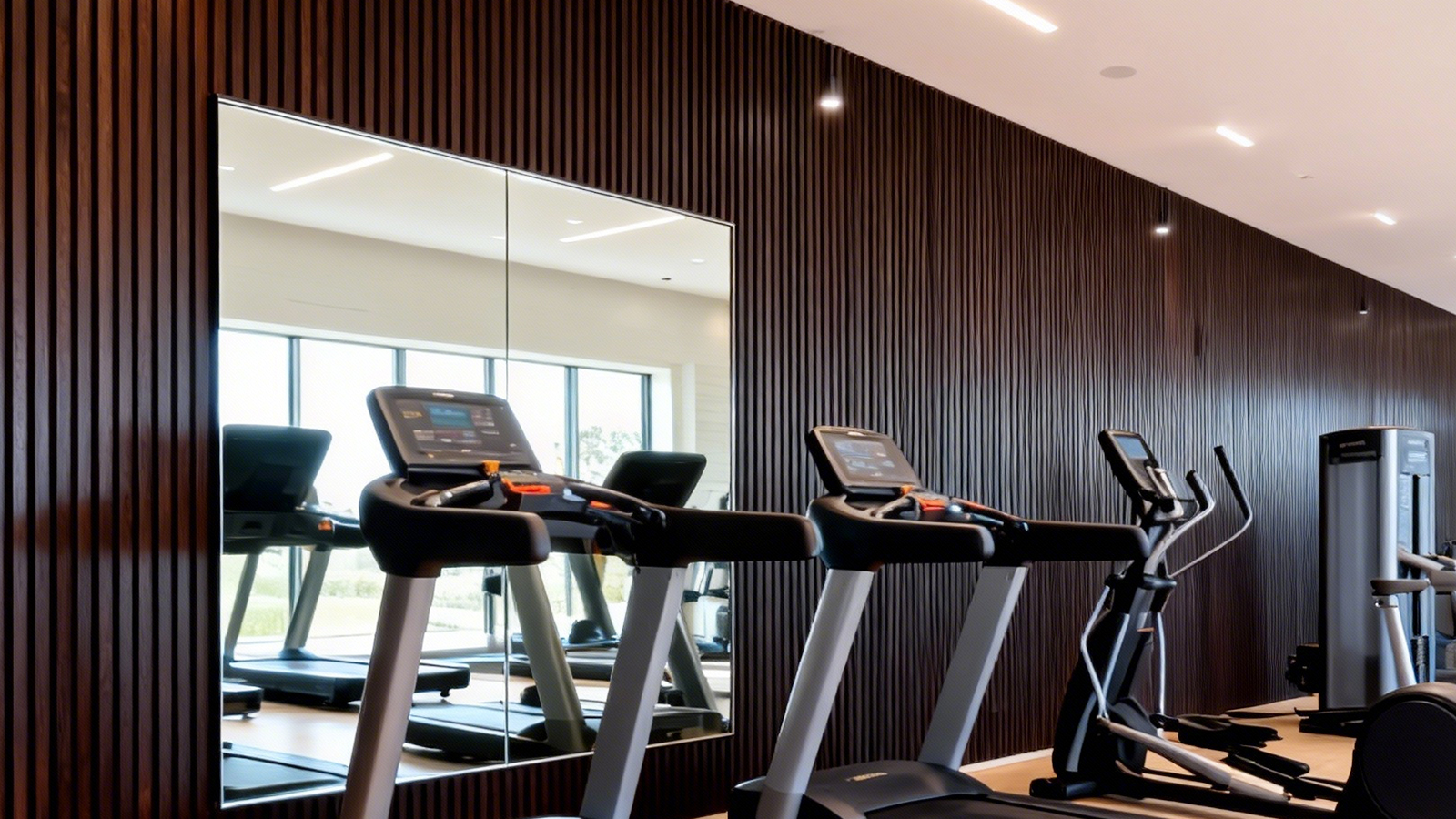
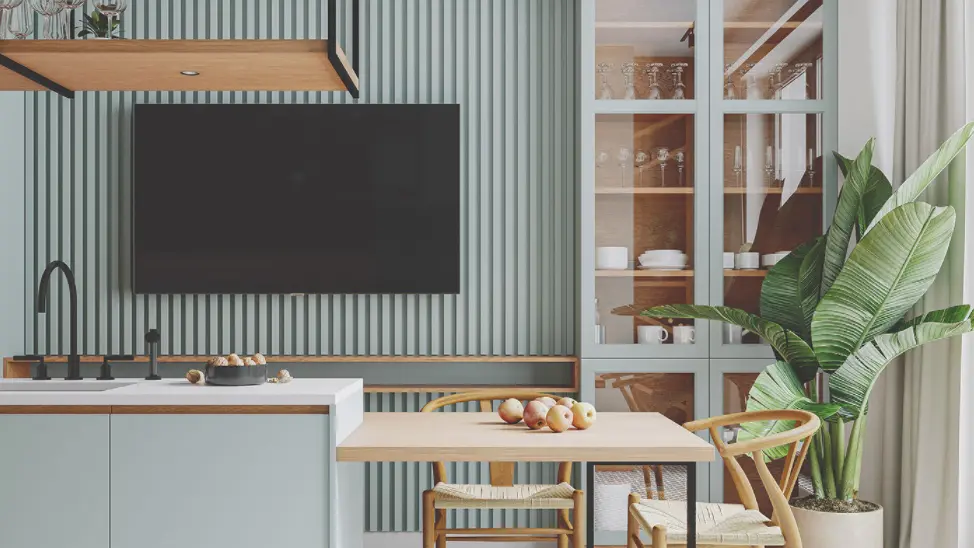
Textured & 3D Surfaces: Fluted, grooved, or ribbed designs create depth and dimension, often used for feature walls behind TVs, beds, or in reception areas.
Custom Prints: Digital printing allows customized patterns, branding, or unique artworks, making WPC panels versatile for commercial environments.
3. Blending Function and Form
Unlike wallpaper or paint, WPC wall panels are not purely aesthetic. Their built-in functional strengths—moisture resistance, scratch resistance, and thermal insulation—allow them to retain beauty over years. This blend of form and function enables designers to confidently apply them even in high-use spaces like hotels, restaurants, or offices, where visual appeal must go hand-in-hand with durability.
4. Design Trends Influenced by WPC Wall Panels
WPC panels are not just following trends—they are shaping them. Here are some of the leading directions:
a. Fluted and Slatted Panels
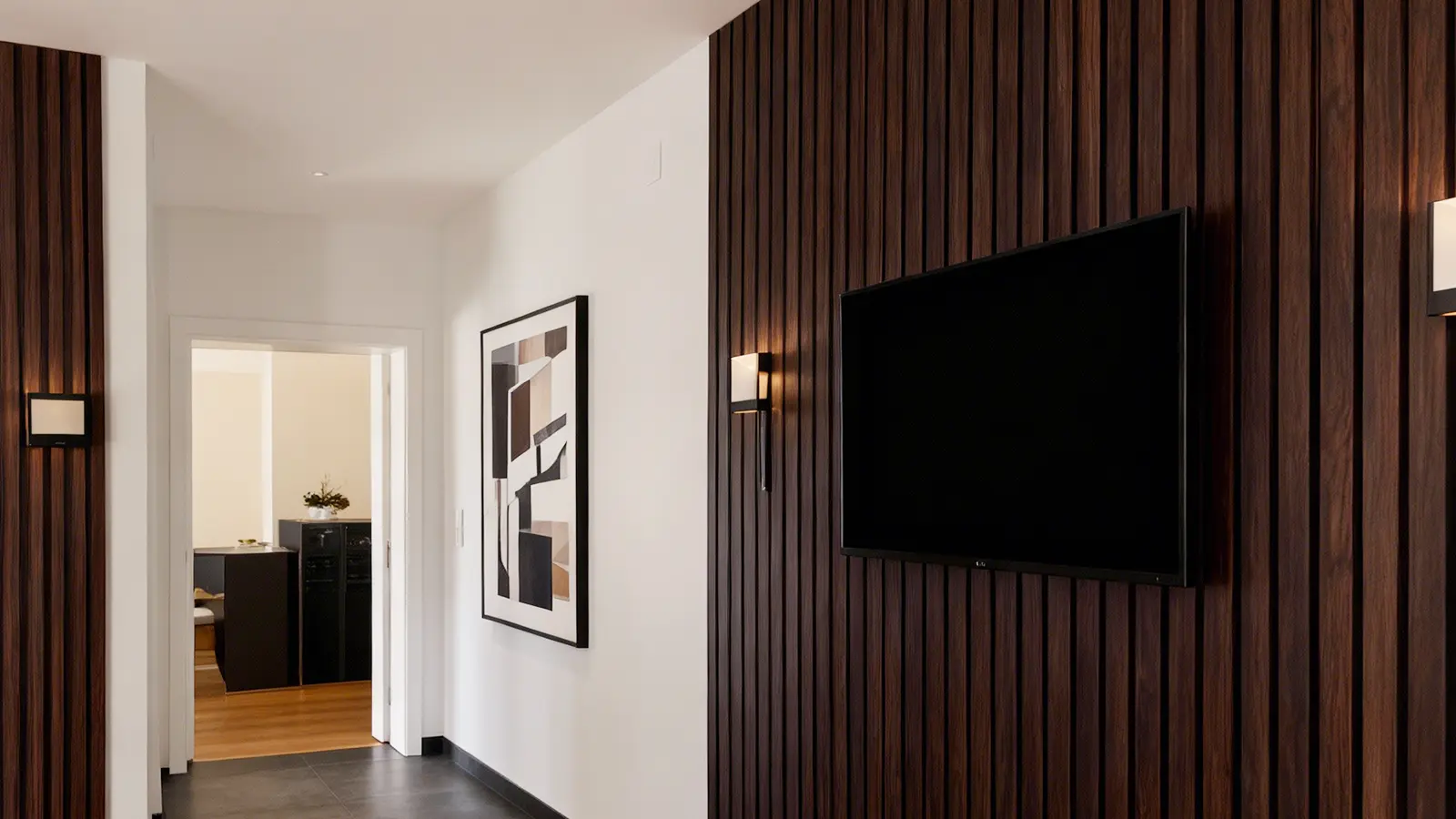
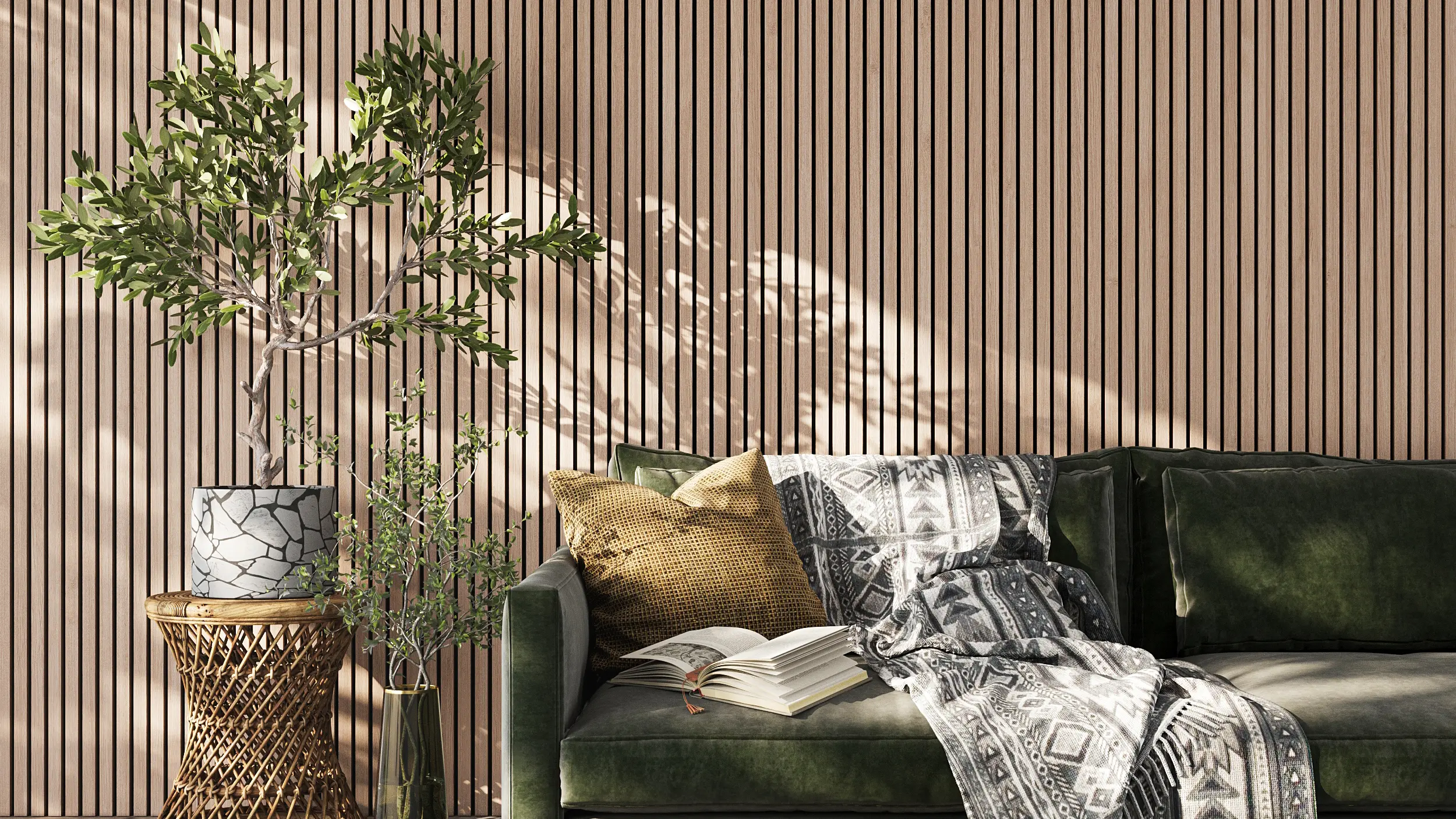
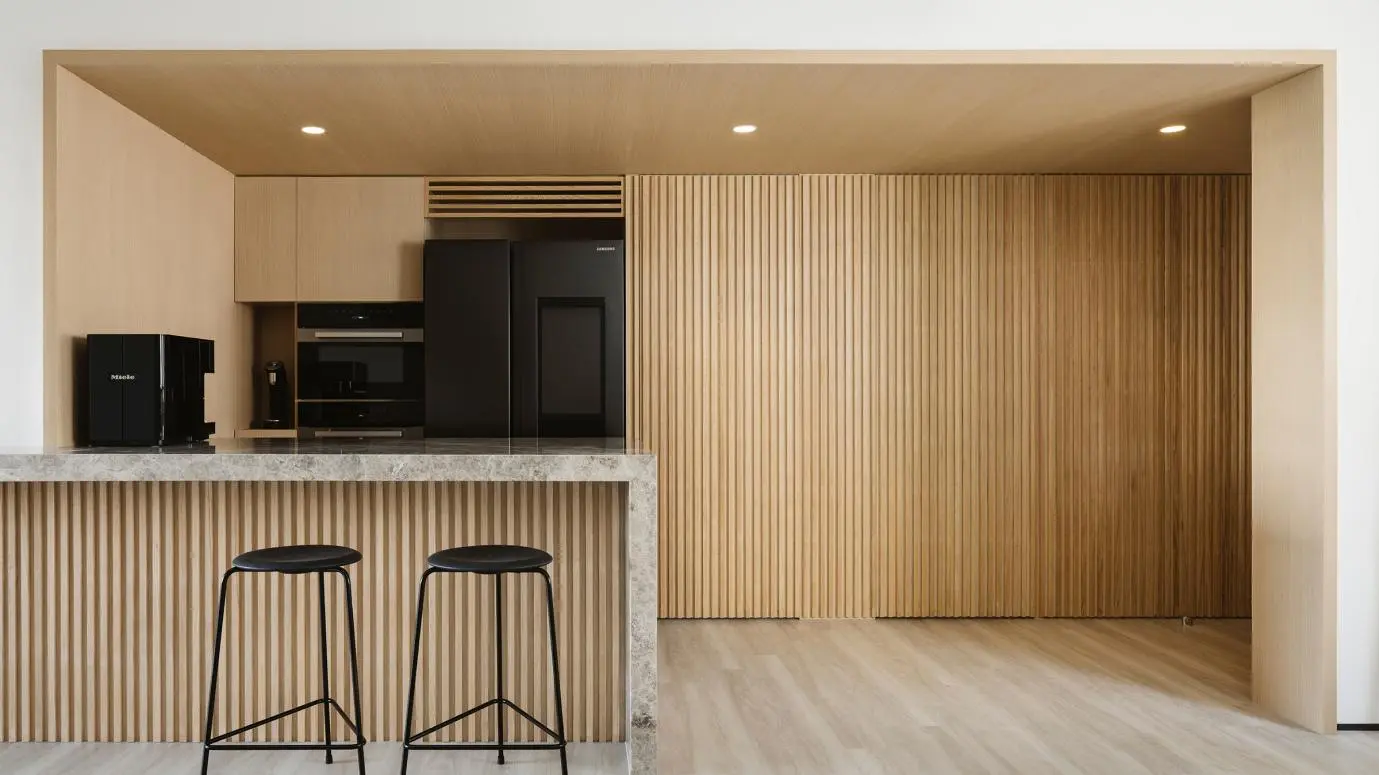
Vertical slats or fluted surfaces create rhythm and texture, a trend dominating modern interiors. They can make ceilings appear higher, add sophistication, and serve as acoustic enhancements. WPC versions are lightweight, easy to install, and come in multiple finishes, making them a go-to choice for contemporary spaces.
b. Accent & Feature Walls
Instead of covering entire rooms, designers increasingly use WPC panels for statement walls—behind a sofa, in entryways, or around fireplaces. The variety of finishes (wood, stone, metallic) allows these panels to become focal points without overwhelming the room.
c. Mixed Material Combinations
Blending WPC panels with glass, fabric, or metal creates dynamic contrasts. For example, a matte WPC wood panel paired with glossy marble-look panels offers depth and luxury.
d. Sustainable Minimalism
Modern interiors are trending toward sustainability and simplicity. Neutral-colored WPC panels, combined with minimalist furniture, create serene, eco-conscious spaces without sacrificing style.
e. Integrated Lighting Effects
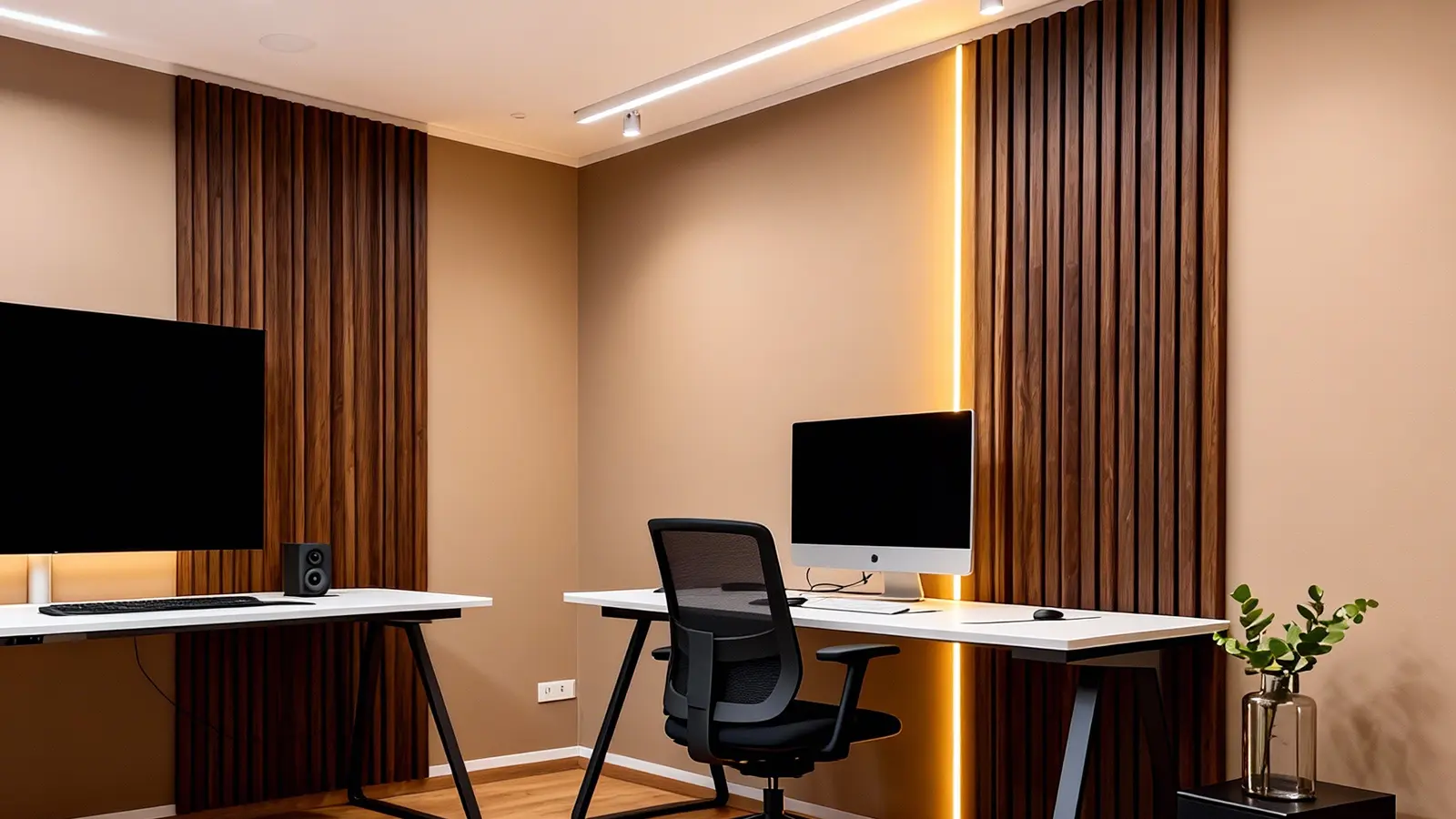
Designers often pair WPC panels with hidden LED strips or wall washers. Grooved textures and ribbed surfaces catch the light beautifully, producing dramatic shadows or warm ambient glows.
5. Versatility Across Spaces
One of the strongest appeals of WPC wall panels is their adaptability across different environments:
Residential Homes: Living rooms, bedrooms, bathrooms, and kitchens all benefit from panels that look refined while resisting moisture and daily wear.
Hospitality: Hotels and restaurants use panels to create inviting atmospheres that are easy to maintain and resistant to scratches or stains.
Retail & Showrooms: WPC’s ability to mimic luxurious finishes at a fraction of the cost makes them ideal for eye-catching retail displays.
Workspaces: Offices use neutral or wood-like panels to create professional yet warm environments, while acoustic versions reduce noise.
6. Color Trends for the Coming Years
Based on current design reports and WPC manufacturers’ new collections, several color themes stand out:
Earth Tones: Shades like sand, taupe, and terracotta create grounded, calming atmospheres.
Soft Neutrals: Light gray, cream, and off-white remain popular for minimalist or Scandinavian styles.
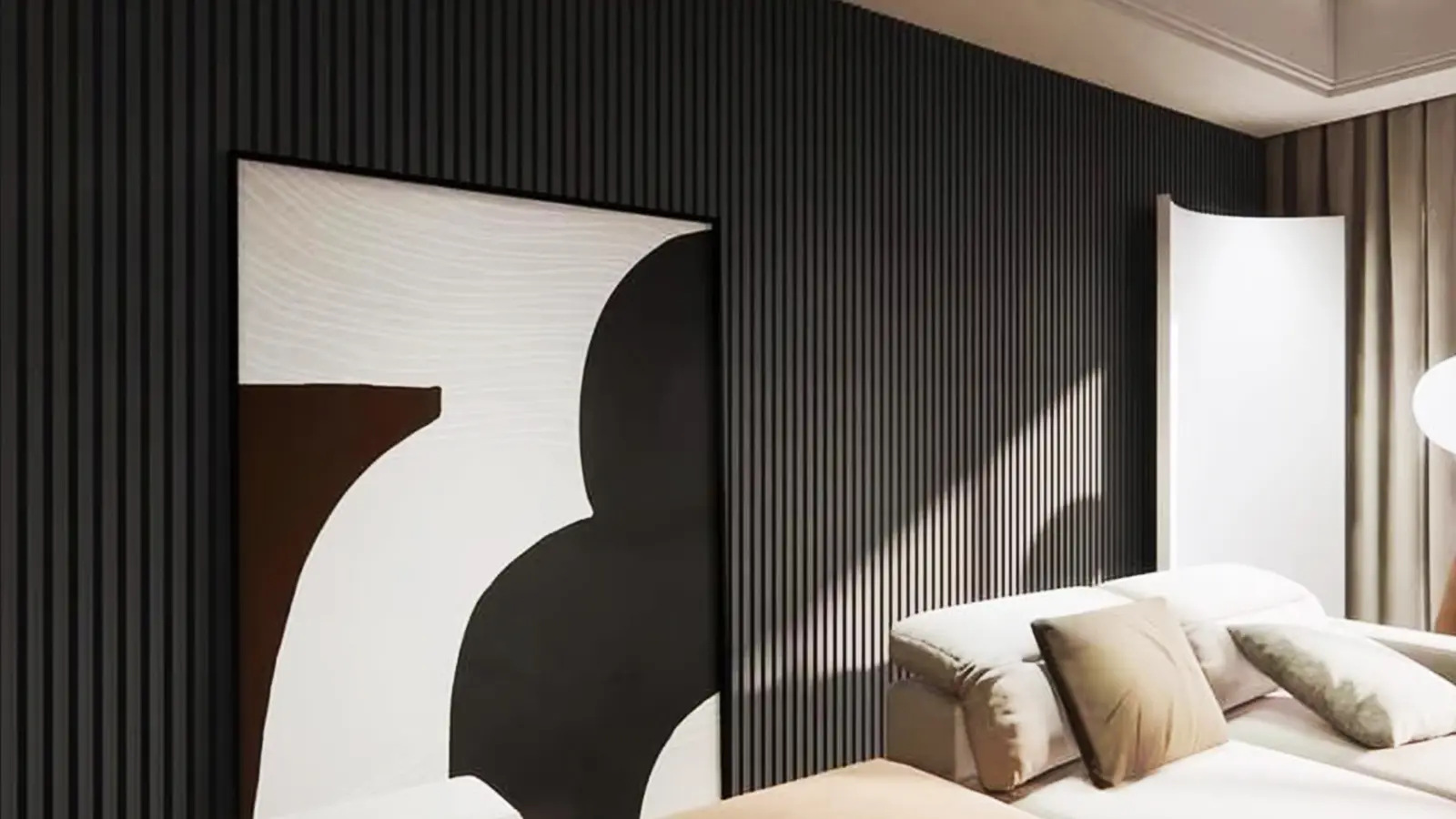
Dark Elegance: Black, charcoal, or deep walnut panels bring drama and luxury, especially with indirect lighting.
Natural Wood Variations: Mixed tones resembling reclaimed or rustic wood offer authenticity and warmth.
High-Gloss Finishes: White or marble-effect glossy panels provide a sleek, modern look for contemporary interiors.
7. The Role of Technology in Design
Modern WPC aesthetics are possible because of advances in:
Digital Printing: Delivers hyper-realistic patterns and custom designs.
Embossing Technology: Creates tactile surfaces that feel like real wood or stone.
UV Coatings: Ensure color vibrancy and gloss retention even under artificial lighting.
Modular Systems: Panels with interlocking joints allow creative layouts such as chevron, herringbone, or mixed-width effects.
This fusion of technology and design ensures WPC panels will remain versatile and future-proof.
8. Advantages Over Traditional Decorative Materials
Wallpaper: While decorative, wallpaper tears easily and struggles in humid areas.
Paint: Offers color variety but lacks texture and requires frequent repainting.
Wood Veneer: Beautiful but costly and vulnerable to humidity and scratches.
Stone Cladding: Luxurious but heavy, expensive, and difficult to install.
WPC panels outperform each by delivering the same—or better—aesthetic effects while maintaining low maintenance and high resilience.
9. Case Study Examples
A Modern Apartment: A feature wall behind the TV clad in fluted walnut-effect WPC panels instantly elevated the space, paired with warm LED lighting.
Hotel Lobby: Marble-look WPC panels created a luxurious ambiance without the high cost or weight of real stone, impressing guests while reducing upkeep.
Retail Shop: Black ribbed WPC panels contrasted with glass displays, creating a modern industrial aesthetic that attracted younger shoppers.
These examples highlight how WPC panels not only follow design trends but also make them accessible to wider audiences.
Conclusion
Indoor WPC wall panels are redefining interior aesthetics by offering a versatile mix of textures, colors, and styles. From natural wood grains to modern 3D textures, from sustainable minimalism to luxury marble effects, WPC panels allow homeowners, designers, and businesses to craft unique environments that balance beauty and practicality. With technology enabling new finishes and patterns, and with growing demand for durable yet stylish materials, WPC wall panels are set to remain at the forefront of interior design trends.
For anyone seeking to elevate their interior spaces with elegance, flexibility, and long-lasting visual impact, WPC wall panels stand as a truly modern decorative solution.
Want to feel the quality before making a decision? RUIDE now offers free WPC wall panel samples for you to try at home or in your workspace. Touch it, see it, and experience the difference—your ideal design solution starts here.