

Acoustic Solutions in Hospitality Design: Why Sound Control Matters More Than Ever
Table of Contents
- Introduction: The Rising Importance of Acoustic Comfort in Hotels
- Understanding Acoustic Challenges in Hotel Buildings
- How Acoustic Panels Improve Guest Room Experience
- Acoustic Panels in Public Hotel Spaces
- Conference Rooms and Business Facilities
- Design Versatility and Visual Appeal
- Fire Safety and Sustainability Considerations
- Installation Efficiency and Maintenance
- Financial Benefits and Long-Term Value
- Conclusion: Acoustic Comfort as a Competitive Advantage
1. Introduction: The Rising Importance of Acoustic Comfort in Hotels
In recent years, the hospitality industry has undergone a noticeable shift in how guest comfort is defined. Beyond visual aesthetics, premium furnishings, and attentive service, sound quality has become a decisive factor influencing guest satisfaction. Travelers today are increasingly sensitive to noise, particularly as hotels operate in dense urban areas or multifunctional complexes.
Unwanted sound—from corridor traffic to neighboring rooms—can quickly undermine even the most luxurious hotel experience. As a result, Acoustic Panels are now widely recognized as a practical and strategic solution for improving interior sound environments without extensive structural modification.
This article explores how acoustic panels contribute to hotel performance, focusing on guest comfort, architectural flexibility, operational efficiency, and long-term value for hospitality projects.
2. Understanding Acoustic Challenges in Hotel Buildings
Hotels present unique acoustic challenges due to their diverse functional zones. Guest rooms require privacy and quiet, while public spaces must balance energy with comfort. Common sources of noise include:
- Foot traffic and rolling luggage
- HVAC and mechanical equipment
- Conversations and entertainment systems
- External urban or traffic noise
When these sounds reflect off hard surfaces such as stone floors, glass walls, or concrete ceilings, they accumulate and amplify. Acoustic panels address this issue by absorbing reflected sound waves, reducing reverberation and ambient noise levels.
3. How Acoustic Panels Improve Guest Room Experience
3.1 Supporting Restful Sleep
Sleep quality remains one of the strongest drivers of hotel reviews and repeat bookings. Even moderate background noise can interrupt rest, particularly for light sleepers or business travelers adjusting to new time zones.
By absorbing sound reflections inside the room, acoustic panels create a quieter perceived environment, even when external noise sources are present. This improvement in acoustic comfort directly enhances sleep quality and guest well-being.
3.2 Enhancing Perceived Privacy
While sound insulation between rooms depends on wall construction, interior acoustic panels reduce internal sound energy, making voices, television audio, and phone calls less audible beyond the room.
This added layer of acoustic comfort is especially valuable for premium rooms, suites, and long-stay accommodations where privacy expectations are higher.
3.3 Flexible Design Integration
Acoustic panels can be installed as decorative wall features, headboard backdrops, or partial ceiling elements. This allows hotels to upgrade acoustic performance during renovations without altering building layouts or mechanical systems.
4. Acoustic Panels in Public Hotel Spaces
4.1 Lobby and Reception Zones
Hotel lobbies often feature large volumes, high ceilings, and reflective surfaces. Without sound treatment, these areas can feel chaotic and overwhelming during busy periods.
Strategically placed acoustic panels help reduce echo and background noise, allowing conversations at reception desks to remain clear while maintaining a calm and welcoming atmosphere.
4.2 Dining Areas and Social Spaces
Restaurants, cafés, and bars benefit significantly from sound-absorbing materials. Acoustic panels reduce clattering noise, soften background conversations, and improve speech clarity at tables. This creates a more enjoyable dining environment and encourages guests to stay longer.
4.3 Corridors and Transitional Areas
Hallways naturally transmit sound between rooms. Wall-mounted or ceiling-installed acoustic panels absorb footstep noise and rolling luggage sounds, limiting noise intrusion into guest rooms and improving overall comfort.
5. Conference Rooms and Business Facilities
For hotels serving corporate clients, meeting rooms must deliver professional acoustic performance. Poor sound control can compromise presentations, reduce focus, and create listener fatigue.
Acoustic panels help manage reverberation, ensuring clear speech intelligibility across the room. This improves meeting effectiveness and supports compliance with international hospitality and corporate acoustic standards.
6. Design Versatility and Visual Appeal
Modern acoustic panels are available in a wide variety of finishes and configurations, including:
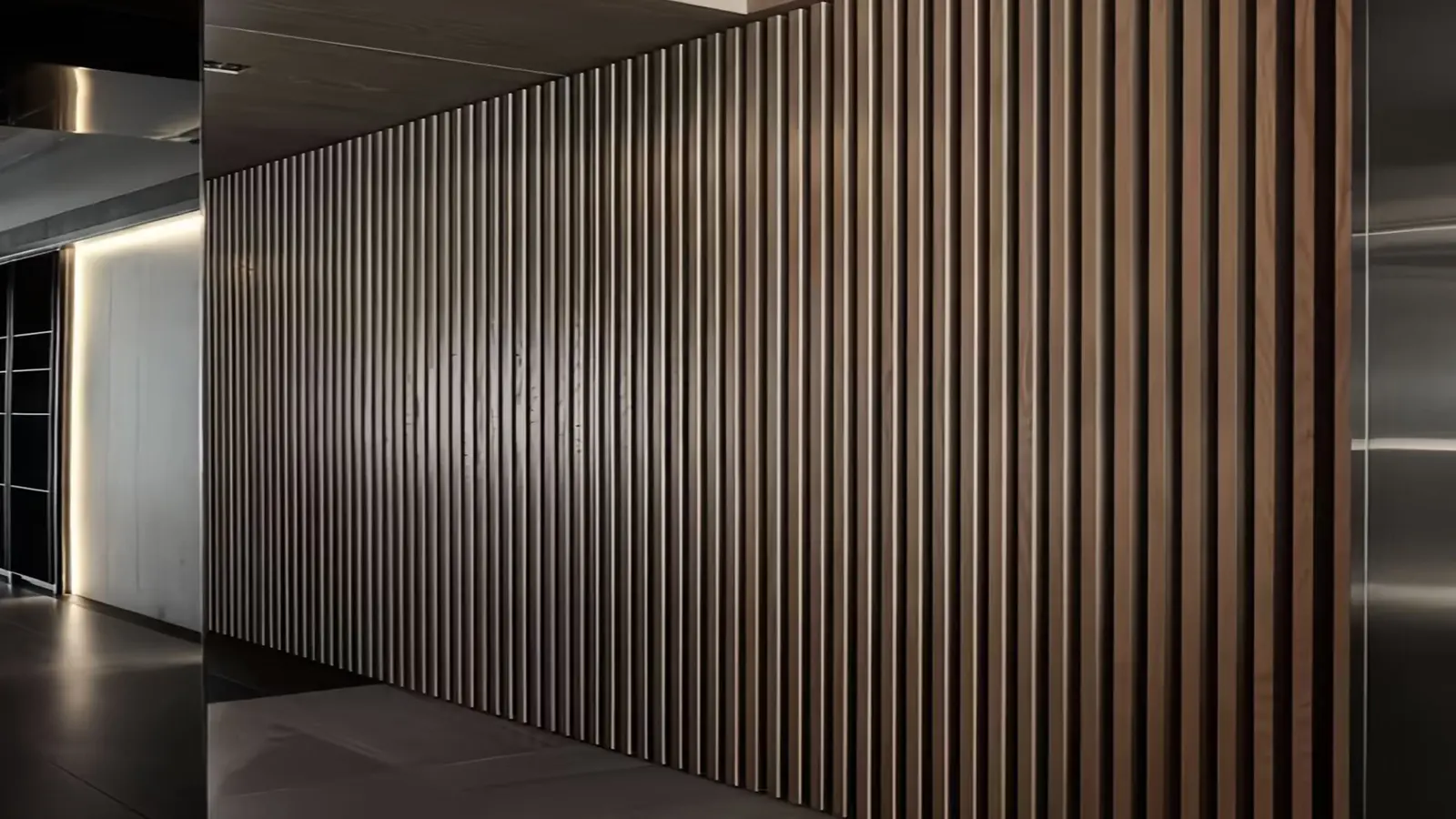
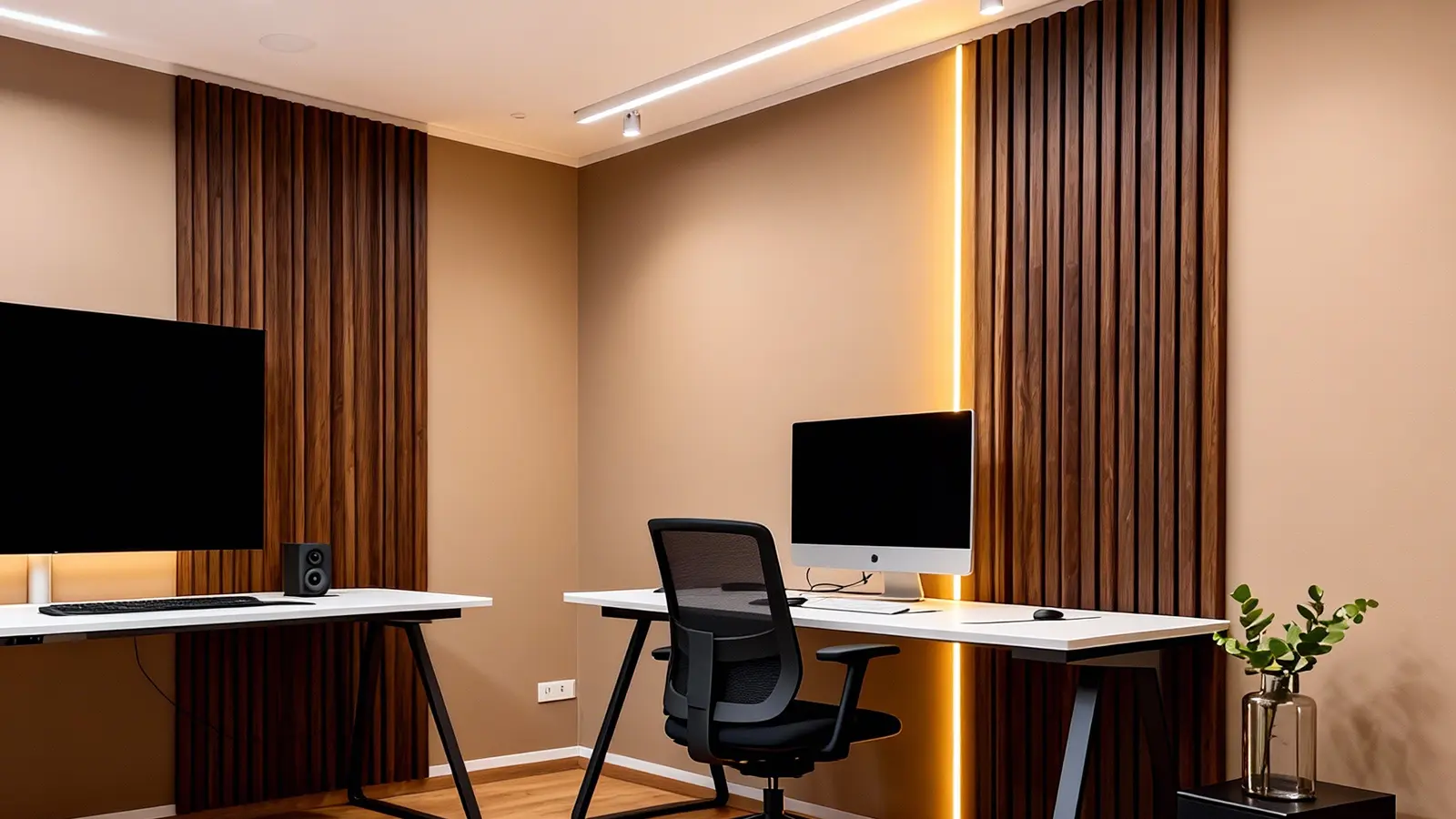
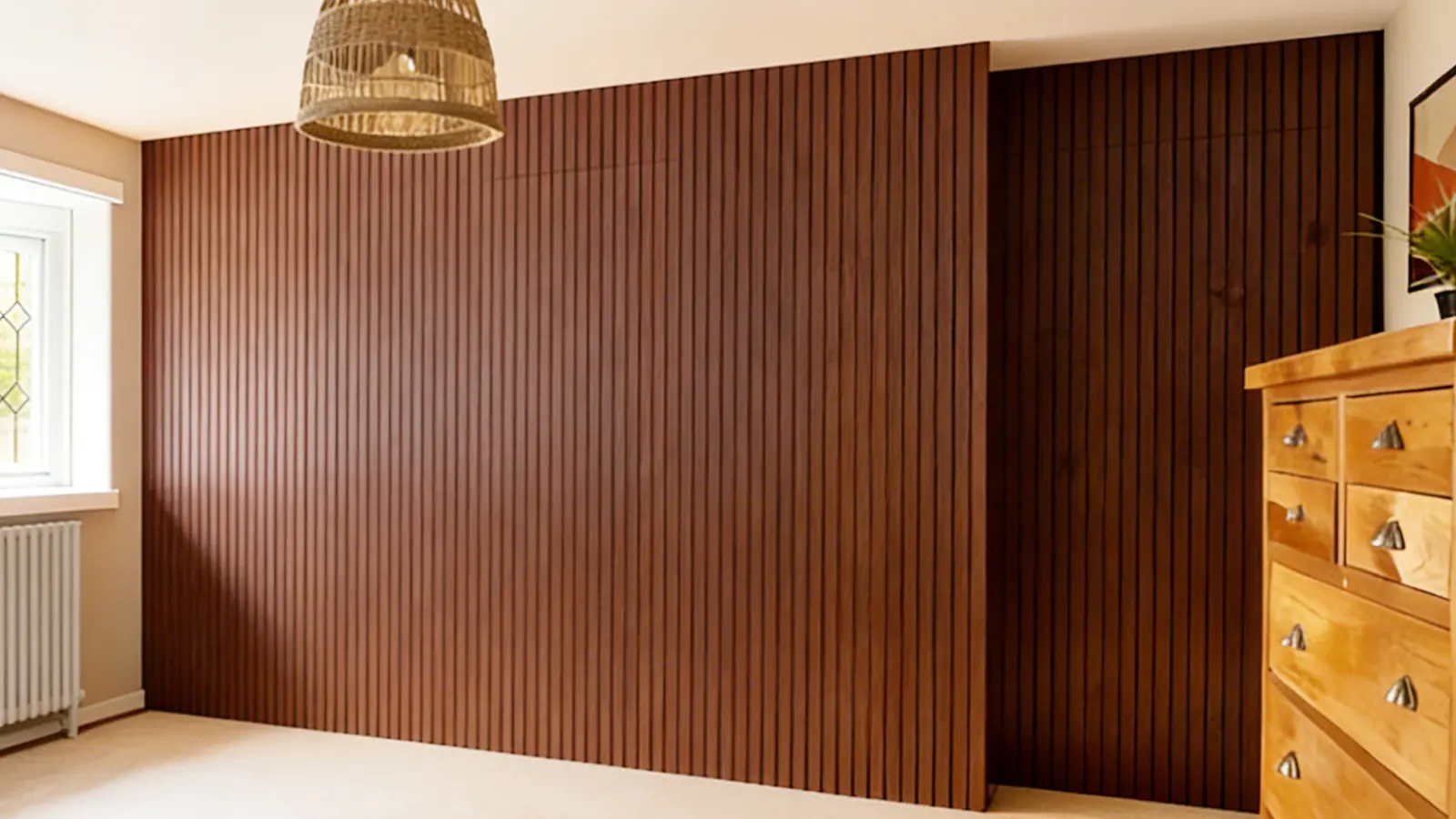
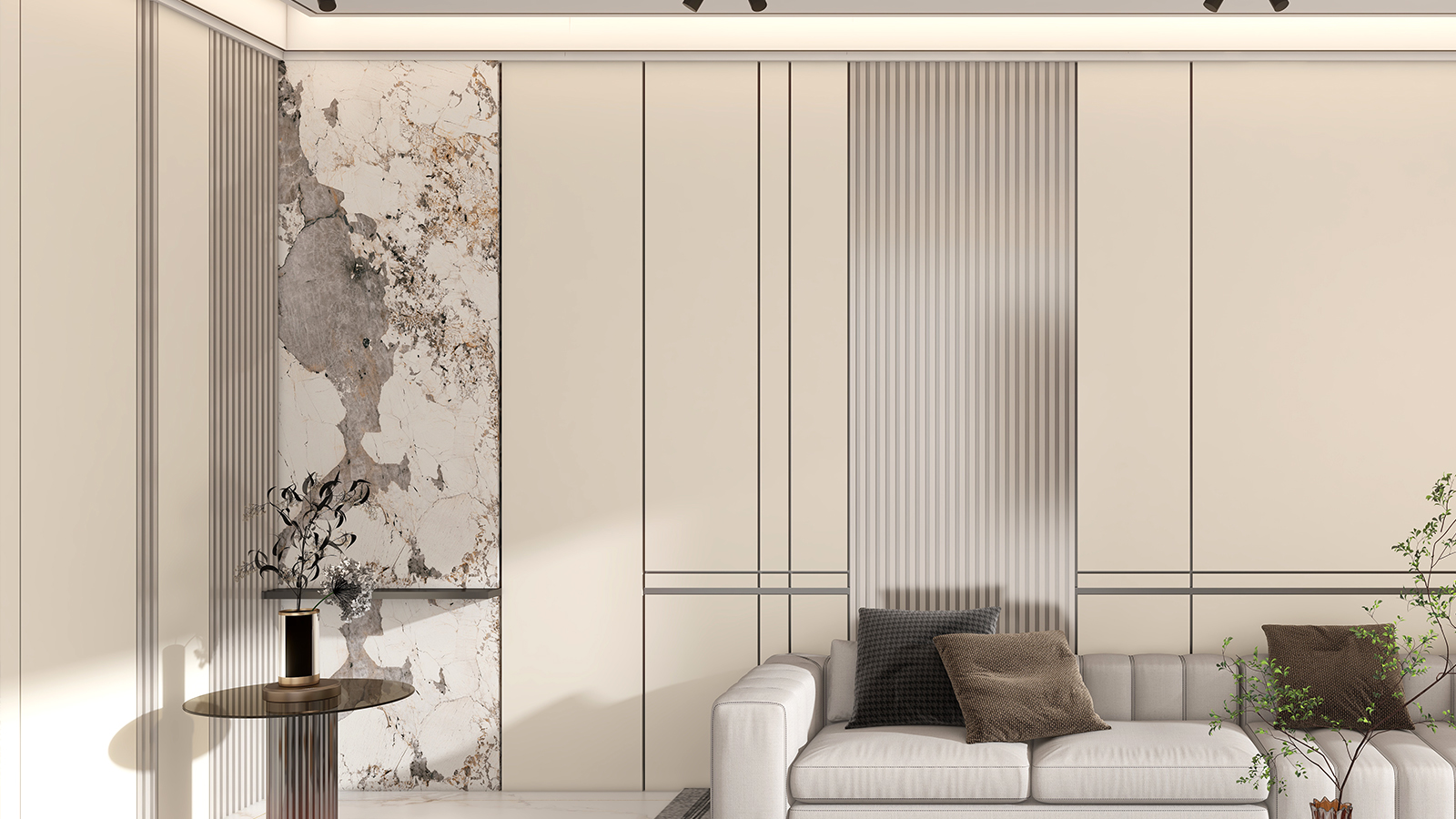
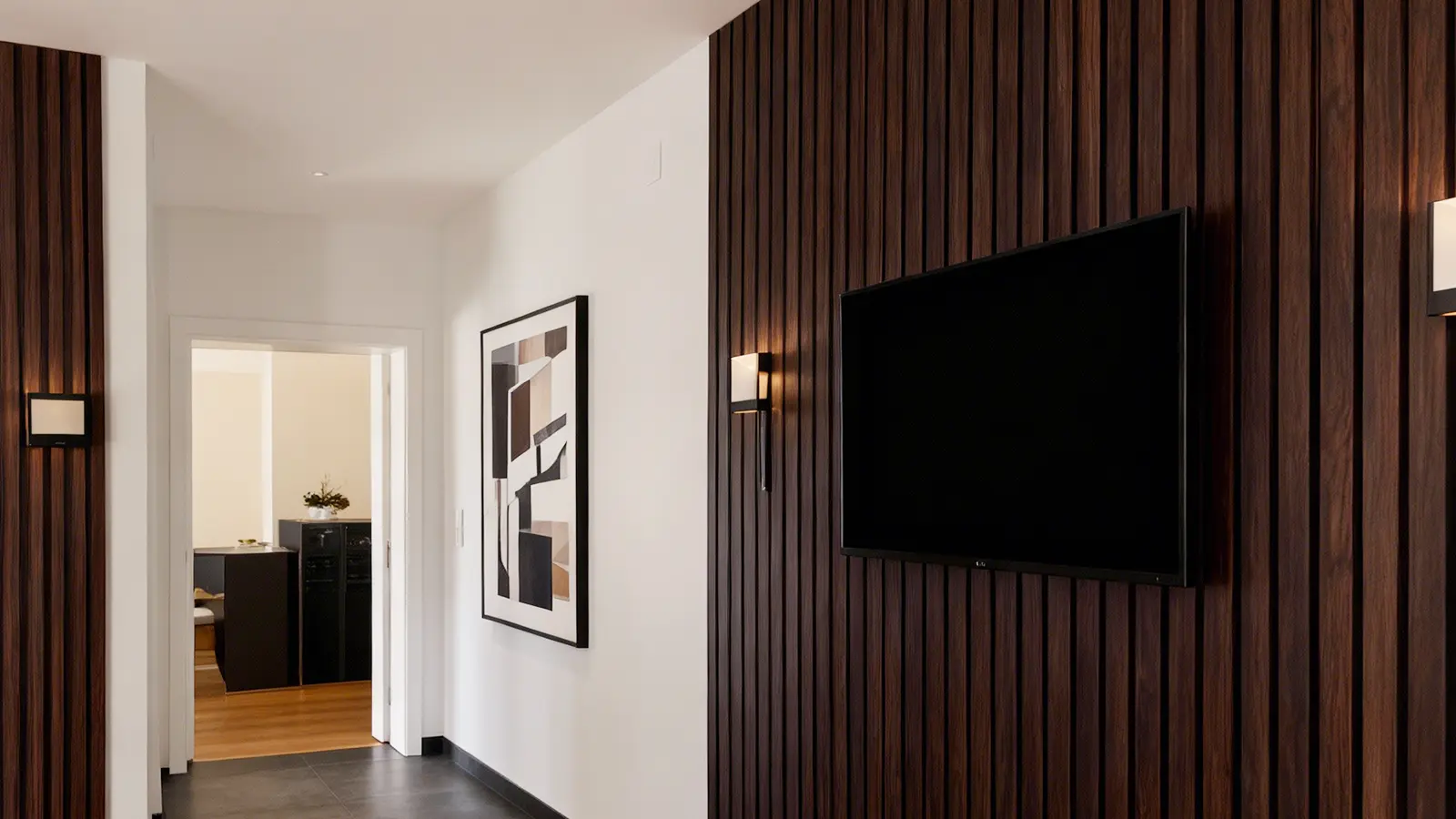
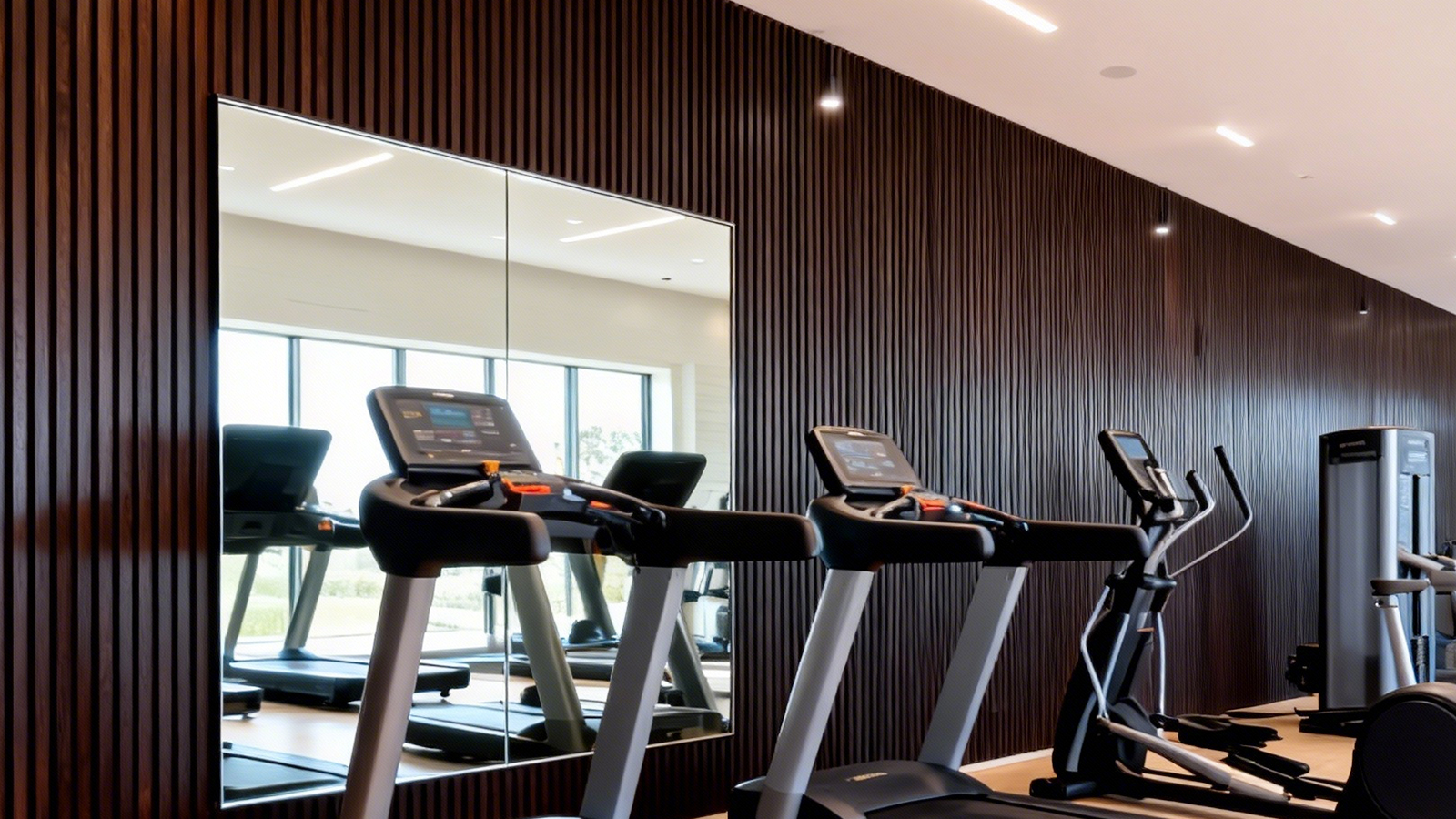
- Wood slat systems
- Fabric-wrapped panels
- Veneered surfaces
- Custom colors and textures
These options allow designers to integrate acoustic solutions seamlessly into hotel interiors, supporting brand identity while maintaining functional performance.
7. Fire Safety and Sustainability Considerations
Hotels must adhere to strict safety regulations. High-quality acoustic panels are manufactured with fire-retardant cores and certified surface materials, meeting international fire classification requirements.
Additionally, many panels are produced using recycled fibers, low-emission adhesives, and formaldehyde-free substrates, supporting sustainable building initiatives and green certification goals.
8. Installation Efficiency and Maintenance
Acoustic panels are designed for efficient installation, making them suitable for new builds and renovation projects alike. Dry installation methods reduce construction time and minimize disruption in operating hotels.
Once installed, panels require minimal maintenance and maintain performance and appearance over long service periods, even in high-traffic environments.
9. Financial Benefits and Long-Term Value
Improved acoustic comfort leads to measurable operational benefits, including:
- Fewer noise-related complaints
- Higher online review scores
- Increased guest loyalty and repeat stays
These outcomes directly influence revenue without increasing staffing or energy costs, making acoustic panels a cost-effective investment with long-term returns.
10. Conclusion: Acoustic Comfort as a Competitive Advantage
In a crowded hospitality market, attention to acoustic detail sets high-performing hotels apart. Acoustic panels provide an efficient, flexible, and aesthetically adaptable solution to one of the most persistent challenges in hotel design—noise.
For developers, designers, and procurement teams, integrating acoustic panels is no longer a secondary consideration but a strategic decision that enhances comfort, safety, and brand value.