
Acoustic Panels and Baffles: Designing Quieter, More Comfortable Modern Interiors
Table of Contents
- Introduction
- Understanding the Difference: Acoustic Panels vs Acoustic Baffles
- How Acoustic Baffles Improve Sound Quality
- Common Acoustic Baffle Configurations
- Key Advantages of Acoustic Panels and Baffles
- Acoustic Performance Metrics Explained
- Material Options for Acoustic Systems
- Where Acoustic Panels Perform Best
- Final Thoughts
Modern interiors are no longer judged by appearance alone. Whether it’s an open-plan office, a hospitality venue, or a learning environment, how a space sounds has become just as important as how it looks. Excessive noise, echo, and reverberation can quietly undermine productivity, comfort, and communication.
Acoustic panels and acoustic baffles have emerged as essential design tools for addressing these challenges. By combining sound control with architectural expression, these systems allow designers and building owners to create interiors that feel calm, functional, and visually intentional.
Understanding the Difference: Acoustic Panels vs Acoustic Baffles
Although the two terms are often used interchangeably, acoustic panels and acoustic baffles serve slightly different roles within a space.
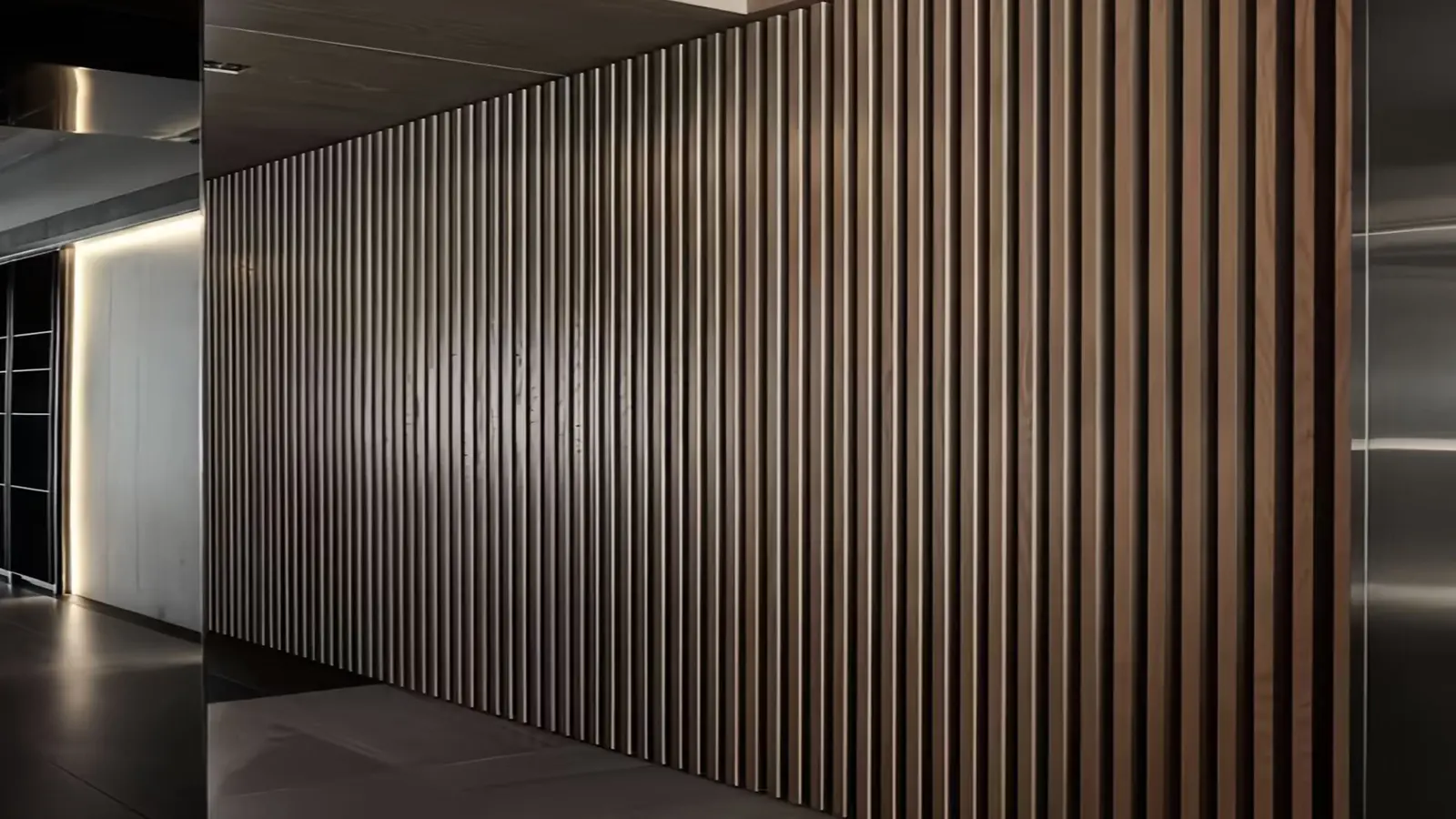
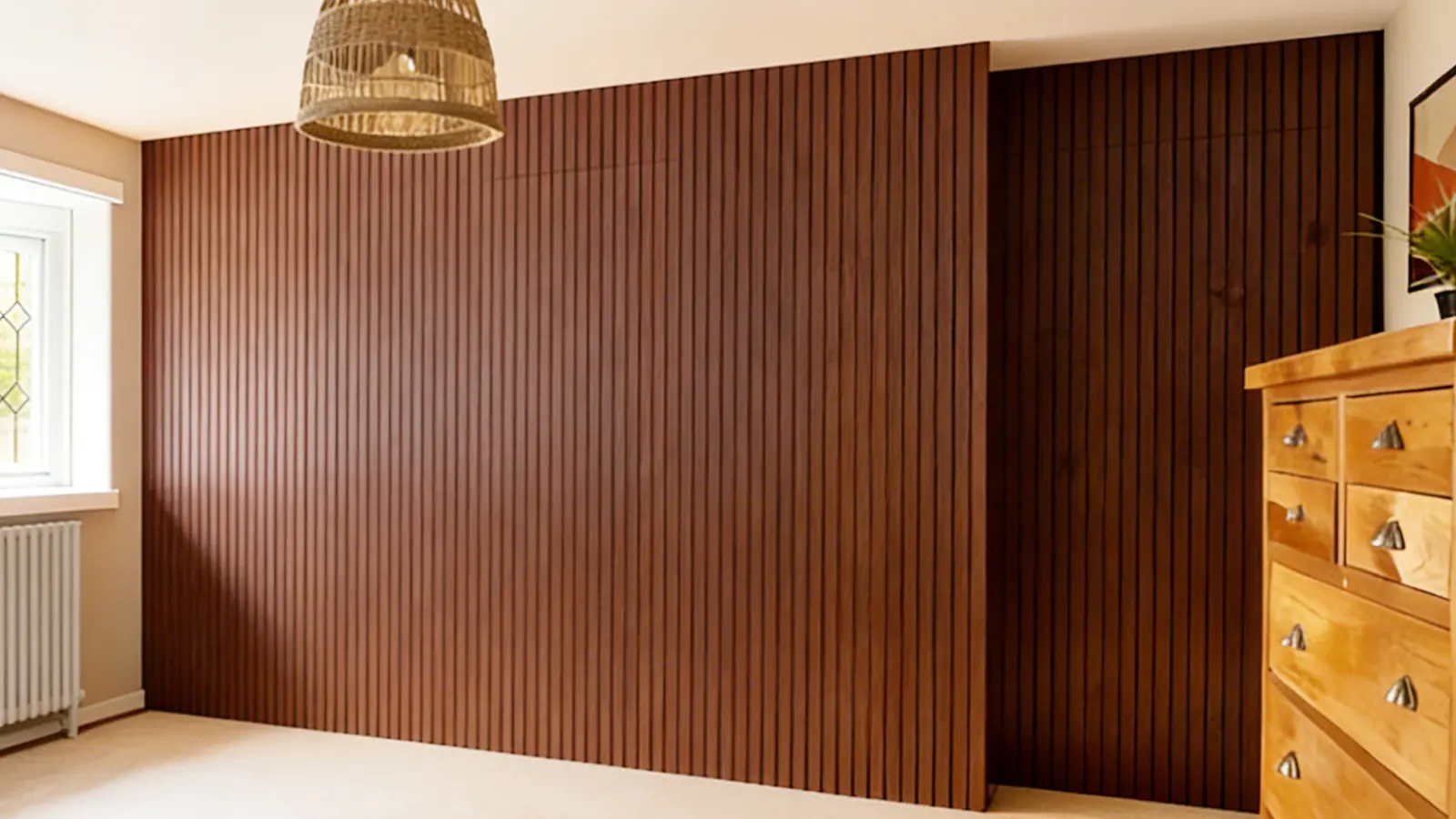
Acoustic panels are typically flat absorptive elements installed on walls or ceilings. They are commonly used to treat reflective surfaces where sound waves bounce back into the room.
Acoustic baffles, by contrast, are suspended elements that hang vertically or horizontally beneath the ceiling. Instead of covering a surface, they interact with sound as it travels through open air, making them ideal for spaces with exposed ceilings or limited wall area.
Both solutions rely on similar absorptive cores, such as mineral wool or fiberglass, but their placement and visual impact differ significantly.
How Acoustic Baffles Improve Sound Quality
When sound travels through a large or open space, it reflects repeatedly from hard surfaces such as concrete, glass, and metal. Acoustic baffles interrupt this process.
Suspended below the structural ceiling, baffles create a secondary acoustic zone. As sound waves strike the baffle surfaces, energy is absorbed within the core material and dissipated as heat. This reduces overall reverberation time and improves clarity without enclosing the ceiling.
Because baffles are visible from multiple angles, they also become a strong architectural feature, adding rhythm, depth, and structure to otherwise empty overhead spaces.
Common Acoustic Baffle Configurations
Linear Baffles
Linear baffles are arranged in parallel rows and are among the most widely used configurations. Their consistent spacing and clean lines make them ideal for offices, corridors, and commercial interiors where order and repetition are desired.
Ceiling Clouds
Ceiling clouds resemble floating panels rather than fins. They are usually suspended horizontally and can be arranged in organic or geometric patterns. This format offers greater freedom in design and is often used in creative offices, cultural venues, and collaborative spaces.
Hybrid Wall and Ceiling Installations
In some environments, acoustic elements are mounted on both walls and ceilings. This hybrid approach treats sound reflections at multiple points, providing balanced acoustic control in spaces where ceiling suspension alone is not feasible.
Key Advantages of Acoustic Panels and Baffles
Improved Acoustic Comfort
The primary purpose of acoustic treatments is to reduce unwanted sound reflections. Properly designed systems can:
- Shorten reverberation time
- Improve speech clarity
- Reduce background noise fatigue
- Create calmer, more comfortable interiors
These improvements are particularly noticeable in shared environments where communication is critical.
Visual Enhancement
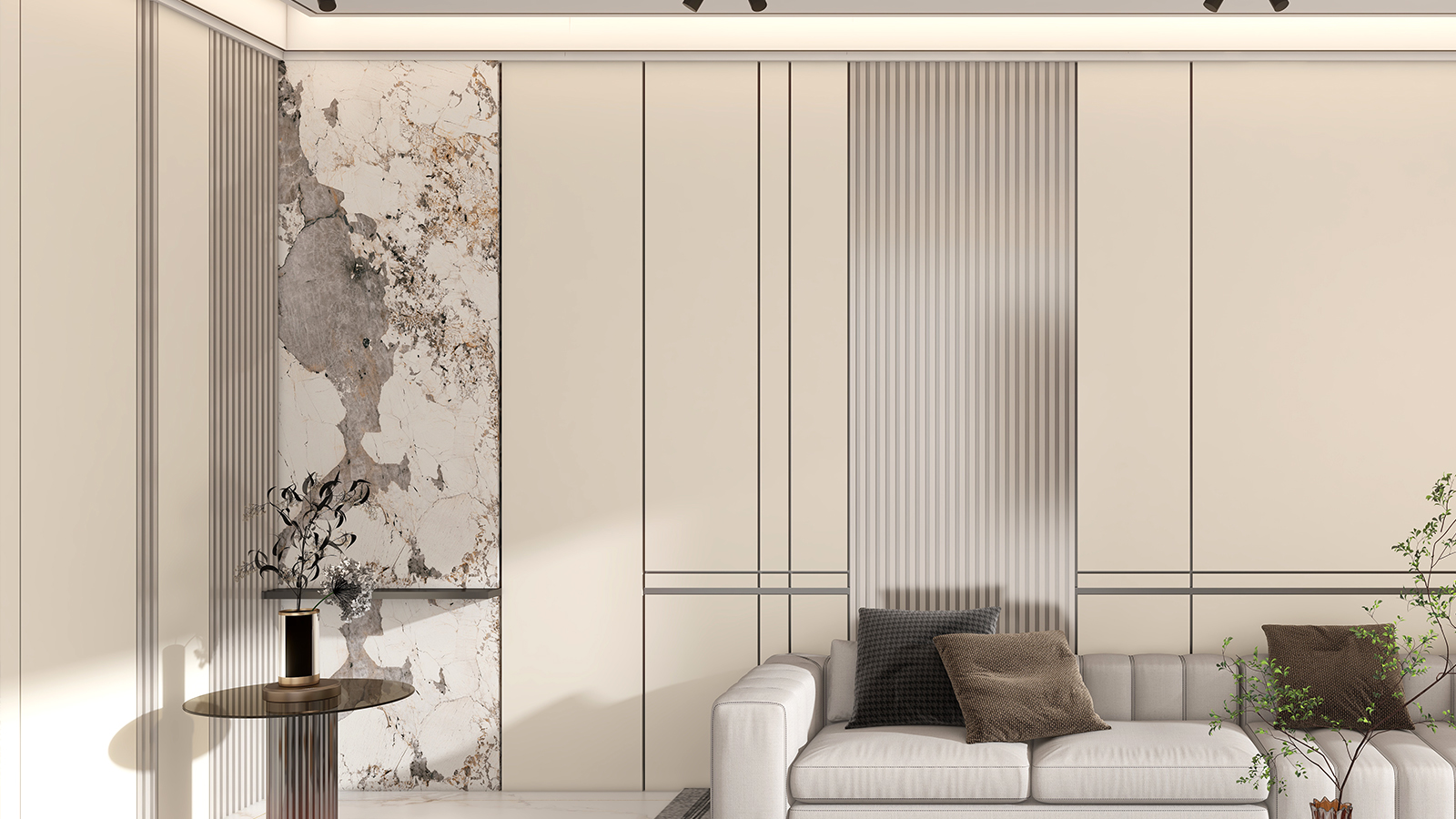
Acoustic elements no longer need to be hidden. Modern products are available in a wide range of colors, shapes, and finishes, allowing them to complement or even define the interior aesthetic.
Designers often use acoustic layouts to guide movement, highlight zones, or reinforce brand identity within a space.
Integration with Lighting and Technology
Suspended acoustic systems work well alongside lighting fixtures, sprinklers, speakers, and HVAC components. Thoughtful coordination allows sound, light, and technology to coexist without visual clutter.
Additional Thermal Benefits
Some acoustic materials offer minor thermal insulation, helping stabilize indoor temperatures. While not a replacement for dedicated insulation, this can contribute to overall comfort in large-volume spaces.
Acoustic Performance Metrics Explained
One of the most common specifications used to evaluate acoustic products is the Noise Reduction Coefficient (NRC). NRC represents the average amount of sound absorbed by a material, expressed as a value between 0 and 1.
- 0.30–0.50: Moderate absorption
- 0.70–0.90: High absorption
Higher NRC values generally indicate better performance in reducing echo and reverberation. However, effective acoustic design depends not only on NRC but also on coverage area, placement, and room geometry.
Material Options for Acoustic Systems
| Material Type | Advantages | Limitations | Typical Applications |
| Mineral Wool | Excellent absorption, fire-resistant, durable | Heavier, requires proper facing | Offices, theaters, schools |
| Fiberglass | Lightweight, cost-effective, easy to install | Less effective at low frequencies | Retrofits, ceilings |
| Fabric-Wrapped | Custom colors, premium appearance | Higher cost, fabric maintenance | Lobbies, branded spaces |
| Wood or Metal (Perforated) | Strong visual impact, durable | Requires backing for absorption | Feature ceilings, design-led projects |
Where Acoustic Panels Perform Best
Workspaces
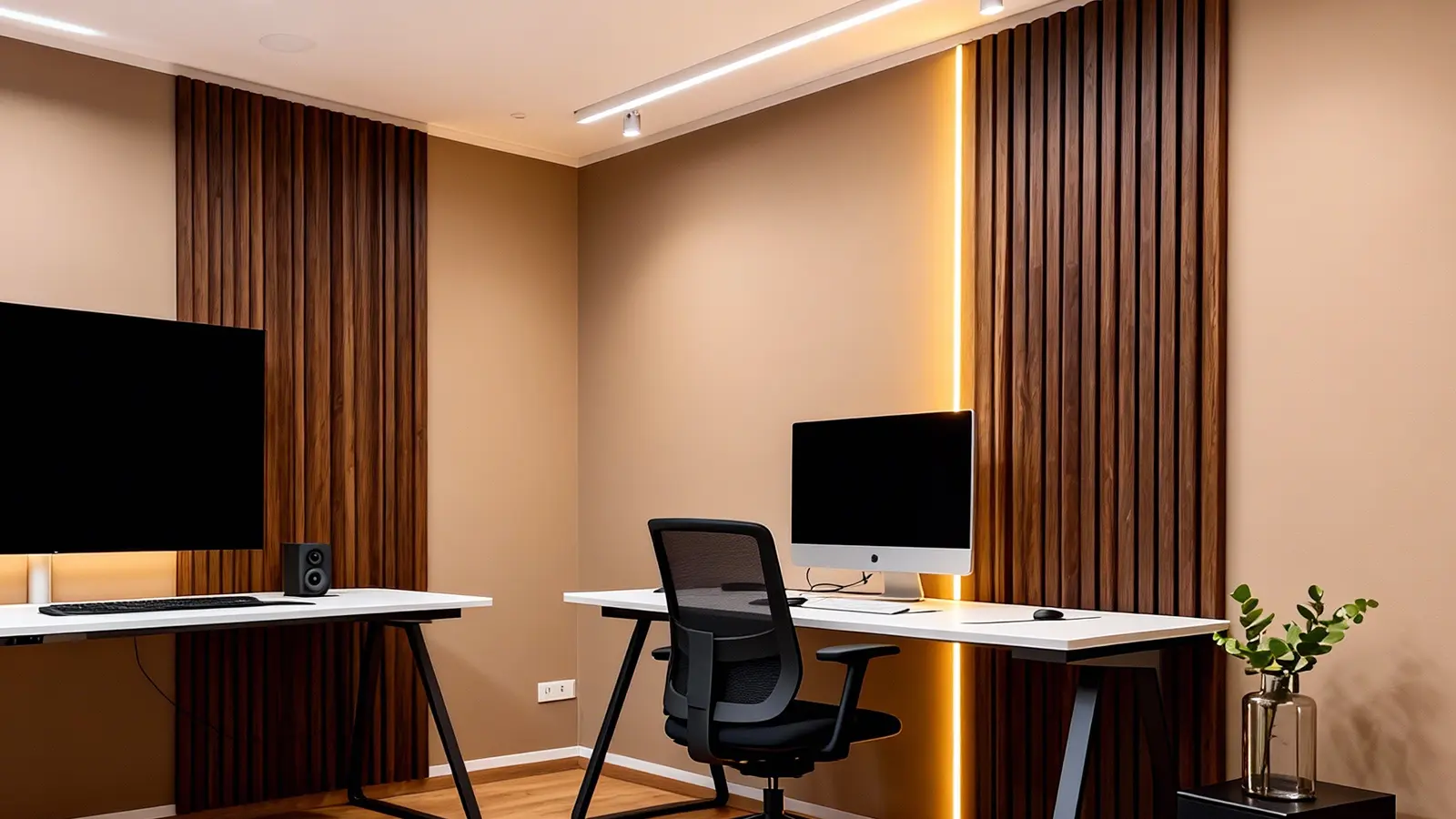
Open offices often suffer from overlapping conversations and equipment noise. Acoustic treatments help define quieter zones and improve focus without sacrificing openness.
Educational Facilities
Classrooms, libraries, and lecture halls rely on clear speech transmission. Acoustic panels help reduce distractions and support effective learning.
Hospitality and Dining
Restaurants and cafés benefit from acoustic control that allows conversation without dampening atmosphere. Balanced sound design enhances the overall guest experience.
Home Entertainment
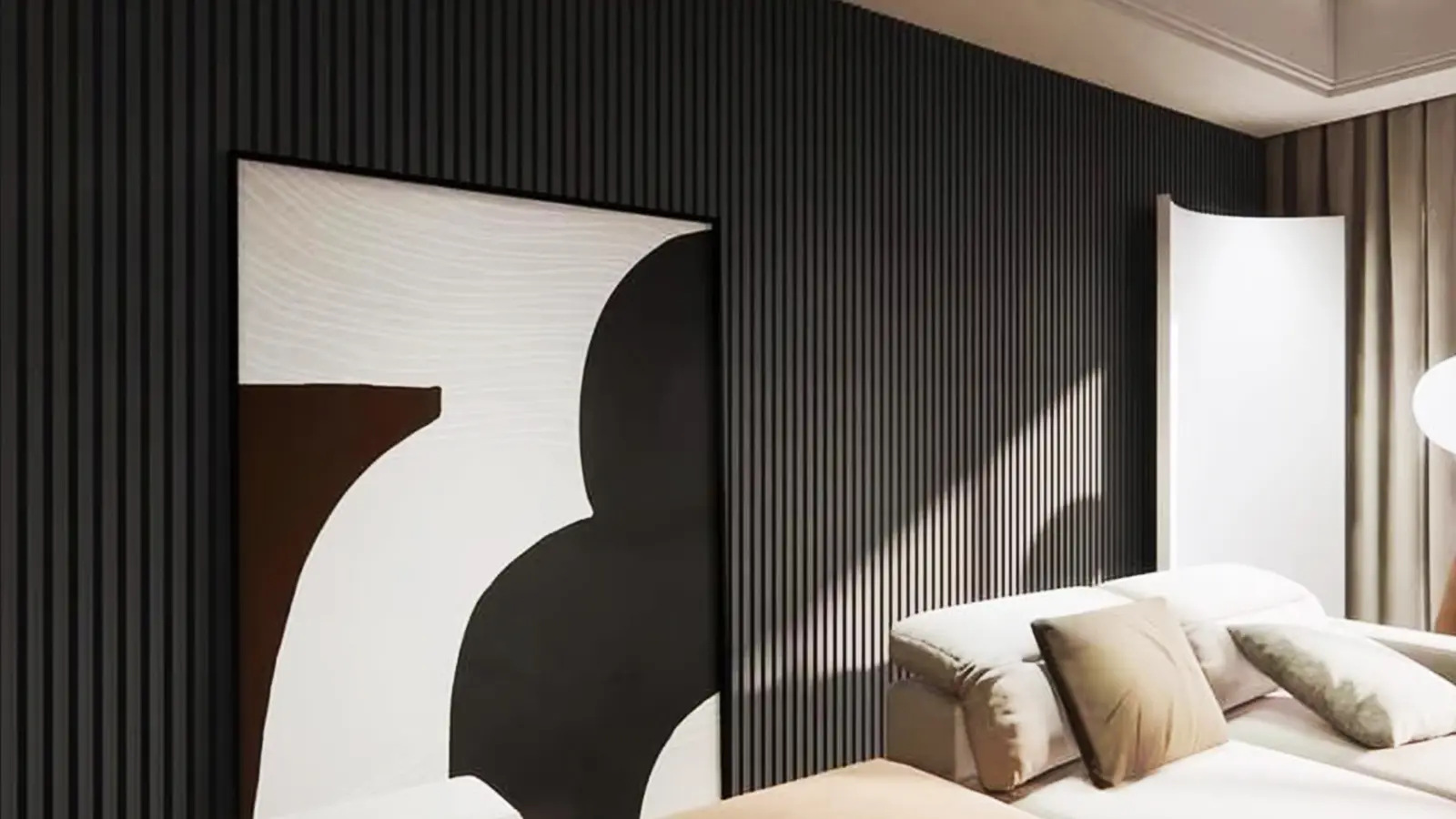
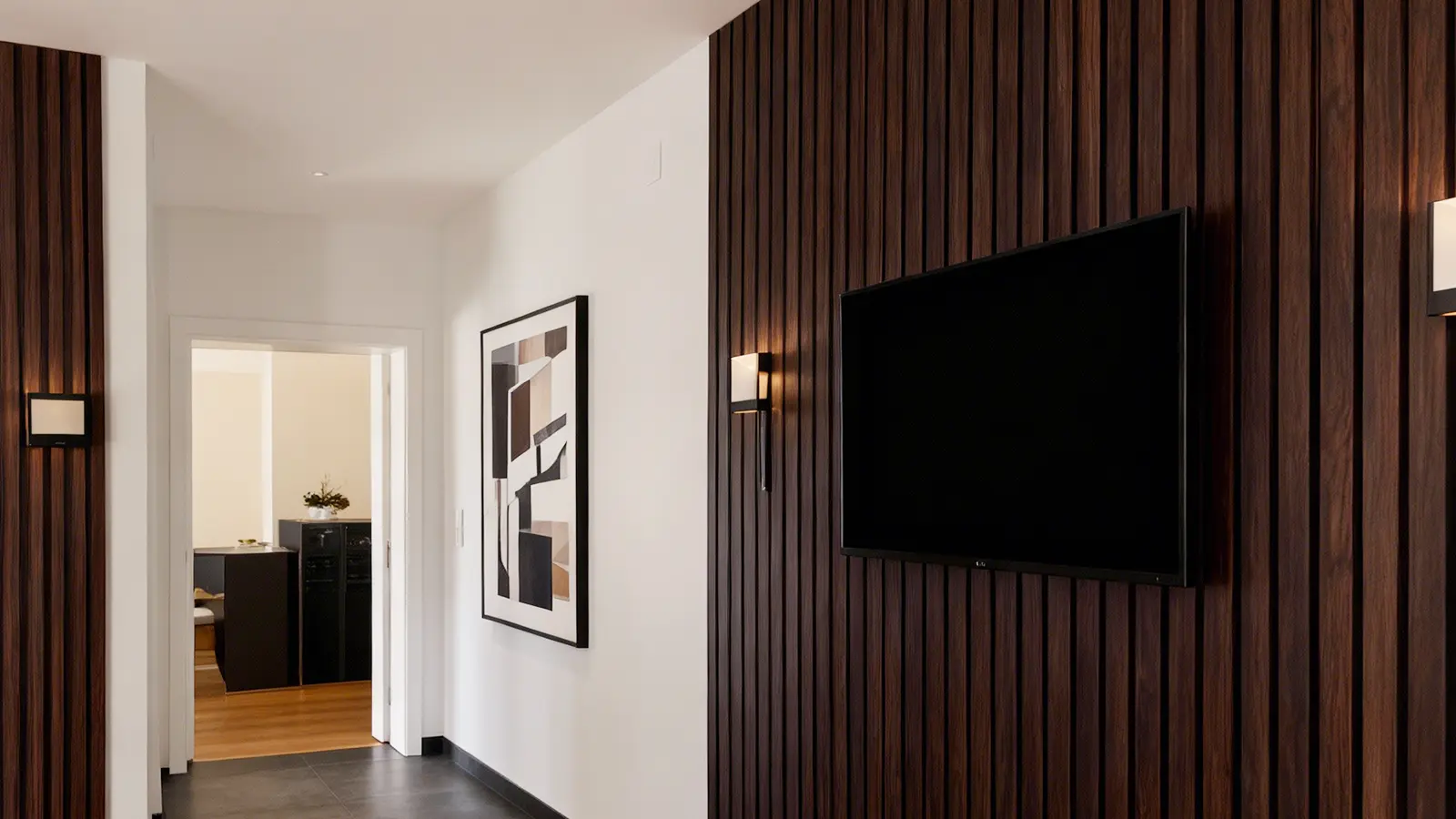
Home theaters and media rooms require controlled acoustics to deliver accurate sound reproduction. Wall Panels help minimize reflections and improve audio detail.
Creative Studios
Recording and production spaces demand precise acoustic conditions. Absorptive treatments ensure clean recordings and reliable sound monitoring.
Acoustic panels and baffles are no longer optional accessories in modern interiors. They are essential components that influence how a space feels, functions, and performs. By combining sound control with thoughtful design, these systems allow architects and designers to create environments that are not only visually appealing but also acoustically comfortable.
For best results, acoustic planning should begin early in the design process and consider both technical performance and aesthetic goals.