
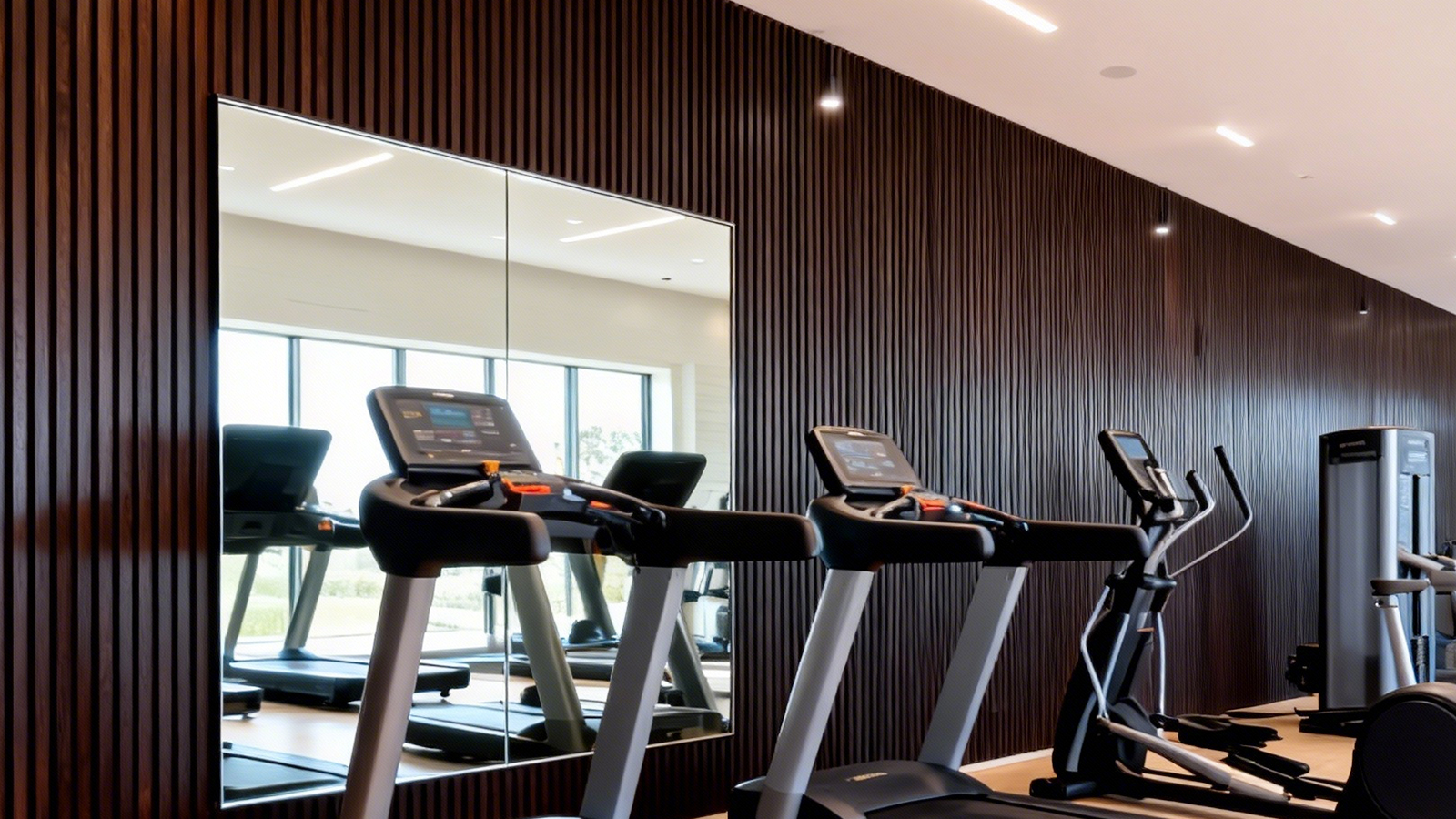
A New Chapter in Green Building: Wpc Wall Panels Leads a Revolution in Decorative Materials
In modern architecture and decoration, demands for comprehensive material performance, aesthetic value, and environmental friendliness are increasingly high. Traditional wood and pure plastic products, due to their respective limitations, can no longer fully meet the diverse market demands. Against this backdrop, wood-plastic grating—a new composite material that combines natural aesthetics with superior performance—is rapidly becoming a favorite for interior and exterior decoration, particularly in applications such as wall coverings, sunshades, and partitions, thanks to its unique appeal and advantages. This article will delve into the production process and core characteristics of wpc wall panel, and through comparison with traditional Wall Panels, reveal why it has become a key driver of sustainable development in the industry.
- Precision Manufacturing: Exploring the Production Process and Procedures of Wpc Wall Panel
The performance advantages of fluted wall panel are rooted in its scientific and rigorous manufacturing process. Its production process, a true green magic of "transforming waste into treasure," encompasses the following key steps:
Raw Material Preparation and Processing: The first step in production is the selection and blending of raw materials. The main raw materials include:
Plant fiber: Typically derived from wood processing residues (such as wood flour and sawdust) and agricultural waste (such as rice husks, straw, and bamboo powder). These natural fibers are screened, dried, and crushed to a specific fineness to ensure purity and activity.
Plastic matrix: Primarily recycled thermoplastics such as high-density polyethylene (HDPE), polypropylene (PP), or polyvinyl chloride (PVC), which undergo pre-treatment processes such as cleaning, crushing, and granulation.
Functional additives: To enhance product performance, small amounts of materials such as coupling agents (to improve the compatibility of wood flour and plastic), lubricants (to improve processing fluidity), antioxidants, UV absorbers, and colorants may be added.
High-speed mixing and internal mixing: Precisely measured amounts of wood flour, plastic pellets, and various additives are placed in a high-speed mixer for thorough and uniform mixing. This process ensures that every component of the raw materials is coated with the additives, resulting in a uniform mixture. For certain high-end products, internal mixing may also be performed to initially plasticize the materials under high temperature and pressure for a more thorough mixing process.
Extrusion: This is a key step in the production of interior wall paneling. The uniformly mixed material is fed into a dedicated wood-plastic extruder via an automated feeding system. Within the extruder, the material undergoes heating, melting, shearing, and mixing, ultimately becoming a uniform melt under the action of the screw. The molten material is then forced through a custom-designed grating die (die head), initially forming a continuous grating body with a specific cross-sectional shape (such as square, round, or irregular). The mold design directly determines the final appearance and structure of the grating.
Cooling, Shaping, and Traction: Fresh from the mold, the hot grating body immediately enters a sizing and cooling system (typically a water-cooled sizing table). Vacuum suction and circulating water cooling rapidly solidify its shape and cool it to room temperature. A traction machine then pulls the shaped grating bars out at a constant speed, ensuring dimensional stability and straightness.
Cutting to Length and Post-Processing: An automated saw accurately cuts the grating bars to the desired length. Afterward, depending on customer needs, post-processing steps such as brushing, embossing (to mimic wood grain), painting, and lamination may be performed to enhance the decorative effect and durability.
Inspection and Packaging: Finished products undergo rigorous quality inspections, including those for size, density, color, mechanical strength, and weather resistance. Qualified products are then packaged and stored for sale.
The entire production process achieves efficient resource utilization, particularly the recycling of waste wood and plastic, fully embodying the concept of a circular economy.
- Superior Performance: The Core Advantages of Wpc Wall Panel
Thanks to its unique composite material structure and advanced production processes, fluted wall panel wpc exhibits many impressive characteristics:
Environmentally friendly and resource-recyclable: The core value of WPC grating lies in its recycling of waste resources. It not only reduces timber felling but also eliminates large amounts of non-biodegradable plastic waste, complying with the national "dual carbon" strategy and sustainable development requirements. The product itself contains no toxic substances such as formaldehyde and benzene, making it safe and healthy.
Excellent Durability and Stability: WPC combines the texture of wood with the toughness of plastic. It is moisture-resistant, waterproof, and resistant to deformation, cracking, mildew, and insect damage. It can withstand a variety of harsh climates and has a service life far exceeding that of ordinary wood. Its coefficient of thermal expansion and contraction is much lower than that of wood, resulting in excellent dimensional stability.
Low Maintenance: Unlike traditional wood, which requires regular painting or preservatives, wood panel interior wall requires virtually no special maintenance. Daily cleaning requires only rinsing with water, significantly reducing long-term maintenance costs and time investment.
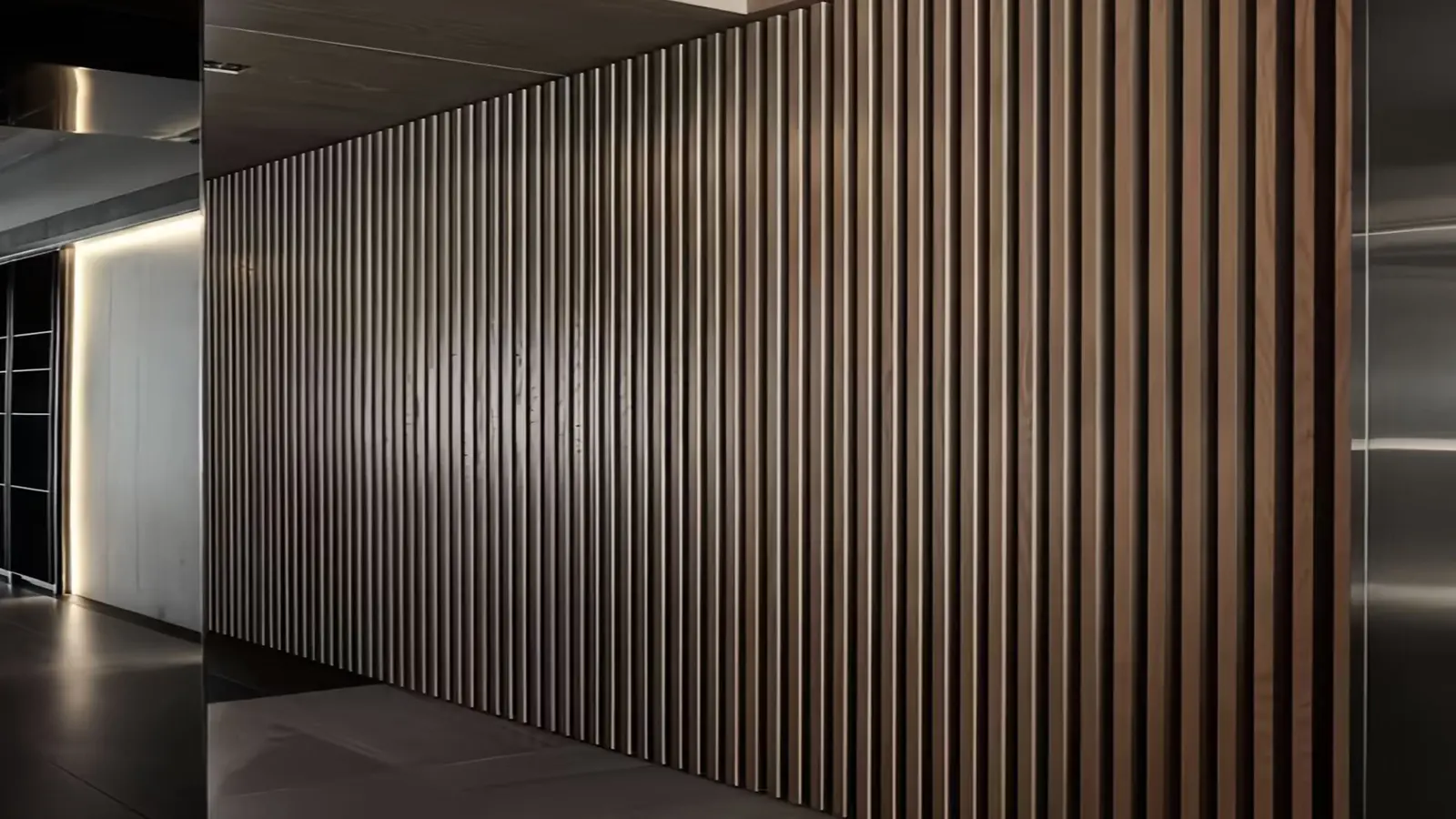
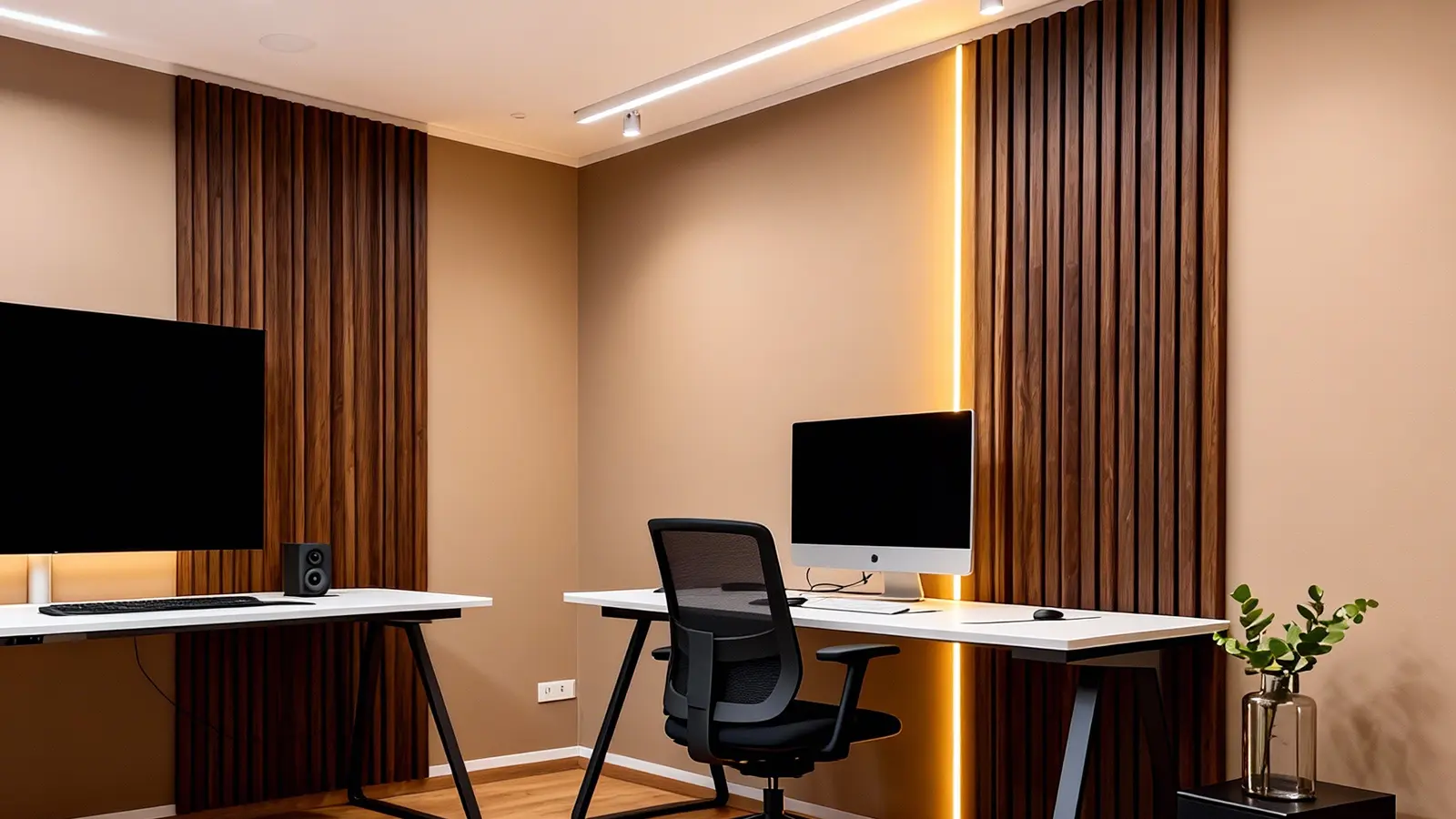
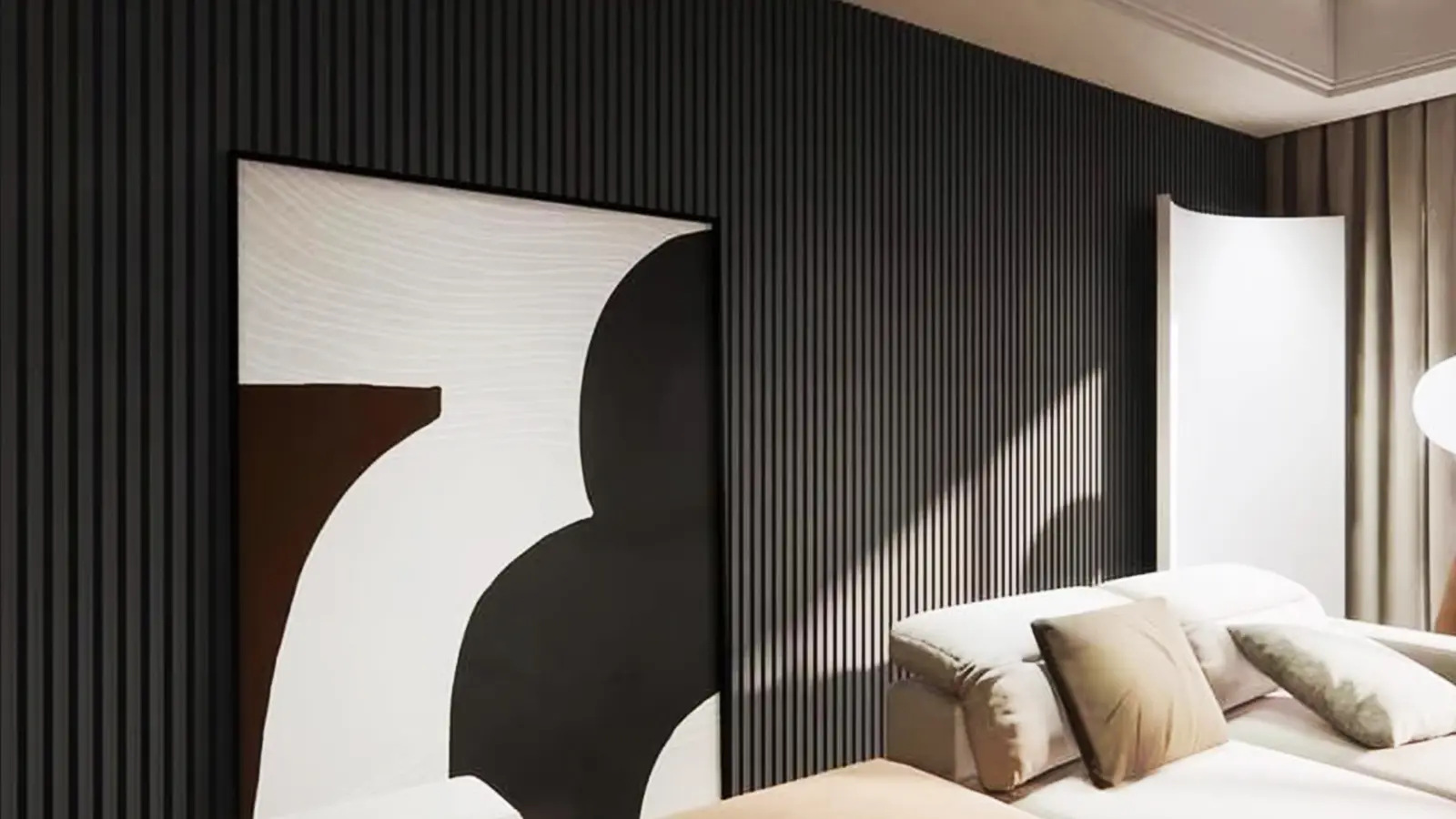
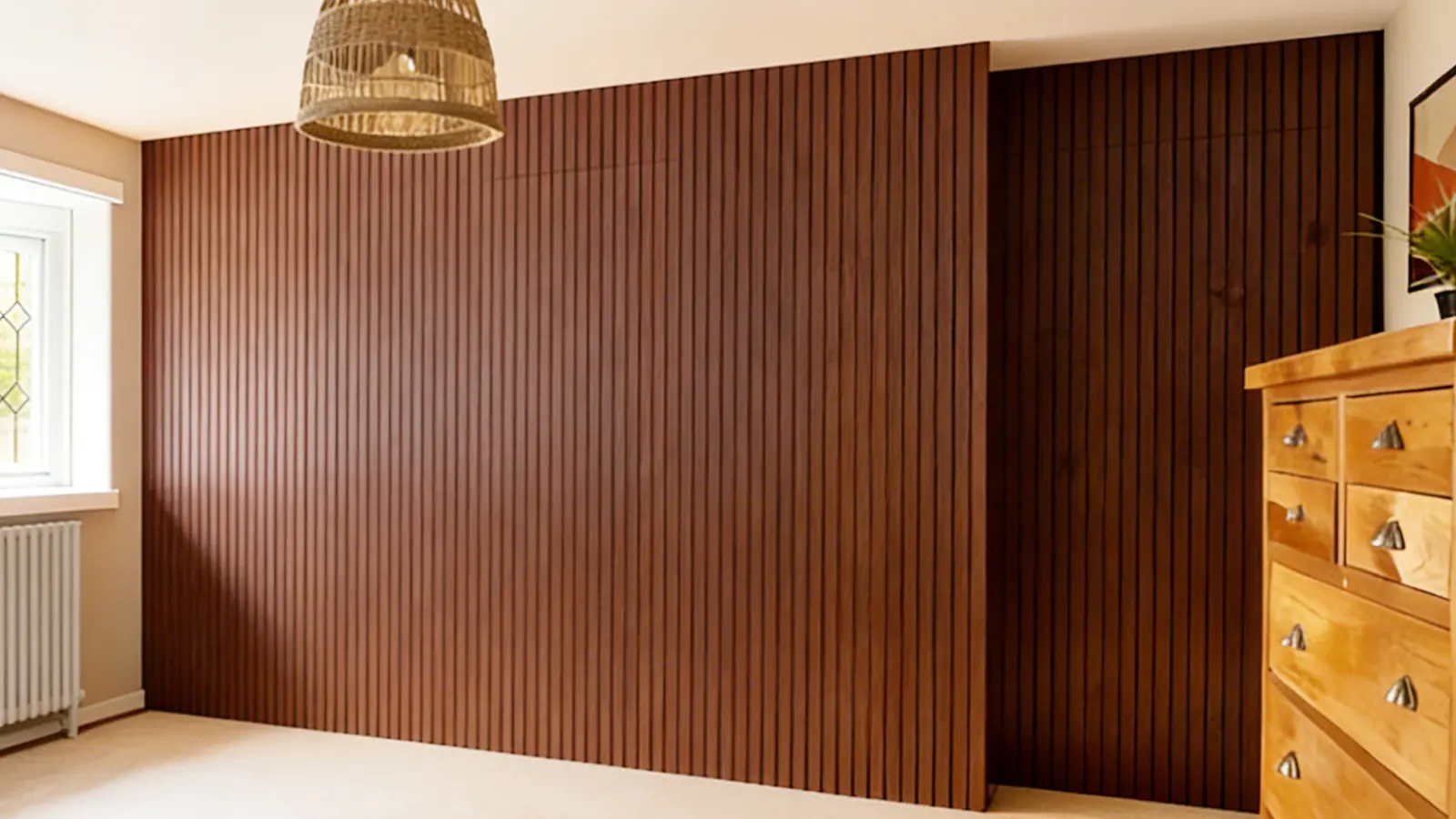
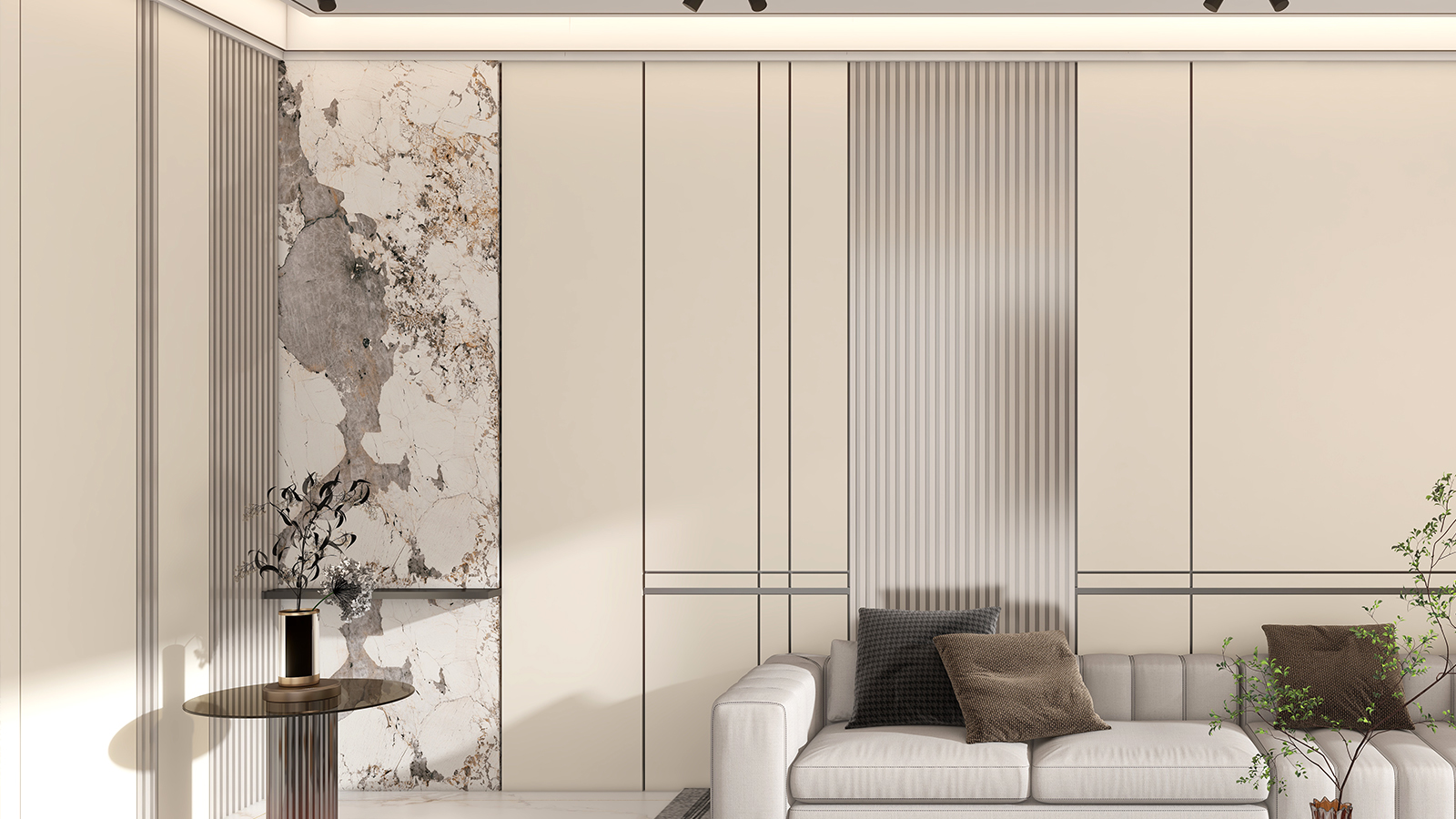
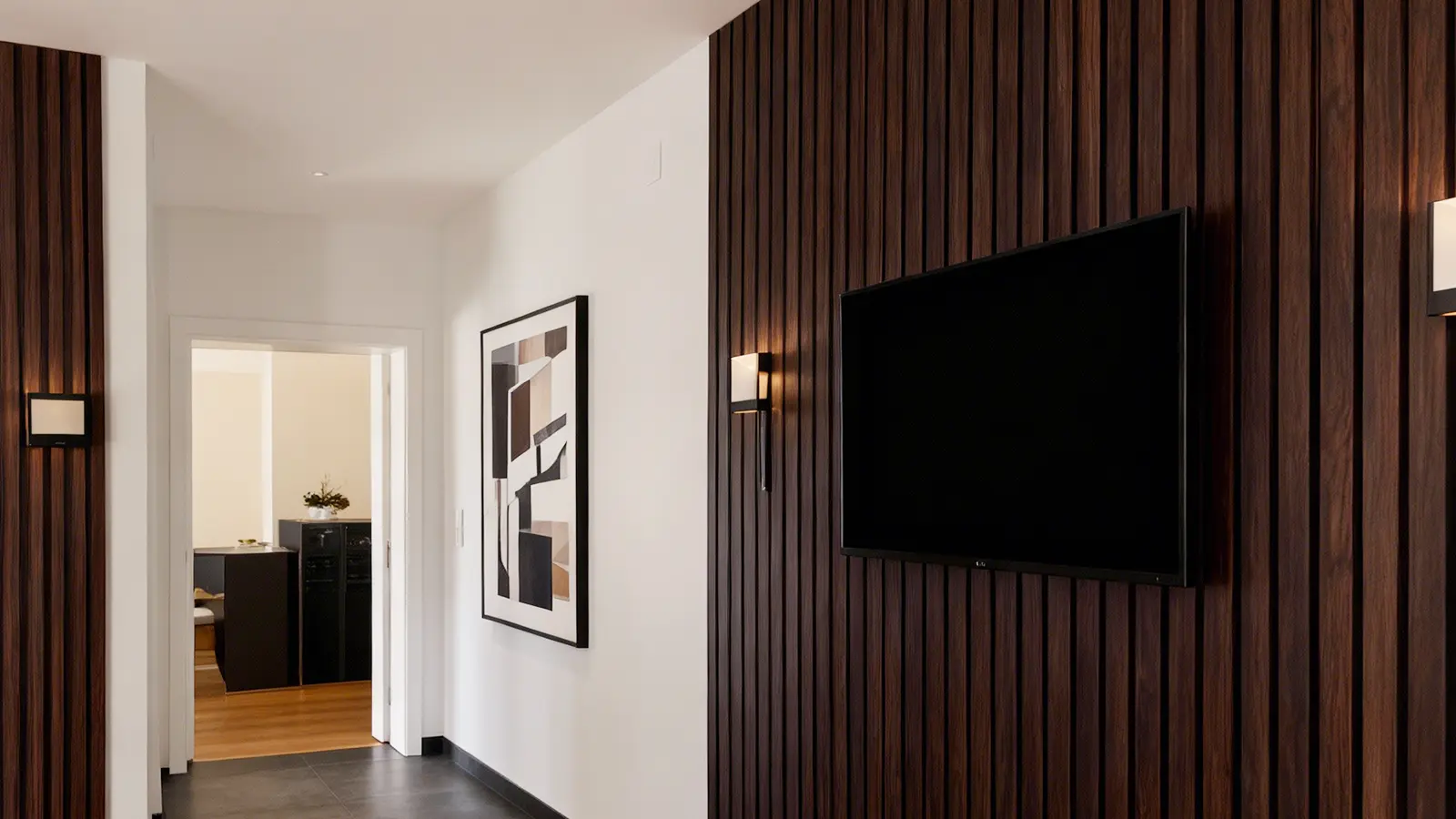
Excellent Aesthetics: Through advanced coloring and surface treatment technologies, WPC grating offers a wide variety of colors and textures, realistically mimicking the texture of various precious woods while also achieving modern, solid colors to meet diverse design needs. Its grid-like structure creates an artistic effect of interweaving light and shadow, and combining virtual and real elements.
Excellent Mechanical Properties: Wpc fluted wall panel boasts high strength and toughness, capable of withstanding loads and impacts. Its flexible structural design allows for adjustments in wall thickness and structure to meet load-bearing requirements.
Easy installation: Most wood plastic grilles are installed using clips, plug-ins or special keel systems, which are simple and quick to install and effectively improve installation efficiency.
- Innovation: Depth comparison between WPC wall panel and traditional wall panels
| Features | Wpc Wall Panel | Traditional wall panel |
| Environmentally friendly | Utilizes waste, recyclable | Depletes forest resources |
| Durability | Moisture-resistant, rot-resistant, insect-resistant, and crack-resistant | Susceptible to moisture, rot, cracking, and insect infestation |
| Maintenance cost | Relatively maintenance-free | Requires regular painting and maintenance |
| Easy installation | Modular design, quick installation | High craftsmanship requirements and long construction time |
Compared to solid wood: WPC grating retains its natural aesthetic while completely overcoming solid wood's inherent vulnerability to environmental influences, achieving a "successful evolution" and offering significant advantages in environmental protection and long-term maintenance.
- Conclusion
The emergence and widespread adoption of irregular fluted wall panels represents not only a technological innovation in the decorative materials industry but also a vivid reflection of the construction industry's transition toward green, low-carbon, and circular development. With its sophisticated manufacturing process, superior overall performance, and environmentally friendly core value, WPC grating is gradually changing traditional perceptions of decorative materials. In today's world where aesthetics, functionality, and sustainability are equally important, WPC grating has undoubtedly become an ideal choice for designers, developers, and consumers, heralding the future of green building decorative materials. With continuous technological advancements and expanding application scenarios, WPC grating is poised to demonstrate its unique charm and value on a broader stage.
- FAQ
1.Is it difficult to install wood-plastic composite grille? Do you need professionals?
Wood-plastic grille adopts modular design and is relatively simple to install. If it is a snap-on or keel fixing system, DIY enthusiasts with basic tools (electric drill, level, cutter) can install it by themselves. However, for large-scale projects or special shapes (such as curved grille), it is recommended to be operated by a professional construction team to ensure flatness and stability.
2.How to clean wood-plastic grille on a daily basis?
Ordinary dust: Use a soft brush or vacuum cleaner to clean the gaps, and wipe the surface with a damp cloth.
Stubborn stains: Dilute with a neutral detergent (such as dishwashing detergent) and wipe, and do not use strong acid and alkali solvents.
Oil stains: Use alcohol cotton pads for local cleaning, avoid soaking for a long time.
3.Can wood plastic grille be used in kitchen or bathroom?
Yes, but please note:
Kitchen: Keep away from the high temperature area of the stove, and clean up the oil stains in time.
Bathroom: Choose a model with a high waterproof grade (water absorption rate <0.5%) and ensure good ventilation.
- Free Samples
As more and more people choose this product, import and export companies have also increased their promotion efforts. In order to let people who are cooperating for the first time and trying to sell this product for the first time feel its value, we launched a free sample activity. If you need it, please feel free to contact us, and we will have a professional service team to contact you.