
A Complete Guide to Choosing Acoustic Panel Colors and Applications for Modern Interior Projects
A Complete Guide to Choosing Acoustic Panel Colors and Applications for Modern Interior Projects
Table of Contents
- Introduction
- Why the Right Color Matters in Acoustic Design
- Top Global Color Choices for Acoustic Panels
- How to Select Colors for Different Project Requirements
- Internationally Popular Installation Scenarios
- Materials That Provide the Best Color Variety
- Color Directions Expected to Lead in Upcoming Years
- Conclusion
1. Introduction
The role of acoustic materials in interior architecture has expanded dramatically over the last decade. Instead of being hidden behind walls or ceilings, acoustic panels are now openly displayed as design elements. With open-plan offices, multimedia spaces, boutique hotels, and high-end residences becoming more common worldwide, demand for visually appealing sound-absorbing materials continues to rise.
As a factory working closely with global distributors, we’ve analyzed thousands of export records and overseas project specifications. The result is a clear understanding of which colors, textures, and materials are most requested internationally. This guide presents a detailed overview of global color preferences, practical applications, and material options for Acoustic Panels.
2. Why the Right Color Matters in Acoustic Design
2.1 Visual Harmony and Emotional Impact
Color affects the atmosphere of a space. Designers use acoustic panels not only for sound absorption but also to establish tone and character:
- Calm tones support focus in work settings.
- Cheerful palettes energize learning environments.
- Dark colors create immersive entertainment rooms.
2.2 Acoustic Panels Cover Significant Surface Areas
Because panels are often installed across entire walls or ceilings, their color has a large visual presence. The color choice can either enhance the spatial layout or clash with furniture and lighting.
2.3 Enhancing Commercial Identity
Many businesses request acoustic panels that follow their brand colors. To meet this need, we manufacture Pantone-specific PET panels, matching fabrics, or custom wood finishes.
3. Top Global Color Choices for Acoustic Panels
3.1 Dark Gray and Slate Tones
These colors dominate contemporary interiors globally.
Benefits:
- Pair well with metal, concrete, and timber.
- Disguise dust and fingerprints.
- Complement industrial and minimalist designs.
Applications: Offices, airport lounges, and mixed-use buildings.
3.2 Light Wood & Mid-Wood Shades
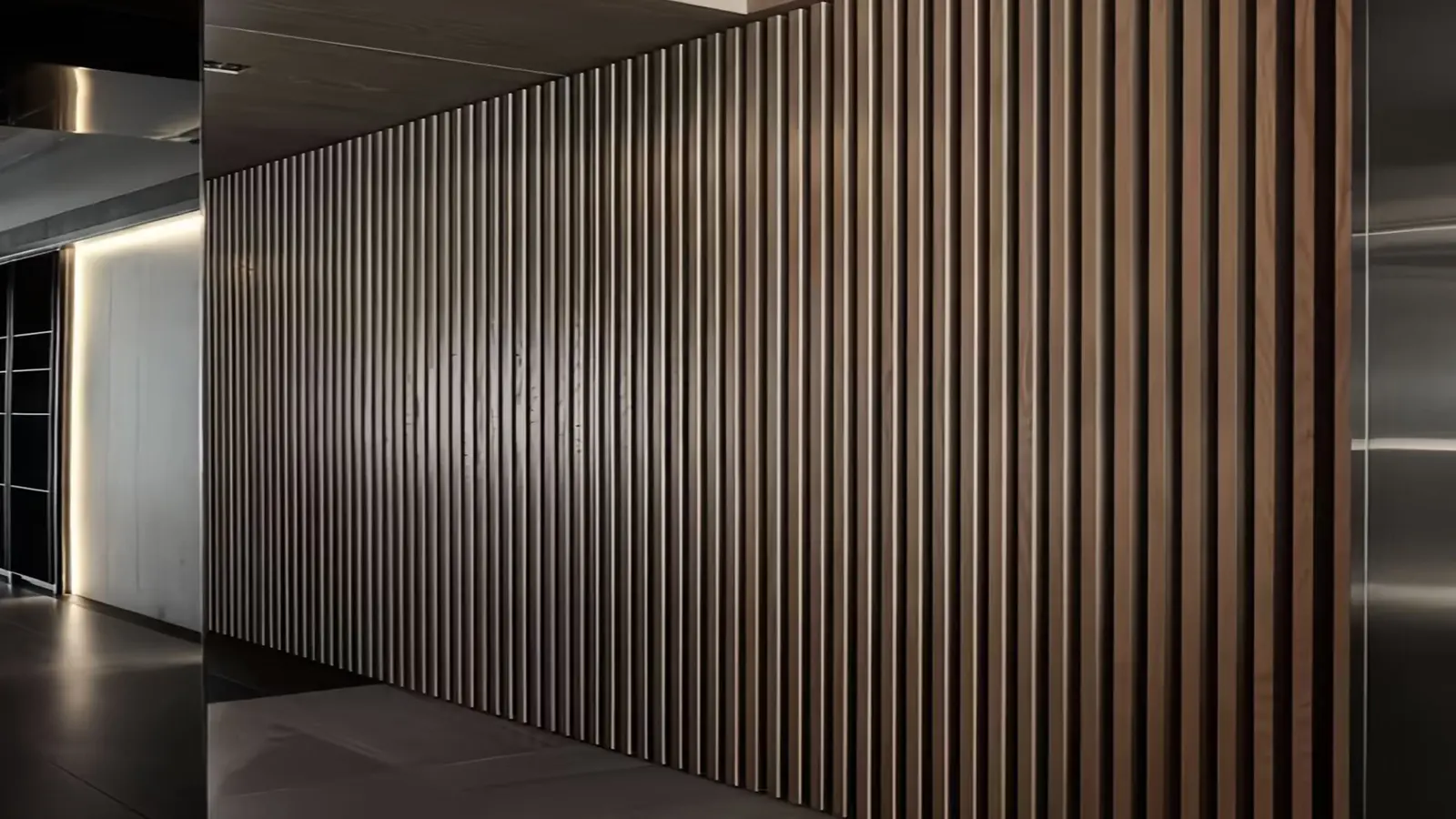
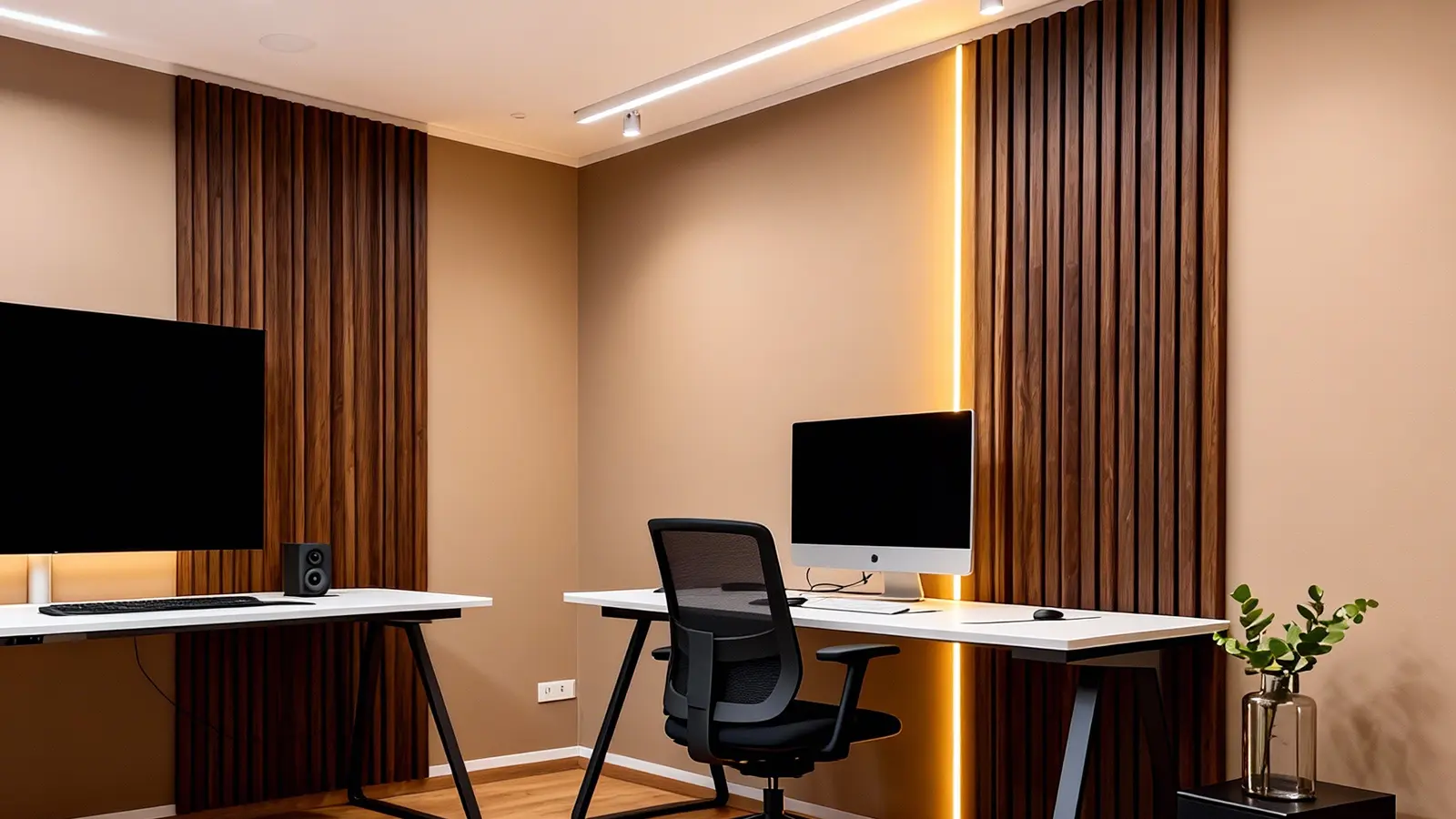
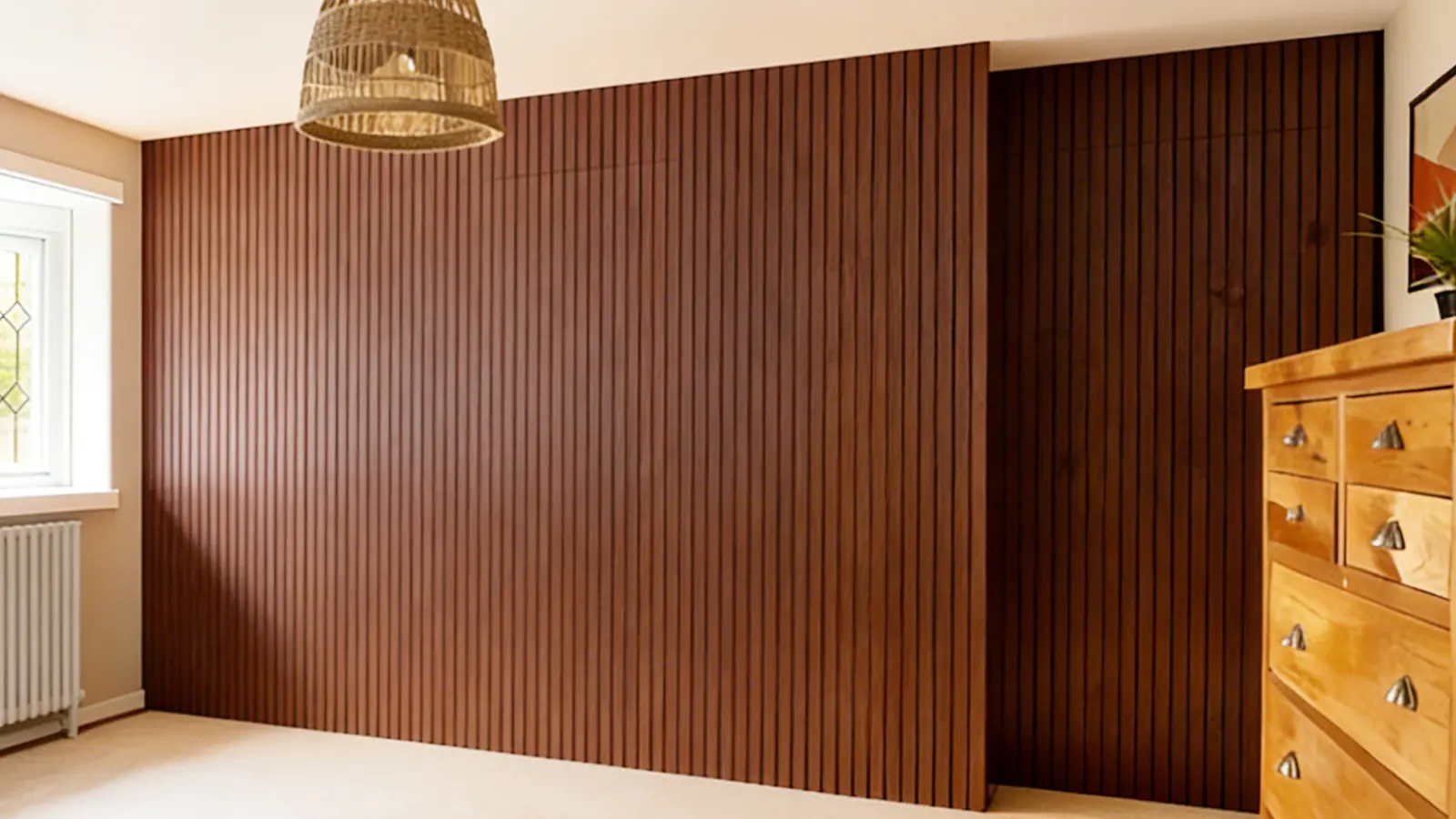
Oak, walnut, ash, and other natural looks remain favorites among designers seeking a warm, welcoming interior.
Applications: Hotels, residential living rooms, museums, and dining spaces.
3.3 Pastel Neutrals
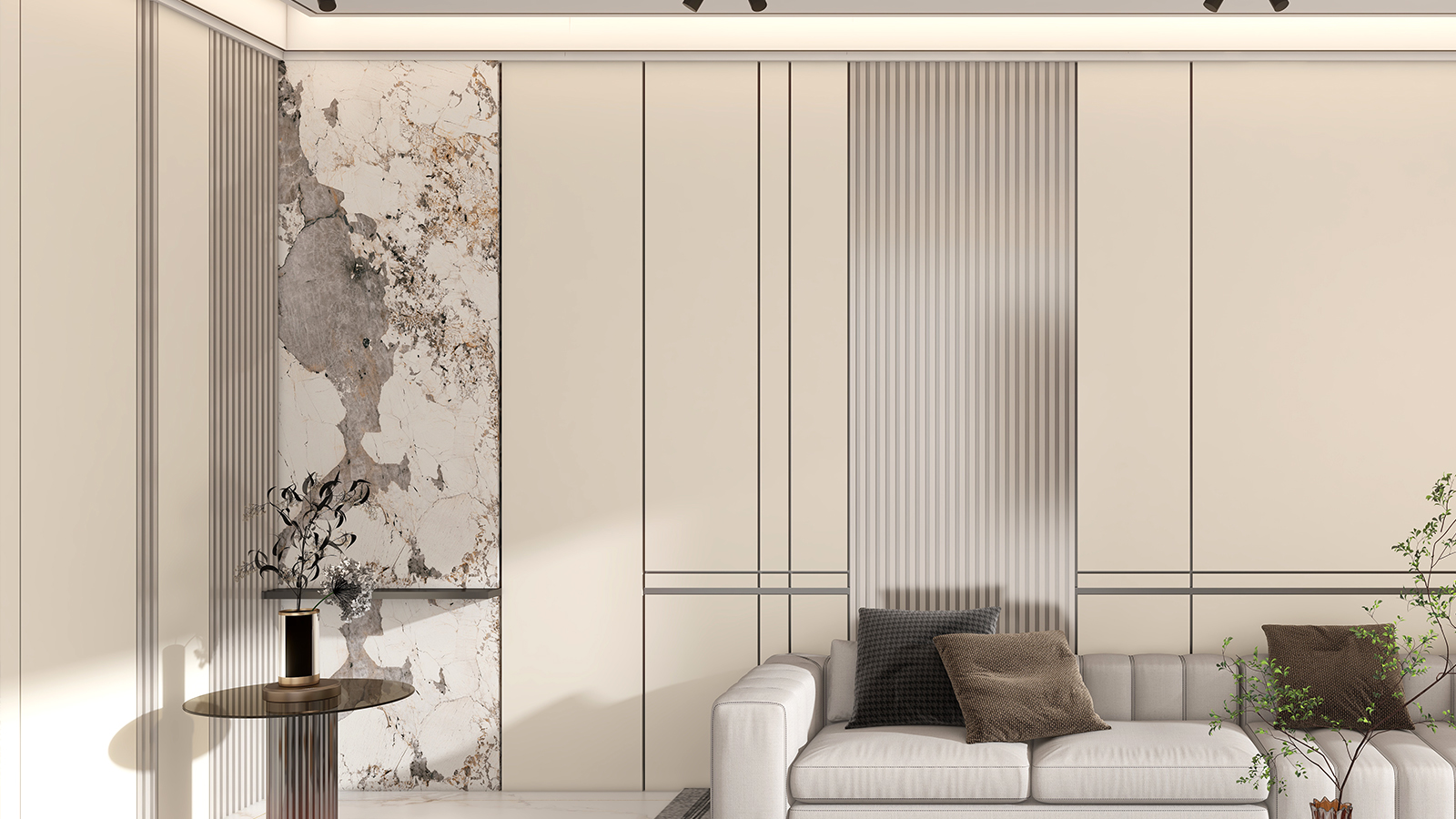
Soft beige, pearl gray, and ivory tones have gained attention for their ability to brighten compact interiors.
Applications: Clinics, nurseries, libraries, and modern homes.
3.4 Blue Variations
Blues provide stability and harmony. Sapphire, denim blue, and marine blue are requested for universities, offices, and co-working spaces.
3.5 Organic Green Shades
Soft moss, olive, and deep evergreen tones reflect the global interest in nature-inspired environments.
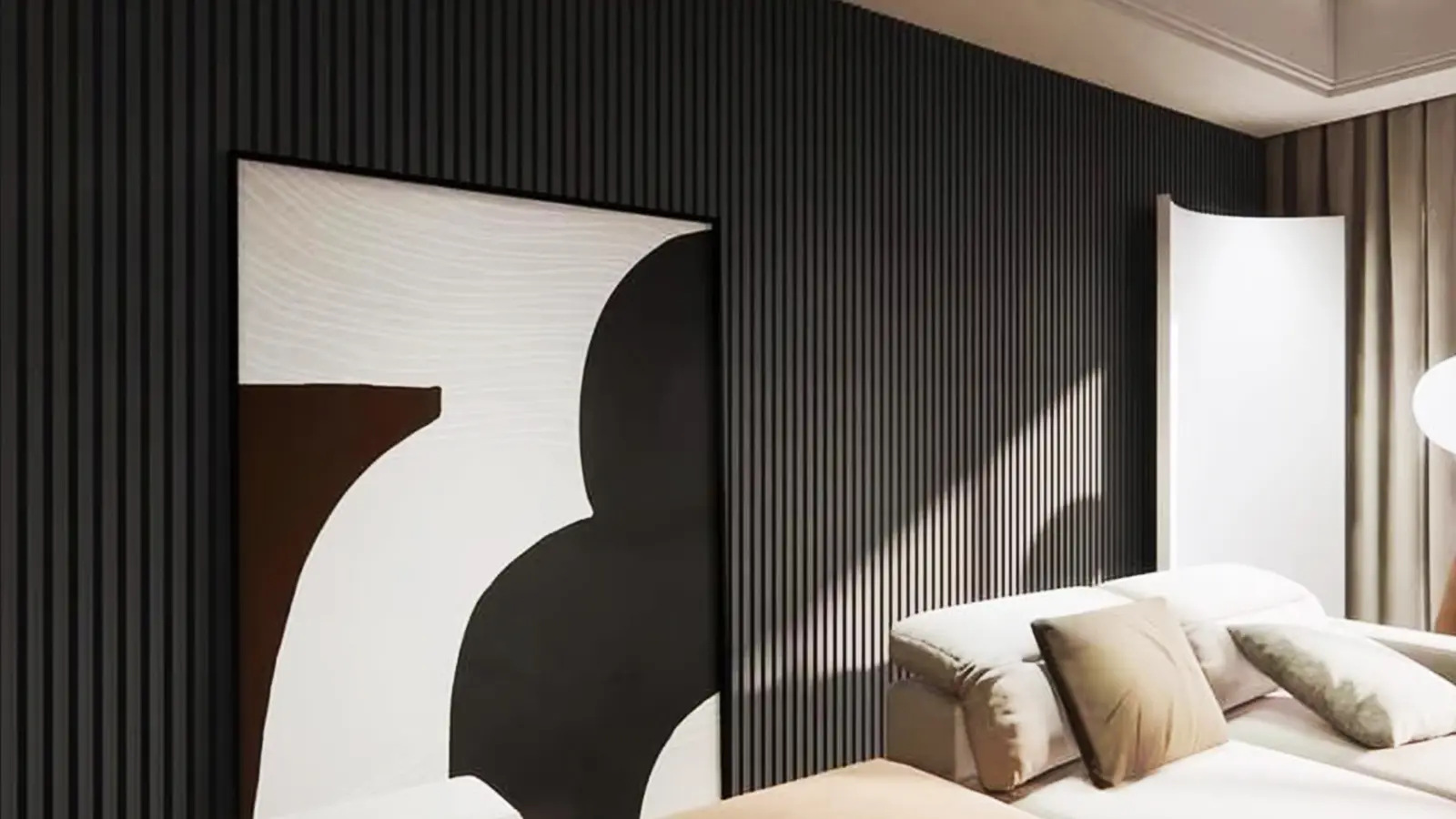
3.6 Theater Black
Still the go-to for spaces requiring maximum sound absorption and minimal reflection, such as cinemas and recording rooms.
4. How to Select Colors for Different Project Requirements
4.1 Based on Primary Function of the Space
| Function | Suggested Colors | Reason |
| Meeting rooms | Navy, charcoal | Professional, focuses attention |
| Classrooms | Green, blue, lemon yellow | Increases clarity and engagement |
| Luxury hospitality | Walnut, champagne, beige | Matches upscale décor |
| Home theaters | Black, dark brown | Absorbs sound and light |
| Residential | Cream, oak, fog gray | Comfortable and neutral |
4.2 Consider Box Volume and Interior Style
- Industrial: Exposed concrete, steel—pair with black or iron-gray panels.
- Coastal: White, sand, sea-blue combinations.
- Classic: Rich wood grain or warm neutral tones.
4.3 Accent Walls & Decorative Layouts
Acoustic panels can also serve as:
- Feature elements
- Vertical slat patterns
- Decorative grids
- Mixed-color mosaics
With CNC or custom sizing, panels can be arranged in artistic formations.
4.4 Lighting Influence
Directional lighting, daylight, and reflective surfaces will change how colors appear:
- Bright rooms: Choose darker tones to create depth.
- Dim environments: Choose lighter colors for balance.
- Cinemas: Always use dark panels to avoid glare.
5. Internationally Popular Installation Scenarios
5.1 Corporate Offices & Business Parks
Noise reduction is essential in busy workplaces. Panels are installed around workstations, meeting areas, and lounges.
Preferred colors: Muted tones, navy, beige, light wood.
5.2 High-End Hotel Interiors
Hotels emphasize both sound quality and décor coherence. Acoustic panels appear in:
- Check-in counters
- VIP lounges
- Guestroom feature walls
- Spa corridors
Popular options: Wood patterns, PU leather panels, and elegant neutrals.
5.3 Luxury Homes & Private Residences
Homeowners use acoustic panels as visual additions to:
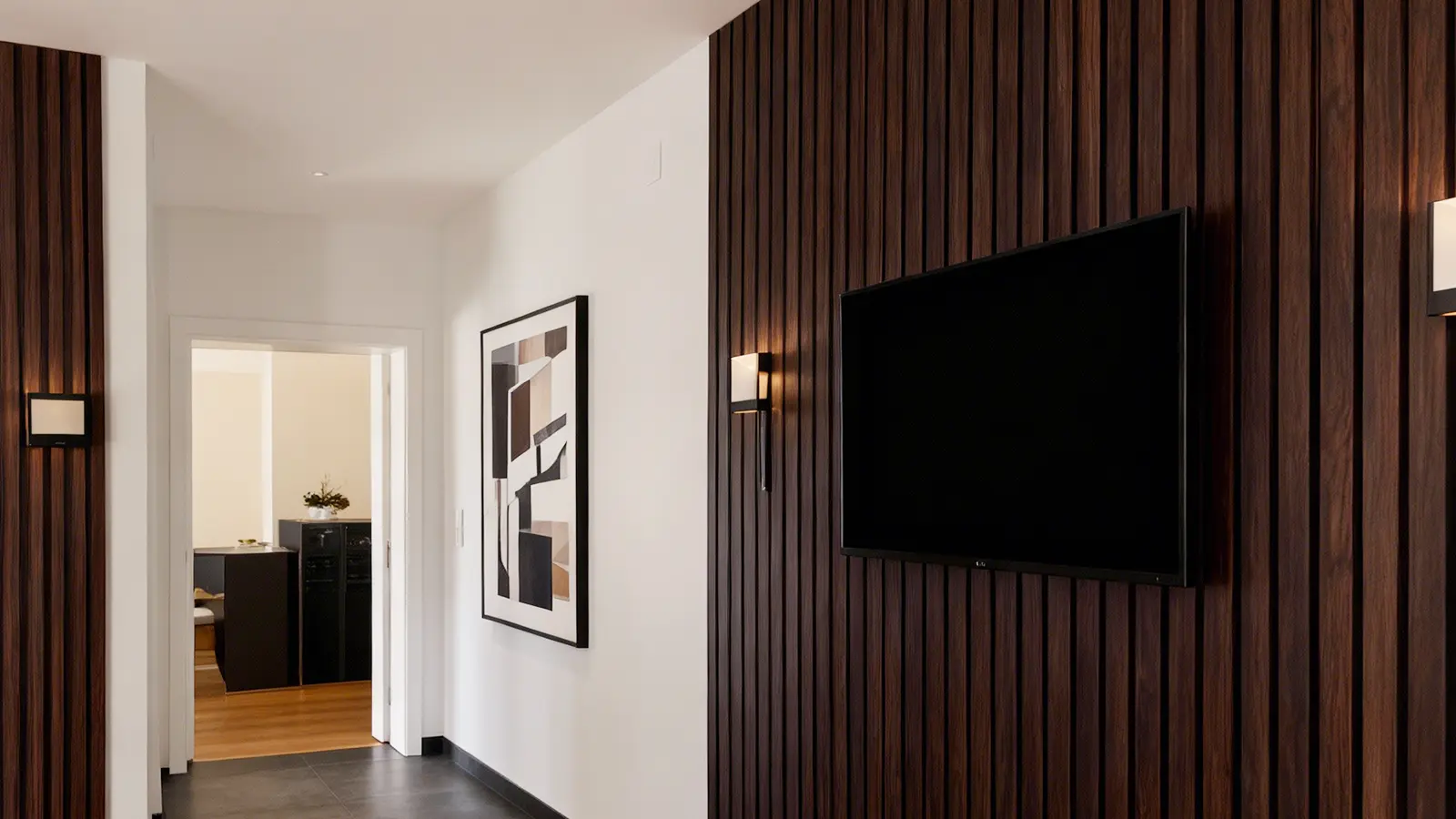
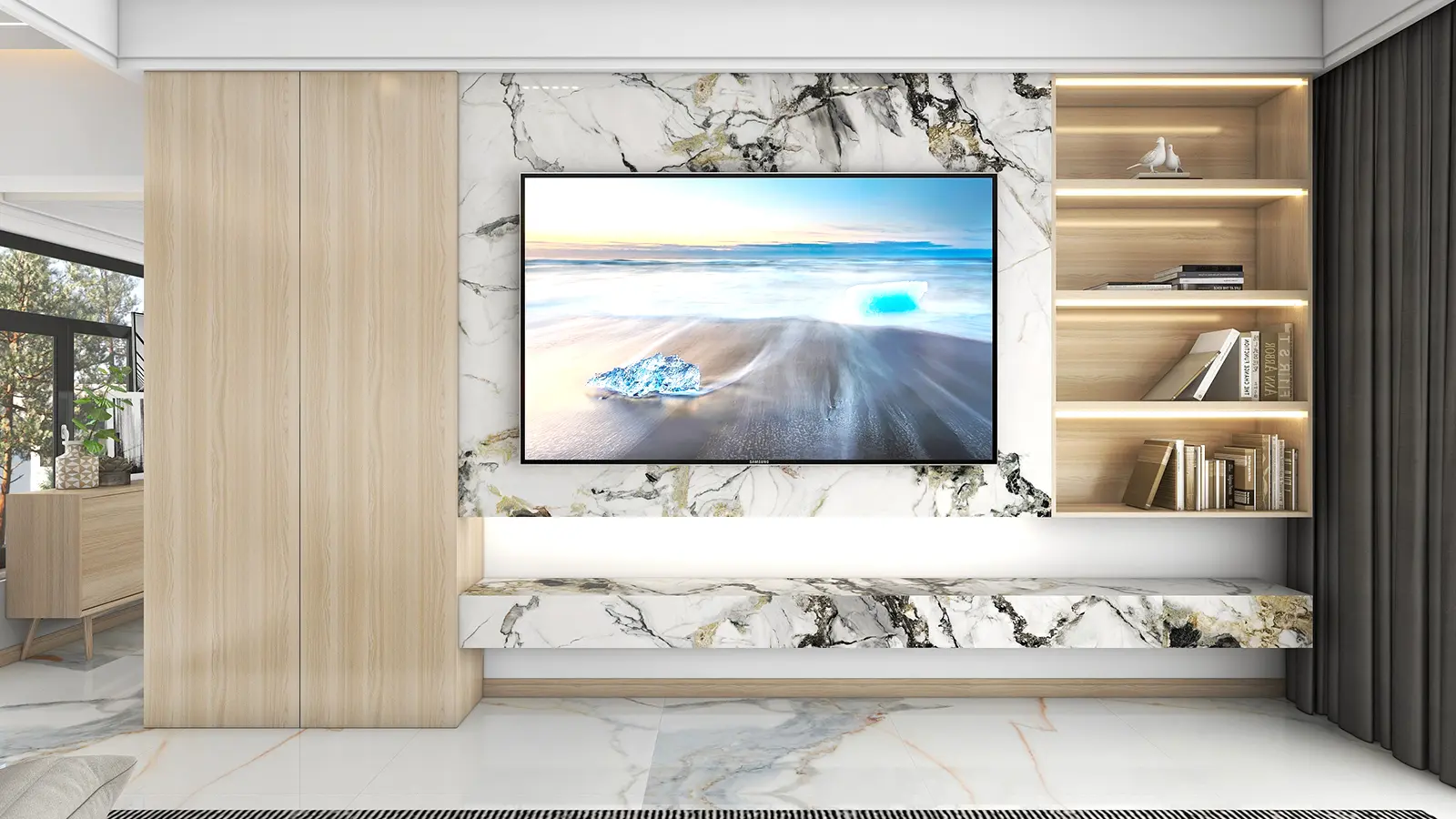
- TV backgrounds
- Study rooms
- Bedrooms
- Music rooms
Bestsellers: Wood tones and soft neutrals.
5.4 Performance & Recording Spaces
These rooms need enhanced acoustic performance. Fabric panels, grooved MDF systems, and PET tiles are commonly used in:
- Music rooms
- Studios
- Cinemas
- Rehearsal halls
5.5 Public Buildings & Educational Facilities
Lecture halls, libraries, and classrooms rely on sound control for speech intelligibility.
Preferred colors: Bright, friendly colors that appeal to students and enhance visibility.
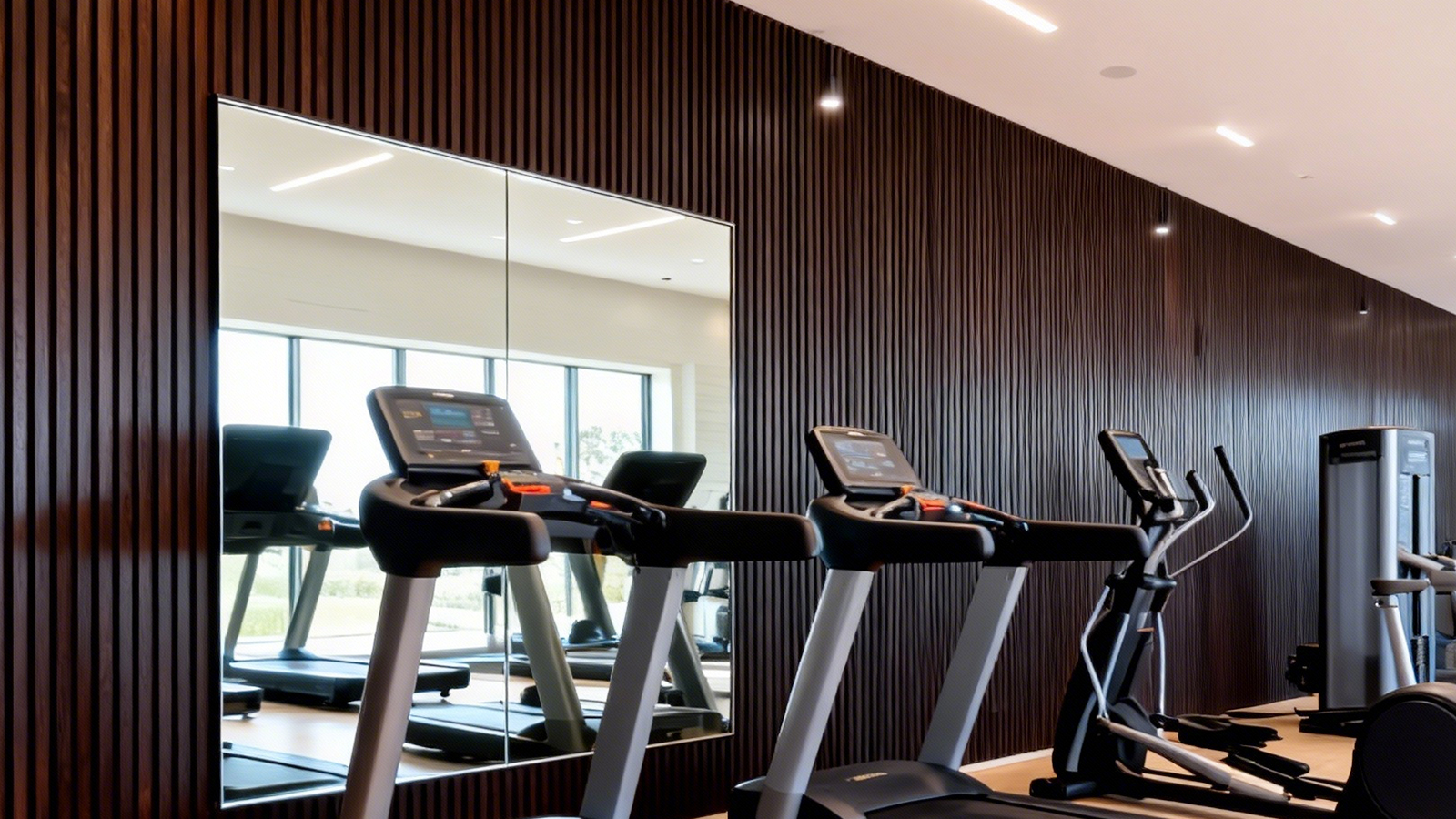
5.6 Retail, Fitness, and Transport Terminals
Noise control greatly improves customer satisfaction. Panels are installed in:
- Gyms
- Malls
- Boutiques
- Airport waiting zones
- Metro stations
Demand leaders: Brand colors and wood finishes.
6. Materials That Provide the Best Color Variety
6.1 PET Acoustic Sheets
- Dozens of ready-to-ship shades.
- Easily cut into shapes.
- Supports Pantone customization.
- Eco-friendly and durable.
6.2 Upholstered Fabric Panels
- Smooth, matte, or textured fabrics.
- Ideal for theaters, studios, and hotels.
- Available in broad color ranges.
6.3 Slat Panels with Wood Finish
These panels provide excellent decorative appeal and natural warmth.
Export demand: Oak, walnut, and black oak (continuing to rise).
6.4 PU Leather Acoustic Panels
Popular in high-end hospitality environments.
Available colors: Soft gold, ivory, dark coffee, and other luxury shades.
6.5 3D Design Acoustic Tiles
Used for creative walls.
Features: Geometric shapes and vivid color options.
7. Color Directions Expected to Lead in Upcoming Years
Based on collaboration with global design firms and our internal R&D focus, several color directions are emerging:
- Earth-inspired tones: Warm terracotta, clay, tobacco.
- Dark premium shades: Graphite black, espresso brown, ocean navy.
- Soft minimalist palettes: Linen, mushroom gray, pale oat.
- Expressive accent colors: Turmeric yellow, rust orange, petrol green.
- Mixed-color modular designs for schools and innovative workplaces.
8. Conclusion
The world of acoustic panel design is advancing rapidly. Designers no longer view acoustic materials as purely functional—they have become essential elements that unify aesthetics and performance. The right combination of texture, color, and installation method can greatly improve a room’s visual coherence and acoustic comfort.
We provide:
- Full-color panel customization.
- OEM and ODM manufacturing.
- Technical support for wholesalers and contractors.
- Sample kits for project selection.
If you need help creating catalogs, product descriptions, or custom solutions for your acoustic panel brand, we can assist with professional content tailored to your market positioning.