
A Complete Guide to Acoustic Panel Types: Choose the Right Solution for Your Space
Table of Contents
PET Polyester Acoustic Panels (Eco-Friendly Choice)
Metal Acoustic Panels (Durability First)
Wood Slat Acoustic Panels (Modern Aesthetics)
Fabric-Wrapped Acoustic Panels (Versatile Classic)
Acoustic Foam Panels (Budget-Friendly Performance)
Ceiling Suspended Acoustic Baffles (Large Space Solution)
Comparison of Top Acoustic Panel Types
How to Choose the Right Acoustic Panel
Future Trends in Acoustic Panel Design
1. PET Polyester Acoustic Panels (Eco-Friendly Choice)
Overview
PET polyester Acoustic Panels, crafted from recycled post-consumer plastic bottles, have become a go-to for sustainable building projects. Their rigid, compressed structure delivers strong sound absorption while aligning with green standards like LEED, making them popular for eco-conscious designers and homeowners.
Material & Structure
- Core: 100% recycled polyester fiber (density: 220–420 kg/m³ for optimal performance).
- Thickness: Common options include 10mm, 15mm, and 25mm to suit different absorption needs.
- Finish: Matte or textured surfaces, available in solid colors or subtle patterns.
Key Features
- Noise Reduction Coefficient (NRC) of 0.7–0.88, effective for mid-to-high frequency sounds.
- Mold and mildew resistant, making them safe for humid areas like gyms or bathrooms.
- Easy to cut into custom shapes (e.g., circles, hexagons) for creative wall designs.
Ideal Spaces
Open-plan offices, educational classrooms, home living rooms, and exhibition halls.
2. Metal Acoustic Panels (Durability First)
Overview
Metal acoustic panels are engineered for high-traffic, harsh, or public environments where longevity and safety are non-negotiable. Their robust build withstands wear, moisture, and fire—making them a top choice for transportation hubs and industrial facilities.
Material & Structure
- Surface: Perforated aluminum (lightweight) or galvanized steel (heavy-duty), with powder-coated or anodized finishes to resist corrosion.
- Core: Mineral wool or glass fiber infill, optimized for sound absorption without compromising structural strength.
Key Features
- Fire-rated (often Class A) and water-resistant, suitable for outdoor-covered areas like stadium concourses.
- Low maintenance: Wipes clean with a damp cloth, no need for regular refinishing.
- High impact resistance, ideal for spaces with heavy foot traffic or equipment.
Ideal Spaces
Airports, train stations, factories, warehouses, and large auditoriums.
3. Wood Slat Acoustic Panels (Modern Aesthetics)
Overview
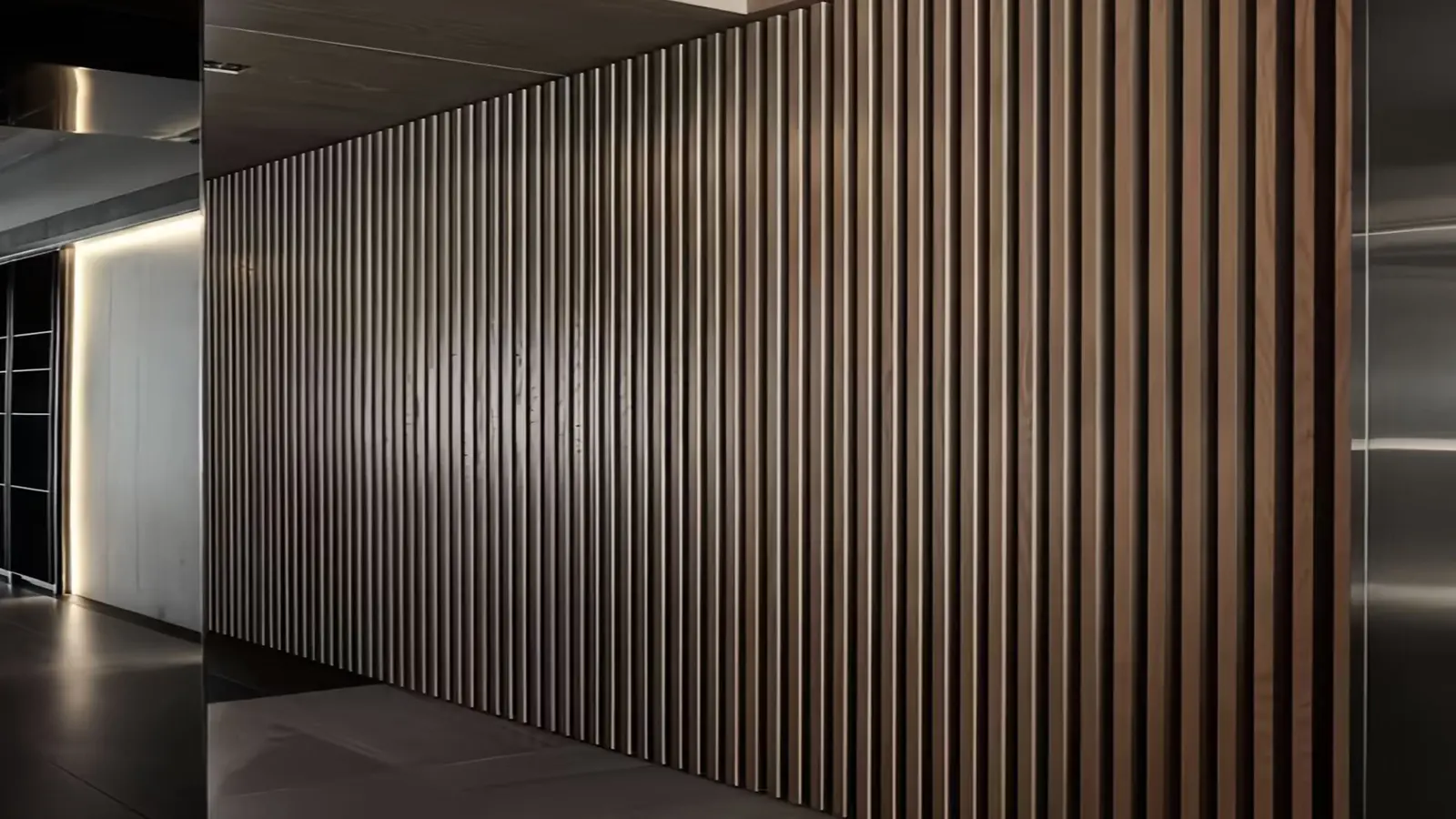
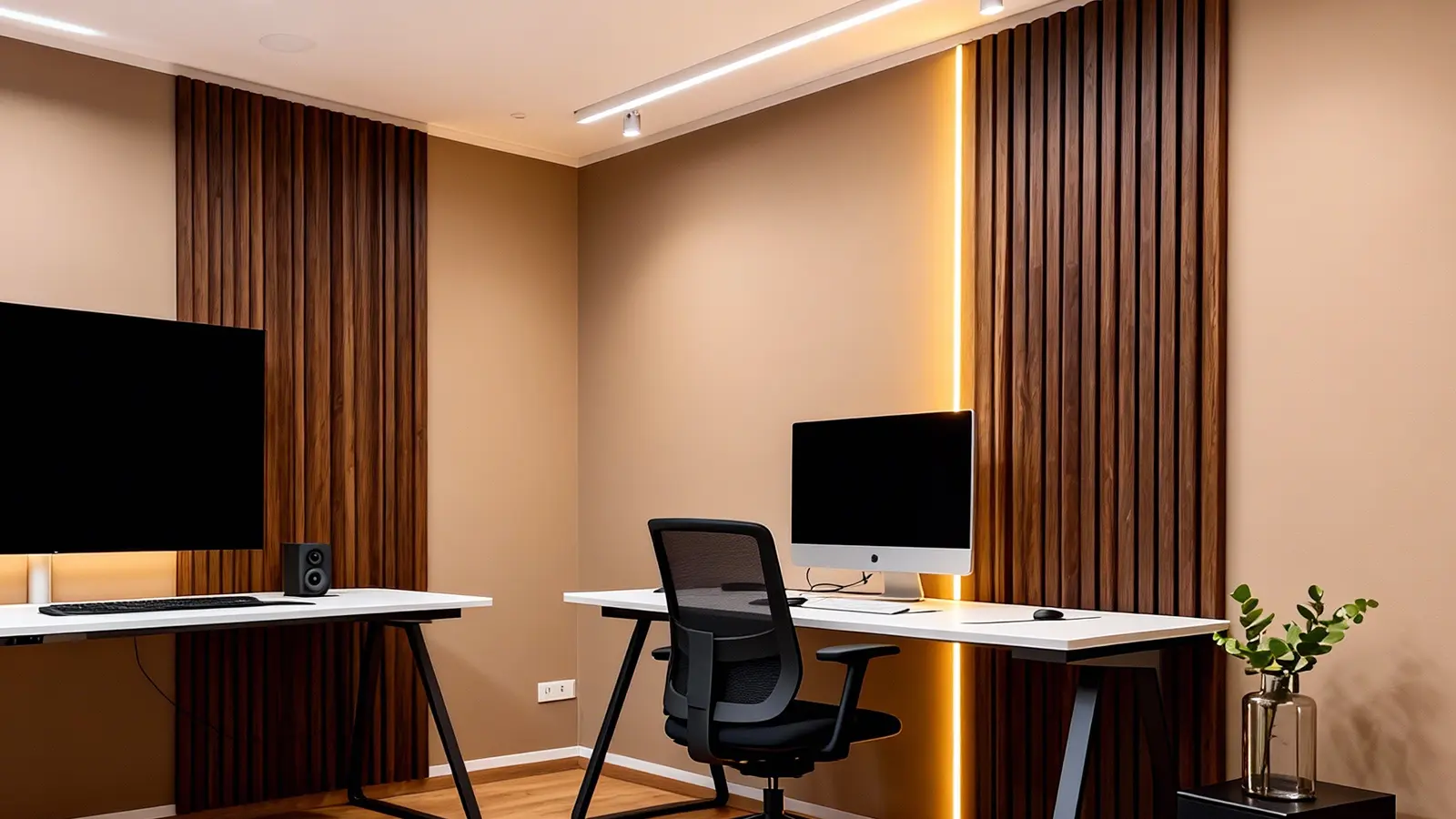
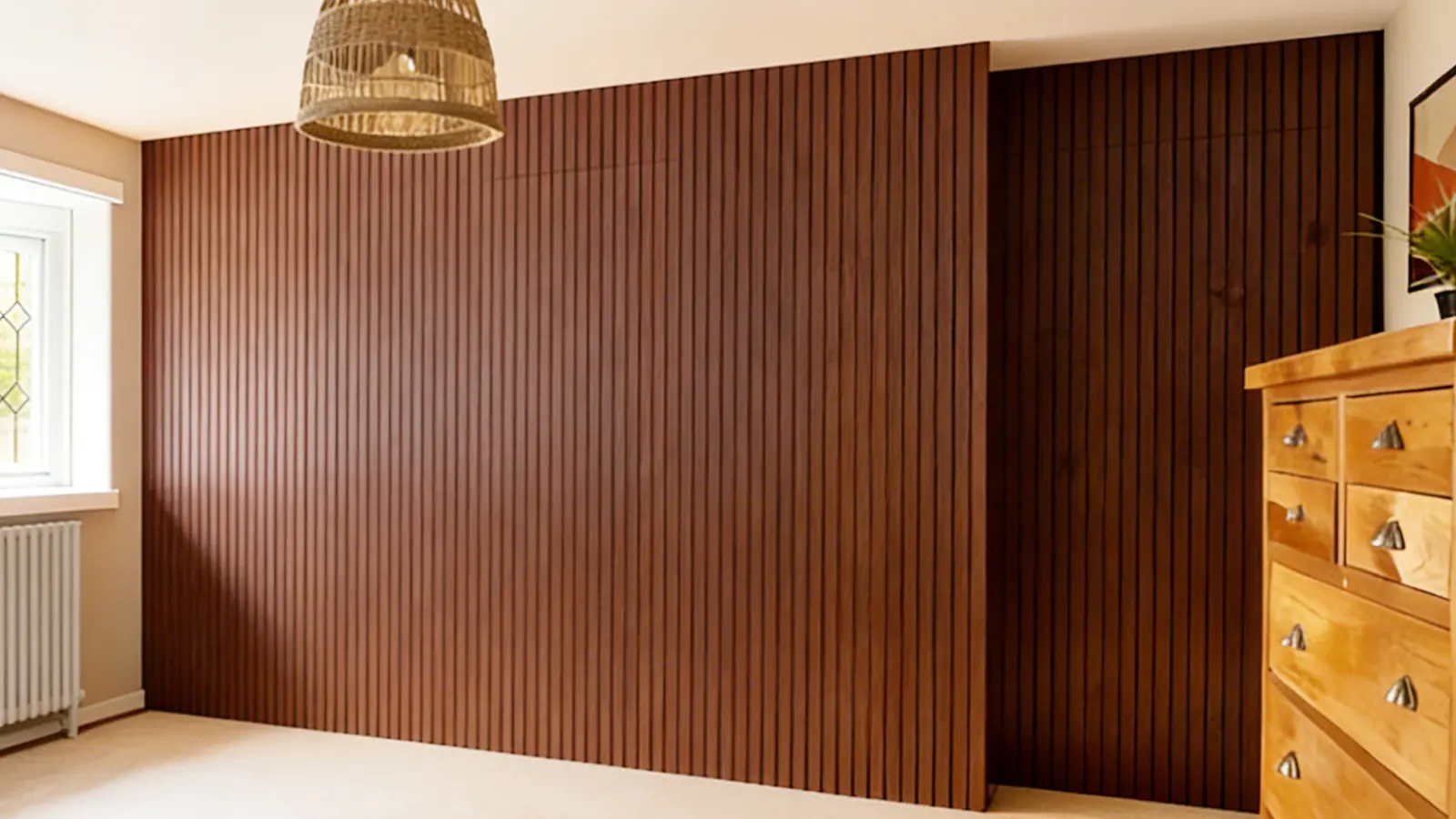
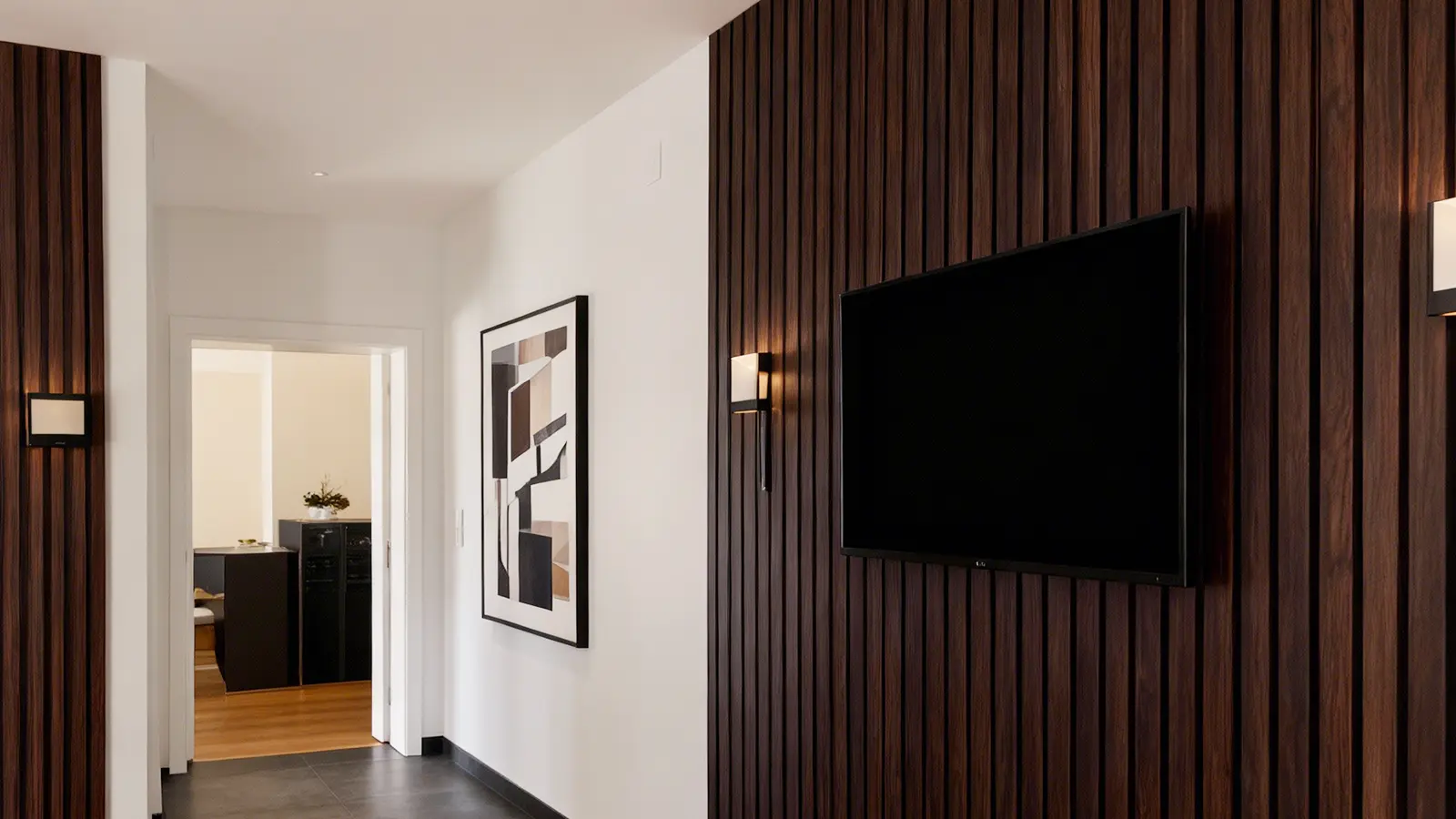
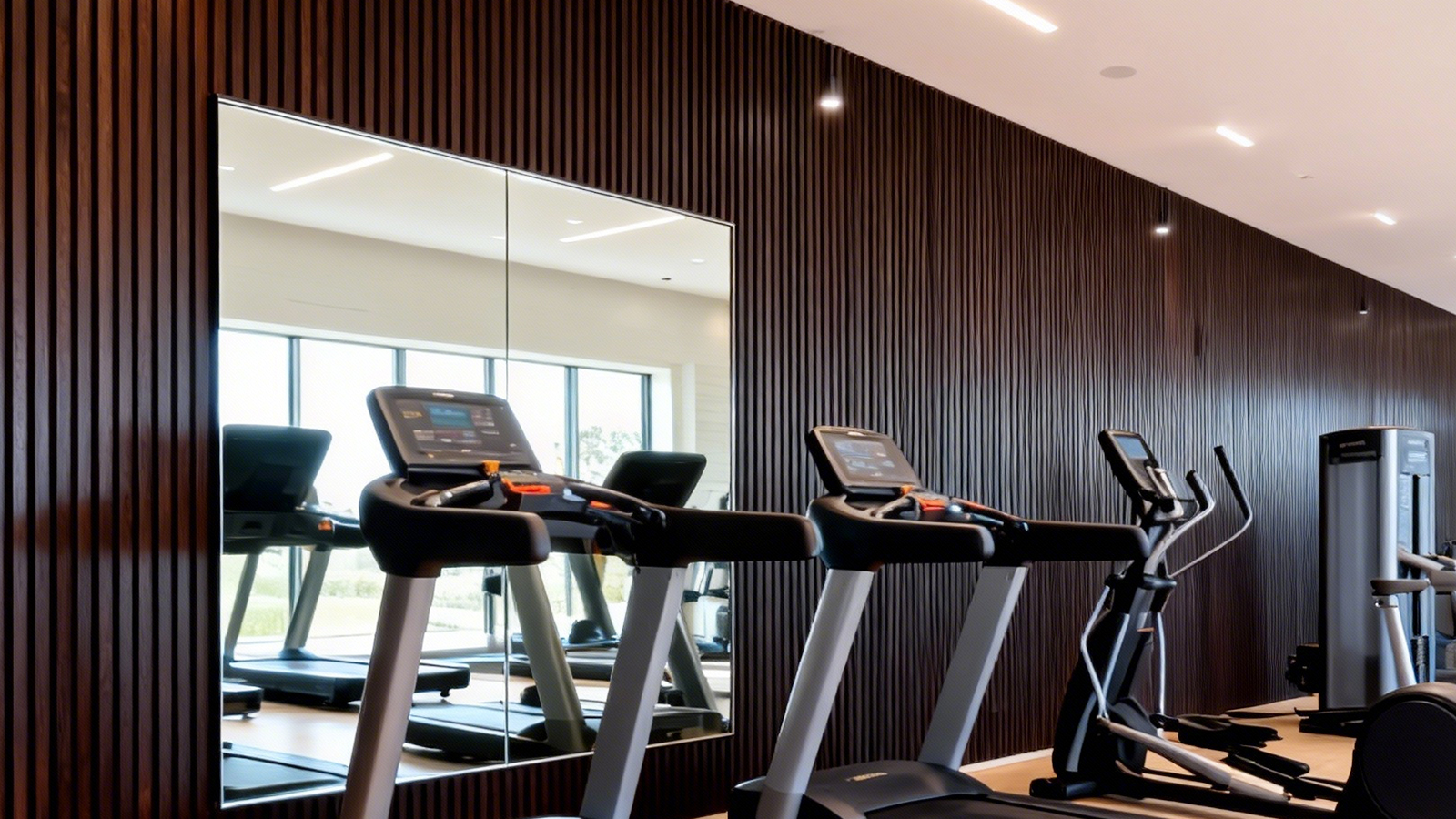
Wood slat acoustic panels combine natural warmth with practical sound control, making them a favorite for residential and upscale commercial spaces. Vertical or horizontal slats create a sleek, contemporary look while hiding an acoustic felt backing that traps unwanted noise.
Material & Structure
- Front: Solid wood (oak, walnut, ash) or MDF slats, available in raw, stained, or painted finishes.
- Backing: Thick polyester (PET) felt, chosen for its high absorption rate.
- Dimensions: Standard sizes (2400x600mm, 3000x600mm) or custom cuts; thickness ranges from 20–26mm.
Key Features
- NRC of 0.72–0.85, balancing absorption and subtle sound diffusion.
- Easy to mount with screws or adhesive, compatible with both walls and ceilings.
- Adds texture and depth to minimalistic interiors without overwhelming the space.
Ideal Spaces
Home bedrooms, hotel lobbies, restaurant dining areas, and office reception zones.
4. Fabric-Wrapped Acoustic Panels (Versatile Classic)
Overview
Fabric-wrapped panels are the most versatile option, blending seamlessly with any interior style—from corporate offices to theaters. A porous sound-absorbing core is wrapped in acoustically transparent fabric, ensuring sound passes through to the core while maintaining a clean, polished look.
Material & Structure
- Core: Fiberglass or polyester fiber (non-toxic, low-VOC).
- Fabric: Fire-retardant, moisture-resistant options like polyester, wool, or recycled blends.
- Frame: Lightweight wooden or metal frames for easy wall mounting.
Key Features
- NRC of 0.75–0.9, excellent for reducing echoes in medium-sized rooms.
- Fully customizable: Choose from hundreds of fabric colors, patterns, or even printed graphics (e.g., company logos).
- Lightweight (2–3 kg per panel), making DIY installation simple.
Ideal Spaces
Conference rooms, auditoriums, recording studios, and home cinemas.
5. Acoustic Foam Panels (Budget-Friendly Performance)
Overview
Acoustic foam panels are a cost-effective solution for small spaces needing targeted sound control. Their open-cell structure traps high-frequency sound waves, making them ideal for hobbyists, podcasters, and gamers looking to improve sound quality without a big budget.
Material & Structure
- Material: Polyurethane or melamine foam (low-density for flexibility, high-density for better absorption).
- Shapes: Pyramid, wedge, or egg-crate patterns (designed to maximize surface area for absorption).
- Colors: Standard black, gray, or white; custom colors available for branded spaces.
Key Features
- NRC of 0.7–0.85, perfect for reducing flutter echoes in tight rooms.
- Affordably priced (50–70% less than wood or metal panels).
- Installs in minutes with adhesive spray or double-sided tape.
Ideal Spaces
Podcast studios, gaming rooms, home offices, and small music practice spaces.
6. Ceiling Suspended Acoustic Baffles (Large Space Solution)
Overview
For high-ceilinged or open spaces (e.g., gyms, warehouses), wall-mounted panels often aren’t enough. Ceiling suspended baffles hang vertically from ceilings, capturing sound from all angles and reducing reverberation across large areas.
Material & Structure
- Core: Fiberglass or PET fiber (high-density for maximum absorption).
- Cover: Fabric-wrapped or rigid plastic (depending on durability needs).
- Design: Long, narrow panels (e.g., 1200x300mm) that hang in rows or staggered patterns.
Key Features
- Covers more surface area than ceiling clouds, ideal for spaces over 500 sq. ft.
- Lightweight (1–2 kg per baffle), so no extra ceiling reinforcement is needed.
- Fire-retardant and moisture-resistant, suitable for gyms and indoor pools.
Ideal Spaces
Gymnasiums, warehouses, call centers, and exhibition halls.
Comparison of Top Acoustic Panel Types
| Panel Type | Core Material | NRC Range | Design Style | Ideal Spaces |
| PET Polyester | Recycled Polyester | 0.7–0.88 | Minimalist, Colorful | Offices, Classrooms |
| Metal | Mineral Wool/Glass | 0.6–0.8 | Industrial, Sleek | Airports, Factories |
| Wood Slat | PET Felt | 0.72–0.85 | Warm, Natural | Bedrooms, Hotel Lobbies |
| Fabric-Wrapped | Fiberglass/Polyester | 0.75–0.9 | Versatile, Custom | Conference Rooms, Theaters |
| Acoustic Foam | Polyurethane | 0.7–0.85 | Functional, Simple | Podcast Studios, Gaming Rooms |
How to Choose the Right Acoustic Panel
Selecting the best panel depends on three core factors: your space’s needs, design goals, and budget. Follow these steps to decide:
- Assess Acoustic Needs: Measure reverberation time (use a free app like “Reverb” for quick checks). Spaces with long reverb (e.g., auditoriums) need high-NRC panels (0.8+), while quiet rooms (e.g., bedrooms) can use 0.7–0.75 NRC.
- Match Design to Interior: Opt for wood slats or 3D panels for modern homes, metal panels for industrial spaces, and fabric-wrapped panels for offices.
- Check Installation Feasibility: Renters may prefer adhesive-mounted foam or PET panels, while homeowners can install wall-mounted wood slats or suspended baffles.
- Prioritize Safety & Compliance: Public spaces (schools, airports) need fire-rated panels (Class A), while humid areas require mold-resistant options (PET, metal).
Future Trends in Acoustic Panel Design
The acoustic panel industry is evolving rapidly, driven by demand for sustainability and smart technology. Here’s what to watch for:
- Eco-Conscious Materials: Biodegradable cores (e.g., mushroom mycelium) and FSC-certified wood slats are replacing traditional fiberglass.
- Smart Integration: Panels with built-in IoT sensors that monitor sound levels and adjust lighting or HVAC systems for optimal comfort.
- Modular Systems: Interlocking panels that can be reconfigured as spaces change (e.g., flexible office layouts).
Conclusion
Acoustic panels are no longer just functional—they’re a key part of designing spaces that feel comfortable, productive, and visually appealing. Whether you need eco-friendly PET panels for a classroom, durable metal panels for an airport, or stylish wood slats for your living room, the right choice balances performance, design, and budget.
As a global provider of acoustic solutions, we specialize in custom panels tailored to your project’s unique needs—from material selection to color matching. Our team works with architects, designers, and homeowners to turn noisy spaces into quiet, inviting ones.
Ready to upgrade your space’s acoustics? Contact us today for a free consultation and sample kit.