
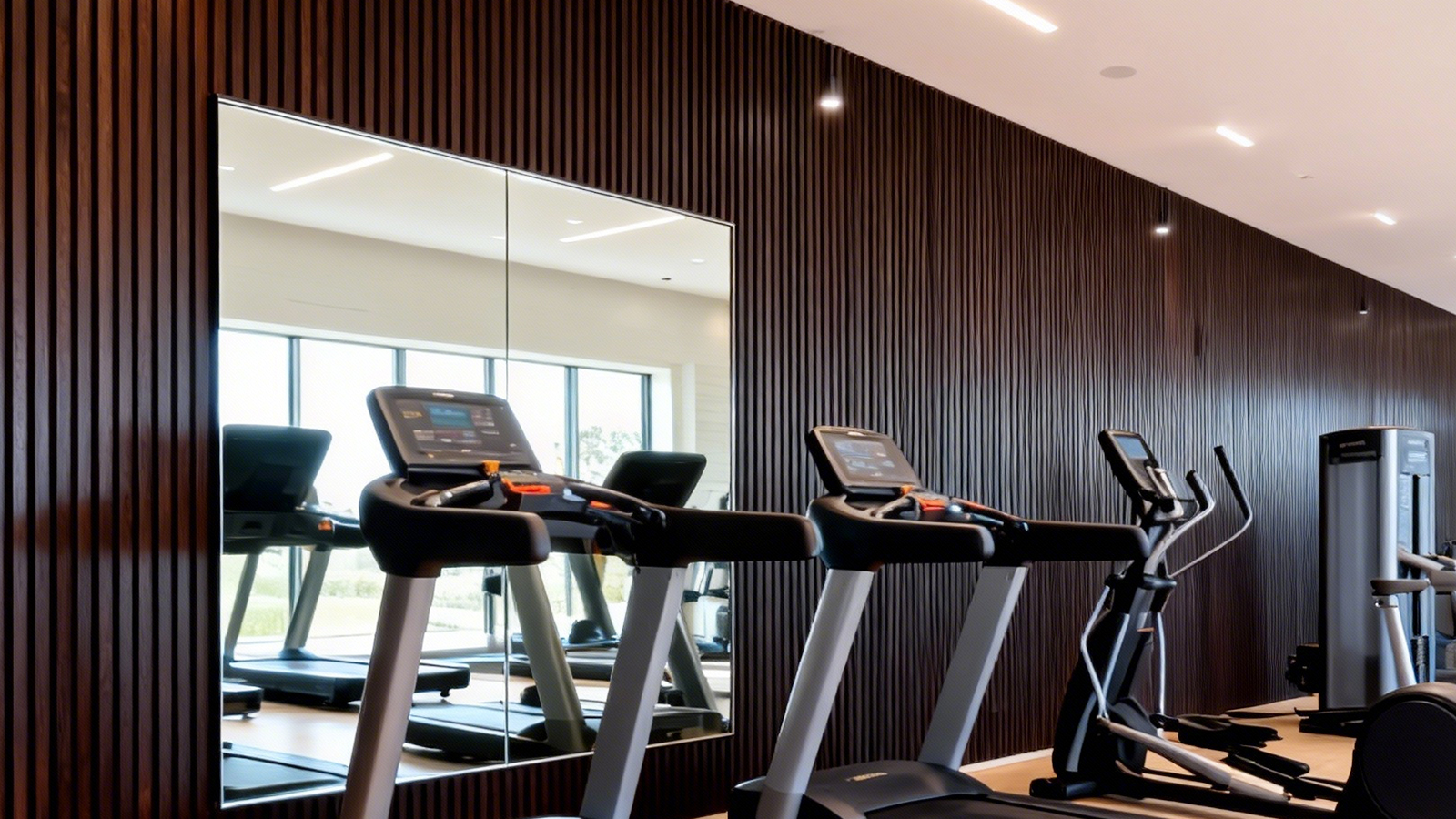
8 WPC Wall Panel Types That Redefine Contemporary Architecture
Table of Contents
- The Rise of WPC in Modern Design
- Slatted (Grille) WPC Wall Panels
- Hollow-Core WPC Panels
- Solid WPC Panels
- Decorative WPC Panels
- 3D WPC Panels
- Waterproof WPC Panels
- Acoustic WPC Panels
- Fire-Retardant WPC Panels
- Comparing the Main Types
- Installation Insights
- Combining Styles for Maximum Impact
- Final Thoughts
The construction and décor industries are in the midst of a transformation. As sustainability and aesthetics become equally important, materials that combine both are leading the change. Among these innovations, WPC wall panels (Wood-Plastic Composite) stand out for their versatility, elegance, and resilience.
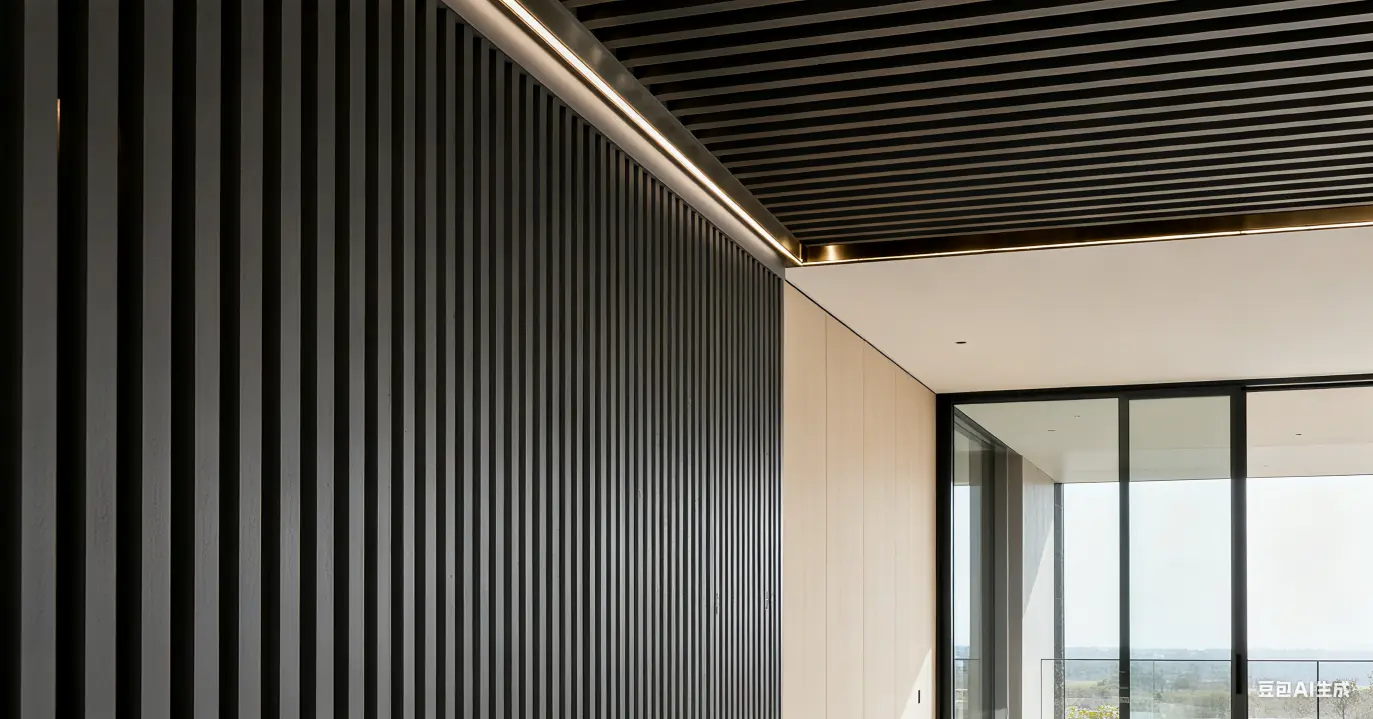
In this guide, we’ll explore the eight main types of WPC wall panels, how they differ, and why they’ve become a top choice for architects and homeowners around the world.
The Rise of WPC in Modern Design
Traditional wood has long been admired for its natural beauty, but it comes with high upkeep — regular painting, termite treatment, and vulnerability to moisture. Wpc Panels overcome all these challenges by merging wood’s texture with polymer durability.
Key Benefits:
- Moisture Resistance: No swelling, cracking, or mold growth.
- Long Lifespan: Up to 30 years with minimal maintenance.
- Eco-Friendly Manufacturing: Recycled wood and plastic components.
- Design Freedom: Countless finishes, patterns, and installation methods.
- Low Carbon Footprint: Reduces dependence on natural timber.
With these advantages, WPC wall panels are becoming a hallmark of contemporary sustainable architecture.
1. Slatted (Grille) WPC Wall Panels
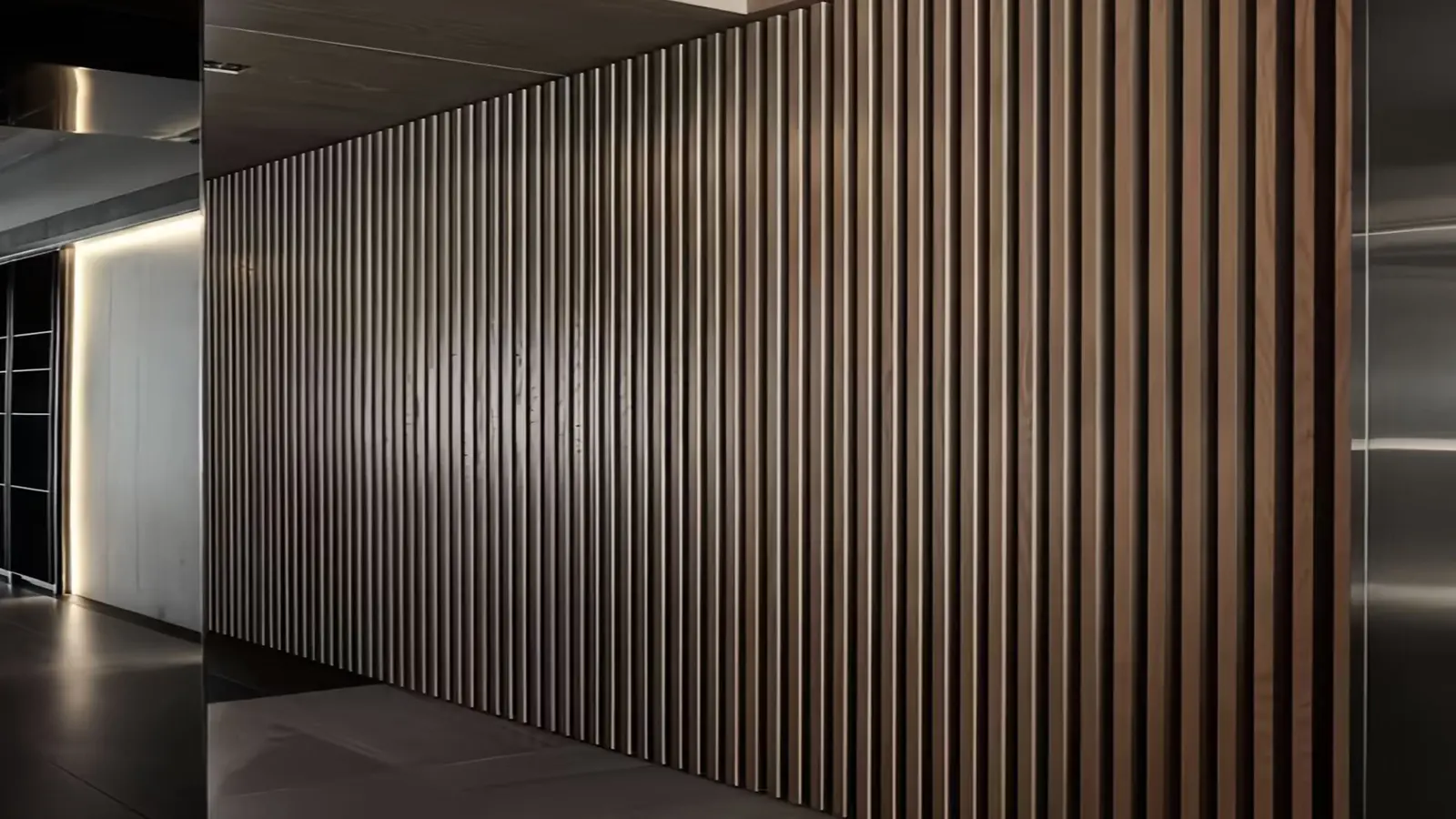
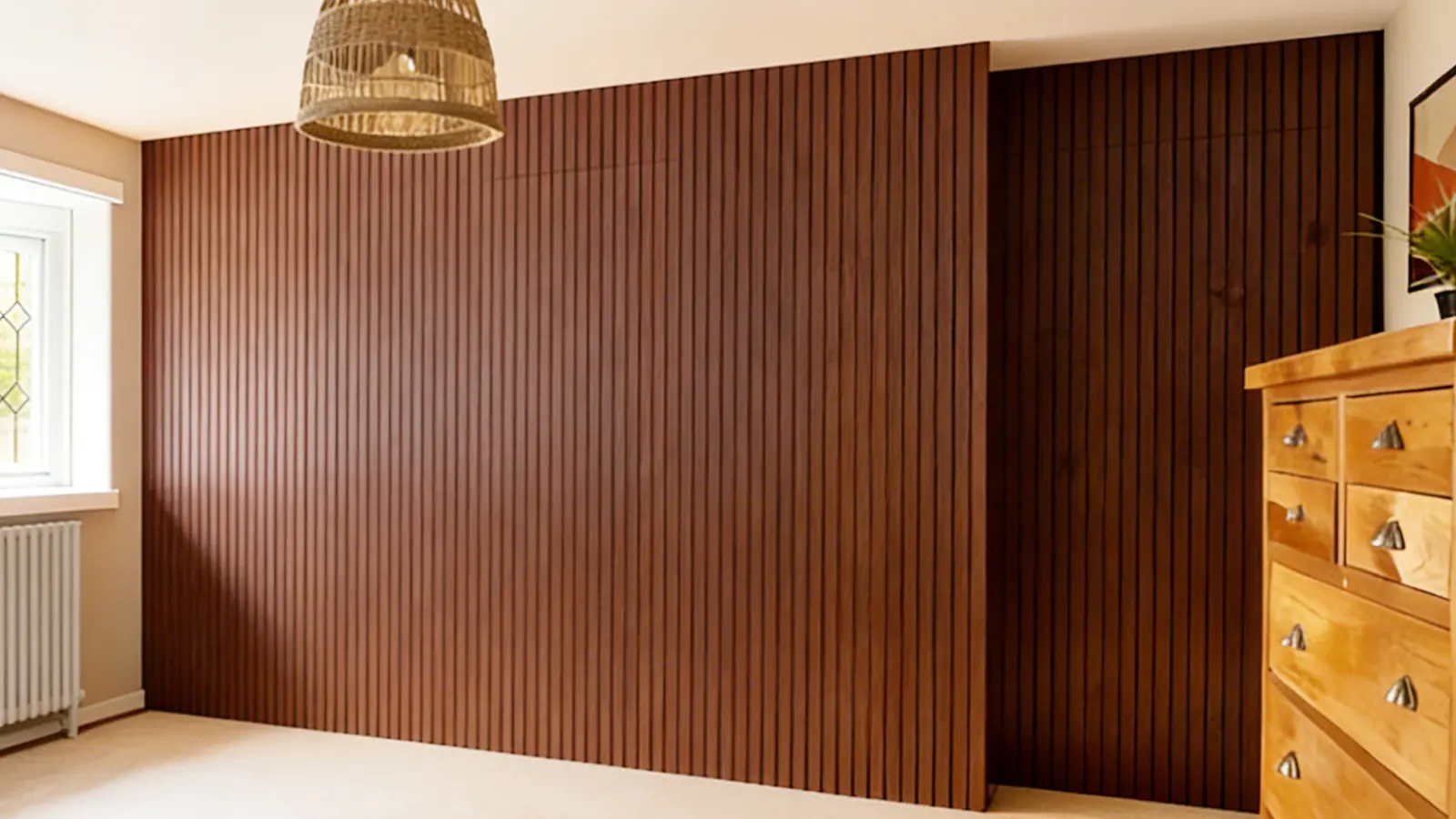
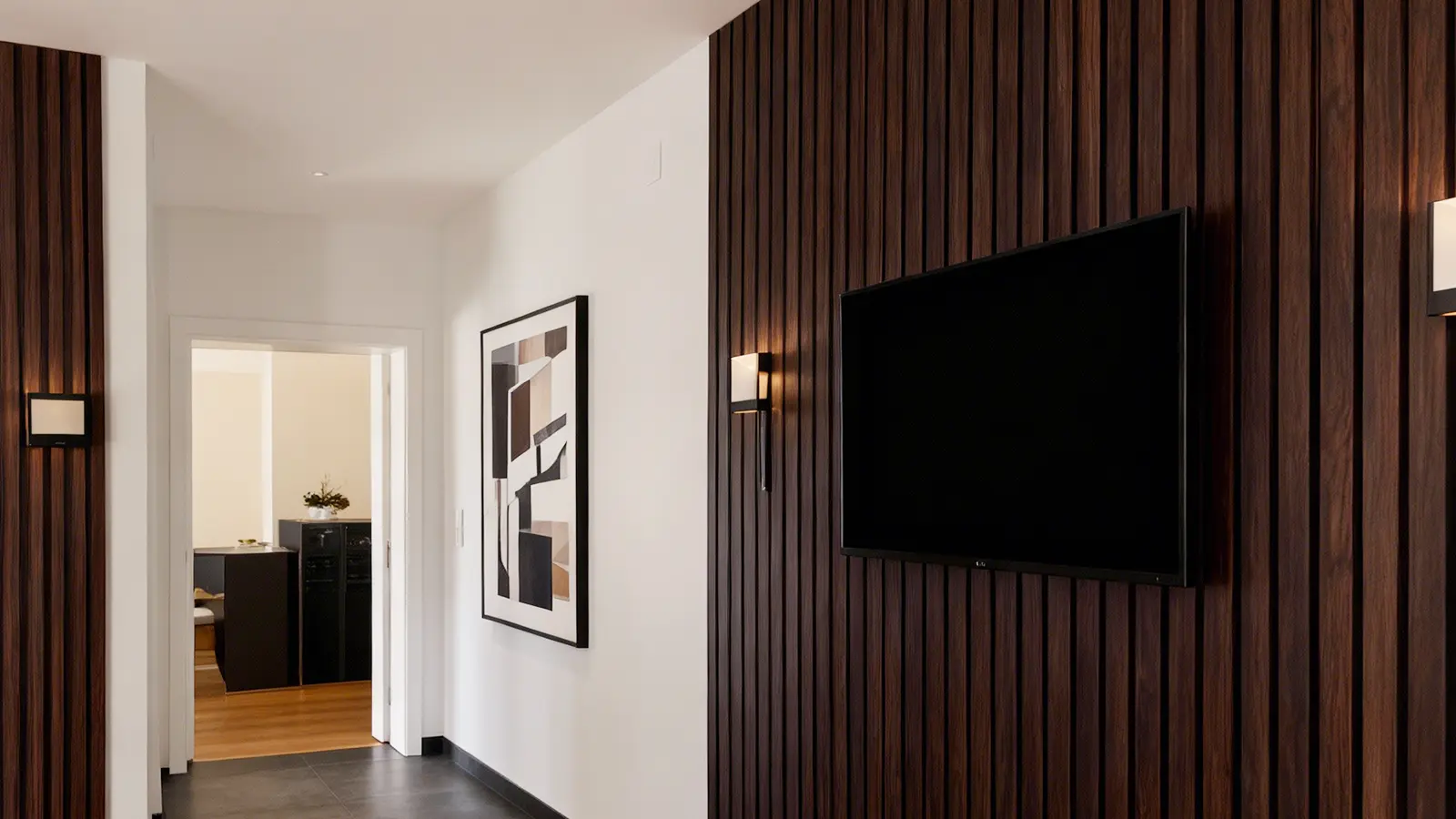
Sleek, stylish, and elegant — slatted panels introduce linear textures that instantly modernize a space. The grooves help enhance visual depth while creating a balanced rhythm across walls or ceilings.
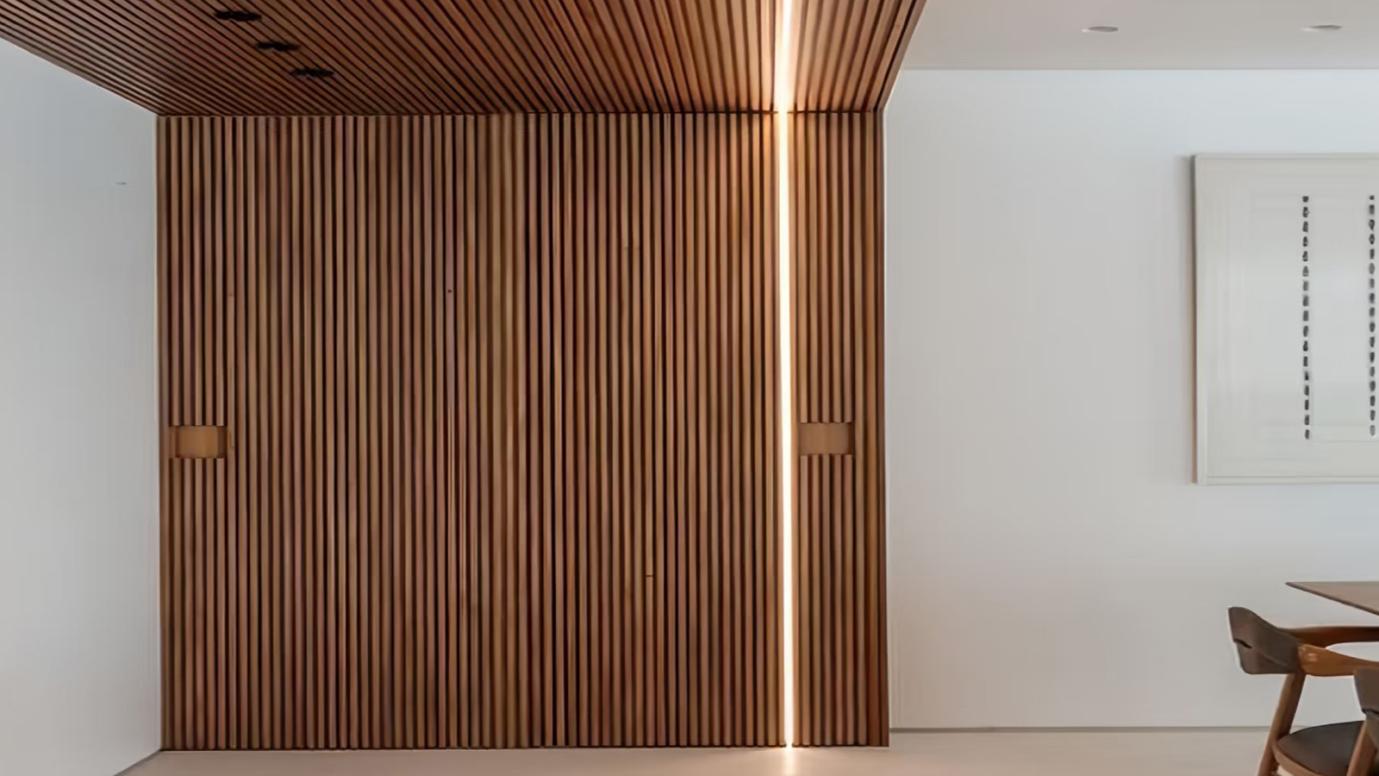
Highlights:
- Aligns with minimalist and modern décor themes.
- Can be installed vertically or horizontally.
- Offers partial sound absorption.
- Easy installation using clips or adhesives.
Where They Shine:
Residential feature walls, restaurants, offices, and hotel corridors.
2. Hollow-Core WPC Panels
These panels feature a hollow internal structure, which reduces both weight and material cost. They are especially useful in large projects or areas that demand good thermal insulation.
Benefits:
- Lightweight yet structurally stable.
- Ideal for large walls or suspended ceilings.
- Provides additional insulation benefits.
- Lower production cost without compromising aesthetics.
Typical Uses:
Exterior façades, high ceilings, and public building interiors.
3. Solid WPC Panels
Solid WPC panels are known for their strength and density. With no internal gaps, they perform well in demanding environments.
Advantages:
- Superior impact resistance.
- Exceptional weatherproof performance.
- Longer lifespan than hollow panels.
Applications:
Outdoor cladding, shopping centers, schools, and industrial buildings.
4. Decorative WPC Panels
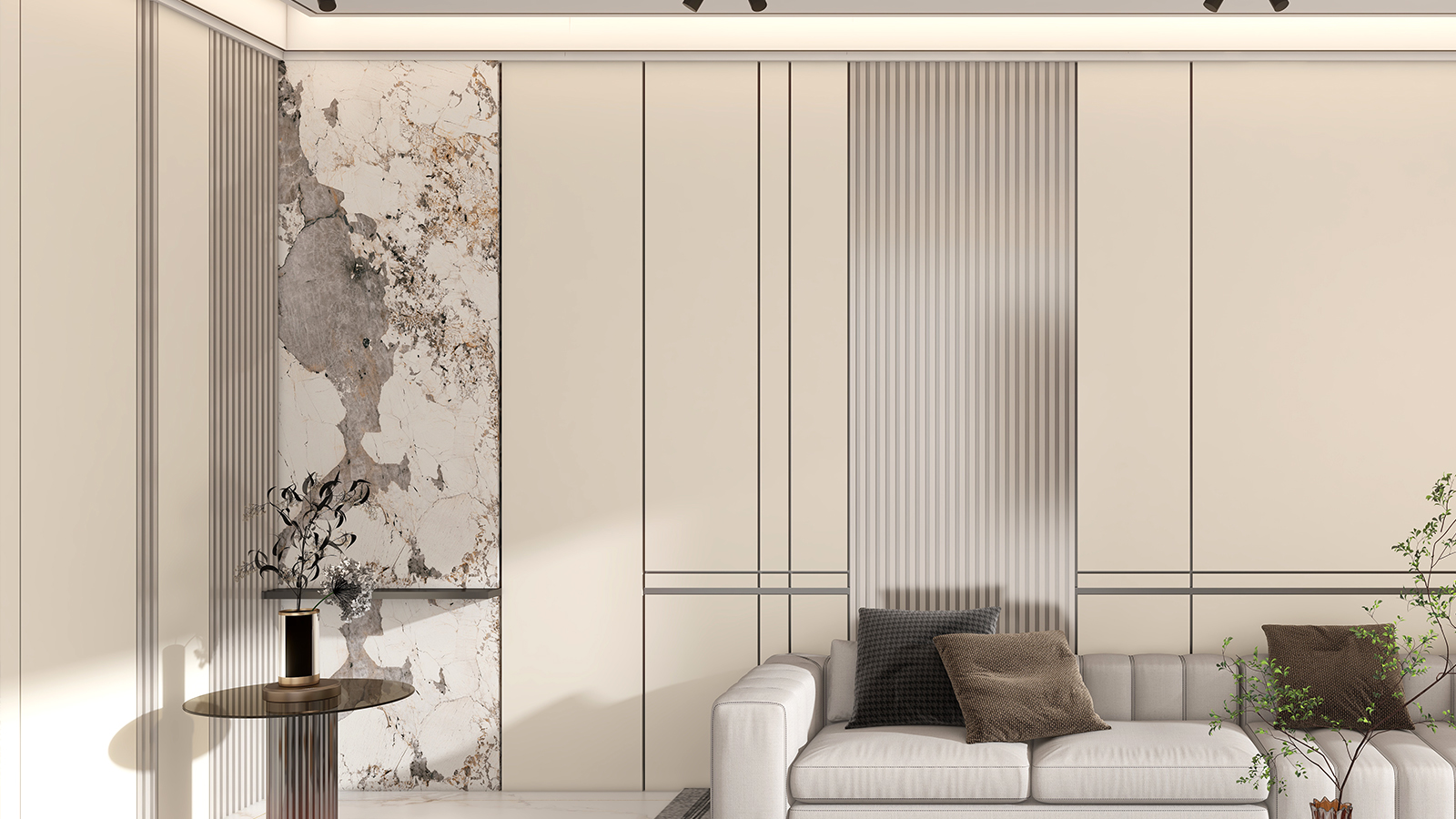
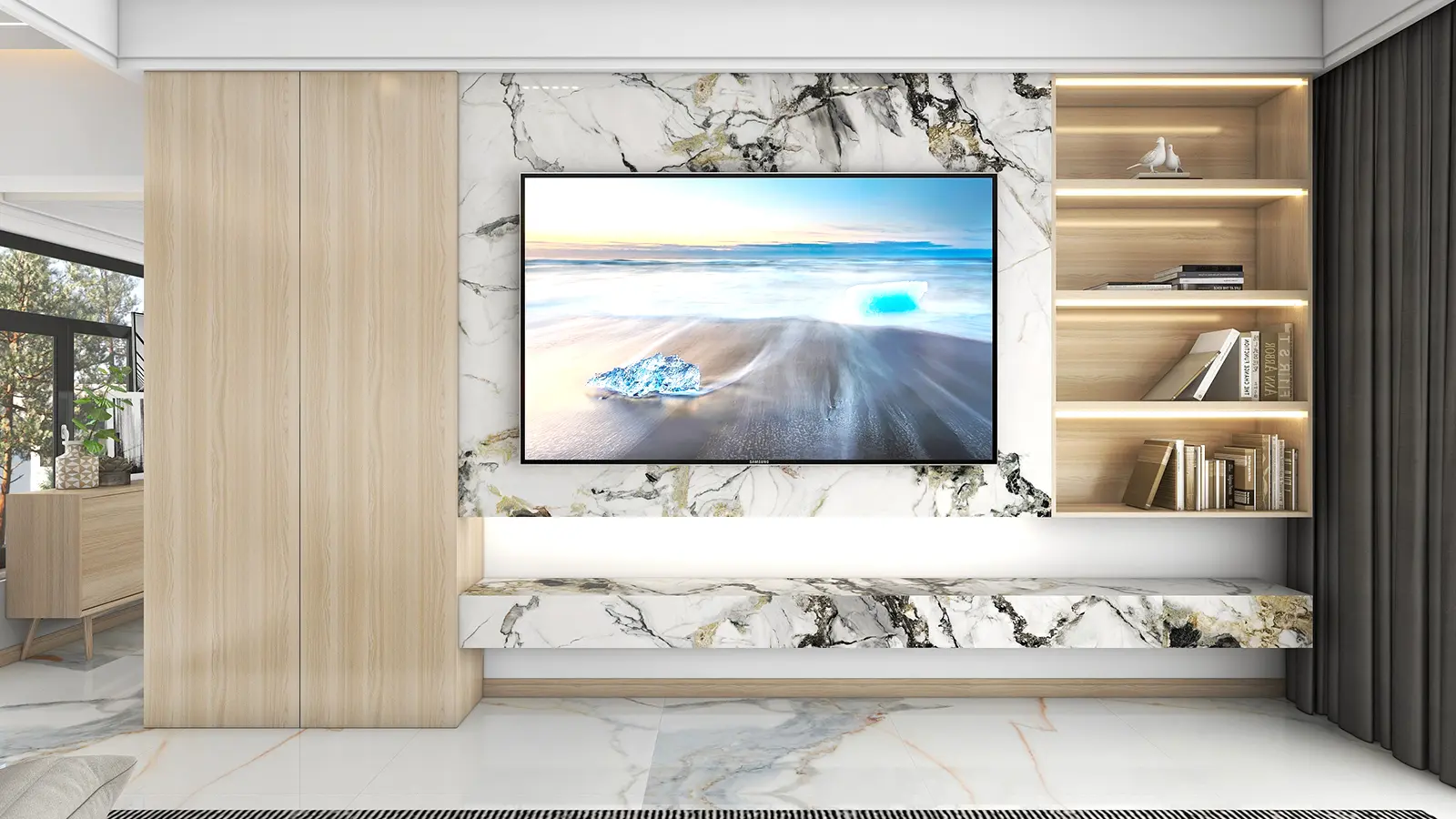
These panels bring artistry to architecture. Surface embossing and advanced printing technology allow WPC to simulate natural materials like wood, stone, or leather textures.
Pros:
- Rich variety of visual effects.
- Customizable colors and grains.
- Adds luxury and warmth to interiors.
Where to Use:
Living rooms, offices, bedrooms, and hotel suites.
5. 3D WPC Panels
For designers who seek dramatic effects, 3D WPC wall panels are a favorite. Their raised patterns — geometric, wave-like, or abstract — add a sculptural element to any wall.
Benefits:
- Eye-catching depth and dimension.
- Works well with accent lighting.
- Durable, dust-resistant surface.
Perfect For:
Showrooms, galleries, restaurants, and reception areas.
6. Waterproof WPC Panels
Created for moisture-prone areas, these panels are entirely water-resistant. Their dense surface repels water, preventing decay, mold, and color fading.
Advantages:
- 100% waterproof and washable.
- Resistant to humidity and chemical cleaning agents.
- Ideal for spaces that experience frequent splashes or steam.
Recommended Locations:
Bathrooms, kitchens, laundry rooms, and outdoor patios.
7. Acoustic WPC Panels
Designed for superior sound control, these panels feature perforations, grooves, or layered backings that absorb sound waves effectively.
Key Benefits:
- Reduces echo and background noise.
- Enhances acoustic comfort.
- Blends aesthetics with functionality.
Common Applications:
Theaters, conference halls, studios, and libraries.
8. Fire-Retardant WPC Panels
When safety is paramount, fire-resistant panels are essential. They meet international standards such as B1 and B2 fire ratings.
Features:
- Flame-retardant materials reduce ignition risks.
- Low smoke emission during fire incidents.
- Non-toxic, recyclable composition.
Use Cases:
Airports, hospitals, commercial towers, and public infrastructure.
Comparing the Main Types
| Panel Type | Weight | Water Resistance | Fire Rating | Acoustic Benefit | Typical Use |
| Slatted | Medium | Moderate | Optional | Moderate | Interior décor |
| Hollow | Light | High | Optional | Low | Ceilings, façades |
| Solid | Heavy | Very High | Optional | Low | Outdoor cladding |
| Decorative | Medium | Moderate | Optional | Low | Living spaces |
| 3D | Medium | Moderate | Optional | Low | Feature walls |
| Waterproof | Medium | Excellent | Optional | Low | Bathrooms |
| Acoustic | Medium | Moderate | Optional | Excellent | Studios |
| Fire-Resistant | Heavy | High | Certified | Low | Public buildings |
Installation Insights
Installation techniques depend on the panel design and mounting surface:
- Use metal or wooden frames for support.
- Apply clip systems for clean finishes.
- Leave expansion gaps for temperature variation.
- Finish edges with matching trims for aesthetic continuity.
Maintenance is refreshingly easy: wipe periodically with a soft cloth and mild soap. No varnish, paint, or sealant is needed.
Combining Styles for Maximum Impact
Modern designers often mix different types of WPC wall panels to achieve layered effects. For example:
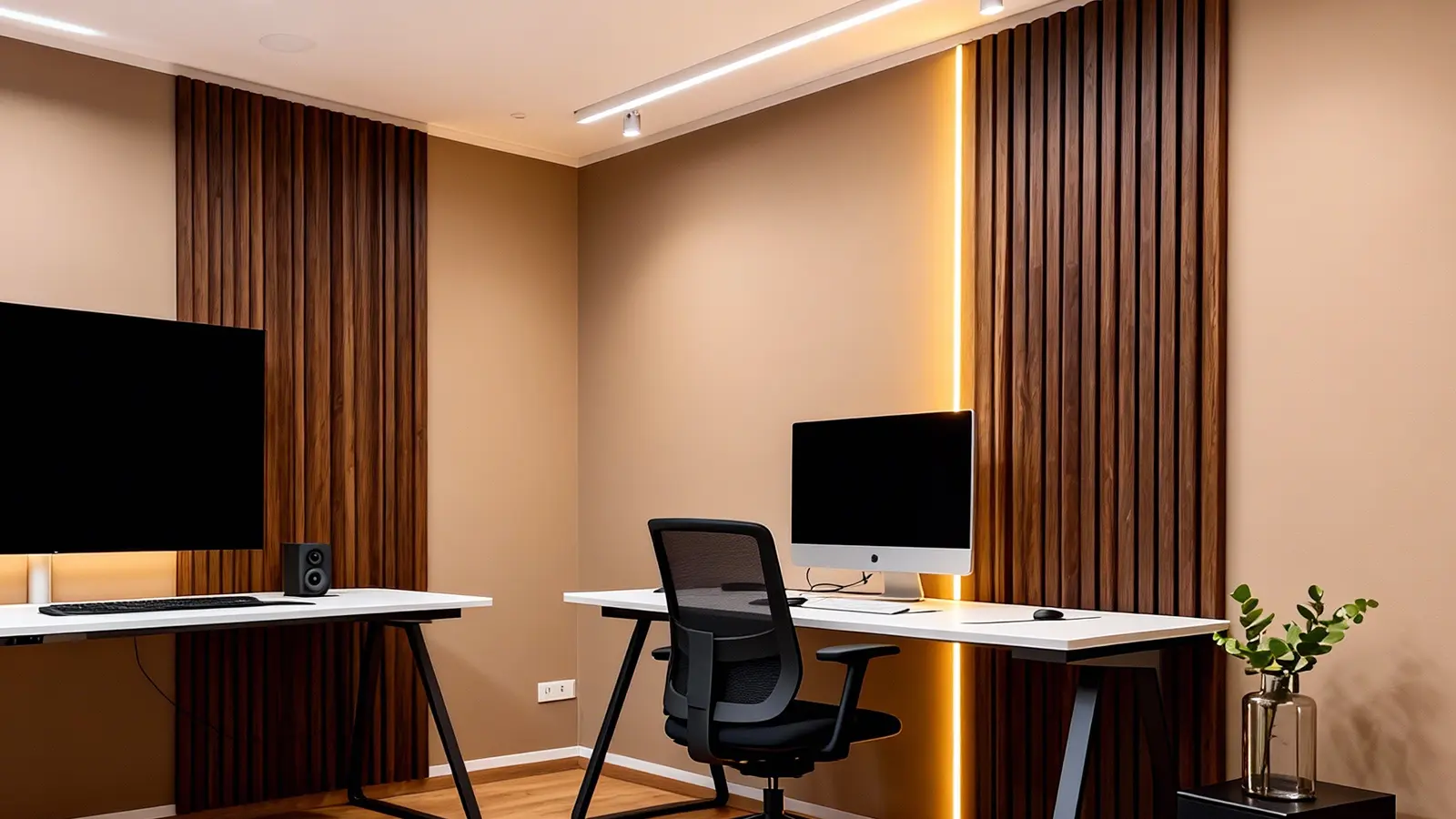
- Combine slatted panels with 3D textures in a feature wall.
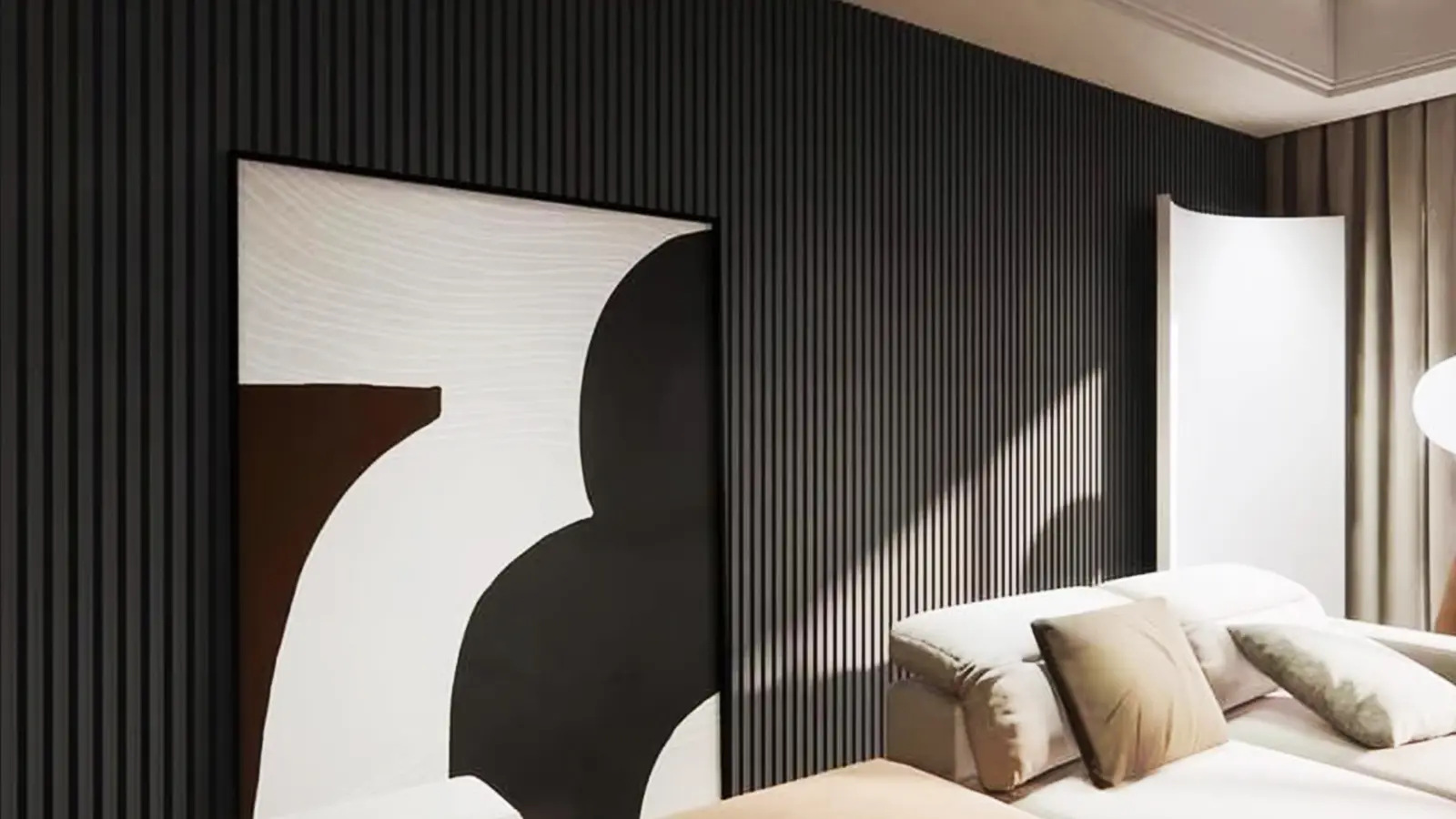
- Use Acoustic Panels in entertainment zones for performance and beauty.
- Pair waterproof panels in kitchens with decorative ones in dining areas.
By blending textures and functions, you can create spaces that feel cohesive yet visually dynamic.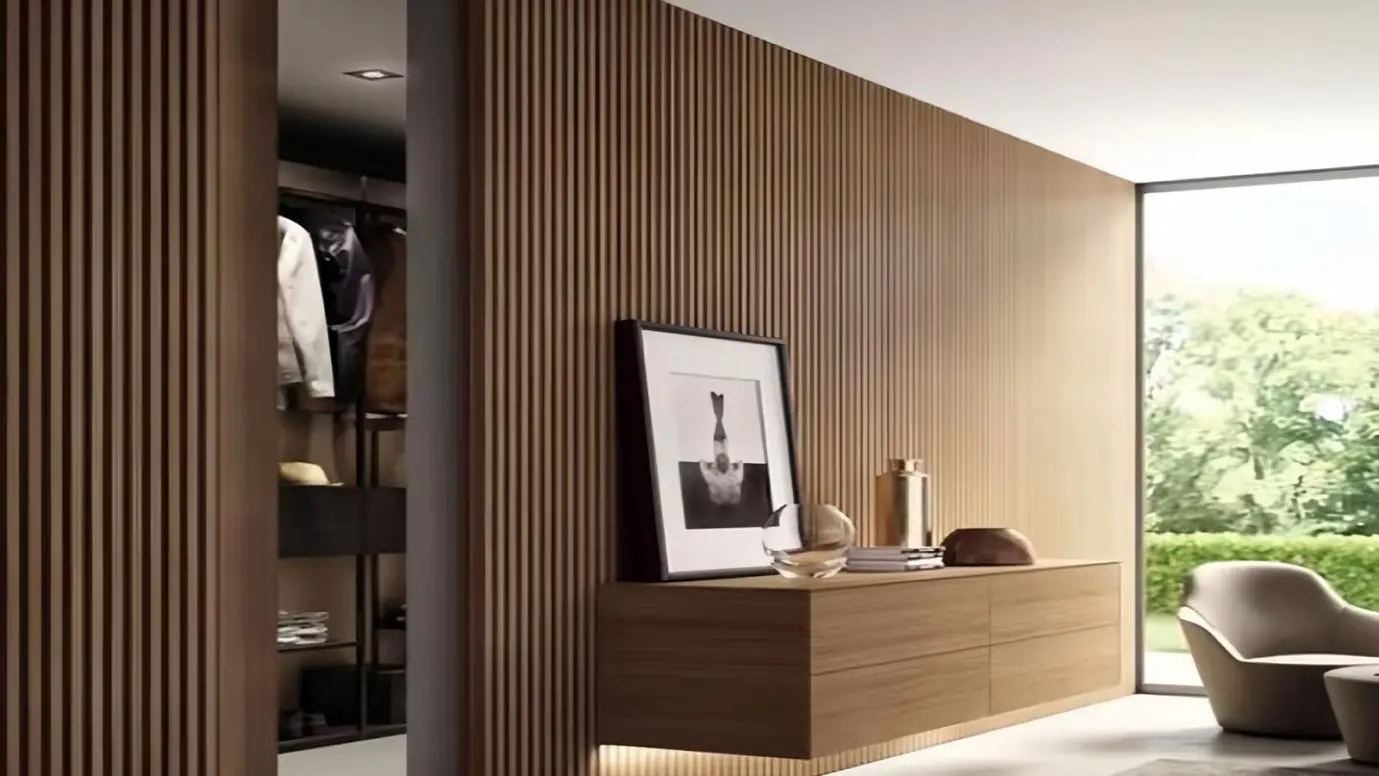
Final Thoughts
WPC wall panels are more than a design trend — they represent a revolution in sustainable architecture. With their combination of durability, flexibility, and eco-conscious composition, they’re changing how walls look and perform.
From solid strength to 3D creativity, from waterproof protection to acoustic comfort, each type of WPC Wall Panel offers a specific benefit. By selecting the right variant for your space, you can transform ordinary walls into enduring works of art — walls that look like wood, last like steel, and support a greener planet.
