2026 Top Trends in Slat Wood Acoustic Panels for Modern Interiors?
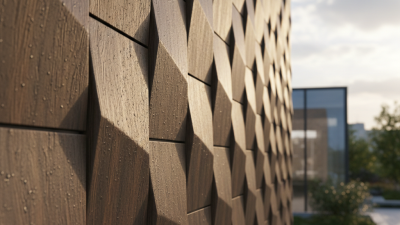
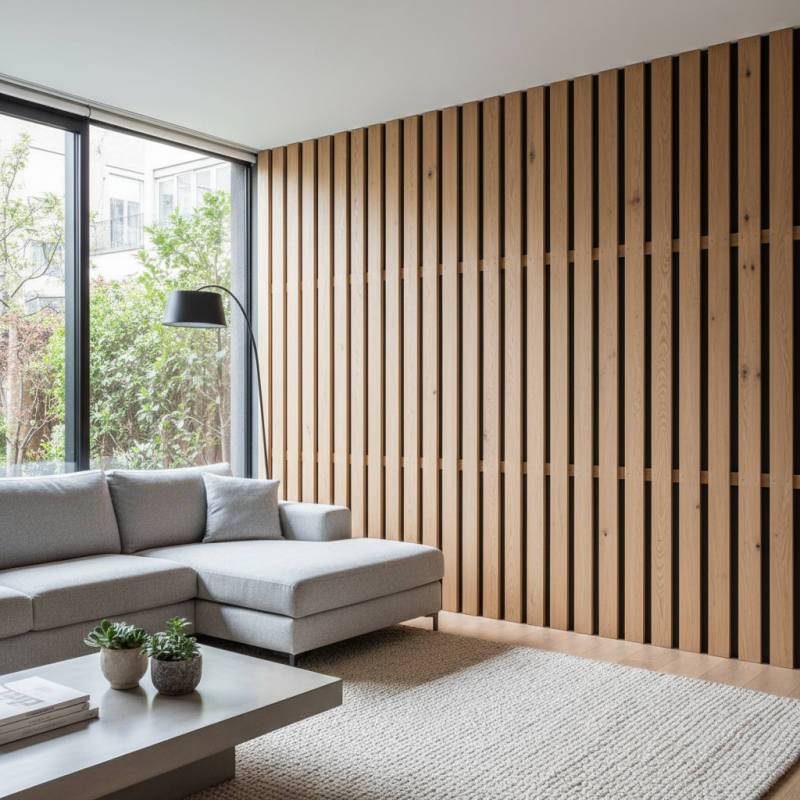
The trend of using Slat Wood Acoustic Panels is reshaping modern interior design. These panels combine aesthetics with functionality, providing both sound absorption and visual appeal. Designers are increasingly drawn to the organic textures and warm tones of slat wood, which enhance various spaces, from homes to offices.
However, there are challenges to consider. Installation can be complex, and the cost may be prohibitive for some projects. Additionally, the sustainability of the wood used is an ongoing concern. As consumers become more environmentally conscious, sourcing eco-friendly materials becomes crucial.
The integration of technology, such as AI-driven design tools, could alter how we interact with these panels. Smart navigation in large expos enables buyers to find suppliers of Slat Wood Acoustic Panels efficiently. As the market evolves, there is room for improvement in both product innovation and sustainable practices.
Emerging Technologies in Slat Wood Acoustic Panel Production for 2026
Emerging technologies in slat wood acoustic panel production are revolutionizing modern interiors. In 2026, innovations focus on sustainability and enhanced sound absorption. New manufacturing techniques allow for lighter panels that maintain durability and aesthetic appeal. These advances reduce waste and energy consumption, appealing to eco-conscious designers.
Tips for choosing acoustic panels: Select materials with high NRC ratings for better sound control. Consider different wood types to achieve the desired aesthetic. Light-colored woods can brighten a space, while darker tones offer warmth.
Another development is digital fabrication. This method enables customized designs with intricate patterns. It encourages creativity and personal expression in interior design. However, designers might face challenges in balancing innovation with functionality. Sometimes, complex patterns can hinder performance in noise reduction.
When installing acoustic panels, ensure proper placement. Position them strategically on walls and ceilings to optimize sound absorption. Overlooking this can lead to uneven acoustics. Pay attention to your space's specific acoustic needs for the best outcomes.
2026 Trends in Slat Wood Acoustic Panels
Sustainability Trends Influencing Slat Wood Acoustic Panel Design
Sustainability is reshaping the design of slat wood acoustic panels. This trend emphasizes using recycled materials and eco-friendly finishes. Designers are now focusing on sourcing from responsibly managed forests. This makes a significant impact on reducing carbon footprints.
Many consumers seek panels that enhance aesthetics while being kind to the planet. Natural finishes, like oil or wax, become popular choices. These options minimize chemical exposure and promote healthier indoor air quality. However, there are challenges. Sourcing sustainable wood can be more expensive. Not all manufacturers prioritize environmental responsibility.
Incorporating slat wood panels into modern interiors offers a unique balance. They provide acoustic benefits while enhancing visuals. As sustainability becomes a priority, finding the right materials often requires compromise. It raises questions about cost versus environmental impact. Individuals might need to reflect on their choices.
The Role of Aesthetic Appeal in Modern Slat Wood Acoustic Panel Choices
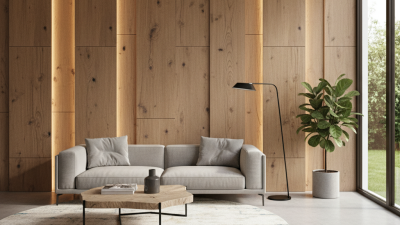
In modern interiors, aesthetic appeal plays a crucial role in choosing slat wood acoustic panels. These panels not only absorb sound but also enhance the visual charm of any space. Whether in a home office or a trendy café, the warmth of wood creates an inviting atmosphere.
When selecting slat wood panels, consider the wood grain. Rich patterns can add character to any room. Darker woods often invoke a sense of elegance, while lighter tones offer a modern feel. Experimenting with finishes can change the entire vibe of the panel. Matte finishes may look grounded, while glossy surfaces can provide a sleek look.
Tips for choosing the right panel: include evaluating the room's overall design. If the area feels busy, simpler designs might be best. Don’t overlook the color palette; it should complement surrounding elements. While slat wood panels are versatile, not all options are suitable for every space. Be mindful of proportions, as overly large panels can overwhelm smaller rooms. Reflect on the balance between functionality and style in your choices.
Performance Characteristics: Sound Absorption Ratings for Slat Wood Panels
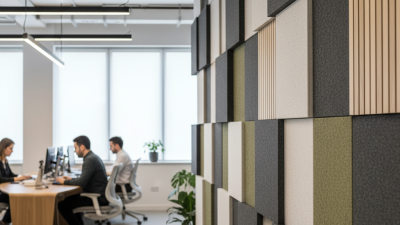
Acoustic performance is crucial in modern interiors. Slat wood panels provide effective sound absorption, enhancing comfort. Their unique structure allows for the management of sound waves. They can help reduce noise levels in busy spaces. This is a valuable quality in open-plan offices and busy restaurants.
The sound absorption ratings of slat wood panels vary. Factors such as material density and thickness play significant roles. These panels generally perform well in the mid to high-frequency ranges. However, they may be less effective for low-frequency sounds. This limitation can be a concern in proper acoustic design. Adjustments may be necessary to achieve the desired acoustic environment.
Visual appeal is another important aspect. Many designers appreciate the aesthetic of slat wood. The natural textures add warmth and sophistication. Yet, overusing slat wood can lead to a cluttered look. Striking a balance between aesthetics and functionality is essential. This requires careful consideration of placement and design. Thoughtful integration can create a harmonious space.
2026 Top Trends in Slat Wood Acoustic Panels for Modern Interiors
| Panel Type |
Material |
Thickness (cm) |
Sound Absorption Coefficient |
Fire Rating |
Sustainability Certification |
| Horizontal Slat Panel |
Reclaimed Wood |
2.5 |
0.85 (at 800 Hz) |
Class A |
FSC Certified |
| Vertical Slat Panel |
Bamboo |
3.0 |
0.75 (at 1000 Hz) |
Class B |
LEED Compliant |
| Acoustic Tiled Panel |
Pine |
2.0 |
0.92 (at 500 Hz) |
Class A |
SCS Certified |
| Custom Design Panel |
Birch Plywood |
4.0 |
0.80 (at 2000 Hz) |
Class C |
PEFC Certified |
Market Growth Predictions for Slat Wood Acoustic Panels in Interior Design Industry
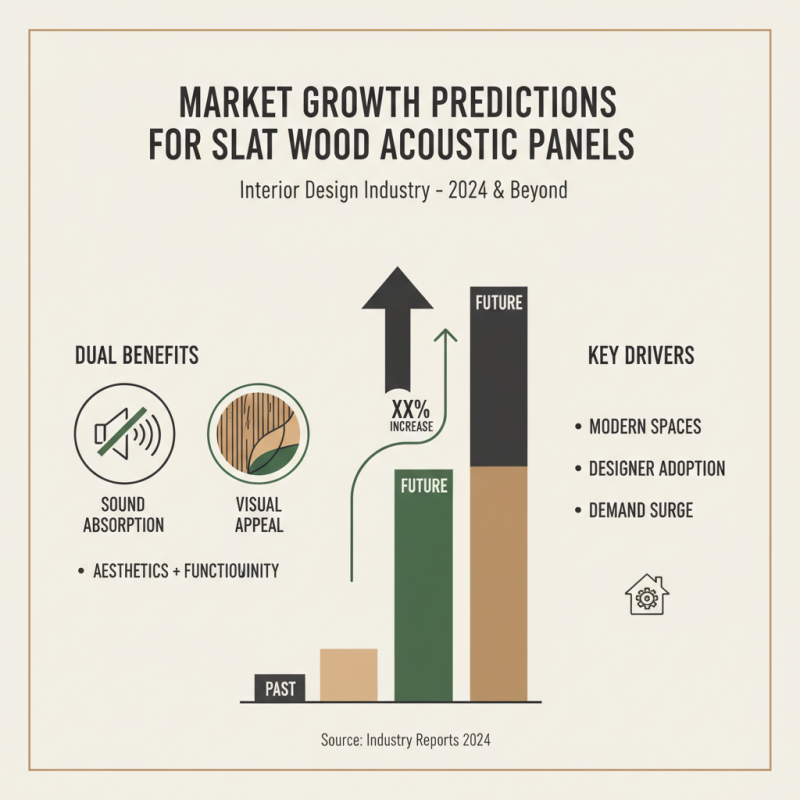
The interior design industry is witnessing a notable surge in the demand for slat wood acoustic panels. Many designers now recognize the dual benefits these panels offer. They ensure excellent sound absorption while enhancing visual appeal. As modern spaces evolve, the need for both aesthetics and functionality has become crucial.
Predictions for market growth are optimistic. Experts suggest a significant increase in the use of slat wood acoustic panels by 2026. Factors driving this growth include the rising awareness of acoustic comfort and environmental sustainability. These panels can be made from reclaimed wood, appealing to eco-conscious consumers. However, some challenges remain. Not all spaces can accommodate such installations seamlessly.
The application of slat wood in residential and commercial settings is diverse. Restaurants, offices, and even homes are integrating these panels for style and sound quality. Yet, proper installation matters. Misalignment can lead to ineffective soundproofing. Aesthetic choices must not overshadow the technical aspects. Designers must balance beauty and functionality while considering practical limitations.