Top 10 PVC Sheet Options for Global Buyers Today?
In the evolving landscape of manufacturing and design, PVC sheets have gained significant attention. These versatile materials are used across sectors like construction, signage, and furniture production. Buyers worldwide seek quality, durability, and affordability in their PVC sheet options.
However, the market is saturated with choices. Many options claim superiority, yet not all live up to expectations. As buyers navigate this landscape, understanding the features of various PVC sheets is crucial. It helps in making informed decisions that align with specific project needs.
In this article, we explore the top 10 PVC sheet options for global buyers today. Each choice reflects a balance of quality and price. These recommendations stem from industry expertise and market analysis. With careful consideration, buyers can find the perfect PVC sheet that suits their requirements.
What is PVC Sheet and Its Uses in Various Industries?
PVC sheets are versatile materials commonly used across numerous industries. They are made from polyvinyl chloride, a durable plastic substance. This durability makes PVC sheets ideal for applications ranging from construction to packaging. According to industry data, the global demand for PVC materials is projected to reach 50 million tons by 2025. This growth is driven by the rising construction activities, particularly in developing nations.
In the construction sector, PVC sheets serve as waterproof membranes and wall coverings. Their resistance to moisture and corrosive substances enhances their effectiveness in various environments. For instance, a report by Research and Markets highlights that the construction application segment is expected to grow significantly, driven by increased investments in infrastructure.
Additionally, PVC sheets find use in the signage industry. They are lightweight yet robust, making them ideal for indoor and outdoor signage solutions. However, it’s important to consider the environmental impact of PVC production and disposal. The industry is gradually adopting more sustainable practices, but challenges still exist. Balancing durability with environmental responsibility is an ongoing reflection in the field.
Key Factors to Consider When Choosing PVC Sheets for Projects
When selecting PVC sheets, various factors come into play. The thickness of the sheet is crucial. Common options range from 1 mm to 19 mm. Thicker sheets tend to offer better durability and impact resistance. However, they also add weight and can be more challenging to handle.
Understanding the quality and grade of PVC is vital. Commercial-grade sheets are suitable for general applications, while high-performance grades excel in specialized environments. Reports show that about 70% of PVC buyers prioritize chemical resistance for industrial uses. This feature directly affects longevity in harsh conditions. Testing the sheets for fire resistance, UV stability, and temperature tolerance is equally essential.
Cost can be another deciding factor. Industry data highlights a significant price range—estimates suggest that sheets can cost anywhere between $1.50 to $5 per square foot, depending on the specifications. Buyers often underestimate the correlation between price and performance, leading to potential regret in project outcomes. While budget constraints are common, investing in high-quality sheets can yield better returns in the long run.
Top Manufacturers of PVC Sheets: A Global Overview
In the global market, PVC sheets are highly sought after for diverse applications. Their adaptability makes them ideal for construction, signage, and packaging. Many manufacturers produce these sheets, each offering unique qualities and specifications. While some focus on durability, others emphasize ease of use or environmental considerations. Understanding these differences is crucial for buyers.
Not all manufacturers follow stringent quality control processes. Some might use lower-grade materials, impacting performance. Buyers should look for transparency in sourcing and production levels. Reliable manufacturers often provide detailed specifications, certifications, and test results. This type of information builds trust and helps buyers make informed choices.
Decision-making in this field requires careful evaluation of various factors. It's essential to assess the specific requirements of your project. Consider the weight, flexibility, and color options of PVC sheets. A minor oversight can lead to significant issues down the line. Look for feedback from industry peers to gain insights into trusted suppliers. Evaluating these elements can help ensure a successful purchase and execution.
Comparative Analysis of PVC Sheet Types and Their Applications
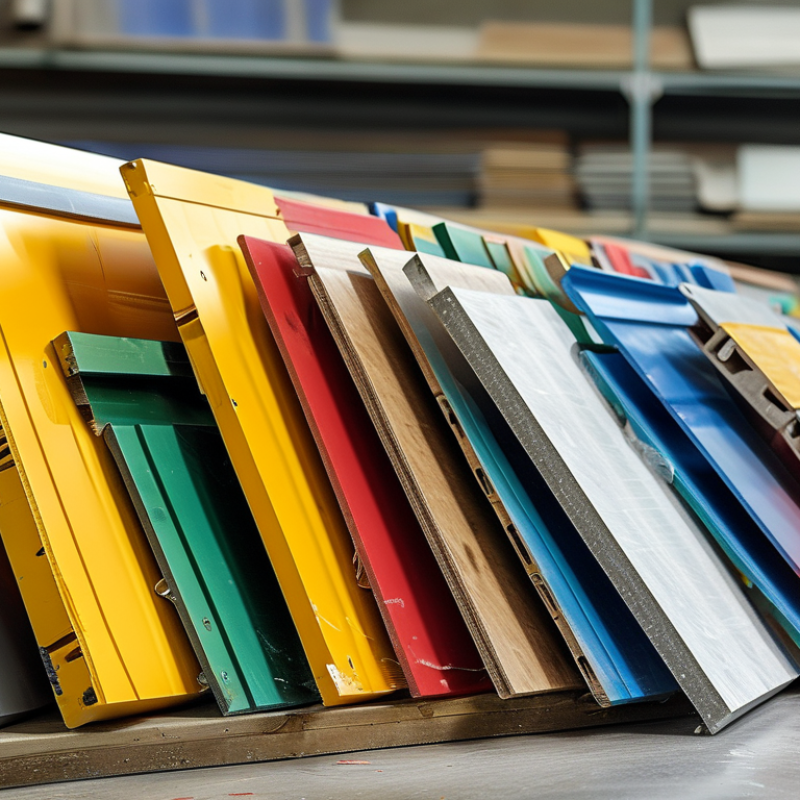
When exploring PVC sheet options, understanding their applications is crucial. PVC sheets come in various types, each tailored for specific needs. Rigid PVC sheets are widely used in signage and display applications. They are durable and weather-resistant, making them ideal for outdoor uses. Flexible PVC sheets, on the other hand, find their place in packaging and lining tasks due to their adaptability.
The key to selecting the right PVC sheet lies in knowing its properties. For instance, some sheets offer superior chemical resistance, suitable for industrial environments. Others are designed for aesthetic purposes, available in vibrant colors and finishes. Yet, not all PVC sheets perform equally well under extreme conditions. Testing for thickness and durability is often overlooked, leading to potential issues down the line. Buyers must prioritize quality over cost to avoid pitfalls. The spectrum of PVC sheets reflects a balance between functionality and design, catering to diverse markets. Each type has its strengths and weaknesses. Exploring these options can lead to better decision-making.
Environmental Impact and Sustainability of PVC Sheet Production
The environmental impact of PVC sheet production is a critical issue. PVC, or polyvinyl chloride, has been widely used due to its durability and versatility. However, its production raises concerns regarding sustainability. The process can emit toxic pollutants, affecting air and water quality. Understanding this process is essential for responsible sourcing.
Many manufacturers are now exploring alternative methods to reduce their carbon footprint. Innovations in manufacturing technology aim to minimize energy consumption. Additionally, some producers are recycling leftover materials, creating a more circular economy. These efforts highlight a growing awareness within the industry.
Yet, there is a need for continuous improvement and transparency.
Consumers are becoming more sensitive to these environmental concerns. They increasingly demand products that are safer and more sustainable. This shift challenges the industry to rethink traditional practices. A commitment to sustainable practices can lead to better outcomes for both the environment and the marketplace. The road to responsible PVC production is complex and requires ongoing reflection and adaptation.