Slat Wood Acoustic Panel Tips for Better Sound Quality?
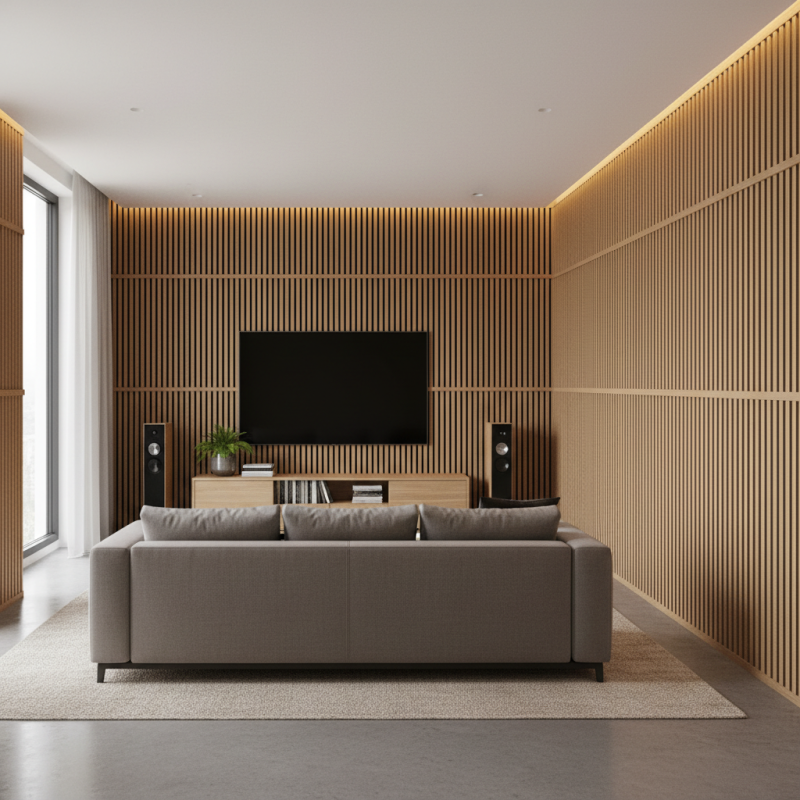
Improving sound quality in spaces is essential for various environments. A popular choice among designers and acoustics experts is the Slat Wood Acoustic Panel. These panels are not only functional but also stylish. They provide a natural aesthetic while enhancing sound clarity.
When properly installed, the Slat Wood Acoustic Panel can significantly reduce echoes and reverberation. However, many overlook the importance of placement. Positioning is key to achieving optimal sound absorption. Experimenting with different locations may yield better results.
Additionally, the choice of materials matters. Quality wood can affect the acoustic outcome. Sometimes, people jump into installation without considering finish or design, which can lead to unsatisfactory results. Reflecting on these elements can lead to enhanced sound experiences in any space.
Slat Wood Acoustic Panel: Understanding Sound Wave Dynamics
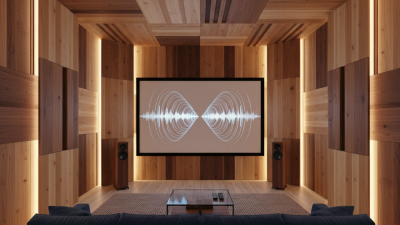
Sound waves behave uniquely in different environments. When sound waves hit surfaces, they can either be absorbed, reflected, or diffused. Slat wood acoustic panels are designed to enhance sound quality by optimizing these interactions. The slatted design allows them to break up sound waves, reducing echoes. The material choice is crucial; wood can absorb certain frequencies better than others.
However, not all spaces benefit equally from these panels. In smaller rooms, for instance, the reflective surfaces may overpower the absorption properties. You might notice an imbalance, which can be frustrating. A well-placed panel could enhance clarity, yet poor positioning can create dead spots in sound. It’s essential to analyze the room dimensions, furniture placement, and overall sound behavior before installation.
Consider testing your setup. Move a panel around the space and listen carefully. Subtle changes can significantly impact how sound travels. Reflect on how various frequencies resonate within your environment. Inadequate attention to these details can result in a less-than-ideal listening experience. Balancing aesthetics with functionality requires ongoing adjustments. Sound quality is often a journey, one that demands patience and experimentation.
The Role of Material Density in Acoustic Panel Performance
When evaluating acoustic panels, material density plays a crucial role in sound performance. Studies indicate that denser materials often absorb sound waves more effectively. For instance, panels made from high-density wood can reduce sound transmission by up to 50%, compared to lower-density materials. This absorption helps minimize echo and improve sound clarity in any space.
However, not all denser materials are perfect. They may be heavier and harder to install. Some studies suggest that while denser panels provide better sound quality, they can also lead to a dull acoustic environment if overused. It’s essential to find the right balance. A mixture of densities can create a more vibrant sound profile.
The industry report highlights that optimal performance is not only about density but also panel thickness and surface texture. Thicker panels generally perform better, but they can also be costlier. Users often face challenges when trying to strike this balance. Sound optimization can be complex and might require professional guidance to avoid common pitfalls.
Optimal Slat Width and Spacing for Enhanced Sound Absorption
When designing slat wood acoustic panels, the width and spacing of the slats play a crucial role in sound absorption. A common recommendation for slat width is between 2 to 4 inches. This width helps capture high frequencies effectively. Wider slats may not perform as well in terms of clarity. It's important to test different sizes within this range to find the best fit for your space.
Spacing between slats also greatly impacts acoustic performance. A gap of 1 to 3 inches is typically ideal. This allows sound waves to bounce between slats and enhances absorption. However, too much space might lead to diminished effectiveness. It's a delicate balance that requires careful consideration. Measure your room's acoustics and adjust accordingly. Experimentation is key to achieving optimal results.
Keep in mind that aesthetics matter too. The visual appeal can influence your choices, leading to compromises. Sometimes, focusing solely on sound can overlook design integration. It's essential to reflect on how these panels fit into your overall space while maintaining sound quality.
Comparative Analysis of Slat Wood Panels vs. Traditional Panels
When comparing
slat wood acoustic panels
to traditional panels, the differences in sound quality become apparent. Slat wood panels often feature a unique design that allows sound waves to pass through different layers. This can improve sound absorption and provide a warmer tone. In contrast, traditional panels may not offer the same level of sophistication in sound treatment. However, the aesthetic appeal of slat wood is subjective, and not everyone may prefer its look.
Installation can also vary between the two options.
Slat wood panels usually require more precise mounting. This can be challenging for DIY enthusiasts. Traditional panels tend to be simpler to install, which can encourage some users to overlook potential acoustic benefits.
The effectiveness of slat wood designs can depend on the specific space. Acoustics are intricate, and sometimes the results may not meet expectations. Users should consider their environment carefully before choosing a solution.
Sound quality is influenced by many factors.
Slat wood panels excel in some situations, while traditional options might still work better in others. It's essential to evaluate room dimensions and furnishings. Understanding the unique characteristics of each panel type is crucial. After installation, you may find yourself rethinking your choice. Experimentation can yield surprising results, often leading to unexpected discoveries in sound clarity.