2026 How to Choose the Best Acoustic Wall Panels for Your Space?
Acoustic Wall Panels are crucial in modern design. They enhance sound quality in various environments, from offices to concert halls. According to a report by the Acoustical Society of America, poor acoustics can reduce productivity by 15%. Choosing the right panels is vital for achieving optimal results.
When selecting Acoustic Wall Panels, consider the material and thickness. Studies show that thicker panels absorb more sound. However, aesthetics matter too. Balancing style and functionality can be challenging. Many designs on the market lack the versatility needed for unique spaces. Look for options that blend seamlessly with your interior.
Reflecting on industry data, around 70% of professionals prioritize sound management in their projects. Yet, countless projects overlook the importance of panel placement. Proper installation is as critical as the panels themselves. When contemplating your choices, question if you are maximizing sound absorption effectively.
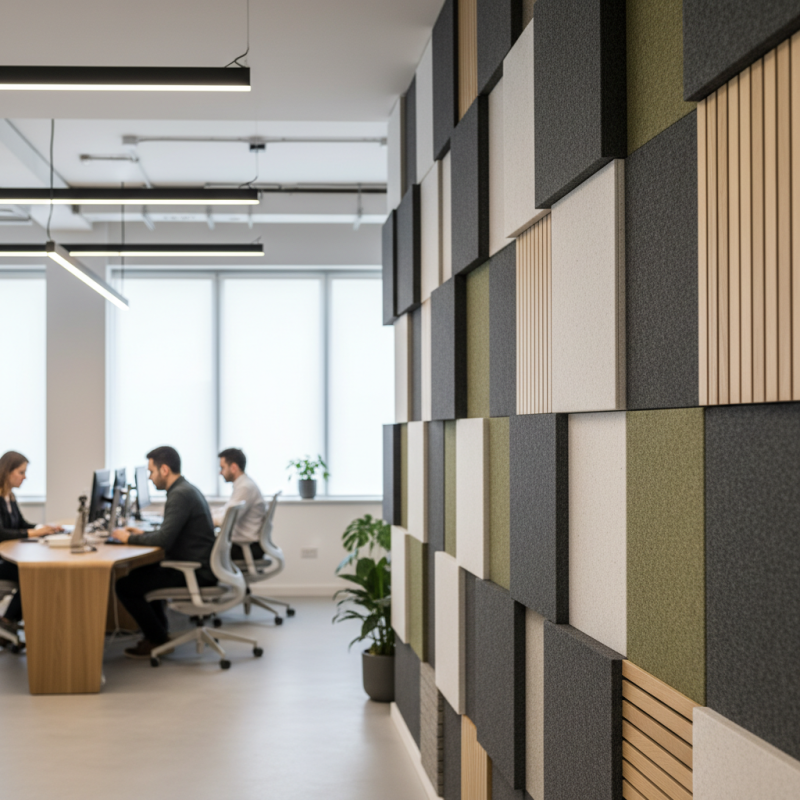
Understanding Acoustic Wall Panels: Key Features and Benefits
Acoustic wall panels are essential for managing sound in any space. They reduce noise and improve overall sound quality. These panels come in various materials, styles, and thicknesses. Choosing the right one depends on your specific needs and the characteristics of your room.
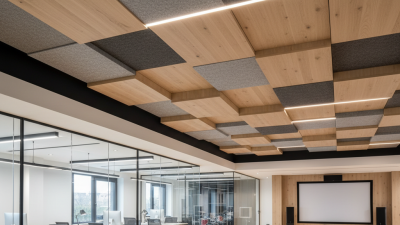
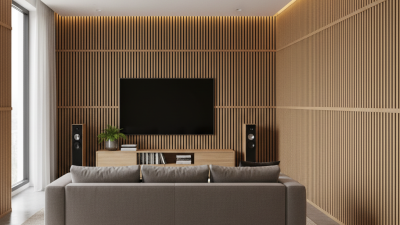
When selecting acoustic panels, consider the material. Foam panels are lightweight and effective for absorbing sound. Wooden panels offer a stylish touch while still providing sound absorption. Fabric-wrapped panels bring in colors and textures, enhancing aesthetics. Each material has unique properties, affecting sound absorption rates.
**Tip**: Test samples in your space before making a decision. Real-world testing helps you understand how they interact with your walls and furniture.
Another key feature is thickness. Thicker panels tend to absorb lower frequencies better. If your space has high ceilings, consider larger panels. They promise a more balanced sound. Do not underestimate the effect of placement. Improper installation can lead to uneven sound distribution.
**Tip**: Place panels at first reflection points to ensure optimal sound control. Experimentation is crucial here. You might find surprising results by adjusting panel positions.
Understanding Acoustic Wall Panels: Key Features and Benefits
Analyzing Different Materials for Acoustic Wall Panels: Pros and Cons
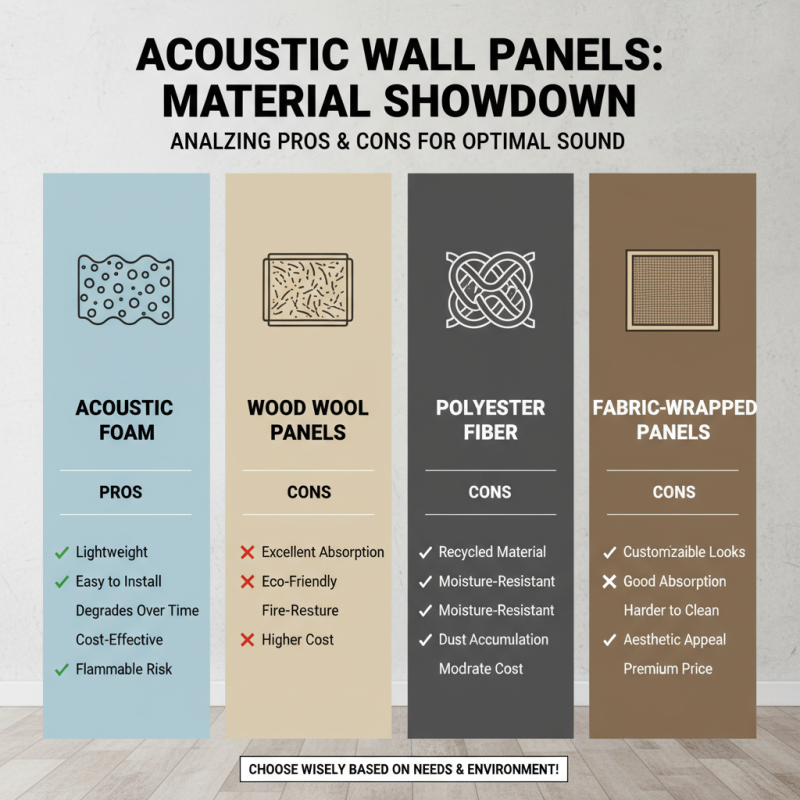
When choosing acoustic wall panels, material selection is crucial. Different materials have unique properties that affect sound absorption. For instance, foam panels are lightweight and easy to install, but they may not be as durable as other options. They can deteriorate over time, especially in high-traffic areas.
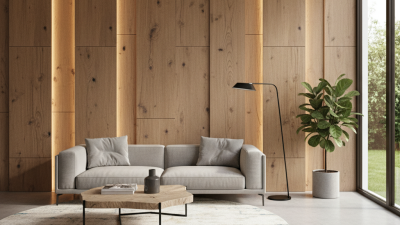
Fabric-wrapped panels offer a more aesthetically pleasing solution. They come in various colors and textures, allowing customization. However, they can be more expensive. Cleaning can also be a challenge since fabrics can attract dust and stains. Wood panels provide natural beauty and warmth. They can create a cozy atmosphere. Yet, they may not absorb sound as effectively as softer materials.
Consider your specific needs before making a choice. Think about how much soundproofing you truly require. Reflect on the space’s design and function. You might find that some materials suit your budget and style better than others. It’s valuable to weigh pros and cons carefully to avoid any regrets later on.
Measuring the Room: How Size and Shape Influence Panel Selection
When selecting acoustic wall panels, room size and shape play a crucial role. A small, square room may need different treatments compared to a long, narrow space. Jointly measuring these dimensions helps identify the right panel sizes. Large panels can dominate and overwhelm a small room. Conversely, smaller panels can give balance to larger spaces.
Consider how sound travels in the room. High ceilings may require taller panels to absorb sound effectively. Each corner may need extra panels to combat echoes. Assess the layout too. An L-shaped room may have tricky spots, like where walls meet. These areas often need focused attention for the best acoustics.
Think about your design style. Do you want to stand out or blend in? A room’s function matters too. A conference room may need different acoustic solutions than a music studio. Reflect on your choices; the wrong panel can disrupt the entire atmosphere. Planning isn’t just about aesthetics; it’s about practicality.
Acoustic Performance Ratings: Understanding NRC and STC Values
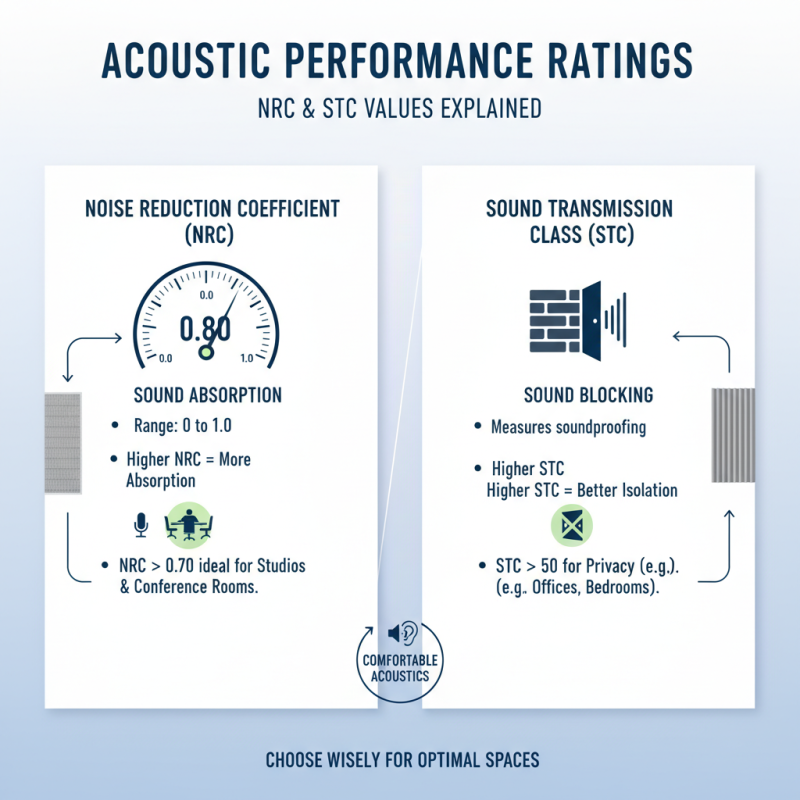
Choosing the right acoustic wall panels involves understanding key performance metrics like NRC and STC ratings. NRC, or Noise Reduction Coefficient, measures how much sound a material can absorb. Ranging from 0 to 1, a higher NRC indicates better sound absorption. For instance, panels with an NRC of 0.80 absorb 80% of sound energy. Research from industry reports highlights that environments with an NRC above 0.70 are optimal for spaces like studios and conference rooms.
On the other hand, STC, or Sound Transmission Class, assesses how well a material blocks sound. This metric is crucial for spaces seeking privacy, such as offices or facilities. STC ratings above 50 are typically needed for effective sound isolation. However, this metric can sometimes be misleading as it doesn’t consider sound absorption capabilities.
**Tip:** Gauge your space's sound requirements. If you often host meetings, focus on high NRC ratings.
Consider also the aesthetics. Acoustic panels should blend with your decor. Search for materials that suit your style while ensuring they meet your acoustic needs. Balancing functionality with design can be tricky but is essential.
**Tip:** Don’t overlook the installation method. Proper installation affects both NRC and STC. A poorly mounted panel can compromise sound performance.
Installation Considerations: Tips for Maximizing Acoustic Efficiency
When installing acoustic wall panels, placement matters greatly. The right positioning can enhance sound absorption. Start by identifying the areas with the most noise. These spots usually include walls close to windows or noisy equipment.
Tip: Use a sound meter to determine which areas need the most attention. This tool helps measure sound levels. It can guide your placement for maximum effectiveness.
Another consideration is the height of the panels. Hanging them too high might reduce their efficiency. A common mistake is assuming that more panels mean better results. In some cases, less is more. You want balance, not overkill.
Tip: Consider complementary materials in your space. Mixing different textures can improve overall acoustics. Experiment with placements before finalizing. This trial and error can lead to better outcomes.
2026 How to Choose the Best Acoustic Wall Panels for Your Space? - Installation Considerations: Tips for Maximizing Acoustic Efficiency
| Dimension |
Value |
Notes |
| Panel Thickness |
1-4 inches |
Thicker panels generally absorb more sound. |
| Material Type |
Fabric, Foam, Wood |
Different materials offer varied acoustic properties. |
| Coverage Area |
40-60% of wall space |
Optimal coverage for effective sound absorption. |
| Installation Method |
Adhesive, Mounting Hardware |
Choose based on wall type and panel weight. |
| Fire Rating |
Class A, Class B |
Ensure compliance with local regulations. |
| Aesthetic Options |
Colors, Patterns |
Choose to complement the room's decor. |