2026 How to Choose WPC Wood Wall Panels for Your Project?
Choosing the right WPC wood wall panel can significantly impact your project's success. WPC, or Wood-Plastic Composite, offers distinct advantages in durability and aesthetics. As the popularity of these panels grows, understanding how to select the best option becomes crucial.
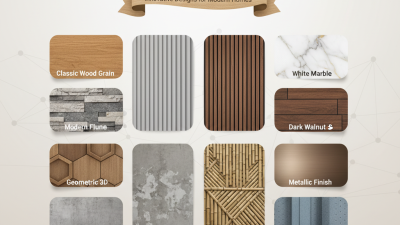
When evaluating WPC wood wall panels, consider their texture, color, and finish. Each element adds character to a space. The decision must reflect your design vision while ensuring functionality. Some may overlook the importance of environmental considerations. Sustainability is vital in today's construction practices.
There are various types of WPC wood wall panels available. Not every panel suits every project. Researching manufacturers and gathering samples helps to make informed choices. Be wary of brands with limited information or reviews. Trust in a panel's quality hinges on credible sources and verified performance. Remember, the selection process is not just about aesthetics; it's about reliable long-term performance and satisfaction.
Factors to Consider When Selecting WPC Wood Wall Panels
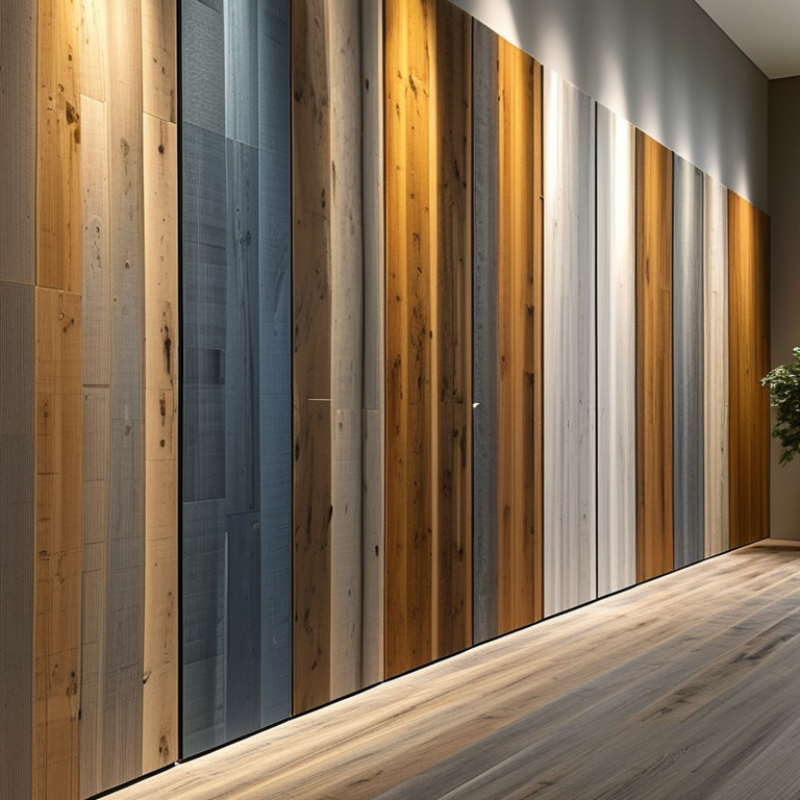
When selecting WPC wood wall panels for your project, consider several essential factors. The material's durability should be at the forefront. WPC panels often resist moisture, reducing the risk of mold and rot. This makes them ideal for various environments, including both indoors and outdoors. Check panel specifications for weather resistance ratings.
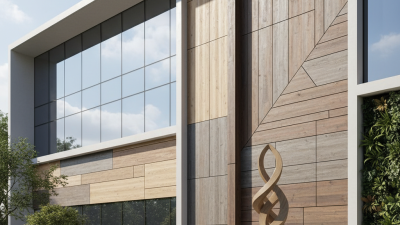
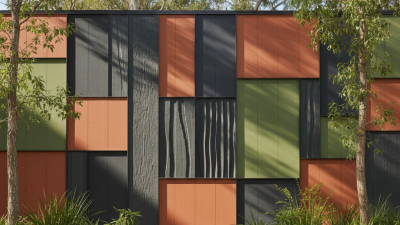
Another vital aspect is aesthetics. WPC panels offer a range of colors and textures, mimicking natural wood. Choose a style that complements your overall design. Mixing textures can add depth to your project. However, be cautious. Over-clashing styles may confuse the look.
Tips: Always request samples before purchasing. This allows you to see how the panel looks in your space. Additionally, consider the panel thickness. Thicker panels typically provide better insulation and soundproofing. Yet, they can be heavier, needing a more robust installation approach.
Lastly, evaluate installation methods. Some panels are DIY-friendly, while others may require professional help. Misjudging this can lead to installation delays. Remember, knowledge is key. Spend time researching and consulting experts when needed. This can save you from costly mistakes.
Types of WPC Wood Wall Panels Suitable for Different Applications
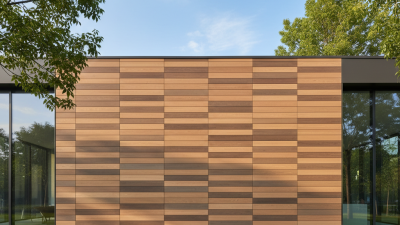
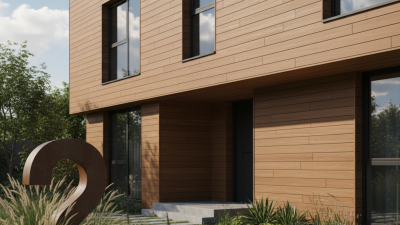
When choosing WPC wood wall panels, consider their various types for specific applications. Different environments call for distinct features. For example, exterior panels must withstand weather changes. This means they should be resistant to mold and UV damage. Indoor options, however, can prioritize aesthetics while still offering durability. Such panels may mimic natural wood designs beautifully.
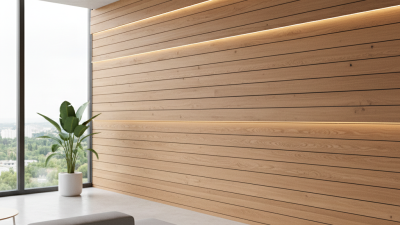
WPC panels come in several forms, including tongue and groove, overlapped, and even decorative patterns. Tongue and groove panels provide seamless installation, perfect for quick setup. Overlapped styles can add layers, enhancing insulation. Decorative patterns offer a unique look for interior spaces. Selecting the right type is crucial; it impacts both functionality and appearance.
Each project welcomes unique challenges. It's essential to evaluate the intended use. If the wall will face moisture, like bathrooms, waterproof options are vital. For living rooms, aesthetic appeal may take precedence. Balancing these aspects requires careful planning. The wrong choice may lead to future issues, like warping or peeling. Choose wisely.
Understanding the Aesthetic and Functional Benefits of WPC Panels
When selecting WPC wood wall panels, understanding their aesthetic and functional benefits is essential. WPC stands for wood-plastic composite, which combines wood fibers with thermoplastic materials. This blend provides unique advantages for both design and utility. According to a recent industry report by Research and Markets, the demand for WPC panels is projected to grow at a rate of over 10% annually, reflecting their rising popularity in modern architecture.
Aesthetic appeal is a key strength of WPC panels. They come in various colors and textures, mimicking natural wood while offering enhanced durability. A study by the American Society for Testing and Materials indicated that WPC materials resist fading and wear better than traditional wood. This means fewer maintenance efforts and a longer lifespan for the installations. However, some users report a preference for natural wood's authentic grain patterns over WPC's sometimes uniform appearance. It's important to weigh these considerations in your project.
Functionality is another critical aspect. WPC panels offer water resistance, making them great for humid environments. They are also lightweight, which simplifies installation and reduces structural loads. Yet, users must be cautious about the quality of WPC they choose; not all products are equal. A poorly made WPC panel may warp or discolor over time, affecting its performance and aesthetic. Thus, research and careful selection are necessary to ensure desired outcomes.
Comparing Cost and Durability of WPC Panels to Traditional Materials
WPC (Wood Plastic Composite) panels are gaining popularity in construction and design. When compared to traditional materials, WPC panels offer several advantages, particularly in terms of
cost and durability. According to industry reports, WPC panels can be up to 30% more cost-effective than solid wood alternatives, especially when considering long-term maintenance expenses.
Durability is a significant factor. WPC panels resist rot, insects, and moisture. They outperform traditional wood in areas exposed to harsh weather. A study by the Forest Products Laboratory indicates that WPC panels have a lifespan of
over 25 years, while untreated wood may last just
10-15 years in similar conditions. The long-term savings from reduced replacement costs alone support the switch to WPC materials.
Tips: Always compare the installation costs too. Sometimes, lower material costs can lead to higher labor expenses. Check the environmental credentials of WPC panels. Some products may contain
less recycled content than others, impacting their sustainability profile. Look for certifications that show wood sourcing and manufacturing practices are responsible.
Despite the advantages, some users report issues with UV stability and fading over time. Regular maintenance can mitigate these problems. It’s essential to weigh the pros and cons to ensure you make the best choice for your project.
Installation Process and Maintenance Tips for WPC Wall Panels
When considering WPC wood wall panels, understanding the installation process is crucial. WPC, or wood-plastic composite, combines the durability of wood with the resilience of plastic. According to industry reports, properly installed WPC panels can last over 25 years, making them a viable long-term investment.
Before installation, ensure the wall surface is clean and dry. Align the panels precisely to avoid gaps. Use the appropriate fasteners to secure them tightly. It’s noteworthy that incorrect installation can lead to moisture retention, affecting longevity. Some experts recommend using a moisture barrier when installing in humid environments.
Maintenance plays a significant role in the lifespan of WPC panels. Regular cleaning with mild soap and water can prevent mold and mildew buildup. An annual inspection for warping or discoloration can help catch issues early. Many professionals suggest using a protective sealant every few years. Ultimately, while WPC panels offer advantages, attention to installation and maintenance is key.
2026 How to Choose WPC Wood Wall Panels for Your Project?
| Specification |
Details |
Installation Process |
Maintenance Tips |
| Material |
Wood Plastic Composite (WPC) |
Ensure surface is clean and dry; cut panels to required size. |
Clean with mild soap and water; avoid harsh chemicals. |
| Thickness |
8mm - 20mm |
Use appropriate fasteners for the thickness of the panel. |
Check for discoloration regularly; apply UV protectant if necessary. |
| Color Options |
Natural wood finishes, solid colors |
Layout panels in desired pattern before installation. |
Dust and vacuum regularly to maintain appearance. |
| Fire Rating |
Class B or better |
Follow manufacturer's guidelines for spacing and gaps. |
Inspect joints and edges for wear periodically. |
| Water Resistance |
Highly resistant |
Seal edges with waterproof tape if needed. |
Avoid prolonged exposure to standing water. |