How to Choose the Right Acoustic Panel for Your Space?
Choosing the right acoustic panel for your space can be daunting. Sound quality significantly influences both comfort and productivity. According to Dr. Emily Harris, an expert in acoustics, "Selecting the right materials can transform any environment." This insight underscores the importance of making informed decisions.
Acoustic panels come in various shapes, sizes, and materials. Each choice can affect sound absorption differently. Consider your specific needs. For example, a home office requires different panel types than a music studio. Think about style too. The design should complement your existing decor. Balancing aesthetics and functionality is key.
Sometimes, we focus too much on price over quality. Not all inexpensive options provide the needed soundproofing. Research and testing are crucial. Take time to explore various options. Reflect on how sound travels in your space. The right acoustic panel can enhance your environment, but it takes effort to find the perfect fit.
Understanding the Importance of Acoustic Panels in Your Space
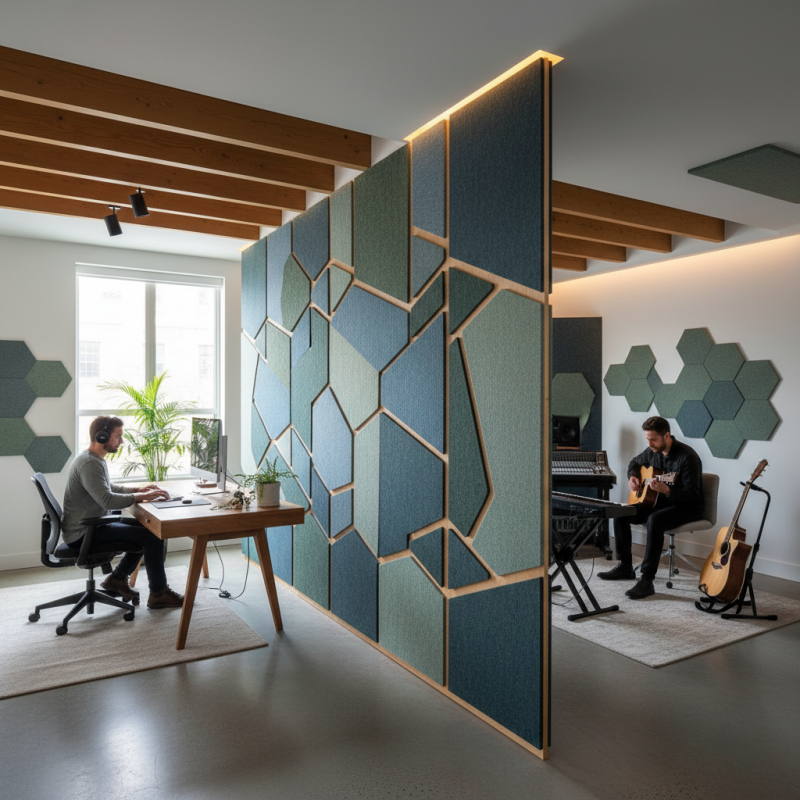
Acoustic panels play a vital role in enhancing sound quality in various environments. Noise pollution can impact productivity and well-being. Research from the Acoustical Society of America indicates that acoustic treatment can reduce noise levels by up to 50%. This improvement can create a more peaceful space, whether in offices, studios, or homes.
The installation of acoustic panels can significantly improve clarity in communication. In open office settings, excessive background noise can hinder conversations. A study published by the Journal of the Acoustical Society showed that an optimized acoustic environment boosts employee satisfaction by around 30%. Moreover, children in classrooms with proper acoustical treatment report better learning experiences, indicating its importance in educational spaces.
Selecting the right acoustic panels requires an understanding of your specific space needs. Consider factors like room size, shape, and intended use. Not all panels are equal; some excel in sound absorption, while others focus on sound diffusion. An informed choice can lead to profound acoustic improvements, but beware of overspending on advanced solutions that may not suit your environment. Reflecting on your requirements is essential for making the right decision.
Understanding the Sound Absorption Capabilities of Different Acoustic Panels
Identifying Your Room's Acoustic Challenges and Needs
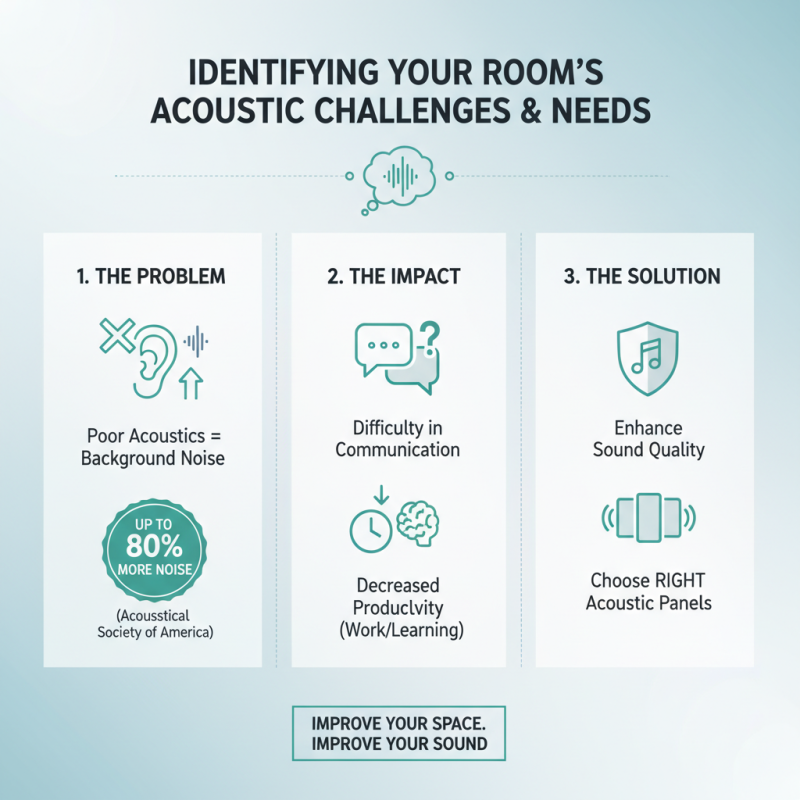
Identifying your room's acoustic challenges is crucial for choosing the right acoustic panel. Understanding these needs can significantly enhance sound quality. According to a report by the Acoustical Society of America, poor acoustics can increase background noise levels by up to 80%. This can lead to difficulty in communication and decreased productivity in workspaces or learning environments.
Begin by assessing your space. Pay attention to hard surfaces like walls and floors. These can create echo and noise reflections. If your room has a lot of glass or tile, it may require more sound absorption. For example, a conference room may struggle with echo, needing thicker panels. On the other hand, a home office might just need moderate sound dampening.
**Tips:** Choose thicker panels for high-frequency sound issues. Smaller rooms may benefit from bass traps in corners. Also, consider installing panels at first reflection points for effective sound treatment. Your room dimensions greatly influence the type of panels needed, so measure carefully. Listen to the space before and after treatment to assess improvements. This helps ensure that you have made the right choices.
Evaluating Different Types of Acoustic Panels Available
When evaluating different types of acoustic panels, it's crucial to understand their specific applications. There are several materials commonly used, including fiberglass, foam, and fabric-wrapped panels. Each type offers distinct sound absorption coefficients. For instance, fiberglass panels can achieve a noise reduction coefficient (NRC) of up to 0.95, while foam panels typically range between 0.3 and 0.7, depending on their density.
Consider the room's purpose. Music studios require panels that provide optimal sound clarity. In contrast, spaces like offices benefit from panels that reduce echo and improve speech intelligibility. According to a report by the Acoustical Society of America, effective sound management in office environments can lead to a productivity increase of up to 20%. This underlines the importance of choosing the right material and design.
Aesthetic qualities matter, too. Some panels are more visually appealing and can enhance the design of a space. Panels that integrate well with your interior can improve the overall ambiance. However, achieving the perfect balance between functionality and aesthetics can be challenging. Don’t overlook the installation process; poorly placed panels may not deliver the intended acoustic benefits. Thus, careful consideration is essential for optimal results.
Factors to Consider When Choosing Acoustic Panels
Choosing the right acoustic panel involves several important factors. The size of your space plays a critical role. A small room may require fewer panels than a larger one. Think about the layout, too. Is the space open or divided? Open spaces might need more coverage.
Material is another key consideration. Different materials absorb sound differently. Foam panels are common but may not always be the best choice. Wood panels offer aesthetic appeal but might be less effective at sound absorption. Test the materials if possible. Some may not perform as expected.
Finally, consider your specific needs. Are you trying to dampen noise for a studio or a home theater? The purpose will dictate the type of panel you need. Reflection, absorption, and diffusion are terms worth knowing. The right panel can greatly enhance sound quality, but the wrong choice can lead to disappointment. Take time to reflect on your options.
Installation and Maintenance Tips for Your Acoustic Panels
Choosing the right acoustic panel is only part of the process. Installation and maintenance are equally important. Proper installation maximizes sound absorption. Ensure panels are placed strategically, covering reflection points. This typically includes walls, ceilings, and corners. Use adhesive or mounting hardware recommended for your panel type. Follow the provided guidelines to avoid damaging your walls.
Maintenance is another critical aspect. Dust and dirt can accumulate on the panels. Regularly check them for stains or discoloration. Depending on the material, a gentle vacuum or damp cloth may suffice for cleaning. However, some panels may require special care. Over time, even the best panels can lose their effectiveness. This reflects the need to assess their condition periodically. Remember, effective sound management is an ongoing process.
Listening to the acoustics in your space is vital. Adjust the placement and number of panels as needed. Don't hesitate to experiment with different configurations. The goal is to create a balance between sound quality and aesthetic appeal. Regular evaluations will help refine your acoustic environment. Keep track of what works and what doesn’t. Adaptability ensures that your space remains acoustically pleasing over time.