How to Choose the Right Wood WPC Wall Panel for Your Home Improvement?
Choosing the right Wood WPC Wall Panel can significantly enhance your home's aesthetics and functionality. As industry expert John Smith states, "A proper selection of wall panels transforms spaces in ways you can't imagine." This highlights the importance of thoughtful decision-making in home improvement.
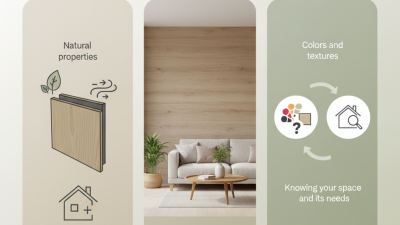
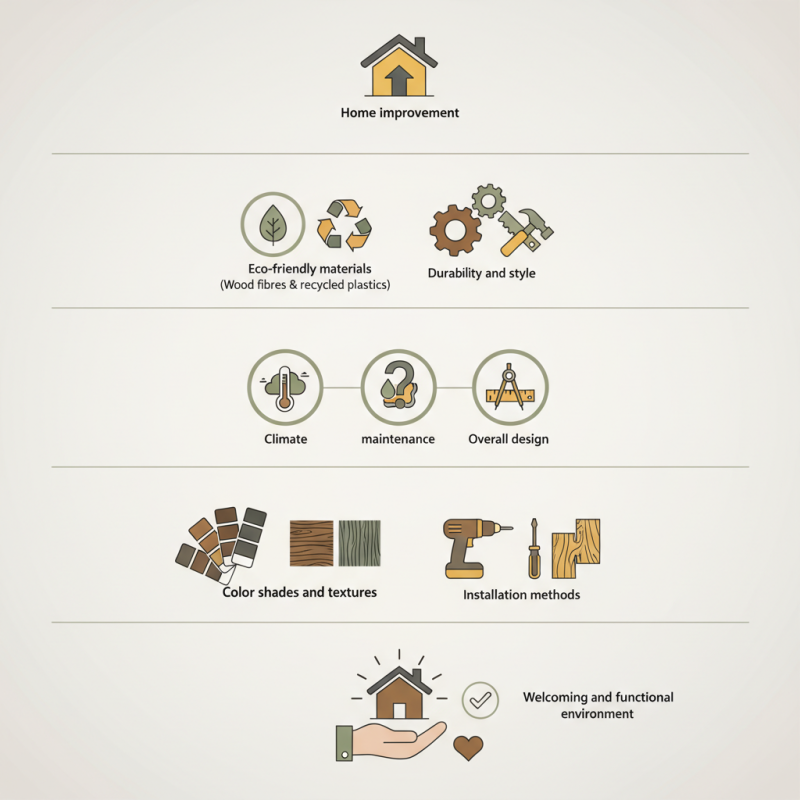
Wood WPC Wall Panels are designed for durability and style. They are composed of wood fibers and recycled plastics, making them eco-friendly and versatile. However, it's crucial to understand your space's needs. Consider factors such as climate, maintenance, and overall design before making a choice.
Many homeowners overlook specific details. Color shades and textures can greatly affect the final look. Additionally, installation methods may vary based on panel type. Reflecting on these aspects can lead to a more satisfying outcome. Remember, choosing Wood WPC Wall Panels is not just about aesthetics; it's about creating a welcoming and functional environment.
Understanding WPC Wall Panels: Definition and Benefits
WPC wall panels, made from wood plastic composite, offer unique benefits for home improvement. These panels combine wood fibers and recycled plastic, creating a durable material that resists moisture and decay. According to industry reports, WPC panels can last up to 25 years with proper maintenance. This longevity makes them an attractive choice for homeowners.
The installation process is relatively straightforward. Many panels come with interlocking designs, allowing for easier setup. However, the initial cost might be a concern for some. While WPC panels can be pricier than traditional wood, their durability can offset the cost in the long run. It's crucial to assess your budget and needs carefully.
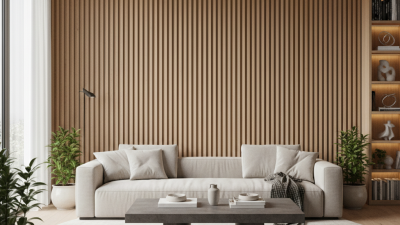
Aesthetically, WPC offers a variety of finishes and styles. Homeowners can choose from designs that mimic natural wood grain or opt for a modern look. However, changes in temperature can sometimes affect the appearance. Warping or fading might occur if not installed properly. While the benefits are substantial, careful consideration is needed before making a decision.
Key Factors to Consider When Choosing WPC Wall Panels
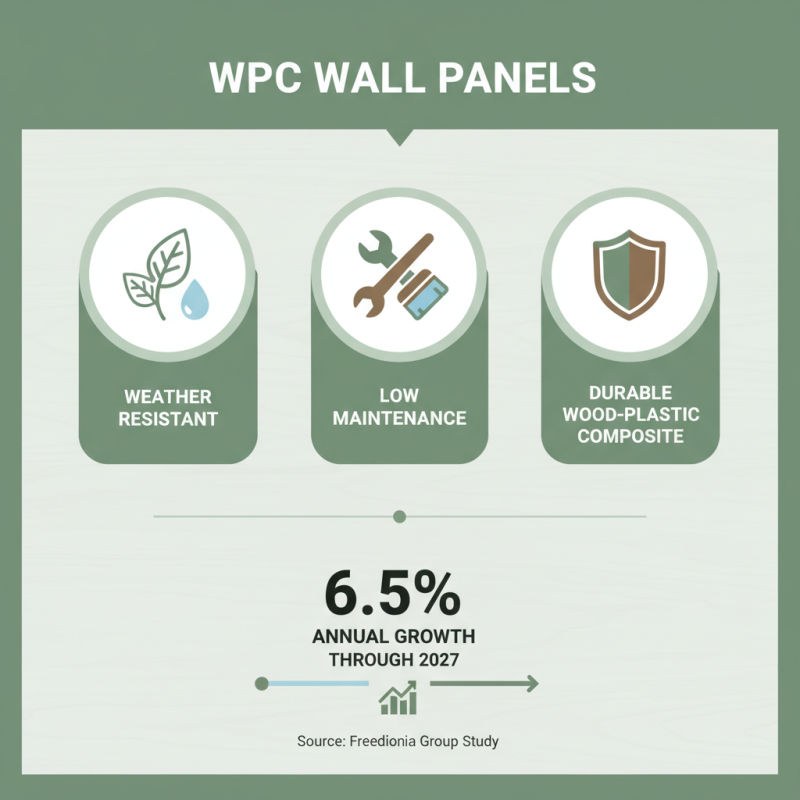
Choosing the right WPC wall panels for your home involves several key factors. First, consider the material composition. WPC stands for wood plastic composite. It combines wood fibers and plastic, making it durable and easy to maintain. According to a study by the Freedonia Group, the demand for WPC products is projected to grow by 6.5% annually through 2027. This growth is driven by their high weather resistance and minimal maintenance needs.
Next, evaluate the design and aesthetics. WPC panels come in various colors and textures. They can mimic natural wood but offer better durability. A report from Statista highlights that over 45% of homeowners prefer wood-like aesthetics in their wall materials. This preference makes WPC panels a popular choice. However, not all panels are created equal. Some may not endure extreme temperatures well. Be sure to check thermal stability ratings before making your decision.
Finally, assess the installation process. Some WPC panels are easier to install than others. DIY enthusiasts often appreciate straightforward setups. However, some complex designs may require professional help. A survey from HomeAdvisor indicated that 30% of homeowners faced issues during installation. Reflecting on these factors is vital to avoid costly mistakes. Careful selection ensures your wall panels enhance your home's value and visual appeal.
Different Types of WPC Wall Panels and Their Uses
When selecting WPC wall panels for your home, understanding different types is crucial. WPC, or wood-plastic composite, combines natural wood fibers with plastic. This makes it durable and resistant to moisture. The most common types include solid panels, hollow panels, and textured options.
Solid panels are sturdy and great for high-impact areas. They provide excellent sound insulation. However, they can be heavier and more expensive. Hollow panels are lighter and often more cost-effective. These panels are ideal for DIY projects. Texture adds a unique look, simulating wood grain or stone, enhancing aesthetic appeal.
Tips: Consider the space where you will install the panels. Choose solid panels for heavy-duty areas. For lighter applications, hollow panels work well. Always check if the texture aligns with your interior design theme. Installation can be tricky; measure carefully before cutting.
Remember, not all panels are created equal. Some may warp or lose color over time. Researching the types helps avoid mistakes. Think about the long-term value when making your choice. Proper maintenance can enhance durability and appearance, so plan accordingly.
How to Choose the Right Wood WPC Wall Panel for Your Home Improvement
Installation Process: How to Properly Install WPC Wall Panels
Installing WPC wall panels can enhance the look and feel of any space. The process begins with preparing the wall surface. Ensure it is clean and dry. Remove any old coverings. You want a flat surface for best results. Make sure to measure accurately. One small mistake can throw off the entire installation.
Next, start by cutting the panels to fit your wall dimensions. Use a fine-toothed saw to get clean edges. It’s crucial to wear safety gear during this step. Sometimes, panels may not align seamlessly, which can be frustrating. Take your time here and make adjustments as needed. Some gaps might appear, so plan for that. Level the panels carefully as you secure them in place.
Once the panels are attached, it’s time for sealing where necessary. This can prevent moisture damage. It’s easy to overlook this step, yet it’s essential to ensure longevity. Regular checks after installation can help catch any issues early. Mistakes are part of the learning curve; don’t be disheartened. Reflecting on the process will help for future projects.
How to Choose the Right Wood WPC Wall Panel for Your Home Improvement? - Installation Process: How to Properly Install WPC Wall Panels
| Feature |
Description |
Benefits |
Considerations |
| Material |
Wood Plastic Composite, a blend of wood fiber and plastic |
Durable, eco-friendly, and resistant to moisture |
May vary in terms of quality; ensure you choose a reliable source |
| Design Options |
Available in various colors, textures, and finishes |
Flexibility in aesthetics; can match any decor |
Choosing the right color/finish requires aligning with overall home style |
| Installation Process |
Can be installed using adhesive or fixed to a framework |
DIY-friendly; can reduce labor costs |
Requires careful measurement and proper tools |
| Maintenance |
Simple cleaning with soap and water |
Low maintenance compared to traditional wood panels |
Avoid harsh chemicals that can damage the surface |
| Cost |
Price varies based on quality and design |
Can be more economical than solid wood options |
Budget accordingly; consider full project scope |
Maintenance Tips for Enhancing the Longevity of WPC Wall Panels
Maintaining WPC wall panels is crucial for their longevity. According to a report by the Composite Panel Association, WPC can last up to 25 years with proper care. However, neglect can lead to fading and degradation. Regular maintenance is key.
Tip: Clean your panels regularly with a mild detergent. This simple step helps prevent mold growth. A soft cloth or sponge will do the trick. Avoid abrasive cleaners that can scratch the surface.
WPC panels are designed to resist weather, but harsh conditions can affect them. UV exposure can fade colors over time. Consider adding a protective sealant every few years. This not only enhances appearance but also adds a shield against the elements.
Tip: Inspect your panels each season. Look for cracks or loose fittings. Early detection can save you from costly repairs later. Replace any damaged sections promptly to maintain overall integrity. Remember, a little effort goes a long way in preserving your WPC wall panels.