How to Choose the Best Wood WPC Wall Panel for Your Project?
Choosing the right Wood WPC Wall Panel for your project can significantly impact its aesthetic and durability. Industry reports indicate a growing preference for WPC materials, driven by their resistance to moisture and decay. In fact, the market for wood-plastic composites is projected to reach $8 billion by 2027, highlighting their rising popularity.
Wood WPC Wall Panels blend wood’s natural beauty with the practicality of synthetic materials. They provide an appealing alternative to traditional timber. However, the selection process can be daunting. Factors such as thickness, finish, and UV resistance must be considered. Not all WPC panels are created equal. Some may contain low-quality materials, affecting longevity and performance.
While Wood WPC Wall Panels offer numerous benefits, it is essential to research and review your options carefully. The market has many choices, making informed decisions crucial. Evaluating brand credibility and user reviews can guide your selection. Mistakes can lead to disappointing results, highlighting the need for diligent consideration.
Understanding Wood WPC Wall Panels: Materials and Benefits
Wood WPC (Wood Plastic Composite) wall panels have gained popularity for various projects. These panels blend wood fibers with plastic, creating a robust and versatile material. The use of WPC offers excellent resistance to moisture and pests, making it suitable for both indoor and outdoor applications. Homeowners appreciate its low maintenance requirements, as it does not require regular painting or sealing like traditional wood.
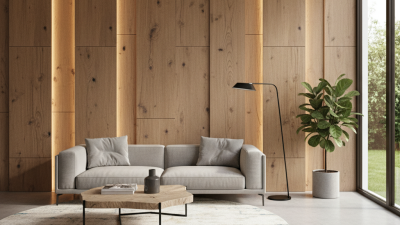
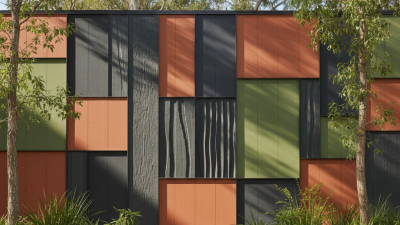
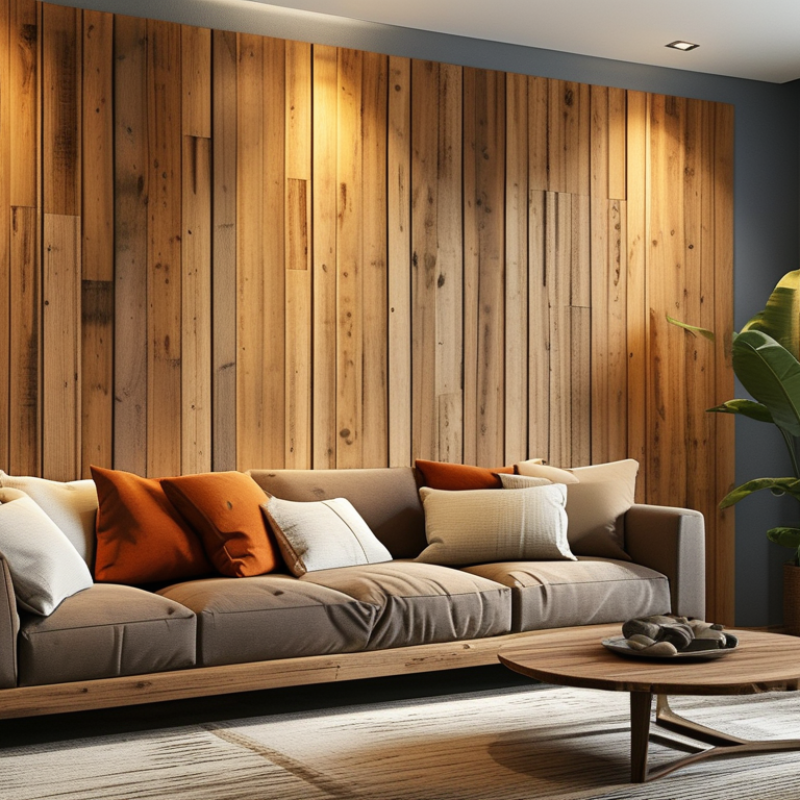
The benefits of Wood WPC wall panels extend beyond durability. They come in an array of textures and colors, allowing for creativity in design. The aesthetic appeal of these panels mimics natural wood, providing a warm and inviting look. However, choosing the right panel might be challenging. Some options may
warp or fade over time, prompting the need for careful selection to avoid future disappointments.
Understanding the materials in WPC panels is crucial. They typically contain recycled materials, promoting sustainability. Yet, not all WPC products are made equally. Some may contain lower quality plastics that can affect performance. Conducting thorough research about material composition helps ensure reliability and longevity. This attention to detail can save time and costs in the long run.
Identifying Your Project Requirements for WPC Wall Panels
When selecting the best WPC wall panels for your project, start by identifying your project requirements. Consider the location and purpose of your installation. Is it for residential use or commercial spaces? Each setting demands different aesthetic and durability features. Take into account the environmental conditions as well. If it's outdoors, moisture-resistant options are crucial for long-lasting performance.
Think about your design vision. Do you prefer a contemporary look or something more rustic? Color, texture, and finish are essential to your choice. Beyond aesthetics, durability is vital. Some panels withstand wear better than others. Analyze the maintenance needs as well. Can you commit to regular upkeep, or do you need low-maintenance solutions?
Budget constraints also matter. High-quality WPC panels might cost more initially but can save money over time. Ensure you evaluate all costs, including installation. Gathering feedback from industry professionals or forums can provide insights. This can guide you in making a well-informed decision that marries form and function. Engage with community reviews for a clearer picture. Each project is unique, and the right choices reflect that individuality.
How to Choose the Best Wood WPC Wall Panel for Your Project? - Identifying Your Project Requirements for WPC Wall Panels
| Project Type |
Panel Thickness (mm) |
Desired Finish |
Water Resistance |
Installation Method |
| Residential Interior |
10 |
Matte |
Low |
Nail/Glue |
| Commercial Exterior |
15 |
Glossy |
High |
Clip-in |
| Garden Fencing |
20 |
Natural Wood Look |
Medium |
Screw |
| Public Areas |
12 |
Textured |
High |
Bolt |
| Indoor Decorative Wall |
8 |
Veneer |
Low |
Adhesive |
Comparing Different Types of Wood WPC Wall Panels
When selecting wood WPC wall panels, it's vital to understand the various types available. Some panels are made from a mix of wood fibers and plastic composites. This combination offers durability and aesthetics. Others focus on eco-friendliness, using recycled materials. Consider the environmental impact before making a choice.
Thickness and surface texture are also important. Thicker panels often provide better insulation. Different textures can enhance the visual appeal of your project. Some panels mimic natural wood grains, while others offer a smoother finish. Observe how these details fit into your design vision.
Cost is a significant factor. While some high-end options exist, budget-friendly choices can still provide quality. It’s essential to weigh performance against price. You may find that cheaper options require more maintenance over time. Reflection on your needs will yield the best results.
Key Features to Look for in Quality WPC Wall Panels
When selecting WPC wall panels, it’s essential to focus on key features that ensure durability and aesthetic appeal. Look for panels made from high-quality wood-plastic composites, as these materials balance beauty and performance. The density of the panel is crucial; denser materials typically offer better resistance to wear and impact. Additionally, check the thickness. Thicker panels provide increased stability and insulation, enhancing the overall energy efficiency of your space.
Another important aspect is the surface finish. A well-finished panel should resist fading and moisture damage. Consider panels with UV-resistant coatings for outdoor applications. Ensure the panel has a textured surface as well; this not only looks great but also provides better grip and enhances durability. Easy installation features, such as tongue-and-groove edges, can save time and labor costs.
Lastly, think about the environmental impact of your choice. Sustainable sourcing of materials indicates a commitment to eco-friendliness. However, not all suppliers provide transparent information on sustainability. Be cautious and seek reputable sources that prioritize responsible production. Keep these factors in mind to make an informed decision that aligns with your project’s goals.
Comparison of Key Features in Quality WPC Wall Panels
Installation and Maintenance Tips for WPC Wall Panels
When installing WPC wall panels, preparation is key. Ensure the surface is clean and dry. Remove any moisture, as this can lead to mold growth and panel warping. Use a level to check that your base is even. An uneven surface can affect the final appearance.
**Tip**: Always acclimate the panels to the room's temperature before installation. This helps reduce expansion or contraction after they are mounted.
Maintenance is straightforward. Regularly clean the panels with a soft cloth and mild soap. Avoid harsh chemicals, as they can damage the surface. Inspect the panels for signs of wear or damage. Addressing these issues promptly can prolong their lifespan.
**Tip**: Consider applying a sealant to enhance durability. This can protect against stains and moisture. However, always test on a small area first.
Be mindful of how sunlight interacts with your WPC panels. UV exposure can fade colors over time. Rotating furniture and using curtains can help mitigate this effect. Understanding these subtleties can improve your project’s outcomes.