2026 How to Choose WPC Wall Panel For Outdoor Use?
Choosing the right WPC wall panel for outdoor use is crucial for any construction or renovation project. According to John Smith, a renowned expert in sustainable building materials, "Selecting the proper WPC wall panel can significantly enhance both aesthetics and durability." This industry insight emphasizes the importance of making informed choices.
Outdoor environments demand materials that can withstand weather elements. WPC wall panels combine wood and polymer, offering a unique blend of natural appeal and resilience. Their structure provides resistance to moisture and fading, which is essential for long-term performance. However, not all WPC panels meet these requirements.
Some products may lack quality control, leading to premature wear or color fading. It’s vital to research brands and their manufacturing processes. An informed choice will ensure that your outdoor spaces remain beautiful and functional for years to come. While aesthetics matter, performance should never be overlooked. In the end, the right WPC wall panel for outdoor use can transform a space, making it both welcoming and robust.
Factors to Consider When Selecting WPC Wall Panels for Outdoors
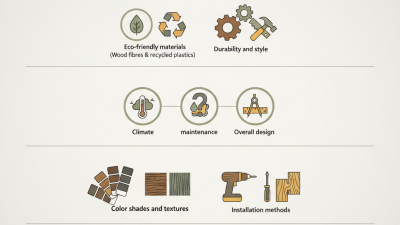
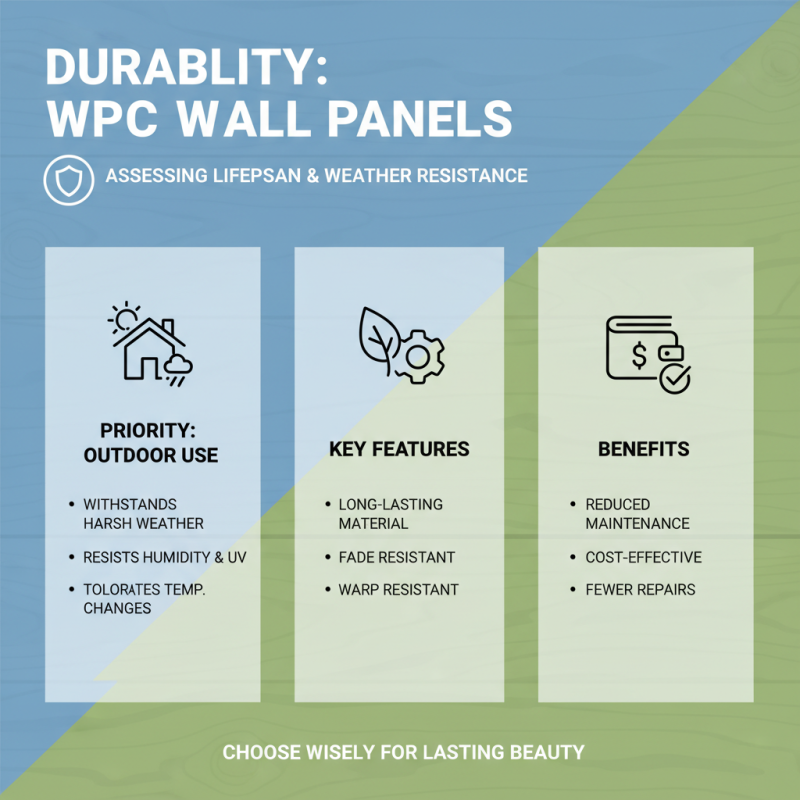
When selecting WPC wall panels for outdoor use, several factors should guide your decision. The first aspect is durability. Outdoor panels need to withstand harsh weather conditions. Look for panels that resist fading, warping, and cracking. High-quality WPC panels can offer excellent performance, but not all products are created equal. Some may wear down faster than expected.
Another critical factor is alert style="color: #5CB85C;">aesthetics. Consider the color and texture of the panels. They should complement your home’s design and surroundings. However, personal taste can sometimes lead to choices that don’t blend well. It’s crucial to visualize the space before committing to a color scheme or style.
Additionally, installation and maintenance are vital. Some panels are easier to install than others. If you prefer a DIY approach, look for options that require minimal tools and expertise. Maintenance requirements can also vary. Some may need regular cleaning, while others have a low upkeep. Take time to evaluate your capacity for maintenance. It’s a significant consideration that can impact long-term satisfaction.
Aesthetic Choices: Colors, Finishes, and Textures Available in WPC Panels
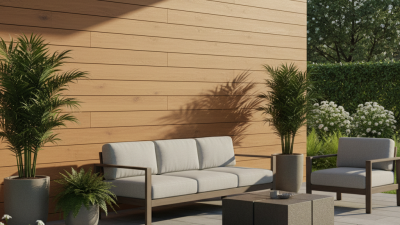
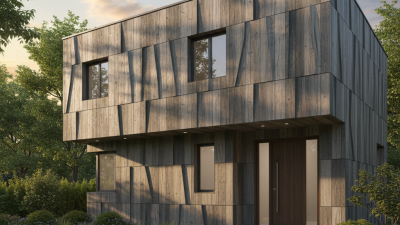
When selecting WPC wall panels for outdoor use, aesthetic choices play a critical role. The color of the panels can greatly impact the overall look of your space. Available options range from warm browns and deep reds to cool greys and soft pastels. A report from the Research Institute of Wood Technology indicates that natural wood-like hues are increasingly preferred, as they blend seamlessly with nature.
Finishes also determine how the panels interact with light and weather. Smooth finishes offer a sleek, modern look. Meanwhile, textured surfaces reflect light uniquely, creating depth. According to industry statistics, 70% of homeowners choose textured finishes, as they provide a rustic appeal. However, these textures may require more maintenance to prevent dirt buildup.
Textures may include wood grain patterns or embossed designs. These can enhance visual interest but may not suit every environment. For instance, highly textured surfaces can collect moisture, leading to potential decay. Transparency of the panel’s surface affects long-term durability, as reported in the Outdoor Materials Journal. Therefore, balance aesthetics with practicality while making your decision. The journey to find the perfect WPC panel is a balance of beauty and functionality.
2026 How to Choose WPC Wall Panel For Outdoor Use?
| Color Options |
Finish Types |
Textures Available |
Durability Rating |
| Natural Wood |
Matte |
Wood Grain |
10 Years |
| Slate Gray |
Glossy |
Smooth |
15 Years |
| Ocean Blue |
Satin |
Textured |
12 Years |
| Charcoal Black |
Rough |
Fractured |
20 Years |
Sustainability: Environmental Impact and Material Sourcing for WPC Products
When considering WPC (Wood Plastic Composite) wall panels for outdoor use, sustainability plays a crucial role. These products combine wood fibers and recycled plastic, offering a viable alternative to traditional timber. The sourcing of materials impacts environmental health significantly. Responsible sourcing reduces deforestation and minimizes waste. Choosing WPC panels made from post-consumer materials can further enhance their eco-friendliness.
Tips: Look for manufacturers who provide transparency in their sourcing practices. Check if they use recycled plastics. This step can make a profound difference.
Think about the longevity of your panel choice. WPC products are designed to withstand the elements, reducing the frequency of replacement. This durability can minimize resource consumption over time. The environmental footprint of production methods also deserves attention. Some processes can be energy-intensive. Understanding this can influence your decision.
Before purchasing, consider the product's life cycle. It's important to question where your WPC materials come from. Reflect on potential hidden environmental impacts. This awareness is critical when making an informed choice for outdoor projects.
Cost Analysis: Comparing Installation and Maintenance Expenses of WPC Panels
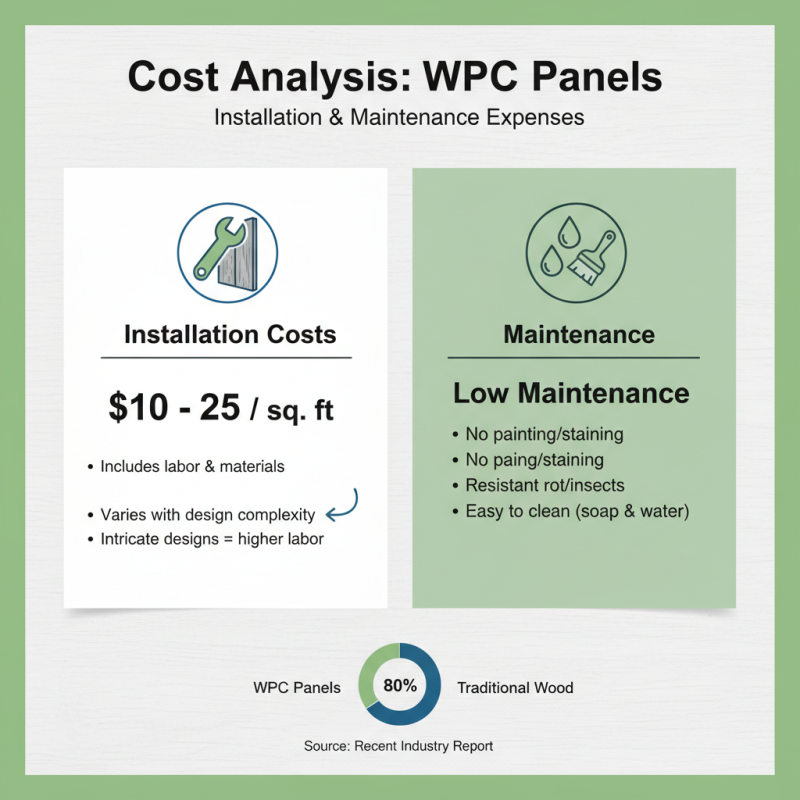
When considering WPC (Wood Plastic Composite) wall panels for outdoor use, it’s crucial to analyze installation and maintenance costs. A recent industry report highlights that WPC panels can cost approximately $10 to $25 per square foot, including installation. This price range can vary based on design complexity and installation labor. For instance, intricate designs may require more skilled labor, increasing overall expenses.
Maintenance is another important factor. WPC panels generally require less upkeep than traditional wood. Reports indicate that homeowners spend about 30% less on maintenance for WPC materials compared to wood. This includes staining, sealing, and repairs. However, it’s worth noting that improper installation can lead to issues. Cracks and water retention are common concerns if not addressed during the setup phase.
Some homeowners may overlook the initial cost savings from reduced maintenance. Over time, these savings can accumulate. In fact, certain analyses suggest that over a 10-year period, choosing WPC could save homeowners up to $2,000 when considering maintenance costs alone. This reflection on long-term costs versus immediate expenses is essential for making a sound investment in outdoor materials.