2026 How to Choose the Right PVC Sheet for Your Project?
Choosing the right PVC sheet for your project can be challenging. PVC sheets come in various types, thicknesses, and colors. Understanding these differences is crucial for your needs.
Consider your project's demands carefully. Do you need flexibility or strength? What size will fit your space? These questions matter. A heavy-duty PVC sheet may suit outdoor use, while a lighter option is better for indoor applications.
Reflect on your budget and aesthetic preferences. Some sheets offer textured finishes, while others provide a glossy look. It’s easy to overlook these details, but they significantly impact the outcome. Thoughtful selection of your PVC sheet can lead to better results and satisfaction in your project.
Understanding the Basics of PVC Sheets and Their Applications
PVC sheets are versatile materials used in various industries. They offer durability, flexibility, and resistance to moisture. This makes them suitable for applications ranging from signage to construction. According to a recent industry report, the global PVC sheet market is projected to reach $3.8 billion by 2026, indicating a growing demand for these materials.
Understanding the basics of PVC sheets is crucial for making the right choice. They come in varying thicknesses and finishes. Consider the project’s specific requirements when selecting. For example, thicker sheets provide more strength and durability. However, they can also be more challenging to cut and shape. Pay attention to the intended use, as some sheets are better for indoor applications while others are optimized for outdoor exposure.
Tips: Always check the sheet's density and impact resistance. Some PVC sheets may not withstand heavy loads or exposure to extreme temperatures. Conduct a small test before full-scale applications. Also, ensure that the cutting tools are suitable for the thickness of the sheet being used. This simple check can prevent project delays and costly mistakes in the long run.
Key Factors to Consider When Selecting PVC Sheets for Your Project
When choosing the right PVC sheet for your project, several factors should guide your decision.
First, consider the thickness. Thicker sheets can offer more durability but may be heavier.
Lighter sheets are easier to handle but may not withstand heavy use.
Think about where and how you'll use the sheet. Will it face harsh weather or UV exposure?
It's crucial to examine the sheet's flexibility. Some projects might require a more rigid material, while others could benefit from flexibility.
If you’re using PVC sheets for crafting or decorative purposes, a flexible option might work best.
Tip: Always test a small sample before making a large purchase. This helps avoid mistakes.
Finally, consider the
finish of the PVC sheet. Glossy finishes may look great but show scratches easily.
Matte finishes hide imperfections better but can be harder to clean.
Tip: Keep in mind that color options might also impact your choice. Choosing a color that fits your design can make or break the visual appeal of your project.
Reflect on your project's needs carefully and choose a PVC sheet that aligns with those requirements.
Comparing Types of PVC Sheets: Rigid vs. Flexible Options
When choosing PVC sheets for your project, understanding the differences between rigid and flexible options is crucial. Rigid PVC sheets are sturdy and provide excellent structural support. They're ideal for applications like signage, displays, and industrial use. The thickness of these sheets can vary. Thicker sheets usually offer greater durability and impact resistance. However, they can be heavier and more challenging to cut.
On the other hand, flexible PVC sheets are lightweight and versatile. They work well for applications requiring bending or shaping. Common uses include protective covers and curtains. Yet, they might not offer the same level of durability as rigid sheets. Their softness can lead to scratches and wear over time. You might find yourself replacing them sooner than expected.
Your choice ultimately depends on the project specifics. Think about weight, flexibility, and strength. It can be tempting to go for the cheaper option. But the long-term effectiveness is what really matters. Consider how and where you will use the sheets. The right choice can save you time and costs down the line.
Assessing Quality: How to Evaluate PVC Sheet Materials
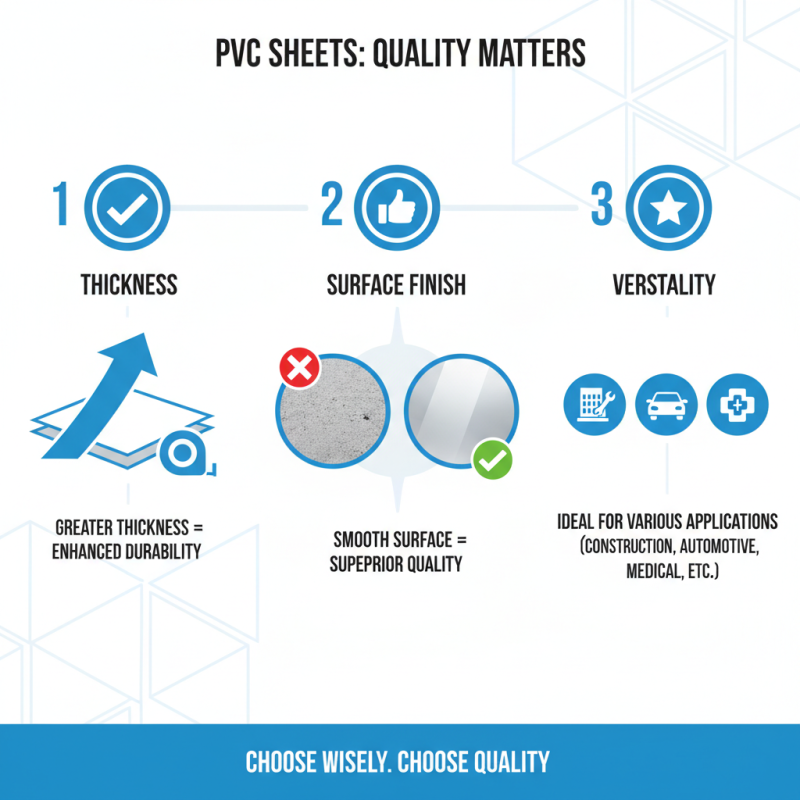
When choosing PVC sheets, quality is paramount. Start by checking the thickness. Thicker sheets usually provide better durability. Inspect the surface finish. A smooth surface can indicate superior quality, making it ideal for various applications.
Consider the material's flexibility. Some PVC sheets are more rigid, while others can bend easily. This flexibility impacts their usability in different projects. Look for sheets that resist impact and wear. This can extend their lifespan and maintain their appearance.
Don’t forget to assess the color consistency. Uneven coloring may signal inferior quality. Physical attributes matter, but so does the manufacturer's reputation. Research can provide insights into the experiences of others. Trust your instincts while evaluating. Sometimes, the data doesn't paint the full picture.
Tips for Sourcing and Purchasing PVC Sheets Efficiently
When sourcing PVC sheets, it’s essential to define your project needs. Consider the dimensions and thickness first. Standard sizes may not always fit your requirements. If you choose a non-standard size, be prepared for longer lead times and higher costs. Also, think about the sheet's finish. Some sheets are smooth, while others have textures. Different finishes can affect aesthetics and performance.
Next, identify trusted suppliers. While online marketplaces may offer convenience, they often come with limited details. A local supplier can provide samples and expert guidance. Don’t hesitate to ask questions about material properties. Understand the difference between types of PVC, such as rigid and flexible. Pricing can vary widely based on these factors, so it’s worth comparing options.
Lastly, check for certifications. If your project demands specific safety standards, ensure the PVC sheets meet those. A lack of certification might lead to unforeseen issues. Remember, the lowest price isn’t always the best choice. Take time to assess quality versus cost, as this will significantly impact your project's success.
2026 How to Choose the Right PVC Sheet for Your Project? - Tips for Sourcing and Purchasing PVC Sheets Efficiently
| Dimension |
Thickness (mm) |
Color |
Finish Type |
Applications |
Price Range ($/m²) |
| Standard |
3 |
White |
Smooth |
Signage, Packaging |
5 - 10 |
| Textured |
5 |
Black |
Textured |
Decorative Panels, Wall Covering |
8 - 15 |
| Transparent |
2 |
Clear |
Glossy |
Display Cases, Light Fixtures |
10 - 20 |
| Colored |
4 |
Blue |
Matte |
Exhibitions, Furniture |
7 - 12 |