Why Choose Outdoor WPC Wall Panels for Your Projects?
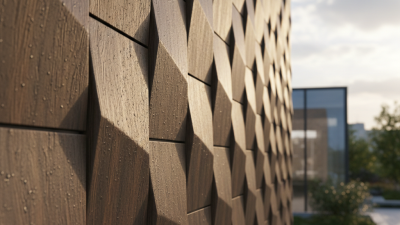
In recent years, the use of Outdoor WPC Wall Panels has gained significant attention among builders and homeowners. These panels offer a blend of durability, aesthetics, and environmental sustainability. Many projects require materials that can withstand various weather conditions while maintaining an attractive appearance. Outdoor WPC Wall Panels meet these needs effectively.
One of the remarkable features of Outdoor WPC Wall Panels is their resistance to moisture and pests. They do not warp or splinter, making them a practical choice for outdoor settings. However, it is essential to consider installation techniques and maintenance practices for optimal performance. There's always a learning curve when transitioning to new materials, and potential challenges may arise.
Choosing Outdoor WPC Wall Panels can transform a project with their contemporary look. Yet, not every panel on the market will perform equally well. Researching different brands and understanding their technology can ensure a better outcome. The right selection will elevate your spaces, but it requires careful evaluation and reflection on individual project needs. Embracing this innovative material can lead to impressive results when approached thoughtfully.
Benefits of Using Outdoor WPC Wall Panels in Construction Projects
Outdoor WPC (Wood-Plastic Composite) wall panels have gained traction in construction for several reasons. One major benefit is their durability. According to a 2022 report from the American Wood Council, WPC materials can withstand harsh weather conditions, making them ideal for outdoor installations. They resist moisture, pests, and UV damage more effectively than traditional wood, providing a longer lifespan.
Another compelling advantage of WPC wall panels is their eco-friendliness. Many products contain recycled materials, which contributes to sustainability. A study published in the Journal of Sustainable Building Materials highlighted that using WPC reduces demand for virgin timber, thus minimizing deforestation. The report indicated that adopting WPC can lower the carbon footprint of construction projects by up to 40%.
Moreover, these panels offer aesthetic versatility. They come in various colors and textures, allowing architects to create visually appealing designs without sacrificing structural integrity. Despite these benefits, it is essential to consider potential challenges. Not all WPC formulations are created equal, and varying quality can affect performance. Builders must carefully select high-quality materials to ensure long-lasting results. Balancing appearance with performance requires diligent research and evaluation.
Durability and Weather Resistance of WPC Wall Panels
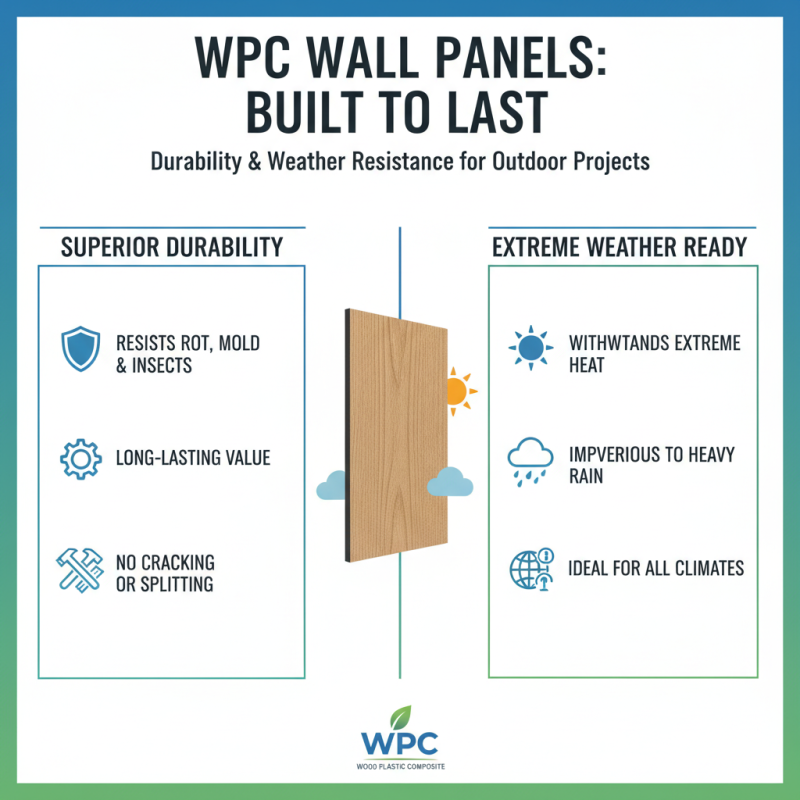
When considering materials for outdoor projects, WPC (Wood Plastic Composite) wall panels offer notable advantages. Their durability stands out, especially in harsh weather conditions. Unlike traditional wood, WPC resists rot, mold, and insect damage, providing lasting value. These panels are designed to withstand extreme heat and heavy rain, making them ideal for various climates.
WPC wall panels also exhibit impressive weather resistance. Their composition keeps them from fading, even after prolonged exposure to sunlight. This is particularly important for outdoor aesthetics. Moreover, their low maintenance requirements save time and resources. However, it's essential to choose panels that meet specific environmental standards. Not all WPC products are created equal, so research is necessary.
Some might find initial costs higher than traditional materials. This can be a concern for budget-conscious projects. Nevertheless, the long-term savings from reduced maintenance and replacements often outweigh this concern. By selecting the right WPC wall panels, you can achieve a sustainable and attractive solution for any outdoor application.
Sustainability and Eco-Friendliness of WPC Materials
Outdoor WPC (Wood-Plastic Composite) wall panels are increasingly favored in various construction projects. Their sustainability and eco-friendliness make them a compelling option. WPC materials are primarily made from recycled wood and plastic, reducing waste significantly. According to the American WPC Market Report, over 70% of WPC products incorporate recycled content, aligning with global efforts to promote sustainability.
WPC panels also contribute to carbon footprint reduction. They have a lower energy consumption rate during production compared to traditional materials. A study by the Forest Products Laboratory indicated that using WPCs can lower greenhouse gas emissions by up to 60% compared to conventional lumber. This makes WPC an environmentally responsible choice for architects and builders.
Despite the advantages, it is crucial to acknowledge the limitations. WPC materials may not be as durable as some traditional options, particularly in extreme weather conditions. Additionally, there can be inconsistencies in the quality of recycled materials used in production, which may impact long-term performance. Understanding both the pros and cons of WPC wall panels is essential for making informed choices in construction projects.
Why Choose Outdoor WPC Wall Panels for Your Projects?
Versatility in Design: Aesthetic Options of WPC Wall Panels
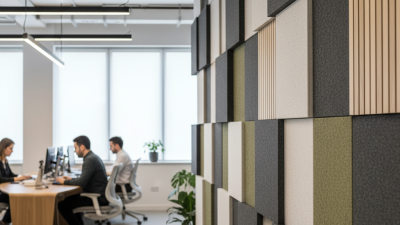
WPC wall panels offer a unique blend of durability and aesthetic appeal. These panels, made from wood-plastic composite, come in various styles and finishes. Their versatility allows for creative freedom in design, making them suitable for both residential and commercial projects. According to a report by MarketsandMarkets, the WPC market is expected to reach $8.3 billion by 2027. This growing trend highlights the increasing demand for visually appealing yet sustainable materials.
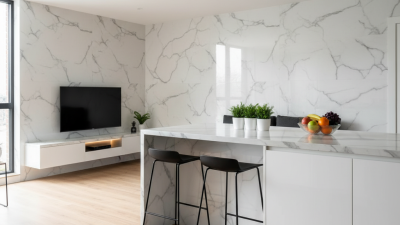
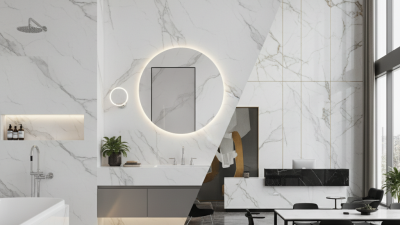
Design options for WPC panels are extensive. Homeowners and designers can choose from a range of colors, textures, and patterns. Some panels mimic natural wood, while others provide a sleek, modern look. The adaptability of WPC panels allows them to fit seamlessly in various settings. The National Association of Home Builders noted that 70% of new homes are incorporating composite materials, reflecting a shift in consumer preferences towards innovative aesthetics.
However, while WPC panels are attractive, it's essential to consider their longevity and maintenance. Some homeowners have reported fading over time, especially in areas with intense sunlight. This can be a significant factor in design choices. So, while they offer great versatility, it's crucial to weigh their limitations against your project’s long-term goals.
Why Choose Outdoor WPC Wall Panels for Your Projects? - Versatility in Design: Aesthetic Options of WPC Wall Panels
| Design Element |
Description |
Benefits |
Applications |
| Color Variations |
Available in a range of colors to match any design theme. |
Enhances aesthetic appeal and context with nature. |
Residential, Commercial, Landscape design. |
| Texture Options |
Various textures like wood grain, smooth, or stone-like finishes. |
Provides a natural appearance and feel. |
Exterior walls, feature walls, fences. |
| Custom Sizes |
Panels can be tailored to fit specific design needs. |
Flexibility for unique architectural designs. |
Custom homes, commercial buildings. |
| Sustainability |
Made from recycled materials, eco-friendly choice. |
Reduces environmental impact. |
Green building projects, eco-friendly developments. |
| Color Retention |
Designed to resist fading and maintain color over time. |
Long-lasting appearance with minimal maintenance. |
High-traffic areas, public spaces. |
Cost-Effectiveness of Outdoor WPC Wall Panel Installation and Maintenance
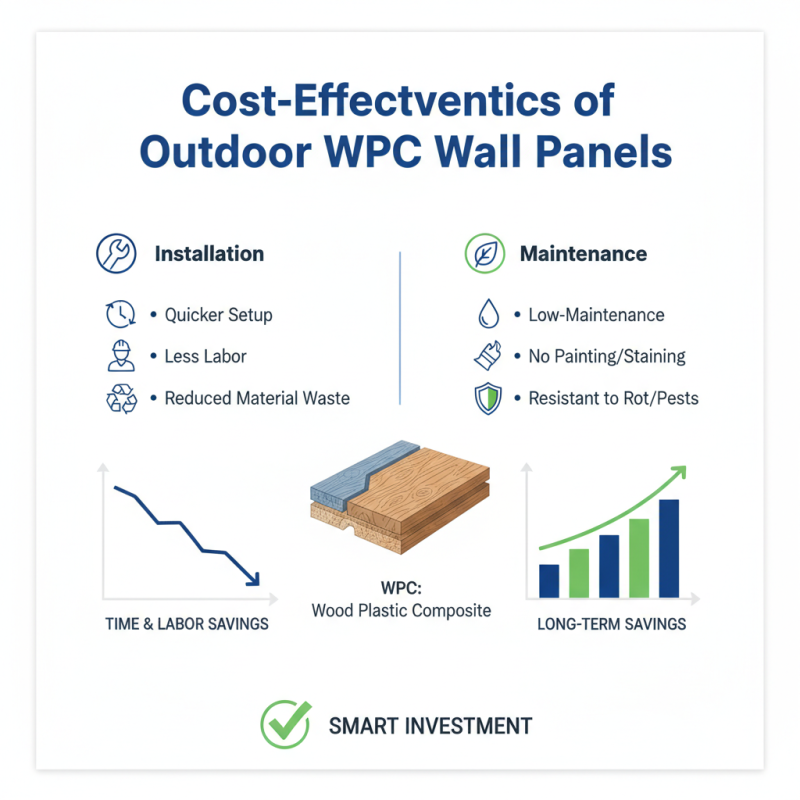
Outdoor WPC wall panels offer an excellent solution for various construction projects. Their cost-effectiveness becomes apparent during installation and maintenance. Unlike traditional wood or vinyl, WPC panels require fewer resources. Installation can be quicker, saving time and labor costs. The lightweight nature of WPC panels makes them easier to handle, which can reduce potential damage during setup.
Maintenance costs are another crucial factor. WPC panels are resistant to rot, splintering, and insects. This durability means less frequent replacement or repairs, making them appealing for budget-conscious projects. Cleaning is straightforward, often requiring just a simple wash. Some users may encounter issues with color fading over time, but it is generally less than that of traditional materials.
WPC panels also provide aesthetic versatility. They come in various colors and textures, allowing for creative designs. However, achieving the perfect look can be challenging due to limited options in certain styles. It’s important to weigh these aspects when considering your choice of materials. Overall, investing in WPC panels can lead to long-term savings and a reliable outdoor solution.