Top 10 Benefits of Bamboo Charcoal Wood Veneer for Your Projects?
Bamboo Charcoal Wood Veneer is an innovative material gaining popularity in various projects. Its unique properties offer numerous benefits for designers and builders alike. This eco-friendly and sustainable option has attracted attention for its aesthetic appeal and functional advantages.
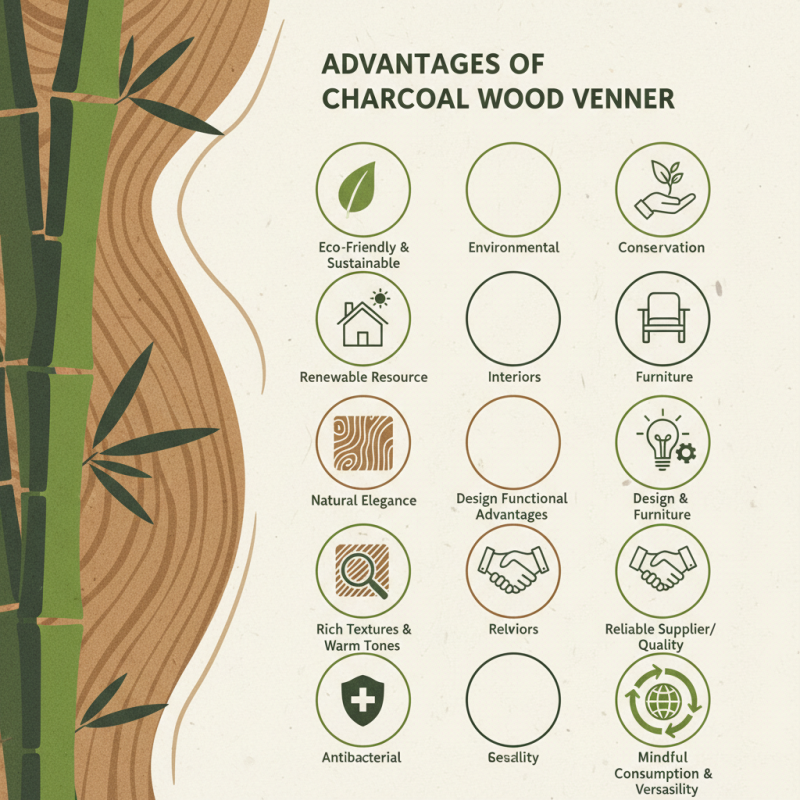
As a renewable resource, bamboo charcoal wood veneer contributes to environmental conservation. It adds a natural elegance to interiors and furniture. The rich textures and warm tones enhance any space, making it visually appealing. Additionally, bamboo charcoal has natural antibacterial properties, promoting healthier living environments. However, one must consider quality variations in the market. Ensuring a reliable supplier is crucial for achieving the desired results.
Choosing bamboo charcoal wood veneer is not just a design decision; it reflects a commitment to sustainability. It encourages more mindful consumption of resources. As you explore its potential, keep in mind that each project requires careful planning. Balancing aesthetics and functionality is key to success. Investing time in understanding its characteristics will lead to better outcomes. Embrace this versatile material and discover its transformative possibilities.
Overview of Bamboo Charcoal Wood Veneer
Bamboo charcoal wood veneer is an innovative material that merges aesthetic appeal with practical benefits. This veneer is made from bamboo that has been carbonized, creating a durable and sustainable option for various projects. The use of bamboo is significant because it is a fast-growing resource, which makes it an environmentally friendly choice compared to traditional hardwoods.
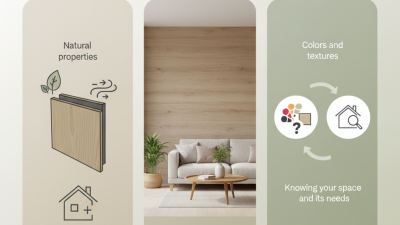
The distinctive look of bamboo charcoal wood veneer can enhance the style of any interior space. Its rich, dark tones and unique texture provide a modern touch to furniture and wall coverings. However, the aesthetic appeal isn’t the only advantage. Bamboo charcoal possesses natural properties that can help regulate humidity. This can promote a healthier living environment by preventing the growth of mold and mildew.
While there are many benefits, it's essential to consider potential challenges. The installation process may require specialized tools or techniques, and some users might find it a bit tricky. Additionally, proper care is essential to maintain its appearance over time. With regular maintenance, these challenges can be managed effectively, ensuring that bamboo charcoal wood veneer remains a stunning and functional choice for your projects.
Top 10 Benefits of Bamboo Charcoal Wood Veneer for Your Projects
| Benefit |
Description |
Environmental Impact |
| Sustainability |
Bamboo is a rapidly renewable resource, making it eco-friendly. |
Low impact on forests and encourages sustainable practices. |
| Moisture Absorption |
Effectively absorbs excess moisture, preventing mold growth. |
Improves indoor air quality by reducing humidity. |
| Odor Neutralization |
Absorbs and neutralizes unwanted odors in the environment. |
Enhances living conditions without chemicals. |
| Aesthetic Appeal |
Offers a unique, stylish finish for furniture and decor. |
Supports craftsmanship with sustainable materials. |
| Durability |
Highly durable compared to other wood types; resistant to wear. |
Long-lasting products reduce waste. |
| Heat Insulation |
Provides excellent insulation properties, reducing energy costs. |
Enhances energy efficiency in buildings. |
| Natural Antimicrobial Properties |
Bamboo charcoal inhibits the growth of harmful bacteria. |
Promotes healthier living spaces. |
| Lightweight |
Lighter than hardwoods, making it easier to handle during construction. |
Reduces transportation emissions due to lighter weight. |
| Versatility |
Suitable for various applications, from furniture to decor. |
Encourages innovative sustainable designs. |
Sustainability and Environmental Impact of Bamboo Charcoal
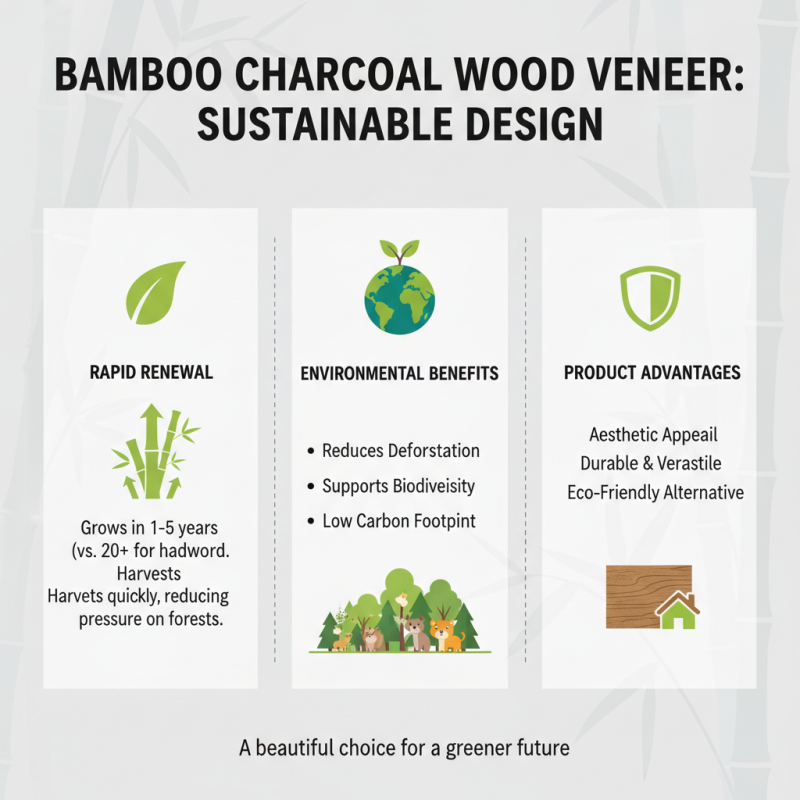
Bamboo charcoal wood veneer is emerging as a sustainable option for various design projects. This material is not only aesthetically pleasing but also environmentally friendly. Bamboo grows rapidly, making it a renewable resource. Unlike traditional hardwood, bamboo can be harvested in just a few years. This rapid growth helps reduce deforestation and supports biodiversity.
Using bamboo charcoal wood veneer can significantly lower your project's carbon footprint. The production process of bamboo charcoal involves minimal energy compared to conventional materials. It helps absorb CO2 during its growth. However, some argue about the challenges in sourcing sustainably. Ensuring that the bamboo is harvested responsibly is crucial. Not all suppliers prioritize eco-friendly practices. Designers must scrutinize their materials to confirm their commitment to sustainability.
Additionally, bamboo charcoal possesses excellent properties. It can absorb moisture and odours, improving indoor air quality. This feature adds functionality to its appeal in projects. However, limitations exist. The veneer might not be suitable for every climate. Understanding its performance based on specific conditions is important. Designers should experiment with various applications to find the best fit.
Durability and Strength of Bamboo Charcoal Wood Veneer
Bamboo charcoal wood veneer offers remarkable durability and strength, making it a top choice for various projects. According to industry research, bamboo is two to three times stronger than traditional hardwood. This strength derives from its unique fiber structure, which creates a resilient material that withstands significant wear and tear.
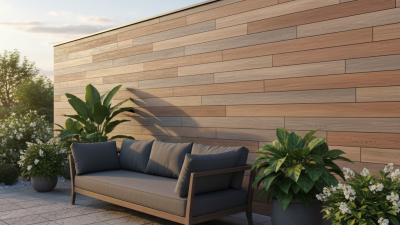
Moisture resistance is another benefit of bamboo charcoal wood veneer. Research shows that bamboo can absorb moisture without swelling, a feature not commonly found in many hardwoods. This property is crucial for maintaining the integrity of your projects in varying climates. It's a reliable choice for furniture, flooring, and decorative elements.
Tip: When selecting bamboo charcoal wood veneer, ensure it is sourced from sustainable sources. This not only supports eco-friendly practices but also guarantees quality.
Despite these advantages, some may find bamboo challenging to work with. The density can make cutting and shaping difficult for inexperienced hands. It's important to use sharp tools and prepare adequately.
Tip: Always test the material with your tools before starting the main work. This helps you understand how it reacts. Overall, bamboo charcoal wood veneer proves to be a worthy material, balancing both durability and strength.
Top 10 Benefits of Bamboo Charcoal Wood Veneer for Your Projects
Aesthetic Appeal and Versatility in Design Projects
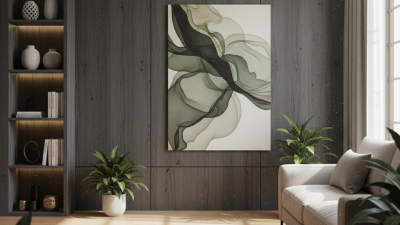
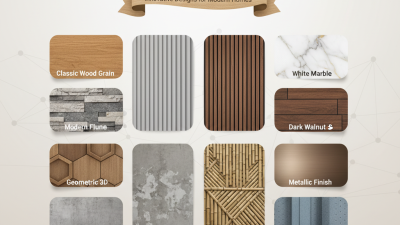
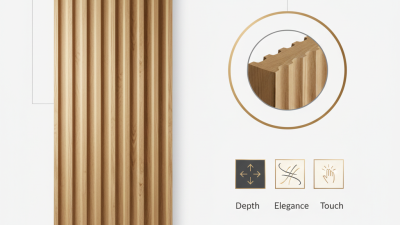
Bamboo charcoal wood veneer offers a unique aesthetic that captivates designers. Its natural texture brings warmth and depth to various projects. Whether for furniture, wall coverings, or decorative accents, this material stands out. The rich, dark hues create a striking contrast with lighter colors. This duality invites creativity and innovation into any design scheme.
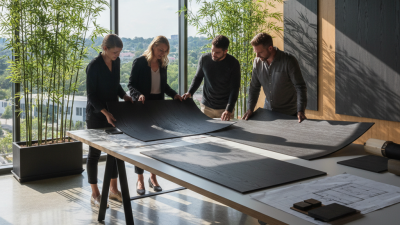
In addition to its beauty, bamboo charcoal veneers are incredibly versatile. They can be cut, shaped, and stained, allowing for endless possibilities. A simple panel can transform an entire room, creating an inviting atmosphere. However, working with this material can present challenges. Achieving a seamless finish may require additional skill and patience. The grain patterns can vary, demanding careful selection to maintain consistency.
Sustainability plays a role in the appeal of bamboo charcoal. It's an eco-friendly option that can enhance your project's overall value. Designers are increasingly drawn to materials that not only look good but also support the environment. Nonetheless, it's worth considering how this choice impacts costs and sourcing. Balancing aesthetics, functionality, and ethical considerations is essential for successful project outcomes.
Health Benefits and Air Purification Properties of Bamboo Charcoal
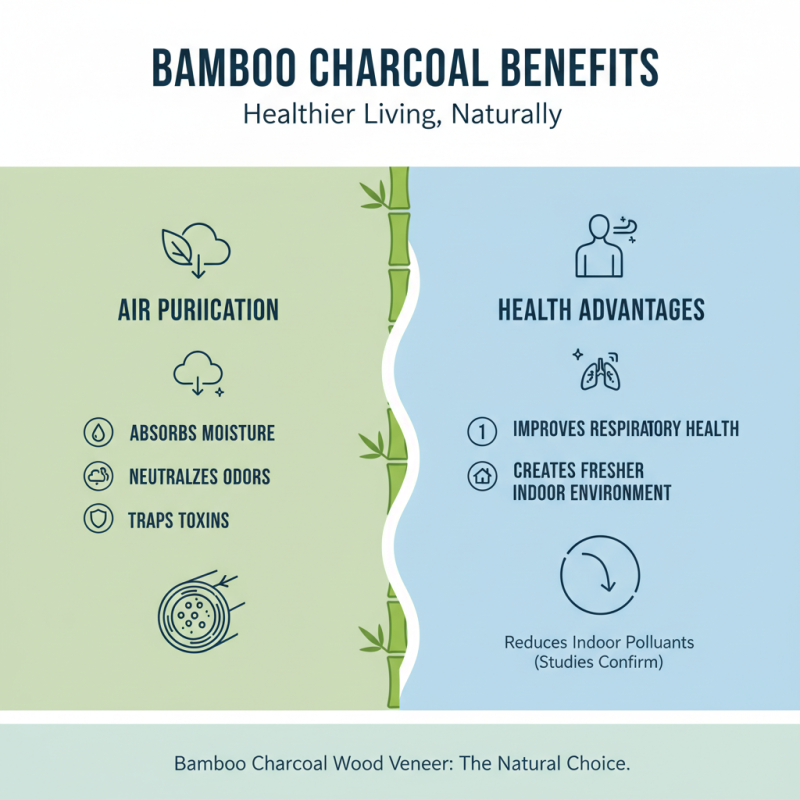
Bamboo charcoal wood veneer is gaining popularity not just for its aesthetic appeal but also for its health benefits. This natural material has unique air purification properties. It absorbs toxins, odors, and moisture, making your living space healthier. Studies suggest that bamboo charcoal can reduce indoor air pollutants effectively.
When using bamboo charcoal wood veneer, consider where to place it. Ideal spots are areas prone to humidity, like kitchens and bathrooms. Be cautious; while it helps reduce odors, it does not replace ventilation. Balance is key.
Tips: Regularly replace bamboo charcoal products for maximum effectiveness. Keep it in sunlight to refresh its absorption properties. This enhances its ability to purify your space.
Incorporating bamboo charcoal can enhance your project. It’s an eco-friendly choice that promotes better air quality. However, be mindful that its effectiveness can vary based on the environment.