What is Bamboo Charcoal Wood Veneer 4x8 and Its Benefits?
Bamboo Charcoal Wood Veneer 4x8 is revolutionizing the design industry. This innovative material offers unique benefits. According to expert Sarah Johnson, "Bamboo Charcoal Wood Veneer 4x8 is not just stylish; it's a sustainable choice."
In recent years, sustainability has become essential. Consumers seek eco-friendly options for their spaces. Bamboo Charcoal Wood Veneer 4x8 fits this need perfectly. Its carbonization process enhances its durability and reduces environmental impact. The sleek, natural aesthetic appeals to modern designers.
However, it is important to reflect on sourcing practices. Not all bamboo is harvested sustainably. Awareness is key. Despite its advantages, consumers must research and choose wisely. The future of design trends may depend on conscious decisions about materials. Bamboo Charcoal Wood Veneer 4x8 can lead the way if we remain vigilant about its origins.
What is Bamboo Charcoal Wood Veneer?
Bamboo charcoal wood veneer is a versatile and sustainable material. It is made from bamboo that has been charred at high temperatures. This process enhances its properties and creates unique textures. Bamboo is a fast-growing plant, making it an eco-friendly option. According to a study by the Forest Products Laboratory, bamboo can grow up to 35 inches in a day.
The benefits of bamboo charcoal wood veneer go beyond aesthetics. It has natural antibacterial properties, which can improve indoor air quality. Research from the Journal of Environmental Science shows that bamboo charcoal can absorb harmful gases. This makes it ideal for use in homes and offices. Many designers appreciate its rich color and pattern variations. These features add depth to interior spaces.
Despite its advantages, bamboo charcoal wood veneer may have limitations. Some users report difficulty in maintaining its appearance over time. It's also sensitive to humidity and temperature fluctuations. These factors can lead to warping or fading. A well-informed user should consider both the pros and cons. Understanding these aspects can lead to better design choices.
Composition and Manufacturing Process of Bamboo Charcoal Wood Veneer
Bamboo charcoal wood veneer is gaining popularity in sustainable design. The manufacturing process begins with high-quality bamboo. This bamboo undergoes carbonization at high temperatures, usually around 800-1000 degrees Celsius. This process creates activated charcoal, enhancing the wood's unique properties.
The blending of bamboo and charcoal results in a versatile veneer. It boasts excellent moisture resistance and durability. Bamboo charcoal wood veneer can reduce volatile organic compounds (VOCs) in indoor air. Studies show a reduction of up to 80% in VOCs with charcoal products. This improvement contributes to healthier living spaces.
However, production methods can vary. Some manufacturers may not adhere to sustainable practices. This inconsistency raises concerns about quality and environmental impact. Not all bamboo used is sourced responsibly, leading to potential deforestation. As consumers, we should reflect on the source of our products.
Bamboo Charcoal Wood Veneer Benefits Comparison
Environmental Benefits of Using Bamboo Charcoal Wood Veneer
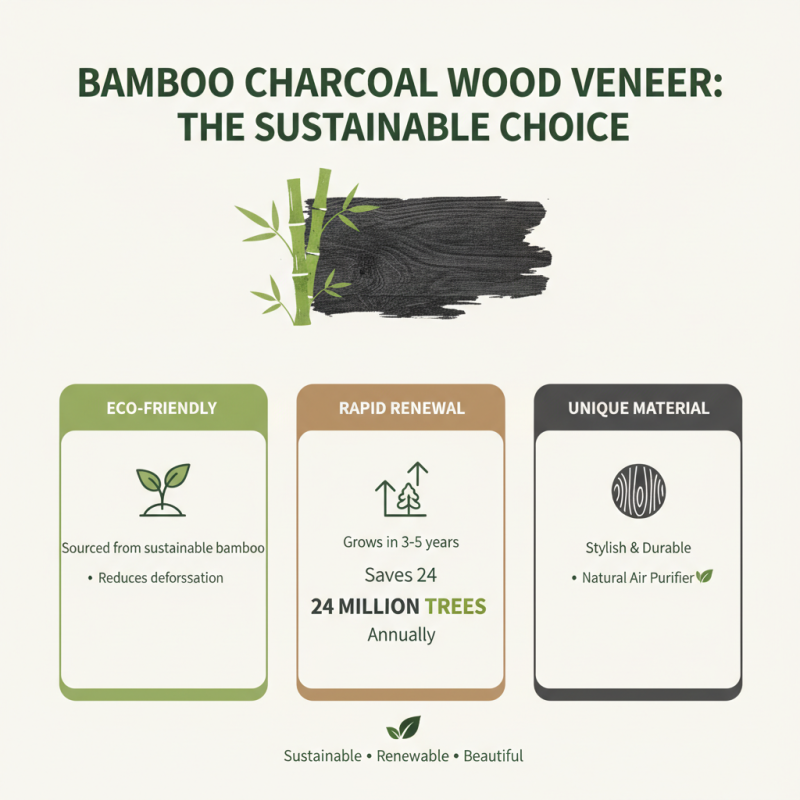
Bamboo charcoal wood veneer offers a unique and eco-friendly material. Sourced from sustainable bamboo, it is both stylish and beneficial to the environment. Unlike traditional wood, bamboo grows rapidly, reaching maturity in just three to five years. This rapid growth translates into less deforestation. Reports indicate that using bamboo can save up to 24 million trees annually.
One major benefit of bamboo charcoal wood veneer is its natural air purification properties. It absorbs toxins and odors, improving indoor air quality. The World Health Organization shows that poor air quality contributes to millions of health issues each year. A solution like bamboo charcoal veneer can alleviate some of these concerns. Moreover, this product has a lower carbon footprint compared to conventional wood materials.
Water usage in bamboo cultivation is significantly lower. It requires about 50% less water than hardwood trees. Despite these benefits, some concern remains about the availability of bamboo resources. Overharvesting in certain regions could pose risks. Thus, while bamboo charcoal wood veneer is an excellent choice, careful sourcing is essential to ensure sustainability.
Health Benefits Associated with Bamboo Charcoal Wood Veneer
Bamboo charcoal wood veneer is gaining attention for its health benefits.
This unique material is not just aesthetically pleasing; it also offers several advantages. Made from natural bamboo,
it holds various properties that contribute to wellness.
One of the standout features of bamboo charcoal is its ability to absorb moisture and odors.
This quality helps in maintaining a fresh environment in your living spaces.
Imagine a room that feels less stuffy and more inviting. It's a small change, but it can make a big difference. Moreover,
bamboo charcoal has been linked to improved air quality.
The particles can filter harmful substances, potentially benefiting respiratory health.
Another less-discussed aspect is its antibacterial properties.
You may find it surprising that the material can inhibit the growth of certain bacteria.
This is essential for maintaining cleanliness, especially in areas like kitchens and bathrooms.
While these benefits are notable, it’s crucial to remember that results can vary from person to person.
Not everyone may experience the same level of improvement in their health. Some might need to explore additional measures
alongside bamboo charcoal for optimal results.
Applications of Bamboo Charcoal Wood Veneer in Interior Design
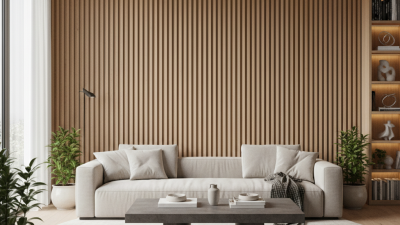
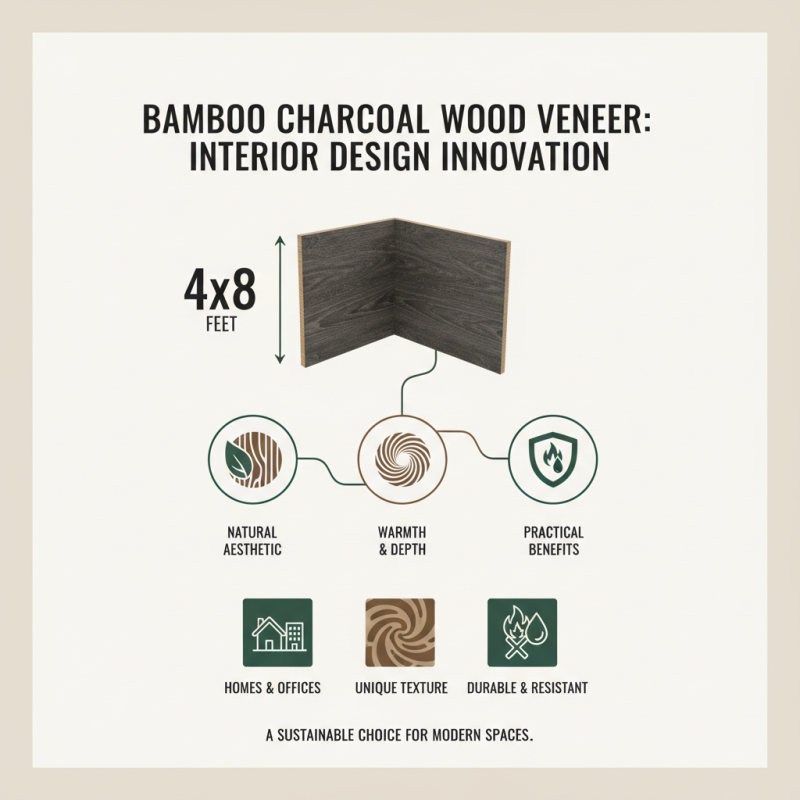
Bamboo charcoal wood veneer, measuring 4x8 feet, is gaining traction in interior design. Its unique qualities make it a popular choice among designers. This material brings a natural aesthetic into homes and offices. The texture adds warmth and depth to any space. It’s not just about looks; bamboo charcoal provides several practical benefits.
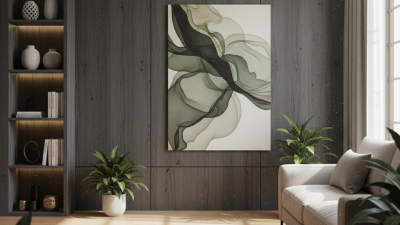
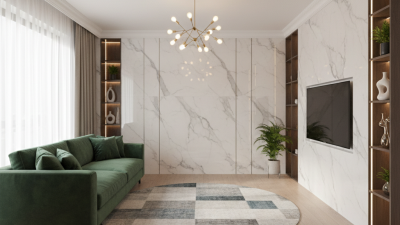
The applications of bamboo charcoal wood veneer are diverse. Designers often use it for feature walls, cabinetry, and furniture. Its earthy tones create a calming atmosphere. People notice the distinct grain patterns, enhancing visual interest. In kitchens, it can be used on cabinets for a fresh, organic feel. In living rooms, it pairs well with modern decor, adding a rustic touch.
It's important to consider the installation process. While the veneer is lightweight, it requires careful handling. Improper installation can lead to imperfections. Designers should also ensure proper sealing to maintain durability. It's a reminder that even beautiful materials need attention to detail. Balancing aesthetics with functionality is key in successful interior design.