Why Acoustic Panel Ceiling is Essential for Soundproofing Your Space?
In modern design, an "Acoustic Panel Ceiling" plays a crucial role in soundproofing. Expert sound engineer John Smith emphasizes, "A well-designed ceiling can transform acoustics dramatically." This highlights the importance of integrating acoustic solutions in our environments.
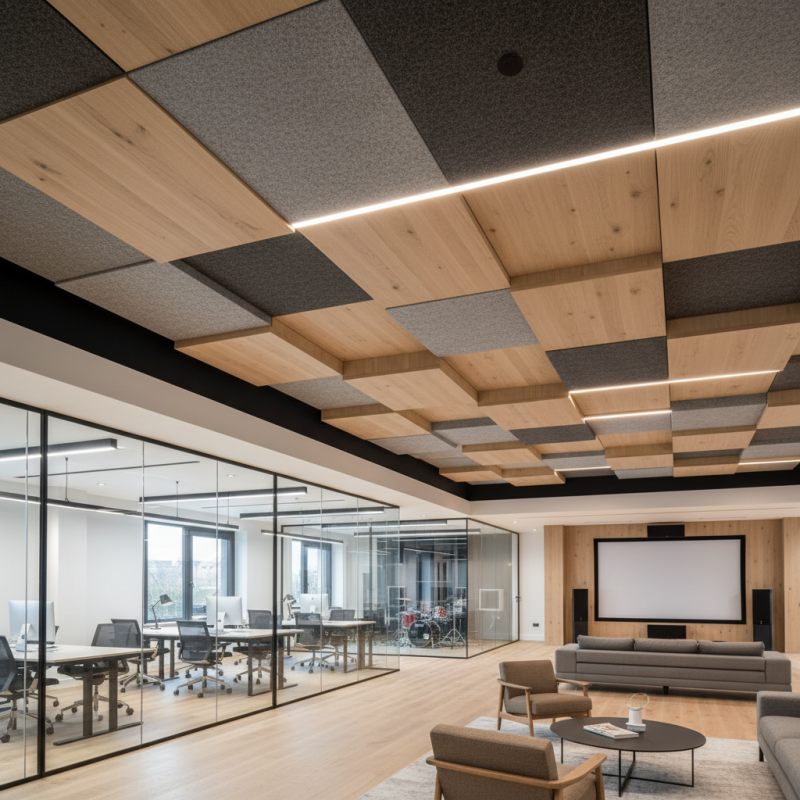
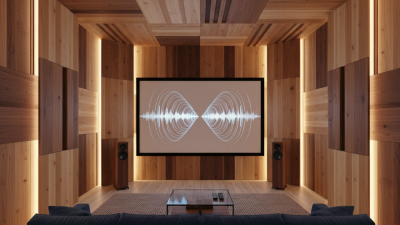
The challenges of noise control are becoming more apparent. Many spaces suffer from echoes or unwanted sounds. An "Acoustic Panel Ceiling" addresses these issues effectively. It absorbs sound waves and improves overall sound quality. This is particularly valuable in offices, music studios, and home theaters.
However, choosing the right panels can be daunting. Not every panel suits every space. There’s also a tendency to overlook aesthetics in favor of functionality. Balancing both aspects is essential for a satisfactory outcome. A thoughtful approach to acoustic design can lead to a more pleasant daily experience.
Understanding Acoustic Panel Ceilings and Their Functionality
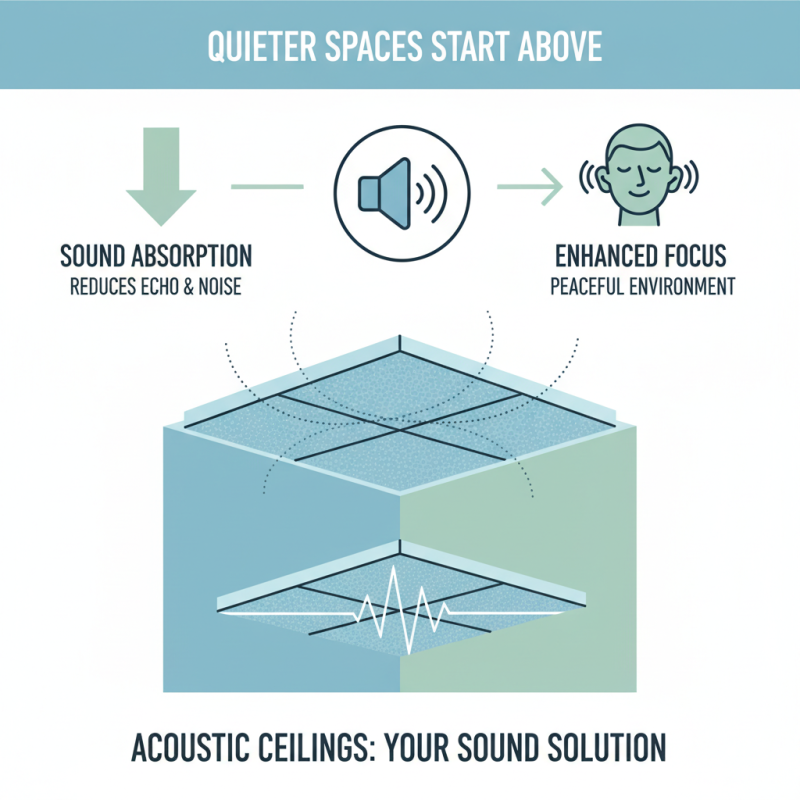
Acoustic panel ceilings are vital for soundproofing spaces. They absorb sound waves, reducing echo and noise. This functionality transforms your room into a quieter haven. Without proper soundproofing, noise can disrupt your peace. Unwanted sounds often make it hard to focus. An acoustic ceiling helps mitigate these issues effectively.
Using acoustic panels can enhance your home or office. They come in various shapes and colors. This versatility allows for creative designs. You can even match the panels to your existing decor. However, installation might not be perfect. It may require adjustments to achieve optimal results. Be ready for some trial and error.
Tips: Consider the size of your room. Larger spaces may need more panels. Also, think about where sound tends to bounce. Placing panels in these areas can yield better outcomes. Remember, it’s okay if the results aren’t flawless. Soundproofing is often an ongoing process. You might have to experiment with different configurations.
The Importance of Soundproofing in Modern Spaces
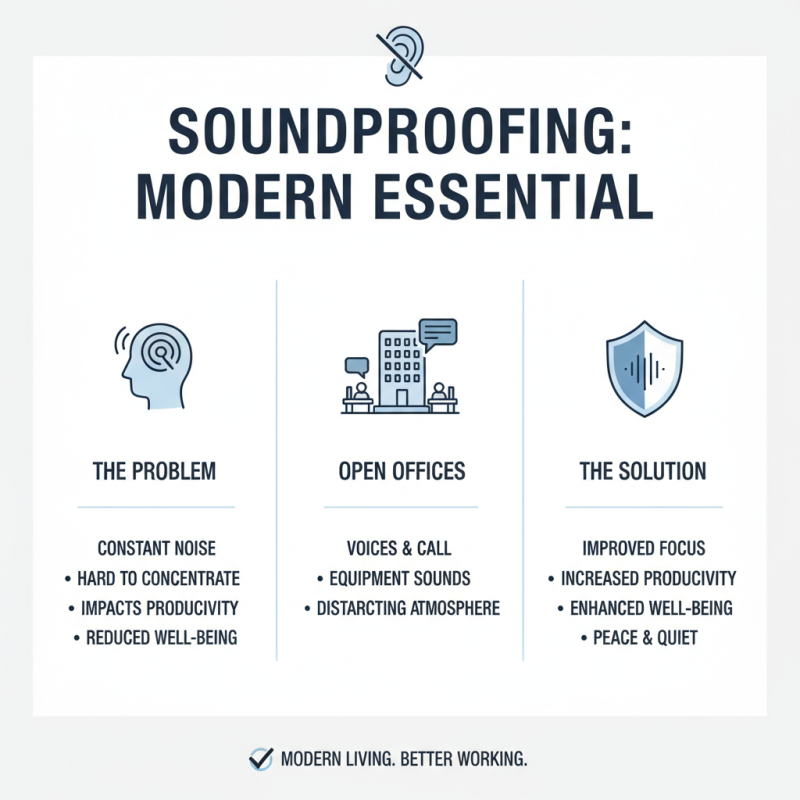
In modern living and working environments, soundproofing has become essential. Many people find it hard to concentrate with constant noise. This is especially true in open office spaces. The voices, phone calls, and equipment create a distracting atmosphere. It impacts productivity and overall well-being.
Acoustic panel ceilings can significantly improve sound quality. They absorb sound waves, reducing echo and reverberation. This creates a more serene environment. Imagine a quiet space where you can focus. Spaces without these panels can feel chaotic. The sounds bounce off walls and disrupt conversations. It may lead to fatigue and stress over time.
Not everyone considers soundproofing a priority. Some might think it’s just an extra expense. However, in noisy urban areas, it becomes necessary. Without soundproofing, the charm of modern spaces can be lost. Architects and designers need to recognize this. They must incorporate sound-absorbing materials into their plans. A balance between aesthetics and functionality is essential for a truly effective space.
How Acoustic Panels Improve Sound Quality and Reduce Noise
Acoustic panels significantly enhance sound quality in various environments. Their design absorbs sound waves, reducing echo and reverberation. A study by the Acoustical Society of America found that strategically placed panels can reduce noise levels by up to 50%. This improvement is vital in spaces like recording studios, offices, and classrooms.
Incorporating acoustic panels into your ceiling can create a more focused sound environment. They help to filter out disruptive noises, allowing conversations and music to flow more clearly. Interestingly, a report from the National Institute of Standards and Technology indicates that poor acoustics can double the cognitive load on individuals working in noisy conditions. This burden affects productivity and overall satisfaction.
Many people overlook the importance of sound quality in their spaces. It’s easy to assume that furniture or layout matters more. However, without proper acoustic treatment, even beautifully designed rooms can fall flat. Acoustic panels offer a practical, visually appealing solution. They come in various colors and designs, fitting seamlessly into any decor. Yet, one must acknowledge the need for thoughtful placement and adequate coverage to achieve optimum results.
Why Acoustic Panel Ceiling is Essential for Soundproofing Your Space?
| Dimension |
Description |
Impact on Sound Quality |
Noise Reduction Effect |
| Material Type |
Foam, Fabric, or Wood |
Different materials absorb sound differently |
Varies with material choice |
| Thickness |
1 inch to 4 inches |
Thicker panels generally absorb lower frequencies |
Improved noise reduction with thickness |
| Installation Method |
Directly mounted or suspended |
Direct mounting can be more effective for soundproofing |
Suspended may create gaps for sound leakage |
| Noise Reduction Coefficient (NRC) |
0.00 to 1.00 scale |
Higher NRC indicates better sound absorption |
Effective in reducing specific frequencies |
| Aesthetic Options |
Color, texture, and design |
Enhances overall room aesthetics |
Does not impact noise reduction directly |
Choosing the Right Acoustic Panels for Your Ceiling Needs
Choosing the right acoustic panels is vital for effective soundproofing. These panels come in various materials, sizes, and designs. It can be overwhelming. Some options may look great but don’t perform well. Aesthetic choices shouldn't overshadow functionality.
Consider the room's purpose. For a home theater, dense materials are often best. In contrast, lightweight panels may suffice for casual spaces. The color and texture can also enhance a room’s design. However, picking a stylish panel that isn’t effective can lead to regrets.
Installation plays a critical role. Improperly placed panels can lead to dead spots or echoes. Measure your ceiling accurately. You might need professional help if unsure about placement. Remember, soundproofing is a journey, not a quick fix. It often requires experimentation and adjustments. Finding the perfect panels might take time.
Importance of Acoustic Panel Ceilings for Soundproofing
Installation Techniques for Effective Soundproofing with Acoustic Panels
Acoustic panels are vital for enhancing soundproofing in any space. Effective installation is key to maximizing their benefits. It’s essential to consider the room's acoustic profile before placing panels. Positioning panels strategically can reduce echo and dampen sound levels significantly. Research shows that proper acoustic treatment can lower noise levels by as much as 50%, depending on the installation quality.
When installing acoustic panels, here are some tips: Measure your wall heights and widths first. This helps in determining panel sizes. Avoid placing panels too close together. It can lead to uneven sound absorption. Instead, create a balanced layout that evenly distributes the panels. Also, use compatible adhesive or mounting hardware to ensure the panels stay secure.
Many installers overlook the importance of testing sound levels after installation. Consider using a decibel meter. It can help you assess the effectiveness of your installation. If noise persists, adjust the panel placement accordingly. Aim for a combination of wall and ceiling panels for optimal soundproofing. Remember, the goal isn’t just to deaden sound, but rather to create a harmonious acoustic environment.