What is a 3D WPC Exterior Wall Panel and How Does It Work?
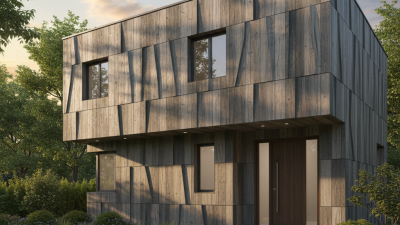
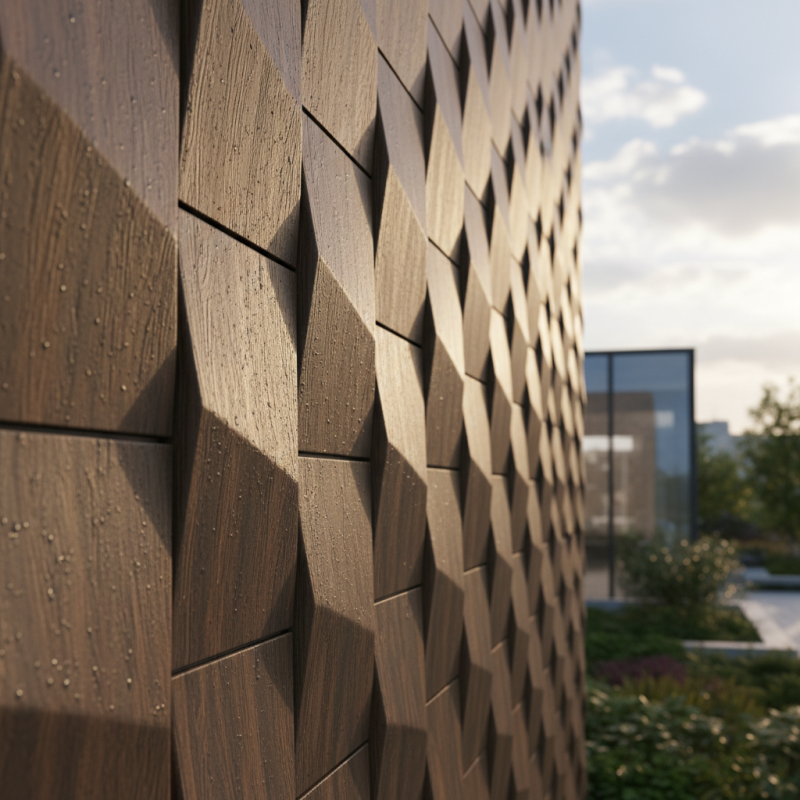
The construction industry is evolving, and innovation is at its core. One remarkable advancement is the 3D WPC exterior wall panel. These panels are not only aesthetically pleasing but also highly functional. Made from wood-plastic composites, they offer durability that can withstand various weather conditions.
The 3D WPC exterior wall panel serves a dual purpose: it enhances the building's appearance while providing insulation. This panel's unique design creates a modern look that appeals to many homeowners and builders. Yet, despite its advantages, it could face challenges in widespread adoption. Some may question its long-term sustainability or the cost-effectiveness compared to traditional materials.
While the 3D WPC exterior wall panel shows promise, it is essential to consider both its benefits and drawbacks. Continuous research and feedback are crucial to refining this product. Embracing these panels could transform the exterior aesthetics of buildings, yet careful analysis is necessary for a successful outcome.
Definition and Composition of 3D WPC Exterior Wall Panels
3D WPC (Wood Plastic Composite) exterior wall panels are innovative building materials designed for durability and aesthetics. These panels combine wood fibers with thermoplastics, creating a composite that harnesses the strengths of both materials. Reports suggest that WPC panels can last up to 25 years with minimal maintenance, making them a smart choice for exterior applications.
The composition of 3D WPC panels often includes recycled wood and plastic materials. This not only reduces waste but also lowers overall production costs. The panels can be molded into various textures and colors, enhancing visual appeal. According to industry studies, 3D WPC panels can reduce energy costs by improving insulation, which can lead to substantial savings for homeowners and builders alike.
**Tip:** When selecting WPC panels, consider their UV resistance. Not all panels will hold up equally under sun exposure. Also, be aware of the correct installation methods to optimize the panels' longevity. Proper alignment and sealing can make a significant difference in performance. Remember, not all WPC panels are created equal; research your options thoroughly.
What is a 3D WPC Exterior Wall Panel and How Does It Work?
| Feature |
Description |
| Material Composition |
Made from a combination of wood fibers and plastic composites, offering durability and reduced environmental impact. |
| Size Options |
Available in various sizes, typically ranging from 4x8 ft to custom dimensions. |
| Design Flexibility |
3D textured patterns providing aesthetic versatility that can mimic natural materials. |
| Installation Method |
Quick and easy installation with options for adhesive or mechanical fasteners depending on the surface. |
| Weather Resistance |
Highly resistant to moisture, UV rays, and temperature fluctuations, maintaining structural integrity. |
| Maintenance Requirements |
Low maintenance; requires occasional cleaning but does not need painting or staining. |
| Environmental Impact |
Manufactured with recycled materials, contributing to sustainability and reducing carbon footprint. |
| Cost Effectiveness |
Competitive pricing in comparison to traditional materials, offering long-term savings due to durability. |
Advantages of Using 3D WPC Wall Panels in Construction
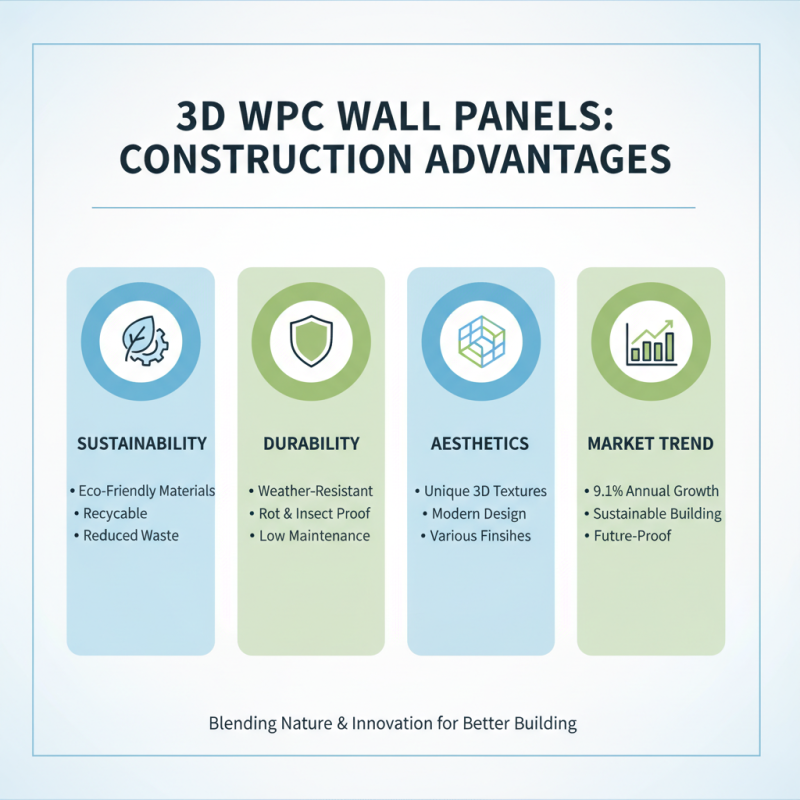
3D WPC (Wood-Plastic Composite) exterior wall panels are gaining popularity in the construction industry. These panels blend wood fibers and plastic materials. They create a unique aesthetic while providing durability. The 3D design adds depth and visual interest to any structure. According to industry reports, the global WPC market is expected to grow by 9.1% annually through 2025, driven by sustainable building trends.
The advantages of 3D WPC wall panels are substantial. They resist moisture and pests, which helps prolong building longevity. Additionally, they require minimal maintenance compared to traditional materials. A study indicated that WPC panels can last over 25 years without significant degradation. This durability can lead to considerable cost savings in the long run. However, installers need proper training for best results.
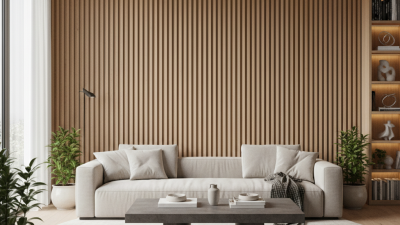
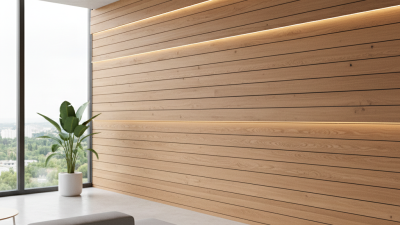
Aesthetically, these panels can mimic natural wood grain while offering consistent performance. This flexibility allows designers to explore innovative architectural solutions. Yet, not all manufacturers provide the same quality. Some lower-end products may warp or fade over time. Selective sourcing is crucial for successful installation and long-term satisfaction. Balancing cost and quality remains a challenge.
Installation Process for 3D WPC Exterior Wall Panels
Installing 3D WPC exterior wall panels can transform your building's aesthetic. The process is straightforward but does require careful planning. Begin by measuring the area where panels will go. Ensure the surface is clean and dry. This step is crucial for proper adhesion.
After preparation, cut the panels to fit the dimensions. Use a circular saw for clean edges. Ensure that you wear safety equipment during cutting. Alignment is key. Panels should be installed starting from the bottom, working upwards. This method prevents water from seeping behind the panels. Leave a small gap between each panel to allow for expansion and contraction.
Tips for a successful installation: Use a level tool to check alignment frequently. It helps avoid costly mistakes. Double-check measurements before cutting. Mistakes can lead to wasted material. Lastly, always keep excess panels for future repairs. Having extra pieces can save time later on.
It's common to find yourself adjusting panels multiple times. Don't rush; take your time to get it right. Patience is vital to ensure the final look is flawless.
Installation Process for 3D WPC Exterior Wall Panels
Maintenance and Durability of 3D WPC Panels
3D WPC (Wood-Plastic Composite) exterior wall panels are gaining popularity in modern construction. Their durability is one of the key features. These panels combine the strength of wood with the resilience of plastic. According to a report by the American Architectural Manufacturers Association, WPC panels can last up to 30 years with proper maintenance.
Maintenance is crucial for maximizing the lifespan of 3D WPC panels. Regular cleaning helps prevent dirt buildup and mold growth. Use a mild detergent and water solution to clean surfaces. Avoid harsh chemicals, as they can damage the panel finish. A thorough inspection at least once a year is also recommended. Look for any signs of wear or damage.
Tips: Consider applying a protective sealant every few years. This enhances water resistance and helps maintain color. Additionally, keep an eye on surrounding plants. Overgrown vegetation can trap moisture and lead to rot.
The durability of 3D WPC panels lies in their resistance to rot and insects. Nonetheless, they are not entirely foolproof. In humid climates, monitoring is essential. Some users have reported occasional fading in sunlight. This is something to consider when choosing colors and finishes.
Applications and Design Options for 3D WPC Wall Panels
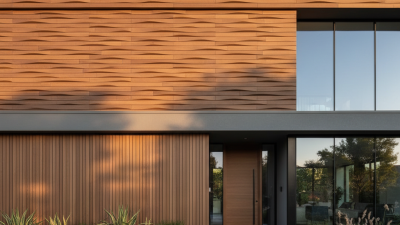
3D WPC wall panels are increasingly popular in both residential and commercial applications. They offer a unique aesthetic appeal. These panels combine wood and plastic, creating a durable and sustainable product. Ideal for exteriors, they enhance visual interest and provide a protective barrier. Designers enjoy using them for their versatility in colors and textures.
In residential settings, 3D WPC panels can transform facades, adding depth and dimension. They complement modern architecture well and support creative designs. For commercial spaces, they enhance branding through customized patterns. However, while appealing, some may find installation challenging. Precise measurements are crucial. Poor fits can lead to gaps and structural issues.
These panels work well in outdoor settings, resisting moisture and UV damage. Yet, maintenance is still required to keep them looking fresh. Regular cleaning can extend their life. While they are a great choice, one must consider personal style and functionality. Not every design suits every building. These panels can be a bold choice, but it’s important to reflect on how they fit into the overall design.