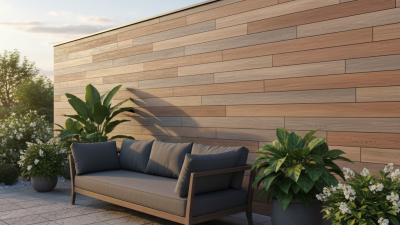
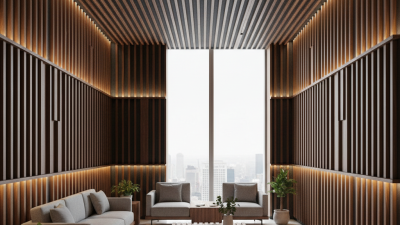
2026 Top Wood WPC Wall Panel Trends for Global Buyers?
As the world shifts towards sustainable construction, the demand for Wood WPC Wall Panels continues to rise. These panels combine natural wood aesthetics with the durability of plastic, making them an attractive choice for buyers. In 2026, global buyers will notice several key trends shaping the Wood WPC Wall Panel market.
The usage of recycled materials is becoming increasingly common. Manufacturers are focusing on eco-friendly practices that appeal to environmentally conscious consumers. Additionally, advanced technology in panel production is enhancing the strength and longevity of Wood WPC Wall Panels. Buyers will also see an array of color options and textures, allowing for creativity in design.
Importantly, the market’s growth poses challenges. Not all manufacturers adhere to quality standards, which can lead to inferior products. Buyers must remain vigilant when selecting suppliers. Clear communication and thorough research are essential for ensuring reliability. The evolution of Wood WPC Wall Panels reflects a broader trend towards innovation in building materials, capturing the attention of those in the construction industry.
Emerging Materials in WPC Wall Panels for 2026
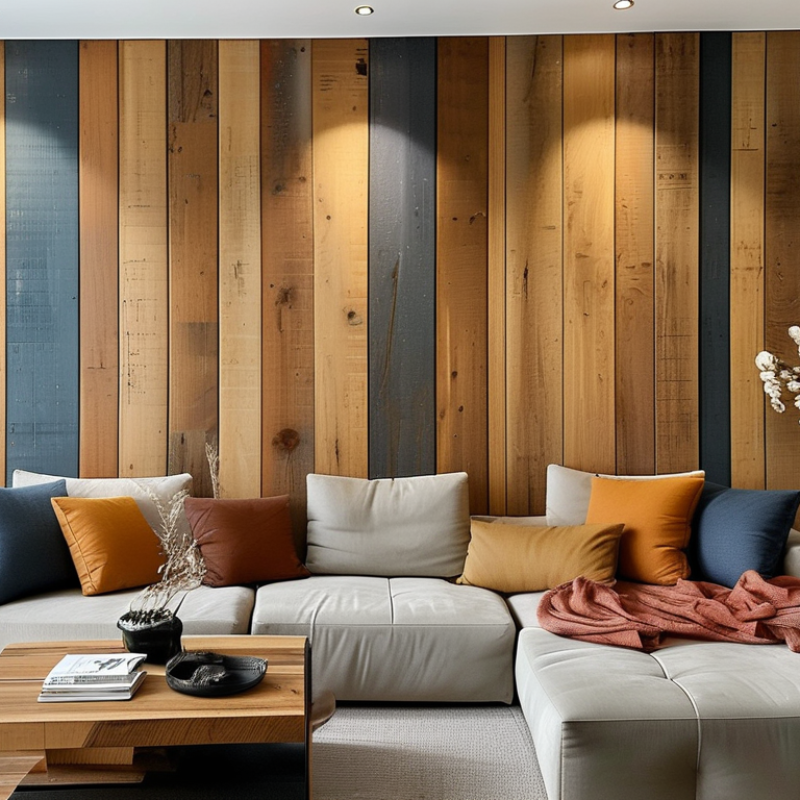
Emerging materials for WPC wall panels in 2026 are set to reshape the industry. Innovations in wood-plastic composites enhance durability and aesthetics. Manufacturers are exploring bio-based materials, reducing reliance on traditional plastics. For instance, by using natural fibers, they improve sustainability while maintaining strength.
Recycled content is gaining attention. Not only does it lower production costs, but it also appeals to eco-conscious consumers. This trend reflects a broader shift towards sustainability in construction. However, concerns about the longevity and maintenance of these materials persist. Buyers must consider how these factors can affect long-term satisfaction.
Another area of focus is enhanced surface treatments. Improved finishes make panels resistant to fading and wear. This technical advancement is crucial for outdoor applications. Yet, the effectiveness of these treatments needs regular evaluation. The evolving market demands a balance between innovation and practical performance.
Innovative Designs Shaping the Future of Wood WPC Wall Panels
Innovative designs are transforming the wood WPC wall panel market. The blend of aesthetics and performance is at the forefront of these trends. Global buyers now seek eco-friendly options that showcase sustainability. Panels made from recycled materials are gaining popularity. They offer a unique look while reducing waste.
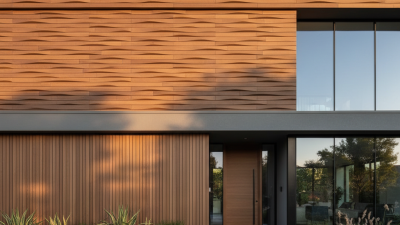
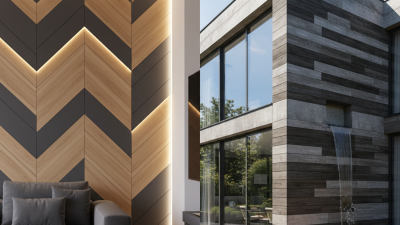
Textures and finishes are evolving, too. Buyers prefer natural wood appearances combined with modern durability. Designs mimic the grain and color variations found in real wood. This creates an appealing visual without compromising strength. Simplistic yet sophisticated patterns are on the rise. Striking a balance between elegance and functionality is key.
However, challenges remain. There is ongoing debate about the longevity of certain WPC products. Some panels show signs of wear over time. Ensuring weather resistance is a common concern. Buyers must research materials and suppliers carefully. Innovations in technology are promising, yet results may vary. Investing in quality products is essential for lasting satisfaction.
2026 Top Wood WPC Wall Panel Trends
Sustainability Trends in WPC Wall Panel Production and Usage
The rise of sustainability in WPC (Wood Plastic Composite) wall panel production reflects a growing awareness among consumers and manufacturers. This trend is not merely a marketing strategy; it signifies a fundamental shift in how materials are sourced, processed, and utilized. For example, using recycled plastics not only reduces waste but also minimizes the carbon footprint associated with new plastic production. Integrating renewable wood fibers further enhances the eco-friendliness of WPC panels.
Many manufacturers are adopting eco-conscious practices in their operations. They focus on using responsible forestry practices to source wood, ensuring forests are not depleted. However, there are still challenges in balancing cost and sustainability. Some companies may compromise on quality or ethical sourcing to cut costs, leading to a need for stricter regulations. Transparency in the supply chain remains a significant issue. Without comprehensive standards, buyers may struggle to identify genuinely sustainable products versus those using greenwashing tactics.
As consumers become more educated, the demand for authentic sustainability will likely increase. More buyers are seeking environmentally friendly options, pushing manufacturers to innovate. Yet, this also raises questions about accessibility and affordability. Not all consumers can afford premium, sustainable options. This gap suggests a need for wider industry engagement. Overall, the future of WPC wall panels must find a harmonious balance between sustainability, quality, and cost.
Key Consumer Preferences Influencing WPC Wall Panel Purchases
Consumer preferences are significantly shaping the WPC wall panel market. According to a report by Research and Markets, the global WPC market is projected to reach $10.3 billion by 2026. Sustainable materials are becoming crucial. Buyers increasingly favor eco-friendly products, which align with their values. Nearly 65% of consumers consider environmental impact when purchasing.
Durability remains a key factor. Many consumers want materials that withstand harsh weather. This demand drives manufacturers to innovate. Reports indicate that WPC panels have a lifespan of over 25 years with proper maintenance. However, buyers often hesitate due to perceived upkeep challenges. There is a need for clearer information on maintenance requirements.
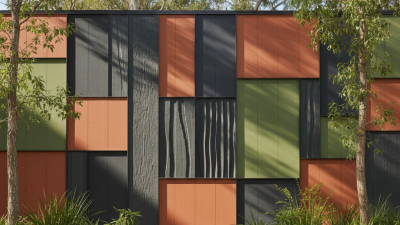
Aesthetic appeal is also vital. Buyers look for designs that enhance their spaces. Textures and colors play a role in decision-making. Industry surveys show that 70% of consumers prioritize style alongside functionality. Yet, some express confusion over design options available in the market. The challenge remains for companies to simplify choices while providing varied options.
Global Markets and Opportunities for WPC Wall Panels in 2026
The global market for Wood Plastic Composite (WPC) wall panels is on the rise.
With a projected increase in demand, buyers are exploring new avenues. In 2026, sustainability is expected to drive significant market growth. Many consumers favor eco-friendly materials. WPC panels offer durability and aesthetic appeal. Their resistance to moisture and insects makes them ideal for various climates.
Emerging markets in Asia and Africa present unique opportunities. These regions are investing in infrastructure and urban development. WPC wall panels are gaining traction due to their lightweight nature and versatility. However, buyers should consider regional preferences. Local design elements can enhance the appeal of these panels. Identifying cultural trends will be essential for market penetration.
While the growth potential is promising, challenges remain. Manufacturers must ensure consistent quality and environmental compliance. Balancing cost and performance may require innovative approaches. Additionally, competition is increasing intensely. Staying ahead will involve adapting to changing consumer preferences. Embracing new technologies and methods will be crucial for success in this evolving landscape.