2026 Top Textured WPC Wall Panel Trends You Must Know?
In the realm of interior design, the Textured WPC Wall Panel is making waves. These panels blend aesthetics and functionality, creating inviting spaces. Designers are increasingly drawn to their versatile nature and realistic wood-like textures. They offer a modern twist to traditional wall coverings.
As trends evolve, homeowners seek innovative ways to enhance their environments. Textured WPC Wall Panels provide just that, offering numerous styles to fit any decor. With advancements in technology, these panels are becoming more accessible and affordable. However, it's essential to consider their long-term impact on the environment and maintenance.
Navigating this market requires understanding various options available. The right choice can elevate your space dramatically. Yet, it's crucial to reflect on personal tastes and practical needs. Embracing change can be challenging, but the aesthetic rewards are often worth the effort.
Emerging Color Trends in Textured WPC Wall Panels for 2026
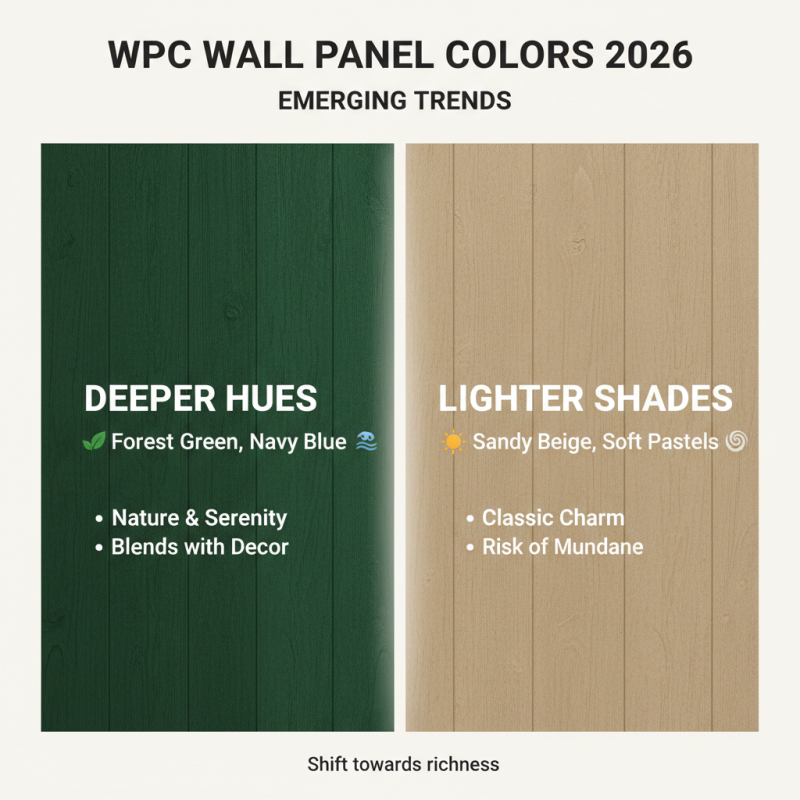
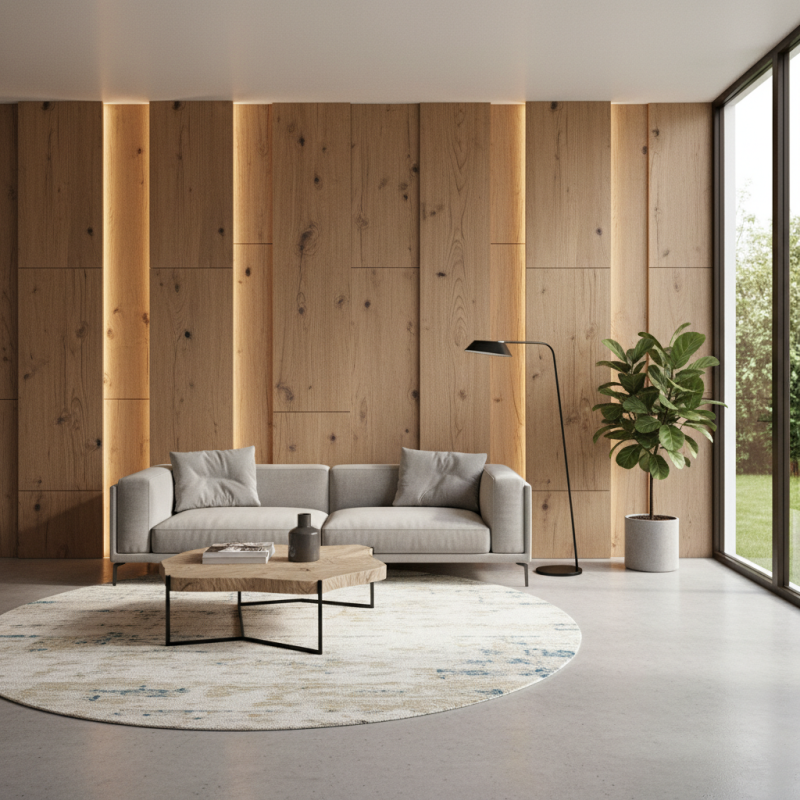
Emerging color trends for textured WPC wall panels in 2026 reflect a shift towards deeper hues. Rich shades such as forest green and navy blue are becoming popular. These colors evoke a sense of nature and serenity. They blend well with various decor styles. Light shades like sandy beige and soft pastels continue to hold their charm. However, the trend may risk seeming mundane.
Texture plays a crucial role in enhancing color appeal. Textured panels add depth, creating visual interest. Imagine a wall painted in a deep emerald green, textured to mimic natural stone. This combination can transform any space. But, potential overuse of bold colors might lead to overwhelming aesthetics. Balance is essential.
In 2026, expect an adventurous approach to color combinations. Pairing unexpected tones can yield striking results. Think of burnt orange next to rich charcoal. While this might not work for everyone, it’s worth experimenting. However, the challenge is knowing when to stop. Avoid letting bold choices overpower the room. A thoughtful approach creates a cozy yet dynamic atmosphere.
Innovative Textures and Finishes Transforming WPC Wall Designs
The world of Wood Plastic Composite (WPC) wall panels is evolving rapidly. Innovative textures and finishes are transforming traditional designs. This shift allows for more personalized and aesthetic choices in interior and exterior spaces. Homeowners and designers are excited about these possibilities.
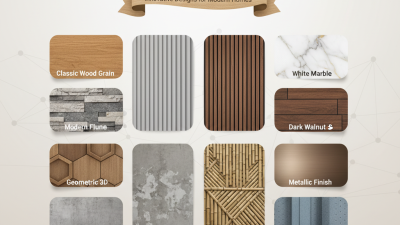
Textured WPC panels now feature deep grooves and realistic wood grains. These designs bring warmth and depth to walls. Some textures mimic the look of rustic barns while others offer a sleek, modern finish. Colors vary widely, from muted earth tones to vibrant hues. It’s a creative playground, but not all designs are successful. Some textures may not suit every environment. A careful selection process is necessary to avoid mismatch and disappointment.
Finishes also play a key role in WPC wall designs. Matte finishes offer a subtle elegance, while glossy surfaces add a contemporary vibe. The debate over durability versus aesthetic appeal continues. Some finishes may show wear faster than others, leading to questions. Will they stand the test of time? It's worth considering the long-term impact of these choices. Finding the right balance between style and longevity remains a challenge.
Eco-Friendly Materials Shaping the Future of WPC Wall Panels
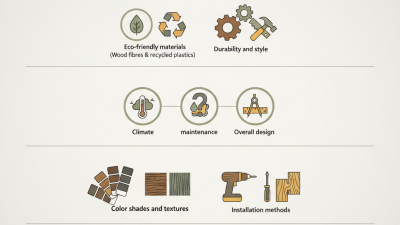
As the demand for sustainable building materials grows, WPC wall panels are leading the charge. These panels combine wood fibers and recycled plastics, creating a product that is both durable and eco-friendly. Manufacturers are focusing on innovative materials that reduce environmental impact. This shift not only conserves resources but also fosters a healthier living environment.
One trend emerging in 2026 is the use of organic additives in WPC production. These additives enhance biodegradability while maintaining the structural integrity of the panels. Some companies are experimenting, yet results may vary in performance. It’s a reminder that innovation comes with its challenges.
Another notable trend is the rise of upcycled materials. By reusing waste products, manufacturers showcase how creativity can solve environmental issues. However, the balance between aesthetics and sustainability may sometimes falter. Designers need to reflect on their choices. Striving for more eco-friendly options is commendable, yet the quest for perfection can lead to oversights. Crafting the ideal WPC wall panel is a continuous journey.
2026 Top Textured WPC Wall Panel Trends
An overview of the percentage preference for different textured WPC wall panel materials in 2026.
Key Applications of Textured WPC Wall Panels in Modern Interiors
Textured WPC wall panels are gaining popularity in modern interiors. These panels blend aesthetics with practicality, making them a smart choice for various applications. One notable use is in living rooms. The unique textures add depth and character to walls, creating a cozy atmosphere.
These panels can also be utilized in offices. A textured wall can enhance professionalism while adding a touch of warmth.
In kitchens, textured WPC wall panels serve as a striking backdrop. Their resistance to moisture and easy maintenance is crucial in this space. Imagine a rustic wood finish adding charm to a modern kitchen setup. It creates a wonderful contrast that many homeowners seek. However, the choice of texture is vital. A poorly chosen design can overwhelm a room. Be mindful of the overall color scheme and furnishings.
Tips: Choose textures that complement existing decor. A subtle pattern can unify the space. Don't shy away from mixing materials. Combining metal accents with wood textures can yield stunning results. Remember, balance is key. Too many textures can complicate the look. It's best to focus on a few standout features.
Design Inspirations: Incorporating WPC Panels in Various Settings
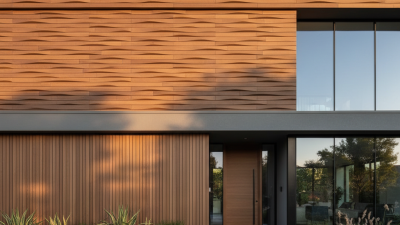
When it comes to incorporating WPC panels in design, creativity is key. These panels offer a unique texture that enhances both indoor and outdoor spaces. For living areas, a feature wall with WPC panels can bring warmth and depth. Pair it with cozy furniture to create an inviting atmosphere. Adding plants or artwork can further accentuate the natural feel of the wood-plastic composite.
In commercial settings, WPC panels can redefine conventional design. They work well in restaurants or cafes, where a rustic touch is desired. A textured panel behind the counter can create a focal point. Consider mixing colors for a more dynamic look. However, balance is essential; too many patterns can overwhelm the space. Reflect on how the material interacts with light and surroundings.
Bathrooms are often overlooked but can benefit from WPC panels. Their resistant qualities suit humid environments. Textured panels add elegance, yet the design must not become too busy. A simple motif could provide harmony. Think about the user experience; comfort should come first. Some design choices might not stand the test of time. Embrace imperfections, as they bring charm to any project.