2026 Top WPC Louver Panel Trends for Global Buyers?
As we approach 2026, it becomes vital for global buyers to stay informed about the latest trends in WPC Louver Panels. These panels have gained traction due to their sustainability and durability. They offer excellent solutions for urban environments, blending aesthetics with functionality. In recent years, the demand for WPC Louver Panels has steadily increased, driven by a growing awareness of eco-friendly materials.
The versatility of WPC Louver Panels presents numerous design possibilities. However, buyers must focus on quality. Not all manufacturers meet the standards expected in today’s market. Doing thorough research helps avoid common pitfalls. Factors such as weather resistance and material composition should be prioritized. A well-made panel should withstand the test of time.
Looking ahead, customization will be key. Buyers may want to explore unique colors and finishes. This trend offers opportunities for differentiation in both residential and commercial spaces. However, it raises questions about manufacturing consistency. Evaluating different sources remains a challenge. Striking a balance between aesthetics, sustainability, and reliability will be crucial as we navigate the evolving market landscape.
2026 Overview of WPC Louver Panels and Their Applications
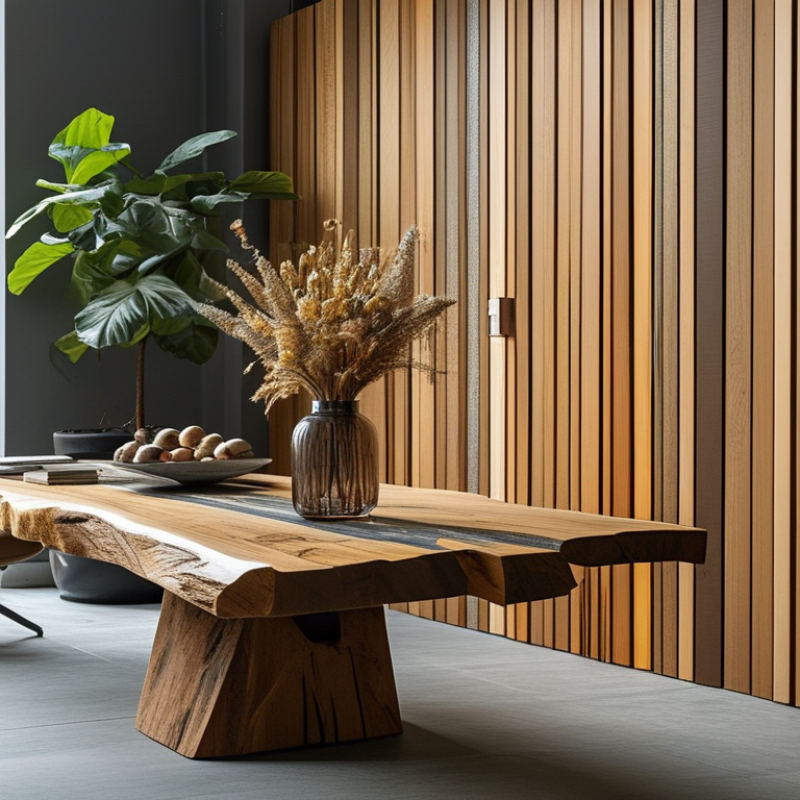
WPC louver panels are becoming increasingly popular in various applications. Their versatility makes them suitable for residential, commercial, and industrial use. These panels offer privacy and sunlight control. Additionally, they enhance the aesthetic appeal of spaces. Many buyers are now considering them for both interior and exterior projects.
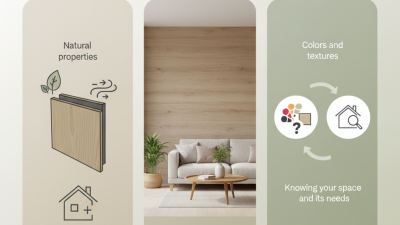
Installation can be straightforward, but there are key factors to consider. Make sure to measure your space accurately. Poor measurements lead to complications. Also, choose the right color and texture to match your environment. WPC panels are available in many finishes. This variety allows for creative designs, but too many choices can be overwhelming.
Tips: Always check for local building codes before installation. This ensures that your project complies with regulations. Maintenance is minimal, but occasional cleaning is necessary. Take care of your WPC panels, as neglect can shorten their lifespan. Consider consulting professionals for more complex installations. Their expertise can save you time and prevent mistakes.
Emerging Trends in WPC Material Technology for Louvers
The evolution of WPC (Wood-Plastic Composite) materials is reshaping the design of louver panels. In recent years, there's been a noticeable shift toward sustainability in construction materials. WPC combines recycled wood fibers with plastic, offering an eco-friendly option for modern architecture. Its durability and resistance to moisture make it ideal for outdoor applications. Yet, as manufacturers push for innovation, there are challenges to address regarding the longevity of these materials under extreme weather conditions.
Emerging trends indicate a move towards customizable designs. Buyers increasingly seek personalized solutions that reflect their unique aesthetic values. Advances in WPC technology enable intricate patterns and textures, appealing to the modern consumer. However, this shift also raises questions about the production process. Customization may lead to increased waste if not managed properly. The fine balance between creativity and sustainability is becoming a focal point for manufacturers and clients alike. Brands must remain vigilant in ensuring that beauty does not compromise environmental responsibility.
As WPC material technology continues to evolve, the industry must adapt. Innovations such as enhanced UV resistance and improved color retention are on the horizon, yet there's still room for improvement. Finding a reliable supplier who prioritizes both quality and environmental impact remains essential. In the quest for the perfect louver panel, understanding these trends can help buyers make informed decisions that align with their values.
Design Innovations in WPC Louver Panels for Modern Aesthetics
As the interest in sustainable building materials grows, WPC louver panels present a modern solution for aesthetic design. These panels are made from wood-plastic composites, which blend recycled materials for durability. According to recent industry reports, the WPC market is projected to reach USD 9.2 billion by 2026, signaling a rising demand for innovative designs.
One emerging trend involves integrating biophilic design principles into louver panels. This aims to create a connection between indoor and outdoor spaces. Designers now use patterns that mimic natural elements, making spaces feel larger and more inviting. Data from the International Journal of Architectural Engineering demonstrates that incorporating nature-inspired designs can enhance occupant wellbeing and productivity.
Despite these advancements, there are challenges to address. Many manufacturers still face difficulties in achieving the perfect balance between aesthetics and functionality. Some designs may look appealing but fail to provide adequate ventilation or sunlight control. Feedback from industry professionals highlights the need for continuous innovation to bridge this gap.
Sustainability Considerations in WPC Louver Panel Manufacturing
The importance of sustainability in WPC louver panel manufacturing cannot be understated. According to a recent industry report, the global market for WPC materials is expected to reach $10 billion by 2026, highlighting a growing demand for eco-friendly products. Manufacturers are increasingly focusing on recycled materials in their production processes. This shift not only reduces waste but also minimizes reliance on virgin plastics.
One challenge is ensuring the durability and aesthetic appeal of these panels. Research indicates that up to 30% of WPC products can fail to meet performance standards. As buyers prioritize green materials, it’s crucial for manufacturers to balance sustainability with quality. While many companies are making strides, not all are effectively addressing the carbon footprint of their operations. It’s essential for the industry to set clear benchmarks and transparency in manufacturing practices.
Incorporating life cycle assessments (LCA) into production is vital for measuring environmental impacts. This method helps identify areas for improvement, enabling businesses to refine their sustainability strategies. Reports suggest that companies employing LCA see a 20% increase in eco-efficiency over time. However, the gap in knowledge among smaller manufacturers can hinder overall progress. Collective efforts across the industry are necessary to push for industry-wide sustainability standards.
2026 Top WPC Louver Panel Trends for Global Buyers - Sustainability Considerations in WPC Louver Panel Manufacturing
| Trend |
Description |
Sustainability Impact |
Market Adoption Rate (%) |
Expected Growth (2026) |
| Recycled Materials |
Use of post-consumer recycled plastics in manufacturing WPC panels. |
Reduces landfill waste and decreases resource extraction. |
65 |
15% CAGR |
| Water-Based Coatings |
Adoption of eco-friendly water-based finishes for louver panels. |
Minimizes harmful emissions during production. |
70 |
20% CAGR |
| Carbon Footprint Reduction |
Implementation of practices that lower overall carbon emissions. |
Promotes environmental sustainability in the industry. |
55 |
10% CAGR |
| Durability Enhancements |
Improved formulations to increase the lifespan of WPC panels. |
Reduces waste by extending product life. |
60 |
18% CAGR |
| Biodegradable Options |
Development of panels that decompose naturally at end-of-life. |
Reduces long-term environmental impact. |
50 |
25% CAGR |
Market Analysis: Consumer Preferences and Buying Patterns in 2026
As we approach 2026, insights into consumer preferences reveal interesting shifts in the WPC louver panel market. Buyers are increasingly favoring eco-friendly materials over traditional options. Sustainable production methods resonate strongly with environmentally-conscious consumers. This trend suggests a growing demand for panels that are not only durable but also made from recycled or renewable resources.
Another notable shift is in design aesthetics. Many consumers are looking for customizable panels that fit their unique spaces. This allows for a personal touch in home and commercial applications. While functionality remains important, aesthetics cannot be overlooked. However, price sensitivity may hinder some from fully embracing premium designs. It prompts a reflection on how manufacturers can balance cost and innovation.
Functionality-wise, ease of installation and maintenance is crucial. Buyers prefer products that are straightforward to install. Yet, some panels still require professional installation, which can deter potential customers. Finding solutions that simplify this process will be essential. It’s a challenge that many in the industry will need to tackle going forward.