2026 Best WPC Wood Wall Panel for Global Buyers Guide?
In recent years, WPC Wood Wall Panels have surged in popularity among architects and homeowners alike. These innovative panels combine the natural beauty of wood with the durability of plastic, making them a versatile choice for various applications. Industry expert Dr. Emily Carter, a leading consultant in sustainable materials, notes, "WPC Wood Wall Panels represent a significant step towards eco-friendly construction."
As the global demand for sustainable building materials rises, understanding the benefits of WPC Wood Wall Panels becomes essential. They offer resistance to moisture, insects, and decay, which traditional wooden panels often lack. These attributes make them ideal for both indoor and outdoor use. However, buyers must navigate a complex market to find the best products that meet their specific needs.
While many manufacturers claim to provide high-quality WPC Wood Wall Panels, not all options deliver on this promise. Some products may fall short in durability or aesthetic appeal. Consumers should conduct thorough research and consider expert reviews before making a purchase. In a market flooded with options, distinguishing quality from mediocrity is crucial.
2026 Global Market Overview for WPC Wood Wall Panels
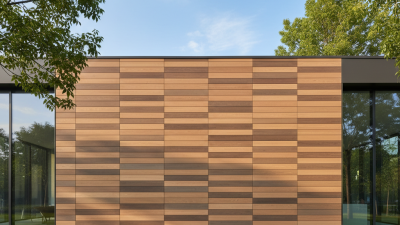
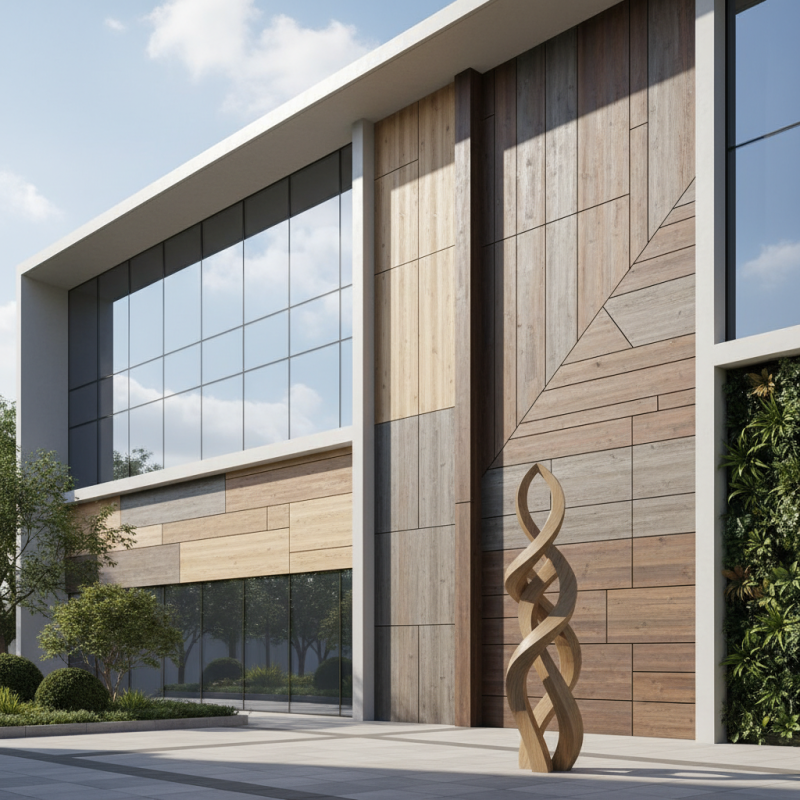
The global market for WPC wood wall panels is evolving quickly. These panels combine natural wood fibers with recycled plastic, offering a sustainable option for modern architecture. More buyers are exploring these panels due to their durability and aesthetic appeal. They are ideal for both interior and exterior applications.
In 2026, we can expect a surge in demand driven by environmental concerns. Homeowners and builders are increasingly focused on sustainable materials. However, concerns about the manufacturing process persist. Not all WPC panels are made equally, and some may not stand the test of time. Buyers need to research thoroughly.
Price variations also present challenges. While some WPC panels appear affordable, hidden costs can arise over time. Maintenance often requires extra investment. This aspect needs careful consideration. As this market grows, being informed and cautious will lead to better choices.
2026 Global Market Overview for WPC Wood Wall Panels
| Region |
Market Size (Million USD) |
Growth Rate (%) |
Key Applications |
Sustainability Rating |
| North America |
450 |
5.2 |
Residential, Commercial |
A+ |
| Europe |
600 |
4.8 |
Outdoor, Indoor |
A |
| Asia-Pacific |
700 |
6.5 |
Commercial, Residential |
B+ |
| Latin America |
200 |
3.5 |
Residential |
B |
| Middle East & Africa |
150 |
3.2 |
Commercial, Outdoor |
C+ |
Key Features and Benefits of WPC Wood Wall Panels
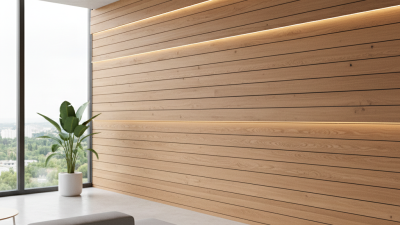
WPC wood wall panels are becoming increasingly popular in interior design. They blend natural aesthetics with modern functionality. One key feature is their durability. Made from a mixture of wood fibers and plastic, they resist moisture and pests. This makes them ideal for various climates.
Another significant benefit is their low maintenance. Unlike traditional wood, WPC panels do not require regular staining or sealing. A simple wipe-down is often enough to keep them looking fresh. This saves both time and money for homeowners.
For those considering WPC panels, here are some tips: Look for panels with a textured finish for added depth. Ensure the supplier provides installation guides. Remember, improper installation can lead to issues like warping. It’s essential to measure your walls accurately for a perfect fit. Using WPC panels can enhance your space elegantly while ensuring practicality.
Top Manufacturers and Suppliers in the WPC Industry
The WPC (Wood Plastic Composite) industry is growing rapidly, and it’s crucial for buyers to find reliable suppliers. The right manufacturers can make a significant difference in project quality. When selecting suppliers, consider their experience and expertise in producing innovative WPC wall panels.
Top manufacturers often use advanced technologies to ensure durability and aesthetic appeal. Many companies focus on sustainable practices, which is beneficial for the environment. However, not all suppliers follow the same standards. Therefore, thorough research is essential to identify trusted manufacturers. Look for certifications and customer reviews that reflect the company’s reliability.
Some manufacturers might claim to offer premium products but fail in execution. It's important to request samples to evaluate quality. Engaging directly with suppliers can provide insights into their production processes. Transparency about sourcing materials is also key in making informed decisions. Always weigh the pros and cons of various options before committing.
Comparative Analysis: WPC vs Traditional Wood Wall Panels
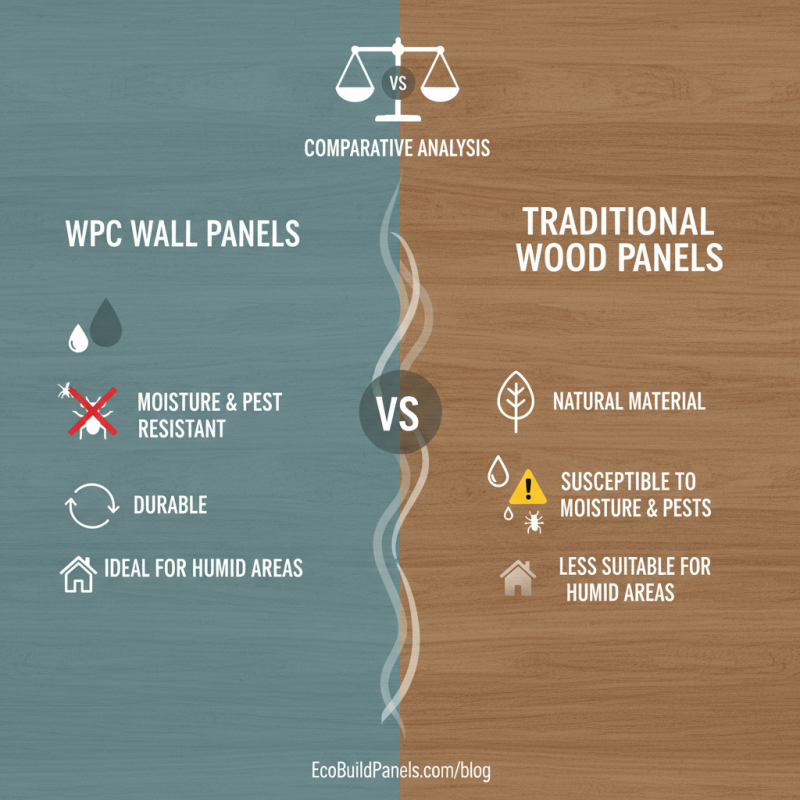
When choosing wall panels, WPC (Wood Plastic Composite) is gaining traction against traditional wood. Both materials have their pros and cons. WPC is made from wood fibers and plastic, making it highly resistant to moisture and pests. This durability is appealing, especially in areas with high humidity.
On the other hand, traditional wood can offer warmth and beauty that many homeowners cherish. However, it often requires more maintenance. Wood may warp or crack over time, leading to unexpected expenses. This is a crucial consideration for long-term investments in home decor.
**Tips:** Always consider the environment where the panels will be installed. For humid places, WPC is a reliable choice. For dry climates, traditional wood may maintain its integrity better. Additionally, think about eco-friendly options. Not all WPCs are created equal, so researching the manufacturing process can provide insights into their sustainability.
Trends in Sustainability and Innovation for WPC Wall Panels
Sustainability is at the forefront of WPC (Wood-Plastic Composite) wall panel innovations. Growing environmental concerns push manufacturers to adopt eco-friendly materials. Today, many WPC products combine recycled wood fibers and plastics. This approach reduces waste and lowers the carbon footprint.
Modern consumers demand products that are both stylish and green.
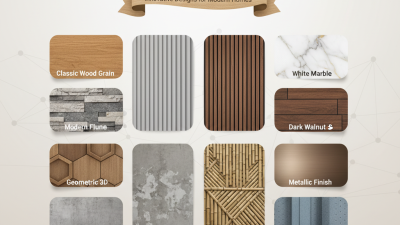
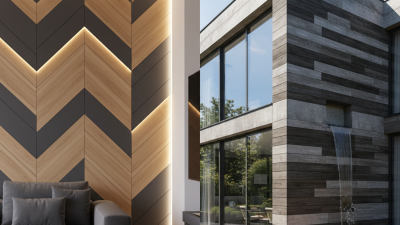
Innovation in design complements sustainability efforts. Many brands now focus on textured finishes and vibrant colors. This enhances the aesthetic appeal of WPC panels. Advanced technology allows for customization, meeting diverse buyer preferences.
However, not all innovations are flawless. Some panels may not perform well in extreme weather. It's crucial to research durability before purchase.
The trend towards sustainability will likely intensify. Buyers are becoming more informed and conscious. They seek products that align with their values. In this evolving market, staying updated is essential. Future improvements in WPC wall panels may focus more on renewable resources.
Continuous learning will shape better designs and effects. Understanding both benefits and challenges is necessary in this journey.