2026 Best PVC Marble Sheet Features and Benefits Explained?
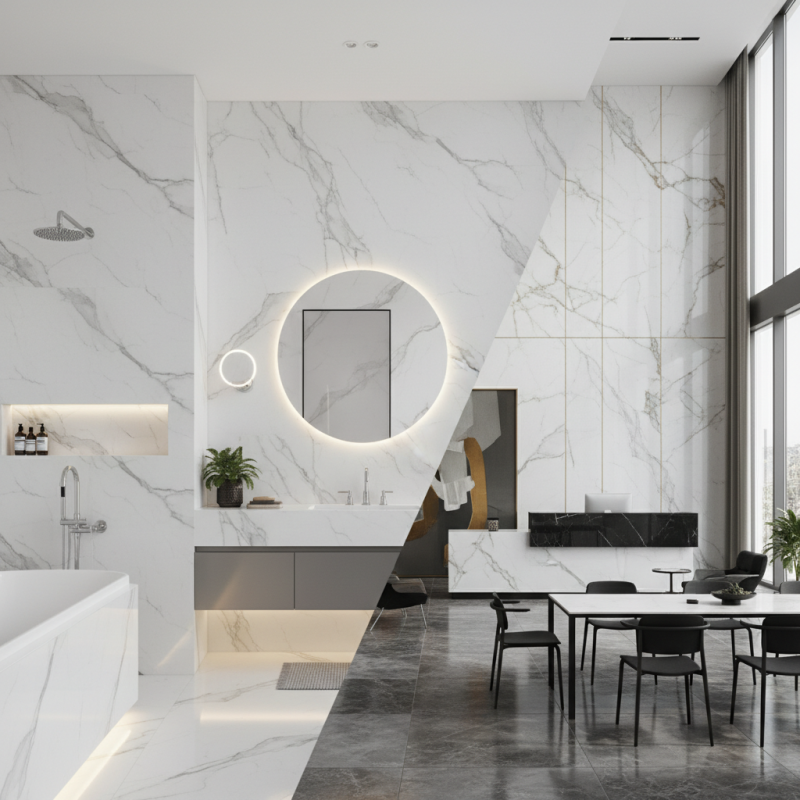
In recent years, the demand for high-quality surfaces has soared. Among them, the PVC marble sheet stands out. This innovative material mimics the elegance of natural marble while offering numerous practical benefits.
The PVC marble sheet is lightweight yet durable. It is resistant to stains and scratches, making it suitable for various environments. Homeowners appreciate its affordability compared to real marble. However, not everyone knows this material can be used in both residential and commercial spaces.
Despite its advantages, some may question its authenticity. There is a certain allure to natural stone that PVC cannot replicate. It's essential for consumers to weigh the pros and cons. There are also debates about environmental impact, raising further questions. Ultimately, the choice of using a PVC marble sheet will depend on personal preferences and practical needs.
Understanding PVC Marble Sheets: An Overview
PVC marble sheets are becoming increasingly popular in various applications, from interiors to exteriors. They mimic the look of natural marble but are lighter and more affordable. According to industry reports, the global PVC market is projected to reach $60 billion by 2025. This growth is partly due to innovations in aesthetics and functionality.
These sheets offer significant advantages, such as durability and low maintenance. They resist stains and scratches, making them ideal for high-traffic areas. A 2022 survey indicated that 70% of designers prefer using PVC materials for residential projects. However, some critiques highlight issues with longevity under harsh conditions. The environmental impact of PVC production is also a concern, requiring careful consideration.
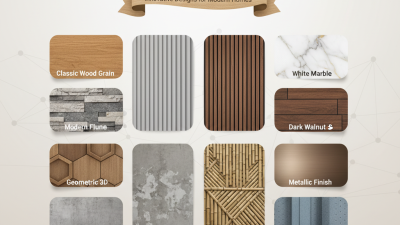
In terms of design versatility, PVC marble sheets come in various textures and colors. This flexibility allows for creative possibilities without the hefty price tag of traditional marble. While many users are satisfied with their performance, a few report problems with adhesive quality. Improved manufacturing techniques are necessary to enhance product reliability.
2026 Best PVC Marble Sheet Features and Benefits Overview
Key Features of 2026 PVC Marble Sheets
When exploring the key features of the 2026 PVC marble sheets, one cannot overlook their stunning aesthetics. With a glossy finish, these sheets mimic the look of natural marble beautifully. The variety of colors and patterns offers multiple options for diverse design preferences. This range allows homeowners and interior designers to find the perfect match for their vision.
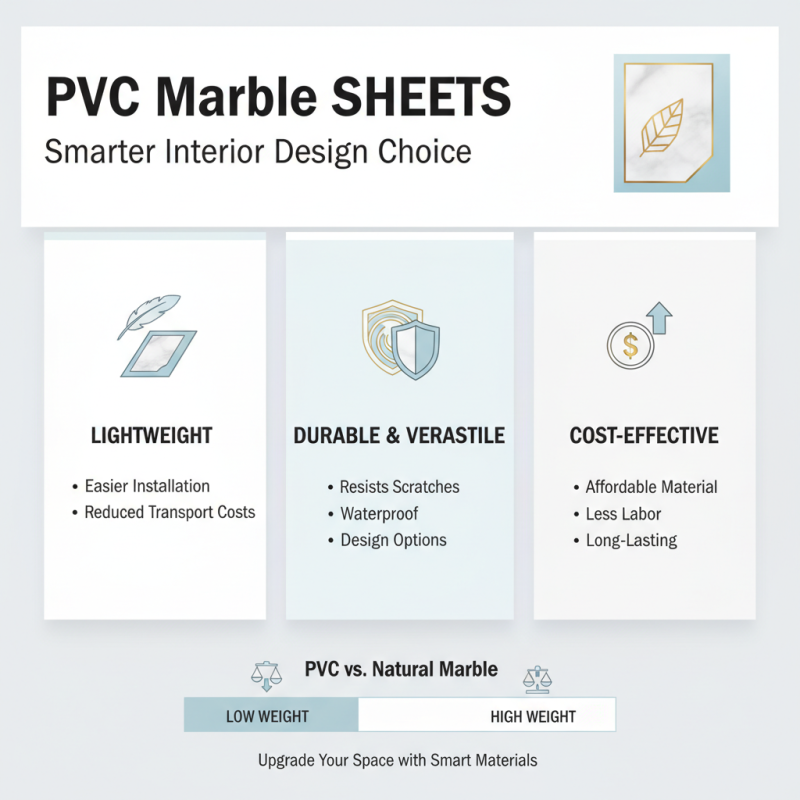
Durability is another significant advantage. PVC marble sheets are resistant to scratches and stains, which makes them ideal for high-traffic areas. They're also easy to clean, requiring just soap and water. However, while they are durable, they may not withstand extreme heat. Care should be taken to avoid hot pots or pans directly on the surface.
Additionally, installation is straightforward and can often be a DIY project. The lightweight nature of the sheets simplifies handling during the installation process. Yet, the installation must be precise, as improper placement could lead to unsightly seams. Balancing ease of use with careful attention to detail is essential.
Benefits of Using PVC Marble Sheets in Modern Design
PVC marble sheets are increasingly popular in modern design. Their versatility makes them suitable for various applications, from countertops to wall coverings. According to a recent market analysis, the global PVC sheet market is expected to grow by 7% annually. This growth indicates a rising preference for durable and aesthetic materials.
One key benefit of PVC marble sheets is their cost-effectiveness. Compared to natural marble, they provide a similar look at a fraction of the cost. This makes them an attractive choice for both residential and commercial spaces. Additionally, they are lightweight, which simplifies installation processes. However, not all PVC sheets offer the same quality. Some may fade or scratch easily over time, prompting consumers to research their options carefully.
Another advantage is their low maintenance requirement. Unlike natural stone, PVC sheets are resistant to stains and do not need sealing. Cleaning is typically a simple process, often requiring just soap and water. However, potential buyers should consider the environmental impact of PVC production. While some companies are adopting sustainable practices, the overall lifecycle of PVC still raises questions. Designers must balance aesthetics with sustainability in their projects.
Installation and Maintenance Tips for PVC Marble Sheets
When it comes to installing PVC marble sheets, preparation is key. Begin by ensuring the surface is clean and dry. Any dust or debris can lead to poor adhesion. Use a level to check that your surface is even. This can prevent future complications. Take the time to measure accurately. Mistakes can happen and may result in wasted materials.
During installation, it’s essential to apply the adhesive evenly. Avoid using too much; it can lead to bubbling. A small roller can help in spreading the glue. Press the sheet firmly to eliminate air pockets. Pay attention to the edges, as they require particular care. Once installed, allow the adhesive to cure properly before using the space.
Maintaining PVC marble sheets is relatively straightforward. Regular cleaning with mild soap and water is sufficient. Scratching is a common issue, so be cautious with abrasive materials. Occasionally, inspect seams and edges for signs of wear. Address any issues promptly to prolong the sheet's lifespan. Awareness of these factors can significantly enhance your experience.